Navigating the clouds / A 2026 safety guide to the Ecuadorian Sierra
Comprehensive travel safety advice for the Ecuadorian Sierra 2026
Peaks, pedals, and peace of mind in the High Andes
BEN FINCH
The Ecuadorian Sierra is a landscape of impossible scale. It is a place where the air is thin, the light is golden, and the volcanoes stand like silent sentinels over ancient colonial cities. For the modern adventurer—and particularly for those of us who prefer to see the world from the saddle of a bicycle—the Sierra represents one of the final frontiers of accessible, high-altitude exploration. However, as we move through 2026, the question of safety in Ecuador has become a frequent topic of conversation around dinner tables and in cycling forums.
At Wheely Tyred, we believe that the best way to travel is with your eyes wide open. The security situation in Ecuador has evolved, and while the headlines often paint the entire country with a broad brush of instability, the reality on the ground in the Sierra is far more nuanced. By understanding the current climate, you can navigate these mountains with confidence, focusing on the breathtaking vistas rather than the what-ifs.
The vertical heart of the Andes
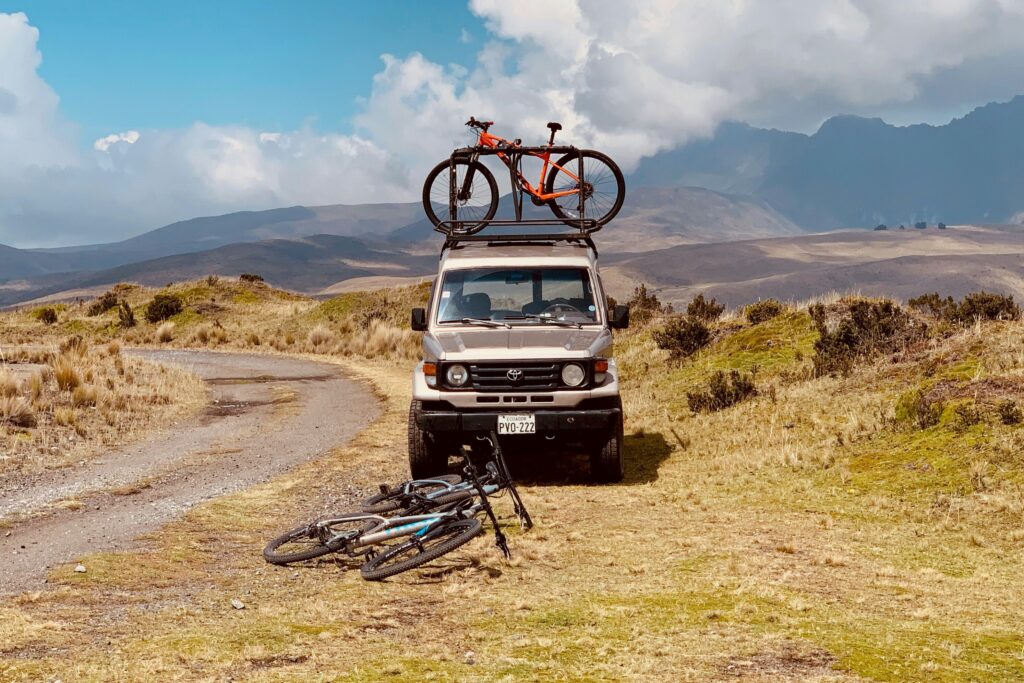
The Ecuadorian Sierra is more than just a mountain range; it is a high-altitude tapestry of colonial grandeur and volcanic power. Navigating it requires a keen eye and a steady pedal, but the rewards are as vast as the horizon.
- The Security Pulse: A look at the 2026 security landscape, distinguishing between coastal volatility and the relative stability of the Highlands
- Capital Awareness: Essential advice for navigating Quito’s historic centre and nightlife districts without falling foul of opportunistic crime
- Cuenca’s Sanctuary: Why this southern city remains the gold standard for safety and a perfect base for independent explorers
- The Secondary Route: The strategic importance of avoiding the Pan-American Highway in favour of quieter, safer Andean backroads
- Solo and Inclusive Travel: Navigating social nuances and machismo culture with confidence and situational awareness
- Biological Safety: Respecting the thin air and intense equatorial sun to prevent altitude sickness and exhaustion
- The Chucho Factor: Hard-earned tips for managing territorial rural dogs when exploring on two wheels or on foot
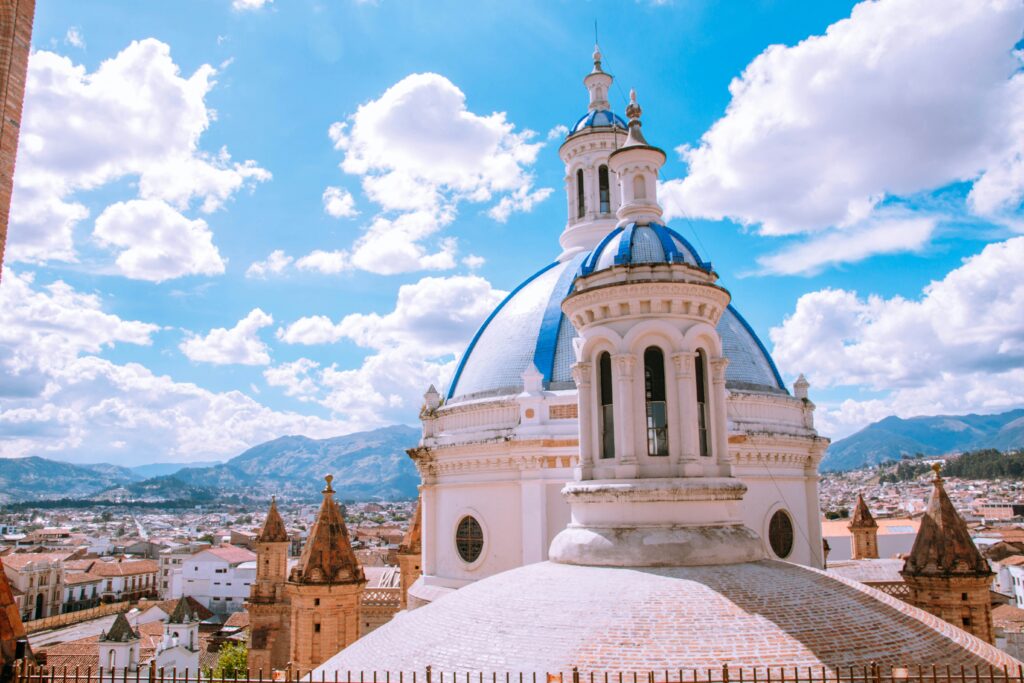
Quito.
Explore the Middle of the World
The 2026 security landscape / Facts over fear
To understand the Sierra today, we must look at the national context. As of April 2026, Ecuador remains under a renewed 60-day State of Emergency, part of the ongoing government effort to manage internal armed conflict. For a traveller, this might sound intimidating, but its practical impact in the Sierra is often limited to an increased presence of military and police in major hubs and occasional security checkpoints on the highways.
Statistically, the violence that has made international news is heavily concentrated in the coastal provinces such as Esmeraldas, Guayas, and Los Ríos. In contrast, the Sierra regions—including the provinces of Pichincha, Azuay, and Tungurahua—maintain a significantly more stable profile. While the national homicide rate remains a concern for local authorities, the primary risks facing international visitors in the Andes are overwhelmingly related to opportunistic petty crime and logistical disruptions caused by civil unrest.
If you are planning a route through the Highlands, the most important thing to monitor isn’t the armed conflict, but rather the local paros or strikes. These are a frequent occurrence in the Sierra, where indigenous and labour groups may block roads to protest economic measures. For a cyclist, a road block can be a minor inconvenience; they will probably let you through. For a traveller in a vehicle, it can mean a total halt. Staying informed through local news is your best tool for navigating these shifts.
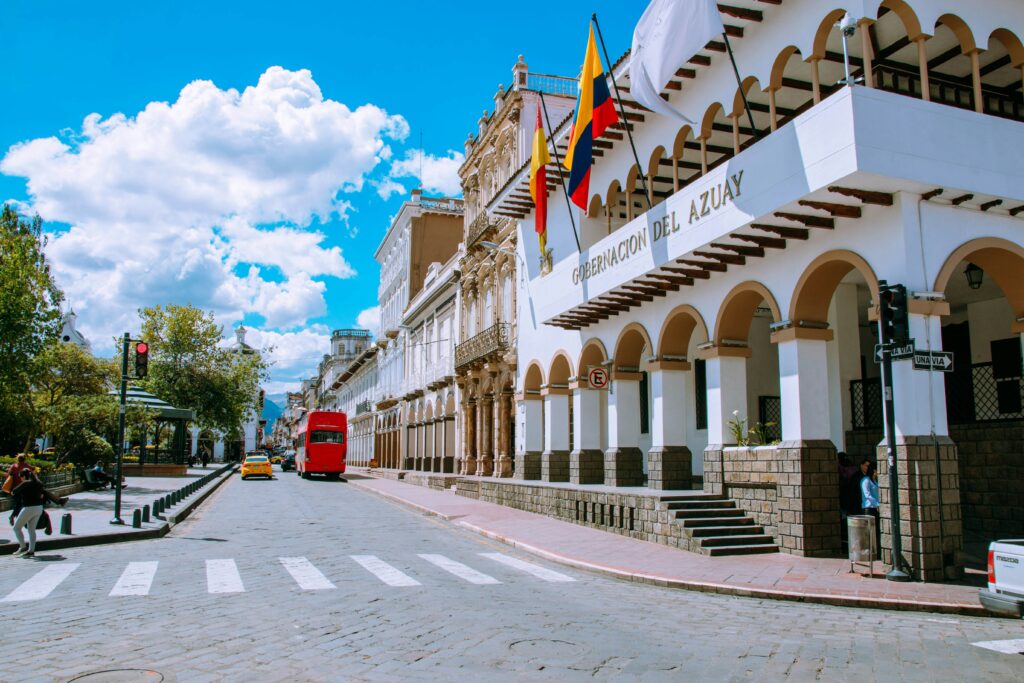
Cuenca.
The Athens of Ecuador
City safety / A tale of two Andean hubs
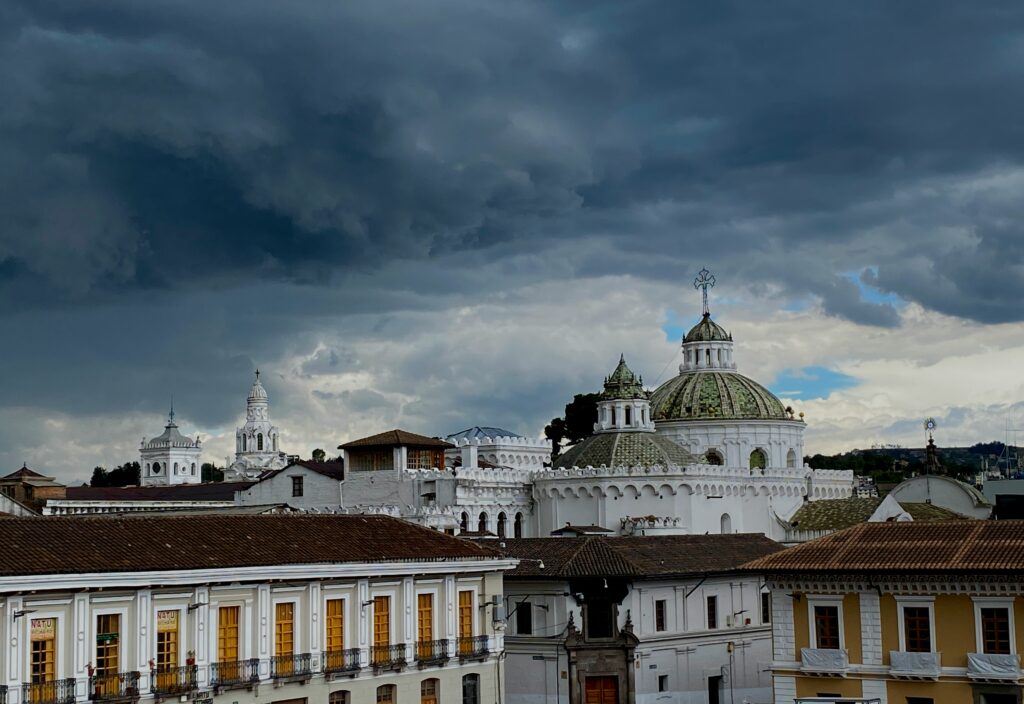
The two primary gateways to the Sierra, Quito and Cuenca, offer very different safety experiences.
Quito / Managing the capital
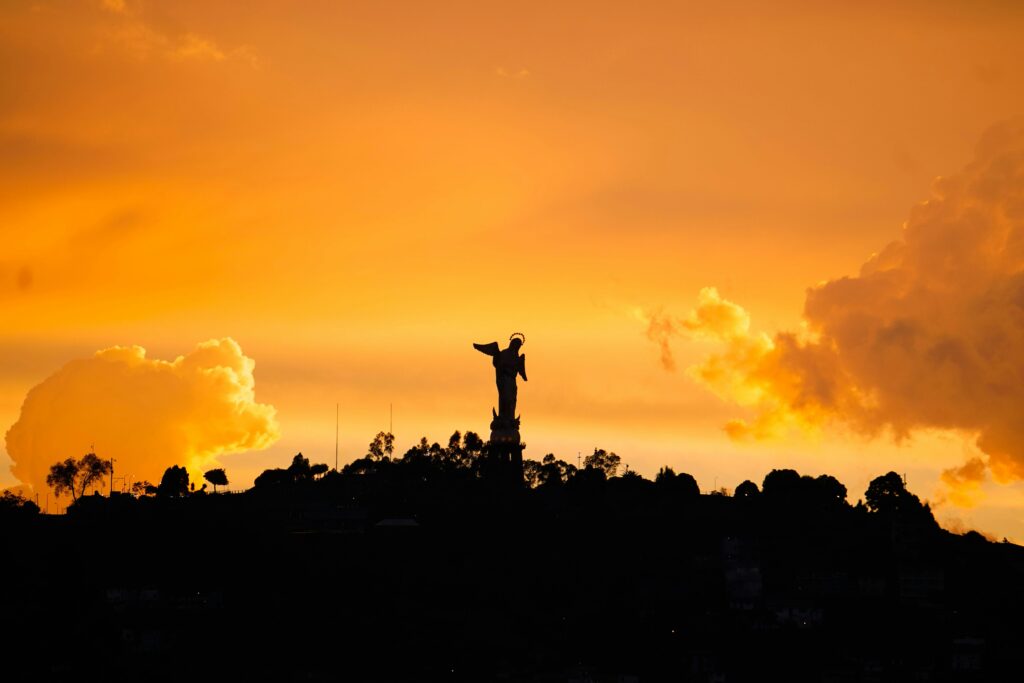
Quito is a city of high energy and stunning architecture, but it requires a high degree of street smarts. The historic centre is beautiful during the day but becomes quite isolated and riskier after the sun sets. Pickpocketing and bag-snatching are the most common issues here, particularly in crowded areas like the Plaza Grande or on the public Trolebús system.
A specific concern in Quito for 2026 remains the use of scopolamine—a drug used by criminals to incapacitate victims, often delivered via a drink or even a tainted flyer. This typically occurs in the nightlife districts like La Mariscal. Our advice is simple: never leave a drink unattended and be wary of overly friendly strangers offering unexpected assistance or gifts.
Cuenca / The highland sanctuary
Four hundred kilometres to the south, Cuenca feels like a different world. It remains one of the safest urban environments in South America. The crime rates here are significantly lower than in Quito, and there is a strong sense of community vigilance. You will see locals and expats alike walking the banks of the Tomebamba River at dusk, though we still recommend staying in well-lit areas. Even in Cuenca, the two-phone strategy is wise: carry a cheaper decoy phone for everyday navigation and keep your primary device tucked away.
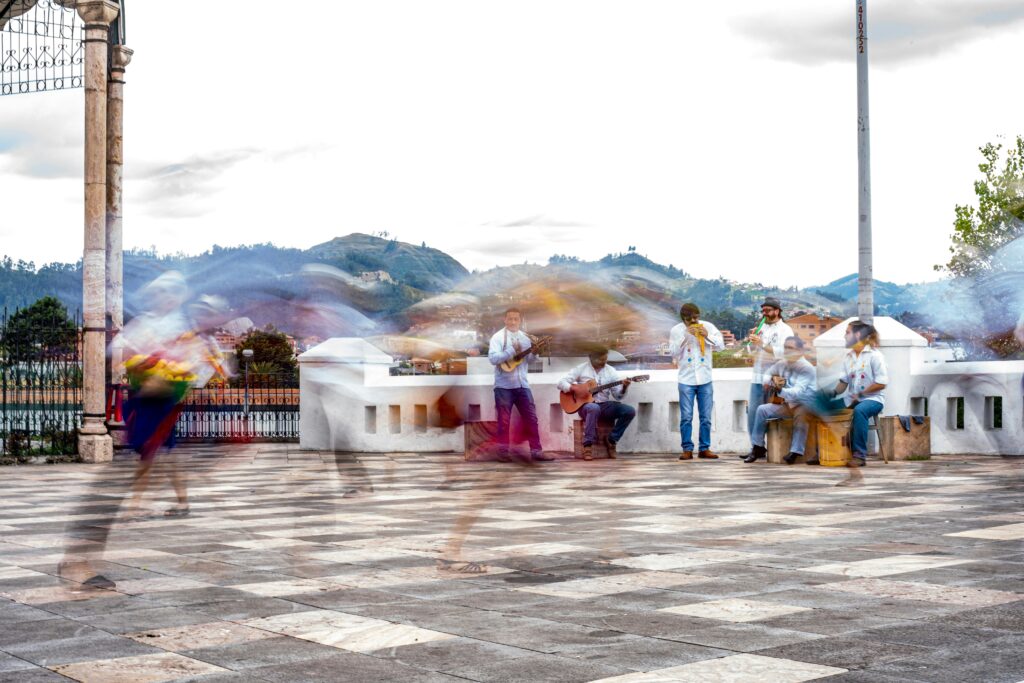
The Ecuadorian Sierra.
Get lost in the hills
Inclusive travel / Solo explorers, women, and minorities
Safety is a personal experience, and it varies depending on who you are and how you move through the world.
Solo travellers and women
For solo female travellers, the Ecuadorian Sierra is generally a welcoming place, but it is not without its challenges. Catcalling or machismo culture is still present in some areas, though it is rarely aggressive. Recent 2025 data from the Ministry of Women and Human Rights suggests that while tourism-related incidents are rare, general gender-based street harassment persists.
We recommend that solo travellers try to connect with the vibrant hostel community or use slow travel networks to find companions for more isolated legs of their journey. If you are hiking or cycling, always let someone know your expected arrival time. The 911 emergency system in Ecuador is functional, and there is an ECU 9-1-1 app that can be very helpful for immediate assistance.
Ethnic and minority travellers
Ecuador is a proud plurinational state, but like many nations, it has its own internal social frictions. Travellers of colour generally find the Sierra to be curious and hospitable. Afro-Ecuadorian travellers may find that in the Sierra—where the population is predominantly Mestizo or Indigenous—they stand out more, which can occasionally lead to more frequent document checks by police during a State of Emergency.
For the LGBTQ+ community, Quito and Cuenca have established safe spaces and a growing level of acceptance. However, in smaller Andean villages where traditional Catholic and Indigenous values are the norm, public displays of affection may draw unwanted attention. Discretion in these rural areas is often the easiest path to a smooth journey.
The Ecuadorian Amazon.
The most biodiverse place in the world
On the road / Cycling and transit safety
As experts in cycling routes, we know that the biggest safety threat in the Sierra often has four wheels rather than two.
- Traffic Dynamics: The Pan-American Highway is the spine of the Sierra, but for a cyclist, it is a high-stress environment. Heavy lorries and inter-provincial buses often pass with very little room. We always advocate for the vías secundarias—the back roads. Not only are they safer, but they offer the authentic Andean experience that the main highway misses entirely
- The Chucho Challenge: Rural dogs, or chuchos, are famously territorial in the Andes. They will often chase cyclists. The most effective safety measure is often the simplest: stay calm, don’t speed up excessively, and if needed, dismount and put the bike between you and the dog. Often, just the gesture of reaching for a water bottle is enough to deter them
- Transport Security: If you are using buses to jump between regions, never put your valuables in the overhead bins or under your seat. Keep your daypack on your lap with the straps looped around your arm. Modern bus terminals (terminales terrestres) are generally secure, but keep your bag between your feet when buying tickets
Health and altitude / The silent safety risk
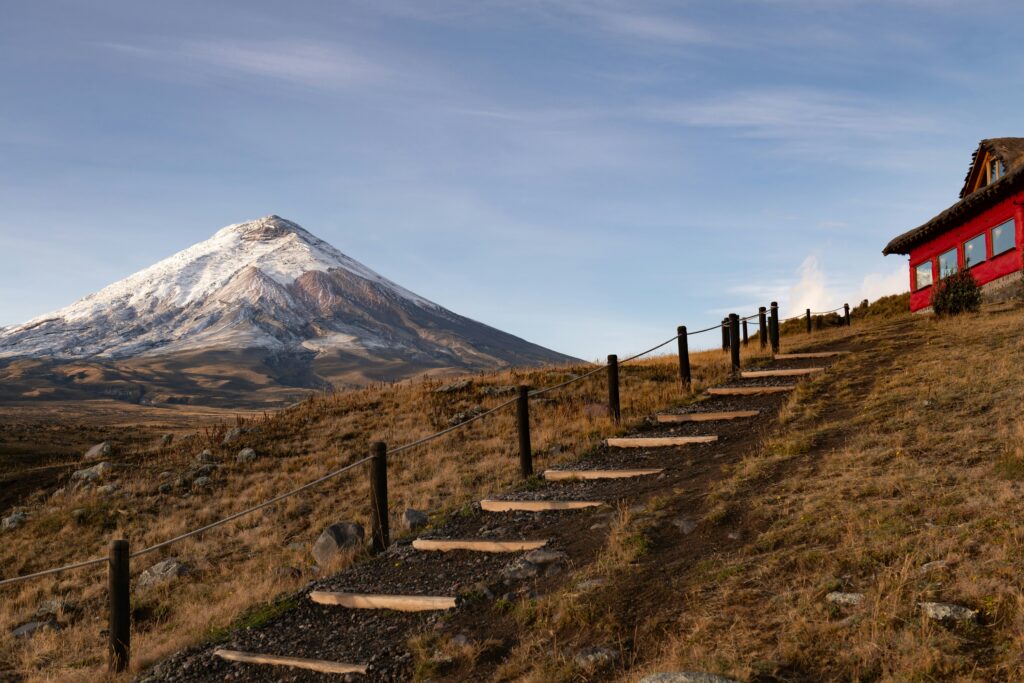
In the Sierra, safety isn’t just about crime; it’s about biology. Many travellers land in Quito (2,850m) and immediately try to hit the trails. Altitude sickness, or soroche, can be a serious safety issue, leading to dizziness, poor decision-making, and in extreme cases, pulmonary oedema.
Spend your first 48 hours hydrating and resting. If you are cycling, plan for half-days for the first week. The sun at the equator is also exceptionally strong; safety here means a high-SPF sunblock and a wide-brimmed hat, as heatstroke can happen even when the mountain air feels chilly.
The Ecuadorian Coast.
Where you’ll find the very best food
Staying safe in the Sierra
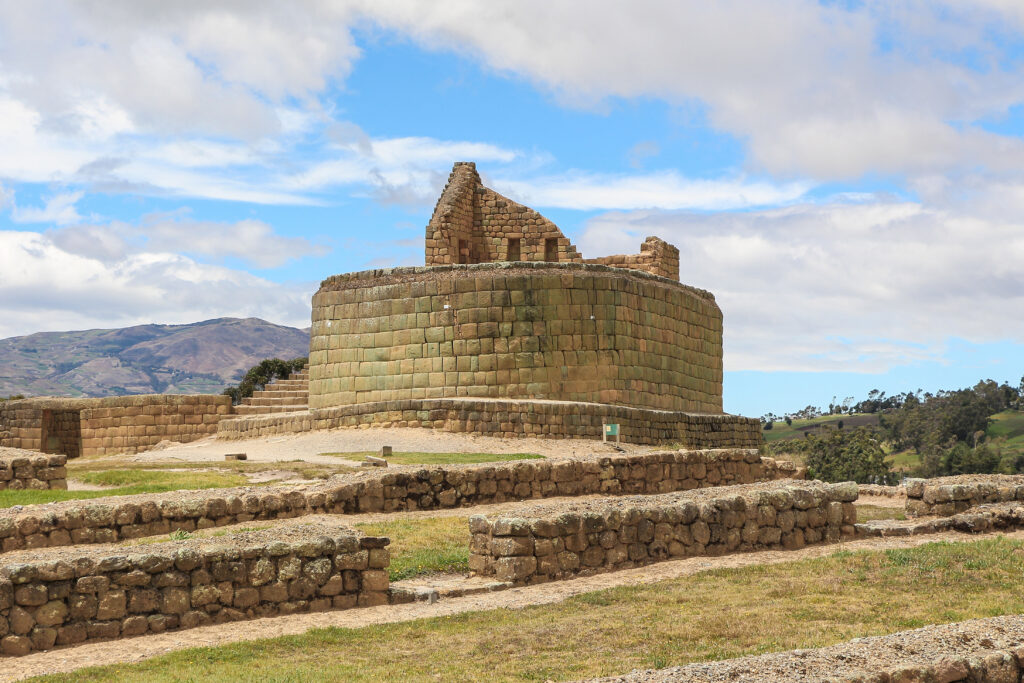
The Ecuadorian Sierra is not a place to be feared; it is a place to be respected. In 2026, the country has become more adept at protecting its tourism corridors, and the resilience of the local people is inspiring. If you stay informed, keep your valuables low-profile, and respect the power of the Andean environment, you will find that the rewards of this region far outweigh the risks.
The peaks are waiting, and the air is clear. Get out there and explore, but do it with the wisdom of a local.
Affiliate Disclaimer: Some of the links on Wheely Tyred are affiliate links. If you click through and make a booking or purchase, we may earn a small commission at no extra cost to you. We only recommend gear, tours, stays, and services we genuinely use, trust, and stand behind — our editorial independence always comes first. These commissions help keep our independent cycling guides and travel stories free to read. Thanks for supporting the ride!
Frequently asked questions about safety in the Ecuadorian Sierra
Paros are indigenous-led strikes or national protests that can lead to sudden, widespread road closures. While they are a form of political expression and rarely target travellers directly, they can stop all vehicular transport for days. If you are on a bike, you can often filter through, but you must remain respectful and stay informed via local news.
Ecuadorian bus travel is efficient but requires vigilance. Never place your primary bag in the overhead bins or under your seat, as slash-and-grab thefts are common. Keep your daypack on your lap with your arms through the straps at all times.
Most of the Sierra sits above 2,500 metres. We recommend a minimum of 48 hours of active rest in a city like Quito or Cuenca before attempting any mountain passes. Drink twice as much water as usual and avoid heavy meals or alcohol during your first two days.
In Quito and Cuenca, apps like Cabify or Uber are generally considered safer than hailing a random yellow taxi on the street, particularly at night. These apps provide a digital trail of your journey and the driver’s identity, which is a vital safety layer.
Known locally as chuchos, rural dogs are very territorial. If you are cycling and a dog gives chase, do not try to outrun it. Slow down, or dismount and keep the bike between you and the animal. Often, simply the motion of leaning down to pick up a stone (even if you don’t actually pick one up) is enough to discourage them.
In the Sierra, the State of Emergency usually manifests as an increased military and police presence in public squares and occasional checkpoints on major roads. For the independent traveller, this often feels like an added layer of security rather than a restriction, though you should always carry a colour copy of your passport.
Ecuador.
Pure wonder on the equator.