
The flavour of southern Ecuador / What to eat and drink in Loja
A complete culinary guide to traditional dishes, native herb infusions, and speciality coffee in Loja, Ecuador
Ecuador’s musical capital offers a quiet, deeply rooted food culture

BEN FINCH
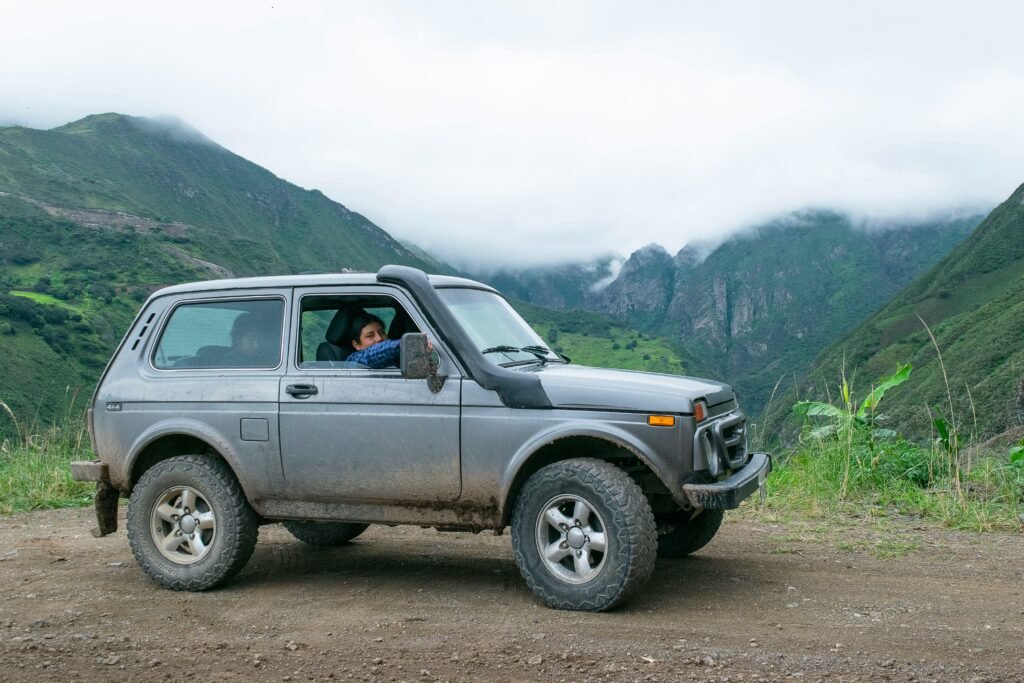
Nestled between the eastern and western ranges of the Andes in southern Ecuador, Loja sits at roughly 2,100 metres above sea level. It is a city defined by its temperate climate, acoustic heritage, and distinct geography. Unlike the coastal lowlands or the rugged northern highlands around Quito, Loja occupies a secluded valley where microclimates flourish, giving birth to ingredients found nowhere else in the country.
For the independent traveller arriving by regional bus over winding mountain passes, or cycling south towards Peru, Loja presents an unhurried urban rhythm. The street layout is pedestrian-friendly, the air carries a faint scent of pine and roasting coffee, and the food culture reflects a proud self-sufficiency.
Loja does not cater to mass tour groups or quick bus turnarounds; its kitchens cook for locals who demand authenticity, technique, and produce harvested from nearby hillside plots.
Understanding Lojano cuisine requires understanding its geography. The surrounding valleys produce exceptional guineo verde (unripe green bananas), delicate corn varieties, and sweet achira leaves used for wrapping steamed parcels.
Meanwhile, high-altitude coffee plantations benefit from dramatic daily temperature shifts, and the surrounding páramo provides wild herbs for medicinal infusions. Eating here is an invitation to slow down and appreciate how a landscape directly shapes the plate.
Loja’s key culinary takeaways
Southern Ecuador offers a quiet, deeply rewarding culinary landscape shaped by high Andean microclimates and centuries-old mountain traditions. Here is what every independent traveller should remember before pulling up a chair in Loja.
- Repe Lojano: A silky, comforting soup built on unripe green bananas (guineo verde), milk, and fresh, unpasteurised quesillo cheese
- Cecina Lojana: Sun-cured pork shoulder marinated in garlic and achiote, grilled over native hardwoods for a smoky, tender finish
- Tamal Lojano: Delicate corn masa steamed inside aromatic achira leaves, giving this classic parcel a distinct herbal fragrance
- Horchata Lojana: A vibrant crimson botanical infusion brewed from over twenty native herbs and petals, served hot or iced with fresh lemon juice
- High-Altitude Coffee: Complex, floral Arabica beans cultivated at elevations above 1,500 metres in microclimates across the province
- Local Dining Rhythms: Plan your main meal around the midday almuerzo window, reserving late afternoon for coffee house culture and fresh pastries
Loja.
Ecuador’s musical capital
Essential food to try in Loja
Repe Lojano
In Loja, green bananas are not treated as fruit; they are a fundamental staple vegetable. Guineo verde forms the backbone of repe lojano, a velvety soup that serves as the definitive symbol of regional identity. The green bananas are peeled, finely chopped, and simmered slowly in a heavy pot alongside milk, garlic, and fresh quesillo—a soft, unpasteurised local cheese with a delicate, slightly salty finish.
As the bananas break down, they release natural starches, creating a silky creaminess without the need for flour or heavy cream. Finely chopped cilantro is stirred through just before serving.
A warm bowl of repe is traditionally accompanied by fresh avocado slices and an extra crumble of quesillo. It is simple, deeply nourishing, and eaten across all walks of life, particularly during midday lunches.
Cecina Lojana
Meat preservation in the dry, sun-drenched valleys around Loja perfected the art of air-curing pork long before modern refrigeration. Cecina lojana features thin, uniform cuts of pork shoulder or leg marinated overnight in a mixture of crushed garlic, salt, cumin, and achiote paste, which imparts a rich reddish-amber hue.
The marinated meat is suspended outdoors in the mountain breeze and sun, allowing the surface to dry slightly before it hits the grill. Cooked quickly over high heat on open charcoal grills, the meat develops a smoky exterior while remaining tender inside.
A classic plate of cecina comes stacked with steamed yucca root, mote (boiled hominy corn kernels), and curtido—a bright salad of pickled red onions and lime juice that cuts through the richness of the pork.
Tamal Lojano
While tamales are found across Latin America, Loja’s version stands out for its light texture and specific wrapping technique. The base is made from finely ground corn masa, seasoned gently with lard, achiote, and local spices. The mixture is filled with shredded chicken or pork, slow-cooked with tomatoes, onions, and sweet peppers.
Crucially, the entire parcel is encased in the broad, fragrant leaf of the achira plant rather than plantain leaves or corn husks. When steamed, the achira leaf imparts a subtle, herbal aroma to the corn masa. Tamales lojanos are traditionally enjoyed in the late afternoon alongside a slab of fresh quesillo and a cup of black coffee.
The Ecuadorian Sierra.
Get lost in the hills
Horchata Lojana
Unlike the rice-based horchata of Mexico or the tiger nut horchata of Valencia, horchata lojana is a vibrant, crimson-hued botanical tea brewed from more than twenty native herbs, medicinal plants, and flower petals. The blend typically includes escancel (which gives the drink its deep red colour), lemon verbena, mint, lemongrass, rose petals, violet, and chamomile.
Steeped in boiling water, the infusion yields an earthy, floral aroma. It is strained and combined with fresh lemon juice and a touch of unrefined panela sugar, turning the liquid a brilliant magenta. Served hot on cool mountain mornings or iced on warm afternoons, it is celebrated for its digestive and soothing qualities.
Loja speciality coffee
Southern Ecuador, particularly the province of Loja, is home to some of the highest-elevation coffee farms in South America. Grown between 1,500 and 2,200 metres above sea level in microclimates such as Puyango, Chaguarpamba, and Vilcabamba, Loja coffee is primarily washed Arabica.
The extreme altitude slows down the maturation of the coffee cherries, concentrating natural sugars. The resulting cup profile is clean, highly aromatic, and complex, featuring delicate floral notes of jasmine, bright citrus acidity, and a smooth, sweet honey finish.
The Ecuadorian Amazon.
The most biodiverse place in the world
Curated establishments in Loja
Cecinas El Carbonero
For those eager to experience cecina lojana at its finest, Cecinas El Carbonero offers a focused approach to grilled pork. The venue uses charcoal pits fueled by native hardwoods, filling the air with a rich smoky scent.
Each portion of pork is sliced to precise thickness and grilled to order, ensuring the meat remains juicy. Paired with fluffy mote and freshly boiled yucca, it represents street-level culinary craft elevated by decades of practice.
Café Indera
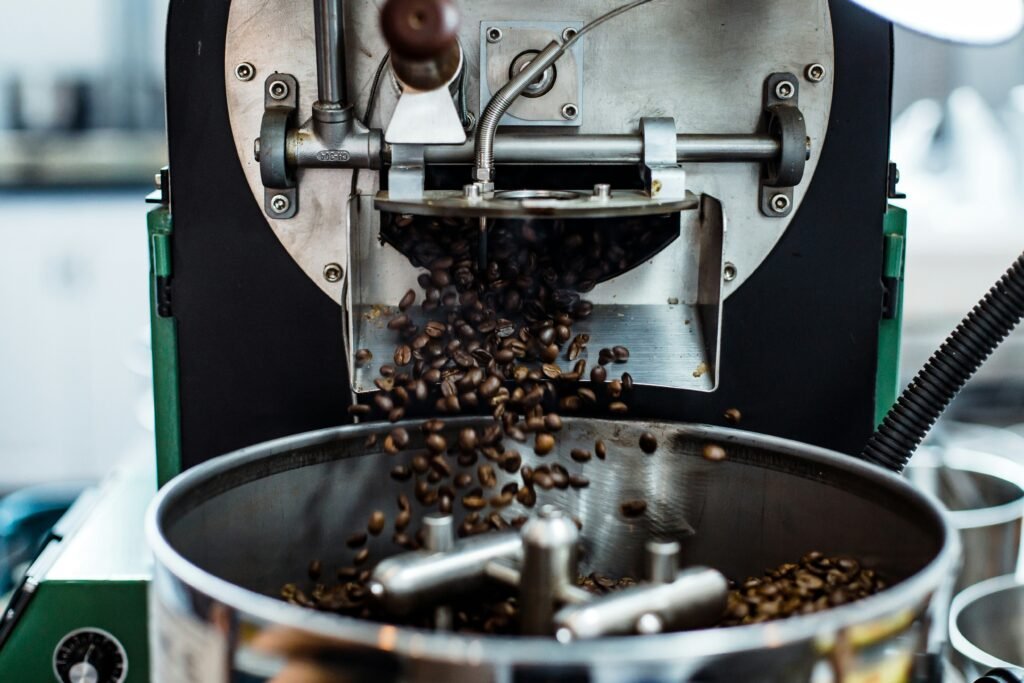
To understand Loja’s modern coffee movement, Café Indera provides a welcoming haven in the urban core. Sourcing single-origin beans directly from smallholder farmers across the province, this artisanal roastery handles its beans with meticulous care.
Baristas offer precise pour-over and espresso preparations that highlight the floral nuances of high-altitude harvests. It is an ideal space to pause during a walking tour of the city, enjoying a pour-over alongside a fresh, leaf-wrapped tamal lojano.
The Galápagos.
Ecuador’s Enchanted Isles
Navigate Loja as an independent traveller

Eating well in Loja requires aligning with local daily routines. Breakfast is lightweight, often centred around fresh fruit, coffee, and humitas or tamales. Midday (between 12:30 PM and 2:30 PM) is when the city gathers for its primary meal; this is the best time to order fresh repe lojano and cecina at traditional restaurants.
By late afternoon, the city enters its coffee hour. Cafes fill up with locals discussing literature, music, and politics over hot cups of filter coffee and steamed corn cakes.
Travelling by foot or bicycle makes exploring Loja’s compact neighbourhoods effortless, allowing you to move easily between central markets, quiet residential cafes, and hillside viewpoints.
The Ecuadorian Coast.
Where you’ll find the very best food
Savour the pace of southern Ecuador
Read this far?
Loja rewards those who travel with patience. Set far from the heavily beaten tourist corridors of northern Ecuador, this Andean valley invites independent travellers to slow their pace, step off the long-distance bus, and explore on foot or two wheels. The city’s culinary scene does not rely on theatrical presentation or global trends; instead, it draws its strength from soil, altitude, and quiet heritage.
From the simple morning comfort of a piping hot bowl of repe lojano to the late-afternoon ritual of pour-over speciality coffee, eating in Loja is an exercise in cultural immersion. Every dish carries a direct connection to the surrounding terrain—whether it is wild herbs gathered from the nearby páramo for a crimson horchata or sun-cured pork grilled over local hardwoods.
By choosing independent establishments, neighbourhood cafes, and traditional family-run eateries, you actively support the smallholders, roasters, and cooks who keep these regional traditions alive. Loja proves that some of the most memorable travel experiences are found far from the guidebook highlights, waiting quietly in a valley bowl of mountain air and rich flavours.
Affiliate Disclaimer: Some of the links on Wheely Tyred are affiliate links. If you click through and make a booking or purchase, we may earn a small commission at no extra cost to you. We only recommend gear, tours, stays, and services we genuinely use, trust, and stand behind — our editorial independence always comes first. These commissions help keep our independent cycling guides and travel stories free to read. You can also buy me a coffee here — thanks for supporting the ride!
Frequently asked questions about what to eat in Loja
Loja is well connected by long-distance buses running regularly from major Ecuadorian hubs, including Cuenca, Guayaquil, and Quito. The main bus terminal (Terminal Terrestre) sits just north of the city centre, making it straightforward to transfer to a local city bus, take a short taxi, or walk directly into the historic core.
Repe Lojano is traditionally eaten as a starter during the midday meal (almuerzo), which typically runs between 12:30 PM and 2:30 PM. Traditional eateries prepare fresh batches daily for lunch, making midday the ideal time to order a warm bowl.
It is enjoyed both ways depending on the weather and time of day. On crisp mountain mornings, locals drink it warm as a soothing botanical tea; on sunny afternoons, it is served iced with a splash of fresh lemon juice as a refreshing tonic.
Yes, though a little care is needed. Dishes like repe lojano are naturally meat-free, relying on green bananas, milk, and fresh quesillo cheese (though it is always worth asking if a meat broth was used as a base). Humitas, fresh cheese pastries, and botanical horchata are also excellent vegetarian staples.
The province’s coffee grows at extreme elevations—often between 1,500 and 2,200 metres above sea level. The cool mountain air and dramatic day-to-night temperature shifts slow cherry maturation, producing Arabica beans renowned for bright citrus acidity, delicate floral aromas, and exceptional natural sweetness.
Ecuador.
Pure wonder on the equator.


