Savour the coast / The definitive Guayaquil food & cacao guide for 2027
Guayaquil food tours 2027 / Top culinary experiences and cacao workshops in Ecuador
Bean-to-bar workshops, vibrant street markets, and authentic local flavours
BEN FINCH
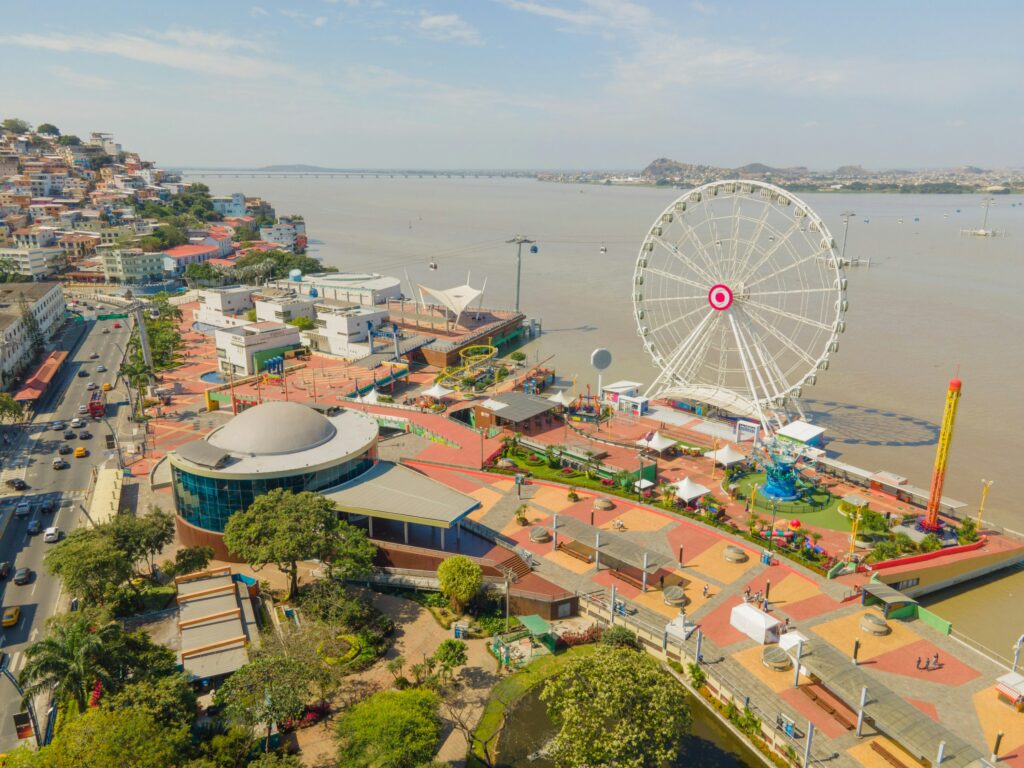
Guayaquil is a city defined by rhythm, river breezes, and an extraordinary agricultural legacy. As Ecuador’s bustling economic capital, its culinary identity stretches far beyond standard coastal fare, anchored deeply in the world’s finest cacao and a vibrant fusion of Andean and tropical ingredients.
Building upon the foundational insights established in our 2026 guide, this fully updated 2027 edition reflects the city’s evolving gastronomy scene, highlighting independent operators, artisanal makers, and neighbourhood food traditions that continue to shape Ecuador’s dining landscape.
For independent travellers, understanding a culture through its food requires stepping away from sterile tourist hubs and diving into local markets, family-run plantations, and historic culinary corridors.
Small-group food tours led by knowledgeable locals unlock the hidden stalls, secret recipes, and profound historical context of Guayaquil that standard guidebooks simply miss. Whether you are tasting raw cacao fruit straight from the pod or navigating the aromatic lanes of a traditional market, these curated experiences offer an authentic taste of coastal Ecuador.
Essential takeaways for your Guayaquil culinary journey
Guayaquil’s food and cacao landscape is a rich tapestry of coastal tradition, agricultural heritage, and artisanal craft. Here are the core highlights and practical takeaways from our curated 2027 guide to help you plan your independent journey.
- Bean-to-Bar Mastery: Discover the unique regional notes of Nacional cacao through immersive sensory tastings and expert-led workshops
- Working Plantations: Step off the beaten path onto family-run coastal estates to harvest fresh pods and hand-grind your own chocolate paste
- Urban Heritage: Explore iconic neighbourhoods such as Las Peñas and Calle Panamá while unearthing the city’s deep historical ties to the cocoa trade
- High-Altitude Transitions: Seamlessly bridge coastal agricultural wonders with the breathtaking glacial landscapes of Cajas National Park on a private cross-country journey
- Coastal Savoury Traditions: Dive into bustling traditional food markets to sample regional staples such as bolones de verde and fresh local ceviche
- Independent Preparation: Master local pacing, cash requirements, and street food hygiene standards to navigate your travels with absolute confidence
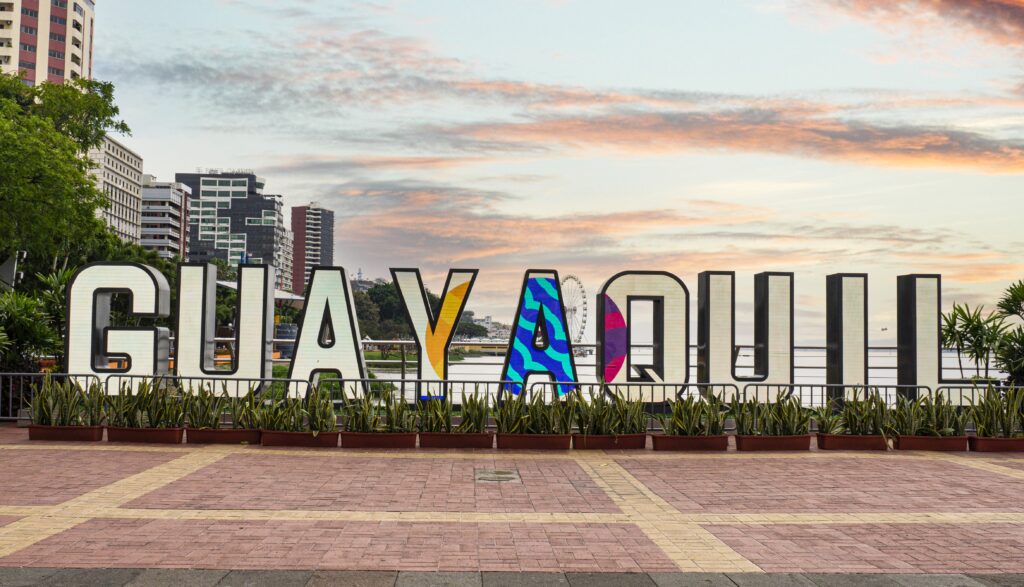
Guayaquil.
The Pearl of the Pacific
1. Immerse yourself in artisan cacao culture

Rating & reviews
(45+ verified reviews on Viator)
Why this tour stands out
This immersive excursion provides an intimate introduction to Ecuador’s illustrious chocolate heritage.
Led by expert local guides, participants are introduced to the nuances of Nacional cacao—celebrated globally for its distinct floral aroma and rich flavour profile.
The tour emphasises hands-on participation, guiding you through the sensory evaluation of fine chocolate and the intricacies of artisanal bean processing.
Key highlights
- Guided sensory chocolate tasting sessions featuring high-end Ecuadorian single-origin bars
- Detailed explanations of the fermentation and roasting stages from experienced chocolatiers
- Exclusive insights into the history of cacao trade in the Guayas province
Ideal for
Culture buffs, chocolate connoisseurs, and travellers seeking a concise yet deep dive into Ecuador’s signature export.
Local insight
When tasting fine dark chocolate, let it melt slowly on your tongue rather than chewing it immediately; this releases the complex secondary notes of fruit, spice, and wood native to Ecuadorian beans.
2. Experience harvest at a family-run estate
Rating & reviews
(67+ verified reviews on Viator)
Why this tour stands out
Moving straight from the city to a lush working plantation, this tour offers a genuine farm-to-bar perspective.
You are welcomed into a family-run environment where you can witness every single step of agricultural production.
The personal hospitality and hands-on harvesting make this an unforgettable day out for anyone curious about sustainable farming and rural coastal life.
Key highlights
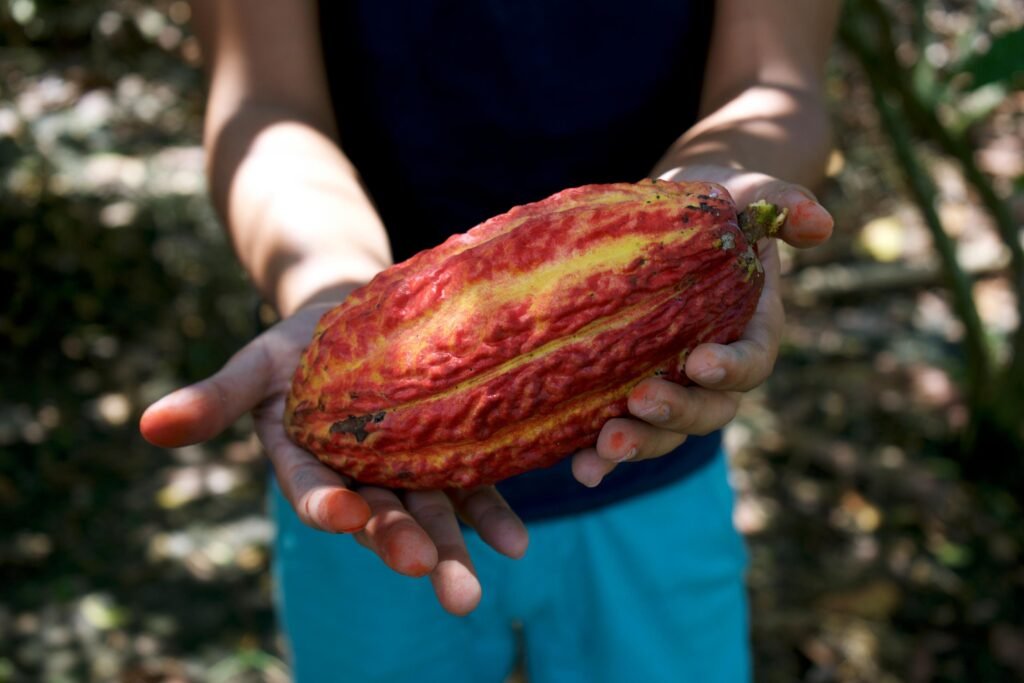
- Harvesting ripe cacao pods directly from the trees with local farmers
- Crafting your own custom chocolate paste using traditional hand-grinding tools
- A delicious, authentic home-cooked lunch hosted by the farm family
Ideal for
Slow travel enthusiasts, families, and curious food lovers eager to get their hands dirty.
Local insight
Be sure to sample the fresh white mucilage surrounding raw cacao beans; it has a surprisingly tart, tropical fruit flavour that bears no resemblance to finished chocolate.
The Ecuadorian Coast.
Where you’ll find the very best food
3. Merge urban heritage with historic tastings
Rating & reviews
(1+ verified reviews on GetYourGuide)
Why this tour stands out
Combining sightseeing with dedicated culinary education, this private tour links Guayaquil’s architectural landmarks with its sweet history.
Visiting the city’s premier cacao museum allows travellers to ground their urban exploration in the agricultural roots that built the region. The private format ensures a flexible pace tailored to your specific curiosities.
Key highlights
- Comprehensive walking tour through historic neighbourhoods such as Las Peñas and Malecón 2000
- Dedicated exhibition walk-through at the local Cacao Museum
- Curated tasting flight of premium Ecuadorian chocolate varieties
Ideal for
First-time visitors looking for a seamless blend of city history and structured culinary tasting.
Local insight
Wear comfortable walking shoes with good grip, as exploring the cobbled, sloping stairs of Las Peñas under the tropical sun requires steady footing.
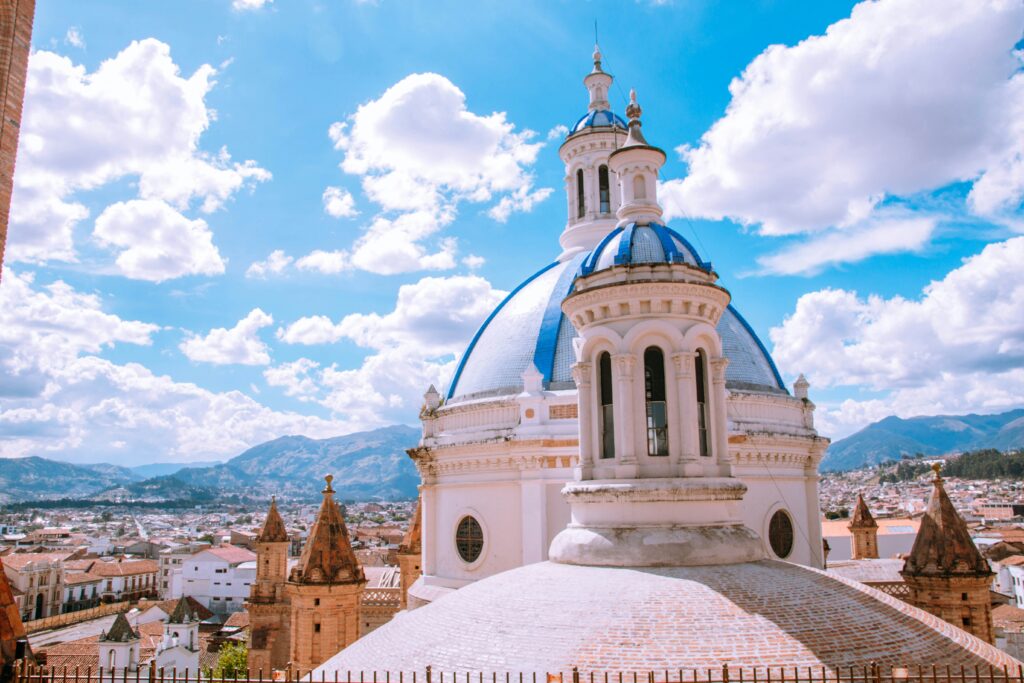
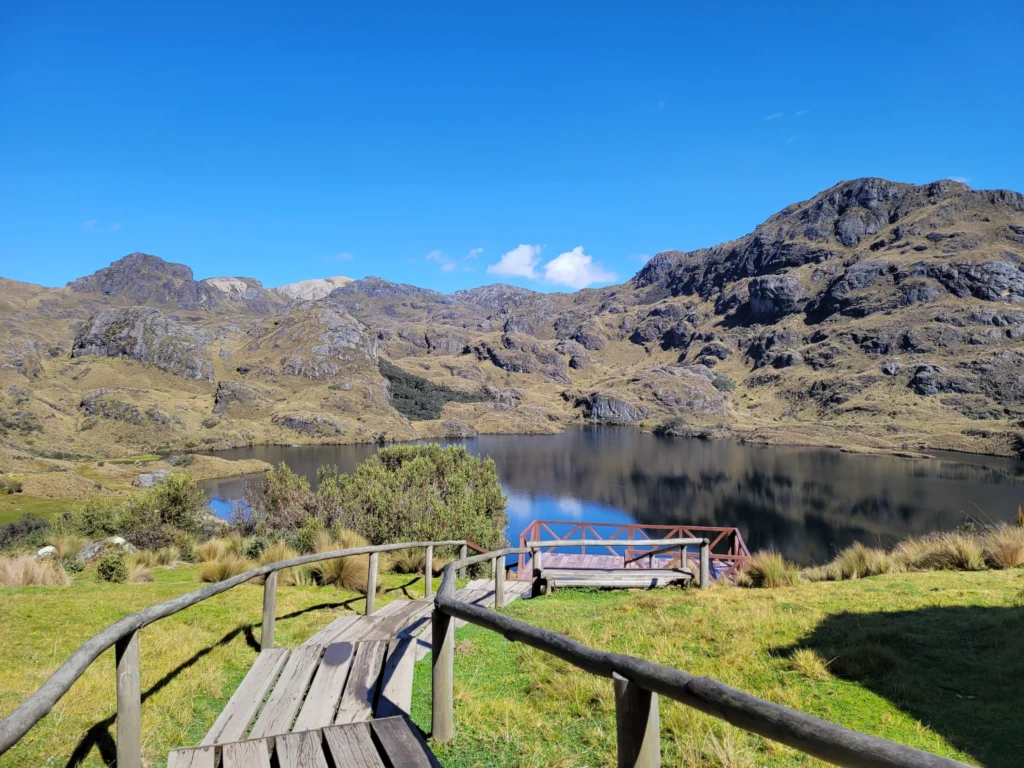
4. Scenic transitions / From coastal harvests to Andean highlands
Rating & reviews
(49+ verified reviews on Viator)
Why this tour stands out
For travellers transitioning between Guayaquil and the mountain city of Cuenca, this full-day private journey bridges two completely different ecosystems.
It pairs an enlightening lowland cocoa farm stop with a breathtaking ascent into the high-altitude páramo of Cajas National Park, making transit an active culinary and nature adventure.
Key highlights
- Mid-route agricultural stop at a lowland cocoa farm to taste fresh fruit and beans
- Scenic mountain drive ascending toward the glacial lakes of Cajas National Park
- Short, guided nature walk amidst high-altitude endemic flora
Ideal for
Autonomous travellers planning cross-country itineraries who want to maximise their transit day with meaningful stops.
Local insight
Because Cajas National Park sits at a high altitude (often exceeding 3,000 metres), stay well-hydrated throughout the drive and dress in accessible layers to adapt quickly to sudden temperature drops.
The Galápagos.
Ecuador’s Enchanted Isles
5. Cultural deep-dives in the heart of the city

Rating & reviews
(2+ verified reviews on GetYourGuide)
Why this tour stands out
This experience zeroes in on the cultural intersection of urban development and agricultural trade.
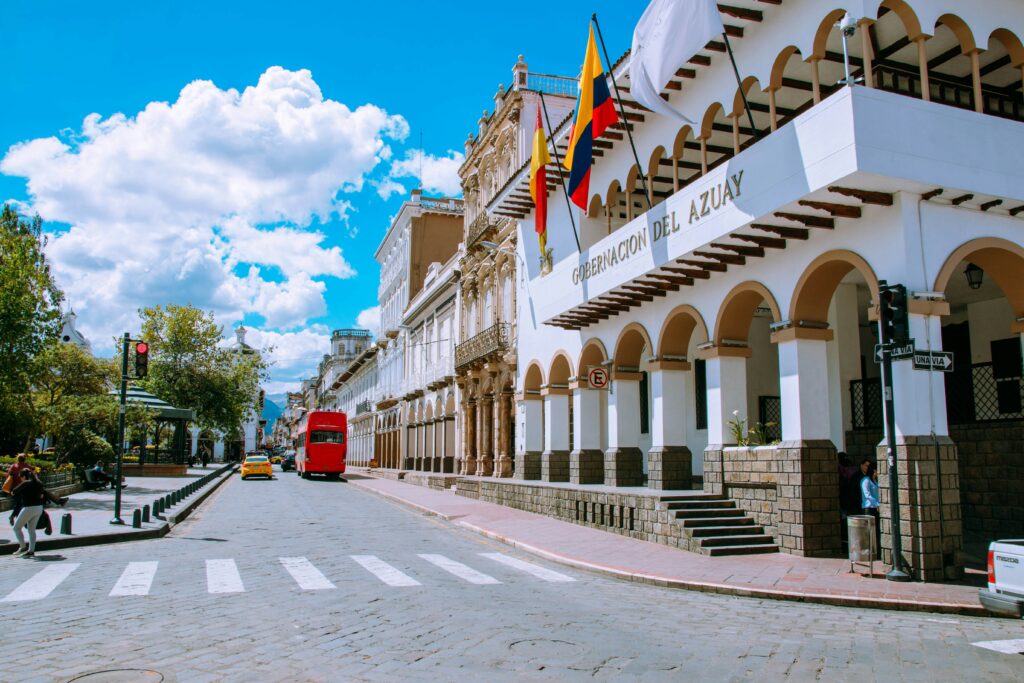
Walking down historic avenues such as Calle Panamá, participants learn how the cacao boom shaped local architecture, commerce, and social traditions before diving into an expert-led museum tasting.
Key highlights
- Strolls along culturally significant thoroughfares such as Calle Panamá
- Deep-dive exhibits showcasing historical cacao export equipment
- Interactive chocolate-crafting and tasting masterclass
Ideal for
Culture seekers, history buffs, and independent explorers wanting context behind local streetscapes.
Local insight
Calle Panamá is currently one of the city’s trendiest hubs for speciality coffee and local bistros; ask your guide for recommendations on where to grab a post-tour cold brew.
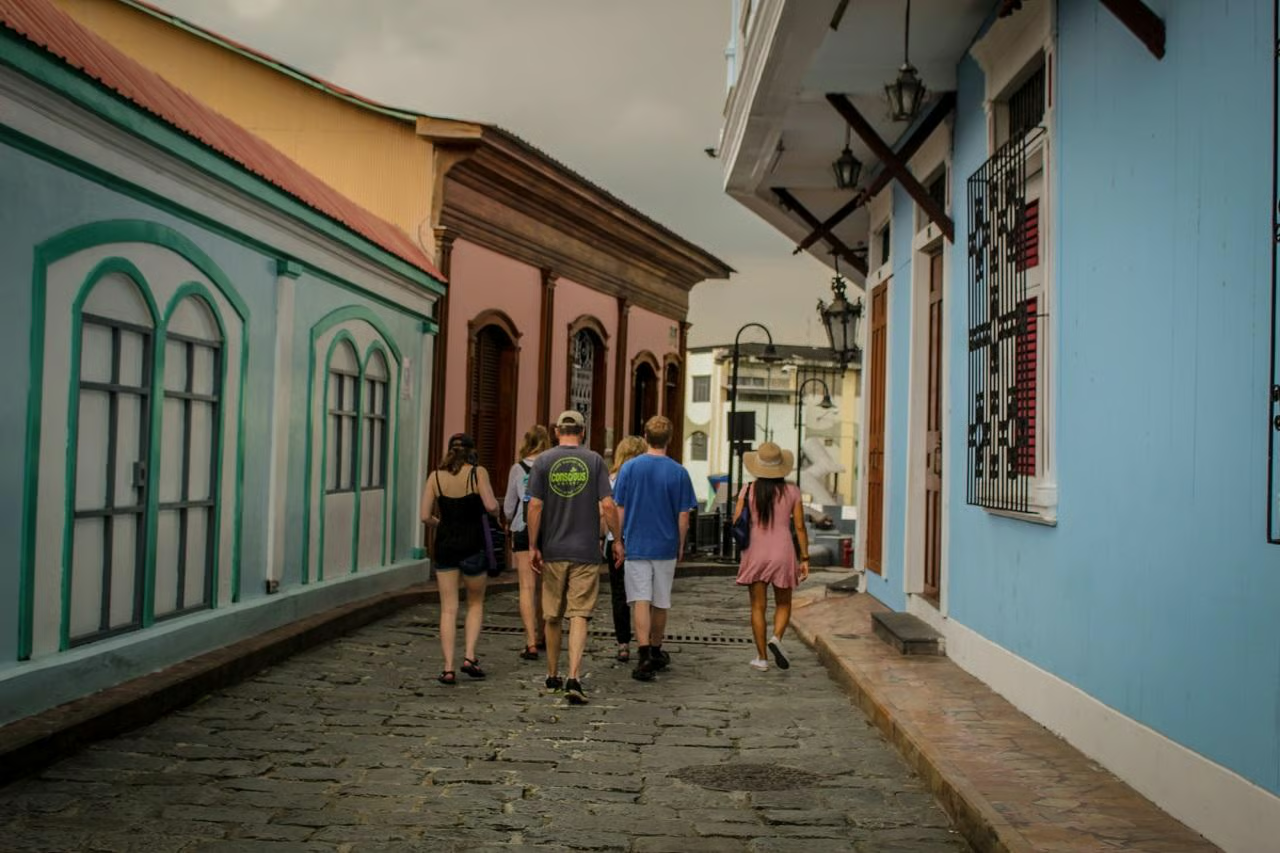
6. Savoury street food walks and traditional market grazing
Rating & reviews
(New activity on GetYourGuide)
Why this tour stands out
While cacao dominates many itineraries, this private gastronomy tour focuses squarely on savoury coastal dishes.
From bustling traditional food markets to iconic downtown landmarks such as the Metropolitan Cathedral and Malecón 2000, you will sample regional specialities that define everyday Ecuadorian comfort food.
Key highlights
- Guided exploration of vibrant local food markets filled with exotic coastal produce
- Tastings of traditional savoury dishes such as bolones de verde (plantain dumplings) and fresh ceviche
- Convenient private hotel transfers and a personal guide sharing local culinary lore
Ideal for
Dedicated foodies and adventurous eaters wanting an authentic overview of coastal Ecuadorian cuisine.
Local insight
Traditional markets can be overwhelming at first glance; always follow your local guide’s lead regarding hygiene standards at specific food stalls, and embrace trying fresh tropical juices made with seasonal fruits such as maracuyá or naranjilla.
The Ecuadorian Sierra.
Get lost in the hills
Our practical Guayaquil food tour & dining guide
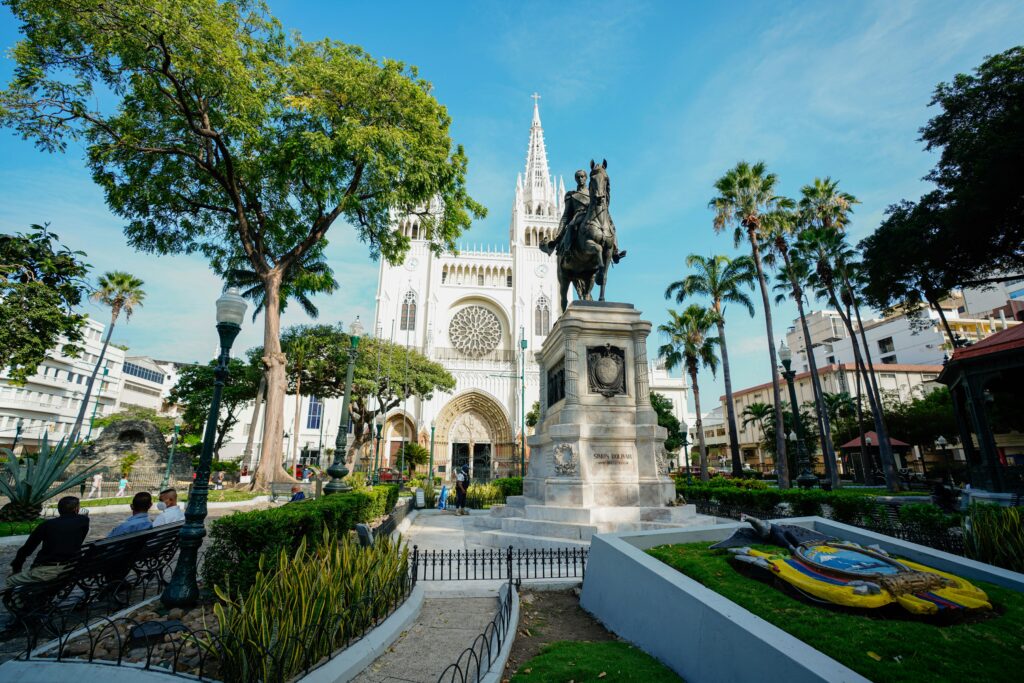
Navigating Guayaquil’s dynamic food scene requires a blend of culinary curiosity and common-sense preparation. Keep these core principles in mind to make the most of your dining adventures:
Pacing your tastings
Food and cacao tours often feature multiple sequential stops. Sample small portions early on so you have plenty of room for savoury dishes and chocolate flights later in the day.
Dietary requirements & allergies
While private tours can easily adapt to vegetarian or gluten-free requests, traditional coastal cuisine frequently relies on seafood, peanuts, and plantains. Always communicate your dietary needs clearly to your guide in advance.
Managing hydration
Guayaquil’s tropical climate can be intensely humid. Drink plenty of bottled or filtered water throughout your walking tours, and avoid ice of uncertain origin at street-side stalls.
Cash vs. digital payments
While major operators and upscale establishments accept card payments, small family-run market vendors and traditional food stalls operate almost exclusively in cash. Keep small denominations of US dollars (Ecuador’s official currency) on hand.
Street food safety
Stick to busy stalls with high turnover where local families are actively queuing; this is the absolute best indicator of freshness, quality, and safe food-handling practices.
The Ecuadorian Amazon.
The most biodiverse place in the world
Embrace the authentic flavours of coastal Ecuador

Read this far?
Navigating Guayaquil on your own terms offers a refreshing departure from mass-market tourism. By engaging directly with local farmers, independent chocolatiers, and traditional market vendors, you gain a genuine understanding of how agriculture and community intersect in coastal Ecuador.
Whether you are savouring a single-origin chocolate bar or sharing a warm conversation over a plate of plantains, these moments anchor your travels in authentic human connection.
As our food and cacao landscape continues to evolve through 2027, the best travel experiences remain those rooted in curiosity and respect. Stepping away from air-conditioned tour buses and walking the lively streets of Calle Panamá or the shaded groves of a family estate allows you to appreciate the meticulous labour behind every harvest. It is this dedication to craft that transforms a simple meal into an unforgettable cultural immersion.
We invite you to use this guide as a flexible framework for your own independent explorations. Take your time, support family-run businesses, and let your palate guide you through one of South America’s most vibrant culinary frontiers. The road and the river are waiting—enjoy every single bite along the way.
Affiliate Disclaimer: Some of the links on Wheely Tyred are affiliate links. If you click through and make a booking or purchase, we may earn a small commission at no extra cost to you. We only recommend gear, tours, stays, and services we genuinely use, trust, and stand behind — our editorial independence always comes first. These commissions help keep our independent cycling guides and travel stories free to read. You can also buy me a coffee here — thanks for supporting the ride!
Frequently asked questions about the best Guayaquil food tours 2027
Ecuador is globally renowned for cultivating Nacional cacao, a historic variety prized for its distinct floral aroma, delicate complexity, and rich flavour profile. Unlike bulk cacao varieties grown elsewhere, single-origin Ecuadorian beans offer nuanced secondary notes of fruit, spice, and wood that make them a favourite among artisanal chocolatiers.
While basic conversational Spanish is always helpful when exploring independent markets on your own, the guided tours recommended in this guide are led by bilingual professionals who provide thorough English translation and cultural context throughout your experience.
Yes, private and small-group operators can generally accommodate dietary requirements with advance notice. However, because traditional coastal cuisine heavily features seafood, plantains, and local grains, it is always best to communicate specific allergies directly when booking your tour.
Ecuador uses the US dollar as its official currency. While upscale restaurants and major tour operators accept credit cards, traditional food markets, family-run cacao farms, and street food vendors operate almost exclusively in cash. It is wise to carry small denominations ($1, $5, and $10 bills) for everyday purchases.
If you choose a tour that ascends from the coastal lowlands into Cajas National Park, remember that elevations exceed 3,000 metres. Drink plenty of water throughout the journey, avoid heavy meals immediately before ascending, and dress in versatile layers to adapt quickly to sudden temperature drops in the páramo.
Guayaquil enjoys a warm tropical climate year-round. The dry season (typically running from June to December) offers slightly cooler temperatures and lower humidity, making it exceptionally comfortable for walking tours, market visits, and outdoor plantation excursions.
Ecuador.
Pure wonder on the equator.