Exploring Guayaquil on foot / Historic quarters, riverside promenades, and coastal culture
Best Guayaquil walking tours, local city guides, and urban heritage walks
Uncover the soul, spice, and stories of Ecuador’s Pacific port
BEN FINCH
To many travellers, Guayaquil is treated merely as a logistical stepping stone—a fleeting overnight transit on the way to the Galápagos Islands or the high Andean peaks of Quito and Cuenca. But to treat Ecuador’s largest city and economic heartbeat as a simple layover is to miss one of the most dynamic urban landscapes in South America.
Perched on the western bank of the wide Guayas River, just north of the Gulf of Guayaquil, this tropical metropolis pulses with maritime energy, fierce regional pride, and a rich history shaped by tropical trade, pirate raids, and independence struggles.
At Wheely Tyred, our philosophy on city exploration is simple: cities cannot be understood through the tinted glass of an air-conditioned hop-on hop-off bus. Sitting high above the asphalt on a rigid, fixed loop isolates you from the rhythm of the street.
It blinds you to the smell of freshly fried bolones de verde wafting from neighbourhood cantinas, the quiet chatter of locals playing chess under the shade of centuries-old ficus trees, and the intricate details of restored timber architecture tucked away down narrow alleys.
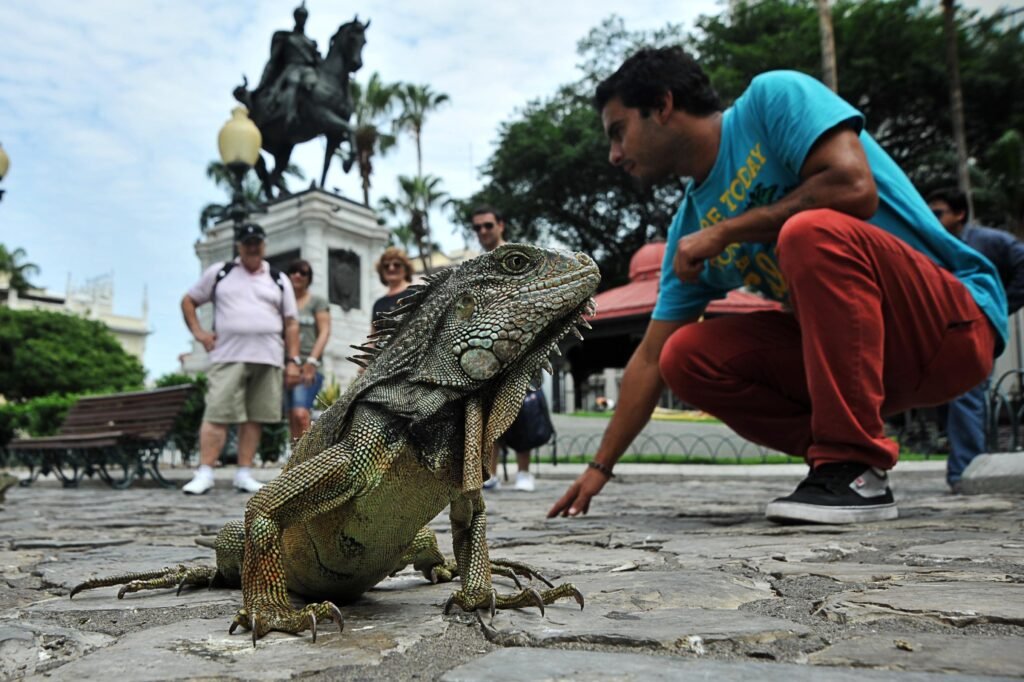
Navigating Guayaquil on foot alongside a passionate local guide provides an authentic perspective. An intimate walking tour lets you wander the cobbled step-streets of Las Peñas at a human pace, pause to watch prehistoric iguanas basking in Parque Seminario, and understand how community-driven urban regeneration transformed the riverfront into the thriving promenade of Malecón 2000.
Small-group excursions directly support local guides and independent businesses, ensuring that your travel footprint enriches the very neighbourhood culture you came to experience.
Below is our curated selection of the five absolute best bookable urban walking tours and cultural city excursions in Guayaquil.
The pulse of the port / Key takeaways for independent travellers
Guayaquil demands a slower, more deliberate pace than a simple airport layover allows. Here is the essential blueprint for navigating Ecuador’s vibrant coastal metropolis on foot:
- Historic Las Peñas: A steep, 444-step ascent up Cerro Santa Ana weaving past restored 19th-century wooden houses and artist studios to reach panoramic views across the Guayas River
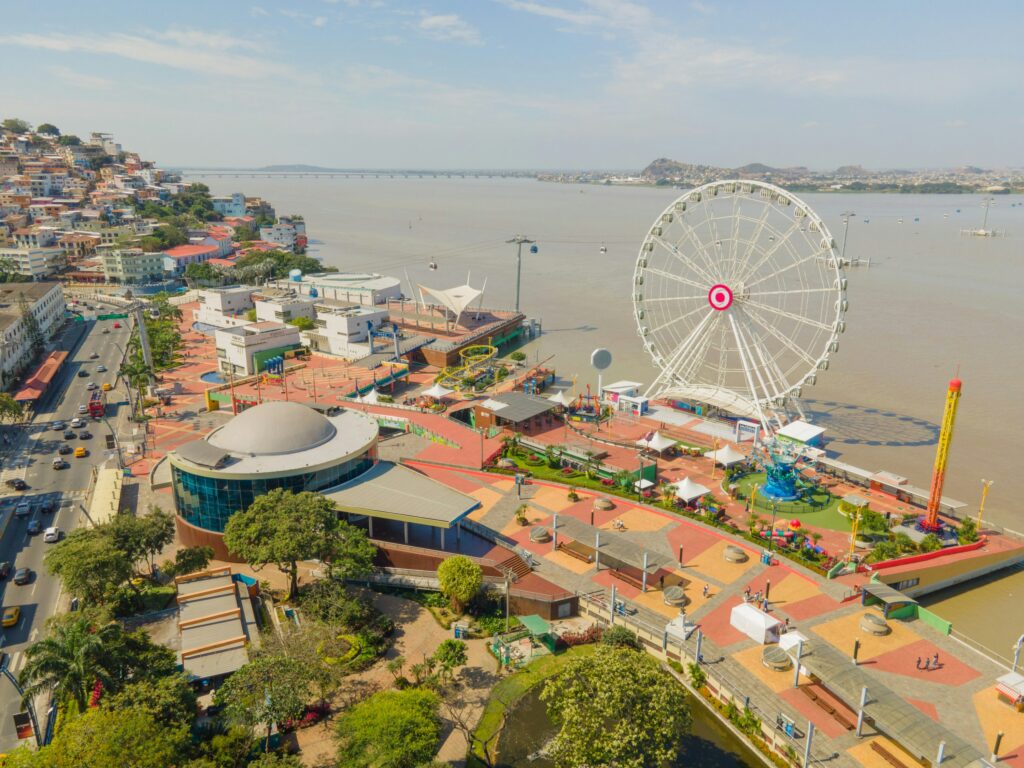
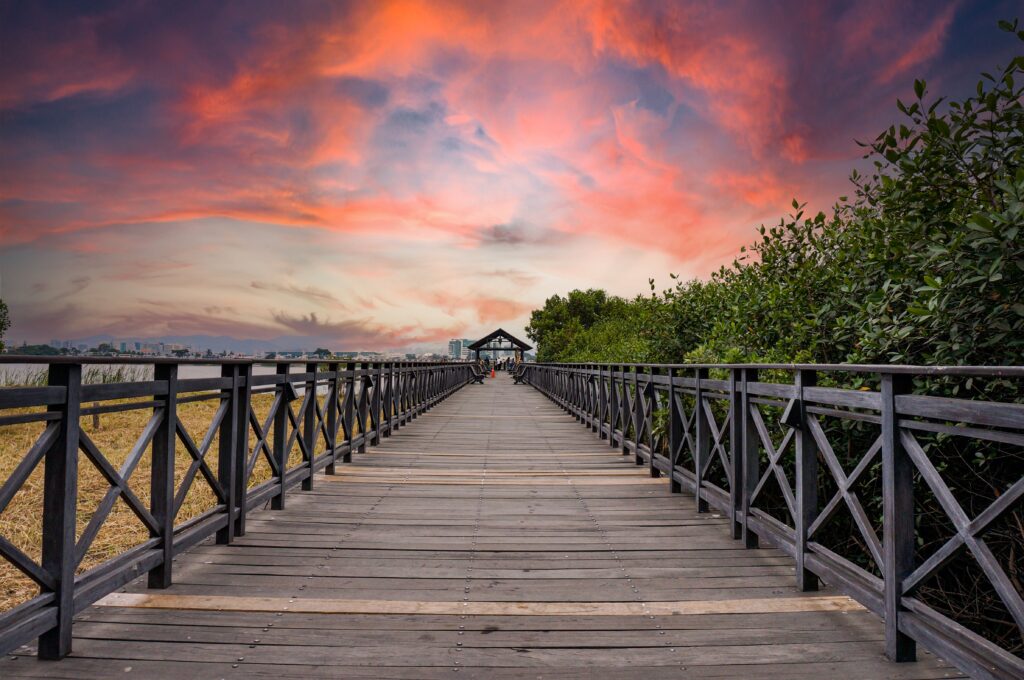
- Malecón 2000: A masterclass in urban regeneration that transformed an industrial waterfront into a 2.5-kilometre promenade of shaded gardens, historic monuments, and civic spaces
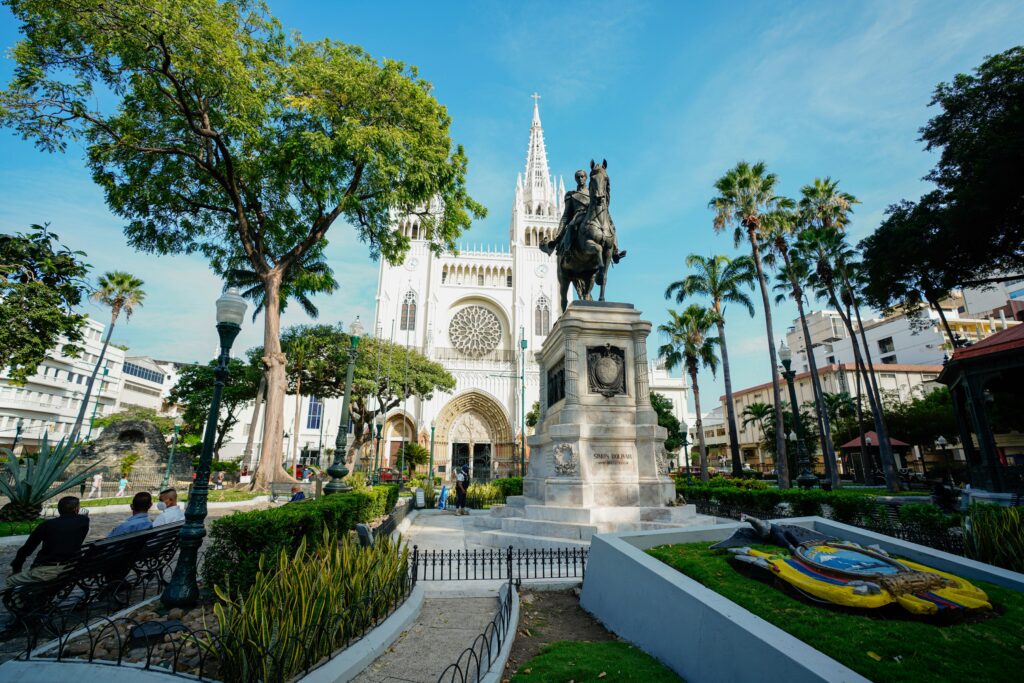
- Parque Seminario (Iguana Park): A tranquil downtown sanctuary where dozens of prehistoric land iguanas roam freely across manicured lawns beneath the shadow of the Metropolitan Cathedral
- Cocoa Heritage & Cacao Arriba: Uncovering how fine-aroma cocoa beans shaped the region’s 19th-century economic fortune and modern bean-to-bar chocolate traditions
- Toquilla Straw Crafts: Discovering the intricate weaving methods behind genuine Ecuadorian hats—historically misnamed Panamá hats—within authentic local artisan workshops
- The Aerovía Transit Experience: Gliding high above the river via the urban cable car system for an elevated vantage point on the city’s geography and maritime traffic
- Coastal Flavours: Fueling urban walks with regional delicacies like fried bolones de verde, fresh ceviche de camarón, and rich coconut-infused encocado
Guayaquil.
The Pearl of the Pacific
Architectural heritage & hilltop vistas
Rating & reviews
(179+ verified reviews on Viator)
Why this tour stands out
This highly acclaimed private walk provides an ideal introduction to the architectural evolution and historic heart of Guayaquil. Beginning in the central heritage zone, the itinerary pairs precise historical commentary with flexible, on-foot exploration.
Rather than rushing past landmarks, your guide unpacks the stories behind the neoclassical facades, from the French-influenced Municipal Palace to the soaring neo-Gothic towers of the Metropolitan Cathedral.
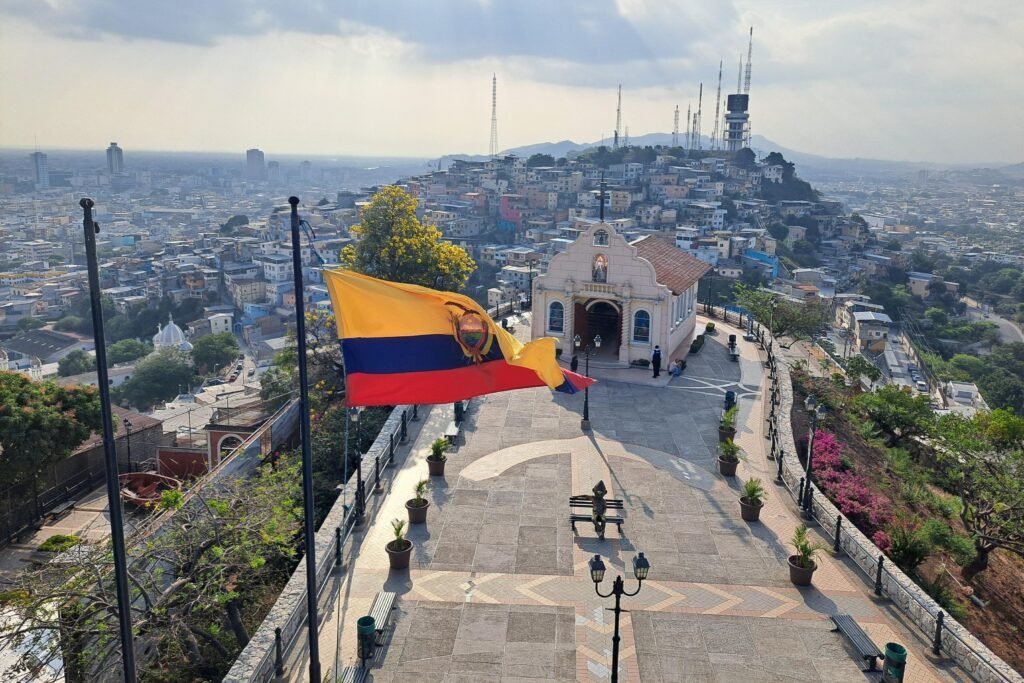
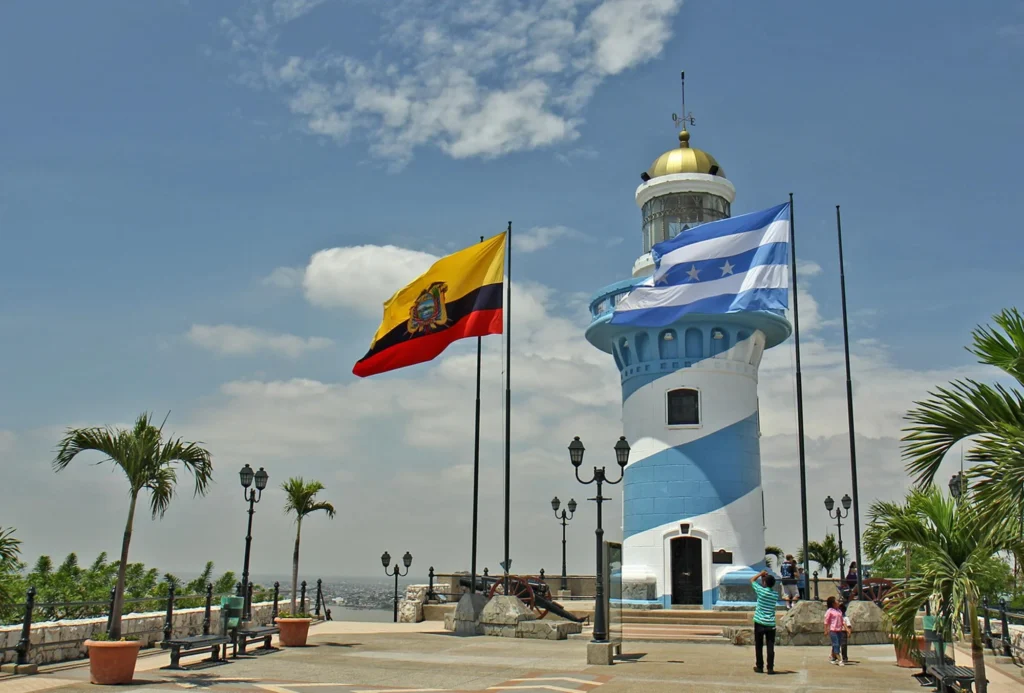
The journey culminates in a rewarding climb up the 444 numbered steps of Cerro Santa Ana, weaving past colourful 19th-century wooden houses to reach the hilltop lighthouse for panoramic views across the city and the Guayas River.
Key highlights
- Interactive visit to Parque Seminario (Iguana Park) to see free-roaming land iguanas
- Guided walk through Plaza de la Administración and the neoclassical Municipal Palace corridor
- Exploration of the Moorish Clock Tower (Torre Morisca) and the Hemiciclo de la Rotonda monument on Malecón 2000
- Guided climb through the bohemian district of Las Peñas up to the Santa Ana Lighthouse
Ideal for
First-time visitors, history enthusiasts, and active travellers who want an engaging overview of Guayaquil’s primary historic quarters.
Local insight
Bring plenty of water and wear breathable linen or lightweight fabrics for the climb up Cerro Santa Ana. The coastal tropical humidity can be intense, especially during the midday hours, so opting for a morning start time makes the 444-step ascent far more comfortable.
The Ecuadorian Coast.
Where you’ll find the very best food
Coastal agriculture & urban heritage combined
Rating & reviews
(67+ verified reviews on Viator)
Why this tour stands out
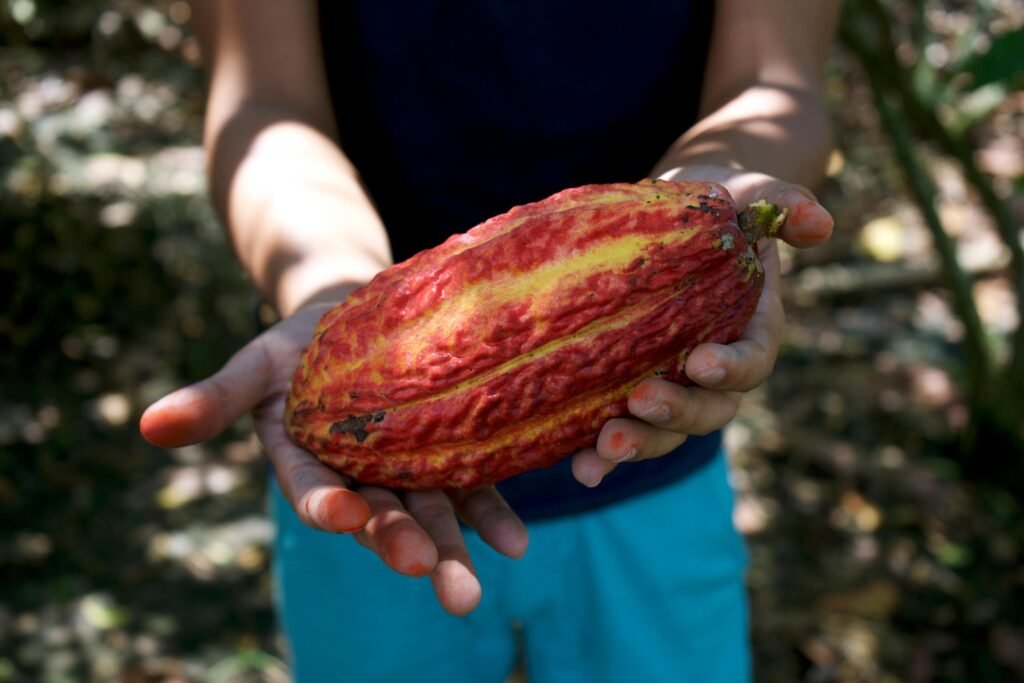
You cannot understand Guayaquil’s historic wealth without understanding cacao arriba—the world-renowned fine-aroma cocoa bean that fueled the city’s 19th-century economic boom.
This immersive excursion connects the rural agricultural roots of coastal Guayas province directly with the urban port history where that trade was refined and exported.
Guided by agricultural experts, you visit a local hacienda to walk through cocoa groves, learn about organic cultivation, and participate in the full bean-to-bar chocolate-making process before returning to explore the historic waterfront districts of the city.
Key highlights
- Walk through organic cocoa orchards to learn about pods, harvesting, and fermentation
- Hands-on workshop on cocoa pod harvesting, bean roasting, shelling, and traditional stone-grinding
- Sampling of raw cocoa pulp and small-batch artisanal dark chocolate
- Traditional coastal lunch prepared with fresh, locally sourced ingredients
Ideal for
Culinary travellers, slow-food advocates, and curious culture lovers wanting to trace the deep connection between coastal agriculture and Guayaquil’s commercial history.
Local insight
When sampling dark chocolate during the hacienda workshop, keep an eye out for single-origin bars seasoned with sea salt or local chilli pepper. These artisanal bars make fantastic lightweight gifts that directly support independent farming co-operatives across the coastal plain.
The Galápagos.
Ecuador’s Enchanted Isles
Deep-dive colonial history & urban regeneration
Rating & reviews
4.8 / 5 stars (90+ verified reviews on Viator)
Why this tour stands out
Designed for travellers who demand depth over superficial photo stops, this structured urban tour dives into the history of Ecuador’s principal port.
Led by expert local guides, the walkthrough unpacks how Guayaquil rebuilt itself repeatedly after devastating fires, pirate attacks, and yellow fever outbreaks.
You will explore the architectural contrast between the restored early 20th-century wooden mansions of Puerto Santa Ana and the sleek modern urban engineering of the riverfront regeneration projects.
Key highlights
- Historical commentary at Parque Centenario, home to the central monument honouring the heroes of independence
- Detailed walkthrough of Plaza San Francisco and its historic Franciscan church facade
- In-depth exploration of Puerto Santa Ana, the revitalised industrial shipyard district
- Curated historical narrative at the Hemiciclo de la Rotonda detailing the famous 1822 meeting between Simón Bolívar and José de San Martín
Ideal for
History buffs, architects, and urban design enthusiasts interested in municipal heritage preservation and historical storytelling.
Local insight
Pay close attention to the architectural materials in Puerto Santa Ana. While many heritage buildings resemble classical masonry, they are actually ingenious timber constructions engineered to flex during seismic events—a historical adaptation perfected after the Great Fire of 1896.
Cultural foundations & artisan traditions
Rating & reviews
(63+ verified reviews on GetYourGuide)
Why this tour stands out
This intimate walking and city exploration tour emphasises living culture and traditional crafts alongside core historic landmarks.
In addition to navigating the iconic green spaces of Parque Seminario and the civic monuments along the administrative plaza, the tour features a visit to an authentic artisan workshop.
Here, you will learn about the meticulous weaving process behind the world-famous Panamá hat—which is, in truth, an iconic Ecuadorian creation born in the coastal provinces of Manabí and Guayas.
Key highlights
- Up-close encounter with iguana conservation efforts at Parque Seminario
- Visit to an authentic Ecua-Andino hat workshop to see raw toquilla straw transformed into fine woven hats
- Walking tour along the shaded garden sections of the 2.5-kilometre Malecón 2000
- Exploratory stroll through the art galleries and artisan studios of Las Peñas
Ideal for
Culture seekers, craft lovers, and independent travellers looking for an engaging blend of local history and living artisan traditions.
Local insight
If purchasing an authentic Panamá hat during your tour, check the weave density on the interior crown. The finer and tighter the weave of the toquilla straw, the higher the grade and durability of the hat. A genuine fine-weave hat can be gently rolled for transport without losing its structural shape.
The Ecuadorian Sierra.
Get lost in the hills
Multi-perspective urban & aerial exploration
Rating & reviews
(49+ verified reviews on GetYourGuide)
Why this tour stands out
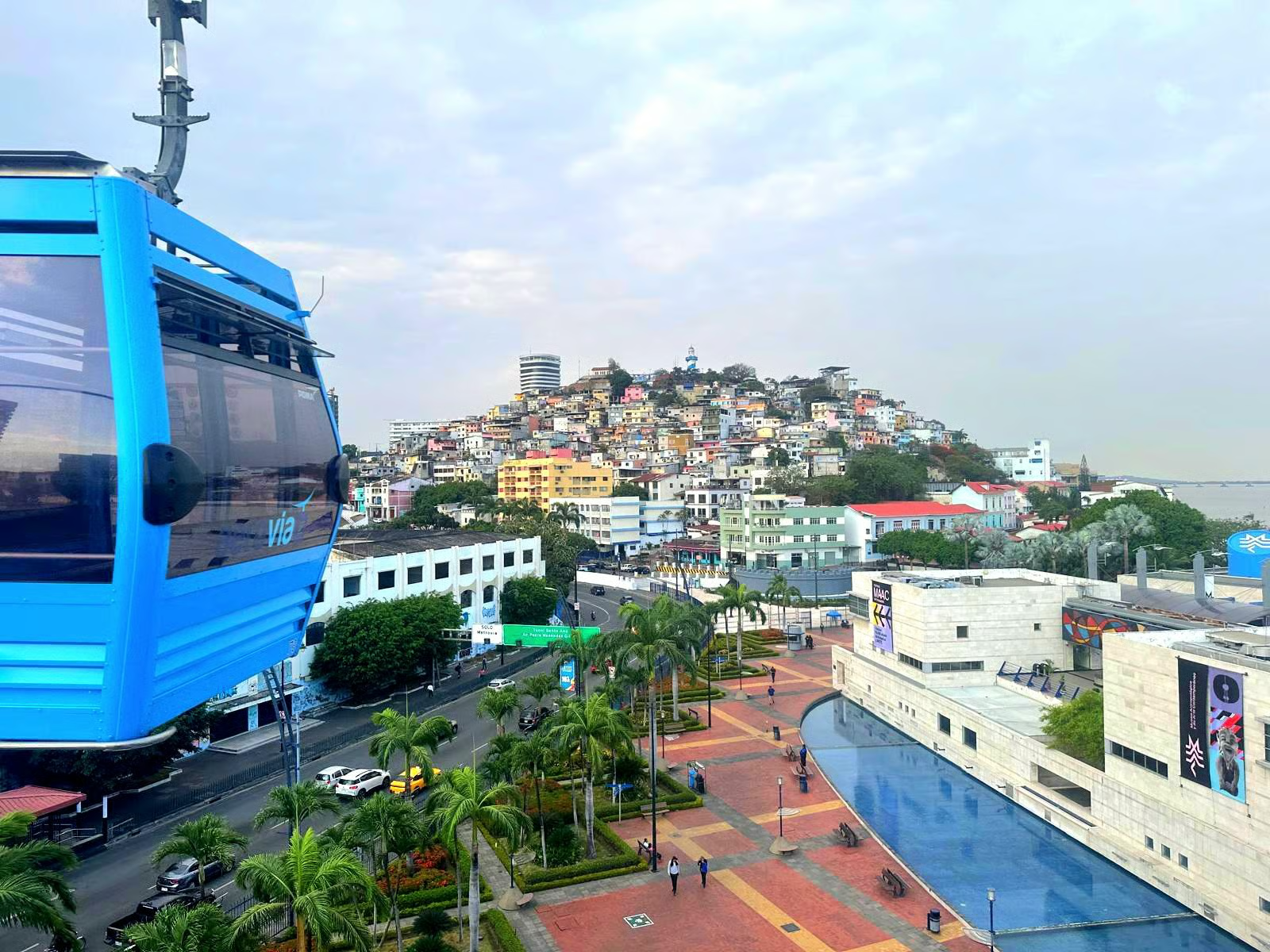
Offering a dynamic dual perspective on Guayaquil’s geography, this experience pairs street-level walking exploration with an aerial journey on the Aerovía—the city’s innovative urban cable car transit system.
After walking the riverside footpaths of Malecón 2000 and the historical plazas downtown, you glide high above the Guayas River to sample sweeping views of the urban skyline, the river traffic, and the surrounding coastal plains before landing to explore the art-filled lanes of Las Peñas.
Key highlights
- Guided walking circuit of downtown historical monuments and the Metropolitan Cathedral
- Scenic ride on the Aerovía cable car across the Guayas River
- Elevated vantage points of the port infrastructure, bridges, and surrounding natural waterways
- Guided walkthrough of the bohemian artist community in Las Peñas
Ideal for
Photographers, urban transit enthusiasts, and travellers seeking panoramic views of Guayaquil’s waterside geography.
Local insight
Keep your camera ready during the cable car crossing over the river. The mid-river transit point offers an unmatched angle looking back toward the colourful cascade of houses covering Cerro Santa Ana and the towering sail-like architecture of the modern waterfront.
Our practical city exploration guide / Guayaquil
Navigating the city safely
While Guayaquil’s tourist zones—such as Malecón 2000, Puerto Santa Ana, and Las Peñas—are well-patrolled, exercise standard street smarts. Avoid displaying expensive jewellery or carrying large amounts of cash. Stick to main walking thoroughfares, and use registered ride-hailing apps (such as Uber or Cabify) or official hotel taxis when moving between neighbourhoods at night.
Beating the coastal heat
Guayaquil sits near the equator and experiences tropical coastal heat year-round, with temperatures consistently hovering around 28°C to 32°C. Schedule walking tours for the early morning (around 08:30 or 09:00) or late afternoon. Carry a reusable water bottle, wear UV-blocking sunglasses, and apply high-SPF sun cream regularly.
Footwear for cobbles and stairs
Leave thin flip-flops at your hotel. Exploring Las Peñas involves climbing 444 uneven concrete steps, and the historic centre features stone paving that can become slippery during tropical downpours. Lightweight, breathable walking shoes or sturdy trail sandals are essential.
Local culinary etiquette & tipping
When sampling coastal cuisine during your walking breaks, do not miss ceviche de camarón (shrimp ceviche served with toasted corn kernels and plantain chips) or encocado (seafood in a rich coconut-peanut sauce). In sit-down restaurants, a 10% service charge is often included on the bill, but leaving an additional 5% to 10% in cash directly for your server is customary for exceptional service. For private tour guides, a tip of $10 to $20 USD per group is widely appreciated.
Currency & cash
Ecuador uses the United States dollar as its official currency. Keep small denomination bills ($1, $5, and $10) on hand for small purchases at local fruit stalls, juice bars, or craft markets, as vendor stalls rarely have change for $20 or $50 notes.
The Ecuadorian Amazon.
The most biodiverse place in the world
Find Guayaquil’s true rhythm
Read this far?
To reduce Guayaquil to a mere transit hub for the Galápagos Islands or the high Andean peaks is to miss an urban landscape pulsing with fierce coastal pride, resilient architectural heritage, and profound maritime energy.
When you step away from the tinted glass of tour buses and hit the pavement on foot, the true character of the port reveals itself—from the aroma of freshly roasted cocoa beans wafting through market lanes to the soft chatter of locals playing chess under the ficus trees of Plaza San Francisco.
Exploring at a human pace alongside knowledgeable local guides ensures your travel footprint supports the community directly. It sustains independent storytellers, preserves centuries-old artisan traditions, and grants access to hidden neighbourhood corners that high-speed transit loops inevitably bypass.
Whether you are tracing the flexible timber engineering designed to withstand earthquakes in Puerto Santa Ana or taking in the sunset from the lighthouse atop Cerro Santa Ana, Guayaquil rewards autonomous, inquisitive travellers with an authentic coastal narrative. Give this tropical metropolis the time it deserves, and you will discover a city that is as resilient as it is unforgettable.
Affiliate Disclaimer: Some of the links on Wheely Tyred are affiliate links. If you click through and make a booking or purchase, we may earn a small commission at no extra cost to you. We only recommend gear, tours, stays, and services we genuinely use, trust, and stand behind — our editorial independence always comes first. These commissions help keep our independent cycling guides and travel stories free to read. You can also buy me a coffee here — thanks for supporting the ride!
Frequently asked questions about the best Guayaquil city tours
Yes, provided you exercise sensible urban street smarts. Key heritage and tourist areas—such as Malecón 2000, Puerto Santa Ana, and the lower thoroughfares of Las Peñas—are well-patrolled and secure during daylight hours. Keep valuable electronics concealed, stick to well-frequented paths, and rely on registered ride-hailing apps or official hotel taxis for late-evening transfers.
Aim for an early morning ascent (around 08:30 or 09:00) to beat the intense tropical midday heat and humidity. Morning light also delivers exceptional clarity for photography looking out across the Guayas River and the brightly painted timber houses of Las Peñas.
Ecuador uses the United States dollar as its official currency. It is vital to carry small denomination banknotes ($1, $5, and $10) because independent market traders, fruit stalls, and artisan workshops rarely have sufficient change for $20 or $50 notes.
Leave thin flip-flops at your hotel. Navigating the 444 uneven concrete steps of Cerro Santa Ana and historic stone paving requires sturdy, breathable walking shoes or supportive trail sandals. Wear loose-fitting linen or moisture-wicking garments to stay comfortable in the tropical coastal climate.
Be sure to sample ceviche de camarón (shrimp ceviche served alongside toasted corn kernels and crispy plantain chips), bolones de verde (hearty green plantain dumplings stuffed with cheese or pork), and seafood encocado (a fragrant coastal dish cooked in a rich coconut and peanut sauce).
Despite their misleading name, authentic Panamá hats originated in Ecuador’s coastal provinces, crafted from fine toquilla straw (Carludovica palmata). They acquired their moniker in the 19th century when international travellers and canal workers bought them in Panamá, which served as the primary shipping transit point for South American exports.
Ecuador.
Pure wonder on the equator.