The history of Montañita / From ancient maritime traders to Ecuador’s surfing sanctuary
A complete guide to Montañita history, the Valdivia culture, and the surfing origins of Ecuador’s famous beach town
Discover how a stretch of the Ecuadorian coast became a phenomenon for wave-chasers
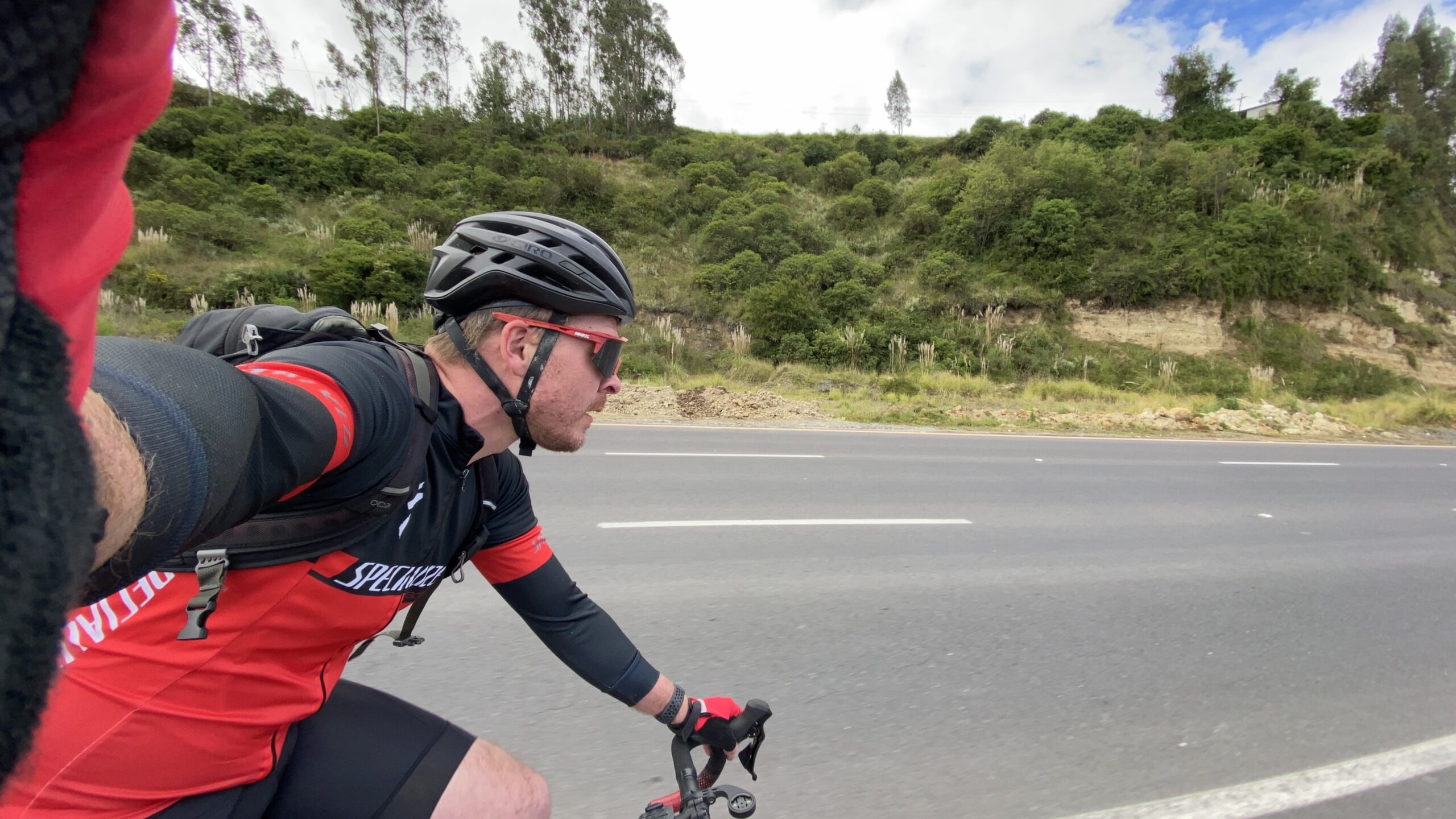
BEN FINCH
Montañita is a name that immediately evokes images of sun-drenched beaches, rolling Pacific breakers, and an unending, vibrant nightlife. For many modern travellers, this small town on the Santa Elena peninsula of Ecuador is simply a legendary stop on the South American backpacker circuit.
Yet, to view Montañita solely through the lens of its contemporary party reputation is to miss a deeply fascinating historical narrative. Long before the first surfboard waxed its way onto these golden shores, this stretch of coastline was home to pioneering ancient civilisations, intrepid maritime traders, and generations of traditional fishers.
For the independent traveller, particularly those exploring the coast under their own steam along the Ruta del Spondylus, understanding the history of Montañita adds an essential layer of depth to the journey. The town we see today is the result of thousands of years of evolution, a place where ancient indigenous roots eventually collided with 1960s counterculture to create a multicultural melting pot unlike anywhere else in Ecuador.
The sun-bleached soul of the Pacific
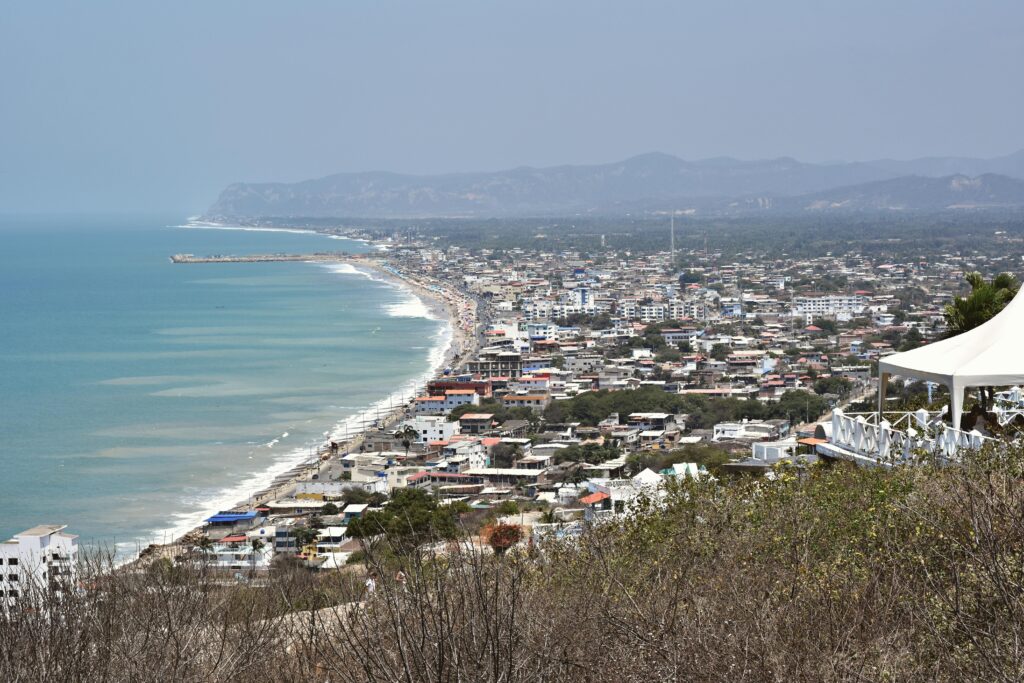
Long before the arrival of modern backpackers, this stretch of the Santa Elena peninsula was a vital hub for ancient maritime trade. Today, it remains a sanctuary where independent spirits meet the rhythmic power of the ocean.
- Valdivia legacy: This region was home to one of the oldest settled civilisations in the Americas, with a history stretching back over 5,000 years
- Sacred commerce: Ancient maritime pioneers used handcrafted rafts to trade Spondylus shells, a sacred currency that was once more valuable than gold across the Andes
- The 1960s shift: A handful of nomadic surfers reinvented the village as a bohemian haven, drawn by the consistent and powerful Pacific breakers
- Independent routes: The town serves as a key waypoint on the Ruta del Spondylus, making it an essential stop for those traversing the Ecuadorian coast by bike
- Archaeological depth: Nearby sites like Agua Blanca provide a tangible link to the pre-Columbian past through stone ruins and traditional mineral-rich mud baths
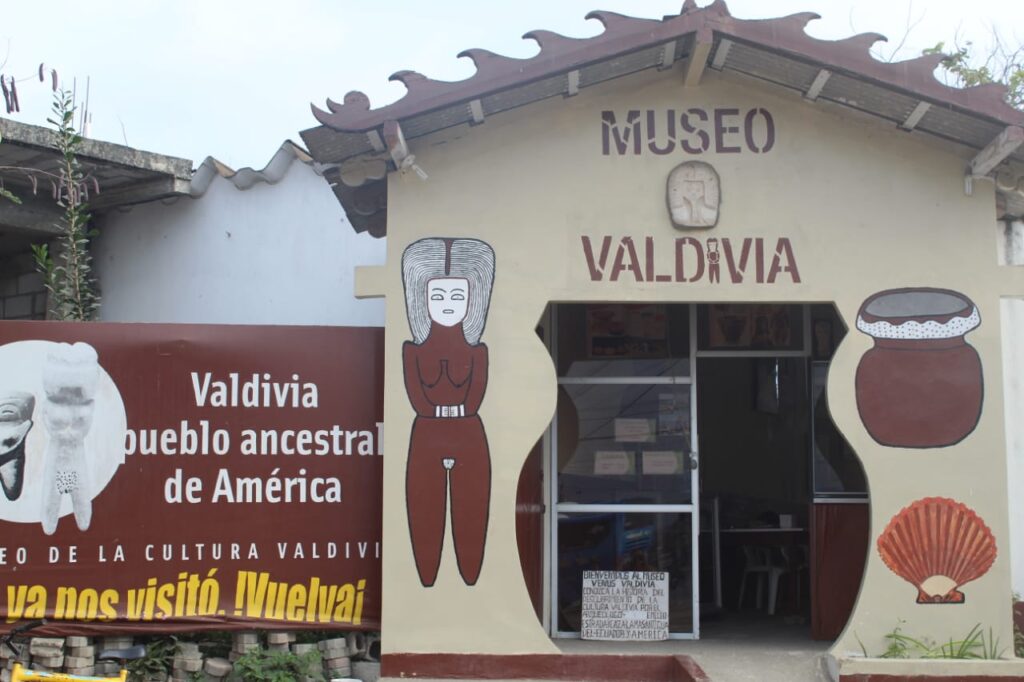
- Artistic heritage: The area is the birthplace of the Venus of Valdivia, sophisticated ceramic figures that fundamentally changed the archaeological timeline of South America
Montañita.
Surfer’s paradise
The Valdivia culture and the first coastal pioneers
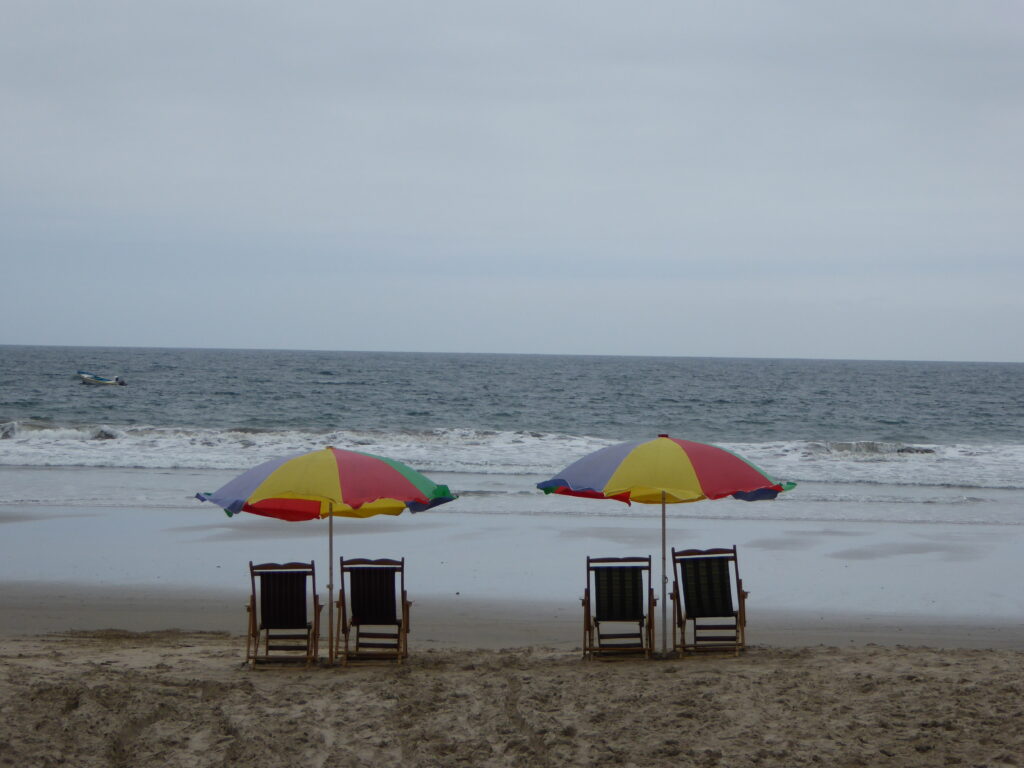
To uncover the true origins of human settlement in this region, we must look back far beyond the modern era. Between 3500 and 1800 BCE, the area surrounding present-day Montañita was inhabited by the Valdivia culture. They are recognised as one of the oldest settled civilisations in the Americas and are renowned among historians and archaeologists for their remarkable advancements.
The Valdivia people were not merely scraping a living from the sea; they were sophisticated artisans and navigators. They are perhaps best known for their exquisite pottery, most notably the Venus of Valdivia figures. These small, intricate ceramic sculptures, often depicting female forms, are believed to have been associated with fertility, agriculture, and complex spiritual rituals. Finding such advanced ceramics from this early period fundamentally shifted the archaeological understanding of ancient South America.
Beyond their artistic achievements, the Valdivia were formidable maritime traders. They constructed handcrafted rafts outfitted with complex sail systems, allowing them to navigate the unpredictable Pacific currents. This stretch of the Ecuadorian coast served as a vital node in an extensive ancient trade network. They harvested the prized Spondylus shell, a spiny oyster that held immense sacred and monetary value across the Andean world, trading it with inland empires long before the Inca rose to power. When you stand on the beach at Montañita today, you are looking out at the same waters that these early pioneers mastered over five millennia ago.
Pre-Columbian vestiges and the quiet centuries
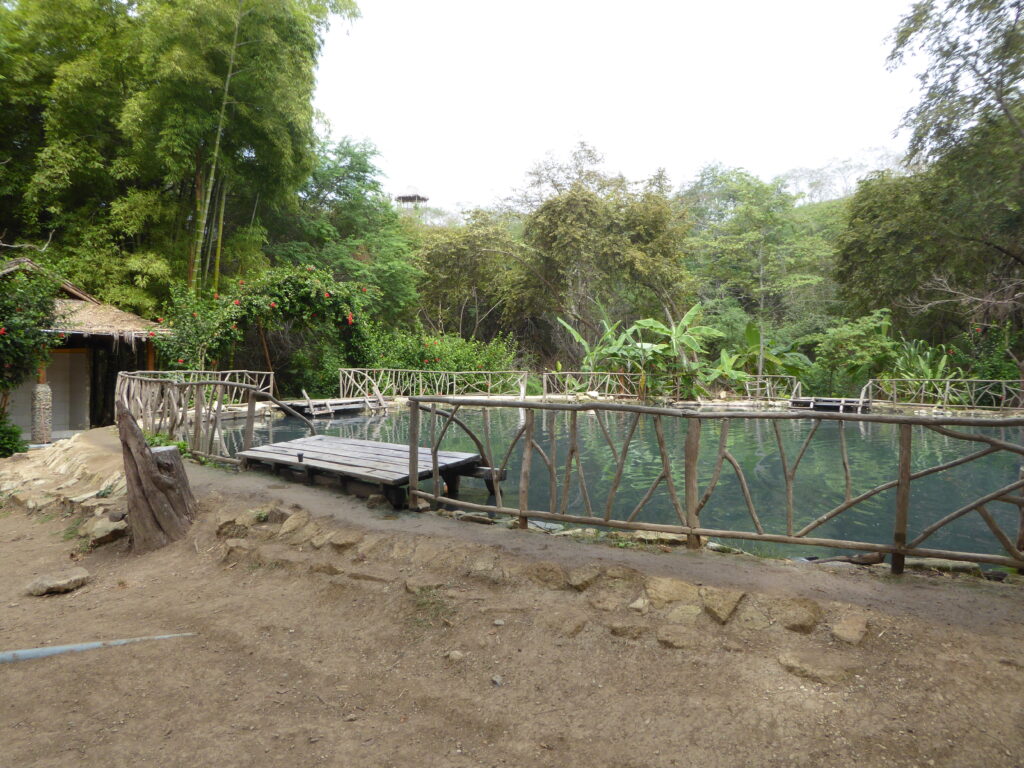
Following the decline of the Valdivia, the coastal region saw the rise and fall of various other indigenous groups, including the Machalilla and Chorrera cultures, who continued the traditions of fishing, agriculture, and ocean trade. Just a short journey from Montañita lies the community of Agua Blanca, located within the Machalilla National Park. Here, independent travellers can explore significant pre-Columbian vestiges that offer a tangible connection to the region’s ancient past, featuring ruins and artefacts from the later Manteño culture.
With the arrival of the Spanish conquistadors in the 16th century, the geopolitical landscape of Ecuador shifted dramatically. However, due to its relative isolation from the major colonial hubs like Quito and the burgeoning port of Guayaquil, Montañita remained largely untouched by the heavy hand of colonial administration. It transitioned into a quiet, unassuming fishing village.
For centuries, the rhythm of life in Montañita was dictated entirely by the tides and the seasons. The local population, a mix of indigenous descendants and mestizo families, lived a subsistence lifestyle. They cast their nets in the early hours of the morning, hauled in the daily catch, and maintained a profound, respectful relationship with the ocean. The name Montañita itself, which translates to little hill, reflects the modest, unpretentious nature of the settlement, nestled between the rolling coastal bluffs and the vast Pacific.
The Ecuadorian Coast.
Where you’ll find the very best food
The 1960s counterculture and the discovery of the perfect wave
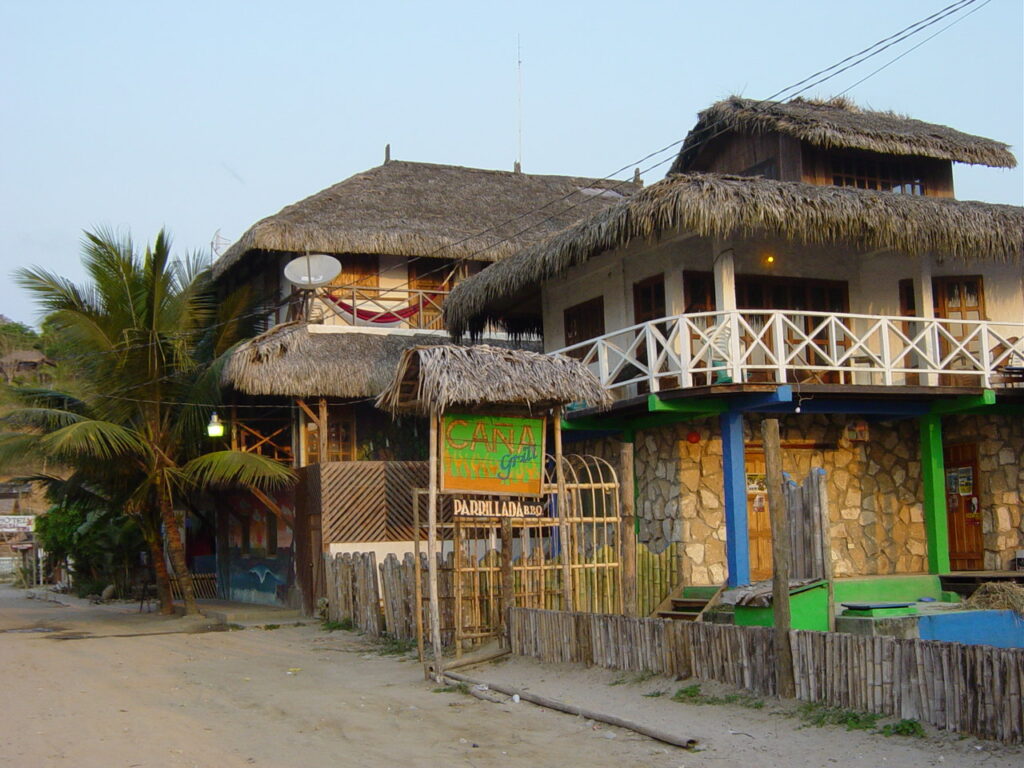
The trajectory of Montañita changed forever in the 1960s. During this decade of global social upheaval and exploration, a small number of wandering surfers and hippies stumbled upon the village. What they found was nothing short of a paradise: a tranquil, welcoming local community and, crucially, some of the most consistent and challenging waves in Latin America.
Word of this untouched surfing utopia began to spread slowly through the international counterculture grapevine. These early expatriates pitched their tents directly on the beach, living simply alongside the local fishers. The swell in Montañita is legendary, offering strong, reliable waves that can reach up to two metres during the peak season from January to March. For those seeking the perfect ride away from the crowded beaches of California or Australia, Montañita became an essential, almost mythic, destination.
This era planted the seeds for the town’s unique atmosphere. The blending of the laid-back, traditional Ecuadorian coastal lifestyle with the free-spirited ethos of the 1960s surfing community created a distinct microclimate of tolerance and bohemian flair. It was during this period that the foundations of modern Montañita were laid, transitioning it from an isolated fishing hamlet into an international gathering place.
The evolution into a multicultural melting pot
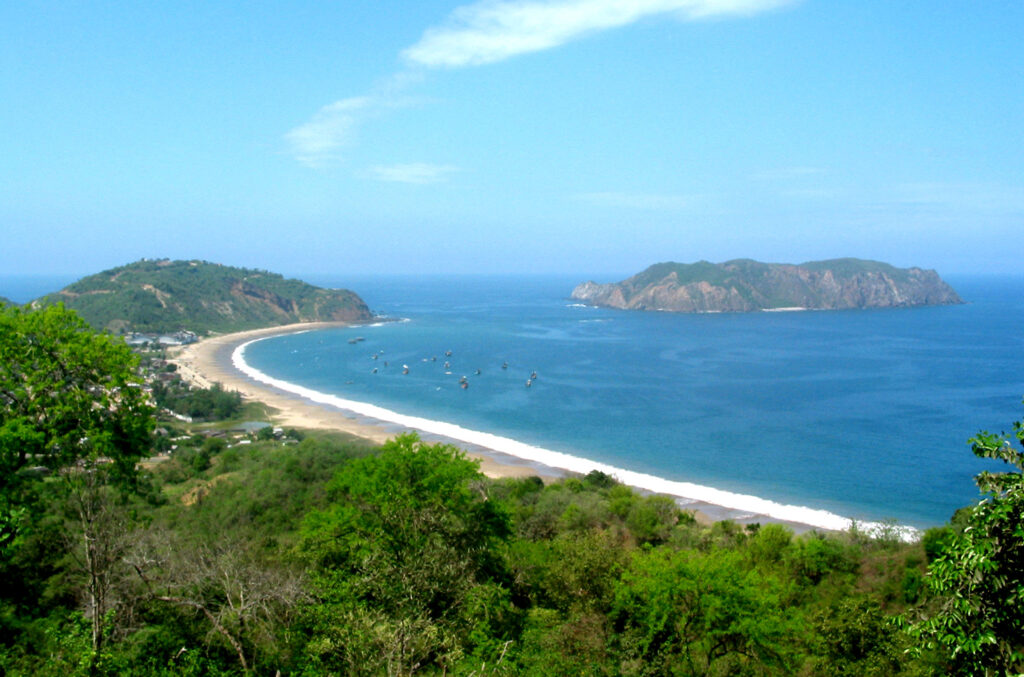
Over the past 50 years, Montañita has grown significantly, though it has managed to retain much of its rebellious, open-minded spirit. Today, it stands in stark contrast to the generally conservative nature of wider Ecuadorian society. It is a place where differences are celebrated, and a remarkable diversity of nationalities coexist.
Wandering the streets today, you are just as likely to hear English, French, German, or Argentine Spanish as you are the local Ecuadorian dialect. The town has become a haven for expatriates and independent business owners who have set up artisan cafes, international restaurants, and boutique hostels. Despite the influx of modern conveniences and a booming tourism industry, the town continues to promote ideals of acceptance.
It is important to note that while the nightlife and party scene have grown to become a major draw, the cultural heart of Montañita remains tied to the ocean. The surf culture is inextricably linked to the town’s identity. Local children learn to ride the waves alongside international professionals, and the community frequently hosts international surfing competitions that draw global attention.
The Galápagos.
Ecuador’s Enchanted Isles
Cycling the Ruta del Spondylus
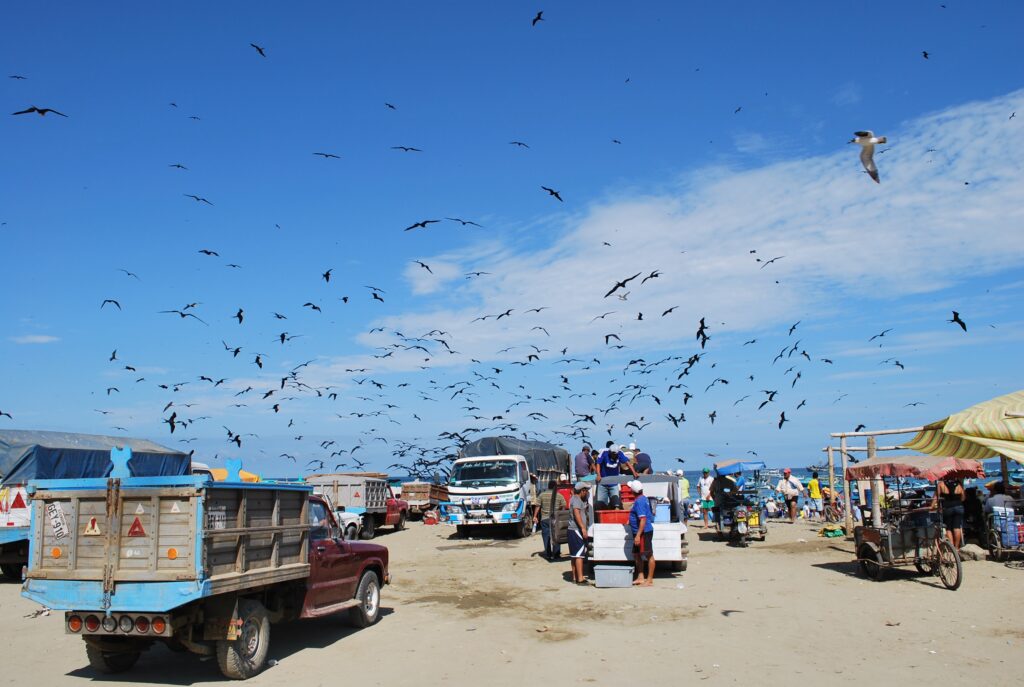
For the independent traveller and cycling enthusiast, Montañita serves as a crucial waypoint on the Ruta del Spondylus. Navigating this coastal highway by bicycle offers a perspective that simply cannot be experienced from the window of a passing bus.
Riding into Montañita from quieter neighbouring towns like Olón or Puerto López allows cyclists to witness the gradual shift in the landscape and local culture. The journey is an immersion into the history of the coast itself. Every turn of the pedal brings you closer to the legacy of the Valdivia traders and the traditional fishers who shaped this land.
Wheely Tyred champions this method of travel because it aligns with the slow, deliberate pace required to truly understand a location. Arriving in Montañita by bike provides a profound sense of achievement and a deeper appreciation for the dramatic coastal geography that has defined the town’s history for millennia.
The Ecuadorian Sierra.
Get lost in the hills
Understanding Montañita today
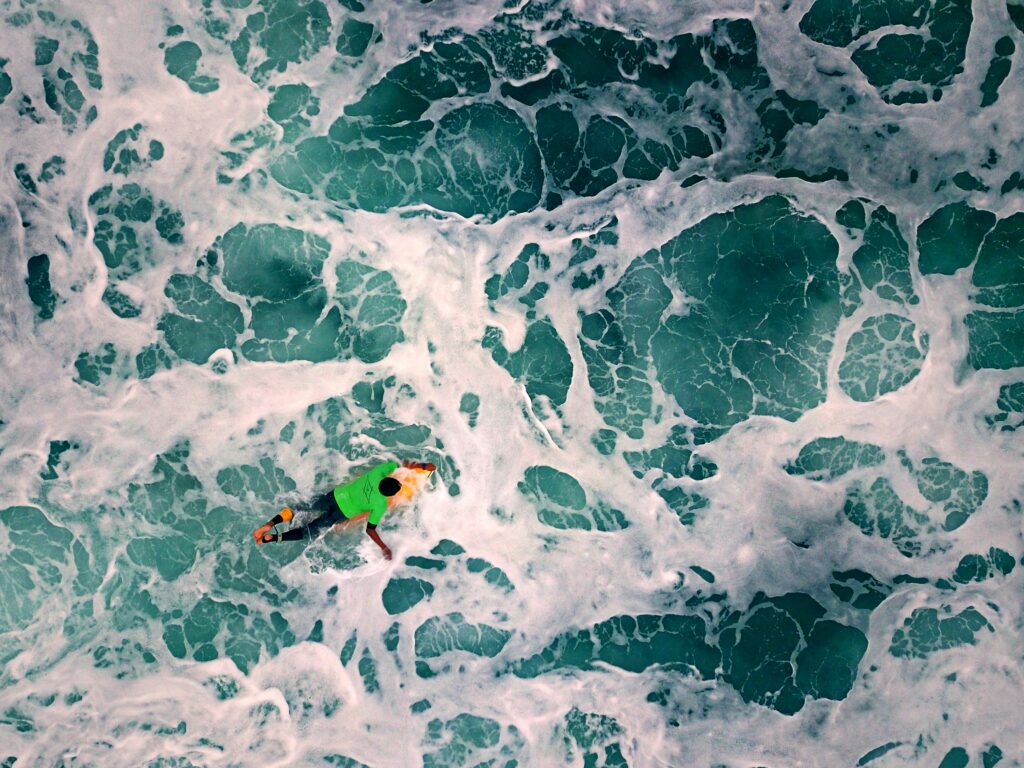
To appreciate Montañita is to accept its dual nature. It is undeniably a bustling, vibrant hub of tourism and celebration, yet its foundations are built upon ancient history and a deep-seated connection to the natural world. From the masterful pottery of the Valdivia culture to the quiet centuries as a fishing village, and finally to its reinvention as a surfing mecca, the history of Montañita is as dynamic as the tides that shape its shores.
For those willing to look beyond the immediate surface, Montañita offers a rich tapestry of historical and cultural significance. It remains a vital chapter in the story of the Ecuadorian coast, waiting to be explored by those who travel with curiosity and an appreciation for the past.
Affiliate Disclaimer: Some of the links on Wheely Tyred are affiliate links. If you click through and make a booking or purchase, we may earn a small commission at no extra cost to you. We only recommend gear, tours, stays, and services we genuinely use, trust, and stand behind — our editorial independence always comes first. These commissions help keep our independent cycling guides and travel stories free to read. Thanks for supporting the ride!
The Ecuadorian Amazon.
The most biodiverse place in the world
Frequently asked questions about the history of Montañita
The most common way for independent travellers to arrive is by taking a bus from the main terminal in Guayaquil, which takes approximately three hours. For those on a cycling tour, the town is easily accessed via the Ruta del Spondylus, the primary highway that runs the length of the coast.
The peak surfing season occurs between January and March, when the Pacific swells are at their most consistent and can reach heights of up to two metres. This period also coincides with the warmest coastal weather.
The Spondylus, or spiny oyster, held immense religious and economic value for ancient coastal cultures like the Valdivia. It was traded extensively as a luxury good and was believed to be a harbinger of rain and agricultural fertility.
Yes, the coastal highway is popular with cyclists, though it is important to be mindful of traffic and heat. The stretch between Montañita and the quieter village of Olón is a short, scenic ride that offers a more relaxed pace compared to the bustling centre of town.
While the town itself is modern and focused on the beach, a short trip to the Machalilla National Park provides access to the Agua Blanca community. Here, you can explore archaeological remains and learn about the Manteño culture that inhabited the region after the Valdivia.
Montañita is a multicultural melting pot where traditional Ecuadorian fishing heritage meets a global surfing and backpacker ethos. The atmosphere is exceptionally open-minded and informal, though it can become very lively during weekends and national holidays.
Ecuador.
Pure wonder on the equator.