The best glamping & campsites in Montañita / Where to sleep well on the coast
A guide to top-rated campsites and unique outdoor stays near Montañita, Ecuador
Coastal calm and jungle canopies for the autonomous explorer
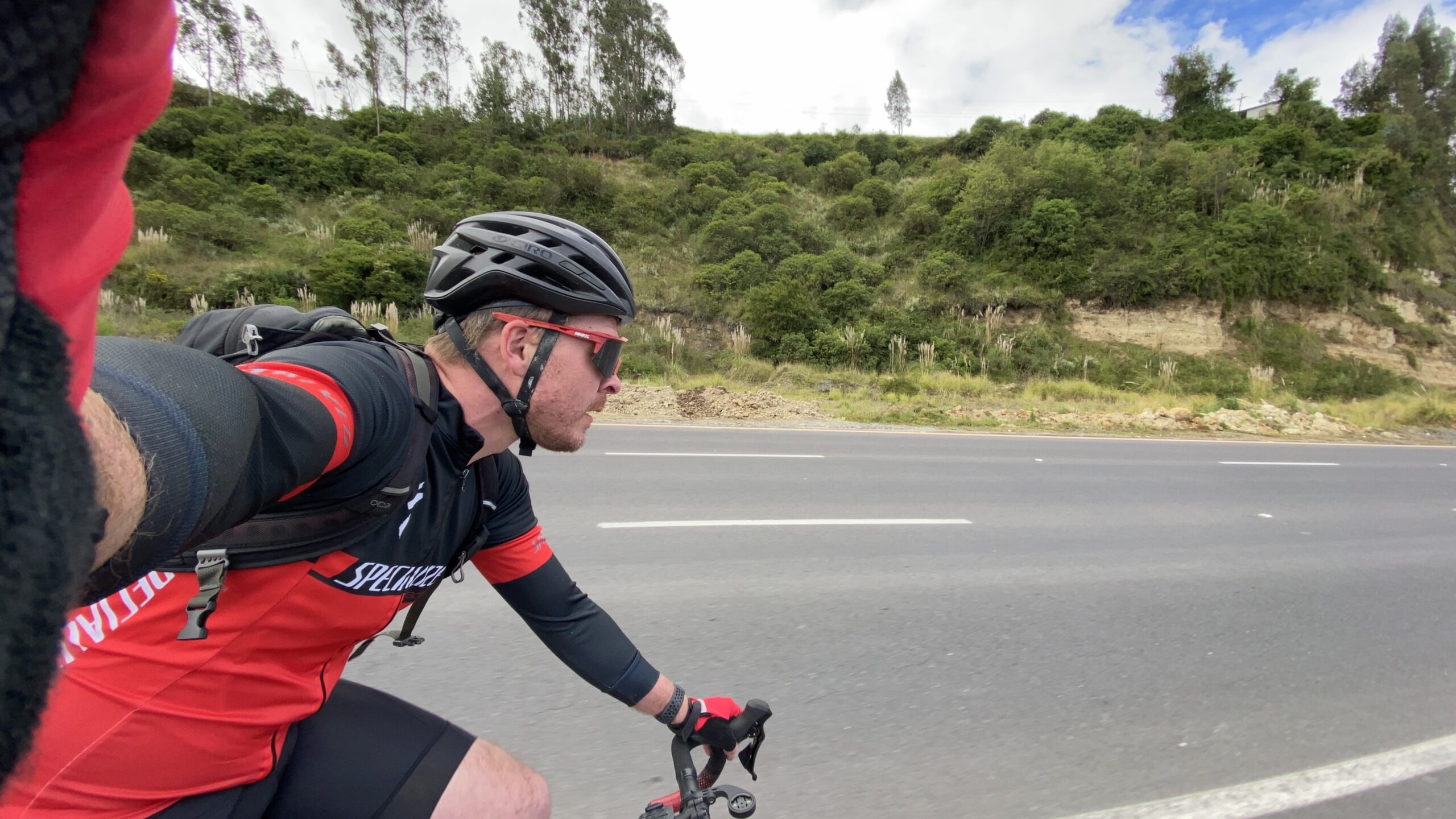
BEN FINCH
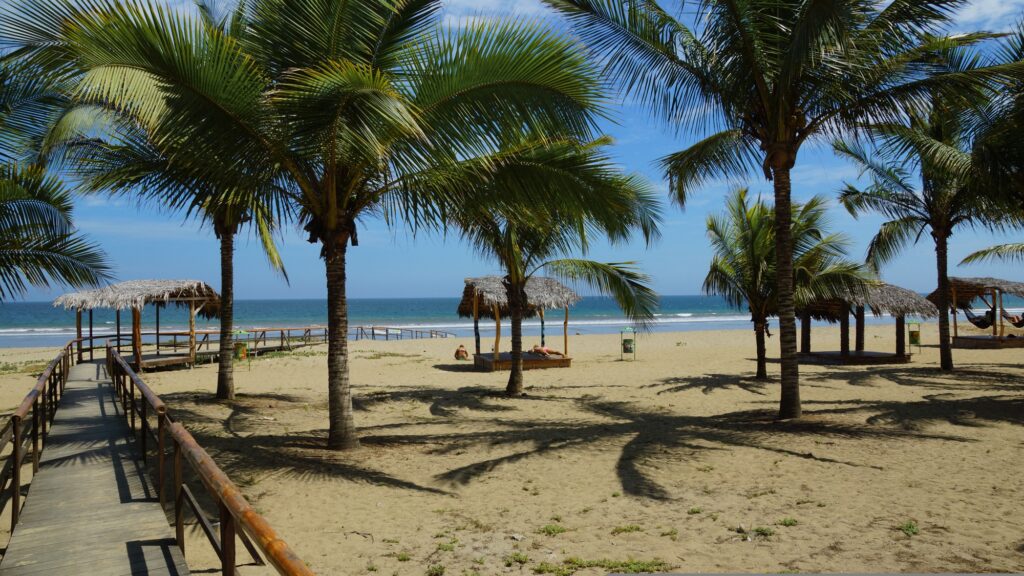
Montañita has earned a global reputation as the heartbeat of the Ecuadorian coast. It is a place of high-energy surf, vibrant street life, and a nightlife that rarely pauses. However, for the independent traveller—the one arriving by bike, local bus, or on foot with a desire for deep local knowledge—the true magic of the region often lies just beyond the town’s neon-lit perimeter.
To experience this stretch of the Ruta del Spondylus authentically, one must find a way to balance the social energy of the village with the restorative power of the Pacific coastline. This balance starts with where you lay your head. At Wheely Tyred, the philosophy is simple: sleep well. A good night’s rest is the foundation of any successful independent journey, allowing for the stamina needed to climb coastal ridges or navigate the local markets.
While Montañita is packed with hostels, the discerning traveller often seeks something more grounded. Camping and glamping in this region offer a bridge between the raw natural beauty of the dry tropical forest and the modern comforts required for a multi-week expedition. The following recommendations represent the best of the area, chosen for their high standards, unique character, and distance from the central noise.
The unhurried edge of the Spondylus
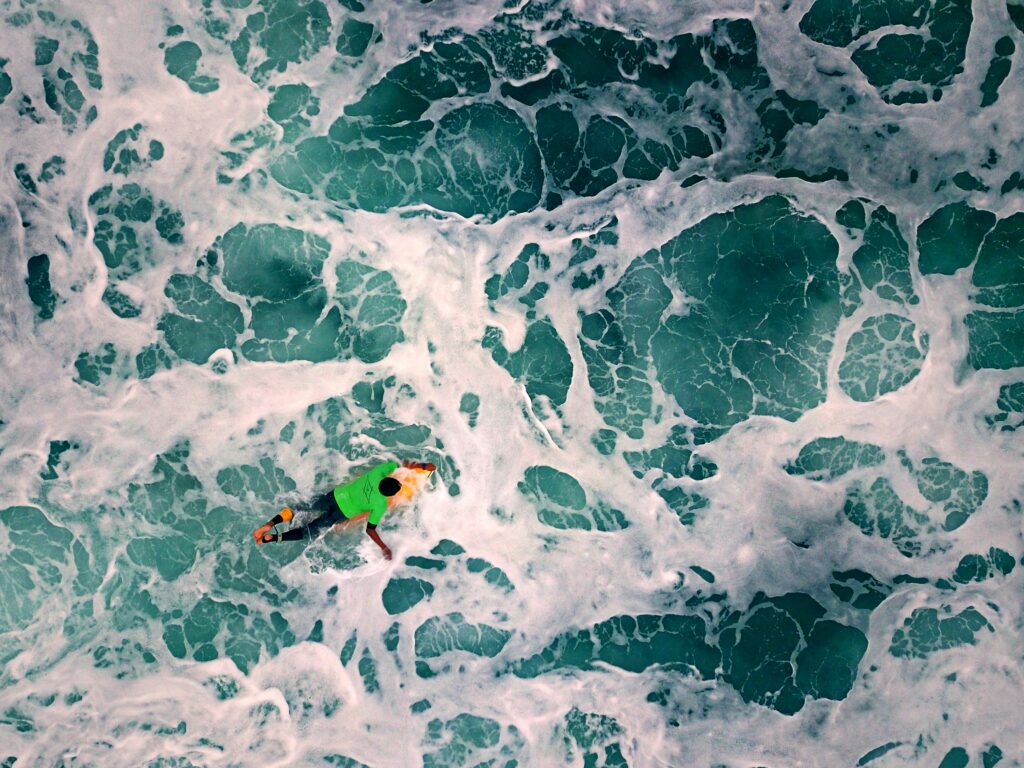
Beyond the neon pulse and high-energy surf of Montañita lies a coastline defined by quiet orchards, steady tides, and the dry tropical forest. For the independent traveller, finding a sanctuary outside the central bustle is essential for maintaining the stamina required for long-distance exploration.
- Samkhya Finca: A masterclass in agroecology situated inland, where the scent of cacao and tropical birdsong replaces the salt spray and noise of the main strip
- Manglaralto Domes: Precision-designed geodesic structures in a quiet neighbouring village that offer architectural comfort without severing the connection to the coastal garden
- Hillside Refuges: Elevated platforms in the hills of Sitio Nuevo provide a cooler vantage point over the canopy, perfect for those seeking privacy and a slower pace
- Beachfront Heritage: Established grounds in Manglaralto that provide the scale and functional facilities needed by those arriving with heavy touring bikes or extensive gear
- Botanical Sanctuaries: Lush, garden-integrated cabins on the northern fringe that serve as a restorative soft landing for travellers transitioning from the tent to a solid roof
- Artisanal Hubs: Cultural landmarks at La Punta that combine balsa wood craftsmanship with yoga and community-focused living for a deeper local connection
- Sustainable Logistics: A commitment to local waste systems and low-impact travel ensures the coastline remains preserved for the next wave of independent explorers
Montañita.
Surfer’s paradise
1. Samkhya Finca Agroecológica
Location: ~4 km from Montañita centre (Sitio Nuevo)
For those who view travel as an opportunity for education, Samkhya Finca Agroecológica is more than a place to pitch a tent. This is an active agroecological farm dedicated to sustainability and the preservation of local flora. Located inland from the beach, it offers a dramatic change in pace. Instead of crashing waves, the soundtrack here is the rustle of cacao trees and the calls of tropical birds.
The site is meticulously managed, reflecting a deep respect for the land. Independent travellers will appreciate the communal kitchen and the opportunity to learn about organic farming practices. The camping area is well-shaded, a critical factor in the Ecuadorian heat, and the facilities are kept to an exceptional standard. Choosing Samkhya means opting for a quiet retreat that feels miles away from the tourist trail while remaining a short bike ride from the surf.
2. Eco Glamping Manglaralto
Location: Manglaralto (3 km south of Montañita)
Manglaralto is the quieter, more mature sibling of Montañita. Just a short walk down the beach or a quick ride away, it retains the feel of a traditional coastal village. Eco Glamping Manglaralto capitalises on this tranquillity by offering distinctive geodesic domes set within a lush, private garden.
This is the ideal choice for travellers who want the immersive experience of sleeping outdoors without sacrificing essential comforts. Each dome is designed to maximise airflow, providing a cool sanctuary during the humid coastal afternoons. With high-speed Wi-Fi and private bathrooms, it serves as an excellent base for digital nomads or those planning their next route through the Manabí province. It is a testament to the fact that sleeping well does not require four concrete walls.
The Ecuadorian Coast.
Where you’ll find the very best food
3. Paraíso Tropical Glamping
Location: Sitio Nuevo
Tucked away in the hills of Sitio Nuevo, Paraíso Tropical Glamping lives up to its name by providing a boutique experience focused on nature and hospitality. The site is designed for those who value privacy and a slower pace. The tents are elevated on wooden platforms, offering protection from the elements and a vantage point over the surrounding greenery.
What sets this location apart is the attention to detail. From the cleanliness of the facilities to the helpfulness of the staff, it mirrors the persona that Wheely Tyred values. It is a place where you can find reliable information about local conditions and hidden trails, making it a perfect hub for the self-guided explorer who wants to avoid the crowded group tours of the main strip.
4. Campamento Bautista Manglaralto
Location: Manglaralto Beachfront
There are rare occasions where a larger, more established site is the correct choice, and Campamento Bautista is one of them. Situated directly on the beach in Manglaralto, this site has a long history in the community. It offers vast, open spaces that are a luxury in a region where coastal real estate is increasingly cramped.
For the traveller with a heavy touring bike or a large amount of gear, the accessibility and scale of this camp are significant advantages. The facilities are functional and extensive, catering to those who prefer a traditional camping experience. The direct access to the beach means you can wake up, check the surf, and be in the water before the heat of the day takes hold. It is a reliable, high-quality option for those who want simplicity and space.
The Galápagos.
Ecuador’s Enchanted Isles
5. Hostería Los Cactus
Location: Northern edge of Montañita
While primarily a hostería, Los Cactus is included in this selection for its garden-integrated cabins and its atmosphere, which closely aligns with the green oasis philosophy of modern glamping. Located on the quieter northern edge of town, it provides a buffer against the central bustle while keeping the amenities of Montañita within reach.
The property is defined by its botanical diversity. The cabins feel like an extension of the garden, offering a sense of seclusion that is difficult to find so close to the town centre. For the independent traveller who has spent several nights in a tent and needs a soft landing with a few more amenities—like a pool and more substantial shelter—Los Cactus is the expert recommendation. It maintains the spirit of independent, nature-focused travel while ensuring you are well-rested for the road ahead.
6. Balsa Surf Camp
Location: Montañita (La Punta)
Located at La Punta, the famous surf break at the northern end of the beach, Balsa Surf Camp is a cultural landmark. It is renowned for its use of balsa wood—a material deeply tied to Ecuadorian coastal heritage—in both its architecture and its handcrafted surfboards.
The atmosphere here is artisanal and community-oriented. While it leans more toward bungalows than traditional tent camping, the open-air design and heavy use of natural materials provide that vital connection to the environment. With an on-site yoga studio and a restaurant that prioritises local ingredients, Balsa Surf Camp caters to the traveller who wants to understand the soul of Montañita. It is a place for those who move at their own pace and appreciate the intersection of craft and travel.
The Ecuadorian Sierra.
Get lost in the hills
Planning your camp on the coast
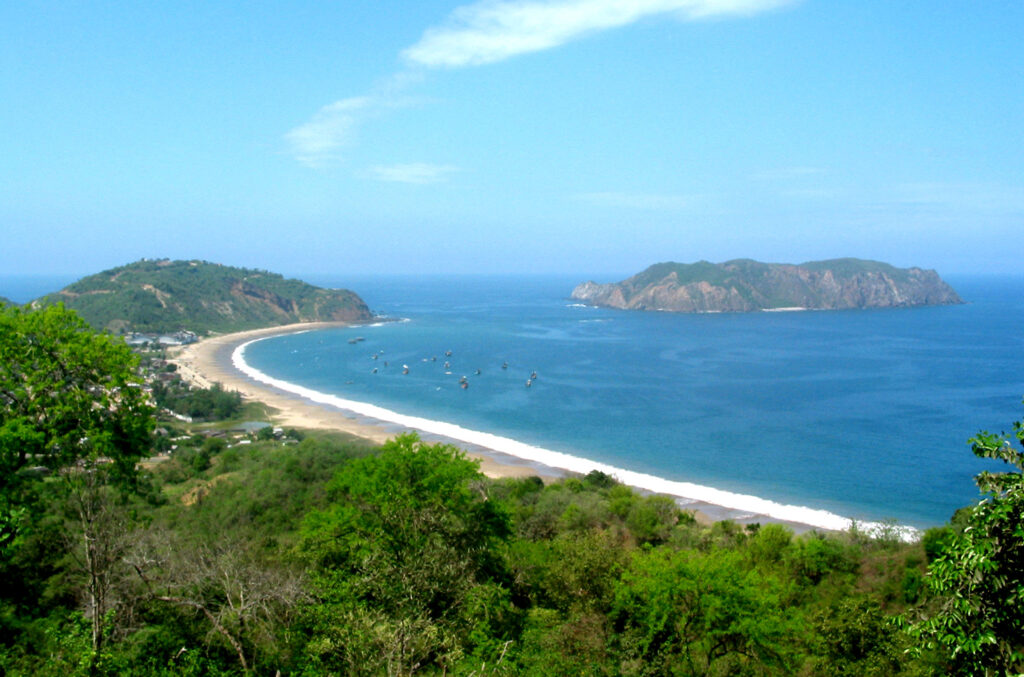
Transport and access
The Santa Elena peninsula is well-connected by the Cooperativa Libertad Peninsular (CLP) bus line, which runs regularly from Guayaquil. For those travelling by bike, the Ruta del Spondylus offers spectacular ocean views but requires caution due to narrow shoulders in certain sections. Arriving in Manglaralto or northern Montañita allows you to bypass the most congested pedestrian areas.
The independent mindset
Independent travel in Ecuador is most rewarding when you remain flexible. While these sites are highly rated and consistent, the coastal weather can change rapidly. During the garúa (misty) season from June to September, temperatures are cooler and the sky is often overcast—perfect for cycling but requiring a bit more moisture protection for your gear.
Sustaining the coast
Read this far?
Wheely Tyred encourages all travellers to respect the delicate coastal ecosystems. When camping, aim to minimise plastic waste. Many of the sites listed, such as Samkhya, have robust recycling and composting systems in place. Engaging with these systems is part of being a responsible guest in the region.
Affiliate Disclaimer: Some of the links on Wheely Tyred are affiliate links. If you click through and make a booking or purchase, we may earn a small commission at no extra cost to you. We only recommend gear, tours, stays, and services we genuinely use, trust, and stand behind — our editorial independence always comes first. These commissions help keep our independent cycling guides and travel stories free to read. You can also buy me a coffee here — thanks for supporting the ride!
The Ecuadorian Coast.
Where you’ll find the very best food
Frequently asked questions about the best campsites in Montañita
The Santa Elena peninsula is reliably served by the Cooperativa Libertad Peninsular (CLP) bus line, which runs frequently from Guayaquil. Most of the recommended sites in Manglaralto and Sitio Nuevo are a short, affordable taxi or local bus ride from the main Montañita terminal, or a manageable 15-minute cycle.
While the views are spectacular, the road can be narrow with limited shoulders in certain sections. We recommend timing your arrival for mid-morning to avoid peak traffic and staying alert for local buses. The stretch between Manglaralto and Montañita is flat and straightforward, making it an easy final leg.
The garúa (misty) season, from June to September, offers cooler temperatures and overcast skies. While less tropical in appearance, it is the ideal climate for physical activity and ensures the campsites are far quieter than during the sun-drenched peak months of December to March.
Absolutely. Many of the featured locations, such as Eco Glamping Manglaralto and Balsa Surf Camp, provide high-quality glamping domes or artisanal cabins. These are designed for travellers who want the immersion of an outdoor stay with the convenience of provided bedding and furniture.
Water is a precious resource on the coast. Many independent sites, particularly Samkhya Finca, utilise composting toilets and greywater systems. We encourage visitors to minimise single-use plastics and engage with the on-site recycling programmes to help protect the delicate dry forest ecosystem.
While the more remote agroecological farms may have limited connectivity, sites like Eco Glamping Manglaralto prioritise high-speed Wi-Fi. This makes the area south of Montañita an excellent choice for digital nomads who need a quiet environment for focus during the day.
Ecuador.
Pure wonder on the equator.