The best multi-day tours & overland expeditions from Cuenca, Ecuador
Guided highland circuits & regional expeditions from Cuenca
Deep roots in the southern Andes
BEN FINCH
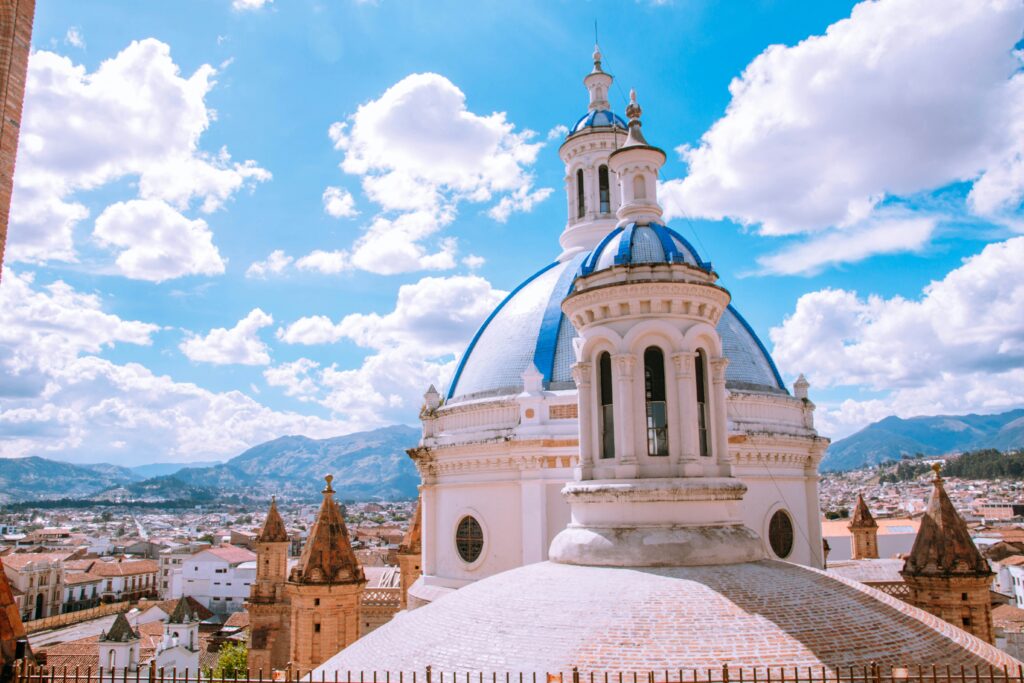
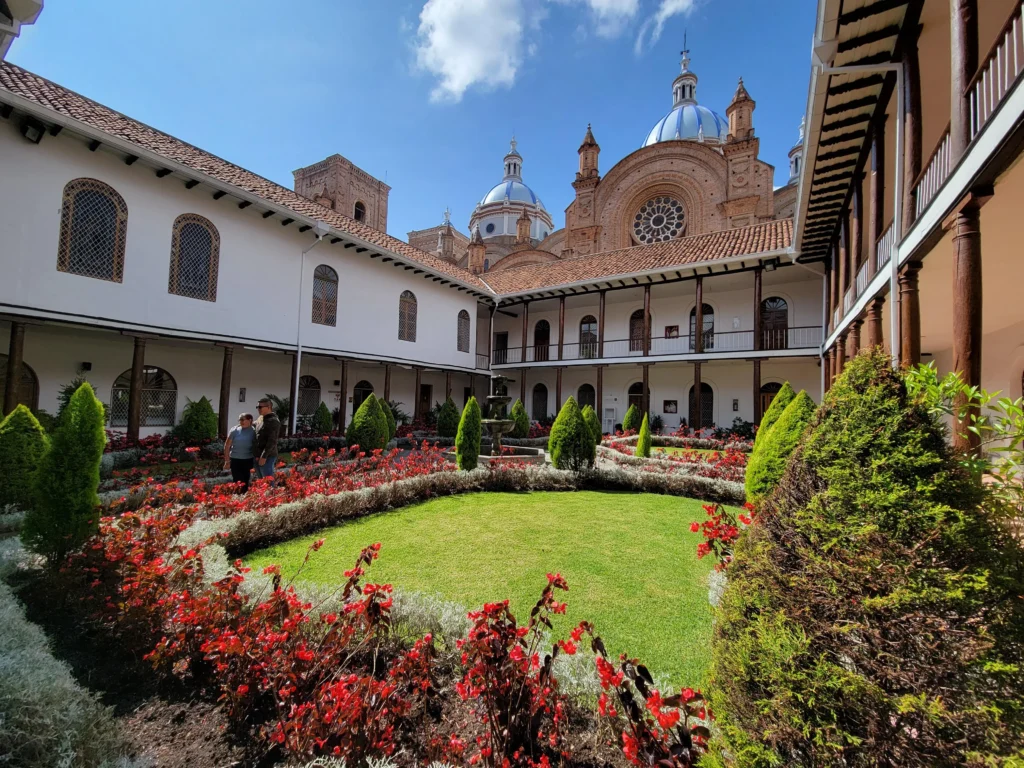
Perched in a fertile Andean valley crisscrossed by four rushing rivers, Cuenca (Santa Ana de los Cuatro Ríos de Cuenca) stands as Ecuador’s undisputed cultural capital. With its red-tiled roofs, whitewashed colonial facades, flower-laden balconies, and towering blue domes of the Catedral de la Inmaculada Concepción, the city invites travellers to linger.
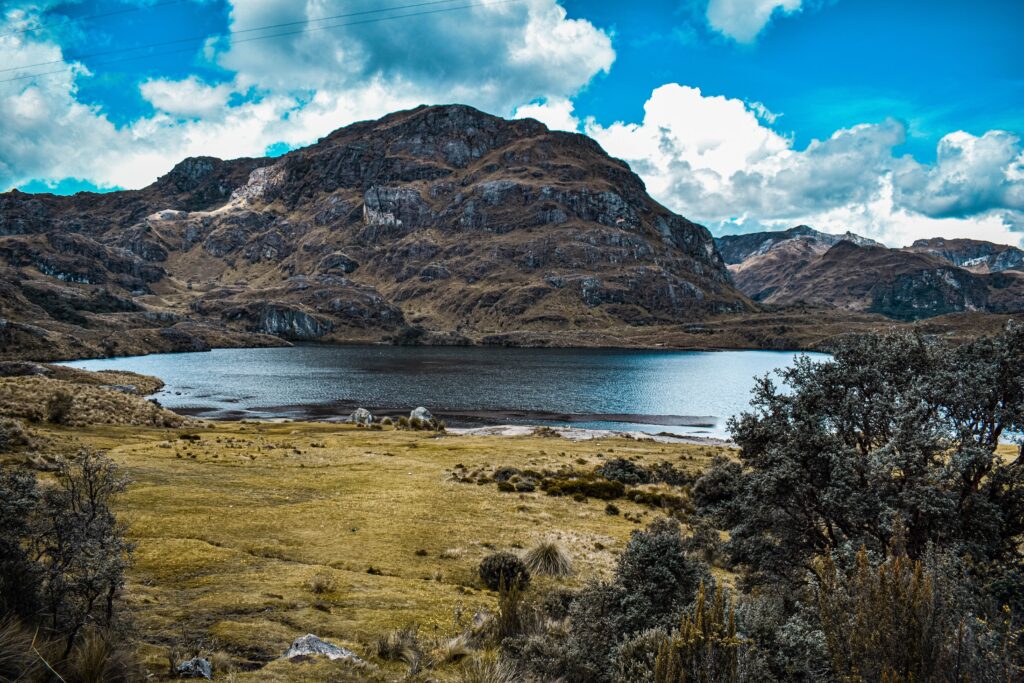
Yet, beyond the historic urban grid lies one of South America’s most ecologically diverse and historically rich landscapes: the high-altitude Páramo wetlands of Parque Nacional Cajas, the mysterious stone monoliths of the Cañari and Inca civilisations at Ingapirca, and the dramatic volcanic spine known as the Avenue of the Volcanoes.
At Wheely Tyred, our travel philosophy is anchored in slow, independent, and respectful exploration. We actively reject whistle-stop, commercial bus marathons that rush tourists through regional landmarks in a blur of diesel fumes and fleeting photo opportunities. Southern Ecuador cannot be properly digested through fragmented, day-long round trips that force you to return to the same hotel city room every night, spending half your waking hours stuck in traffic.
Booking a dedicated multi-day expedition or small-group overland journey resolves complex high-altitude logistics, eliminates redundant back-and-forth travel, and grants access to remote mountain communities, family-run haciendas, and eco-lodges.
Whether you are navigating the high-altitude glacial lakes of Cajas, tracing ancient trade routes along the Qhapaq Ñan, or descending from snow-capped Andean cones into the cloud forests, a curated multi-day tour provides the seamless structure and local expertise needed for meaningful immersion.
Below, we have selected six exceptional, fully bookable multi-day tour itineraries that capture the spirit of Cuenca and the surrounding Ecuadorian highlands.
Southern Andean chronicles / Expedition highlights
From the cobbled avenues of colonial Cuenca to the windswept tundra of the high Páramo, Southern Ecuador deeply rewards travellers who choose to slow down. Here are the core takeaways, essential stops, and key logistical insights from our multi-day guide.
- Parque Nacional Cajas: A surreal high-altitude wetland of glacial tarns, jagged volcanic ridges, and ancient Polylepis forests that demands sturdy waterproof footwear and proper layering
- Ingapirca Archaeological Complex: The country’s most significant ancient site, where Cañari lunar architecture blends seamlessly with monumental Inca stone masonry
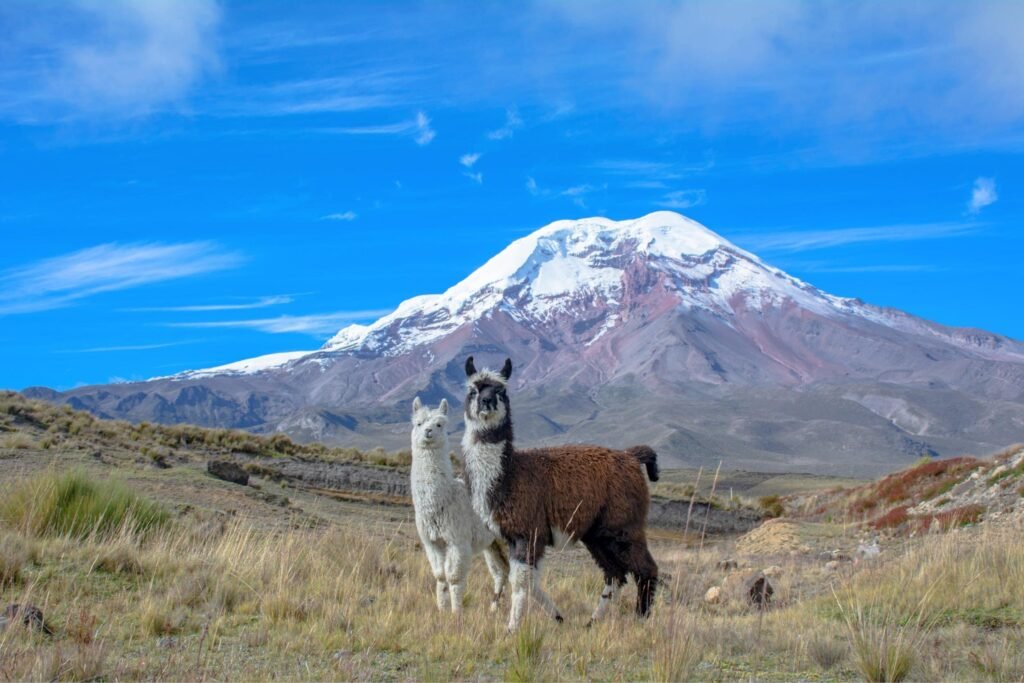
- The Avenue of the Volcanoes: An extraordinary overland corridor linking Cuenca to Quito, flanked by snow-capped peaks such as Cotopaxi, Quilotoa, and Chimborazo
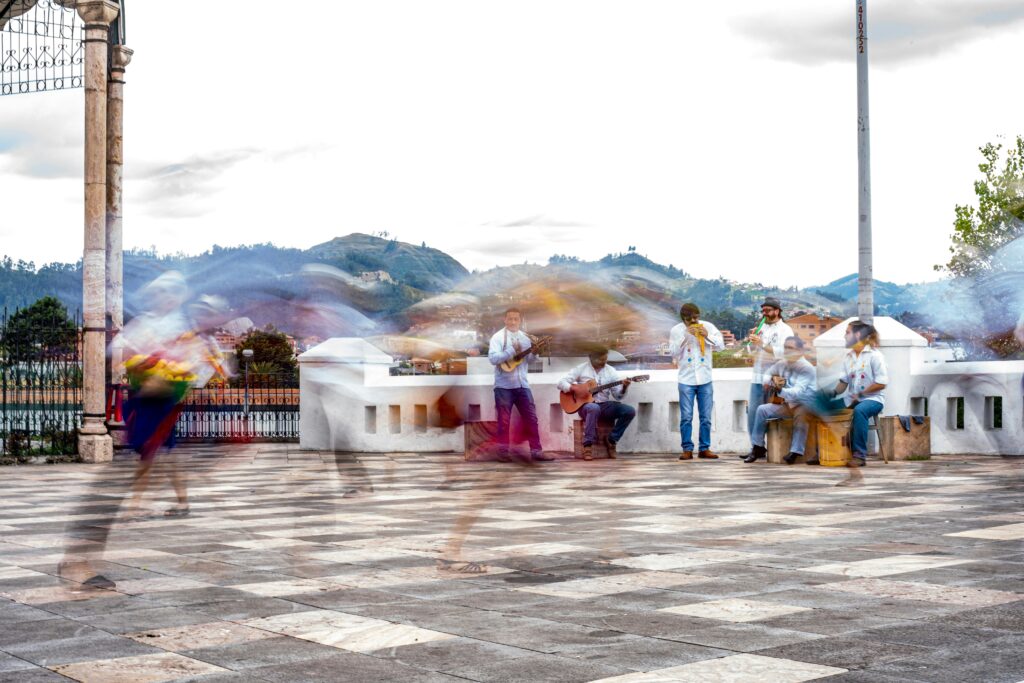
- Artisan Valleys of Azuay: The historic craft towns of Chordeleg, Gualaceo, and San Bartolomé offer an intimate look at intricate silversmithing, traditional backstrap loom weaving, and hand-carved luthiery
- Overland Efficiency: Joining a dedicated multi-day itinerary solves complex mountain transit, eliminating repetitive back-and-forth daily journeys while supporting rural guest houses
- High-Altitude Readiness: Dramatic shifts in climate and altitude require flexible gear preparation, cash in small denominations, and at least 48 hours of urban acclimatisation in Cuenca
The Ecuadorian Sierra.
Get lost in the hills
Traverse the Avenue of Volcanoes / Cuenca to Quito expedition
Rating & reviews
(24+ verified reviews on Viator)
Why this tour stands out
This northbound overland expedition provides an ideal point-to-point bridge between Cuenca and Ecuador’s capital, Quito. Rather than taking a quick domestic flight, this 5-day journey traces the iconic central valley, allowing travellers to observe the gradual transition in topography, climate, and local indigenous culture.
Travel is conducted in small groups (maximum 15 guests) using comfortable, private minivans or SUVs, ensuring an intimate atmosphere and flexible pace. You will stay in handpicked regional hotels and mountain lodges, taking the stress out of navigating rural bus terminals with heavy luggage.
Key highlights
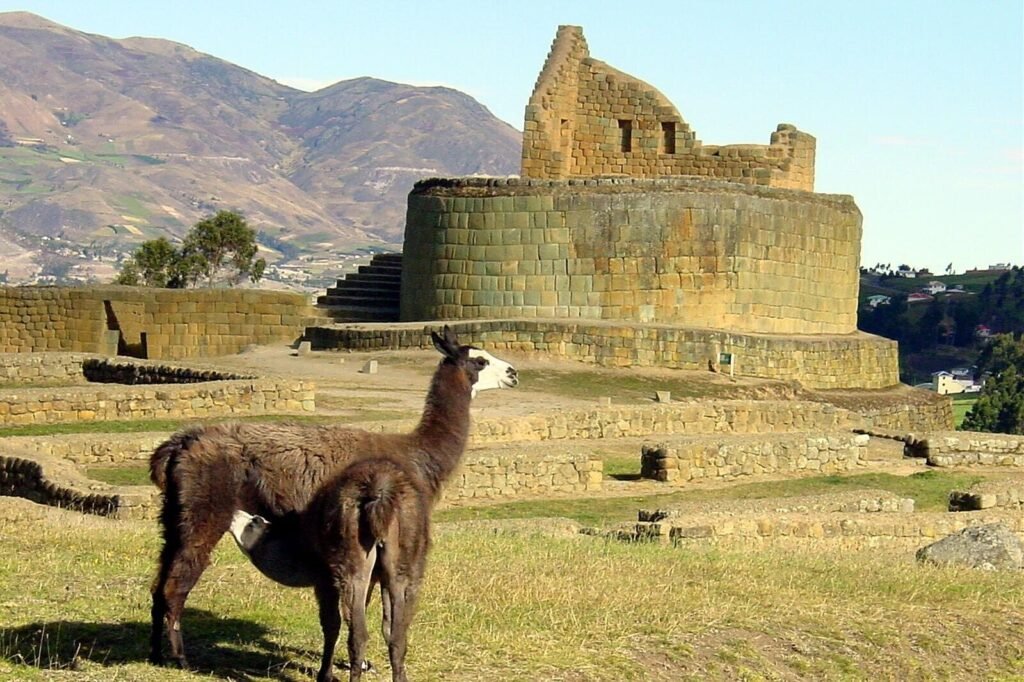
- Ingapirca Archaeological Complex: Explore Ecuador’s most significant Inca site, featuring the elliptical Temple of the Sun built over ancient Cañari foundations
- Chimborazo Wildlife Reserve: Trek along the lower slopes of Ecuador’s highest peak, where the summit represents the point on Earth closest to the sun
- Waterfall Route in Baños: Ride a cable car over the roaring Pastaza River and descend to the thunderous Pailón del Diablo (Devil’s Cauldron)
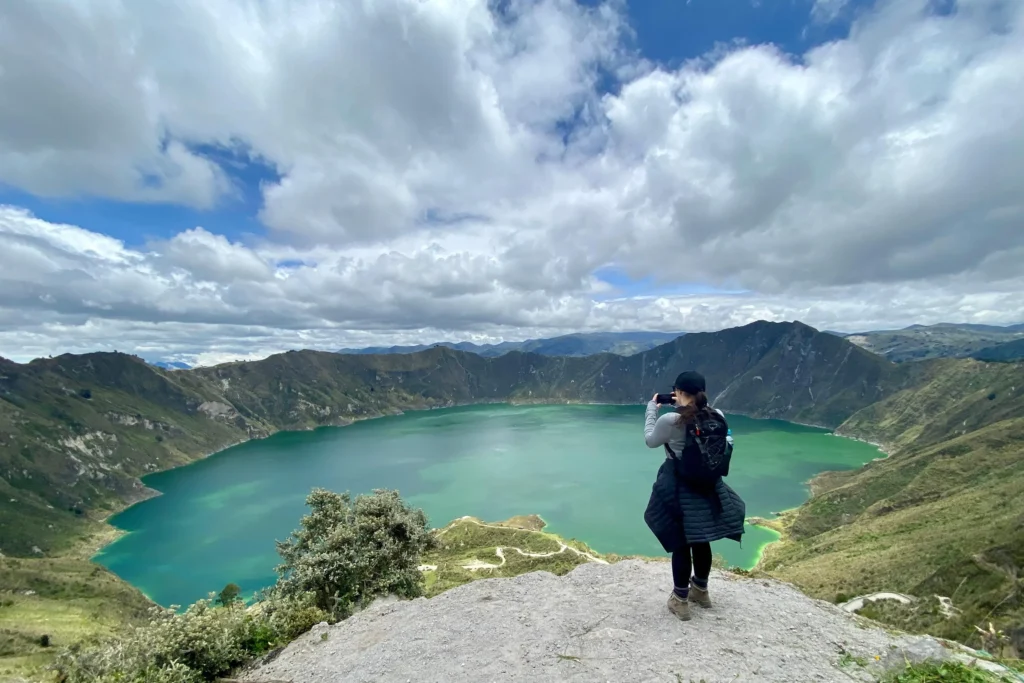
- Quilotoa Crater Lake: Stand on the rim of an active volcanic caldera filled with shimmering emerald waters
- Cotopaxi National Park: Hike around the high-altitude Limpiopungo Lagoon in the shadow of Cotopaxi’s snow-capped cone
Ideal for
Active travellers, culture enthusiasts, and overland photographers seeking a seamless northbound connection between Cuenca and Quito without missing the central highlands.
Local insight
The climatic shifts on this route are pronounced. You will experience warm, sunny conditions in Baños de Agua Santa followed by freezing, windswept weather at Chimborazo (4,800 metres above sea level). Pack a windproof layer, thermal base layers, and a fleece jacket in a daypack rather than buried in your main luggage.
Andean overland route / Quito to Cuenca
Rating & reviews
(2+ verified reviews on GetYourGuide)
Why this tour stands out
For travellers starting their journey in Quito and making their way south towards Cuenca, this 4-day small-group trip reverses the classic highland route. Designed for high efficiency and immersive scenery, it cuts out non-essential travel days and focuses on core geological and cultural landmarks.
Led by certified bilingual mountain guides, the itinerary blends moderate active hiking with comfortable private road transfers. Accommodation is included in atmospheric boutique guest houses in Cotopaxi, Baños, and Riobamba.
Key highlights
- Cotopaxi Glacier Trail: Acclimatise with a nature walk around Limpiopungo Lagoon with opportunities to spot Andean condors and wild horses
- Tigua Folk Art Workshop: Meet indigenous painters in the Tigua Valley known for their vibrant sheepskin canvas art depicting rural Andean life
- Pailón del Diablo & Baños: Experience the subtropical microclimate and dramatic drop of the Pastaza River waterfalls
- Devil’s Nose Viewpoint (Alausí): Learn about the legendary railway engineering feat through the rugged mountain pass near Alausí
- Southbound Entry to Cuenca: Conclude your trip with a smooth evening drop-off directly at your hotel or apartment in Cuenca
Ideal for
Solo travellers, couples, and small groups looking to journey south from Quito to Cuenca with pre-arranged logistics, local guiding, and comfortable accommodation.
Local insight
Altitude sickness can affect even fit travellers when moving quickly through the highlands. Drink plenty of water, sip local coca tea (mate de coca) during morning stops, and avoid heavy alcohol consumption on the first two nights of the ascent into Cotopaxi and Quilotoa.
The Galápagos.
Ecuador’s Enchanted Isles
Concentrated culture & high páramo / The 2-day regional circuit
Rating & reviews
(1+ verified reviews on GetYourGuide)
Why this tour stands out
If your schedule in Southern Ecuador is tight, this concentrated 2-day micro-expedition offers a deep dive into the region’s top natural and historical highlights without feeling rushed.
Rather than bundling these distant sites into two exhausting back-to-back single-day trips, this structured 2-day circuit coordinates private transport, regional craft demonstrations, archaeological entry passes, and high-altitude nature walks into a logical flow.
Key highlights
- Day 1 (Archaeological & Craft Heritage): Morning departure to the Cañar Valley for a detailed guided tour of the Ingapirca ruins, including the Temple of the Sun. Afternoon visit to the artisan towns of Gualaceo and Chordeleg to observe traditional backstrap loom weaving (ikat) and silver filigree jewellery production
- Day 2 (Parque Nacional Cajas High Páramo): Guided nature trek through the sponge-like tundra, Polylepis (Paper Tree) forests, and glacial tarns around Laguna de la Toreadora, followed by panoramic views from Mirador Tres Cruces
- Local Culinary Stops: Opportunities to sample regional specialities, including traditional trout (trucha) and roasted pork (hornado), at authentic country inns
Ideal for
Time-conscious travellers and independent explorers who want a professionally managed, comprehensive overview of Azuay and Cañar provinces using Cuenca as their operational base.
Local expedition insight
When visiting the artisan workshops in Chordeleg and Gualaceo, carry cash in small denominations (US $5, $10, and $20 notes). Many small-scale family artisans do not accept credit cards, and change for $50 or $100 notes can be difficult to find.
Immersion in the southern Andes / Heritage, artisans & glacial lakes
Rating & reviews
(New activity on Viator)
Why this tour stands out
Spanning three full days, this immersive regional itinerary expands beyond the standard tourist trail to showcase hidden rural hamlets, historic urban architecture, and high-altitude wilderness areas.
It balances structured guided walks with free time in the evenings to explore Cuenca’s dining scene. Operating with a relaxed daily pace, it is perfect for travellers who prefer deeper cultural interactions and guided context over quick photo stops.
Key highlights
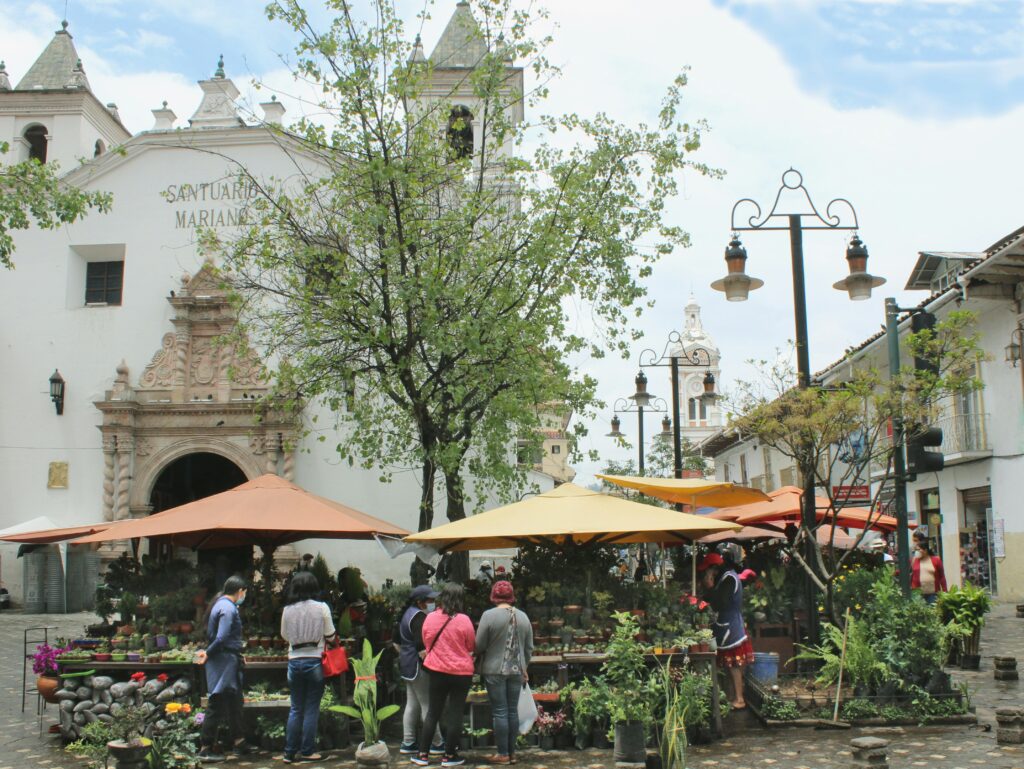
- Colonial Cuenca Historic Centre: Guided walking exploration of the UNESCO World Heritage grid, including the Flower Market, Old Cathedral, New Cathedral, and a traditional Panamá hat workshop (Homero Ortega)
- Mirador de Turi & Ridge Overlooks: Panoramic views over Cuenca’s red-tiled roofs and surrounding mountain ridges
- Ingapirca Archaeological Complex: In-depth exploration of the Sun Temple and surrounding Cañari lunar sites with an expert heritage guide
- Valley Craft Villages: Private visits to San Bartolomé (renowned for handmade acoustic guitars), Chordeleg (filigree silver), and Gualaceo’s fruit markets
- Wild Cajas Páramo Trek: A 3-hour guided hike along pristine lake trails in Parque Nacional Cajas, learning about endemic high-altitude flora and bird life
Ideal for
Culture seekers, photography enthusiasts, and slow travellers who want a balanced 3-day itinerary covering urban heritage, rural craft tradition, and high-mountain wilderness.
Local expedition insight
Weather in Parque Nacional Cajas can change rapidly. Clear morning skies often give way to dense fog, light rain, and dropping temperatures by mid-afternoon. Waterproof hiking boots with good ankle support are essential for navigating the muddy, uneven Páramo terrain.
The Ecuadorian Amazon.
The most biodiverse place in the world
The grand southern highlands road trip / Quito to Guayaquil via Cuenca
Rating & reviews
(4+ verified reviews on TourRadar)
Why this tour stands out
Operated by GUIDEcuador Travel, this 8-day small-group overland journey covers the full length of the Ecuadorian Andes before descending to the Pacific port of Guayaquil. Cuenca serves as a key highlight on Days 6 and 7, serving as a cultural reward after days of active volcanic exploration.
Accommodation is in comfortable 3-star and 4-star regional hotels (such as Hotel Victoria in Cuenca), ensuring a balance of local charm and modern comfort.
Key highlights
- Northern & Central Highlands: Explore Otavalo Indigenous Market, Cotacachi leather village, Cotopaxi National Park, and the waterfalls of Baños de Agua Santa
- High Mountain Transit: Overland journey through Riobamba and Alausí, passing beneath Chimborazo Volcano
- Ingapirca Archaeological Site: Guided historical walk through the principal Cañari-Inca complex
- Cuenca Cultural Immersion: Full-day exploration of Cuenca’s historic centre, Tomebamba River walk, Broken Bridge (Puente Roto), and Museo de las Culturas Aborígenes
- Pacific Descent: Scenic overland mountain drive from Cuenca down to the coastal lowlands of Guayaquil
Ideal for
First-time visitors to Ecuador seeking a complete mainland itinerary that connects Quito, the volcanic central valley, historic Cuenca, and Guayaquil in one continuous route.
Local expedition insight
The descent from Cuenca (2,560 metres) down to coastal Guayaquil (sea level) passes through dramatic ecological zones in less than four hours. Keep a light jacket or sweater handy, as you will move quickly from cool mountain air into warm, humid tropical weather.
The ultimate continental expedition / Rainforest, volcanic ridges & southern heritage

Rating & reviews
(5+ verified reviews on TourRadar)
Why this tour stands out
This 10-day overland journey is the ultimate continental Ecuador itinerary. It connects four distinct ecological regions: the northern volcanic lakes, the upper Amazon basin, the central volcanic cordillera, and the southern highlands around Cuenca.
Designed for travellers who want a comprehensive, hassle-free adventure, it uses private ground transportation, stays in high-quality 4-star lodges (such as Casa del Suizo in the Amazon and Hotel Santa Lucía in Cuenca), and includes most meals and activities.
Key highlights
- Quito & Thermal Springs: UNESCO Old Town city tour followed by a relaxing thermal soak at Papallacta Hot Springs
- Amazon Rainforest Lodge: Motorised canoe transfer down the Napo River, guided jungle night walks, visits to wildlife rescue centres, and indigenous Quichua cultural experiences
- Avenue of the Waterfalls: Cable car rides across river canyons in Baños and hikes to Pailón del Diablo
- High Altitude Wildlife: Vicuña spotting in the Chimborazo Wildlife Reserve and guided tours of Ingapirca
- Cuenca & Cajas Exploration: Full guided tour of Cuenca’s heritage sites, silversmith workshops, and a nature excursion into Parque Nacional Cajas, ending with a visit to a coastal cacao plantation en route to Guayaquil
Ideal for
Travellers looking for an all-inclusive multi-day expedition that combines the Amazon rainforest, volcanic highlands, and the cultural heritage of Cuenca into a single trip.
Local expedition insight
This tour covers a wide range of climates, from warm, humid conditions in the Amazon to cold, windy terrain in Cajas National Park. Pack lightweight, quick-drying clothing for the rainforest alongside warm insulation for the highlands, avoiding heavy cotton garments that retain moisture.
The Ecuadorian Coast.
Where you’ll find the very best food
Our practical multi-day expedition planning guide
Planning a multi-day expedition through Cuenca and the Southern Andes requires careful preparation to ensure a smooth, enjoyable trip. Here are our top practical recommendations:
1. Packing for microclimates & high altitudes
Ecuador’s topography creates distinct microclimates within short distances. In a single day, you may experience freezing mist in Parque Nacional Cajas (3,900m) and warm, sunny weather in the craft valleys of Gualaceo (2,200m).
- Layering System: Use a moisture-wicking base layer, an insulating fleece mid-layer, and a windproof/waterproof breathable outer shell
- Footwear: Sturdy, broken-in waterproof hiking boots with rubber lug soles are essential for muddy trails in Cajas and cobble streets in mountain villages
- Sun Protection: The equatorial sun is intense at high altitudes. Bring a wide-brimmed hat, UV-blocking sunglasses, and reef-safe SPF 50+ sun cream
2. Managing single supplements & group sizes
Most multi-day tours in Ecuador base their prices on double occupancy. If you are travelling solo, pay close attention to single supplement policies:
- Solo Travellers: Platforms like TourRadar and Viator frequently offer willing to share options for small-group departures, pairing you with a traveller of the same gender to avoid single supplement fees
- Group Size: Choose tour operators that cap group sizes at 12 to 15 passengers. Smaller vehicles navigate winding mountain roads more efficiently and allow for more authentic interactions in rural villages
3. High-altitude physical preparation & insurance
Cuenca sits at 2,560 metres above sea level, with surrounding excursion points like Parque Nacional Cajas and Chimborazo reaching between 3,900 and 4,800 metres.
- Acclimatisation: Plan to spend at least 24 to 48 hours resting and walking gently in Cuenca before embarking on demanding hikes or high-altitude treks
- Travel Insurance: Ensure your travel insurance policy covers active trekking and adventure activities up to 4,500 metres above sea level. Many standard policies cap altitude coverage at 2,500 metres
4. Currency, tipping, and supporting local communities
Ecuador uses the US dollar ($) as its official currency.
- Cash is Essential: While major hotels and restaurants in Cuenca accept credit cards, small vendors, rural markets, and local artisans rely entirely on cash. Carry small bills ($1, $5, $10, and $20 notes), as $50 and $100 notes are rarely accepted
- Tipping Culture: Tipping local guides and drivers is customary on multi-day tours. A general guideline is $10–$15 USD per day for your primary tour guide and $5–$8 USD per day for the driver, given directly at the end of the trip
5. Environmental ethics in fragile ecosystems
The Páramo ecosystem in Parque Nacional Cajas acts as a natural water sponge for Cuenca and the surrounding region.
- Leave No Trace: Stay strictly on designated trails to avoid disturbing fragile mosses, lichen, and wetlands. Pack out all rubbish, including biodegradable food scraps
- Single-Use Plastics: Bring a refillable insulated water bottle or hydration bladder equipped with a water filter. Avoid buying single-use plastic water bottles along the route
The road less hurried / Why southern Ecuador demands time
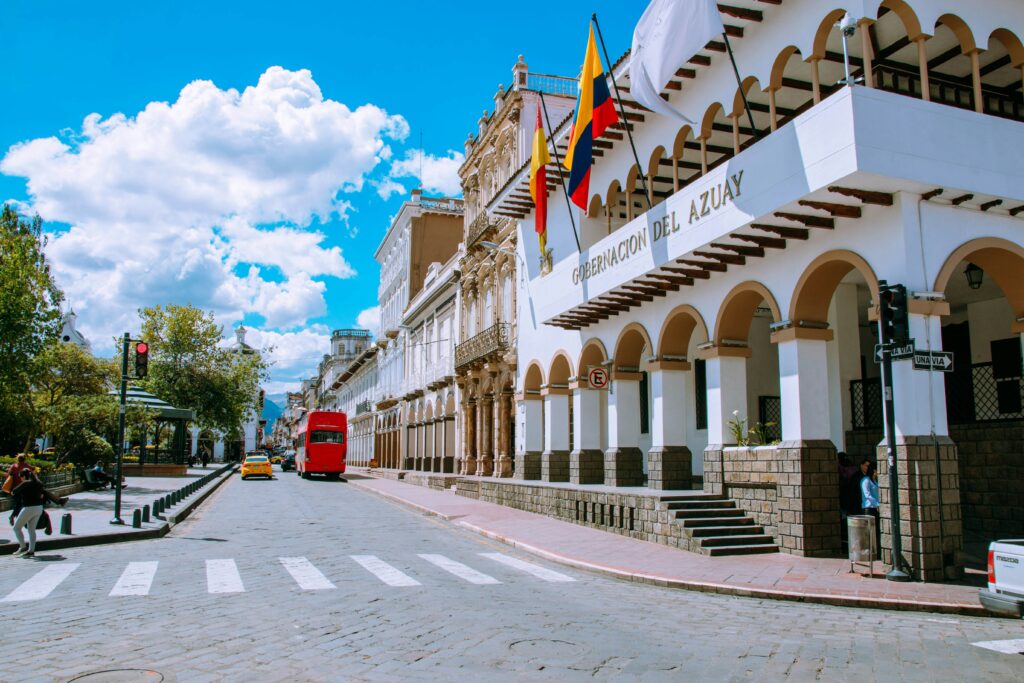
Cuenca’s red-tiled roofs and riverside promenades have a way of holding travellers in place, but the true spirit of the Southern Andes lies along the mountain passes beyond the city limits. The high Páramo is not a landscape to be skimmed over in a fleeting afternoon; it requires morning mist, quiet footpaths, and the slow adjustment of breath to elevation. By choosing a structured overland expedition or multi-day circuit, you trade the frenzy of daily bus transfers for an authentic, unhurried rhythm of travel.
Crossing these high mountain passes on foot or by road brings you into direct contact with the rich living heritage that shapes modern Ecuador. Whether you are listening to an artisan weaver in Gualaceo explain the intricate geometry of ikat textiles or watching wild horses trace the marshy shoreline of Limpiopungo Lagoon, these multi-day itineraries provide a depth of context that standard tourist transfers simply cannot deliver. You stay in characterful mountain lodges, support local guides whose families have walked these valleys for generations, and leave a lighter footprint behind.
As you map out your journey through Azuay, Cañar, and across the central highlands, remember that the most resonant travel experiences are often made in the spaces between famous landmarks. Take the time to sip hot coca tea in a cold mountain pass, linger over a meal at a family-run inn, and let the Andean landscape unfold at its own deliberate speed. The Southern Andes are waiting, and they are best met on foot, on two wheels, or along a quiet dirt road.
Affiliate Disclaimer: Some of the links on Wheely Tyred are affiliate links. If you click through and make a booking or purchase, we may earn a small commission at no extra cost to you. We only recommend gear, tours, stays, and services we genuinely use, trust, and stand behind — our editorial independence always comes first. These commissions help keep our independent cycling guides and travel stories free to read. Thanks for supporting the ride!
Frequently asked questions about the best multi-day tours in Cuenca
We strongly recommend spending at least 48 hours resting and exploring Cuenca (2,560 metres above sea level) before embarking on high-altitude treks or overland circuits. This gives your body time to acclimatise to the thinner mountain air, significantly reducing the risk of altitude sickness when visiting sites like Parque Nacional Cajas (3,900m+) or Chimborazo (4,800m).
While a domestic flight between Cuenca and Quito takes under an hour, it completely bypasses Ecuador’s most spectacular landscapes. A 4- or 5-day overland trip along the Avenue of the Volcanoes allows you to experience the gradual shift in culture, architecture, and geography, visiting iconic sites like Cotopaxi, Quilotoa Crater Lake, Baños, and Chimborazo along the way.
Because elevation changes rapidly in Southern Ecuador, packing a versatile layering system is vital. You will encounter warm, sunny conditions in lower valleys and freezing winds or drizzle in the Páramo. Bring moisture-wicking base layers, an insulating fleece mid-layer, a windproof and waterproof outer jacket, thermal socks, and broken-in waterproof hiking boots.
Yes. Multi-day group tours are an excellent option for solo travellers wanting hassle-free logistics through complex mountain terrain. Most tour operators offer willing to share programmes that pair solo guests with a traveller of the same gender in twin-share accommodation, allowing you to avoid single supplement fees while benefiting from group camaraderie and professional local guides.
Although credit cards are widely accepted at boutique hotels and upscale restaurants within Cuenca’s historic centre, rural vendors, mountain cafes, artisan markets, and entry gates to community reserves operate almost exclusively in cash. Ecuador uses the US dollar ($); carry small bills ($1, $5, $10, and $20 notes), as vendors rarely have change for $50 or $100 notes.
On small-group overland expeditions, your main luggage (suitcases or large rucksacks) is securely stored in the luggage compartment of the tour vehicle during transit and transported directly between your nightly accommodations. You only need to carry a small 20–30 litre daypack during daily excursions to hold water, camera gear, warm layers, and personal essentials.
Ecuador.
Pure wonder on the equator.