
The layers of time / Understanding the history of Cuenca
Exploring the colonial architecture and pre-Columbian heritage of Cuenca, Ecuador
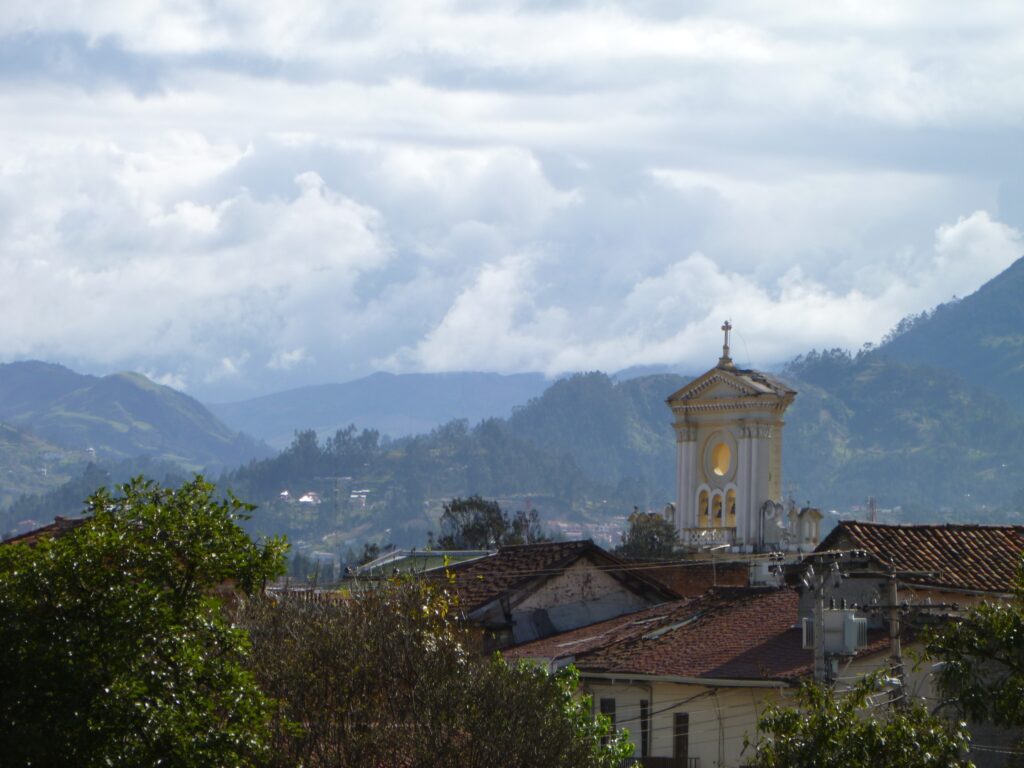
Where the Tomebamba flows through time and cobblestones
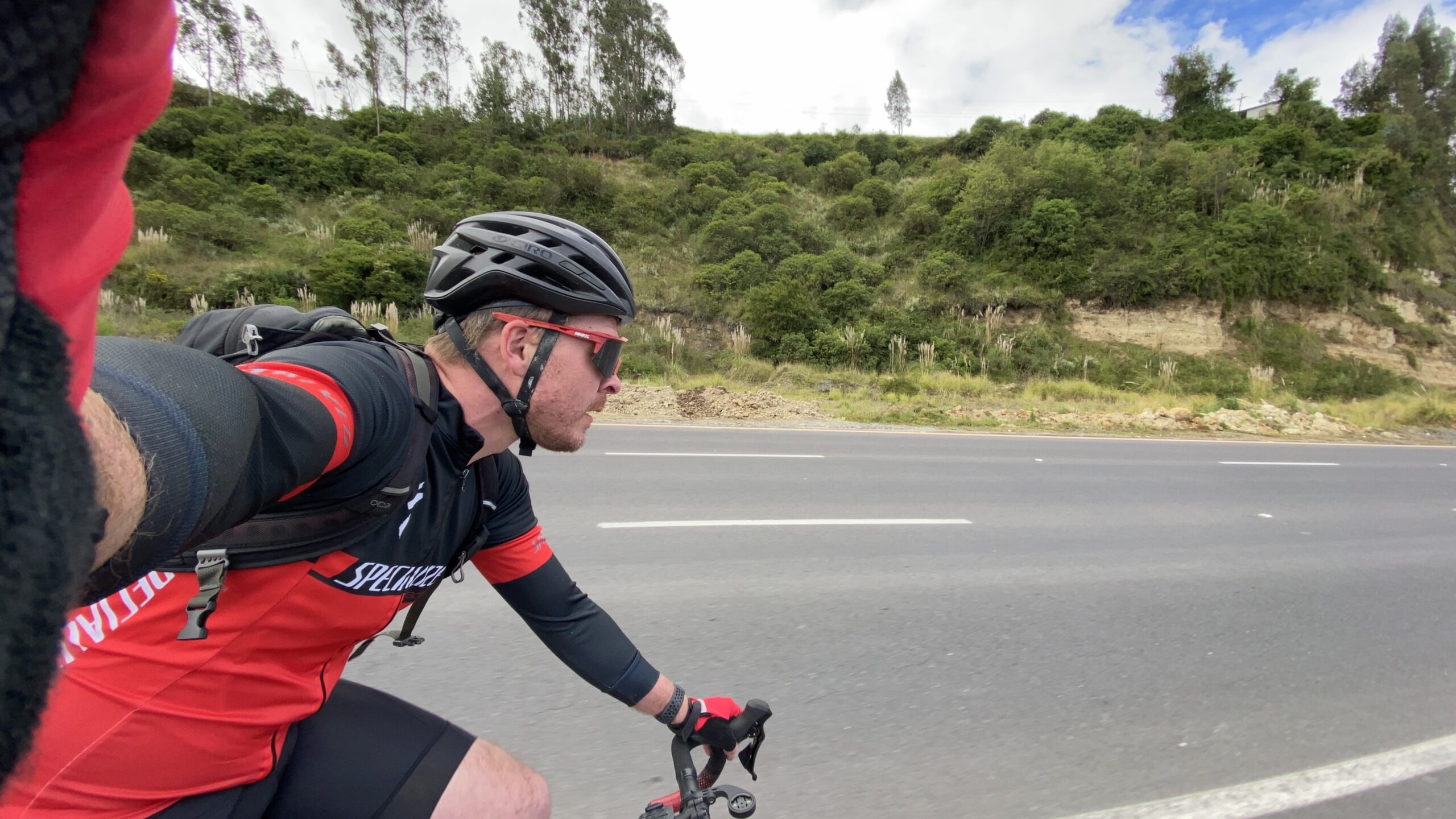
BEN FINCH
Cuenca is a city that invites a slower pace of exploration. To walk its streets is to navigate a living museum, where the transition from one century to the next is often marked only by the change in the stonework beneath your feet. While many travellers are drawn to its red-tiled roofs and flower-filled plazas, the true soul of the city lies in its resilience and its ability to layer disparate cultures into a single, cohesive identity. From its earliest days as a Cañari stronghold to its modern reputation as a centre of arts and crafts, Cuenca remains one of the most culturally significant locations in the South American highlands.
The confluence of four rivers and three empires
Cuenca is a city defined by its ability to absorb the past without losing its modern vitality. It remains the cultural anchor of the southern highlands, where cobblestones tell stories of conquest and craftsmanship.
- Pre-Columbian foundations: The Pumapungo Archaeological Park reveals the remains of Tomebamba, once an Inca capital built upon the earlier Cañari settlement of Guapondelig
- Spanish urban planning: The historic centre adheres to a strict 16th-century grid system, earning it UNESCO recognition for its preserved colonial and republican architecture
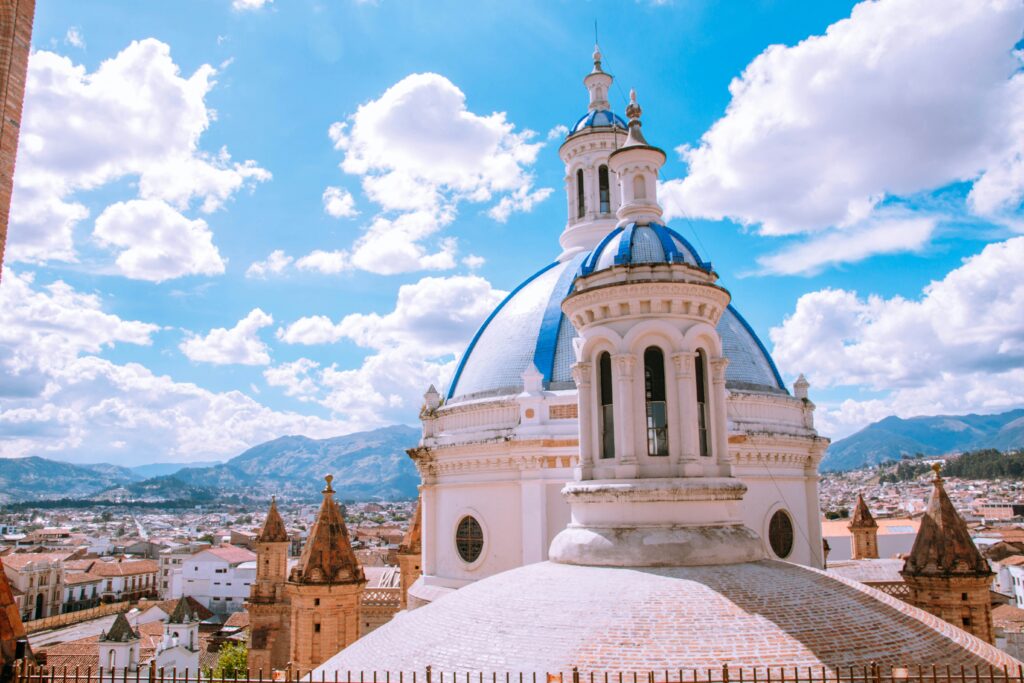
- The blue domes: Dominating the skyline, the Cathedral of the Immaculate Conception features iconic sky-blue tiles and was constructed over several decades to accommodate a growing population
- Paja toquilla heritage: Despite the global name of Panama hats, this intricate weaving tradition is native to Ecuador, with Cuenca serving as the historical and modern hub for the craft
- Living traditions: In the local markets, ancestral knowledge persists through the presence of curanderas, who offer traditional Andean healings alongside everyday commerce
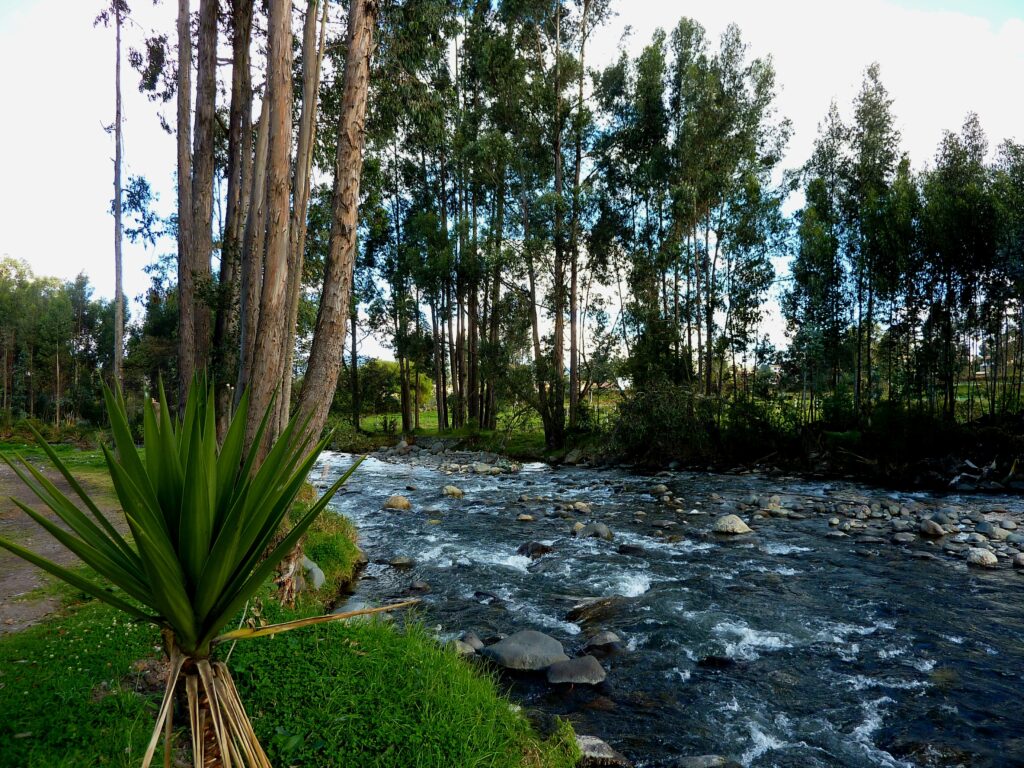
- Geographic identity: The city is defined by the four rivers that bisect it, most notably the Tomebamba, which creates a natural boundary between the historic core and the newer districts
The Ecuadorian Sierra.
Get lost in the hills
The ancient roots of Guapondelig and Tomebamba
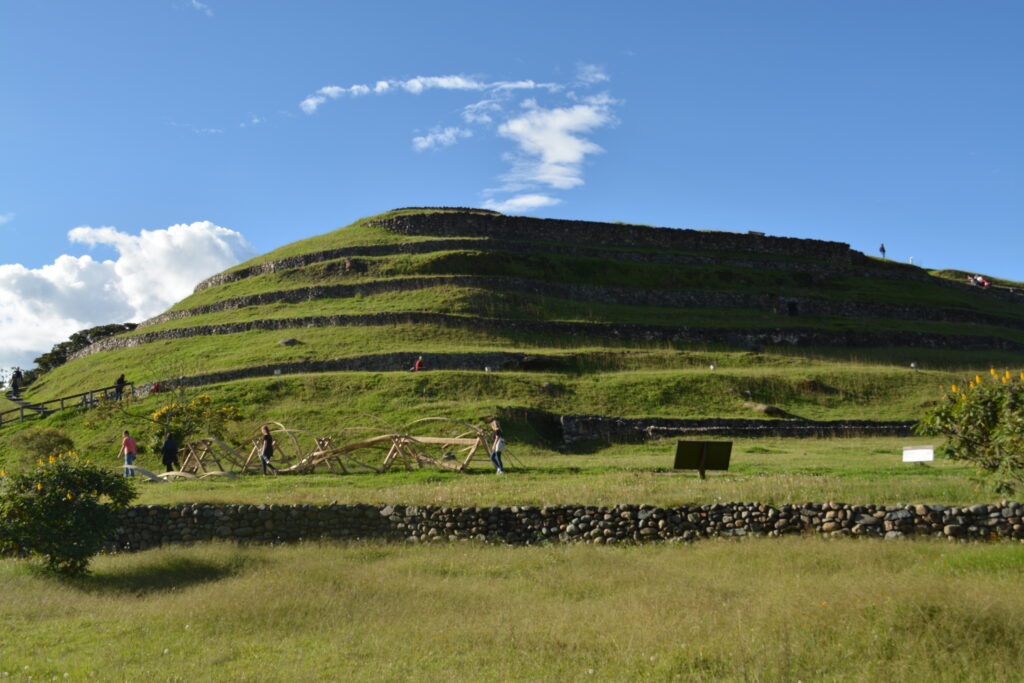
The story of Cuenca does not begin with the Spanish arrival in the 16th century. Long before the first colonial grid was laid out, the fertile valley of the Tomebamba River was home to the Cañari people. They called their settlement Guapondelig, which translates to plain as big as the sky. The Cañari were skilled astronomers and farmers, deeply connected to the lunar cycles and the jagged peaks that surround the valley.
In the late 15th century, the expansionist Inca Empire moved north. The conquest of the Cañari was a protracted and difficult struggle, but the Inca eventually prevailed. Under the Emperor Tupac Yupanqui and later Huayna Capac, the site was transformed into Tomebamba. The Inca did not merely occupy the land; they sought to recreate the majesty of Cusco. They built massive stone palaces, temples dedicated to the sun, and intricate water systems.
Tomebamba became a vital administrative and military hub, serving as a second capital for the empire. It was here that Huayna Capac was born, further cementing the city’s prestige. However, the grandeur was short-lived. By the time the Spanish reached the highlands, the city was largely in ruins, a casualty of the brutal civil war between the half-brothers Atahualpa and Huáscar. Today, the Pumapungo Archaeological Park stands as a silent witness to this era, where the foundations of sun temples and barracks offer a glimpse into the vanished Inca world.
The Spanish foundation and the birth of Santa Ana
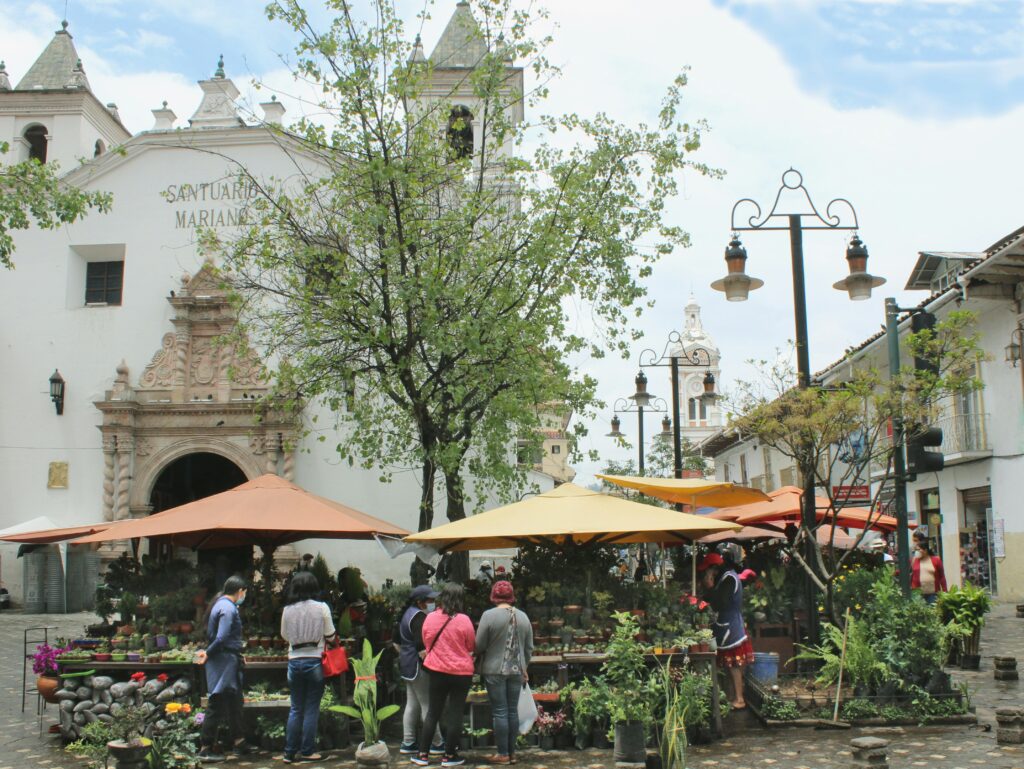
In 1557, the Spanish governor of Quito, Gil Ramírez Dávalos, was commissioned by Viceroy Andrés Hurtado de Mendoza to found a new city in the valley. It was named Santa Ana de los Ríos de Cuenca, in honour of the Viceroy’s hometown in Spain. The location was chosen for its abundant water sources—the four rivers that still define the city’s geography—and its mild, spring-like climate.
The Spanish city was built directly atop the Inca ruins, literally using the stones of Tomebamba to construct the churches and administrative buildings of the new colonial order. The urban planning followed the classic Spanish grid system, with a central plaza—the Parque Calderón—acting as the heart of the community.
Religion played a central role in the development of Cuenca. The Old Cathedral, or Iglesia de El Sagrario, was started just years after the city’s foundation. For centuries, it served as the main religious centre until the population outgrew it, leading to the construction of the iconic New Cathedral (Cathedral of the Immaculate Conception) with its famous blue-and-white tiled domes. These domes have since become the visual shorthand for the city, visible from almost any high point in the valley.
The Galápagos.
Ecuador’s Enchanted Isles
The Athens of Ecuador and the Republican era
Following Ecuador’s independence from Spain in the early 19th century, Cuenca began to carve out a unique niche within the new republic. Far enough from the political fray of Quito and the commercial bustle of Guayaquil, the city became a sanctuary for writers, poets, and philosophers. This intellectual flourishing earned it the nickname the Athens of Ecuador.
The 19th and early 20th centuries were periods of significant economic and architectural transformation. The wealth generated from the export of cinchona bark (used to produce quinine) and the rising demand for paja toquilla hats led to a construction boom. Wealthy families began to move away from the austere colonial style, opting instead for French-inspired neoclassical facades.
This period also saw the formalisation of the Panama hat industry. Despite the name, these hats originated in the coastal and highland regions of Ecuador. Cuenca became a primary centre for the finishing and distribution of the hats. The craft of weaving the fine palm fibres was passed down through generations, and the industry supported thousands of families. To this day, the hat remains a symbol of Ecuadorian craftsmanship and a vital part of Cuenca’s living history.
A UNESCO World Heritage identity
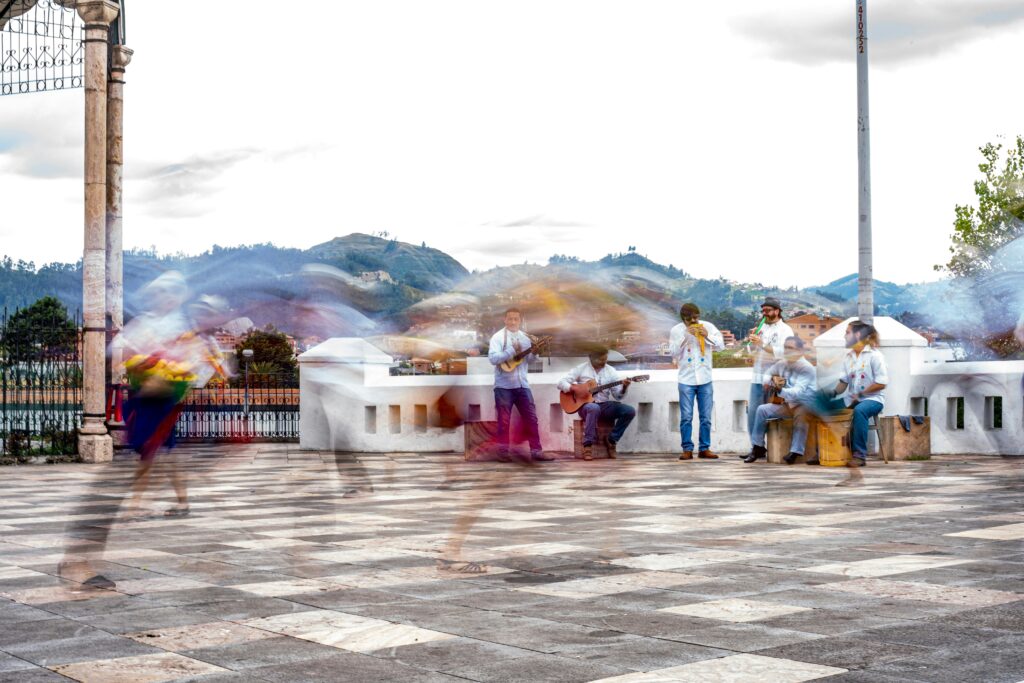
In 1999, the historic centre of Cuenca was designated a UNESCO World Heritage site. This recognition was not just for the beauty of its buildings, but for the integrity of its urban plan. Unlike many other colonial cities that succumbed to rapid modernisation, Cuenca preserved its human scale and its relationship with the surrounding landscape.
The city’s preservation efforts have allowed it to maintain a vibrant community within its historic core. The markets, such as the Mercado 10 de Agosto, are not merely tourist attractions; they are functional spaces where the traditions of the highlands are on full display. Here, you can find the intersection of modern commerce and ancestral medicine, where traditional healers or curanderas perform cleansings using aromatic herbs, a practice that predates the Spanish arrival by centuries.
The Ecuadorian Amazon.
The most biodiverse place in the world
The enduring spirit of the Southern Highlands
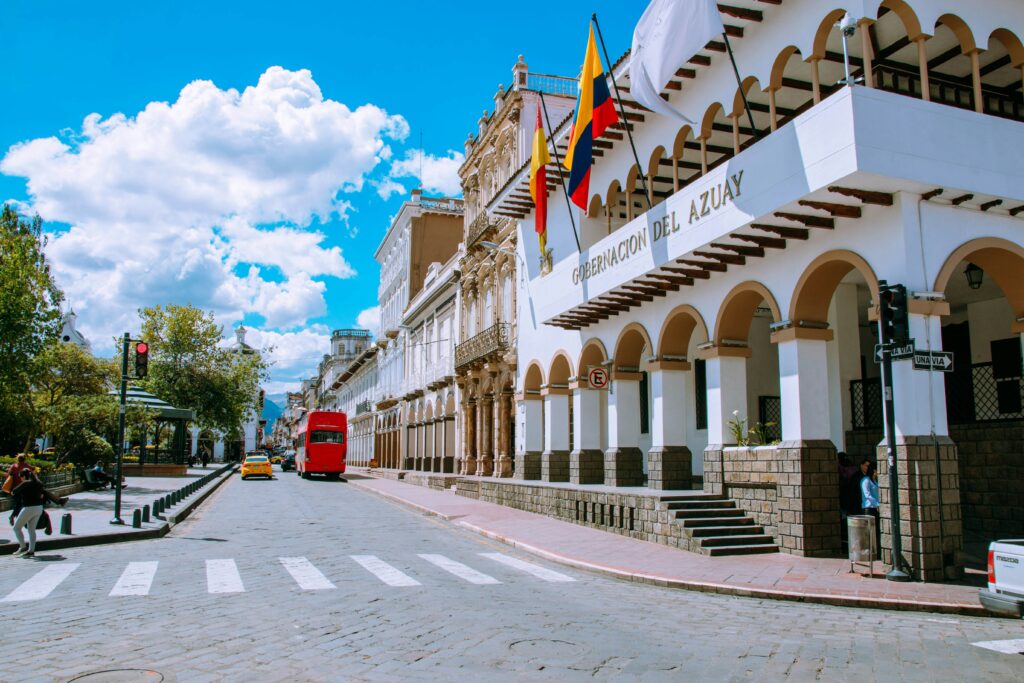
Today, Cuenca is a city that balances its historical weight with a forward-looking energy. It has become a magnet for international residents, attracted by its safety, culture, and high quality of life. Yet, despite the influx of new influences, the city remains fiercely proud of its roots.
The history of Cuenca is a story of adaptation. It is seen in the way the Inca incorporated Cañari sites, how the Spanish built upon Inca foundations, and how modern Cuencanos maintain their colonial architecture while fostering a contemporary art scene. For those who visit, the appeal is found in the details—the intricate ironwork on a balcony, the sound of the Tomebamba River rushing past the Barranco, and the quiet dignity of a city that knows exactly where it came from.
To understand Cuenca is to understand the heart of the Ecuadorian Andes. It is a place where the past is not a distant memory but a tangible presence, felt in every courtyard and seen in every mountain sunset. Whether you are a historian, an independent traveller, or someone simply looking for a deeper connection to the world, Cuenca offers a narrative that is as rich as it is enduring.
Frequently asked questions about the history of Cuenca
The historic centre is best explored on foot or by bicycle due to its compact grid layout and narrow streets. Most of the primary historical sites, plazas, and museums are within a twenty-minute walking radius of the central Parque Calderón. For those looking to explore the riverfront, the paths along the Tomebamba offer a flatter, more scenic route for cycling.
Yes, though the name suggests otherwise. The paja toquilla hats have always been an Ecuadorian product, originally woven on the coast and in the highlands. Cuenca became the primary centre for their distribution and finishing in the 19th century. The Panama name stuck after they were exported via the Isthmus of Panama to gold seekers and canal workers.
The Iglesia de El Sagrario, known as the Old Cathedral, is the oldest standing Spanish structure in the city. Construction began in 1557, shortly after the city’s foundation. It no longer functions as a church but serves as a museum of religious art, showcasing the original colonial frescoes and the transition of the city’s architectural styles.
Cuenca is shaped by the Tomebamba, Yanuncay, Tarqui, and Machángara rivers. The Tomebamba is the most culturally significant, flowing past the historic El Barranco district. These waterways have historically provided the city with its water supply and natural defences, and today they provide essential green corridors for the local community.
This title was earned in the 19th century when Cuenca became a hub for the country’s intellectual and artistic elite. Its relative isolation from the political upheaval in Quito and the commercial focus of Guayaquil allowed a distinct culture of poetry, philosophy, and fine arts to flourish, a legacy that continues in its many galleries and festivals.
Yes, the Pumapungo Archaeological Park is located within the city and contains the foundations of the ancient city of Tomebamba. Travellers can walk through the remains of sun temples and administrative buildings, which sit alongside a botanical garden containing plants traditionally used by the Cañari and Inca.
Ecuador.
Pure wonder on the equator.