Best Cuenca day tours / Top 6 excursions from Ecuador’s cultural capital
Cuenca Ecuador day trips, Cajas hiking & Ingapirca excursions
Slow travel & authentic high-Andean adventures
BEN FINCH
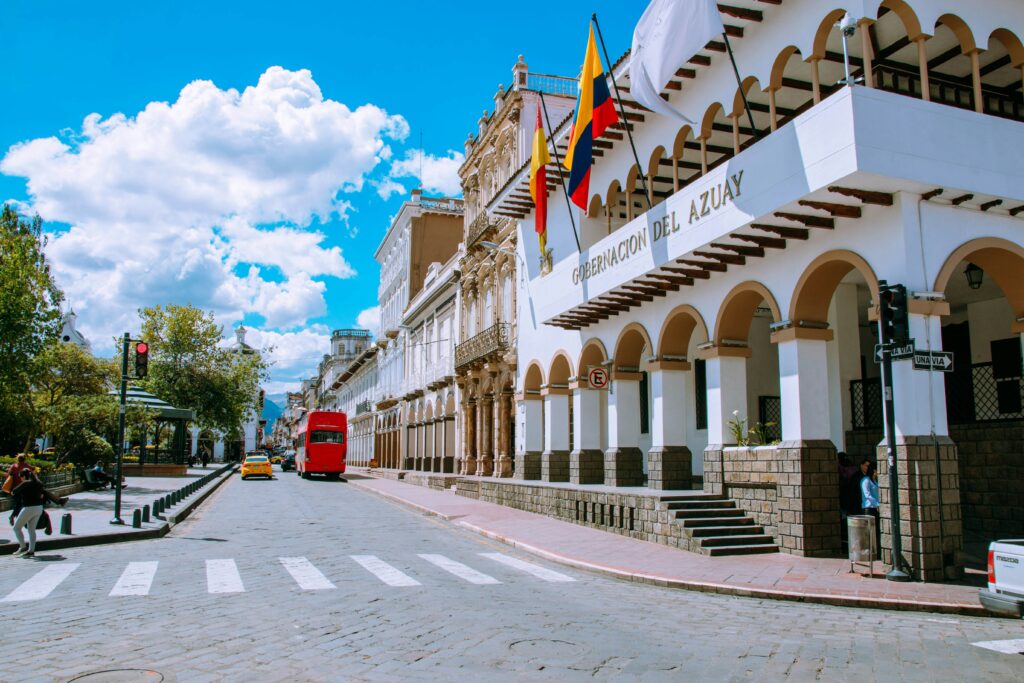
Nestled in an inter-Andean valley at 2,560 metres above sea level, Cuenca — officially Santa Ana de los Cuatro Ríos de Cuenca — is widely regarded as Ecuador’s most enchanting urban retreat. Framed by four rushing rivers (the Tomebamba, Yanuncay, Tarqui, and Machángara) and flanked by cobblestone avenues lined with 18th-century colonial architecture, this UNESCO World Heritage site is far more than a scenic stopover. It is the beating heart of southern Ecuador’s cultural, culinary, and ecological heritage.
At Wheely Tyred, we advocate for slow travel. We believe the true spirit of a region cannot be gleaned from behind the tinted window of a 50-seater tour bus or by rushing through overcrowded tourist traps. To truly understand Cuenca, one must step into the high-altitude Páramo grasslands, converse with master silversmiths keeping ancient Cañari traditions alive, sample slow-roasted hornado alongside market vendors, and trace the mortarless stone masonry of pre-Columbian empires.
While independent navigation via public buses is entirely possible across Ecuador, curated small-group day excursions offer immense value. They unlock private family artisan workshops, provide licensed naturalist commentary through delicate high-altitude ecosystems, and eliminate complex transport logistics in rural provinces.
To help independent travellers curate a meaningful itinerary, we have combed through bookable offerings across major platforms to identify six exceptional, highly rated day tours. Every recommendation below meets our strict criteria: small group sizes, deep cultural or natural immersion, verified positive feedback, and direct booking availability.
Essential Cuenca highlights
Nestled in southern Ecuador’s high Andes, Cuenca is a gateway to wild tundra, pre-Columbian sanctuaries, and generations-old artisan craft. Here is what independent travellers need to know to experience the region at its authentic best.
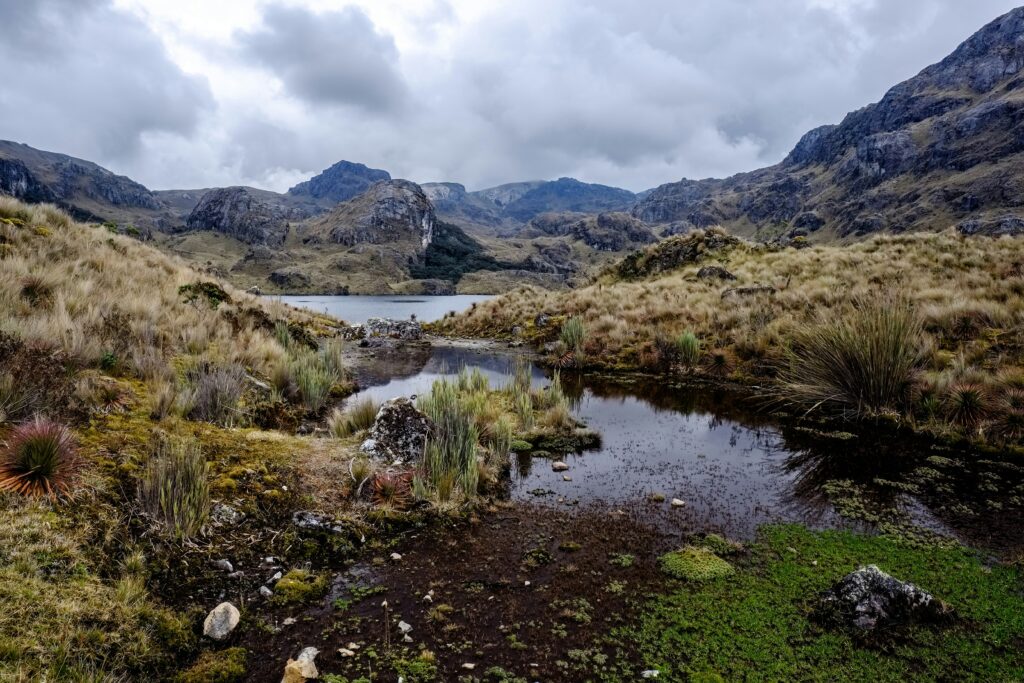
- Glacial tundra at Parque Nacional Cajas: A high-altitude páramo reserve sitting above 3,100 metres, famed for paper-bark Polylepis dwarf forests, over 230 glacial lakes, and sweeping Andean birdlife
- Inca-Cañari heritage at Ingapirca: Ecuador’s paramount archaeological complex features the elliptical Temple of the Sun (Templo del Sol), showcasing mortarless basalt masonry born from a unique alliance between Cañari sun-worshippers and Inca builders
- Authentic straw weaving in historic Cuenca: UNESCO-listed colonial streets reveal the true origin of the Panamá hat (sombrero de paja toquilla), hand-woven from coastal toquilla palm fronds
- Subtropical waterfalls at El Chorro del Girón: A dramatic 70-metre cascade dropping through cloud forest in the Yunguilla Valley, complemented by the peaceful, sacred waters of Laguna de Busa
- Living craft traditions in the Azuay Valley: The surrounding villages preserve living heritage, from hand-carved luthiers’ guitars in San Bartolomé to intricate silver filigree in Chordeleg and ancient ikat textile dyeing in Gualaceo
- Andean gastronomy at Mercado 10 de Agosto: Sensory market foraging yields native ingredients like tomate de árbol and mote, setting the stage for slow-cooked potato soup (locro de papas) and home-cooked regional dishes
- High-altitude pacing and acclimatisation: Standing at 2,560 metres above sea level, Cuenca requires a steady rhythm, plenty of hydration, and layered clothing to navigate its variable alpine microclimates
Cuenca.
The Athens of Ecuador
1. High-altitude tundra & glacial lakes / Parque Nacional Cajas
Rating & reviews
(21+ verified reviews on Viator)
Why this tour stands out
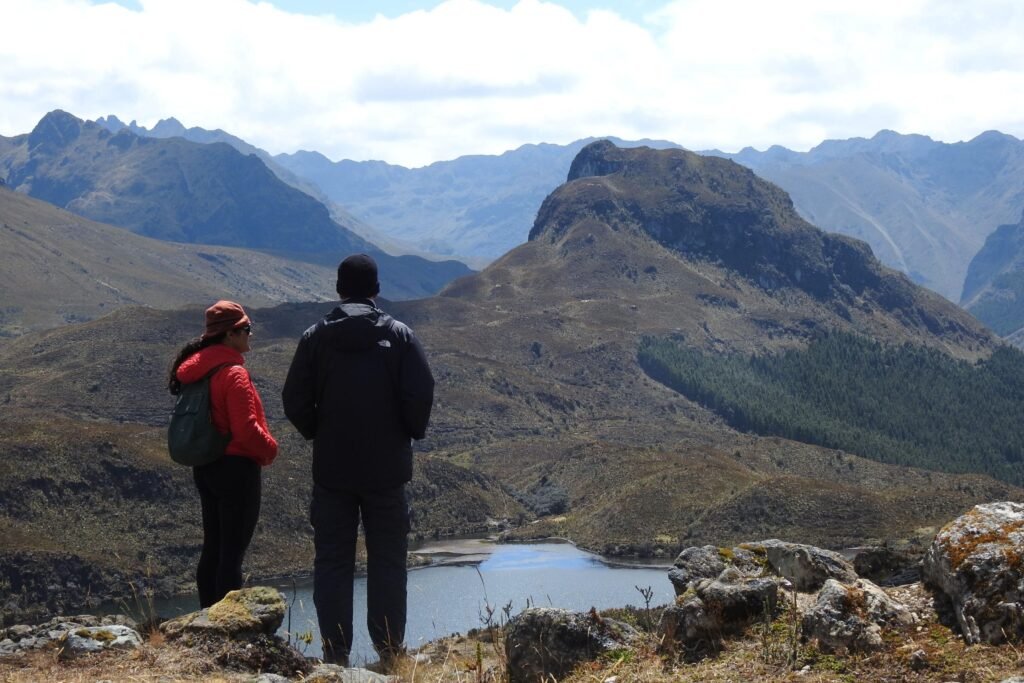
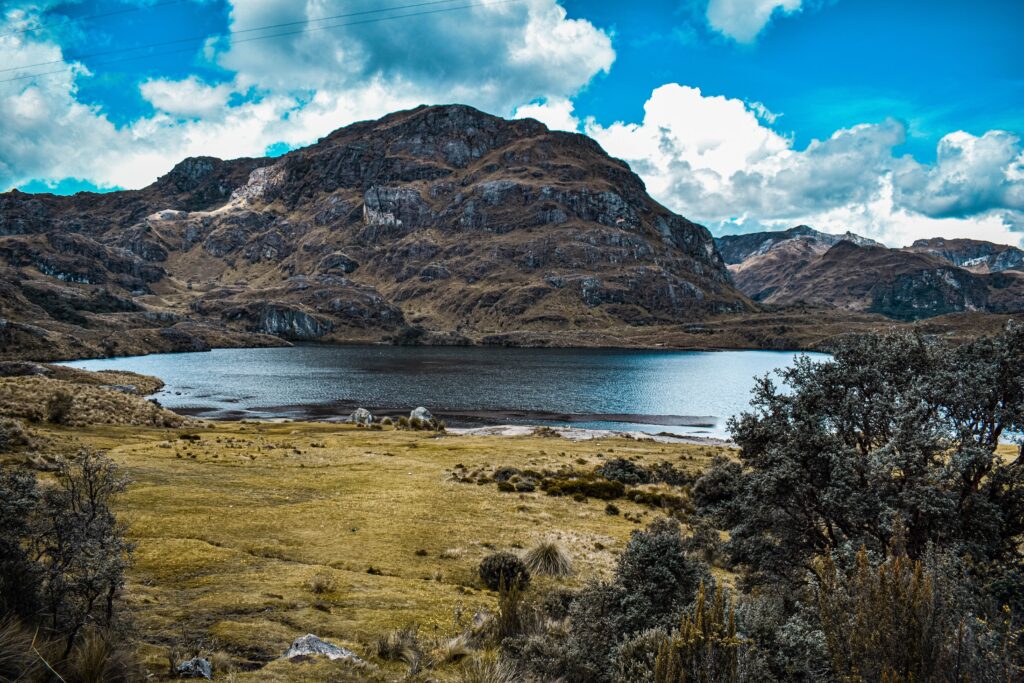
Located just 30 kilometres west of the city, Parque Nacional Cajas is an otherworldly tundra landscape sitting between 3,100 and 4,450 metres in altitude. Characterised by over 200 glacial lakes, spongy peat bogs, and jagged granite peaks, the park represents one of South America’s most vital water catchment zones and a critical sanctuary for endemic flora.
This full-day excursion begins with a winding climb into the high Andes, pausing at the iconic Tres Cruces viewpoint — the continental divide where water flows west towards the Pacific Ocean and east towards the Amazon Basin. Guided by certified wilderness naturalists, participants embark on a three-hour trek around Laguna Toreadora.
The path leads through mystical forests of Polylepis (quinoa or paper-bark trees), twisted dwarf trees adapted to survive extreme UV exposure and freezing nights. Along the way, keep your eyes peeled for high-altitude bird species, including giant hummingbirds, Andean toucanets, and, if you are exceedingly lucky, the majestic Andean condor.
Following the main hike, the itinerary descends into a lower elevation zone around Llaviuco Lake, offering a contrasting, lush cloud-forest habitat. The day concludes with a hot meal at a rustic mountain lodge, where travellers sample freshly caught Andean trout prepared with native herbs and potatoes.
Key highlights
- High-altitude Páramo trekking: Guided walk through fragile, sponge-like grassland ecosystems
- Paper-bark forest exploration: Walk beneath the canopy of ancient Polylepis dwarf trees
- Tres Cruces Continental Divide: Panoramic views over the Andean watershed
- Local trout lunch: Freshly cooked mountain trout served at a local lodge
Ideal for
Keen hikers, nature photography enthusiasts, and travellers eager to experience South America’s unique alpine ecosystems without strenuous multi-day trekking commitments.
Local insight
Weather in the Páramo is notoriously unpredictable; temperatures can drop swiftly from sunny mildness to freezing mist. Pack waterproof trousers, sturdy hiking boots, and a quality thermal windbreaker. Altitude sickness can affect anyone; drink plenty of water and pace yourself on uphill ascents.
2. Ancient Inca masonry & Cañari heritage / Ingapirca archaeological site
Rating & reviews
(173+ verified reviews on Viator)
Why this tour stands out
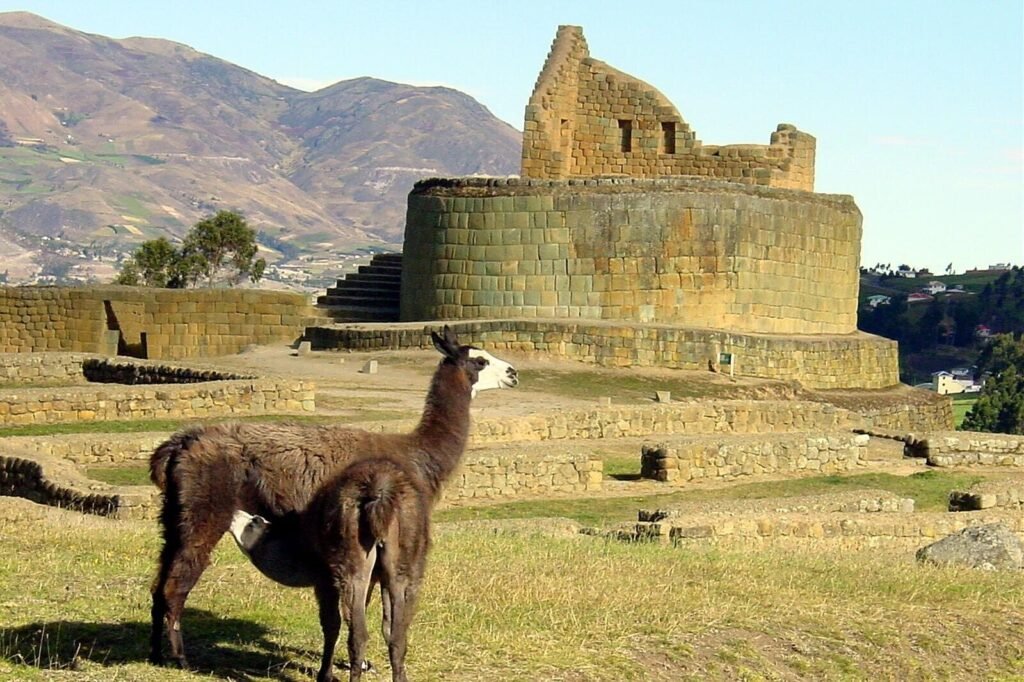
For history enthusiasts, a trip to southern Ecuador is incomplete without visiting the archaeological complex of Ingapirca. Perched on a windswept ridge in Cañar province at 3,160 metres altitude, Ingapirca is the largest and most significant pre-Columbian archaeological site in the country.
What makes Ingapirca extraordinary is its dual heritage. Long before the Inca expansion into southern Ecuador during the late 15th century, the region was inhabited by the sun-and-moon-worshipping Cañari people. Rather than obliterating the local culture, the invading Incas established a strategic alliance, resulting in a unique architectural synthesis. The tour centres on the breathtaking Temple of the Sun (Templo del Sol), an elliptical tower constructed from precision-carved, mortarless green basalt blocks that align perfectly with the summer and winter solstices.
Accompanied by an expert historian, travellers walk the surrounding trails to observe ancient stone burial sites, subterranean storage chambers (collcas), and the fascinating Cara del Inca — a giant natural cliff face shaped by erosion that resembles a human profile, revered as a deity by ancient locals. On the return journey, the tour weaves through the countryside, stopping at artisan settlements in the Azuay Valley to observe long-established metalworking and textile traditions.
Key highlights
- Temple of the Sun: Explore the only elliptical Inca temple ever discovered
- Inca-Cañari architectural fusion: Learn how two distinct ancient cultures coexisted
- Cara del Inca: Natural cliff face formation revered as a sacred guardian
- Artisan village visits: Integrated stops at silver filigree and weaving workshops in Chordeleg and Gualaceo
Ideal for
History buffs, photography enthusiasts, and independent travellers looking to combine ancient archaeology with living craft culture in a single day.
Local insight
Sun protection is essential at Ingapirca. The high elevation combined with a thin atmosphere means UV radiation is exceptionally strong, even under overcast skies. Bring a wide-brimmed hat, sun cream, and lip balm.
The Galápagos.
Ecuador’s Enchanted Isles
3. Colonial heritage & master weaving / Cuenca historic centre
Rating & reviews
(90+ verified reviews on Viator)
Why this tour stands out
To appreciate why Cuenca earned its UNESCO designation in 1999, a guided walk through its historic core is mandatory. This half-day urban exploration avoids generic bus loops, opting instead for an immersive walking route across cobblestone plazas, flower markets, and riverside promenades.
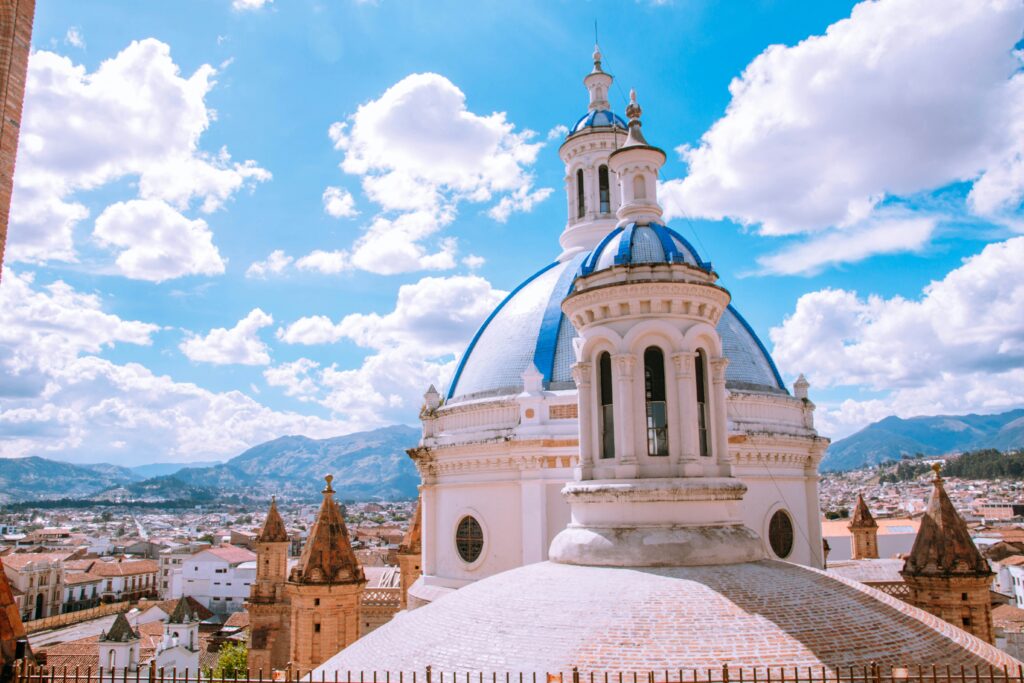
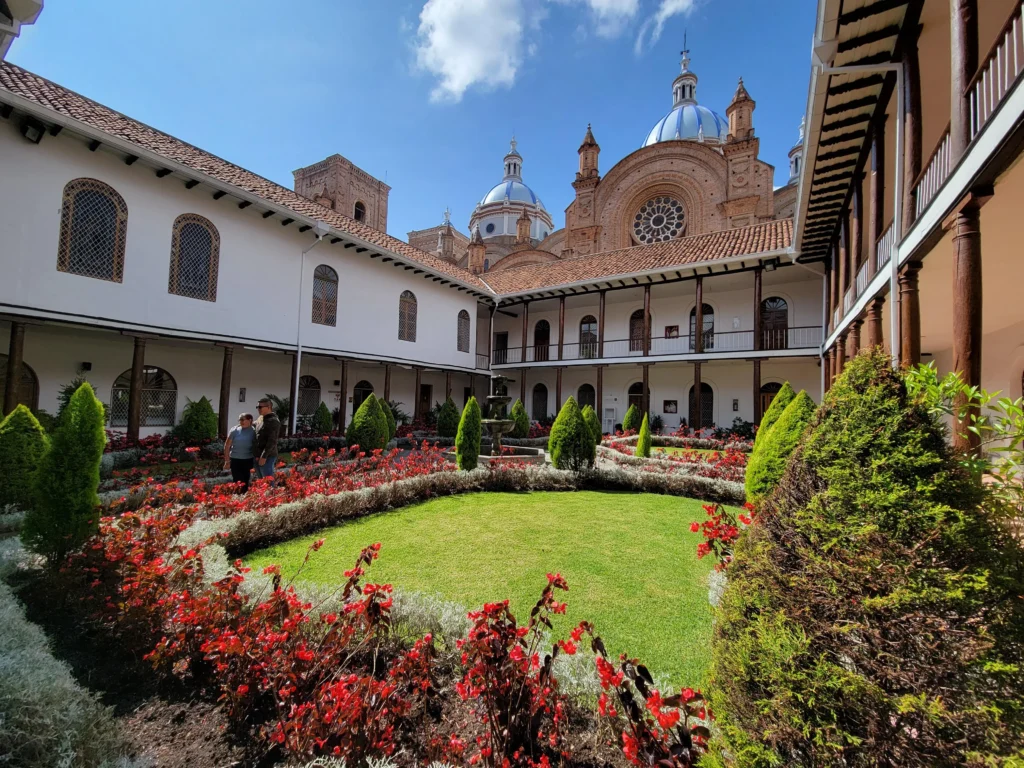
The journey begins in Parque Calderón, the central square flanked by two contrasting cathedrals: the Old Cathedral (Iglesia del Sagrario), dating back to 1557, and the towering New Cathedral with its distinctive sky-blue glazed domes imported from Czechoslovakia in the late 19th century. After exploring the interior wood carvings and marble floors, the tour strolls past the vibrant San Francisco market, where local vendors sell fresh blooms and herbal remedies.
A major highlight is a curated visit to the world-renowned Homero Ortega Panamá Hat Factory and Museum. Despite popular misconception, the iconic straw hat (sombrero de paja toquilla) originated in Ecuador, not Panamá. Master weavers harvest toquilla palm fronds from the coast before hand-weaving them into intricate headwear that can take up to six months to produce.
Guests witness the steaming, shaping, grading, and finishing processes firsthand. The tour concludes with a drive up to the Mirador de Turi, offering sweeping panoramic views over the terracotta roofs and river courses of the entire city.
Key highlights
- UNESCO Historic Centre: Architectural tour of colonial squares, wrought-iron balconies, and historic churches
- New Cathedral access: Visit Ecuador’s most iconic religious landmark with its famous blue-tiled domes
- Panamá Hat Factory demonstration: Trace the complete production process of hand-woven paja toquilla straw hats
- Mirador de Turi: Panoramic lookout point providing 360-degree views of Cuenca
Ideal for
First-time visitors wanting a solid orientation of Cuenca’s history, architecture, and cultural landmarks without spending an entire day in transport.
Local insight
Wear comfortable walking shoes with cushioned soles; colonial cobblestones are uneven and unforgiving on ankles after several hours of walking.
4. Subtropical valleys & cascading waters / El Chorro de Girón & Lake Busa
Rating & reviews
(40+ verified reviews on Viator)
Why this tour stands out
Heading south from Cuenca along the highway towards the coast, the terrain shifts dramatically from chilly alpine grassland to warm, subtropical valleys. This full-day itinerary offers an ideal escape for nature lovers who want to explore off-the-beaten-track landscapes.
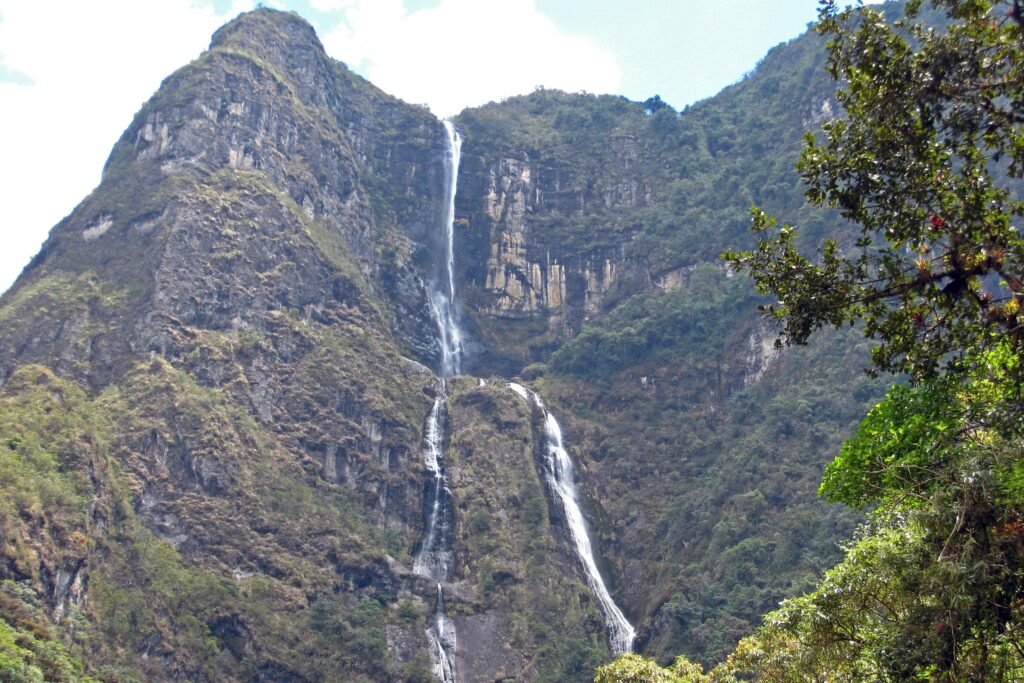
The first destination is the majestic waterfall of El Chorro de Girón, a 70-metre cascade plunging off a sheer rock wall surrounded by lush cloud-forest vegetation. A well-maintained timber stair trail leads hikers right up to the base spray zone, where the force of the falling water creates an invigorating natural microclimate. For keen walkers, guides can extend the route upward through orchids and bromeliads to the second, upper waterfall tier.
From Girón, the journey proceeds to the peaceful town of San Fernando, home to Laguna de Busa. This serene mountain lake sits at the foot of the imposing San Pablo cliff face and holds deep ceremonial significance for indigenous Andean communities.
Travellers enjoy a relaxing circuit walk around the pine-lined shore, observing waterbirds and enjoying the tranquillity away from urban noise. The experience includes a stop in Girón town to sample fresh, hot achira bread (made from arrowroot flour) alongside traditional locally cultured yoghurt.
Key highlights
- El Chorro de Girón: Hike to a roaring 70-metre cloud-forest waterfall
- Laguna de Busa: Circuit walk around a sacred high-mountain lake framed by dramatic cliffs
- Subtropical Yunguilla Valley: Experience a completely different climate zone within an hour of Cuenca
- Local culinary tasting: Sample fresh achira pastries and artisanal yoghurt in Girón
Ideal for
Active travellers seeking quiet nature walks, birdwatching, and hidden waterfalls away from the main tourist trail.
Local insight
Bring a lightweight waterproof jacket or poncho specifically for the waterfall trail. The wind-driven mist near the base will soak cotton clothing in minutes.
The Ecuadorian Amazon.
The most biodiverse place in the world
5. Living craft traditions / Guitar luthiers, silver filigree & ikat weaving
Rating & reviews
(18+ verified reviews on Viator)
Why this tour stands out
The Santa Bárbara and Paute river valleys east of Cuenca house a high density of master artisans whose craft techniques have been handed down through generations. This immersive day tour provides direct, respectful access to family workshops without high-pressure commercial sales tactics.
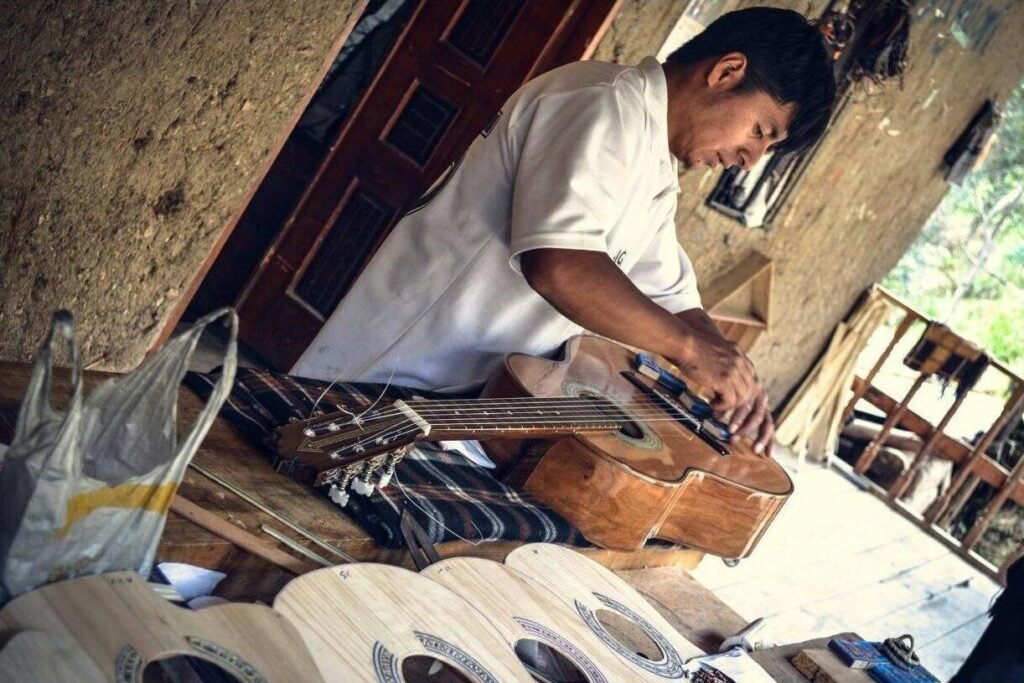
The first stop is the sleepy hill village of San Bartolomé, famed throughout Ecuador for its acoustic guitar luthiers. Guests step directly inside modest timber workshops to watch master craftsmen hand-shape native walnut, cedar, and capulí woods using antique hand tools, producing instruments prized for their resonance.
Next, the route continues to Chordeleg, a town whose central plaza is framed by dozens of jewellery shops specialising in silver filigree (filigrana). Local jewellers transform fine silver wires into intricate lace-like earrings, pendants, and brooches inspired by nature.
Finally, in Gualaceo, travellers visit a family-run macana workshop. Here, weavers use the ancient pre-Columbian ikat tie-dye technique, extracting natural dyes from cochineal insects, walnut shells, and indigo plants to create woollen shawls and ponchos on backstrap looms.
Key highlights
- San Bartolomé luthiers: Private demonstration in a traditional acoustic guitar workshop
- Chordeleg silver filigree: Watch silversmiths twist fine silver wire into delicate lace jewellery
- Gualaceo ikat weaving: Learn about natural plant dyes and backstrap loom weaving techniques
- Rural valley scenery: Drive through orchards and riverside villages in Azuay province
Ideal for
Culture enthusiasts, textile lovers, and travellers keen to support indigenous family artisans directly.
Local insight
Cash in small denominations ($1, $5, and $10 bills) is highly recommended for purchasing items directly from rural artisans. Many small family workshops do not accept credit cards or struggle to give change for $20 notes.
6. Andean gastronomy & market foraging / Cuenca culinary experience
Rating & reviews
(54+ verified reviews on Viator)
Why this tour stands out
Food is one of the most direct avenues to cultural understanding. The cuisine of the southern Ecuadorian Andes is grounded in native tubers, corn varieties (mote), fresh herbs, and slow-cooked meats. This small-group culinary activity offers an authentic window into daily household gastronomy.
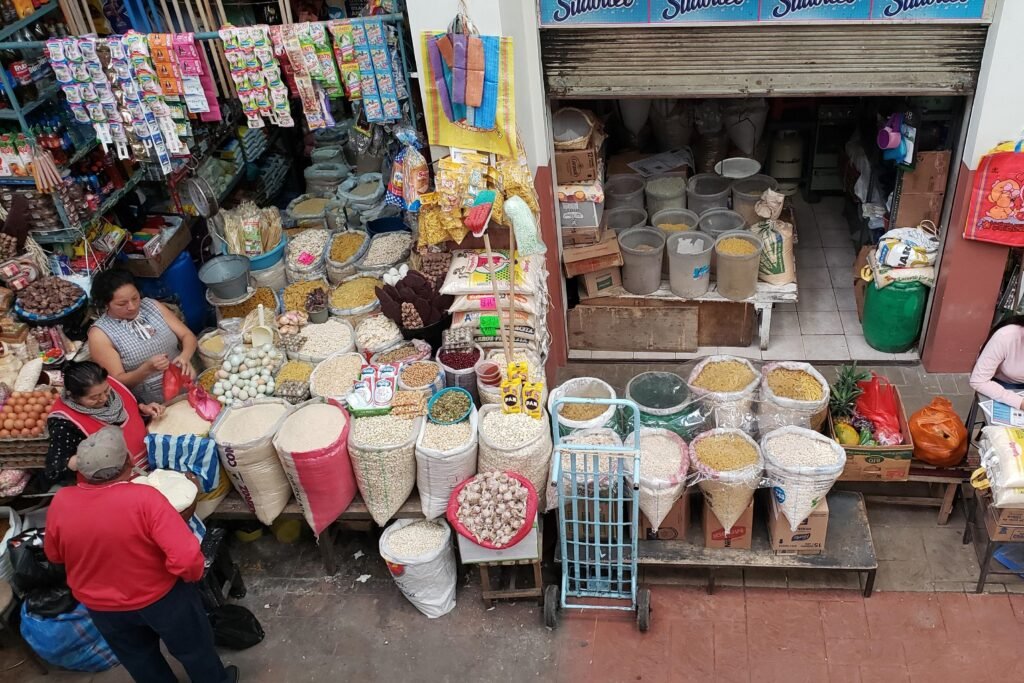
The journey begins at Mercado 10 de Agosto, one of Cuenca’s cleanest and most bustling food markets. Under the guidance of a local chef, guests explore vibrant stalls piled high with exotic fruits like tomate de árbol (tamarillo), lulo (naranjilla), chirimoya, and granadilla. Your host explains the medicinal and culinary uses of Andean herbs before you select fresh produce, cheeses, and native potatoes for the day’s menu.
After market foraging, guests transfer to a private kitchen for a hands-on cooking workshop. Together, you will prepare traditional home-style classics, which may include locro de papas (a rich potato soup served with avocado and fresh cheese), seco de pollo (slow-braised chicken stew with beer and achiote), and crispy empanadas de viento dusted with sugar. The session culminates in a communal feast accompanied by fresh fruit juices and local craft herbal infusions.
Key highlights
- Mercado 10 de Agosto foraging: Guided walkthrough of an authentic Andean food market
- Exotic fruit tasting: Sample native fruits like tamarillo, naranjilla, and chirimoya
- Hands-on cooking class: Learn step-by-step preparation of classic Ecuadorian dishes
- Communal meal: Sit down to enjoy your home-cooked multi-course feast with fresh juices
Ideal for
Foodies, slow-travel advocates, and travellers wanting to master authentic Andean recipes to recreate back home.
Local insight
Inform the tour operator in advance if you have dietary restrictions. While traditional Andean food heavily features meat and potatoes, vegetarian and vegan adaptations are easily arranged with prior notice.
The Ecuadorian Coast.
Where you’ll find the very best food
Our practical Cuenca excursion planning guide
High-altitude acclimatisation & rhythm
While Cuenca (2,560m) is lower than Quito (2,850m) or Bogota (2,640m), high elevation can still affect newcomers, particularly when day-tripping to Parque Nacional Cajas (nearly 4,000m). Take it easy on day one; avoid heavy physical exertion for the first 24 hours after arrival. Drink plenty of bottled or purified water throughout the day, and sample traditional herbal teas like sunfo (wild mountain mint) or coca tea to soothe minor altitude headaches.
Microclimates & layering strategy
The high Andes are famous for four seasons in a single day. Mornings in Cuenca are often bright and clear, but temperatures drop rapidly when cloud cover moves in or when ascending into mountain passes. Pack a versatile three-layer system: a breathable base layer, an insulating fleece mid-layer, and a reliable windproof/waterproof jacket shell. High-SPF organic suncream and UV-blocking sunglasses are mandatory due to intense equatorial solar radiation.
Cash & currency etiquette for rural valleys
Ecuador uses the US dollar ($) as its official currency. While modern cafes and hotels in central Cuenca accept major credit cards, small family workshops, market stalls, and mountain cafes in rural towns like San Bartolomé or Chordeleg operate strictly on cash. Always carry crisp $1, $5, and $10 bills. Vendors frequently struggle to provide change for $20 notes on small purchases.
Cultural respect & community interactions
When exploring local markets or rural villages, always greet people with a warm “Buenos días” (Good morning) or “Buenas tardes” (Good afternoon) before asking questions. Always ask explicit permission before taking photographs of indigenous residents, particularly market vendors and elders (“¿Puedo tomar una foto, por favor?”). Respect their wishes gracefully if they decline.
Tipping standards on guided tours
Tipping in Ecuador is appreciated and directly supports local guiding families. In casual local restaurants, leaving 5–10% cash is nice. For day tours, tipping your professional guide ($5–$10 per person per day) and dedicated driver ($3–$5 per person) for excellent service reflects fair international slow-travel standards.
Slow exploration remains the most rewarding path in Cuenca
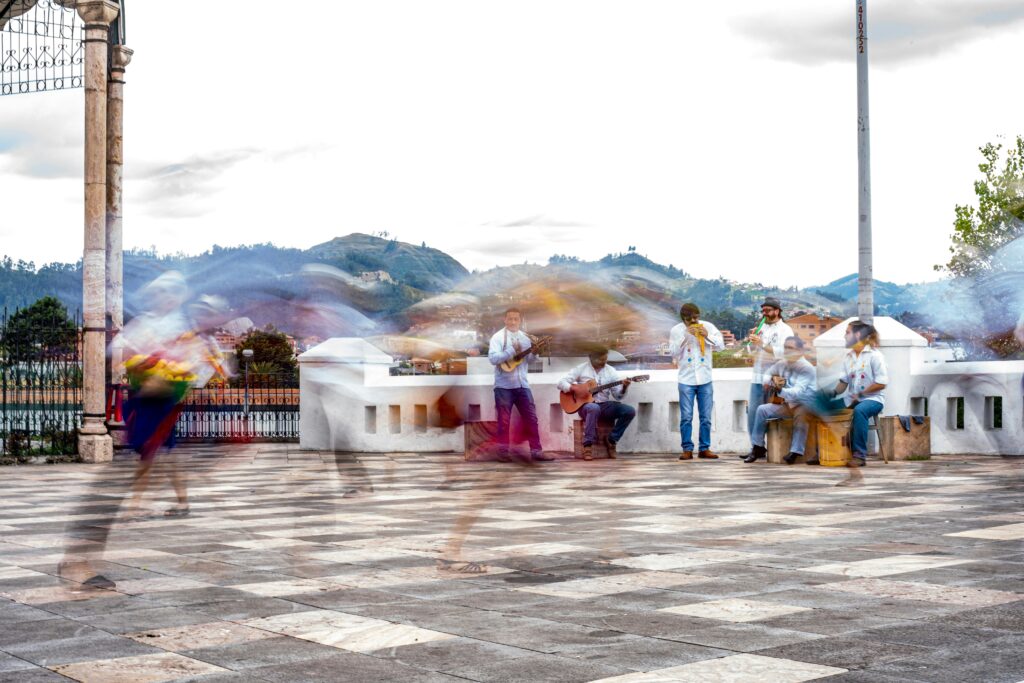
When exploring Ecuador’s southern highlands, choosing small-group or private excursions operated by licensed local guides ensures that your travel spending directly supports local communities, artisan families, and conservation efforts. Whether you choose to trek across the misty tarns of Parque Nacional Cajas, marvel at the stone masonry of Ingapirca, or learn the delicate art of silver filigree in Chordeleg, slow exploration remains the most rewarding path.
Affiliate Disclaimer: Some of the links on Wheely Tyred are affiliate links. If you click through and make a booking or purchase, we may earn a small commission at no extra cost to you. We only recommend gear, tours, stays, and services we genuinely use, trust, and stand behind — our editorial independence always comes first. These commissions help keep our independent cycling guides and travel stories free to read. Thanks for supporting the ride!
Frequently asked questions about the best Cuenca day tours
Because Parque Nacional Cajas sits between 3,100 and 4,450 metres above sea level, it is best to spend at least 24 to 48 hours acclimatising in Cuenca first. Drink plenty of water, avoid heavy meals or alcohol before hiking, and carry local herbal infusions like sunfo mint tea. Pack windproof, waterproof layers, as weather in the páramo turns rapidly from clear sun to freezing mist.
Despite the popular misnomer, Panamá hats originated in Ecuador. Made from woven toquilla palm fronds harvested along the coast, they earned their global name when exported through the Isthmus of Panamá during the 19th-century California Gold Rush and canal construction. Cuenca remains the global capital for processing, weaving, finishing, and exporting these handcrafted hats.
Always carry physical US dollars in small denominations ($1, $5, and $10 notes). Small-scale family workshops and luthier studios in villages like San Bartolomé or Chordeleg rarely accept credit cards and often cannot provide change for larger $20 or $50 bills.
Do not miss locro de papas (a rich potato soup served with fresh cheese and avocado), slow-roasted pork (hornado) accompanied by hominy corn (mote), and achira bread made from arrowroot flour. To drink, sample juices made from native fruits like tomate de árbol (tree tomato) or lulo (naranjilla).
The dry season runs from June to September, bringing clear skies and cool, pleasant hiking conditions in the high mountain passes. The wet season (October to May) usually brings bright mornings followed by afternoon rainfall, making a sturdy waterproof shell essential.
Ingapirca is unique because it represents a harmonious fusion of Cañari and Inca architecture. Rather than destroying the native Cañari settlement, the Incas integrated their mortarless stone masonry with Cañari sun-and-moon worship sites, resulting in the distinctive elliptical Temple of the Sun.
Ecuador.
Pure wonder on the equator.