Unlock the Ecuadorian Sierra / The ultimate cultural & heritage attraction guide
Top bookable attractions, historic monuments, and high-Andean cultural experiences in Ecuador
Experience the living history, ancient temples, and volcanic wonders of the Andes
BEN FINCH
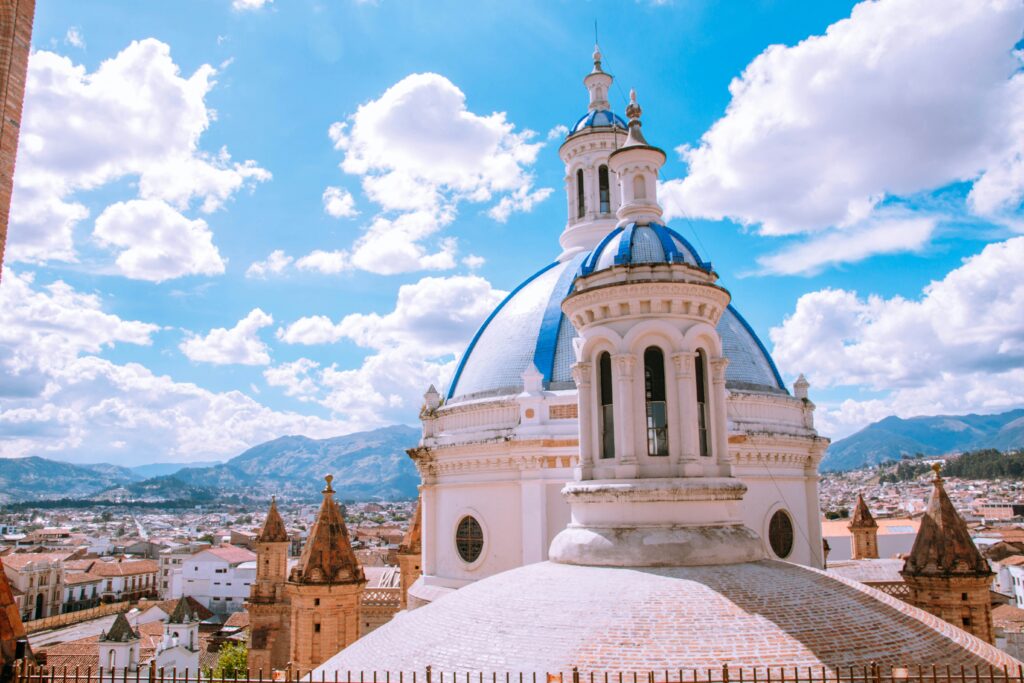
Snaking through the spine of South America, the Ecuadorian Sierra is a landscape defined by dramatic geological upheaval and profound human heritage. Here, where snow-capped active stratovolcanoes pierce the equator, pre-Incan civilisations, Incan sun worshippers, and Spanish colonial architects have each left indelible marks upon the high-altitude landscape.
Traversing the famous Avenida de los Volcanes (Avenue of the Volcanoes) reveals a mosaic of UNESCO World Heritage centres, sacred páramo ecosystems, and living indigenous traditions that continue to thrive in the shadow of six-thousand-metre peaks.
For the modern, autonomous traveller, navigating the vast distances and varying altitudes of the Andes requires foresight and strategy. Securing pre-booked, timed-entry passes and certified hosted tours is not merely a convenience—it is the single best way to protect your precious travel time. Popular sites like the TelefériQo cable car in Quito, the archaeological park of Ingapirca, and the protected entry gates of Cotopaxi National Park enforce strict visitor capacities and lengthy queueing procedures during peak morning hours.
By locking in your tickets and hosted access in advance through verified platforms, you bypass chaotic ticket-office lines, secure certified English-speaking guides, and ensure hassle-free transportation across challenging mountain roads.
At Wheely Tyred, we advocate for deep, unhurried cultural immersion. Below, we have selected and vetted six of the absolute finest ticketed attractions and curated heritage experiences across the Ecuadorian Sierra to elevate your high-Andean journey.
Essential takeaways for the High Andes
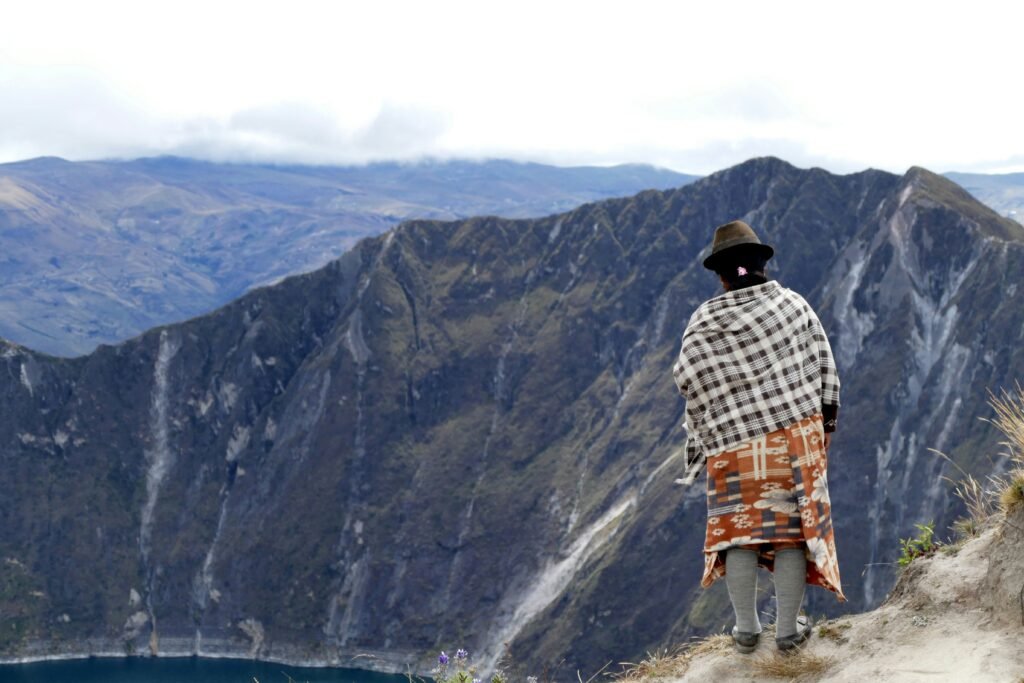
Navigating Ecuador’s volcanic backbone requires a thoughtful blend of high-altitude preparation, timing, and deep cultural respect. Here are the essential highlights and strategic takeaways to ensure a seamless, unhurried journey through the Sierra.
- Gondolas & Equators in Quito: Pair South America’s highest aerial cable car ride up Pichincha volcano with zero-latitude physics experiments at the interactive Inti Ñan Equator Museum
- Volcanic Giants at Cotopaxi: Ascend high-altitude páramo moorlands to reach the 4,860-metre José Rivas Refuge, followed by a serene trek around glacial Limpiopungo Lagoon
- Emerald Depths of Quilotoa: Take in sweeping views from the glass Shalalá lookout over an 800-year-old volcanic caldera before descending to the mineral-rich lake shore
- Sun Temples of Ingapirca: Explore Ecuador’s premier archaeological complex, where mortarless Incan ashlar masonry intersects with ancient Cañari lunar astronomy
- Artisan Heritage in Otavalo: Browse hand-woven alpaca textiles at South America’s vast Plaza de Ponchos market alongside the astronomical Quitsato Equatorial Sundial
- Subtropical Thunder in Baños: Experience the dramatic shift from Andean summits to cloud forests while standing behind the roaring torrent of Pailón del Diablo
- Morning Weather Strategy: Always lock in early morning entry slots (between 07:00 and 09:00 AM) to clear high-elevation checkpoints before afternoon clouds and rain roll in
The Ecuadorian Sierra.
Get lost in the hills
Heights of heritage / Riding the clouds and standing on the equator in historic Quito
Rating & reviews
(250+ verified reviews on Viator)
Why this specific attraction stands out
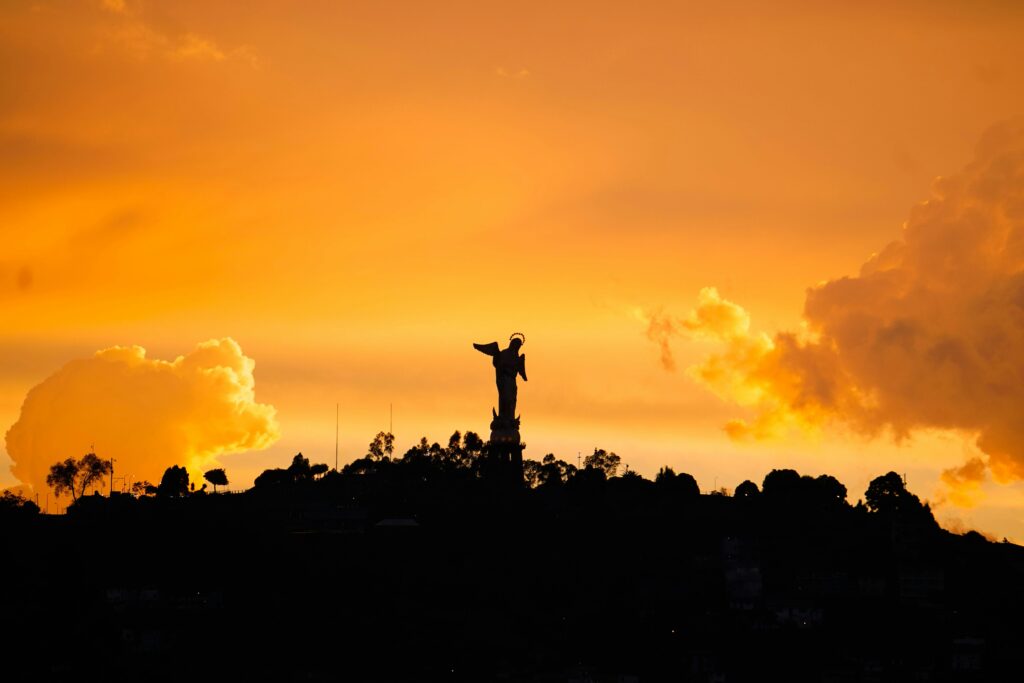
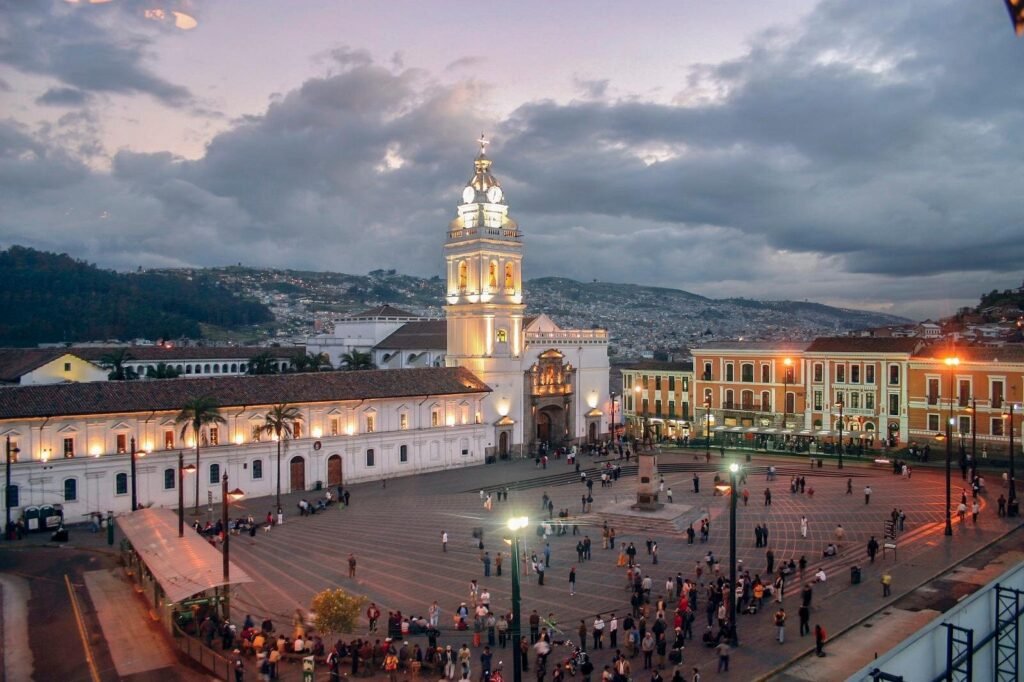
Quito boasts one of the largest, best-preserved colonial historic centres in the Americas, declared a UNESCO World Heritage site in 1978. However, combining a walking tour of its gilded baroque churches with a trip to the high-altitude TelefériQo gondola and the equatorial monument at Mitad del Mundo can pose severe logistical headaches if attempted via local transit.
This hosted experience eliminates all friction by bundling private vehicle transfers with pre-arranged entrance passes to the TelefériQo and the interactive Inti Ñan Equator Museum. You glide effortlessly up Cruz Loma to 4,000 metres above sea level aboard South America’s highest aerial gondola, enjoying panoramic vistas of the Pichincha volcano and Quito’s urban basin.
Afterwards, your certified guide whisks you directly past ticket lines at the equatorial complex to test physical phenomena—such as balancing an egg on a nail—directly on the true geodetic equator line calculated by GPS.
Key highlights
- The TelefériQo Gondola Ride: Ascend from 3,117 metres to 3,945 metres in under 20 minutes for sweeping, bird’s-eye views of the capital city and distant snow-capped volcanoes
- Inti Ñan Interactive Museum: Private guided access to this outdoor ethnological museum, where you conduct hands-on physics experiments demonstrating the Coriolis effect right on 0°0’0” latitude
- Quito UNESCO Historic Centre: Curated walking access to the opulent interior of La Iglesia de la Compañía de Jesús (the Gold Church) and the monumental Plaza de la Independencia
Ideal for
First-time visitors to Ecuador, architectural enthusiasts, and urban explorers seeking an efficient, single-day orientation that seamlessly combines high-altitude vistas, colonial heritage, and equatorial physics.
Local insight
Pack a windproof jacket, sunblock, and lip balm in your daypack. The temperature at the top of the TelefériQo (Cruz Loma) can drop rapidly to under 10°C, and the high-altitude UV rays are intensely fierce even on overcast days. Drinking a cup of coca tea at the base station prior to boarding helps offset mild altitude discomfort.
Scale the sacred cone / High-altitude wilderness in Cotopaxi National Park
Rating & reviews
(18+ verified reviews on GetYourGuide)
Why this specific attraction stands out
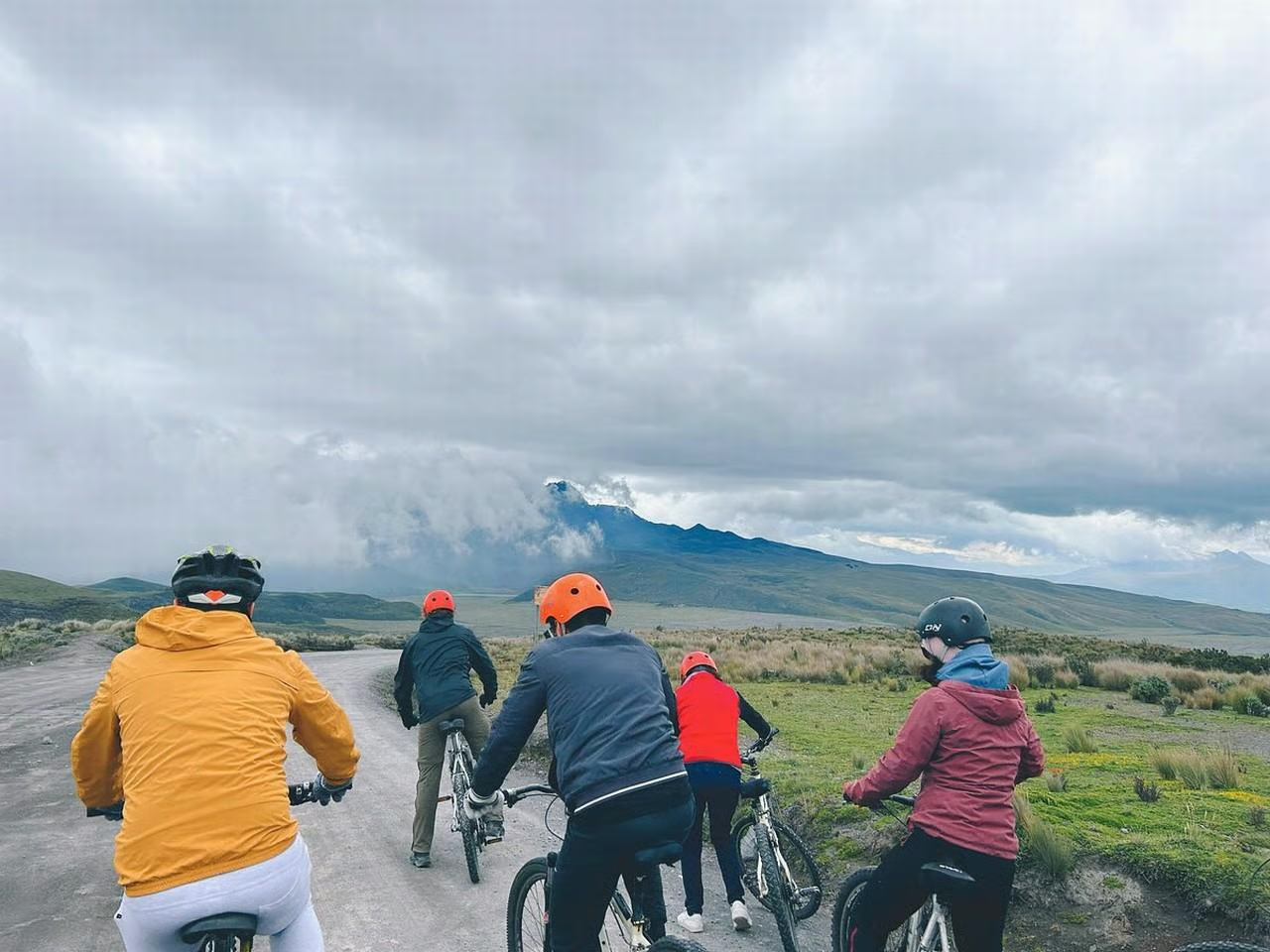
Cotopaxi is one of the highest active stratovolcanoes on Earth, its symmetrical snow-capped cone towering 5,897 metres above sea level. Cotopaxi National Park enforces strict daily vehicle limits and ranger check-in points at the Mariscal Sucre Interpretation Centre.
Securing this pre-booked, full-day small-group ticket guarantees seamless access through park checkpoints alongside a certified naturalist guide. The experience takes you across the wind-swept high páramo moorlands directly to the parking area at 4,600 metres. From there, you embark on the iconic, heart-pumping hike up to the José Rivas Refuge at 4,860 metres—nearly 16,000 feet above sea level.
The tour also includes entry and guided trekking around the tranquil glacial shores of Limpiopungo Lagoon, where wild Andean horses and endangered Andean condors are frequently sighted.
Key highlights
- José Rivas Refuge High Hike: Challenge yourself on the volcanic ash trail connecting the high carpark to the alpine shelter nestled beneath Cotopaxi’s massive glacier rim
- Limpiopungo Lagoon Circuit: A flat, scenic walk around the glacial lake at 3,800 metres, offering mirror-like reflections of Cotopaxi and Rumiñahui peaks
- Mariscal Sucre Interpretation Centre: Guided entry to learn about the geological history of Andean volcanism and unique flora like the giant Espeletia (frailejones)
Ideal for
Active adventure travellers, nature lovers, and hikers looking to test their legs at high altitude while surrounded by raw, glacial wilderness.
Local insight
Park rangers strictly require proper footwear; lightweight trainers are not permitted on the loose scree path to the refuge. Wear sturdy hiking boots with ankle support, bring thermal gloves, and carry exact change in USD to purchase a hot mug of thick Ecuadorian chocolate (chocolate con queso) inside the refuge.
The Galápagos.
Ecuador’s Enchanted Isles
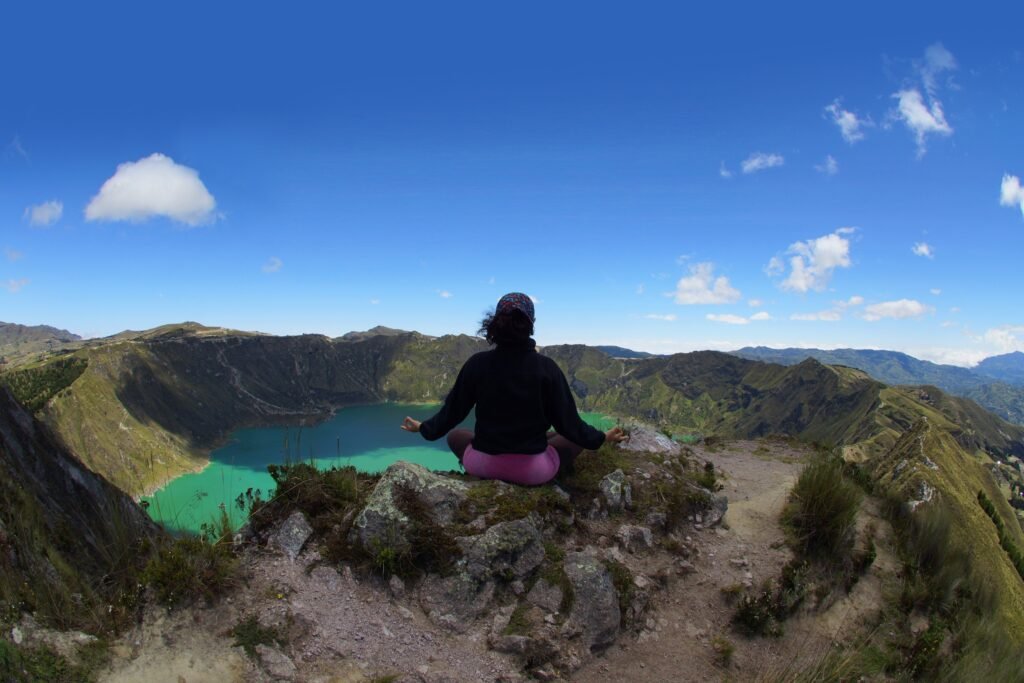
Descend into the emerald abyss / The volcanic majesty of Quilotoa Crater Lake
Rating & reviews
(115+ verified reviews on Viator)
Why this specific attraction stands out
Formed by the catastrophic collapse of a dacite volcano over 800 years ago, Quilotoa is a breathtaking 3-kilometre-wide caldera filled with deep emerald-green water. Located in the remote Western Cordillera, reaching the caldera rim independently involves navigating complex mountain switchbacks and rural village transit routes.
This comprehensive ticketed day trip manages all transit logistics, park entry fees, and indigenous community access passes. Along the journey down the Avenue of the Volcanoes, your guide leads you into a traditional indigenous homestead in the village of Pujilí or Tigua to witness ancestral living conditions and famous folk art painted on sheepskin drumheads. Upon arrival at the caldera rim, you receive priority access to the wooden glass-floored viewing platform before descending the 280-metre zig-zagging path to the water’s edge.
Key highlights
- Quilotoa Rim & Glass Lookout: Stand 3,914 metres above sea level at the Shalalá lookout point for sweeping views across the shimmering, mineral-rich caldera
- Toachi River Canyon: A brief stop at this dramatic volcanic ravine, carved 40 metres deep into ancient ash deposits
- Tigua Folk Art Cultural Immersion: Meet local indigenous painters and learn how vivid high-Andean landscapes are captured using natural pigments on hides
Ideal for
Photographers, cultural enthusiasts, and independent explorers seeking one of the most visually stunning natural crater lakes on Earth.
Local insight
The hike down to the lake shore takes roughly 45 minutes, but the return climb up the steep sand-and-gravel trail takes over 90 minutes in thin air. If you have knee concerns or feel fatigued, local indigenous villagers offer mule rides back to the top for roughly $10–$15 USD cash. Keep small bills on hand.
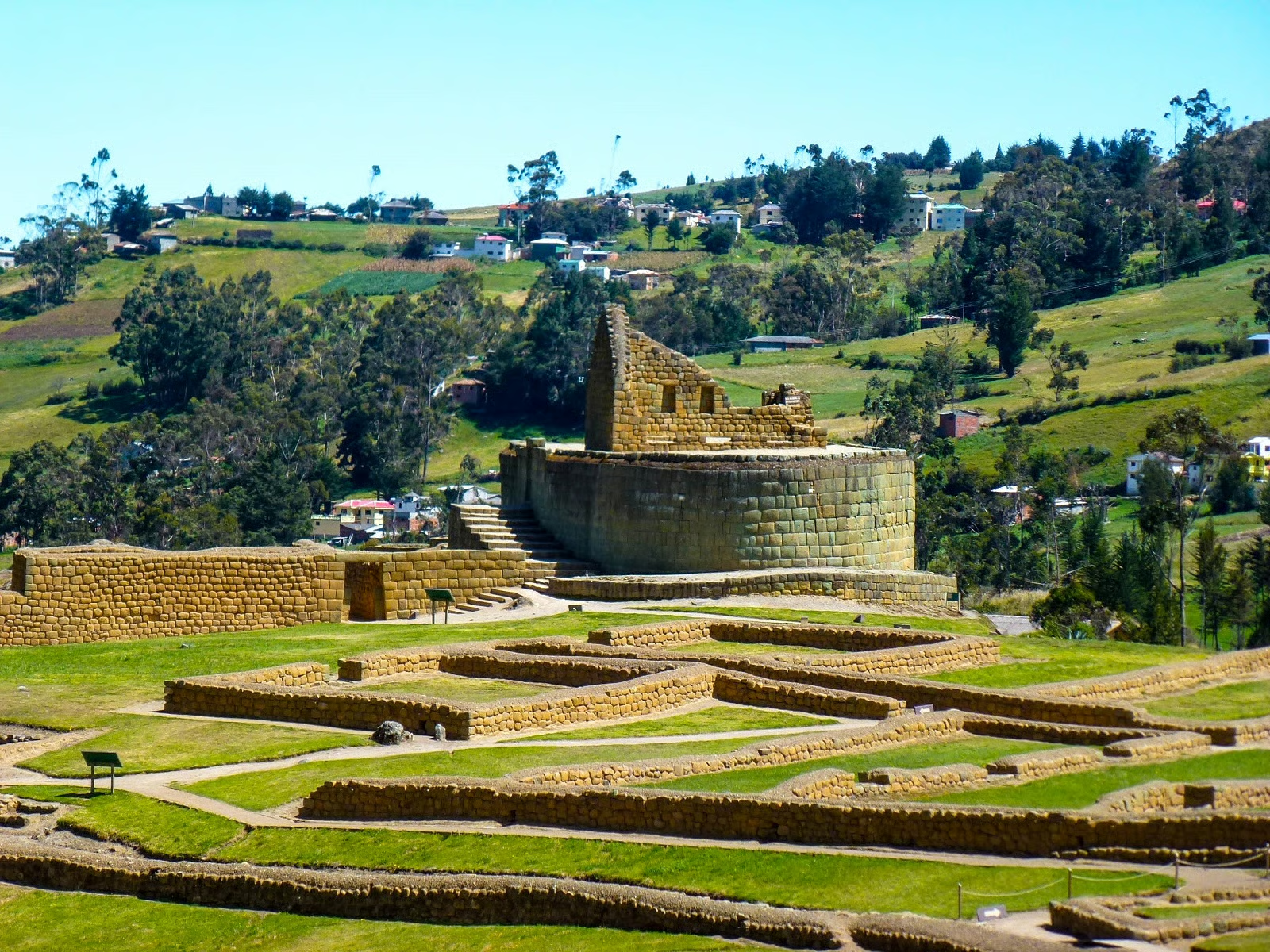
Sun temples of the Cañari and Inca / Unearth the mysteries of Ingapirca
Rating & reviews
(47+ verified reviews on GetYourGuide)
Why this specific attraction stands out
Perched high in Cañar province, Ingapirca is Ecuador’s most prominent and important archaeological complex. Unlike classical Peruvian Incan sites, Ingapirca represents a unique historical synthesis: it was originally built by the indigenous Cañari matriarchal culture around 1000 AD before being peacefully integrated by the expansionist Inca Empire in the late 15th century.
Because access to the fragile stone structures and the central Templo del Sol (Temple of the Sun) is strictly regulated to prevent wear, visiting without a reserved entry slot and an official park historian often results in long delays at the gatehouse.
This bookable day excursion from Cuenca includes pre-reserved timed entry, round-trip transport through rural Andean valleys, and an expert bilingual guide who decodes the mortarless elliptical stonework—the only elliptical Incan sun temple ever discovered.
Key highlights
- Temple of the Sun (Templo del Sol): Marvel at the majestic, mortarless green-diorite ashlar masonry designed precisely for solar solstice alignments
- Cañari Lunar Calendar Stones: Examine carved rocks used by ancient Cañari priests to track agricultural cycles using water-filled depressions that reflected moonlight
- Museo Sitio de Ingapirca: Admission to the museum displaying ancestral Cañari ceramics, textiles, and the famous skeleton of an elite Cañari priestess
- Cara del Inca: A brief hike behind the complex to view a massive, natural cliff face carved by wind and rain into the likeness of an Incan warrior
Ideal for
History buffs, archaeology lovers, and heritage travellers intrigued by pre-Columbian architecture and ancient Andean cosmology.
Local insight
Ingapirca sits exposed on a high plateau at 3,160 metres, where cold Antarctic winds sweep across the valleys. Always wear a thermal base layer and a sturdy windbreaker. Photography is permitted throughout the grounds, but drones are strictly forbidden without prior written authorization from the Instituto Nacional de Patrimonio Cultural.
The Ecuadorian Amazon.
The most biodiverse place in the world
Threads of antiquity / Ancestral crafts and crater lakes in Otavalo

Rating & reviews
(3+ verified reviews on GetYourGuide)
Why this specific attraction stands out
The northern Sierra region of Imbabura is a vibrant hub of living indigenous culture. At its heart lies Otavalo, home to Plaza de Ponchos—the largest indigenous handicraft and textile market in South America.
Navigating the northern circuit independently can be overwhelming due to regional bus transfers across multiple towns. This organized cultural ticket seamlessly connects four top regional attractions in a single day: tasting traditional wood-fired bizcochos biscuits in Cayambe, visiting the non-profit Quitsato Equatorial Sundial, exploring the vibrant textile aisles of Otavalo, and completing a nature walk along the rim of Cuicocha Lagoon inside the Cotacachi-Cayapas Ecological Reserve.
Key highlights
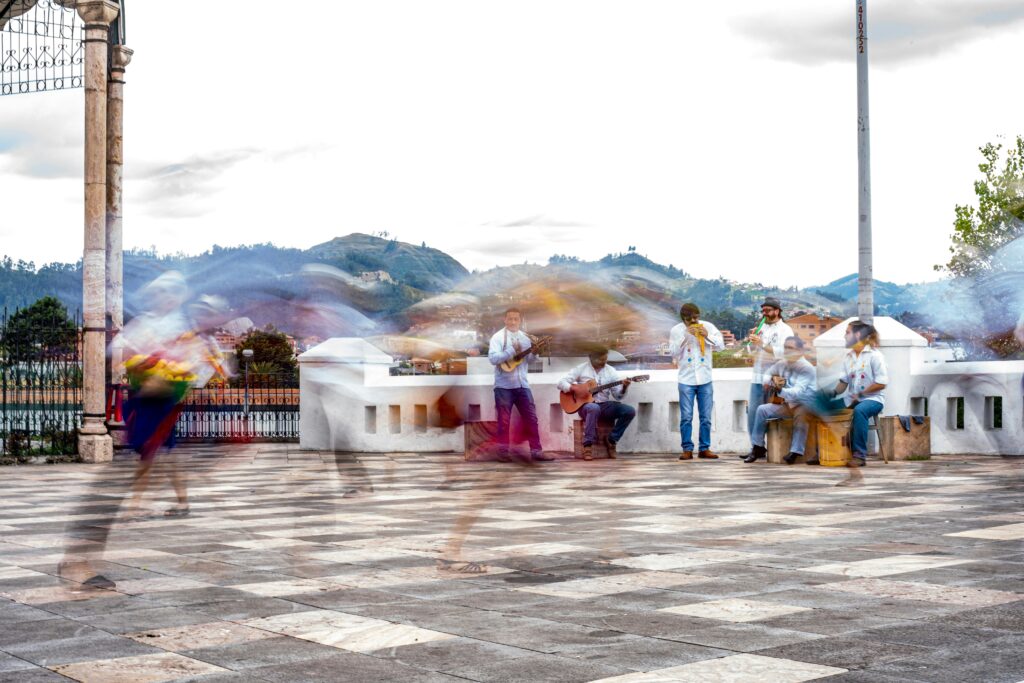
- Plaza de Ponchos Market: Self-guided and hosted time to browse hand-woven alpaca blankets, traditional ponchos, embroidery, and silver jewelry crafted by Otavaleño artisans
- Quitsato Equatorial Monument: Guided ticketed entry to a massive 52-metre diameter sundial located precisely on the true equator, offering an authentic, non-touristy scientific overview of equatorial astronomy
- Cuicocha Crater Lake (Lake of the Guinea Pigs): Walk along the high volcanic rim overlooking two massive islets emerging from a flooded caldera at the foot of Cotacachi Volcano
- Cotacachi Leather Village: Explore small-scale leather workshops famed for high-grade handcrafted boots, bags, and jackets
Ideal for
Cultural shoppers, lovers of hand-woven textiles, and travellers looking to immerse themselves in indigenous Andean traditions and artisan crafts.
Local insight
While bartering is customary and expected at Plaza de Ponchos, always negotiate with warmth and respect. Remember that these hand-woven items represent days of painstaking work; paying a fair price directly supports local indigenous families. Carry small denomination cash ($1, $5, and $10 USD notes), as vendors rarely have change for $20 or $50 bills.
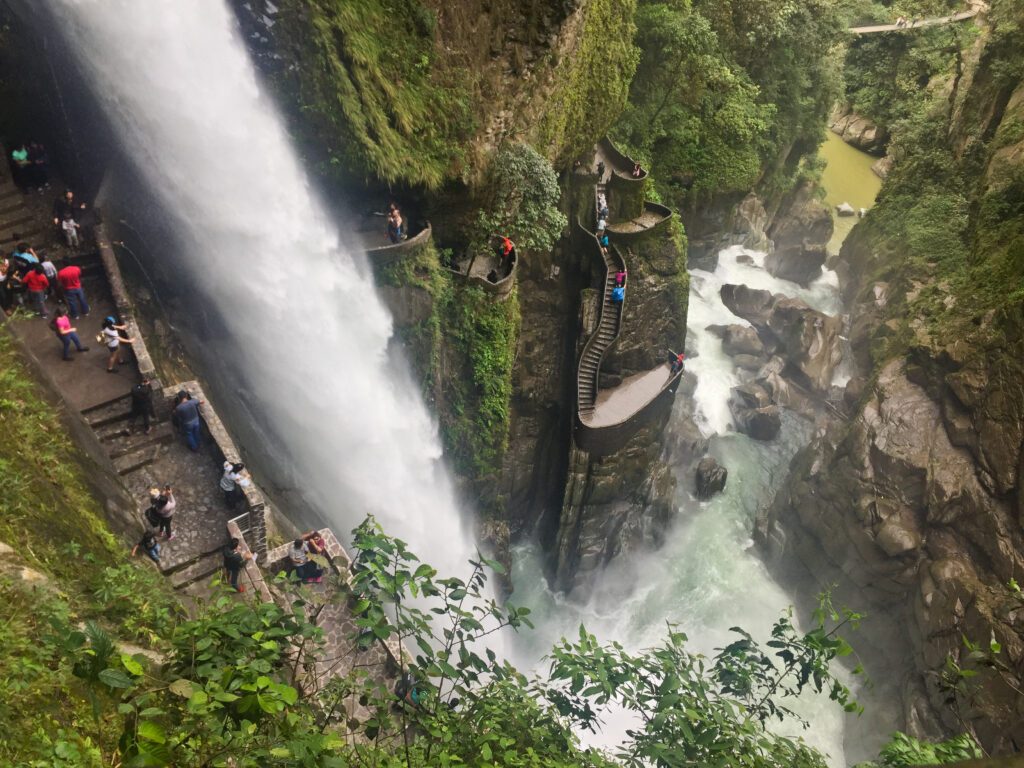
The roar of the abyss / Cascades and cloud forests in Baños de Agua Santa
Rating & reviews
(203+ verified reviews on GetYourGuide)
Why this specific attraction stands out
Nestled in a lush subtropical valley at the base of the active Tungurahua volcano, Baños de Agua Santa is the gateway where the high Andes dramatically plunge into the Amazon Basin. The region is world-renowned for its thunderous waterfalls, geothermal springs, and extreme cloud-forest canyoning.
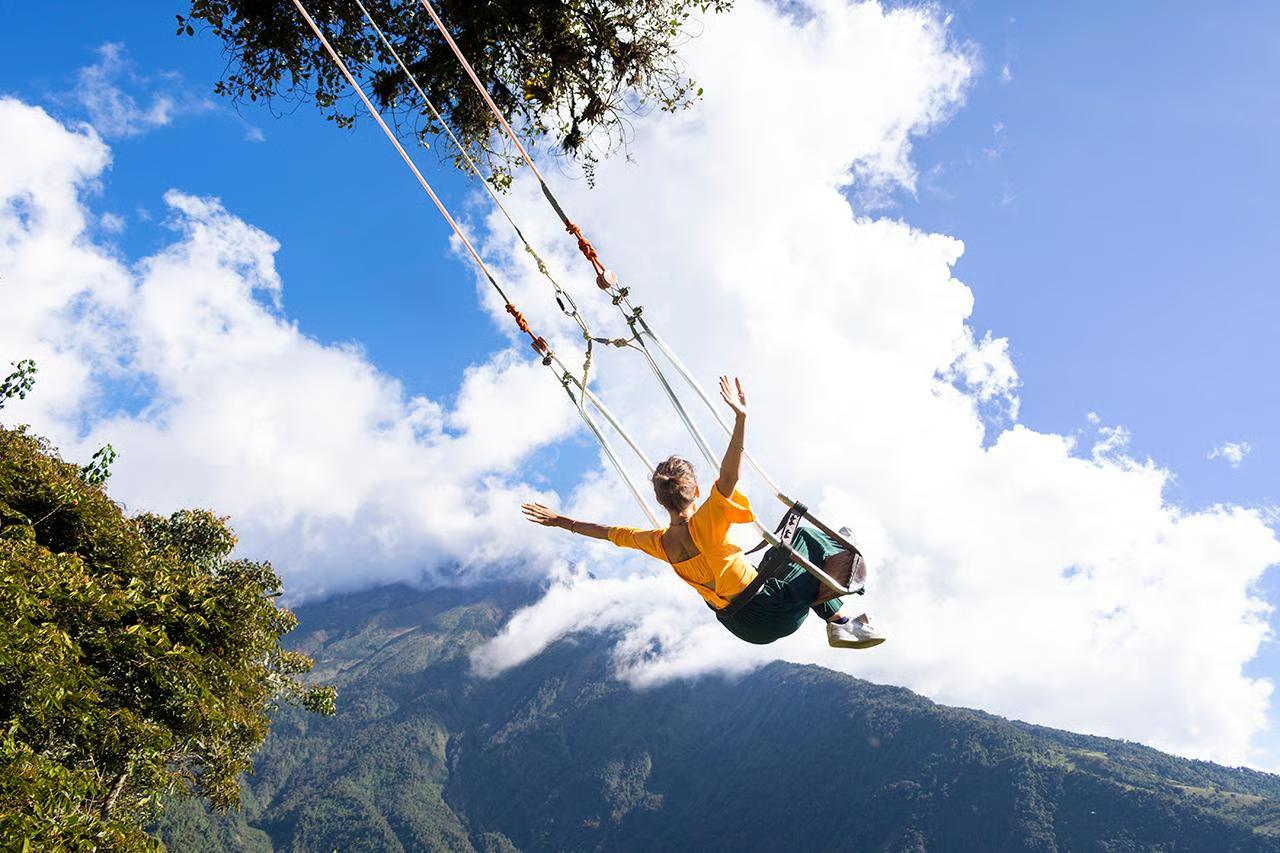
The undisputed crown jewel of the area is Pailón del Diablo (The Devil’s Cauldron), a roaring 80-metre waterfall cascading through a narrow rock gorge. Visiting independently often involves long waiting lines at the narrow rock stairs and suspended cable bridges. This ticketed day excursion includes hosted entry passes to the Pailón del Diablo park trails, a ride on a cable car (tarabita) across the Pastaza River canyon, and access to the famous Swing at the End of the World at La Casa del Árbol.
Key highlights
- Pailón del Diablo (Devil’s Cauldron): Walk across suspended footbridges and squeeze through hand-carved stone tunnels to stand directly behind the roaring wall of water
- Pastaza River Tarabita Cable Car: Glide across a deep river gorge high above the rainforest canopy for breathtaking views of Manto de la Novia waterfall
- La Casa del Árbol & Swing at the End of the World: Sit on the famous cliff-side swing overlooking the Tungurahua volcano crater for iconic photos
Ideal for
Thrill-seekers, nature photographers, and active travellers wanting to experience the dramatic transition from cool Andean summits to warm, misty cloud-forest canyons.
Local insight
You will get thoroughly soaked by the heavy mist and spray at Pailón del Diablo—it is completely unavoidable if you want to access the best viewing balconies. Bring a reliable waterproof poncho, pack your phone/camera in a sealed dry bag, and wear quick-drying synthetic clothing rather than heavy denim or cotton.
The Ecuadorian Coast.
Where you’ll find the very best food
Our practical Sierra attraction booking & visiting guide
To ensure your high-Andean adventure runs as smoothly as a fine-tuned drivetrain, keep these practical, field-tested rules in mind when booking and visiting ticketed sites in Ecuador:
Book high-altitude sites 2–3 weeks in advance
Popular national park entries (like Cotopaxi) and limited-capacity cable cars (like Quito’s TelefériQo) fill up rapidly on weekends and morning slots. Reserving your hosted entries or timed tickets well ahead ensures you secure early morning departures when mountain weather is clearest.
Mastering timed-entry slots & mountain weather
In the Sierra, high-altitude weather follows a predictable pattern: clear, sunny blue skies in the morning, followed by gathering clouds, rain, or mist by mid-afternoon. Always select the earliest possible timed-entry slot (07:00–09:00 AM) for outdoor venues like Cotopaxi, Quilotoa, and TelefériQo to guarantee clear mountain views before clouds roll in.
Download offline apps & tickets early
Mobile data coverage across the high páramo moorlands, rural valleys of Cañar, and deep river canyons near Baños can be intermittent. Always download your digital PDF ticket vouchers, QR codes, offline Google Maps, and audio guides to your smartphone before leaving your hotel in Quito or Cuenca.
Navigate venue security & sacred protocol
Major historic monuments like La Compañía de Jesús church in Quito and the archaeological site of Ingapirca enforce strict security guidelines. Large trekking backpacks and rigid luggage are barred from indoor museum corridors; leave heavy bags in your hotel or private tour vehicle. When visiting active places of worship or sacred indigenous ruins, keep voices low, dress modestly (covering shoulders and knees), and strictly observe posted signs regarding flash photography.
Pack light but layer smart for four seasons in one day
The Andean climate fluctuates wildly depending on elevation and sun exposure. A single morning can start at 5°C on a wind-swept trail, rise to 22°C under direct equatorial sun, and finish with a cold downpour. Wear a breathable base layer, an insulating fleece mid-layer, and a waterproof/windproof outer shell. A small 20-litre daypack with water, high-elevation sunscreen (SPF 50+), and a polar buff is all you need for museum and venue days.
Riding the ridge of the Andes / Your path through the Sierra
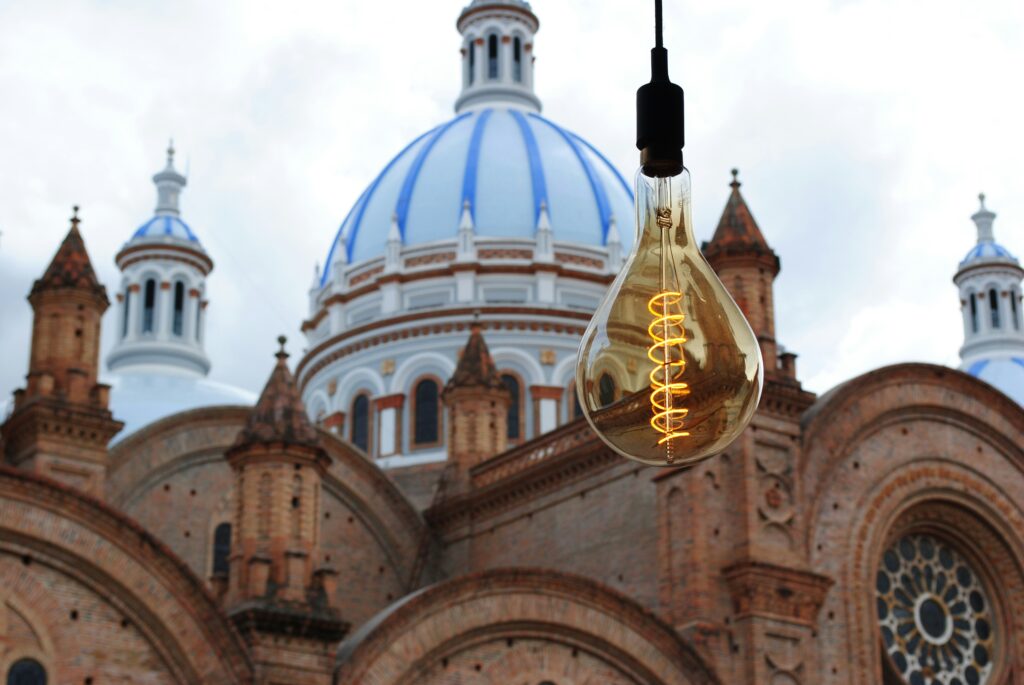
Traversing the Ecuadorian Sierra is less about ticking off isolated sights and more about adjusting to the rhythmic pulse of the high Andes. From the pristine colonial plazas of Quito to the thunderous river gorges where the mountains plunge into the Amazonian basin, this region rewards travellers who move deliberately. Whether you choose to explore on foot, by mountain bus, or on two wheels, securing your entry tickets and hosted access in advance protects the quiet spontaneity that makes independent travel so compelling.
By arranging timed passes for high-demand sites like the TelefériQo, Cotopaxi National Park, and Ingapirca, you reclaim valuable hours otherwise spent waiting in dusty ticket queues or negotiating gate access. More importantly, pre-booked entries often connect you with certified local guides whose knowledge turns static stone ruins and volcanic vistas into vivid stories of pre-Columbian astronomy, Incan diplomacy, and living indigenous culture.
As you plan your journey along the Avenida de los Volcanes, embrace the element of unpredictable mountain weather as part of the experience. Pack your daypack with warm layers, hold small USD notes for rural artisans, and leave space in your itinerary to simply sit back at a roadside tienda with a hot cup of coca tea or fresh bizcochos. The high Andes have welcomed travellers for centuries—with a little foresight, your journey through them will be as smooth as a well-oiled drivetrain.
Prepare your gear, keep your sightlines clear, and enjoy every metre of the ride.
Affiliate Disclaimer: Some of the links on Wheely Tyred are affiliate links. If you click through and make a booking or purchase, we may earn a small commission at no extra cost to you. We only recommend gear, tours, stays, and services we genuinely use, trust, and stand behind — our editorial independence always comes first. These commissions help keep our independent cycling guides and travel stories free to read. Thanks for supporting the ride!
Frequently asked questions about the top attractions in the Sierra
The simplest way to adapt is to spend your first 48 hours in Quito (2,850 metres) engaging in low-exertion activities like walking the historic centre before attempting high hikes like Cotopaxi’s refuge (4,860 metres) or Quilotoa’s crater rim (3,914 metres). Stay well-hydrated, avoid heavy meals on arrival, and consider drinking traditional coca or chame herbal tea to ease mild altitude symptoms.
Weather in the High Andes follows a distinct daily cycle. Mornings generally bring crisp air, clear skies, and sharp visibility of volcanic peaks. By 12:00 PM, warm air rising from the humid lowlands condenses over the cold summits, frequently bringing heavy cloud cover, mist, or rain showers by mid-afternoon. Starting early ensures the best views and safest hiking conditions.
While the walk down the sandy trail to the lake shore takes under 45 minutes, the return trek involves ascending 280 vertical metres through loose gravel in thin air at nearly 4,000 metres above sea level. It typically takes 90 minutes or longer. If you have joint issues or feel severely fatigued, local indigenous villagers provide mule rides back up the trail for roughly $10–$15 USD in cash.
Ecuador uses the United States dollar ($ USD). While major hotels, tour platforms, and restaurants in Quito or Cuenca accept credit cards, cash is absolutely essential across rural areas of the Sierra. When visiting traditional spots like Otavalo’s Plaza de Ponchos market or roadside bakeries in Cayambe, always carry small denomination bills ($1, $5, and $10 notes), as vendors rarely have change for $20 or $50 notes.
Because you are walking along narrow rock balconies and footbridges right beside an 80-metre cascading waterfall, heavy water mist is completely unavoidable. Wear quick-drying synthetic clothing or rain gear, a sturdy waterproof poncho, and shoes with excellent rubber grip. Keep phones and cameras safely stored inside sealed waterproof dry bags when close to the spray.
For major sites with strict vehicle capacities or timed entry caps—such as Cotopaxi National Park, the TelefériQo cable car, and the archaeological park at Ingapirca—it is best to book 2 to 3 weeks in advance. This ensures you secure popular morning departure times and guarantees access alongside certified English-speaking guides.
Ecuador.
Pure wonder on the equator.