Uncovering the Soul of Cuenca / Ecuador’s colonial gem beyond the cathedrals
Best hidden gems and local attractions in Cuenca, Ecuador, for independent travellers
Cobblestones, cloisters, and the art of slow living
BEN FINCH
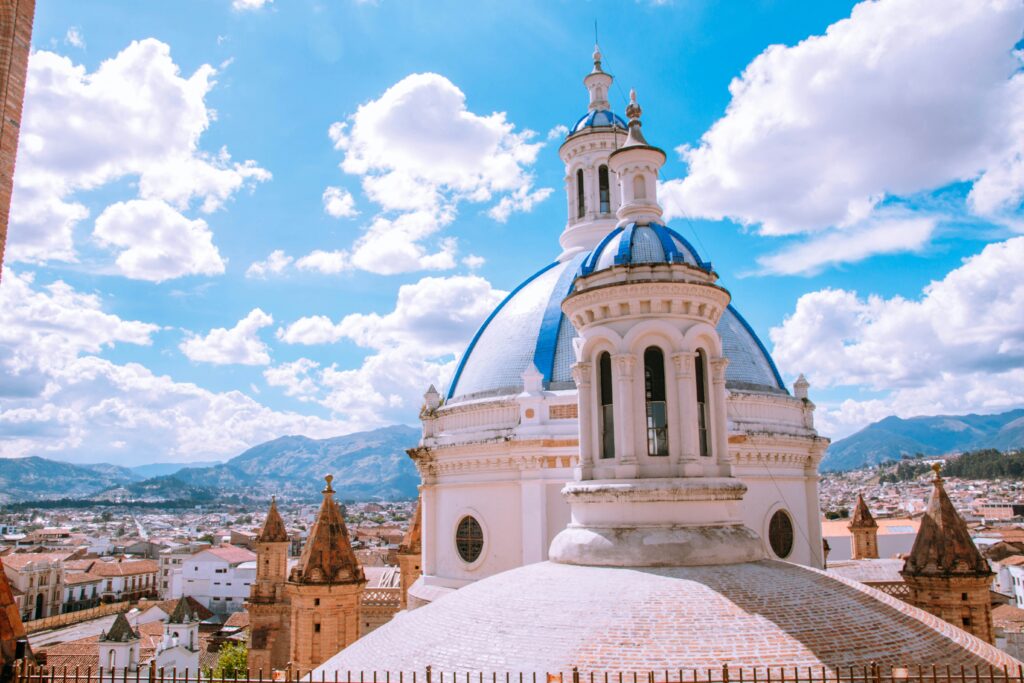
Cuenca is a city that invites you to linger. Known formally as Santa Ana de los Cuatro Ríos de Cuenca, this UNESCO World Heritage site is often lauded for its stunning New Cathedral with those iconic blue domes. However, for the traveller who prefers the hum of a bicycle tyre over the roar of a tour bus, the true magic of Cuenca lies in its quieter corners. It is a city of rivers, steep staircases, and hidden courtyards where the scent of roasting coffee mingles with the crisp Andean air.
To understand Cuenca, one must move away from the main plaza and into the folds of its historical districts. Here, the pace of life is dictated by the flow of the Tomebamba River rather than a tour guide’s schedule. Whether you are navigating the city on two wheels or exploring the steep, narrow streets on foot, these hidden gems offer a glimpse into the cultural and historical tapestry of Ecuador’s most intellectual city.
Cuenca’s hidden gems at a glance
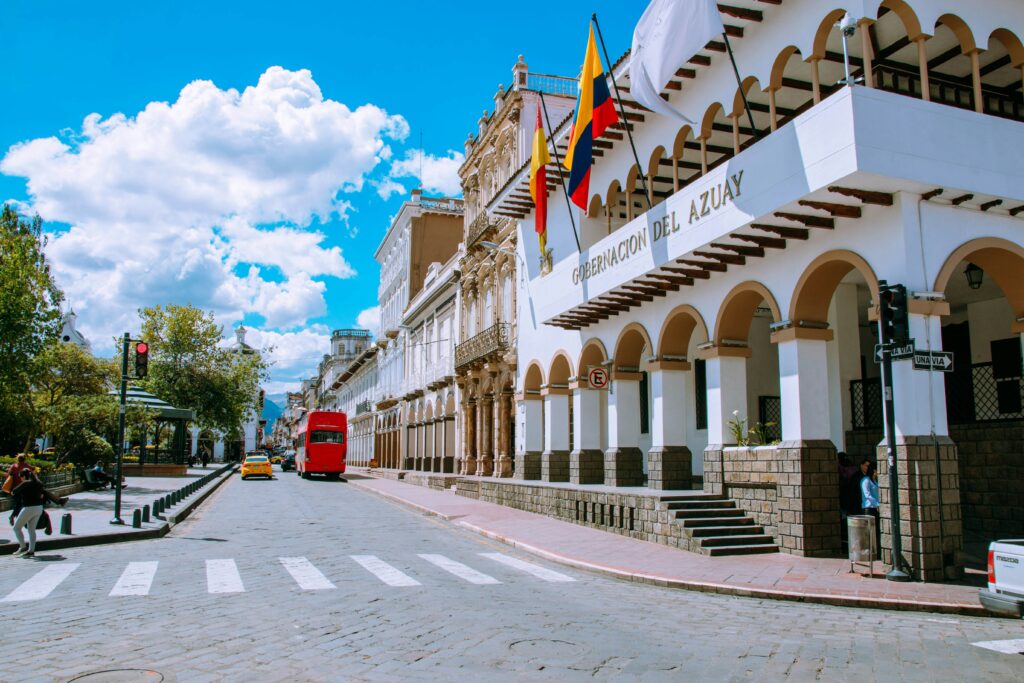
If you are plotting your route and want a quick overview of the stops tucked away in the city’s quieter corners, here is a summary of the must-see locations:
- Museo de las Conceptas: Step off the cobbled streets and into the serene cloisters of this former convent to discover colonial art and the quiet, historic lives of its cloistered nuns
- Puente Roto and El Barranco: Park your bike by the iconic ruined bridge and explore the scenic Tomebamba riverside, where historic stone meets vibrant, modern daily life
- Museo de la Sombrero de Paja Toquilla: Witness the intricate, generational craft of weaving authentic ‘Panama’ hats within a traditional, working family workshop
- Prohibido Centro Cultural: Delve into Cuenca’s avant-garde counter-culture in a labyrinthine gallery dedicated to alternative, macabre, and subversive art
- Amaru Bioparque: Trek through steep, naturally integrated enclosures to view rescued Andean wildlife, earning spectacular panoramic views of the city below
- Santuario de la Virgen del Cajas: Experience the profound silence and misty, rugged beauty of this high-altitude pilgrimage site situated just outside the city limits
Cuenca.
The Athens of Ecuador
The silent sanctum / Museo de las Conceptas
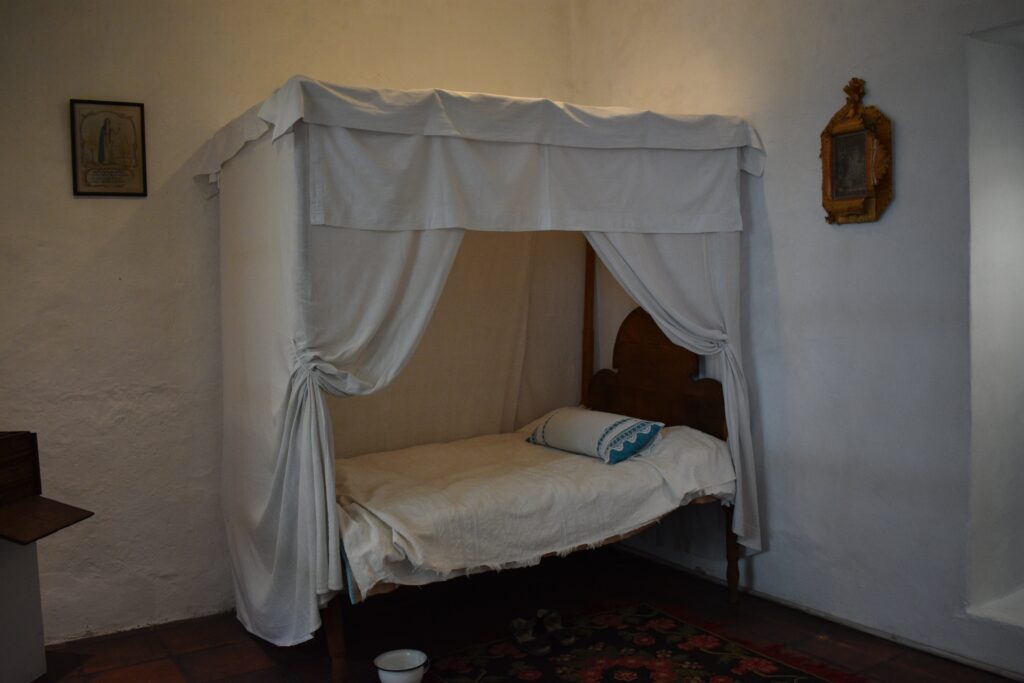
Tucked away behind high white walls in the heart of the city is the Museo de las Conceptas. Housed in a former convent of the Order of the Immaculate Conception, this museum is a masterclass in colonial architecture and religious history. For the independent traveller, it provides a rare opportunity to see inside a cloistered world that remained largely closed to the public for centuries.
The museum is arranged around several lush courtyards. Walking through the cloisters, the noise of the city fades into a profound silence. The collection includes intricately carved religious icons, paintings from the Quito School, and fascinating glimpses into the daily lives of the nuns who once lived here. It is not merely a gallery; it is a repository of the city’s spiritual DNA. Pay close attention to the small, everyday objects—the kitchen utensils and handcrafted textiles—that tell a more human story of life within the convent walls. It is a place for reflection, far removed from the bustling markets nearby.
Resilience in stone / Puente Roto and El Barranco
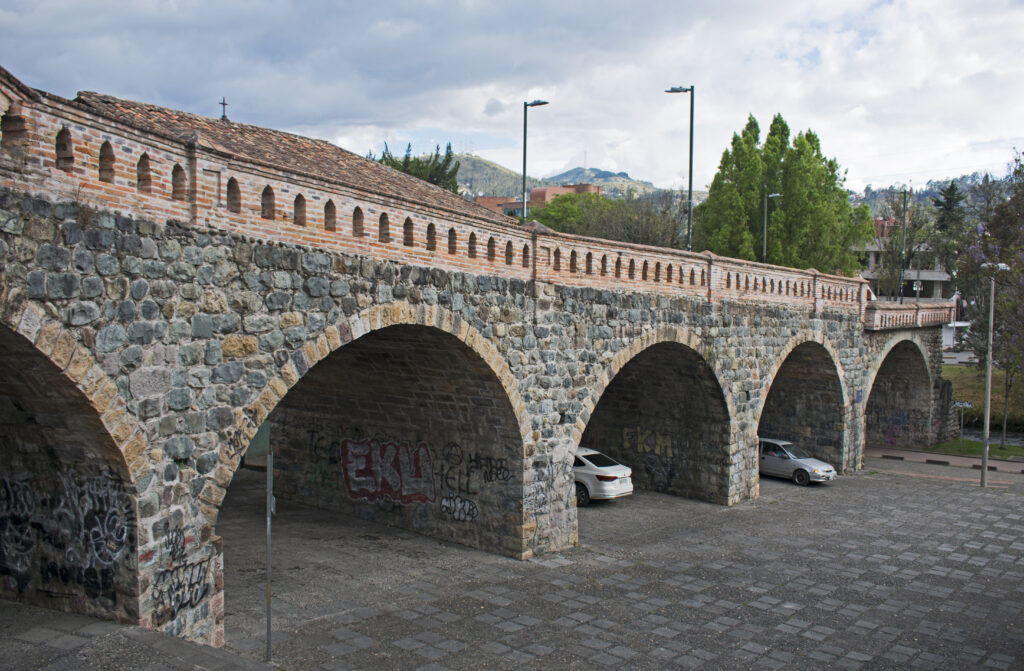
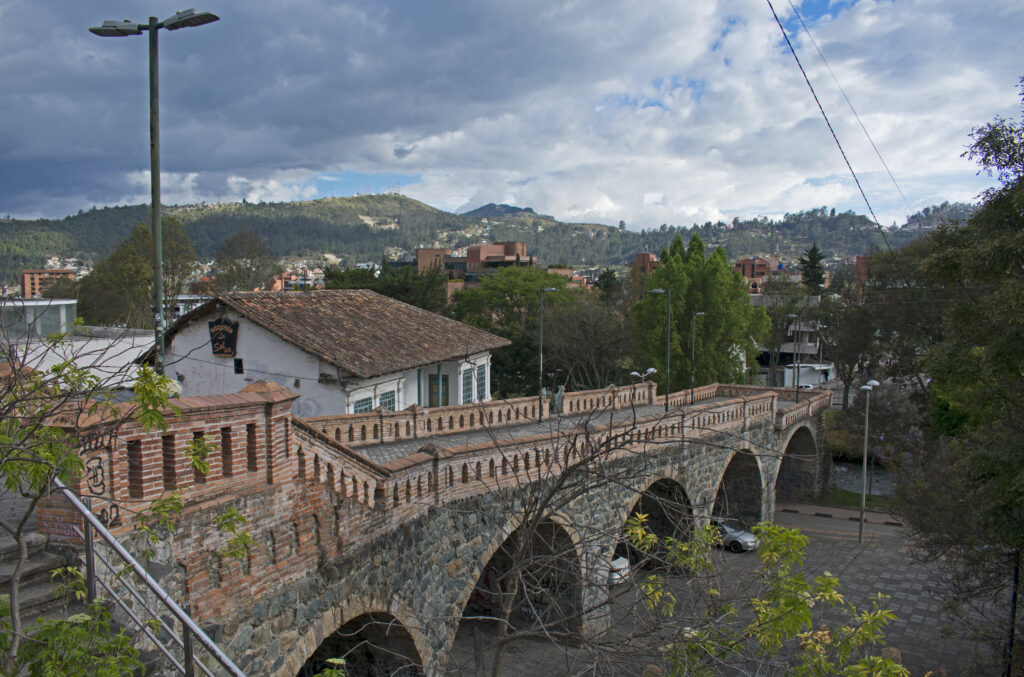
While most tourists stick to the manicured parks, those with a penchant for history should head to the Puente Roto, or the Broken Bridge. Originally built in the mid-nineteenth century, a catastrophic flood in 1950 tore away half of the structure, leaving a jagged stone pier jutting out over the Tomebamba River. Rather than finishing the demolition, the city kept it as a monument to the power of nature and the resilience of the local community.
Today, the area around Puente Roto forms part of El Barranco, a beautiful riverside walk that separates the historic centre from the modern city. This is where Cuencanos come to relax. You will find locals washing clothes in the river shallows, students sketching under the trees, and the occasional open-air art market. It is an ideal spot to stop your bike, sit on the stone steps of the bridge, and watch the world go by. The juxtaposition of the ancient stone ruins with the vibrant, modern life along the riverbanks perfectly encapsulates the spirit of Cuenca.
The Ecuadorian Sierra.
Get lost in the hills
The artisan’s secret / Museo de la Sombrero de Paja Toquilla
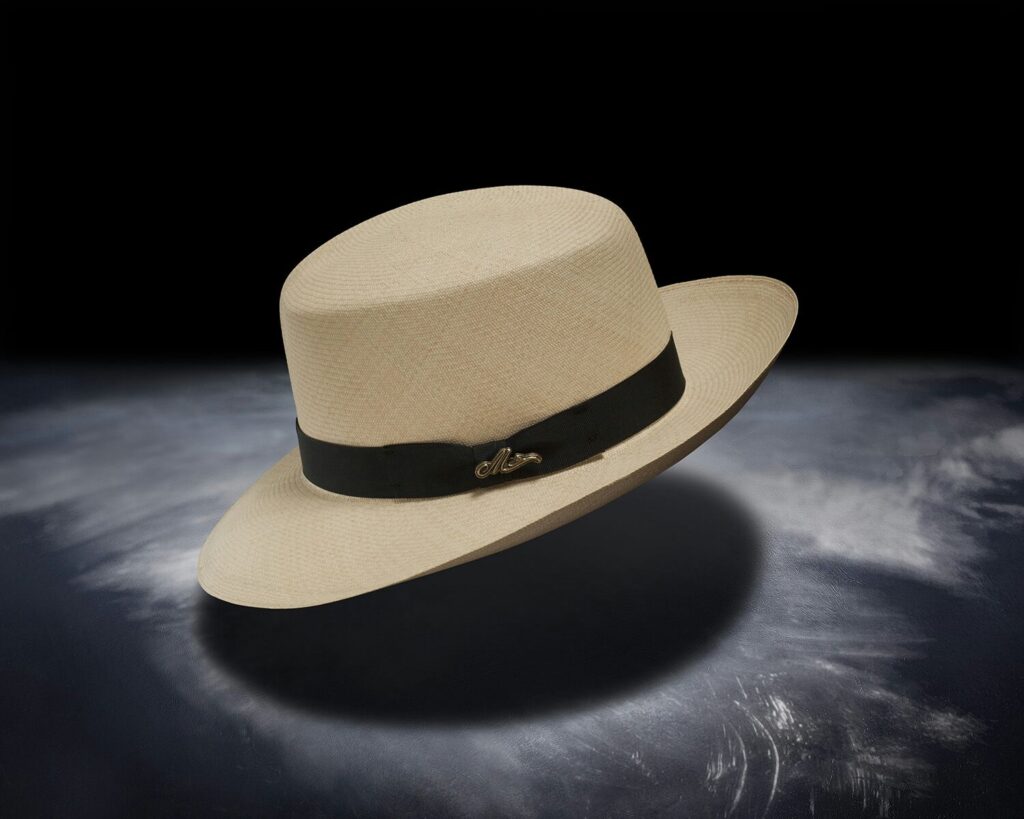
There is a long-standing historical injustice that the world’s finest straw hats are known as Panama hats, when their true home is the southern highlands of Ecuador. To see the craft in its most authentic form, visit the Museo de la Sombrero de Paja Toquilla, specifically the workshops run by the Paredes family.
Unlike the larger, more commercial factories, this space feels like a living workshop. You can witness the painstaking process of weaving the paja toquilla fibres, a skill that has been passed down through generations. The smell of the raw straw and the rhythmic sound of the wooden blocks used to shape the hats create an immersive atmosphere. For the traveller who values craft over mass production, this is an essential stop. You can learn about the social history of the weavers and see how simple grass is transformed into a piece of wearable art. It is a quiet, industrious corner of the city that demands a slower pace of appreciation.
The edge of the canvas / Prohibido Centro Cultural
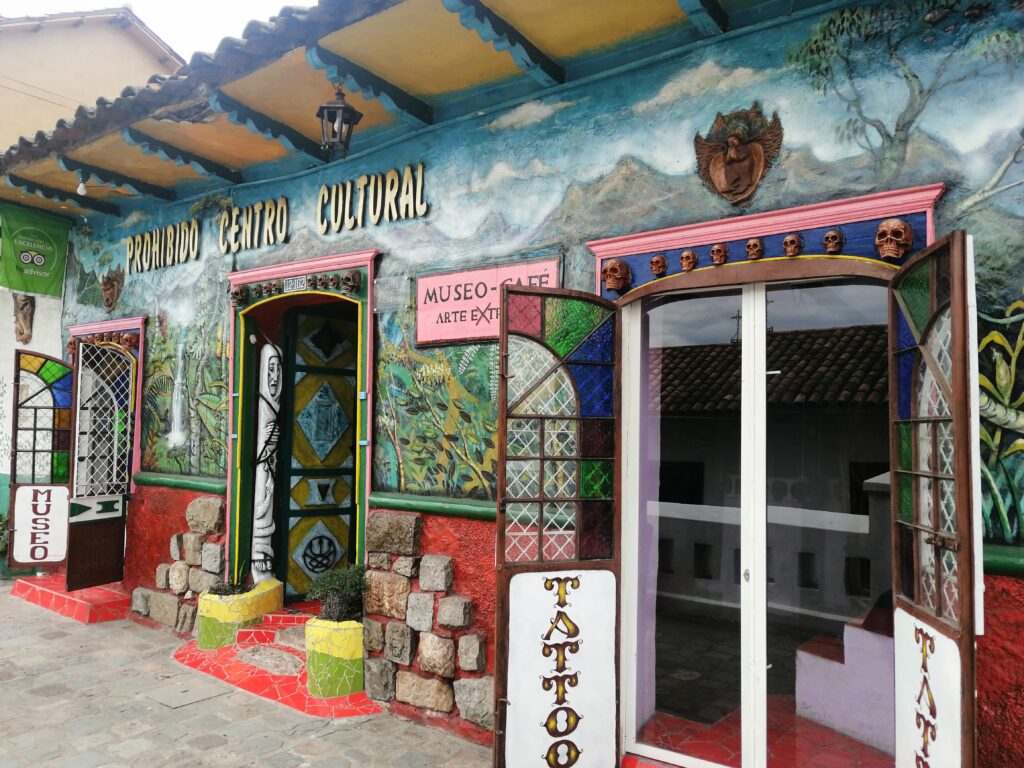
Cuenca has a reputation for being traditional and pious, but Prohibido Centro Cultural offers a startling and welcome contrast. Located near the San Juan de Dios bridge, this alternative art space is dedicated to the dark, the macabre, and the subversive. Founded by artist Eduardo Moscoso, the centre is a labyrinth of Gothic sculptures, provocative paintings, and unconventional installations.
For those who want to see a different side of the Ecuadorian psyche, Prohibido is a revelation. It serves as a hub for the city’s counter-culture, hosting everything from heavy metal concerts to experimental film screenings. The architecture itself is part of the experience—a chaotic, multi-level building that feels like it was grown rather than built. It is a reminder that even in a city steeped in colonial history, there is always room for rebellion and avant-garde expression.
Quito.
Explore the Middle of the World
Nature’s vertical sanctuary / Amaru Bioparque
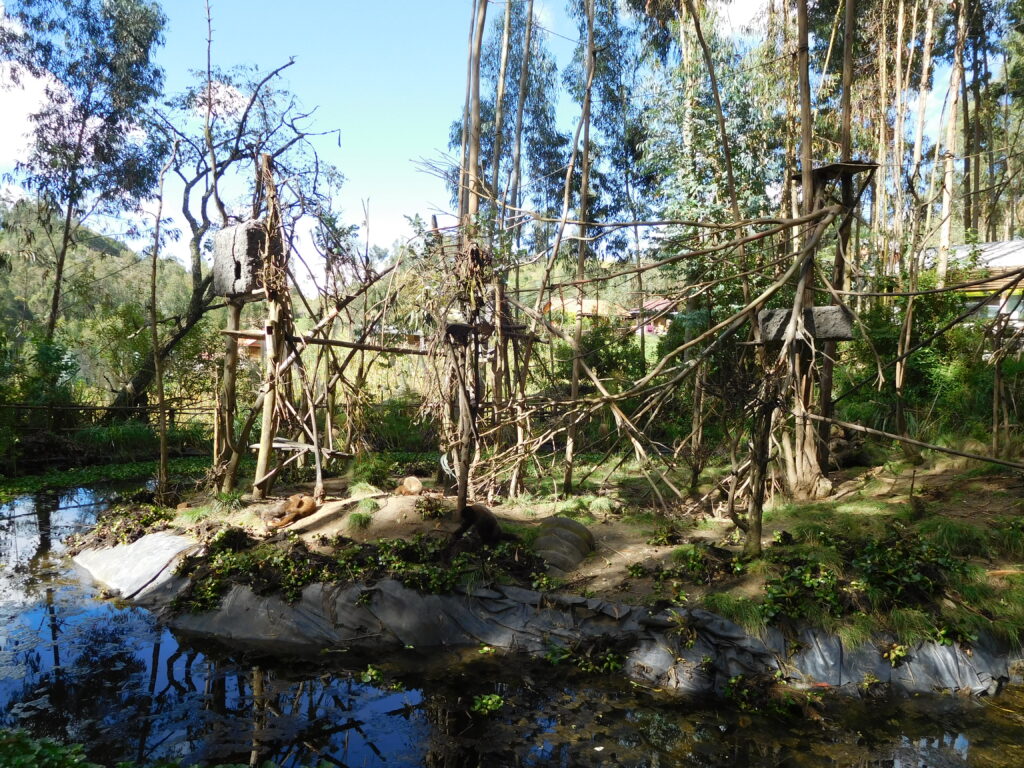
While many visitors head to the city zoo, the Amaru Bioparque offers a vastly different experience. Set on a steep hillside overlooking the city, this is a conservation-focused sanctuary where the enclosures are designed to mimic the natural habitats of the Andean fauna.
The path through the biopark is a rigorous trek, winding up the mountain through eucalyptus groves and native scrubland. You will encounter rescued jaguars, spectacled bears, and a dizzying array of tropical birds. Because of its location and the effort required to navigate the trails, it rarely feels crowded. The views of Cuenca from the upper reaches of the park are spectacular, providing a panoramic perspective of the four rivers valley. It is a place where the wild beauty of the Andes meets the urban sprawl, offering a moment of connection with Ecuador’s incredible biodiversity.
The mystic heights / Santuario de la Virgen del Cajas
A short distance from the city centre, yet worlds away in atmosphere, is the Santuario de la Virgen del Cajas. Located on the road toward the Cajas National Park, this site became a place of pilgrimage after reported sightings of the Virgin Mary in the late 1980s.
Even for the non-religious, the sanctuary is deeply atmospheric. It sits at a high altitude where the mist often rolls in off the mountains, shrouding the simple outdoor altar and the winding paths in a ghostly white veil. The silence here is heavy and expectant. It is a site of profound local devotion, far removed from the polished marble of the city’s cathedrals. The rugged landscape, characterised by high-altitude grasslands and twisted polylepis trees, provides a starkly beautiful backdrop for this site of modern myth-making.
The Ecuadorian Amazon.
The most biodiverse place in the world
Exploring on two wheels / Beyond the city limits
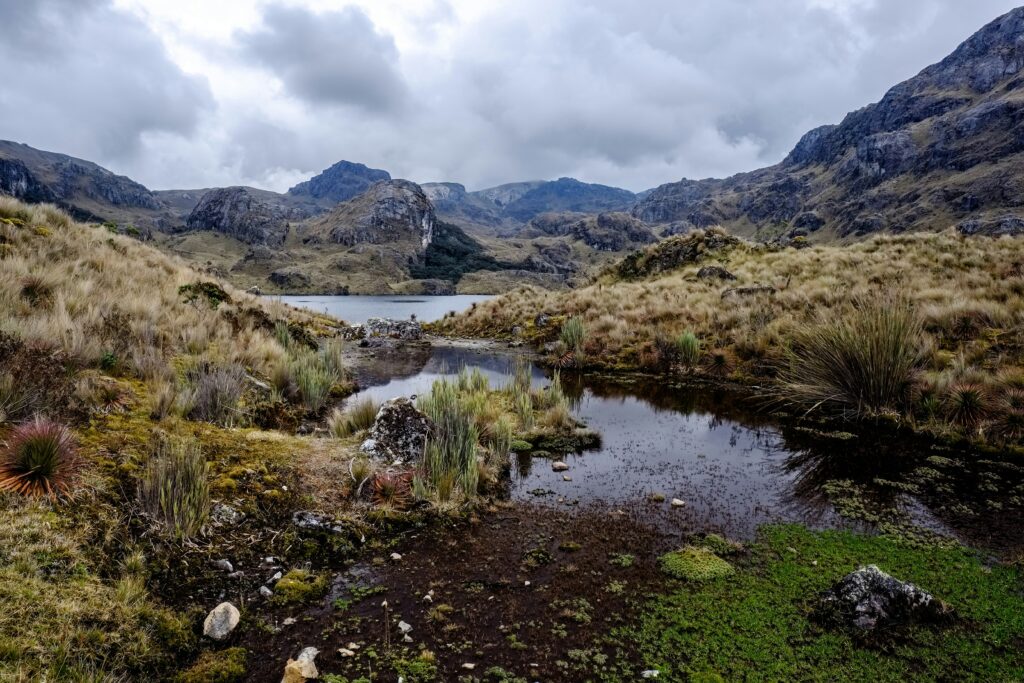
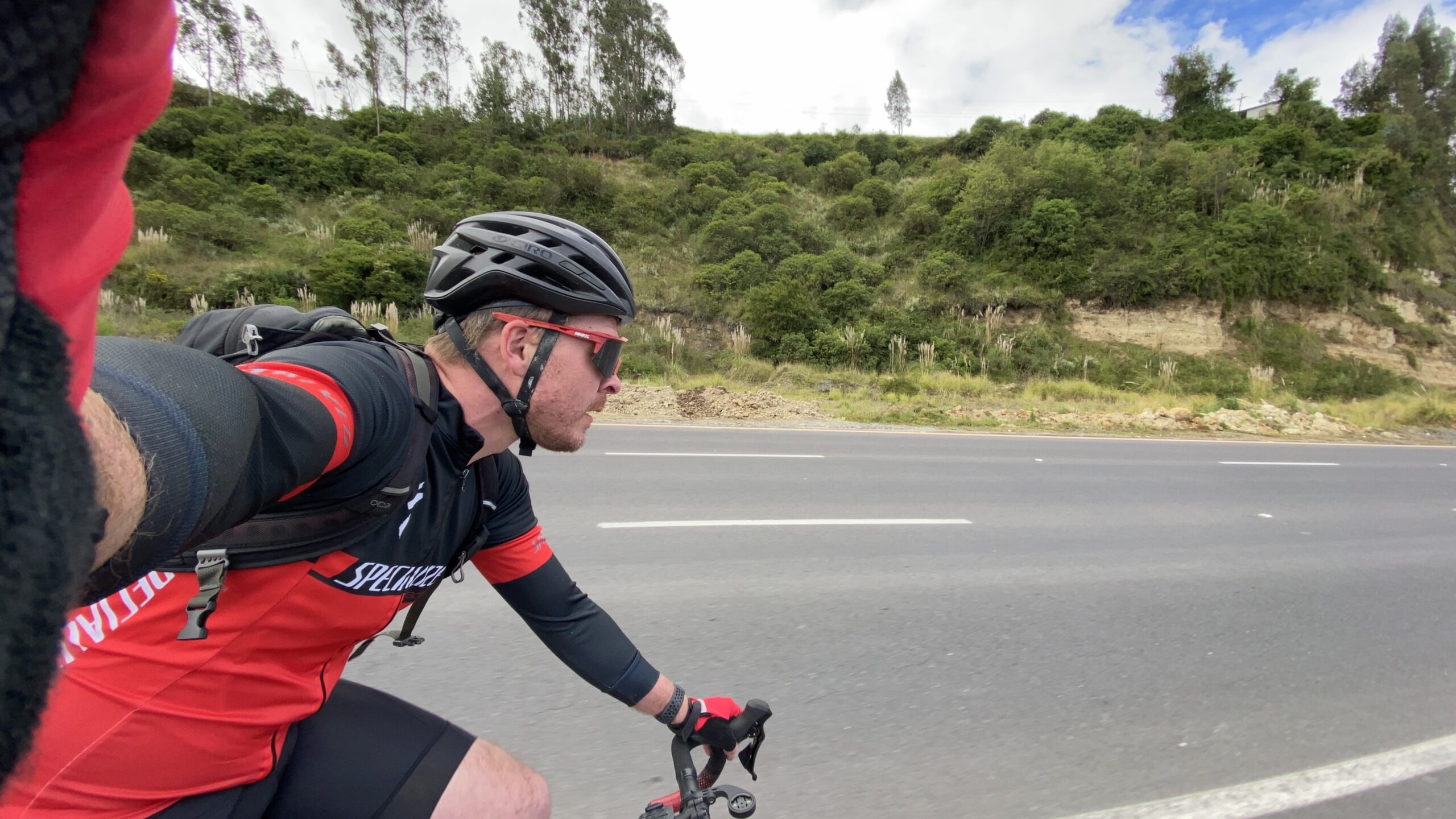
For those who have arrived with a bike or plan to hire one, Cuenca is the perfect base for high-altitude exploration. The city’s infrastructure is increasingly cycle-friendly, but the real rewards lie just beyond the urban fringe.
A popular route for those looking to stay within 20 kilometres is the ride to Baños de Cuenca. Not to be confused with the larger town of the same name, this local parish is famous for its thermal springs. The ride involves a steady climb but rewards you with a soak in volcanic mineral waters—a perfect balm for tired legs. Another excellent short trip is a ride out to the rural parish of Tarqui, where you can cycle through rolling dairy pastures and traditional Andean farmsteads, offering a taste of the countryside without needing a full day’s commitment.
For a more ambitious day trip, Cajas National Park is accessible by bus or a very challenging uphill ride. Once there, the plateau offers gravel paths through a tundra-like landscape dotted with over 200 glacial lakes. Alternatively, taking the bus to the ruins of Ingapirca, the most significant Inca site in Ecuador, provides a deep dive into the pre-colonial history of the region. Whether you are staying close to the river or venturing into the paramo, Cuenca rewards the independent spirit who is willing to look beyond the guidebooks.
Frequently asked questions about Cuenca’s hidden gems
Yes, Cuenca is widely considered one of the most cycle-friendly cities in Ecuador. It boasts a growing network of dedicated cycle lanes (ciclovías), particularly along the banks of its four rivers, which make navigating between the historic centre and the outskirts both safe and scenic.
You can absolutely hire locally. While bringing your own bike offers familiarity, Cuenca has several reputable rental shops in and around the historic centre. They offer everything from sturdy mountain bikes for the cobbled streets and high-altitude trails to comfortable city cruisers for the riverside paths.
The dry season, which typically runs from June to December, offers the most reliable conditions for cycling and outdoor exploration. However, Cuenca’s proximity to the equator means temperatures remain relatively mild year-round, making it a viable destination whenever you choose to travel.
Most of them are highly accessible. Sites like the Museo de las Conceptas, the hat workshops, and Puente Roto are right in the city centre. Destinations like the Amaru Bioparque or the thermal baths in Baños de Cuenca require a bit more legwork and a willingness to tackle hills, but they are incredibly rewarding rides.
Yes, though they are very reasonable. For instance, the Museo de las Conceptas typically charges around $3.50 for international visitors. The Prohibido Centro Cultural has a modest entry fee of approximately $2.00 to $2.50, which helps support the local artist community. Many of the hat workshops, such as the Museo del Sombrero de Paja Toquilla, are free to enter, though they often suggest a small donation or hope you might find a souvenir to take home.
The bridge itself is open 24 hours a day as it is a public landmark. However, to see it at its most vibrant, visit during the late afternoon when the golden hour light hits the stone ruins, or during city anniversaries (such as April or November) when the arches often host open-air art exhibitions and local festivities.
It is quite a physical undertaking. Because the biopark is built into a steep mountain slope, you should expect about two hours of hiking on trails made of dirt, stone, and gravel. It is not a traditional flat zoo; you will need sturdy walking shoes and a decent level of fitness—especially given the altitude. If you are cycling there, be prepared for a tough climb just to reach the entrance!
The sanctuary is located at kilometre 28 on the road to Molleturo. If you aren’t cycling the steep climb, you can take a bus from the El Arenal terminal in Cuenca heading towards Guayaquil and ask the driver to drop you at the Santuario. It sits at an elevation of roughly 3,550 metres, so ensure you are dressed in warm, windproof layers.
Most traditional workshops, including the famous Paredes family space on Calle Larga, are open Monday to Friday, with shorter hours on Saturdays. Sunday visits can be hit-or-miss for seeing the actual weaving in progress, as many artisans take the day off, though the museum displays usually remain accessible.
Ecuador.
Pure wonder on the equator.