Puyo travel safety guide 2027 / Explore the gateway to the Amazon
Comprehensive 2027 safety advice, crime statistics, solo travel guidance, and route planning for Puyo and Pastaza province
Transform an unpredictable jungle frontier into an unmissable adventure
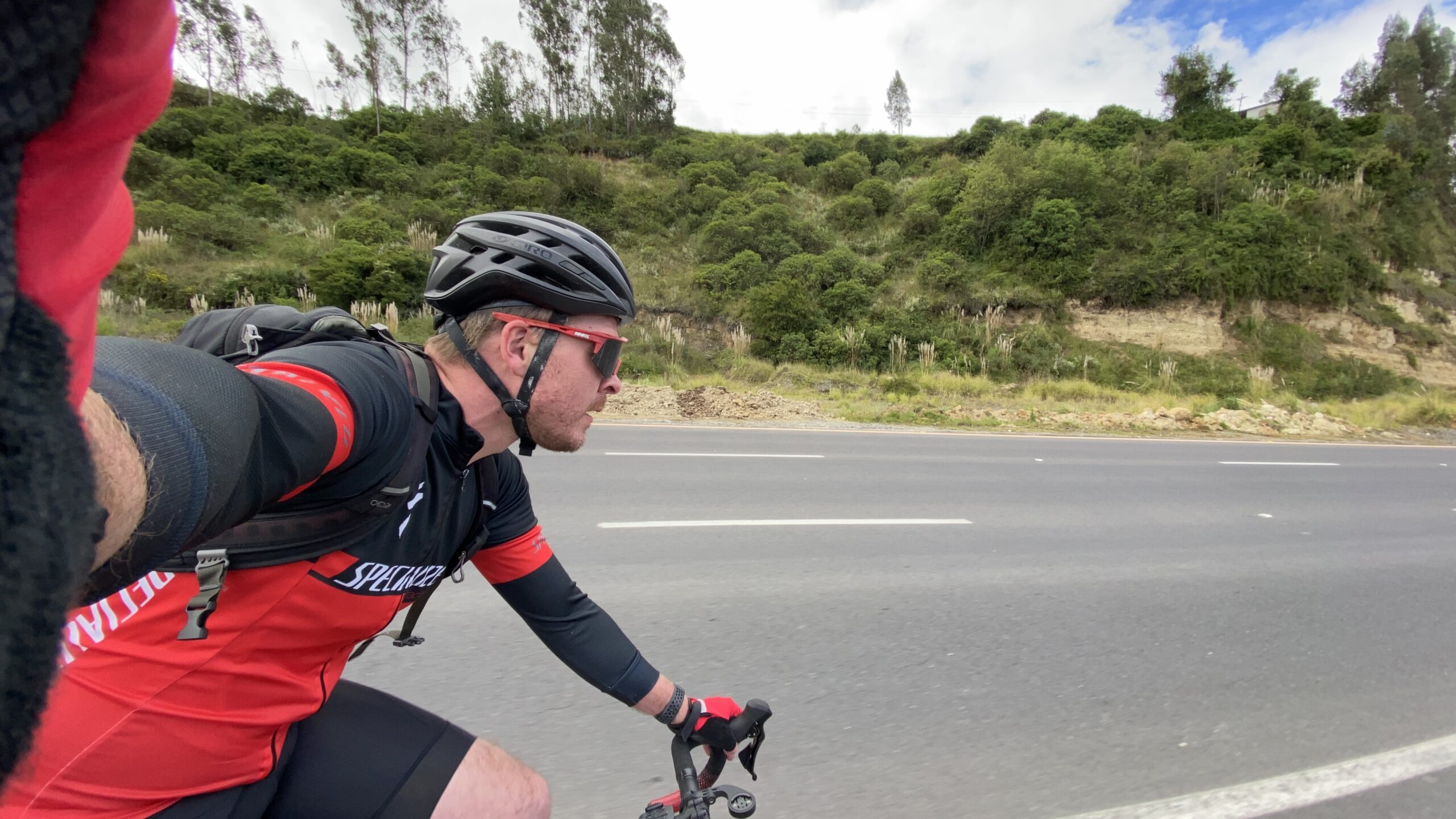
BEN FINCH
Puyo, the vibrant capital of Pastaza province, remains the principal crossroads between the high Andean Sierra and the vast basin of the Ecuadorian Amazon. For bikepackers, road cyclists, and independent explorers pushing east from Baños de Agua Santa, reaching Puyo marks a dramatic transition in terrain, climate, and culture.
However, entering the Oriente requires an updated understanding of Ecuador’s shifting national security conditions.
Building upon the foundation laid in our 2026 Puyo safety guide, the security situation across Ecuador continues to evolve under active state management. While coastal provinces such as Guayas and Esmeraldas face persistent friction from organised crime corridors, interior provinces such as Pastaza maintain a far more stable environment.
Puyo operates as a regional hub for eco-tourism and agricultural trade. Because local businesses, indigenous tour operators, and municipal authorities depend heavily on international visitors, there is a collective effort to preserve community safety.
Nevertheless, total complacency is the greatest risk a traveller can take. Over the past year, opportunistic crime has quietly expanded beyond major urban centres into transit hubs across the country.
At Wheely Tyred, we emphasise situational awareness—the practice of remaining continuously observant of your immediate surroundings without falling into unnecessary paranoia. By combining informed awareness with sound routine, visiting Puyo in 2027 remains a rewarding experience.
Essential takeaways on Puyo safety in 2027
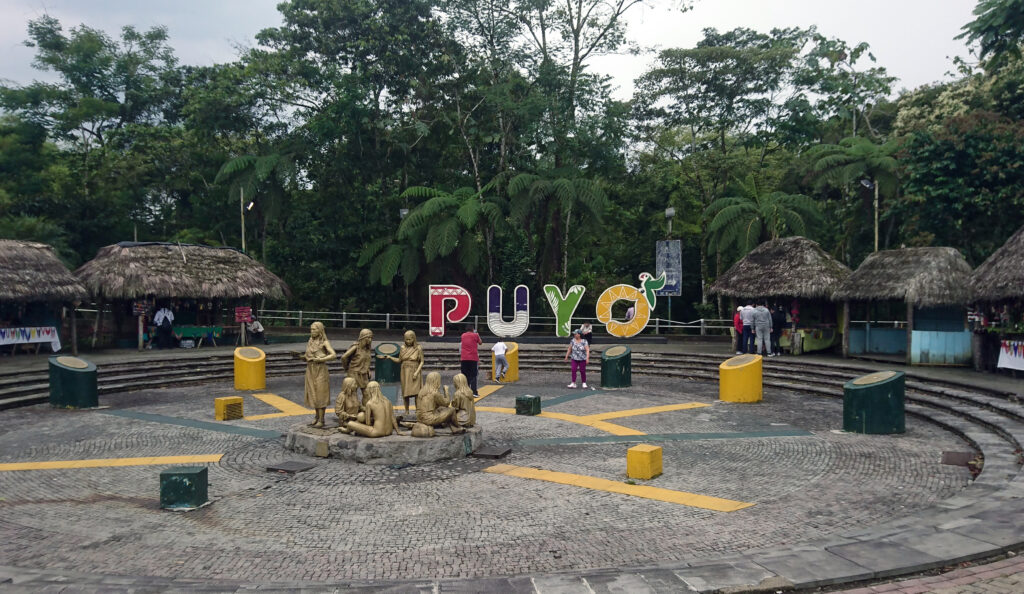
Puyo remains a welcoming gateway where the Andes meet the Amazon, provided you respect the shifting security landscape. Here are the core safety protocols and logistical insights to keep your journey on track.
- Stable regional security: Pastaza province remains far calmer than coastal urban centres, maintaining a stable environment for eco-tourism and regional transit
- Terminal vigilance: Keep daypacks attached to your chest and panniers locked at the Terminal Terrestre, where opportunistic distraction schemes occur most often
- E30 highway conditions: The descent from Baños de Agua Santa drops over 1,800 metres; high-lumen front and rear lights are legally required and vital for dark tunnels and rain mist
- Cyclist rights: Under Ecuadorian law, cyclists hold right-of-way priority at roundabouts (redondels), though defensive riding is essential as drivers rarely yield
- Jungle weather hazards: Annual rainfall exceeds 4,000 millimetres, making flash floods, mudslides, and slick asphalt frequent risks along mountain cuts
- Indigenous territorial protocol: Indigenous nations possess legal autonomy in Pastaza; always secure explicit permission before entering community lands or photographing locals
- Hydration and health: Tap water is non-potable; use a high-grade purifier and apply DEET or Picaridin regularly to protect against day-biting mosquitoes carrying dengue
Puyo.
The gateway to the Amazon
Understanding crime rates and common urban hazards
Statistically, violent crime targeting international tourists in Puyo remains rare. The vast majority of criminal incidents reported in Pastaza involve opportunistic petty theft, pickpocketing, and snatch-and-grab robberies. These incidents cluster in predictable locations where crowds gather, and attention wanders.
The main area for petty crime is the Terminal Terrestre, Puyo’s central bus station. Arriving or departing travellers carrying large rucksacks, bicycle panniers, or visible electronics present an easy target for distraction schemes. Pickpockets frequently operate in pairs near ticket counters, luggage bays, and busy street markets such as the Mercado Central.
To protect your belongings, keep daypacks secured to your chest in crowds, lock panniers when stepping away, and avoid placing smartphones or wallets on restaurant tables.
Puyo safety protocols
- Digital Stealth: Keep high-value phones and GPS units out of sight when standing on public footpaths
- Registered Transit: Only use yellow taxi ejecutivo cabs with visible municipal licence decals
- No Resistance: If confronted by an armed individual, surrender valuables immediately without argument
- Off-Pavement Discretion: Review maps inside cafes or shops rather than while stopped in open traffic
For cyclists and adventure photographers, high-value equipment presents a unique risk profile. Custom carbon bikepacking frames, premium suspension components, and professional camera lenses draw immediate notice in rural areas where such items represent years of average income.
Practice digital stealth by storing expensive electronics deep inside waterproof bags when moving through public squares, and always secure bicycles inside hotel rooms or gated enclosures overnight.
Express kidnappings—where victims are temporarily detained and forced to withdraw funds from automated teller machines—remain primarily an issue in major coastal cities and Quito. However, isolated incidents can occur anywhere if travellers hail unlicensed street taxis late at night. Always request a registered taxi ejecutivo through your accommodation or use recognised radio taxi dispatcher numbers.
If you ever encounter an aggressive theft attempt, adhere strictly to the No Resistance Protocol: surrender your physical possessions immediately. Material gear can be replaced through travel insurance, but personal physical safety cannot be compromised.
The Ecuadorian Amazon.
The most biodiverse place in the world
Safety for solo travellers, women, and minorities
Navigating Puyo successfully requires understanding how different personal identities interact with local social norms.
Solo travellers
Solo exploration offers unmatched freedom, but it removes the immediate safety cushion of a companion. Solo travellers arriving in Puyo should plan journeys to land well before dusk. Navigating unfamiliar streets or searching for accommodation after dark increases vulnerability to misdirection or theft.
Choose reputable hostels or guesthouses with active social spaces, gated entry, and positive security reviews from fellow solo travellers. Establishing a daily check-in schedule with a trusted contact back home provides an essential backup layer.
Female travellers
Solo female travellers are generally welcomed with warmth across Pastaza, but public spaces still reflect traditional gender dynamics. Street harassment, predominantly verbal comments or catcalling (machismo), can occur in urban areas and transit terminals.
The most effective response is maintaining firm, confident body language while moving directly toward your destination, ignoring unwanted remarks.
When engaging in Puyo’s nightlife or visiting social bars near the Malecón Boayaku Puyo, exercise heightened caution regarding drink security. Never accept open beverages from strangers, keep your glass in hand at all times, and watch drinks being poured. If you feel unusually disoriented or unwell, inform venue staff or a trusted companion immediately.
Minorities, LGBTQ+, and indigenous interaction
Puyo is an ethnically diverse town where Mestizo culture intersects with seven distinct indigenous nations, including the Kichwa, Shuar, and Waorani. While urban Puyo is accustomed to global tourists, social attitudes in surrounding rural communities remain culturally conservative.
LGBTQ+ travellers will find that while overt hostility is uncommon, public displays of affection may attract unwanted attention or disapproval in rural settlements. Discretion is advisable when travelling outside major tourism centres.
When visiting indigenous territories along the Pastaza River, cultural respect is directly tied to safety. Indigenous communities exercise legal autonomy over their ancestral lands under Ecuadorian law.
Never enter community territories, take photographs of locals, or launch recreational drones without explicit permission from village elders or authorised indigenous guides. Engaging respectfully with community guidelines ensures a safe, mutually enriching cultural exchange.
The Galápagos.
Ecuador’s Enchanted Isles
Riding the Ruta de las Cascadas and safety in Pastaza
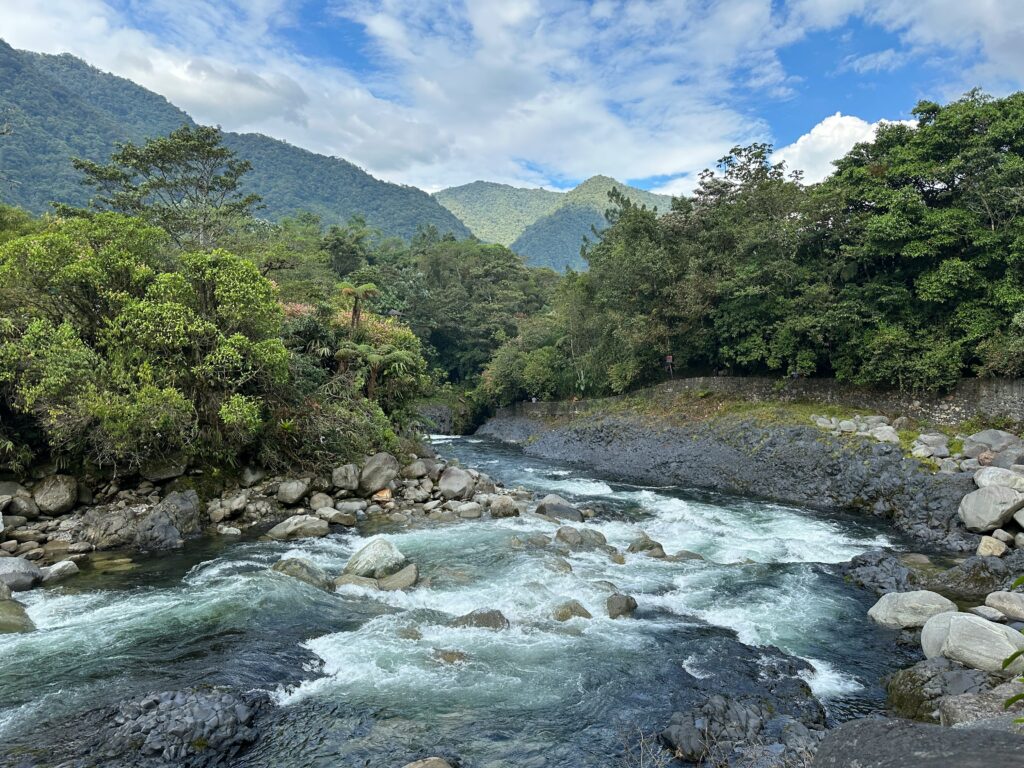
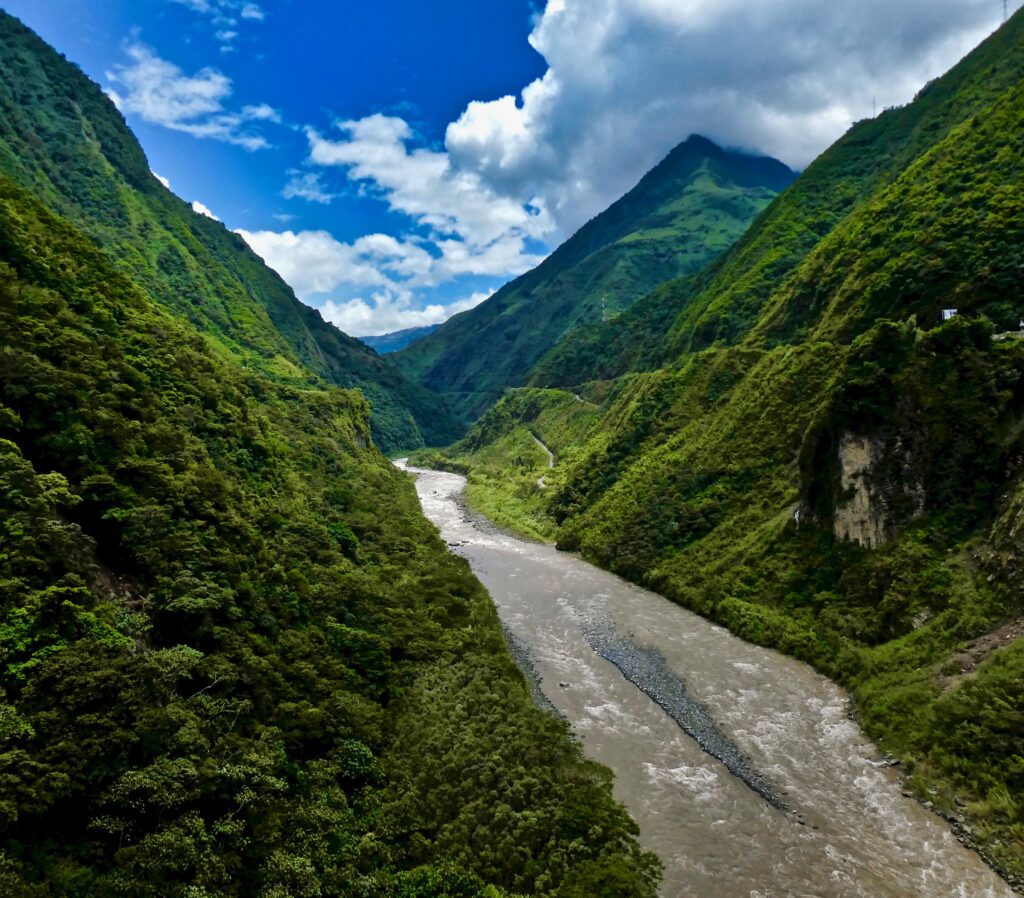
For two-wheeled adventurers, the ride from Baños de Agua Santa down to Puyo along the E30 highway—known as the Ruta de las Cascadas—is legendary. Dropping more than 800 metres in elevation through deep gorges, past waterfalls, and into cloud forests, it is one of South America’s premier cycling routes. However, the route presents distinct physical and logistical hazards.
Baños to Puyo descent / Road conditions
- Distance: ~61 kilometres
- Elevation Drop: ~1,820 m to 950 m
- Key Hazards: Heavy rain, mist, narrow tunnels, heavy freight transport
- Mandatory Gear: High-lumen front light, red rear strobe, rain jacket
Traffic along the E30 includes heavy commercial trucks, inter-provincial buses, and tour vans. Mountain roads are narrow, often lacking dedicated hard shoulders. Because Puyo receives some of the highest rainfall in Ecuador, road surfaces are frequently slick with water, oil, and loose gravel washed down from cliff faces.
Legal rights and cycling rules
Under Ecuadorian traffic legislation, cyclists enjoy explicit legal recognition as vulnerable road users. You have the legal right to occupy public roads and hold preferential right of way at intersections without traffic signals and roundabouts (redondels). However, drivers do not always yield in practice. Treat roundabouts with extreme caution, riding defensively as though motorists have not seen you.
- Tunnel Safety: Several unlit or poorly lit tunnels dot the descent. While bypass paths exist for cyclists at some tunnels, others require passing through the main bore. High-output white front lights and flashing red rear lights are legally required and essential for survival
- Cycle Lane Rules: Where dedicated cycle lanes (ciclovías) are marked and clear, cyclists are legally obligated to use them. However, if a lane is blocked by debris or unsafe, you are legally permitted to take the main road lane. Minor cycling infractions can incur fines set at 5 per cent of the unified basic salary (Salario Básico Unificado)
- Checkpoint Etiquette: Military and police checkpoints operate regularly along the E30 corridor. As a cyclist, slow down, remove sunglasses, and approach agents calmly. Always carry your original passport in a waterproof pouch; digital photos on a phone are rarely accepted during formal identity verifications
The Ecuadorian Sierra.
Get lost in the hills
Environmental risks, jungle protocols, and health essentials
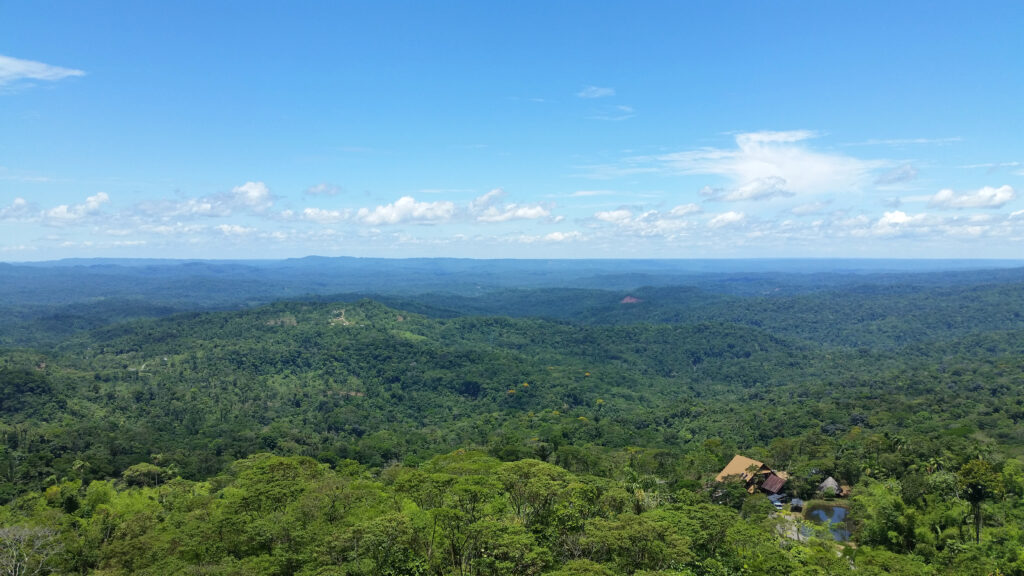
In Puyo, natural environmental conditions pose a far more frequent hazard to travellers than human crime. The town lies in a tropical rainforest climate, receiving more than 4,000 millimetres of rainfall annually.
Weather hazards and flash floods
Rainstorms in Pastaza can be intense, dumping massive volumes of water in minutes. Torrential downpours cause sudden flash flooding in local rivers such as the Río Puyo and Río Pastaza, alongside mudslides along the E30 highway.
If riding or trekking during heavy downpours, watch for falling rock debris near sheer rock cuts. Never attempt to wade across swollen streams or riverbanks during or immediately after a cloudburst.
Jungle navigation protocols
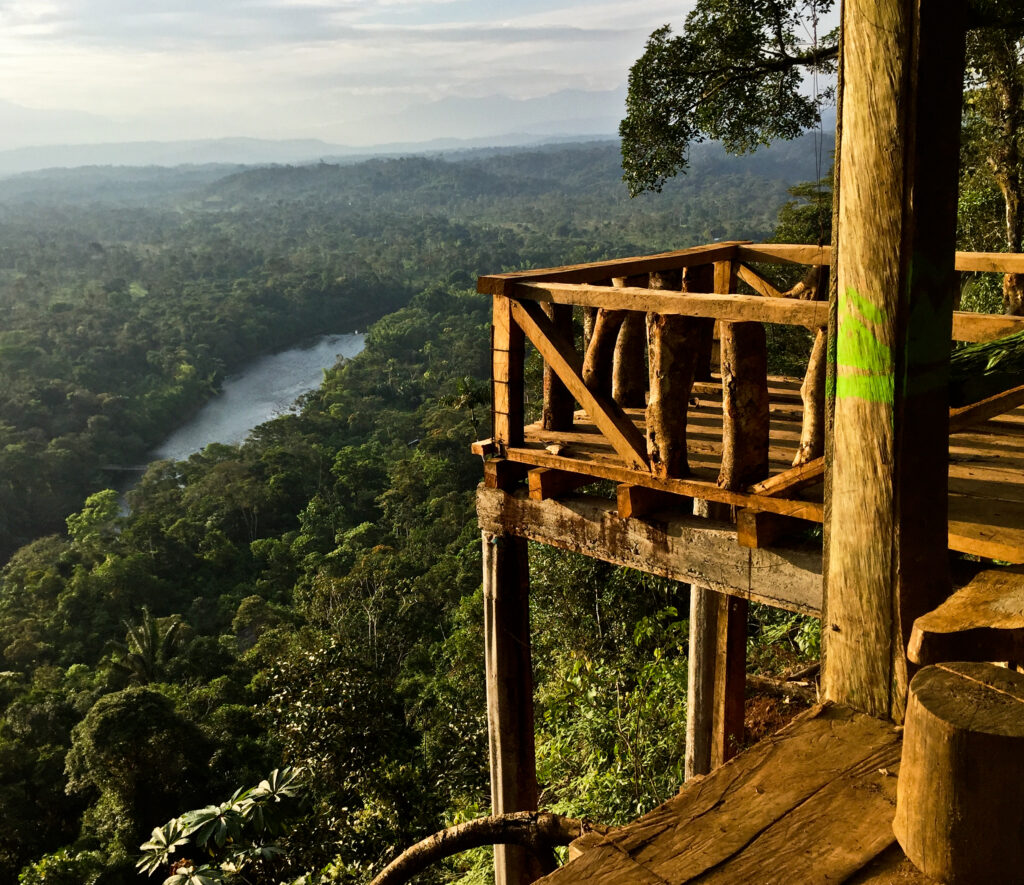
The lush green canopy surrounding Puyo looks inviting, but entering primary or secondary rainforest without preparation is dangerous.
- Never Trek Alone: Do not venture off established trails into dense jungle without an accredited local guide. The rainforest environment is disorienting; missing a trail marker can lead to total loss of direction within minutes
- Wildlife Precautions: While large predators such as jaguars avoid human presence, smaller hazards require vigilance. Watch where you place your hands on handrails or branches to avoid bullet ants, scorpions, and venomous pit vipers such as the Fer-de-lance (Bothrops atrox). Wear sturdy ankle-high hiking boots and long trousers
- Hydration and Water Safety: High humidity accelerates fluid loss. Tap water in Puyo is not potable for international visitors. Use a proven water filter, UV purifier, or stick strictly to bottled water to avoid gastrointestinal infections
Health and emergency readiness
Pastaza is a low-altitude tropical zone. Dengue fever is present in the region, transmitted by day-biting mosquitoes. Apply insect repellent containing DEET or Picaridin consistently, particularly during early morning and late afternoon hours. Consult a travel medicine clinic prior to departure regarding recommended vaccinations, including Yellow Fever and Hepatitis A.
In any urgent medical or security emergency, dial 911. Installing the official ECU 911 mobile application on your smartphone enables real-time GPS location tracking for emergency responders even if you cannot speak fluent Spanish.
The Ecuadorian Coast.
Where you’ll find the very best food
Embrace the jungle frontier with confidence
Read this far?
Dropping out of the cloud forest into the humid cradle of Pastaza is one of the most rewarding transitions in South American travel. Puyo is not a place to fear, but a dynamic frontier town that demands intention, preparation, and respect for both the landscape and its people. By maintaining steady situational awareness and choosing registered transport, you clear the way for authentic discovery.
Whether you are coasting into town along the dramatic waterfalls of the E30 highway or using Puyo as a launching pad for deeper Amazonian river expeditions, the key lies in self-reliance. Secure your equipment, respect local community boundaries, and listen closely to weather shifts before setting off into the trees.
Independent travel across Ecuador is as vital as ever. By supporting local guides, staying in family-run guesthouses, and moving thoughtfully through the Oriente, you contribute directly to the sustainable economy of the region while taking home unshakeable memories of the rainforest edge.
Pack your rain shell, double-check your bike lights, and step forward into Pastaza with your eyes wide open. Safe travels on the road to the Amazon.
Affiliate Disclaimer: Some of the links on Wheely Tyred are affiliate links. If you click through and make a booking or purchase, we may earn a small commission at no extra cost to you. We only recommend gear, tours, stays, and services we genuinely use, trust, and stand behind — our editorial independence always comes first. These commissions help keep our independent cycling guides and travel stories free to read. You can also buy me a coffee here — thanks for supporting the ride!
Frequently asked questions about Puyo travel safety
Yes, provided you ride defensively and prepare for heavy traffic and sudden weather shifts. The primary hazards on the E30 highway are narrow lanes, rain-slick asphalt, and unlit tunnels rather than violent crime. Always use high-output front and rear lights and complete the ride well before nightfall.
No, tap water throughout Puyo and Pastaza province is not potable for international visitors. Always use a high-quality water filter, UV purifier, or purchase bottled water to avoid gastrointestinal illness.
Avoid walking alone after dark in poorly lit areas or near the river parks. For late-night transit, ask your hotel or venue to call a registered taxi ejecutivo—distinguishable by yellow paint and official municipal licence decals—rather than hailing unvetted street cabs.
While Puyo is situated in the Amazonian foothills, medical guidelines recommend Yellow Fever and Hepatitis A vaccinations for anyone travelling into Pastaza and the broader Oriente region. Consult a travel clinic at least four weeks before your trip.
Indigenous nations in Pastaza exercise legal autonomy over their ancestral territories. You should never enter community lands, photograph residents, or fly drones without an accredited local guide and explicit permission from village elders.
The official ECU 911 smartphone app allows you to contact emergency services and transmits your exact GPS coordinates directly to responders, which is invaluable if you do not speak fluent Spanish or are unsure of your location.
Ecuador.
Pure wonder on the equator.