The best travel insurance for the Amazon, Ecuador / 2027 guide
Medical evacuation, jungle treks, and regional cover / Protect your trip to El Oriente
Navigation and remote reality in Ecuador’s eastern frontier
BEN FINCH
Ecuador’s eastern provinces—collectively termed El Oriente—remain among the most ecologically dense and logistically demanding destinations in South America. Spanning world-renowned biosphere reserves such as Yasuní National Park and the flooded forest networks of Cuyabeno Wildlife Reserve, this region offers independent travellers an unvarnished encounter with raw nature.
However, stepping off a long-distance bus or landing at regional hubs such as Puerto Francisco de Orellana (El Coca) or Lago Agrio immediately shifts the rules of travel safety.
When we published our 2026 Ecuadorian Amazon Travel Insurance Guide, we highlighted how urban-focused travel insurance routinely falls short in deep-jungle environments. As we navigate 2027, the underlying geographical realities remain unchanged, even as regional transport costs and medical evacuation logistics have evolved.
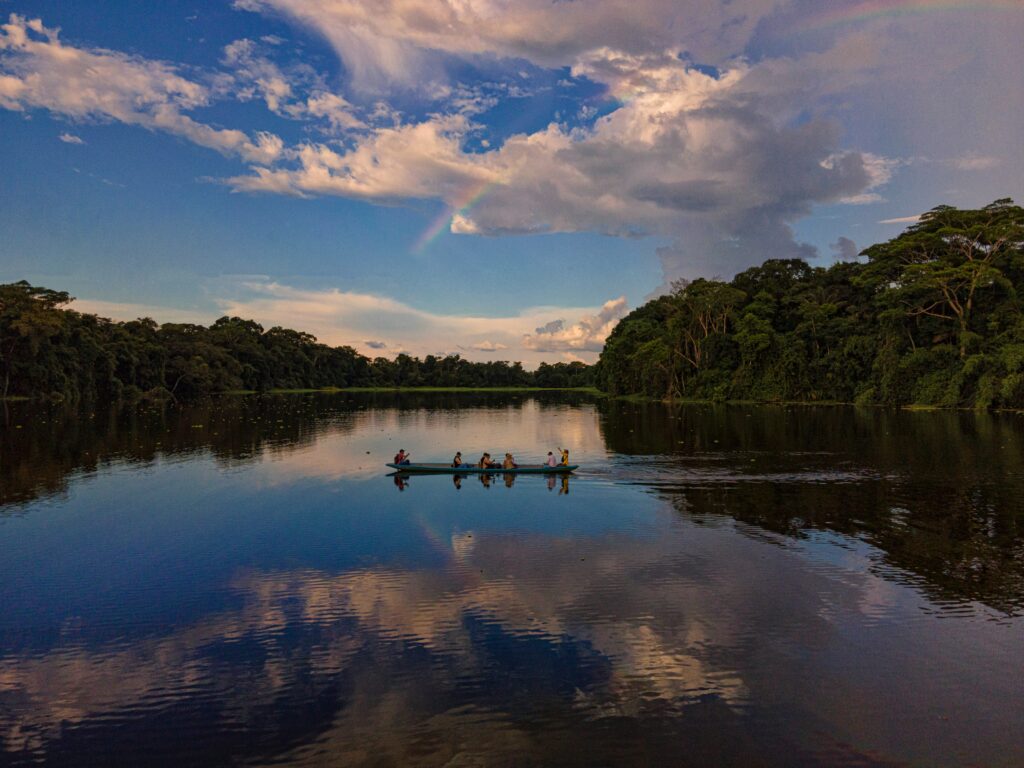
Navigating the oxbow lakes of the Río Napo or the river tributaries of the Río Aguarico in a motorised dugout canoe puts hours—and sometimes days—between a traveller and a modern trauma centre.
In 2027, standard leisure policies still routinely classify off-grid jungle walks, canopy access, and non-motorised river transits as excluded activities unless specific active sports riders are added.
Furthermore, rising aviation fuel prices over recent years have pushed the baseline cost of a private fixed-wing air ambulance transfer over the Andes into the $18,000–45,000 USD range.
Securing the best travel insurance for the Ecuadorian Amazon requires careful inspection of medical evacuation caps, adventure activity clauses, deductible structures, and hospital direct-billing capabilities.
High-limit international aggregators and specialised brokers such as VisitorsCoverage and Insubuy provide the essential flexibility required to customise policies for deep rainforest travel. This guide breaks down everything you need to know to safeguard your health and finances in El Oriente this year.
Essential jungle logistics / Key takeaways for El Oriente
Navigating the river networks of the Ecuadorian Amazon demands far more than standard travel cover and a sturdy pair of boots. From multi-leg river extractions to policy fine print, these core facts will keep your health—and finances—intact.
- Yasuní and Cuyabeno isolation: Remote eco-lodges along the Río Napo and Río Aguarico lie hours from road networks, making rapid hospital access entirely dependent on motorised canoe transit
- Medevac priority: High-limit emergency medical evacuation ($100,000–500,000+ USD) is non-negotiable to cover private fixed-wing air ambulance transfers from El Coca or Lago Agrio over the Andes to Quito
- Zero-deductible advantage: Selecting a policy without deductibles or coinsurance clauses avoids paying steep out-of-pocket fees before regional clinics or hospitals begin treatment
- Active leisure inclusions: Standard urban policies routinely exclude off-trail jungle trekking, night walks, and river canoeing unless active leisure or extreme sports options are enabled
- Marketplace comparison: Dedicated comparison platforms such as VisitorsCoverage and Insubuy offer instant digital policy delivery, high evacuation caps, and permit purchases even after you have arrived in Ecuador
- Document preparation: Storing offline digital PDFs and carrying printed copies gives lodge managers the precise details required to initiate an emergency extraction
The Ecuadorian Amazon.
The most biodiverse place in the world
Why El Oriente demands specialised insurance coverage in 2027

To evaluate why off-the-shelf policies collapse in the Amazon, one must look closely at the geographical and medical realities of Ecuador’s eastern basin.
Accounting for nearly half of the nation’s landmass, El Oriente holds a tiny fraction of its medical infrastructure. Advanced surgical suites, intensive care units, and specialist tropical medicine teams are concentrated almost entirely in high-altitude urban centres such as Quito or coastal hubs like Guayaquil.
Primary rainforest medical threats in 2027
- Venomous Snakebites: e.g. Bothrops atrox / Fer-de-lance
- Mosquito-Borne Viruses: Dengue fever, Chikungunya, Oropouche virus
- Waterborne Pathogens: Amoebic dysentery, Giardiasis, acute gastroenteritis
- Physical Trail Trauma: Lacerations, compound fractures, dislocated joints
- Environmental Stress: Heat exhaustion, severe dehydration, fungal infections
Geographical isolation and evacuation logistics
When an acute medical event occurs in Yasuní National Park or the Cuyabeno Wildlife Reserve, accessing care is a multi-stage physical ordeal. Eco-lodges, scientific research stations, and indigenous homestays are generally reachable only via water highways.
A typical extraction chain from deep inside Yasuní follows a rigid logistical sequence:
- Initial On-Site First Aid: Basic stabilisation performed by lodge staff or indigenous guides using local medical kits
- Motorised River Transport: A two- to six-hour journey upstream against strong currents in an open motorised canoe along the Río Napo, Río Aguarico, or Río Cuyabeno
- Overland Transfer: Transport via local vehicle or rural ambulance along unpaved oil-extraction tracks to primary clinics in El Coca, Lago Agrio, or Tena
- Fixed-Wing Air Evacuation: Because commercial airlines operating out of regional airstrips frequently decline bedridden or acute medical cases, critical conditions require a private air ambulance flight across the Eastern Cordillera of the Andes to Quito
Without a policy offering high-limit emergency medical evacuation, travellers face immediate demands for upfront payment before a private air charter will initiate flight clearance from Quito.
Specific health hazards and rainforest risks
The Amazonian biosphere presents health hazards distinct from the high-altitude Andean páramo or the Galápagos Islands:
- Venomous Fauna: Envenomation from the Bothrops atrox (fer-de-lance) or venomous invertebrates requires rapid antivenom administration. While primary health centres in El Coca and Lago Agrio maintain antivenom stocks, severe systemic toxicity demands intensive care monitoring in Quito
- Mosquito and Insect-Borne Diseases: Dengue fever outbreaks, chikungunya, and emerging regional pathogens such as Oropouche virus present real risks throughout tropical South America. Severe dengue haemorrhagic fever requires urgent inpatient fluid management
- Bacterial and Waterborne Pathogens: Accidental ingestion of untreated river water during kayaking or consumption of unsterilised food can trigger acute bacterial dysentery or severe giardiasis, leading to debilitating dehydration
- Physical Trail Injury: Wet clay, exposed root networks, wooden canopy walkways, and muddy riverbanks make limb fractures, dislocated ankles, and deep soft-tissue cuts common hazards on jungle treks
Non-negotiable policy features for Amazonian expeditions
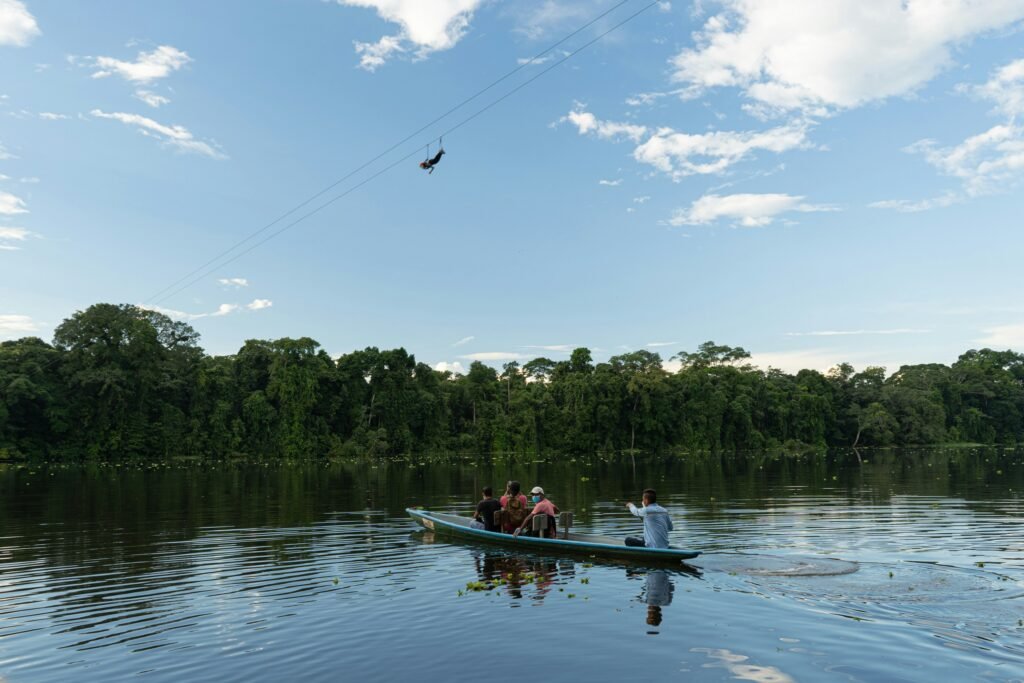
Before purchasing travel cover for an Amazonian itinerary in 2027, review the exact policy wording to confirm that these non-negotiable protections are present.
2027 policy criteria checklist
- Emergency Medical Evacuation Limit: Minimum $100,000–500,000+ USD
- Direct Billing / Hospital Guarantees for Private Facilities
- Unrestricted Active Leisure & Trekking: Up to 3,000m / Off-Trail)
- Zero or Low Deductibles: Avoid 25%+ co-insurance clauses
- Trip Interruption & Remote Transport Delay Coverage
- High-Humidity & River-Transit Baggage Protection
1. High-limit emergency medical evacuation / Medevac
Emergency medical evacuation is the cornerstone of any rainforest insurance policy. This benefit funds transport from a remote lodge or clinic to the nearest equipped tertiary hospital, as well as international repatriation to your home country if medically necessary.
For the Ecuadorian Amazon, seek a policy offering a minimum of $100,000 USD in medevac cover, though a limit of $500,000 USD or higher provides far stronger financial protection against multi-leg air charter extractions.
2. Direct hospital billing and emergency payment guarantees
Private hospital networks in Quito (such as Hospital Metropolitano or Clínica Novaclínica) provide excellent clinical care, but they require direct financial guarantees before admitting non-resident patients for major procedures.
Ensure your insurer or brokerage platform maintains an active 24/7 assistance centre capable of issuing formal payment guarantees directly to hospital billing teams.
3. Coverage for active leisure and jungle activities
Standard policies frequently classify rainforest hiking, night walks, piranha fishing, kayaking, and canopy walks as high-risk or extreme activities, excluding them from base plans. Verify that your chosen policy explicitly covers:
- Off-trail rainforest trekking and night walks guided by local naturalists
- Non-motorised river activities, including canoeing, packrafting, and kayaking on rivers rated up to Class III
- Excursions involving native wildlife observation and canopy tower climbs
4. Zero or low deductibles
A deductible (or excess) is the out-of-pocket amount you must pay before insurance cover begins. In remote regions, settling a $250 or $500 deductible before receiving care causes unnecessary friction.
Avoid policies with percentage-based co-insurance (e.g., where the policyholder pays 25 per cent of all medical expenses). Opt for policies with a $0 deductible option or a low fixed fee.
5. Trip interruption and transport delay cover
Reaching Amazonian lodges requires tight connections between domestic flights, land transfers, and scheduled boat departures. Severe tropical rainstorms can ground regional flights or cause river surges that make canoe transit impossible.
Trip interruption cover reimburses non-refundable lodge bookings and emergency hotel stays caused by severe weather or river blockages.
The Galápagos.
Ecuador’s Enchanted Isles
Core marketplace solutions / VisitorsCoverage and Insubuy
For travellers embarking on expeditions to El Oriente in 2027, market platforms such as VisitorsCoverage and Insubuy offer specialised, customisable international coverage built for expedition conditions. These platforms allow independent travellers to compare policy terms, add hazard riders, and lock in direct billing guarantees online within minutes.
VisitorsCoverage / Global marketplace & flexible adventure riders
VisitorsCoverage is a premier international insurance aggregator, enabling independent travellers to compare plans across top global underwriters (including WorldTrips, Seven Corners, and IMG) through a single interface.
Key features for Amazon travel
- Side-by-Side Policy Comparison: Filter policies specifically for elevated medical caps ($250,000 to $2,000,000 USD) and high evacuation limits
- Adventure & Hazardous Sports Riders: Easily select add-on riders during checkout to ensure off-trail trekking, canopy walks, and canoeing are fully covered
- Instant Digital Delivery: Policy documents are issued digitally in minutes, supplying the proof of insurance mandated by eco-lodges and tour operators in Cuyabeno and El Coca
- On-the-Road Purchase Capability: Permits policy purchases while travelling or en route in Quito, removing restrictive home-country departure requirements
Recommended plans with VisitorsCoverage
- Safe Travels Explorer / Outbound: Comprehensive plans providing high medevac limits ($500,000 USD+), trip delay protection, and customizable sports options
- Atlas International: Flexible medical coverage featuring low deductible options and 24/7 multilingual medical assistance
Insubuy / high-limit specialist broker & claims advocacy
Insubuy is a specialised international insurance broker known for its focus on high-limit travel medical plans, clear policy breakdowns, and dedicated client support during claims.
Key features for Amazon travel
- Elevated Evacuation Limits: Focuses on plans delivering robust air ambulance and international repatriation benefits, essential for multi-leg extractions from El Oriente
- Transparent Exclusions Analysis: Clear side-by-side breakdowns highlight altitude limits, activity exclusions, and deductible structures prior to purchase
- Direct Claims Advocacy: Insubuy acts as an independent liaison between policyholders, emergency assistance teams, and hospital billing units to streamline payment guarantees
- Zero-Deductible Customisation: Most plans available on Insubuy allow policyholders to choose a $0 deductible, preventing out-of-pocket delays at regional clinics
Recommended plans with Insubuy
- Patriot International Lite / Plus: Underwritten by IMG, these plans offer up to $2,000,000 USD in total medical coverage, high emergency medevac provisions, and optional Adventure Sports Riders for rainforest trekking and canoeing
- Diplomat America / International: Exceptional high-limit plans featuring zero-deductible options and direct payment arrangements with major private hospitals across South America
Compare alternative travel insurance options for 2027
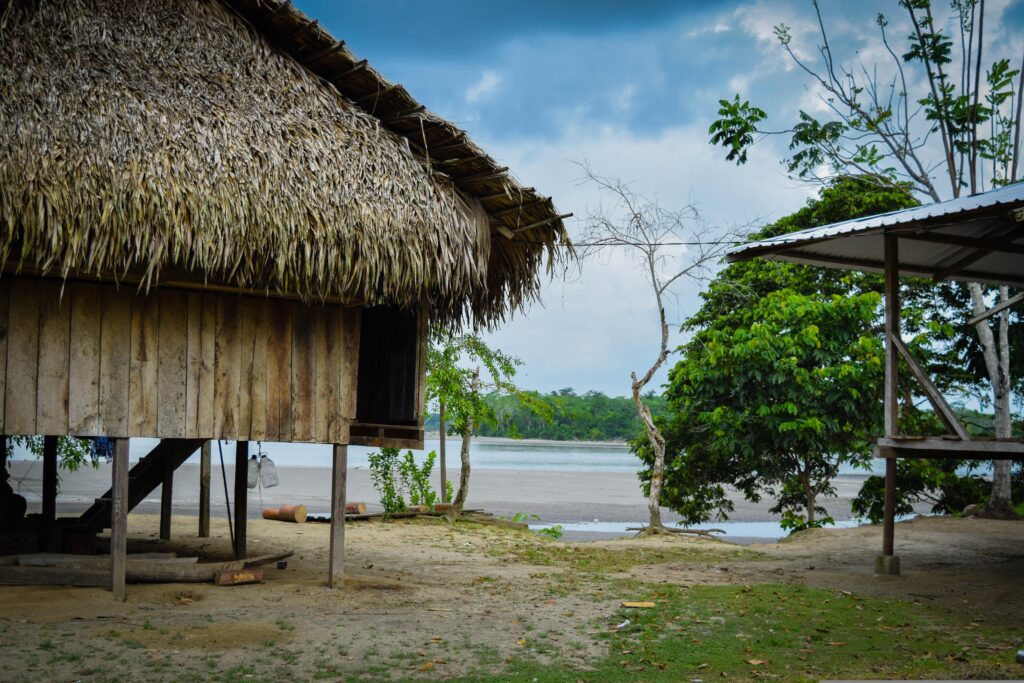
While specialised comparison platforms such as VisitorsCoverage and Insubuy offer the highest degree of policy customisation for remote travel, other established direct providers cater to international travellers.
World Nomads / Standard vs. Explorer Plans
World Nomads remains a long-standing favourite among adventure travel enthusiasts and backpackers.
- Pros: The Explorer Plan provides extensive protection for over 150 extreme activities, including white-water rafting, off-trail jungle trekking, and high-altitude mountain hiking. Evacuation limits are high, often reaching $300,000 USD or higher
- Cons: Daily rates are significantly higher than competitors ($6.00 to $10.00 USD per day). Policies include fixed deductibles ($100 USD per claim) and strict documentation requirements for claims
- Best For: Travellers undertaking high-risk multi-sport expeditions across Ecuador (e.g., mountaineering Cotopaxi combined with deep Amazon kayaking)
SafetyWing / Nomad Insurance
SafetyWing is tailored for digital nomads, long-term travellers, and remote workers seeking flexible, subscription-style coverage.
- Pros: Highly economical, with prices starting around $1.50 to $2.50 USD per day. Functions on a continuous 28-day subscription model that can be managed on the go
- Cons: SafetyWing’s default emergency medical evacuation cap remains at $100,000 USD, which can prove tight for complex air ambulance extractions from deep inside Yasuní. Base plans carry a $250 USD default deductible and require paid add-ons for adventure sports
- Best For: Digital nomads basing themselves long-term in gateway towns such as Tena or Puyo while taking occasional day excursions
Heymondo
Heymondo is a popular digital provider known for its intuitive mobile app and flexible policy customisation.
- Pros: The Heymondo app enables policyholders to make free medical calls over Wi-Fi / data, consult doctors via 24/7 chat, and lodge claims directly. Top-tier plans offer medical caps up to $500,000 USD with zero-deductible options
- Cons: Daily pricing sits in the mid-to-high bracket ($3.50 to $6.00 USD per day). Full app functionality requires an internet connection, which is absent in deep rainforest reserves unless your lodge offers satellite Wi-Fi
- Best For: Travellers who value app-managed care and plan to stay at established eco-lodges equipped with Wi-Fi access
The Ecuadorian Amazon.
The most biodiverse place in the world
Provider comparison / 2027 pricing and coverage
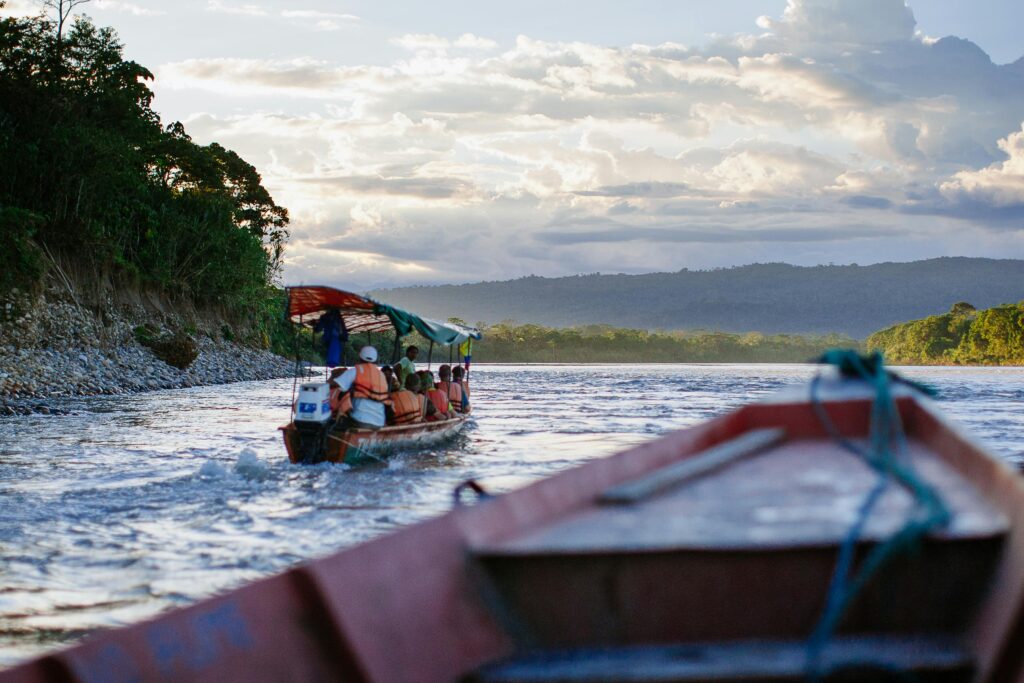
Evaluating options side by side allows travellers to weigh policy limits against daily premium costs for a 14-day itinerary in Ecuador.
| Insurance Provider / Platform | Average Daily Cost | Medical Expense Limit | Emergency Evacuation Limit | Deductible / Excess Options | Jungle Trekking & Water Sports | Instant Purchase While Abroad |
| VisitorsCoverage (Safe Travels / Atlas) | $2.00–4.50 USD | $250,000–2,000,000 USD | $500,000 USD+ | $0 to $500 options | Covered (via Adventure Rider) | Yes |
| Insubuy (Patriot / Diplomat) | $2.00–4.50 USD | $500,000–2,000,000 USD | $500,000 USD+ | 0% Deductible available | Covered (via Hazardous Rider) | Yes |
| World Nomads (Explorer) | $6.00–10.00 USD | $100,000 USD+ | Up to $300,000 USD | $100 USD fixed | Covered (150+ activities) | Yes (3-day waiting period) |
| SafetyWing (Nomad) | $1.50–2.50 USD | $250,000 USD | $100,000 USD limit | $250 USD default | Requires paid add-on tier | Yes |
| Heymondo (Top Tier) | $3.50–6.00 USD | Up to $500,000 USD | Included (Full evacuation) | 0% Deductible available | Covered | Yes |
Real-world emergency scenario / An Amazon extraction
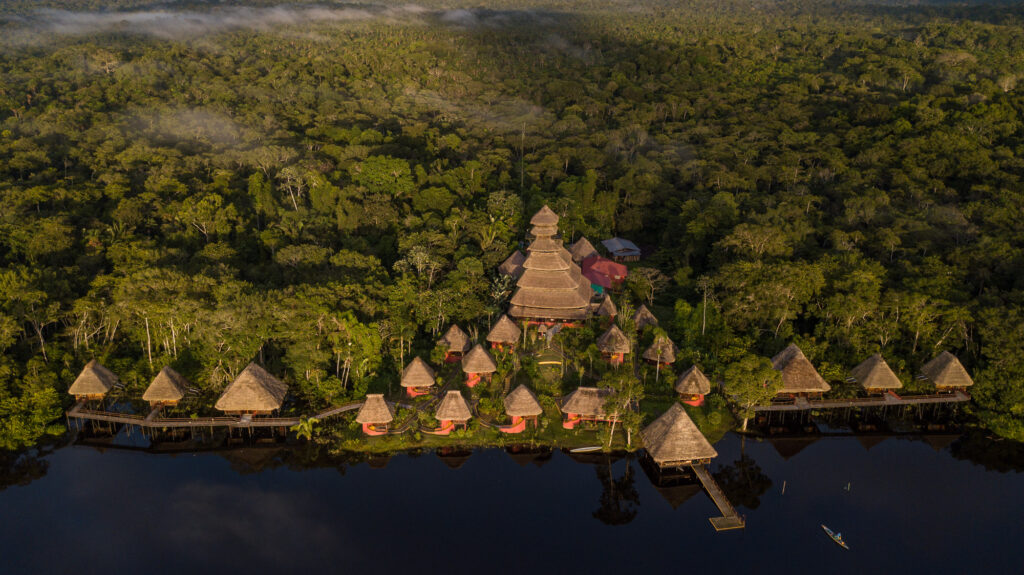
To understand how travel insurance functions during a rainforest emergency, consider this realistic step-by-step extraction scenario in Yasuní National Park:
Step-by-step rainforest extraction timeline
- Hour 00:00: Incident: Trekker sustains a deep cut or fracture on remote trail
- Hour 01:15: Staff contact insurer’s 24/7 hotline via lodge satellite phone
- Hour 02:30: Patient placed in motorised canoe; 3.5-hour river journey begins
- Hour 06:00: Arrival at El Coca port; ambulance transfer to regional clinic
- Hour 07:30: Clinic stabilises patient; insurer approves air ambulance
- Hour 09:30: Private air ambulance departs El Coca airport for Quito
- Hour 10:45: Landing in Quito; immediate transfer to Hospital Metropolitano
- Hour 11:30: Insurer issues direct payment guarantee; surgical care begins
Hour 00:00 / Incident on the trail
While navigating a muddy root network near the Tiputini River, a trekker slips, sustaining a severe laceration and a suspected closed fracture to the lower leg. The local guide administers first aid and assists the trekker back to the lodge.
Hour 01:15 / Initiating contact with assistance
The lodge manager uses a satellite telephone to dial the 24/7 emergency hotline associated with the traveller’s policy (purchased via VisitorsCoverage or Insubuy). The assistance operator logs the policy details, confirms coverage, and opens an active case file while the lodge prepares a covered motorised canoe.
Hour 02:30 to 06:00 / River extraction
The patient is secured in the canoe for a three-and-a-half-hour upstream journey along the Río Napo toward El Coca. The assistance team maintains contact with river staff to coordinate ground transport upon arrival at the port.
Hour 07:30 to 11:30 / Clinic stabilisation, air medevac, and Quito hospital admission
At El Coca, an ambulance transfers the patient to a primary health centre for pain relief and diagnostic X-rays. Recognising that specialised orthopaedic surgery is required, the clinic requests an air evacuation.
The insurer approves a private fixed-wing air ambulance flight from El Coca to Quito. Upon arrival at Aeropuerto Internacional Mariscal Sucre, an ambulance transfers the patient to Hospital Metropolitano. Because the policy includes high medevac limits and direct billing guarantees, the insurer settles the $32,000 USD extraction and hospital bill directly, leaving the trekker with $0 in out-of-pocket medical costs.
The Ecuadorian Coast.
Where you’ll find the very best food
Essential pre-departure checklist for 2027
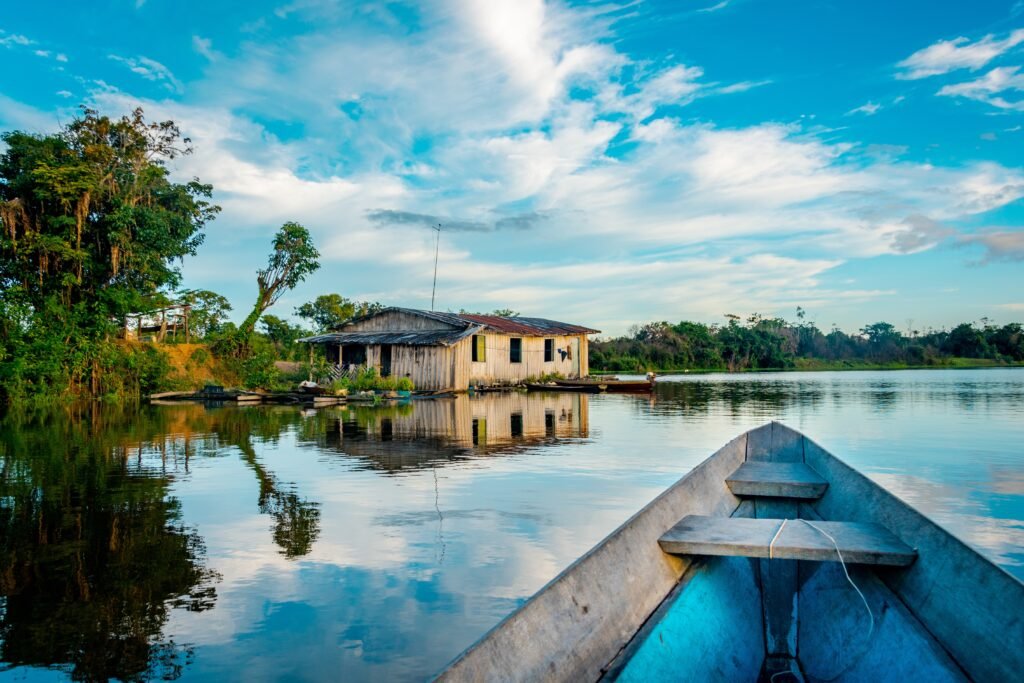
Before heading into El Oriente, complete these administrative steps to ensure your insurance coverage functions smoothly in the field:
- Purchase a policy BEFORE entering remote zones without internet access
- Save offline PDF copies of your insurance policy certificate to your phone
- Print physical copies of your policy for your daypack and lodge manager
- Store 24/7 emergency hotline numbers in your phone’s address book
- Provide policy details to your tour operator or lead river guide
- Confirm routine and Yellow Fever immunisation records are packed
1. Secure coverage prior to entering off-grid zones
Mobile signal cuts out rapidly once you travel past towns such as El Coca, Lago Agrio, or Tena. Always purchase your policy and verify email confirmation while still in urban centres with stable Wi-Fi.
2. Maintain physical and offline digital documentation
Do not rely on cloud access in the rainforest. Save PDF policy documents directly to your device’s offline memory and print physical copies: keep one in a dry bag and give one to your lodge manager upon arrival.
3. Disclose medical history accurately
Fully declare all pre-existing medical conditions during the application process. Concealing prior conditions can invalidate claims if complications arise while travelling in remote regions.
Secure your passage into the rainforest
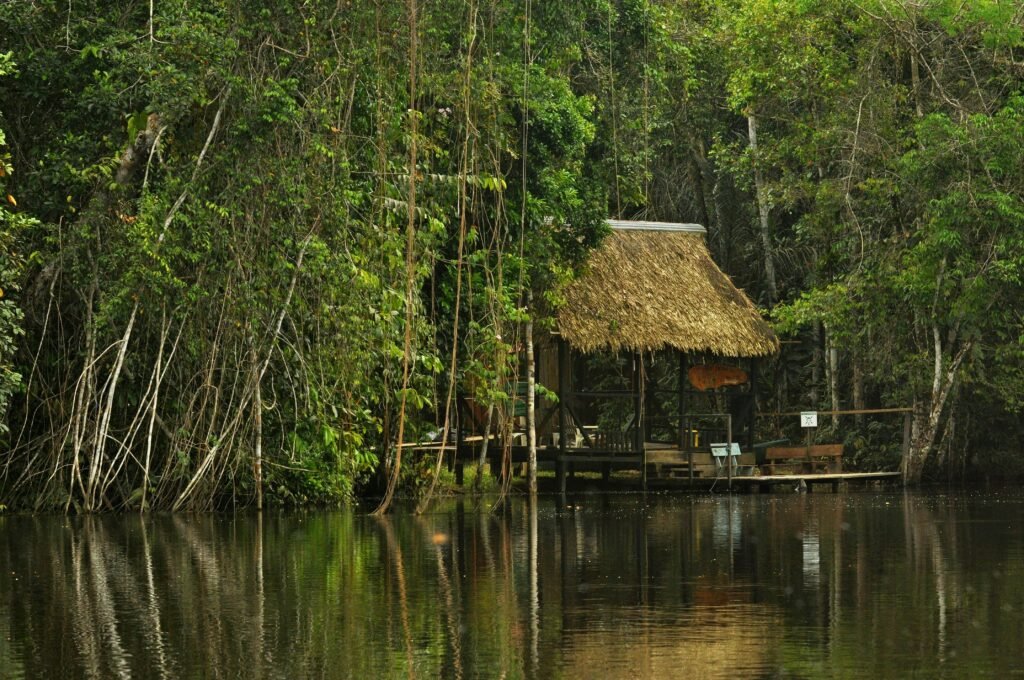
Read this far?
Heading into the Amazon basin is one of South America’s most rewarding journeys, whether you are arriving in El Coca via a long-distance night bus from Quito or tracking wildlife along the oxbow lakes of the Río Napo.
True independence on the road comes from thorough preparation rather than recklessness. Respecting the sheer scale and isolation of El Oriente means establishing a proper safety net before you lose mobile signal and step aboard a motorised dugout canoe.
A sudden tropical fever, an awkward slip on a muddy root trail, or river surges caused by equatorial rainstorms can challenge even the most experienced travellers. Having a well-structured policy backing you up through VisitorsCoverage or Insubuy means you can focus on the forest canopy, the wildlife, and the rhythm of the river without quietly worrying about the astronomical logistics of a medical extraction.
Pack your dry bags, double-check your immunisation records, save your policy details offline, and step into the rainforest with complete peace of mind. The wild, untamed contours of Yasuní and Cuyabeno are waiting.
Affiliate Disclaimer: Some of the links on Wheely Tyred are affiliate links. If you click through and make a booking or purchase, we may earn a small commission at no extra cost to you. We only recommend gear, tours, stays, and services we genuinely use, trust, and stand behind — our editorial independence always comes first. These commissions help keep our independent cycling guides and travel stories free to read. You can also buy me a coffee here — thanks for supporting the ride!
Frequently asked questions about the best travel insurance for the Ecuadorian Amazon
Yes. Standard travel insurance policies typically cap medical evacuation or exclude river-based transport and off-grid trekking altogether. Because deep-jungle lodges are located hours from paved roads, any medical emergency requires motorised canoes and fixed-wing air ambulances that basic city policies will not cover.
Lodge staff will first stabilise you and arrange a motorised dugout canoe transfer upstream along rivers such as the Río Napo or Río Aguarico. From river ports such as El Coca or Lago Agrio, a fixed-wing air ambulance coordinates with your insurer’s 24/7 assistance team to fly you over the Andes to advanced trauma facilities in Quito.
Marketplaces such as VisitorsCoverage and specialised brokers like Insubuy are ideal. They allow you to filter plans specifically for high medical evacuation limits ($500,000+ USD), zero-deductible options, and hazardous sports riders that cover off-trail rainforest hiking and non-motorised river transits.
Yes. Many plans available through VisitorsCoverage and Insubuy permit on-the-road purchases, issuing policy documents instantly to your email so you can secure coverage while preparing in Quito or gateway towns such as Tena.
While entry rules vary, a Yellow Fever vaccination is strongly recommended for El Oriente, and proof of vaccination may be requested by transport operators or regional health authorities. It is also wise to ensure routine tetanus, hepatitis A, and typhoid immunisations are up to date.
Severe rainstorms frequently ground small aircraft in El Coca or cause river levels to surge, preventing boat transfers to lodges. Comprehensive policies with trip interruption and travel delay benefits will reimburse non-refundable lodge bookings and emergency accommodation expenses caused by weather disruptions.
Ecuador.
Pure wonder on the equator.