
Traverse the ancient paths of Ingapirca / Ecuador’s best multi-day expeditions
Ingapirca multi-day tours & overland journeys
Slow travel across southern Ecuador’s sacred highlands & Cañari heritage

BEN FINCH
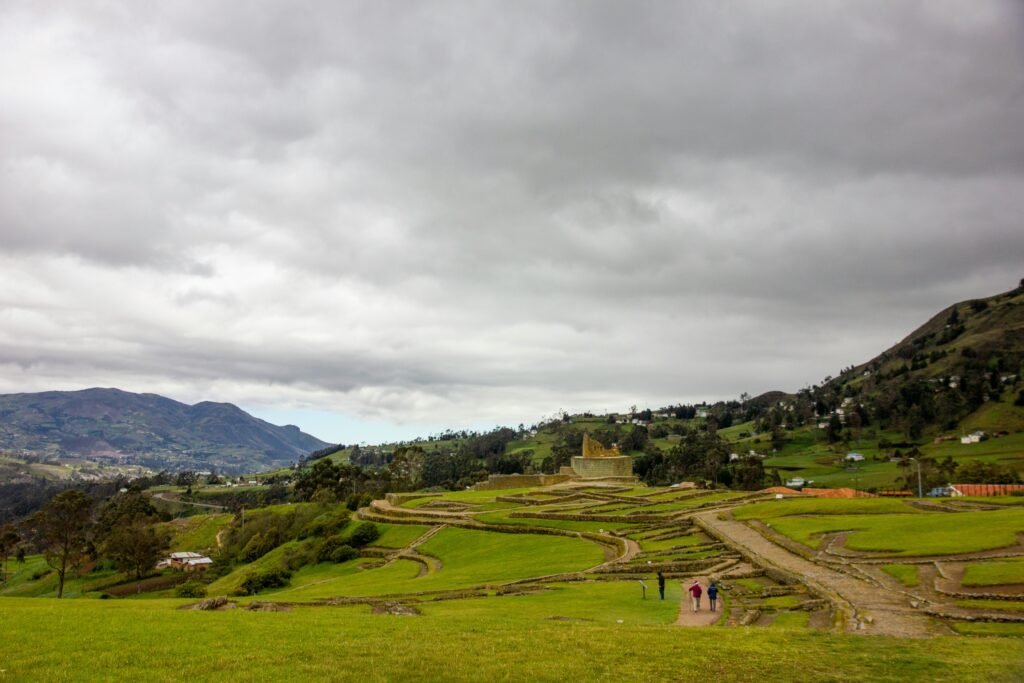
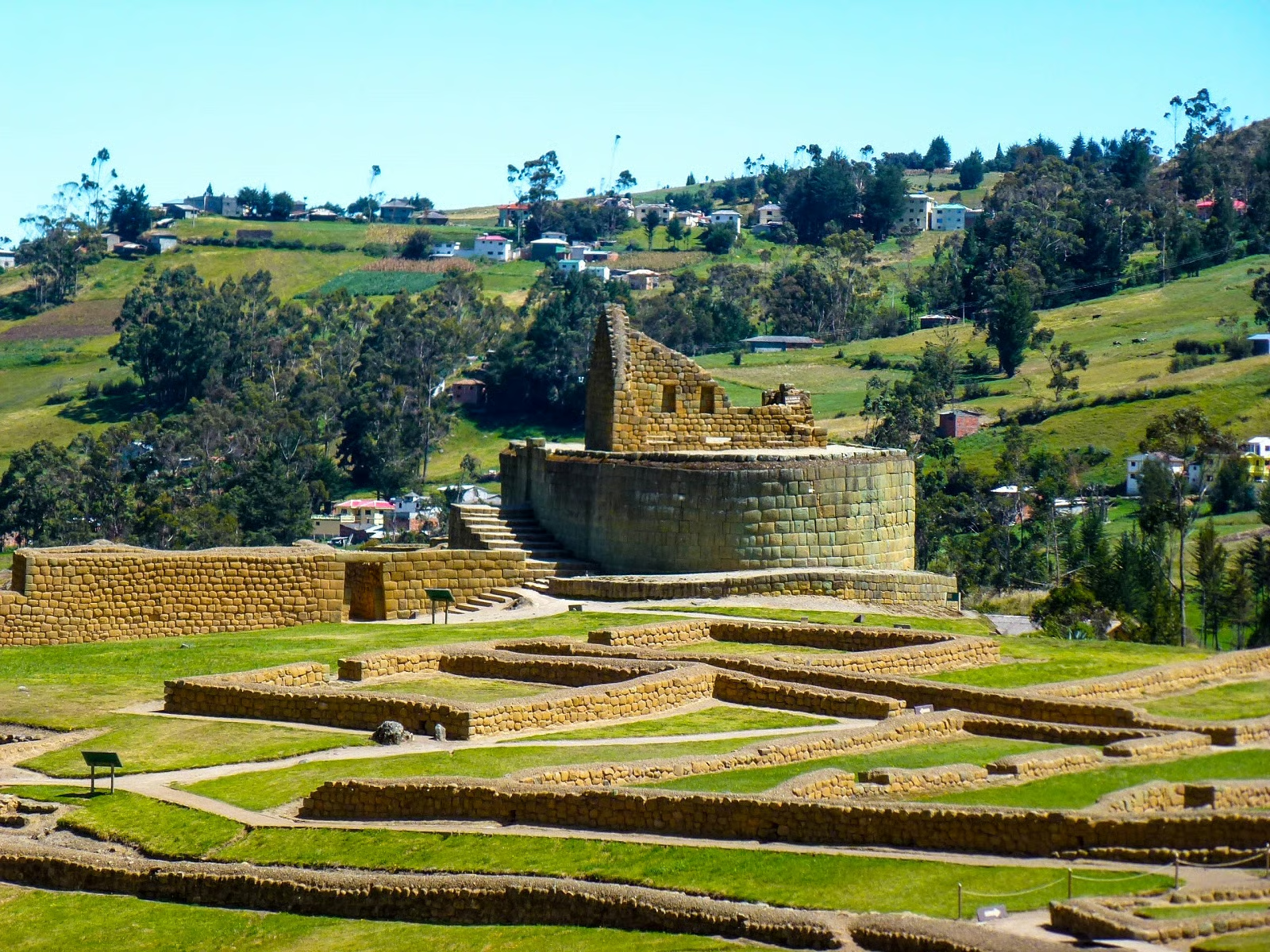
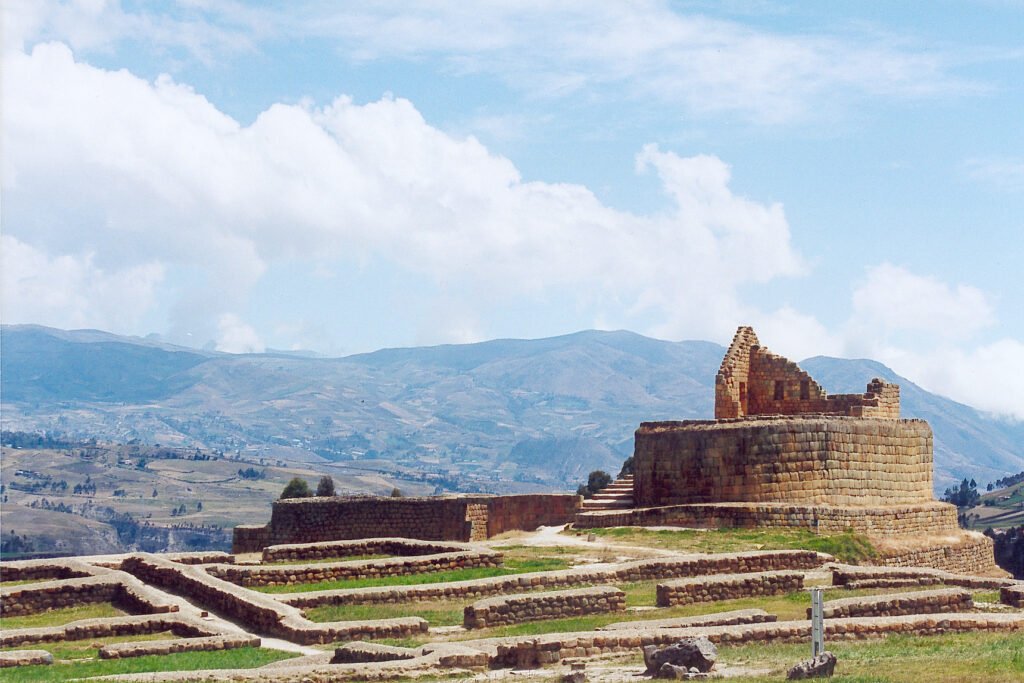
Perched high in the windswept Cañar province of southern Ecuador, the sun-drenched stone ramparts of Ingapirca stand as a testament to complex pre-Columbian history.
Unlike the solitary Incan strongholds found elsewhere in the Andes, Ingapirca represents a unique fusion of two distinct cultures: the indigenous Cañari, who revered the moon, and the invading Incas, who worshipped the sun.
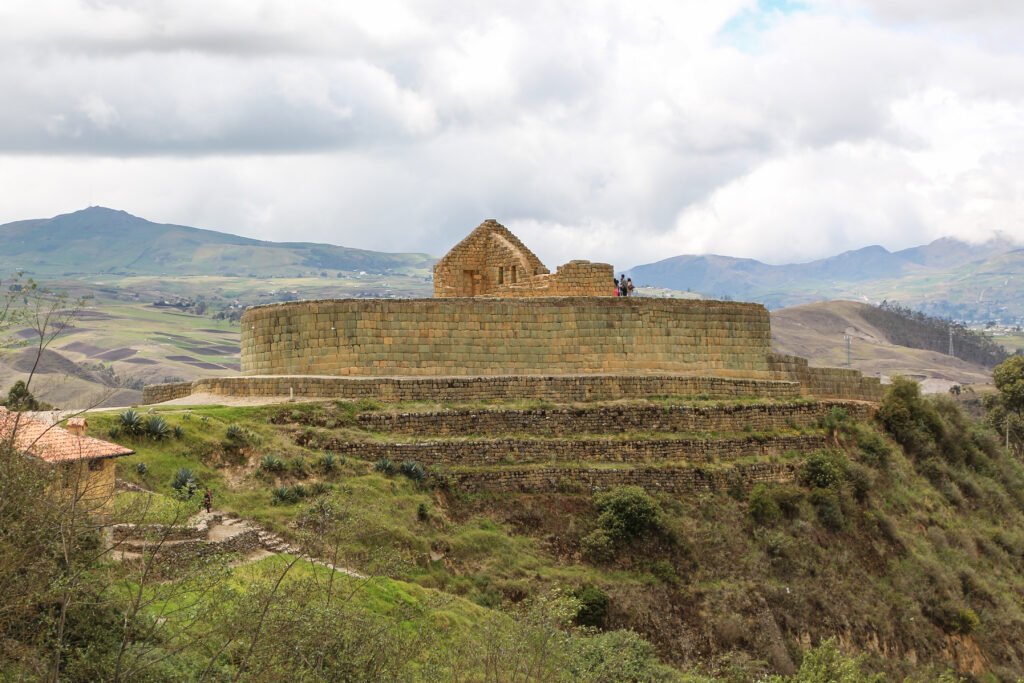
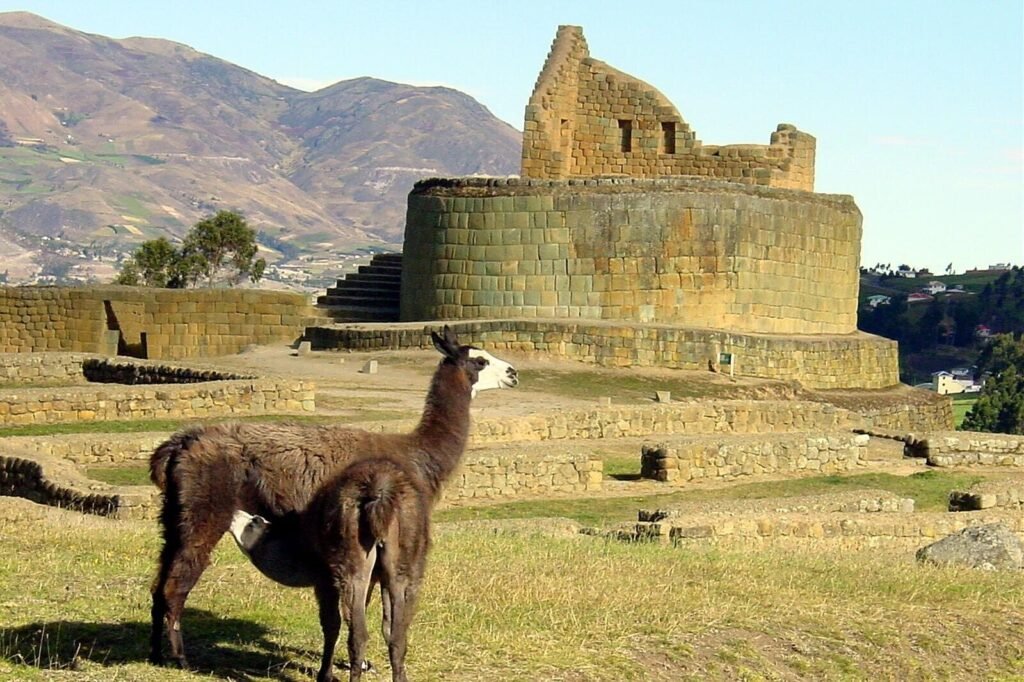
At its heart rises the Temple of the Sun—an extraordinary elliptical fortress crafted with fine, mortarless stonework that aligns precisely with the solstices.
While it is technically possible to squeeze a visit to Ingapirca into a rushed day-trip from Cuenca or an exhausting transit stop from Quito, doing so strips this ancient site of its profound context. To rush through the southern Andes is to miss the subtle shifts in topography, the high-altitude páramo grasslands, the artisan weaving villages, and the deep-rooted indigenous traditions that define the region.
At Wheely Tyred, we firmly advocate for slow, immersive, overland travel. Booking a structured multi-day expedition across southern Ecuador resolves the complex logistics of mountain transit while unlocking remote Andean landscapes.
Instead of spending hours coordinating regional buses or navigating hairpin mountain roads, a multi-day journey lets you absorb the cadence of high-altitude life, connect meaningfully with local guides, and experience Ingapirca at an intentional pace.
Multi-day trips to Ingapirca highlights
An extraordinary overland journey through the high Andes connects ancient civilisations, dramatic volcanic landscapes, and rich indigenous heritage. Here are the core experiences and essential insights that define an expedition to Ingapirca and southern Ecuador:
- Ingapirca Archaeological Complex: Explore Ecuador’s most significant pre-Columbian ruins, featuring the iconic elliptical Temple of the Sun where Incan stonework meets ancient Cañari lunar architecture
- Cajas National Park: Hike through misty, high-altitude páramo grasslands, ancient Polylepis paperbark forests, and glacial lagoon networks sitting nearly 4,000 metres above sea level
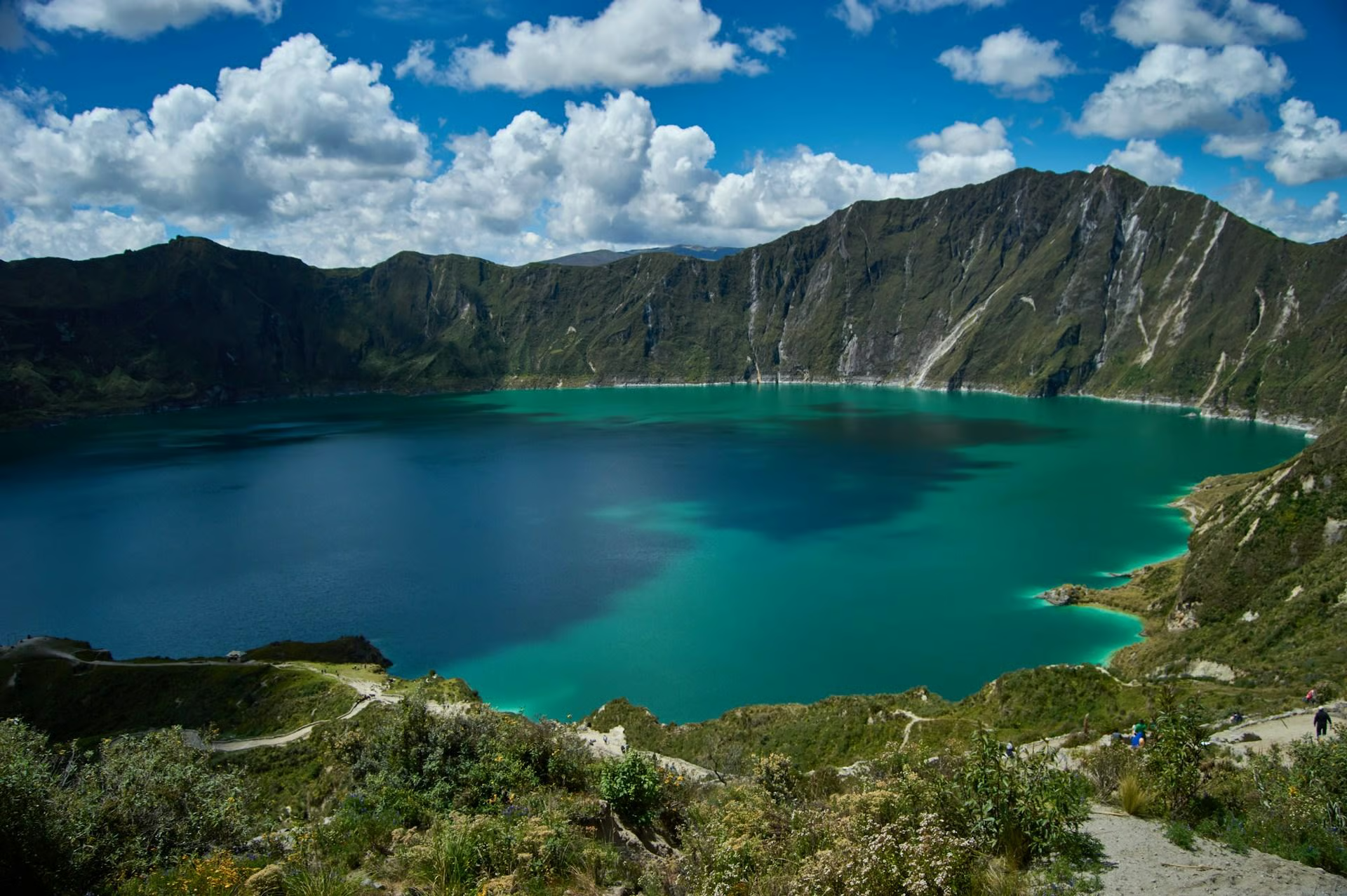
- The Avenue of the Volcanoes: Traverse the spine of the Andes along the legendary Pan-American Highway, taking in views of Cotopaxi, Quilotoa Crater Lake, and Mount Chimborazo
- Artisanal Heritage: Experience living cultural traditions firsthand, from Toquilla straw hat weaving in Cuenca to intricate Ikat textile design and silver filigree in Gualaceo and Chordeleg
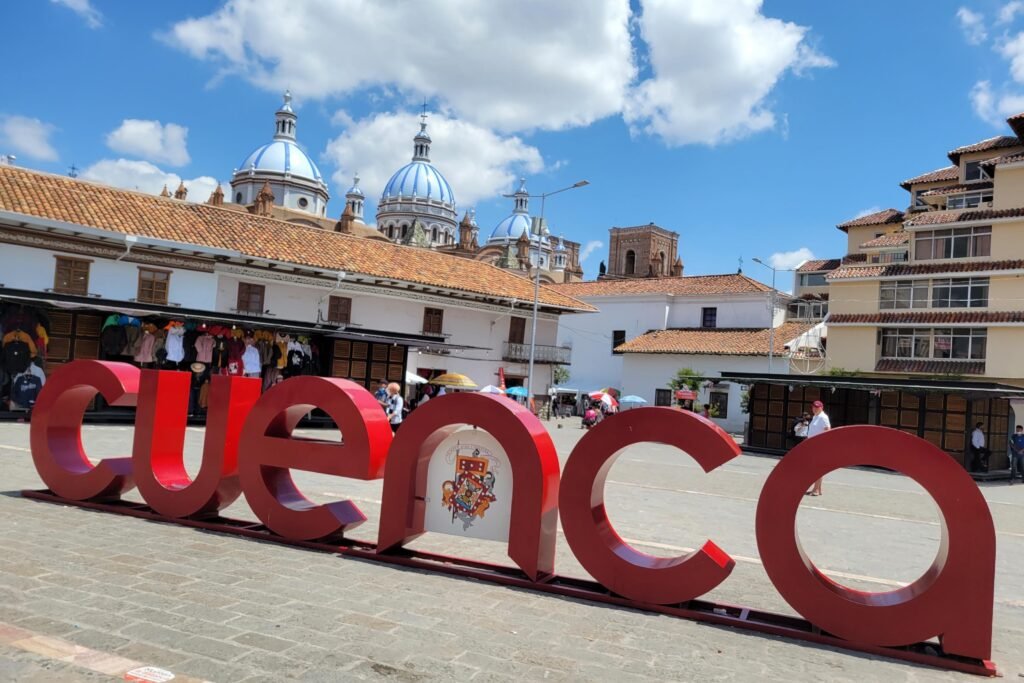
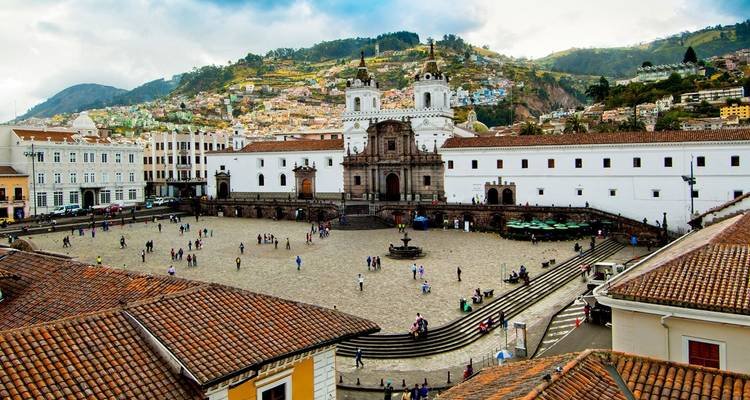
- Cuenca’s Colonial Core: Wander the cobblestone streets, flower markets, and riverside promenades of southern Ecuador’s UNESCO-listed cultural capital
- Smart High-Altitude Logistics: Acclimatise properly in Quito or Cuenca, pack versatile layers for sudden mountain weather shifts, and keep small US dollar bills handy for remote village markets
Ingapirca.
Where Cañari history meets the grandeur of the Inca
Explore the cultural heartland
Rating & reviews
(1+ verified reviews)
Why this tour stands out
For travellers based in Cuenca who want to break away from the city without feeling rushed, this focused 2-day regional circuit offers an ideal balance of archaeological depth and high-altitude nature. Day one takes you along the northern Pan-American Highway to the stone complex of Ingapirca. Accompanied by a specialist guide, you will trace the ancient Cañari terracing, explore the Incan stone pathways, and visit the on-site museum.
The journey then moves into the craft villages of the southern valleys, stopping at Gualaceo and Chordeleg to learn about traditional Ikat textile weaving and delicate silver filigree jewellery making. Day two shifts entirely to the wilderness of Cajas National Park, offering a guided hike through Polylepis (paperbark) forests and high-altitude lagoons. The small-group setup ensures minimal impact on the fragile páramo ecosystem while supporting local artisan workshops directly.
Key highlights
- Comprehensive guided walking tour of the Ingapirca Archaeological Complex and Sun Temple
- Demonstration of traditional Ikat backstrap-loom weaving at a local workshop
- Exploration of silver filigree craft in Chordeleg and local produce markets in Gualaceo
- Guided nature trek around Laguna Toreadora and Laguna Llaviuco in Cajas National Park
- Includes regional lunches featuring wild mountain trout and Andean agricultural specialities
Ideal for
Culture seekers and active travellers based in Cuenca who want to explore the region’s main archaeological site and national park in a structured, small-group format.
Local insight
Weather in the Cañar province and Cajas National Park can shift rapidly from bright sunshine to cold, foggy drizzle. Dress in warm layers and bring a reliable waterproof shell jacket, as temperatures at 3,900 metres in Cajas drop sharply once the wind picks up.
Southern Ecuador in-depth
Rating & reviews
(New activity on Viator)
Why this tour stands out
This extended 3-day itinerary expands on the classic southern circuit by pairing the historical sites of Ingapirca and Cajas with a deeper dive into the colonial heritage and culinary traditions of Cuenca. By dedicating three full days to the region, the itinerary avoids long driving segments, allowing for longer visits at archaeological and natural sites.
The tour includes a walking exploration of Cuenca’s UNESCO-listed historic centre, visits to local hat workshops (where authentic Toquilla straw hats, commonly known as Panamá hats, are woven), and unhurried stops at the ruins of Ingapirca. Staying in boutique, family-run hotels within Cuenca’s historic core keeps your travel spend within the local community while providing a comfortable base for daily outings.
Key highlights
- Walking tour through Cuenca’s colonial plazas, flower markets, and riverside walkways
- In-depth visit to the Ingapirca archaeological site with an expert historical guide
- High-altitude hike across the páramo landscape of Cajas National Park
- Artisanal craft visits to Gualaceo and Chordeleg
- Insight into the traditional production of Toquilla straw hats
Ideal for
Independent travellers looking for an all-inclusive, multi-day exploration of southern Ecuador’s cultural hubs, incorporating comfortable stays and knowledgeable local guides.
Local insight
When visiting the craft towns of Chordeleg and Gualaceo, carry small-denomination US dollar bills ($1, $5, and $10 notes). Local artisans and market vendors often struggle to make change for $20 or $50 notes.
The Ecuadorian Sierra.
Get lost in the hills
A trans-Andean overland expedition
Rating & reviews
(77+ verified reviews)
Why this tour stands out
If you want to travel south from Quito to Cuenca over land, this 5-day mountain route connects the country’s most iconic Andean landscapes into a single journey. Instead of taking a short domestic flight, this expedition drives down the famous Avenue of the Volcanoes.
The itinerary visits the snow-capped peak of Cotopaxi, the emerald crater lake of Quilotoa, the waterfalls of Baños, and the high slopes of Mount Chimborazo before reaching the Cañar province.
Arriving at Ingapirca by road highlights how the Incan Royal Road (Qhapaq Ñan) linked these distinct highland zones. The expedition finishes with a descent into Cuenca and a hike in Cajas, making it a comprehensive overland route across the Ecuadorian Andes.
Key highlights
- Trekking near the glacier line of Cotopaxi Volcano and along the rim of Quilotoa Crater
- Exploring the waterfall alley of Baños de Agua Santa
- Observing wild vicuñas on the slopes of Mount Chimborazo (Ecuador’s highest peak)
- Guided historical tour of the Ingapirca Archaeological Complex
- Final exploration of Cajas National Park and UNESCO-listed Cuenca
Ideal for
Overland travellers and first-time visitors to Ecuador who want to connect Quito to Cuenca while exploring key volcanic, natural, and historical sites along the way.
Local insight
This route involves rapid changes in elevation, climbing above 4,000 metres at Cotopaxi and Chimborazo before descending into the valleys. Spend at least two days acclimating in Quito (2,850m) prior to departure, stay well-hydrated, and keep coca tea or local herbal remedies handy for altitude changes.
Explore the Avenue of the Volcanoes
Rating & reviews
(New activity on GetYourGuide)
Why this tour stands out
This 8-day expedition slows down the trans-Andean route, spending extra time in regional indigenous communities and high-altitude reserves. Starting in Quito, the journey weaves through mountain villages, traditional indigenous markets (such as Saquisilí or Pujilí), and active volcanic landscapes before entering the southern Andes.
Ingapirca is featured as the major historical anchor of day six, giving context to the transition between Northern Incan territory and the southern Cañari lands. The tour prioritises stays in historic mountain haciendas and eco-lodges, offering authentic regional hospitality and traditional meals prepared with locally grown highland crops.
Key highlights
- Visits to authentic weekly indigenous markets along the central valley
- Overnight stays in historic, family-run Andean haciendas
- In-depth exploration of Quilotoa Crater, Cotopaxi National Park, and Chimborazo Reserve
- Full guided tour of the Ingapirca ruins and the Cañari-Inca museum
- Comprehensive city walks in Quito and Cuenca, focusing on regional architecture and artisan traditions
Ideal for
Travellers seeking an immersive, medium-length overland journey through Ecuador that balances active outdoor trekking with cultural history.
Local insight
Pack clothing that supports easy layering for warm daytime temperatures in the sun and near-freezing conditions at night in mountain lodgings. Many historic haciendas do not have central heating, relying instead on wood-burning fireplaces and heavy woollen blankets.
The Ecuadorian Amazon.
The most biodiverse place in the world
Journey through hot springs to ancient ruins
Rating & reviews
(5+ verified reviews on TourRadar)
Why this tour stands out
Operated by regional specialists, this 10-day small-group tour ranges from northern artisan hubs down to the tranquil southern valleys. It begins north of Quito in Otavalo before heading south across the equator. The itinerary visits the cloud forests of Papallacta, the high-altitude thermal springs, and the volcanic peaks of Cotopaxi and Chimborazo.
As the journey approaches its southern leg, Ingapirca serves as a key highlight, revealing how ancient road networks connected distant regions. The tour concludes past Cuenca in the temperate valley of Vilcabamba, known for its pleasant climate and hiking trails. By featuring smaller group sizes (capped at 12 to 16 participants), this expedition keeps logistics smooth while ensuring minimal disruption to local communities.
Key highlights
- Exploration of the famous Otavalo Indigenous Textile Market and sacred Peguche Waterfall
- Soaking in the natural volcanic thermal pools of Papallacta in the high cloud forest
- Wildlife observation and trekking in Cotopaxi National Park and Limpiopungo Lagoon
- Detailed archaeological guided tour of the Temple of the Sun at Ingapirca
- Relaxation and valley hiking in southern Vilcabamba
Ideal for
Travellers wanting a complete north-to-south Andean journey that combines natural hot springs, mountain hikes, and deep cultural heritage into a single itinerary.
Local insight
The thermal waters of Papallacta contain rich natural minerals that can tarnish silver jewellery. Be sure to remove all rings, necklaces, and silver items before entering the hot springs.
Discover the nature & culture of the Andes
Rating & reviews
(2+ verified reviews on TourRadar)
Why this tour stands out
This comprehensive 11-day overland expedition offers an extended exploration of Ecuador’s mainland highlights. Designed for travellers who prefer a steady, well-paced journey, it spans northern craft towns, high Andean passes, Amazonian cloud forests, and southern historical sites.
Rather than skipping quickly between highlights, this itinerary devotes full days to regions like the Baños waterfall canyon and the Cañar highlands. Visiting Ingapirca on Day 8 allows ample time to walk the surrounding Cañari trails, including the famous Cara del Inca (Inca Face) rock formation and nearby stone aqueducts.
The small group size and local guide expertise deliver rich historical context throughout the journey.
Key highlights
- In-depth cultural tours of Quito and Cuenca historic districts
- Excursions to Otavalo, Cotopaxi, Quilotoa, and Chimborazo
- Cloud forest immersion and waterfall hikes in Baños
- Half-day exploration of the full Ingapirca archaeological perimeter and local museum
- Nature walks in Cajas National Park
Ideal for
Active travellers and heritage enthusiasts looking for a complete, slow-paced mainland expedition that thoroughly covers Ecuador’s highland corridor.
Local insight
Support the local economy in the Cañar region by visiting the small community-run artisan stalls right outside the main exit gate of the Ingapirca site. You’ll find hand-knitted alpaca wool socks, gloves, and scarves sold directly by resident Cañari families at lower prices than in urban tourist shops.
The Galápagos.
Ecuador’s Enchanted Isles
Our practical Ingapirca multi-day expedition planning guide
Planning a multi-day journey through the Ecuadorian Andes requires a bit more preparation than standard city travel. High altitudes, changing weather, and remote locations call for smart packing and cultural awareness. Here are essential practical tips from the Wheely Tyred team:
Pack light for overland transit
On multi-day tours moving between hotels, large hardshell suitcases can be cumbersome on small vehicles or rural transfers. Opt for a durable 40L–60L soft duffel or internal-frame backpack. Most operators allow you to leave excess luggage safely at your main hotel in Quito or Cuenca if returning there later.
Prepare for elevation changes
Ingapirca sits at roughly 3,160 metres above sea level, while surrounding sites like Cajas National Park reach nearly 4,000 metres. Take time to acclimate in Cuenca or Quito before embarking on active hikes. Drink plenty of water, limit alcohol during the first few days, and keep sun protection handy—UV radiation is intense along the equator.
Understand travel insurance requirements
Ensure your travel insurance explicitly covers high-altitude trekking up to 4,000 metres if your itinerary includes hikes in Cajas, Cotopaxi, or Chimborazo. Standard policies often cap coverage at 2,500 metres, so check your policy details carefully prior to departure.
Tipping local guides and drivers
Tipping is customary and appreciated on multi-day small-group tours in Ecuador. A recommended guideline is $10–$15 USD per day for your lead tour guide and $5–$8 USD per day for your driver, handed directly to them in cash at the end of the trip.
Respect ecosystems and local communities
When walking through fragile high-altitude páramo ecosystems, stick strictly to established trails to prevent soil erosion. When visiting indigenous communities and craft markets in Cañar and Azuay, always ask for permission before taking close-up photographs of local residents, especially elders and children.
The Ecuadorian Coast.
Where you’ll find the very best food
Trace the Royal Inca Road
Read this far?
Reaching Ingapirca as part of a structured multi-day expedition transforms a simple sightseeing stop into a profound encounter with South American history. By trading hurried day trips for overland travel across the southern Andes, you gain the time needed to absorb the subtle shifts in terrain, language, and culture that make this corner of Ecuador so captivating.
Whether you opt for a focused regional circuit around Cuenca or embark on a grand trans-Andean journey from Quito, travelling over land honours the spirit of the ancient Qhapaq Ñan. You will tread paths shaped by centuries of Cañari and Incan footsteps, passing through windswept páramo, vibrant craft valleys, and historic mountain haciendas.
At Wheely Tyred, we believe that the best journeys are those that slow down and respect the cadence of the landscape. Choosing small-group overland expeditions ensures your travel support reaches local guides, family-run lodgings, and mountain artisan cooperatives directly. Pack your layers, give yourself time to acclimate, and let the high-altitude heartland of southern Ecuador unfold naturally before you.
Affiliate Disclaimer: Some of the links on Wheely Tyred are affiliate links. If you click through and make a booking or purchase, we may earn a small commission at no extra cost to you. We only recommend gear, tours, stays, and services we genuinely use, trust, and stand behind — our editorial independence always comes first. These commissions help keep our independent cycling guides and travel stories free to read. You can also buy me a coffee here — thanks for supporting the ride!
Frequently asked questions about the best Ingapirca multi-day tours
The dry season, running from June through September, generally offers the clearest skies and most stable weather for trekking and exploring ruins. However, mountain weather in the Andes is notoriously unpredictable; rain showers and sudden fog can occur year-round, particularly in high-altitude zones like Cajas National Park.
Ingapirca sits at roughly 3,160 metres above sea level, while passes in Cajas and near Cotopaxi exceed 3,900 metres. It is best to spend at least two days acclimating in Quito (2,850m) or Cuenca (2,560m) before undertaking strenuous hiking. Drink plenty of water, avoid heavy meals and alcohol upon arrival, and consider trying local coca tea or horchata herbal infusions.
Temperatures can fluctuate wildly within a single day—from warm, sunny afternoons to near-freezing nights. Pack a flexible layering system including moisture-wicking base layers, a fleece mid-layer, and a reliable windproof and waterproof outer shell. Sturdy, broken-in hiking boots with good traction are essential for navigating uneven stone ruins and muddy páramo trails.
Cuenca is much closer (roughly a two-hour drive away), making it the ideal base for a 2-day or 3-day regional circuit. However, if you have 5 to 11 days available, starting in Quito allows you to travel south along the Avenue of the Volcanoes, experiencing a complete overland traverse of the Ecuadorian highlands that finishes seamlessly in Cuenca.
Ecuador uses the United States dollar ($). While hotels and established restaurants in Quito and Cuenca accept major credit cards, carrying physical cash in small denominations ($1, $5, and $10 notes) is vital when travelling through rural Cañar province. Local artisan stalls, market vendors, and small family eateries rarely have change for larger notes.
Most reputable small-group overland tours include entry fees to major sites like the Ingapirca Archaeological Complex and national parks, alongside daily breakfasts and select lunches. Dinner arrangements vary by itinerary, often leaving evenings free so travellers can explore local neighbourhood restaurants independently. Always check your specific tour’s inclusion list before booking.
Ecuador.
Pure wonder on the equator.


