The human and natural history of San Cristóbal, Galápagos
A detailed historical guide to San Cristóbal Island, Charles Darwin, and the founding of the Galápagos capital
Where volcanic wilderness meets the human stories that reshaped science
BEN FINCH
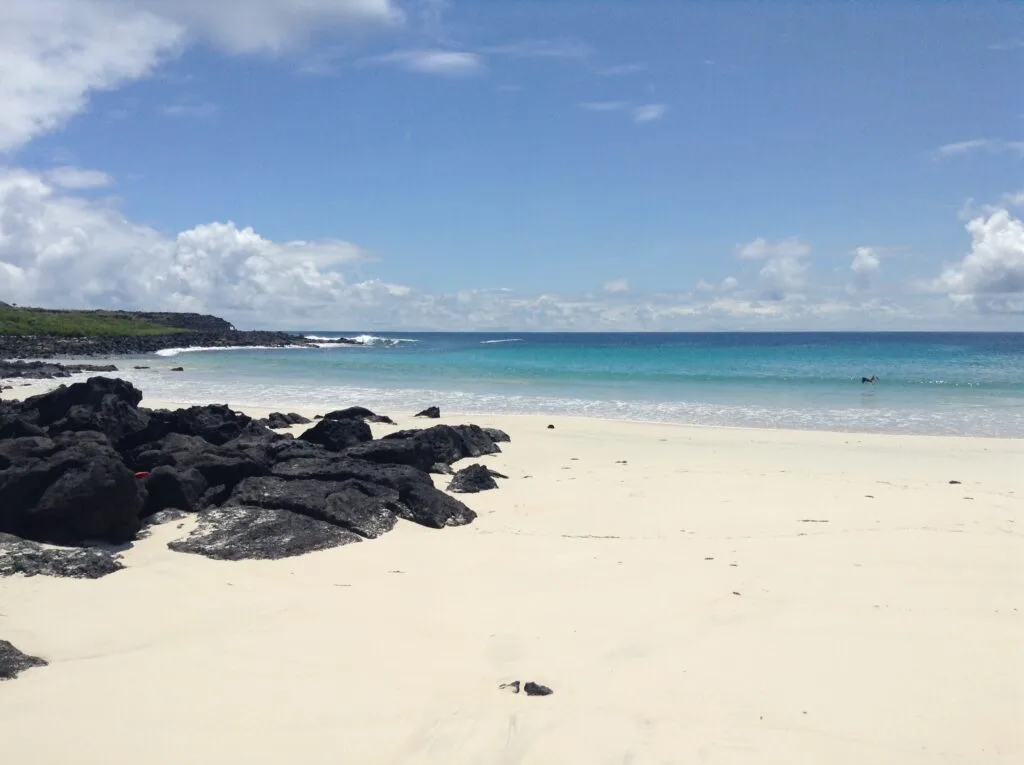
San Cristóbal stands as the easternmost island of the Galápagos archipelago and, alongside Española and Santa Fe, one of the oldest in geological terms. Formed between two and four million years ago through a series of volcanic eruptions, the island is the composite product of three or four extinct shield volcanoes that fused together over millennia.
While western islands such as Isabela and Fernandina remain volcanically active, the fires beneath San Cristóbal have long grown cold, allowing time and weather to carve deep valleys, fertile highlands, and dramatic coastal cliffs.
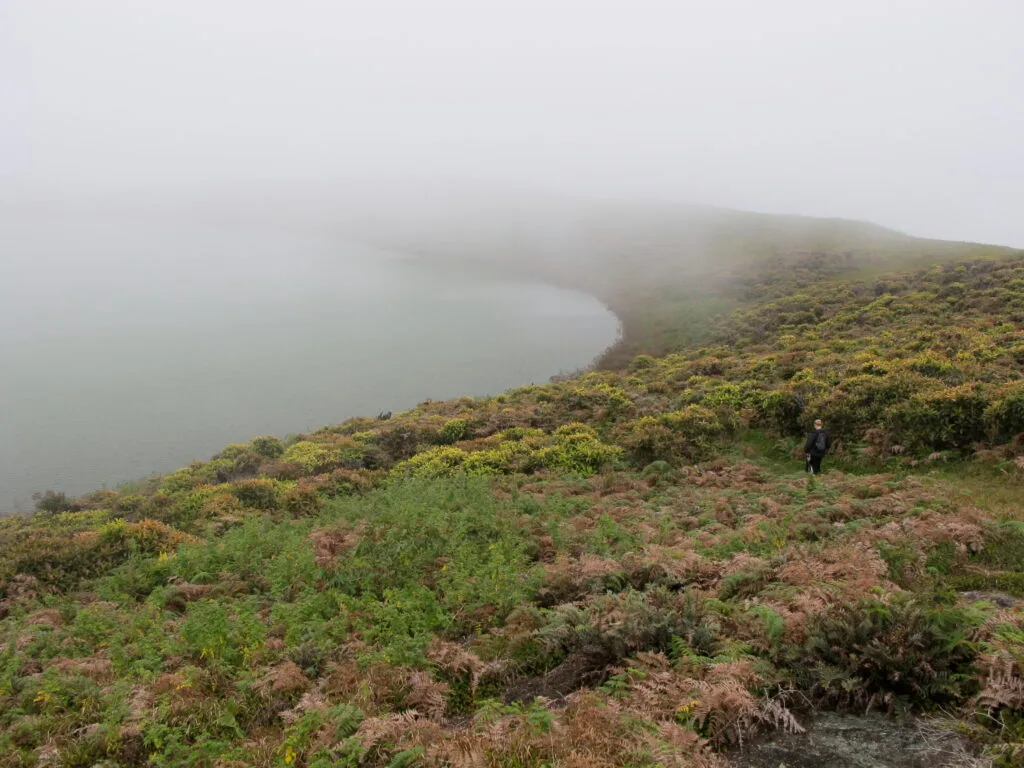
What truly set San Cristóbal apart from its archipelago neighbours was not merely its age, but its unique hydrology. High in the southern highlands sits El Junco, a freshwater crater lake perched roughly 700 metres above sea level. Formed inside an extinct caldera, El Junco is the only permanent, sizeable freshwater reservoir in the entire Galápagos archipelago.
Fed solely by rainfall and mist during the garúa season, this high-altitude lake became the indispensable lifeblood of the island. Without El Junco, sustained human settlement on the arid Galápagos would have been nearly impossible. For centuries, passing ships, whaling vessels, and early settlers knew that while surrounding islands offered salt water and scorching lava rocks, San Cristóbal held the ultimate prize: pure, drinkable water.
The highlights of San Cristóbal’s history
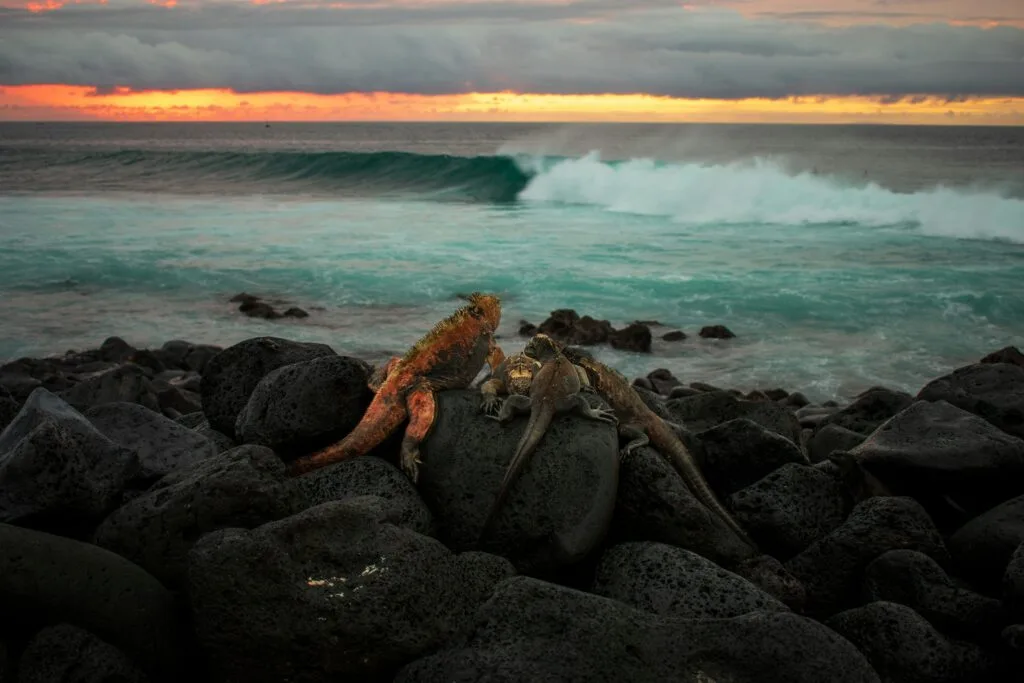
San Cristóbal combines deep evolutionary history with rugged volcanic terrain and an authentic, quiet pace of island life. These key elements define the easternmost outpost of the Galápagos archipelago.
- El Junco crater lake: The only permanent freshwater lake in the Galápagos Islands, perched 700 metres high in an extinct caldera, which made long-term human settlement on the island possible
- Charles Darwin’s landfall: The site where Charles Darwin first set foot in the archipelago in September 1835 aboard the HMS Beagle, sparking the field observations that shaped his theory of natural selection
- El Progreso sugar empire: The highland location of Manuel Julián Cobos’ nineteenth-century sugarcane enterprise and private penal colony, which collapsed following a violent worker uprising in 1904
- Puerto Baquerizo Moreno: The relaxed provincial capital of the Galápagos, offering working fishing piers, quiet waterfront avenues, and direct access to coastal marine life
- Resident sea lion colonies: Coastal beaches, public benches, and harbour walkways where large populations of Galápagos sea lions lounge alongside local residents and independent travellers
- Modern conservation hub: A major centre for ecological research and renewable energy, home to the Galápagos Academic Institute for the Arts and Sciences and protected national parklands
San Cristóbal.
Laid-back in the Galápagos
From pirate hideout to Ecuadorian annexation
For nearly three centuries after the Spanish Bishop of Panamá, Fray Tomás de Berlanga, accidentally stumbled upon the archipelago in 1535, the Galápagos Islands remained largely unmapped and uninhabited. Known on early nautical charts as the Enchanted Islands due to the swift ocean currents that made navigation treacherous, they served primarily as a secret hideaway for buccaneers, privateers, and whalers operating in the eastern Pacific Ocean.
English pirates used the sheltered coves of San Cristóbal to hide from Spanish galleons, careen their ships, and replenish supplies. The island offered ideal natural harbours and an abundant supply of fresh water and giant tortoises, which could survive for months in a ship’s hold without food or water, providing fresh meat during long Pacific voyages. British cartographers originally named the island Chatham, in honour of William Pitt, 1st Earl of Chatham, a name that persisted on English navigation maps for generations.
The strategic and territorial status of the islands shifted permanently in February 1832. General José de Villamil, a veteran of Ecuador’s war of independence, persuaded the newly established government of President Juan José Flores to formally annex the archipelago.
On 12 February 1832, Colonel Ignacio Hernández raised the Ecuadorian flag on nearby Floreana, declaring sovereignty over the entire group, which was officially renamed the Archipelago of Ecuador. San Cristóbal was later given its Spanish name in honour of Saint Christopher, the patron saint of seafarers and travellers.
The landing of Charles Darwin and the HMS Beagle
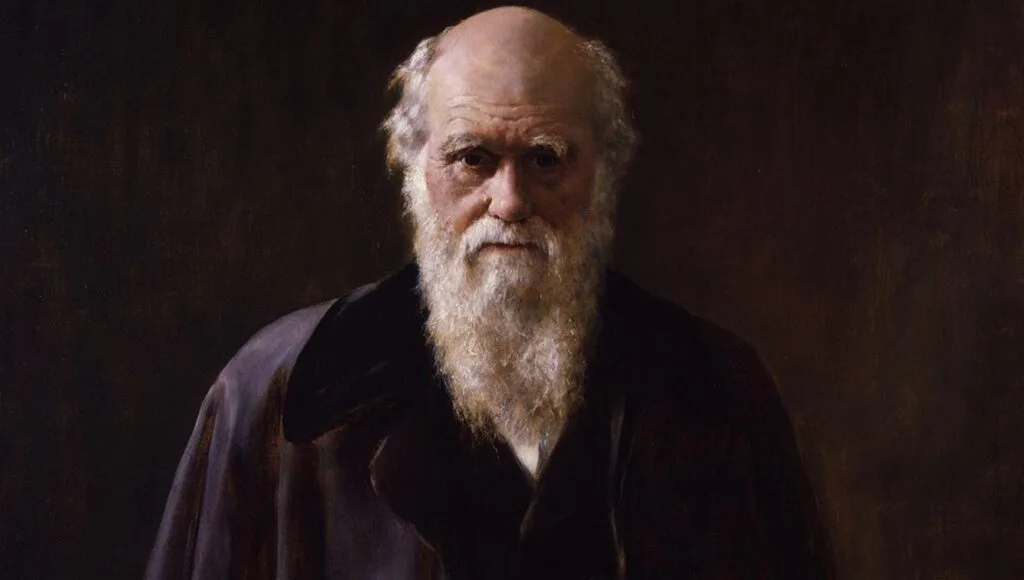
The history of world science was permanently altered on 16 September 1835, when the British survey vessel HMS Beagle, captained by Robert FitzRoy, dropped anchor near the western shore of San Cristóbal. Onboard was a twenty-six-year-old naturalist named Charles Darwin. Although Darwin would go on to visit several islands during his five-week stay in the archipelago, San Cristóbal was the very first Galápagos landmass upon which he set foot.
Darwin was initially struck by the bleak, volcanic landscape of dark basalt lava, describing it in his journals as reminiscent of the iron furnaces of Staffordshire. Yet as he ventured inland toward the highlands and explored the coastline around Cerro Brujo and Chatham Bay, his observations deepened. Captain FitzRoy climbed the surrounding volcanic cones to survey the coastline, while Darwin began collecting specimens of flora, marine iguanas, lava lizards, and land birds.
It was on San Cristóbal that Darwin began noticing subtle variations among bird species, particularly mockingbirds and finches, which differed from island to island. These initial field observations, combined with his analysis of giant tortoise shell shapes noted by local residents, sowed the seeds for his theory of evolution by natural selection. When Darwin published On the Origin of Species in 1859, the observations he began on the shores of San Cristóbal became a central pillar of modern biological science.
The Galápagos.
Ecuador’s Enchanted Isles
The rise and bloody fall of the El Progreso sugar empire
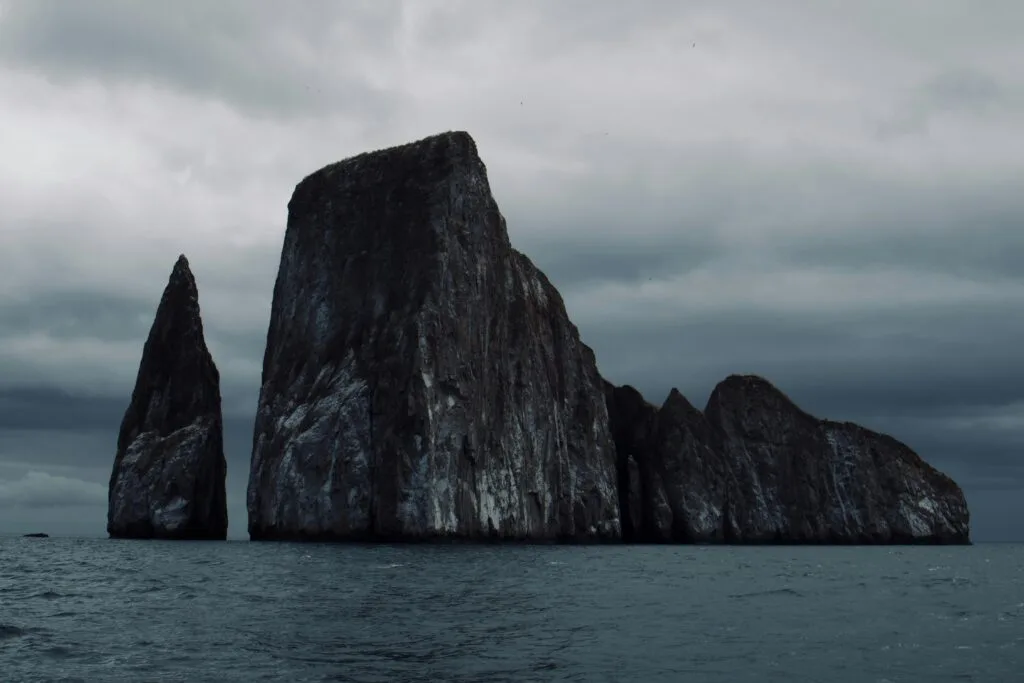
As the nineteenth century progressed, Ecuador sought to establish permanent economic colonies in the Galápagos. In 1879, an ambitious Ecuadorian entrepreneur named Manuel Julián Cobos arrived on San Cristóbal and established a massive agricultural enterprise in the fertile highlands, naming it Hacienda El Progreso.
Cobos recognised the island’s economic potential: the high-altitude volcanic soil was rich, rain was frequent, and water could be piped directly down from El Junco Lake. He cleared vast tracts of land to plant sugarcane and coffee, imported heavy machinery from Europe, and constructed an industrial sugar mill equipped with steam engines and a private railway line connecting the plantation to the coast at Puerto Chico (now Puerto Baquerizo Moreno).
To supply labour for his empire, Cobos struck a deal with the Ecuadorian government to import convicts from mainland prisons, effectively converting El Progreso into a private penal colony. Cobos ruled the island with unchecked tyranny. He issued his own private currency, set up his own legal system, and subjected workers and prisoners to harsh physical punishment, exile, or execution for minor infractions.
By the turn of the century, El Progreso was producing hundreds of metric tons of refined sugar and coffee annually, making Cobos one of the wealthiest men in Ecuador. However, his brutal rule created deep resentment. On 15 January 1904, a group of oppressed workers led an armed insurrection, cornering and assassinating Cobos inside his plantation headquarters.
The uprising ended the dictatorial sugar regime, and though the plantation continued operating on a smaller scale for several years, El Progreso gradually transformed into a peaceful farming community, whose historical ruins can still be visited today.
The Ecuadorian Sierra.
Get lost in the hills
From penal colony to provincial capital
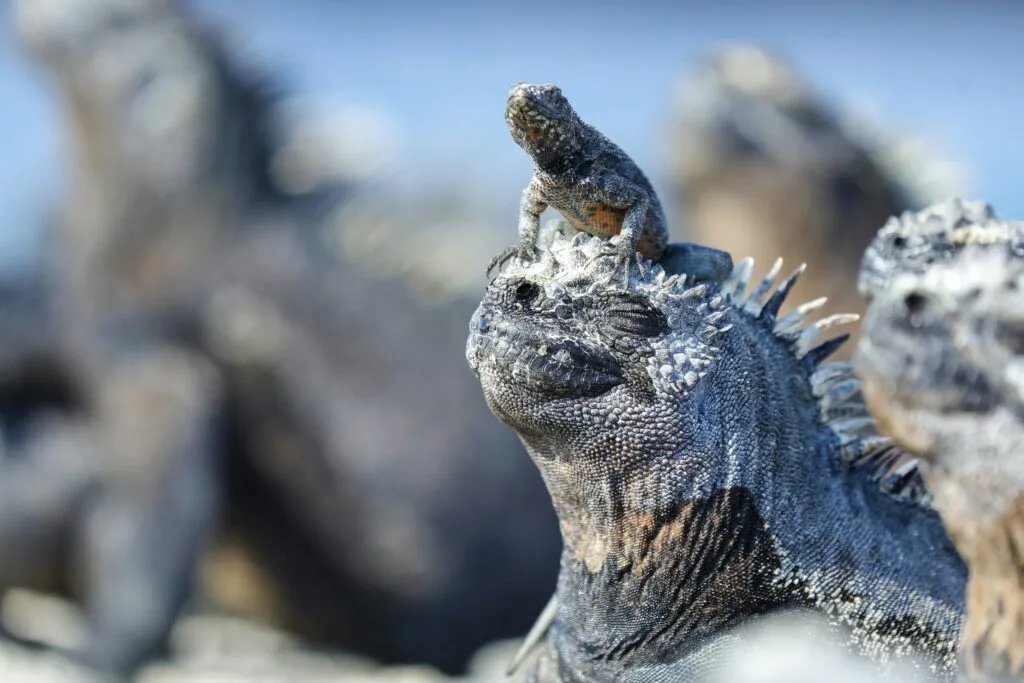
Following the death of Cobos and subsequent unrest across various settlements, the Ecuadorian government gradually dismantled the penal colony system across the archipelago. During the mid-twentieth century, the strategic importance of San Cristóbal shifted from agriculture to national security and administration.
During World War II, following the Japanese attack on Pearl Harbor, Ecuador granted the United States military permission to build a base in the Galápagos to guard the western approaches to the Panamá Canal. While the main airfield was constructed on Baltra Island, American forces routinely journeyed across the waters to San Cristóbal to pipeline freshwater from El Junco, cementing the island’s vital role in regional logistics.
In 1973, the Ecuadorian government restructured the governance of the archipelago, officially establishing the Galápagos as the twenty-second province of Ecuador. Puerto Baquerizo Moreno, situated on the southwestern coast of San Cristóbal, was named the provincial capital.
Named after Alfredo Baquerizo Moreno, the first Ecuadorian president to visit the islands in 1916, the town evolved from a small fishing harbour into the administrative heart of the region, housing government offices, naval command, and regional courts.
The Ecuadorian Amazon.
The most biodiverse place in the world
Modern conservation and exploring San Cristóbal today
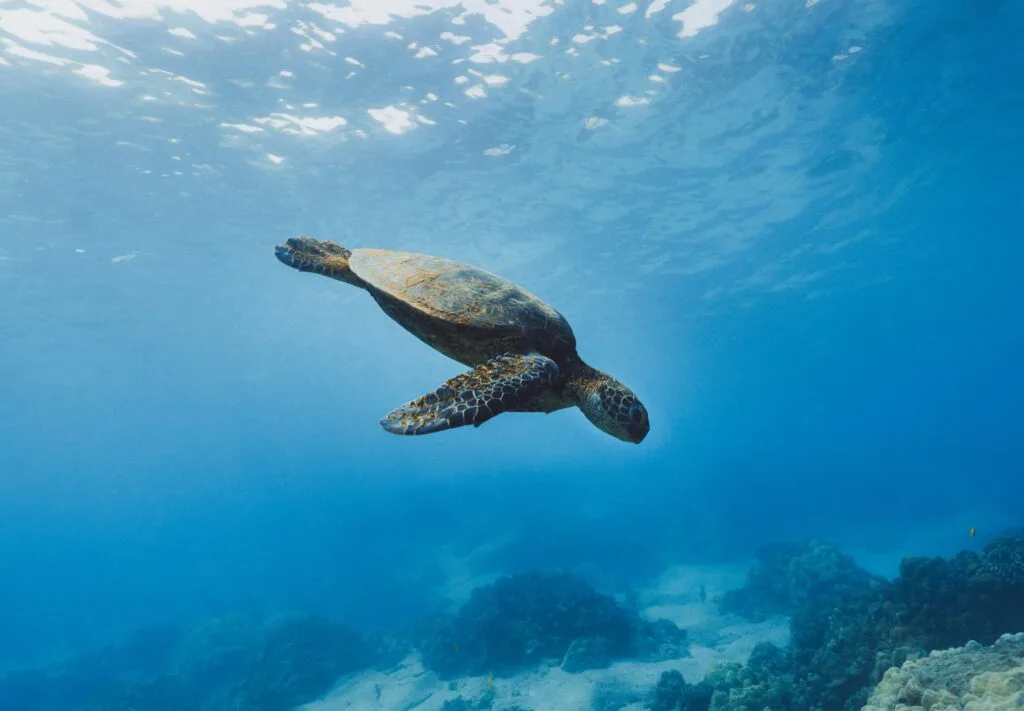
In recent decades, San Cristóbal has established itself as a beacon of ecological conservation and sustainable island life. The establishment of the Galápagos National Park in 1959 and the subsequent UNESCO World Heritage designation placed strict protections over 97 per cent of the land area.
In 1998, the Galápagos Academic Institute for the Arts and Sciences was established in Puerto Baquerizo Moreno through a partnership between the Universidad San Francisco de Quito and international research institutions, turning the island into a global centre for marine ecology, conservation science, and evolutionary research. Environmental initiatives, such as the construction of a major wind farm on the high ridges of San Cristóbal, have drastically reduced reliance on mainland fossil fuels.
Today, San Cristóbal offers a distinct pace of life compared to the busier tourist hubs elsewhere in the archipelago. Visitors strolling along the Charles Darwin Waterfront Promenade share the paved pathways with hundreds of resident Galápagos sea lions. From the high-altitude trails surrounding El Junco to the coastal paths around the Interpretation Centre and Carola Beach, the island provides an authentic glimpse into the harmony between human settlement and pristine nature.
At Wheely Tyred, we celebrate San Cristóbal not just as an island of stunning landscapes, but as a living museum of human resilience, scientific discovery, and natural history.
The Ecuadorian Coast.
Where you’ll find the very best food
Plan your journey to the eastern Galápagos frontier
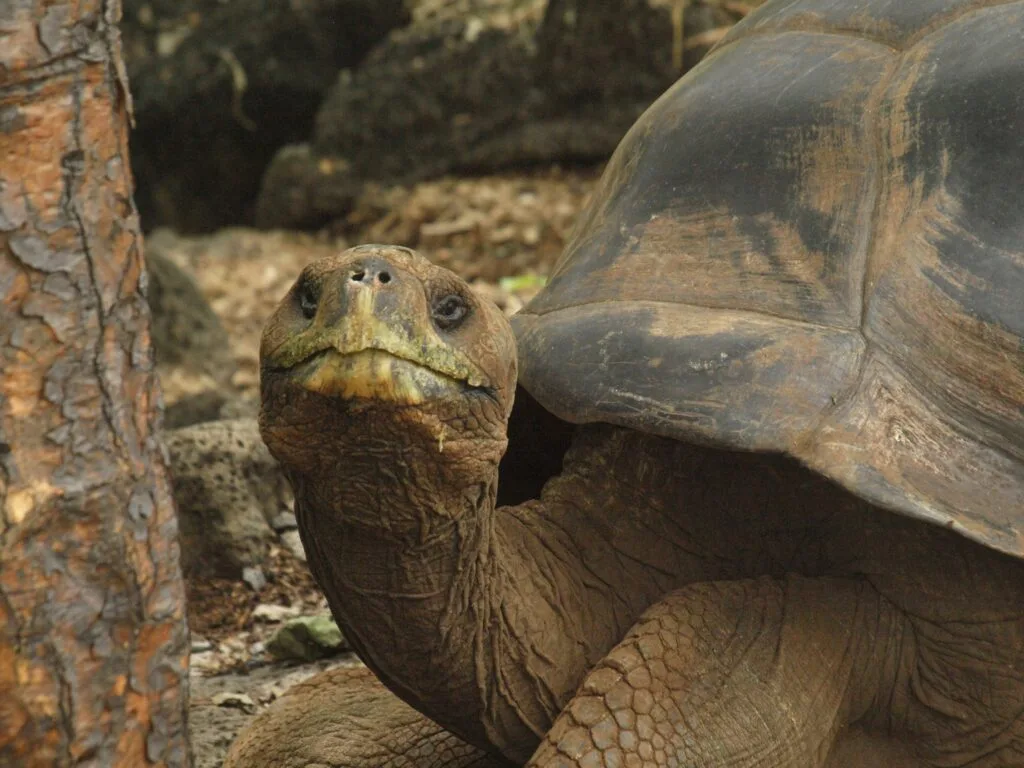
San Cristóbal remains one of the most rewarding entry points into the Galápagos archipelago for independent travellers. Its distinct geography allows you to explore high-altitude volcanic craters, ride through lush highland farmland, and walk along beaches teeming with endemic wildlife without relying strictly on organised cruise itineraries.
Navigating the island on foot, by bike, or via local water taxis reveals a quieter, more grounded side to island life. From the historic sugarcane ruins of El Progreso to the protected coves around Cerro Brujo, the island balances its heavy human history with a steadfast commitment to environmental conservation.
Whether following the path of nineteenth-century naturalists or watching sea lions haul out along the harbour walls at sunset, San Cristóbal invites a slower, more deliberate style of exploration. It is an ideal landscape for those who prefer understanding a destination through its deep natural and historical context.
Affiliate Disclaimer: Some of the links on Wheely Tyred are affiliate links. If you click through and make a booking or purchase, we may earn a small commission at no extra cost to you. We only recommend gear, tours, stays, and services we genuinely use, trust, and stand behind — our editorial independence always comes first. These commissions help keep our independent cycling guides and travel stories free to read. Thanks for supporting the ride!
Frequently asked questions about San Cristóbal history
San Cristóbal has its own airport, San Cristóbal Airport (SYA), located on the edge of Puerto Baquerizo Moreno. Daily commercial flights connect the island to the mainland, departing from either Quito or Guayaquil.
Situated inside an extinct volcanic crater roughly 700 metres above sea level, El Junco is the only permanent, sizeable freshwater lake in the Galápagos archipelago. Its reliable water supply sustained early indigenous and European visitors, nineteenth-century agricultural settlements, and visiting military vessels during World War II.
Yes. Unlike uninhabited islands that require luxury liveaboard cruises, San Cristóbal features a fully established provincial town with affordable guesthouses, local eateries, public inter-island ferries, and land-based cycling and hiking routes.
San Cristóbal was the very first Galápagos island Charles Darwin stepped onto during the voyage of the HMS Beagle in September 1835. His early specimens of mockingbirds, lava lizards, and tortoises gathered here formed the initial base for his work on evolutionary biology.
The highland village of El Progreso sits approximately 8 kilometres inland from Puerto Baquerizo Moreno. Independent travellers can travel up by bicycle, taxi, or local bus to explore the agricultural highlands and see the remaining historical structures of the former sugar plantation.
Ecuador.
Pure wonder on the equator.