Savour the Pearl of the Pacific / The ultimate Guayaquil food tour & culinary guide
Best Guayaquil food tours, cacao plantation walks & local cooking classes
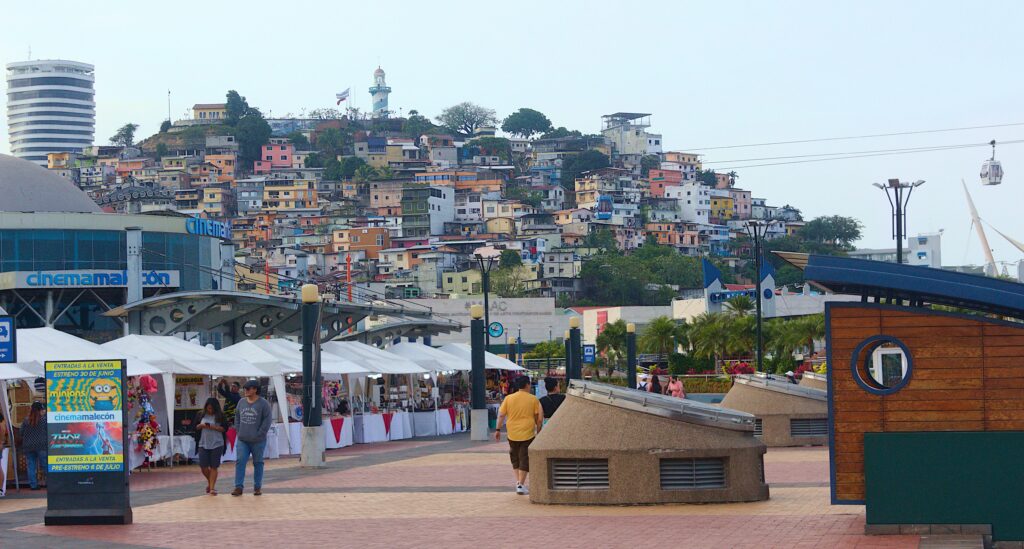
Coastal gastronomy, street market bites & ancestral cacao on Ecuador’s tropical coast
BEN FINCH
To truly understand Guayaquil—Ecuador’s bustling port city anchored along the wide banks of the Guayas River—you must come hungry and curious. While Quito wears its high-altitude Andean history on its sleeve, Guayaquil pulses with tropical energy, maritime trade, and an unpretentious, deeply expressive coastal food culture. This is the commercial engine of Ecuador, but more importantly, it is the undisputed capital of comida costeña (coastal cuisine).
At Wheely Tyred, our philosophy on travel is straightforward: you cannot grasp the rhythm of a destination from the window of a tour bus or behind the sanitised menu of a resort hotel. True cultural connection happens at the street corner picantería, where giant cauldrons of encebollado simmer under the watchful eye of third-generation cooks, and on the rural haciendas where smallholders still ferment single-origin Arriba cacao beans using techniques unchanged for a century.
Guayaquil’s culinary landscape is defined by the sacred triumvirate of coastal Ecuadorian cooking: green plantains (verde), rich peanuts (maní), and the freshest seafood landed daily from the Pacific Ocean and mangrove estuaries.
Navigating this exuberant city independently can feel daunting for first-time visitors. Local street food stalls operate on unwritten neighbourhood timetables, and the best rural cacao plantations sit tucked away in the agricultural hinterlands of Guayas province. That is precisely why joining a small-group, locally led food tour is an indispensable strategy for autonomous travellers. A knowledgeable local guide does far more than shepherd you between stops; they serve as a cultural translator, offering safe access to hidden market stalls, introducing you to generational vendors, and providing vital context about Ecuador’s rich agricultural heritage.
Whether you are stepping off a flight to explore before heading to the Galápagos or dedicating several days to slow travel through coastal Ecuador, these curated, bookable food experiences represent the absolute finest ways to taste Guayaquil.
At a glance / Guayaquil’s coastal flavours & culinary heritage
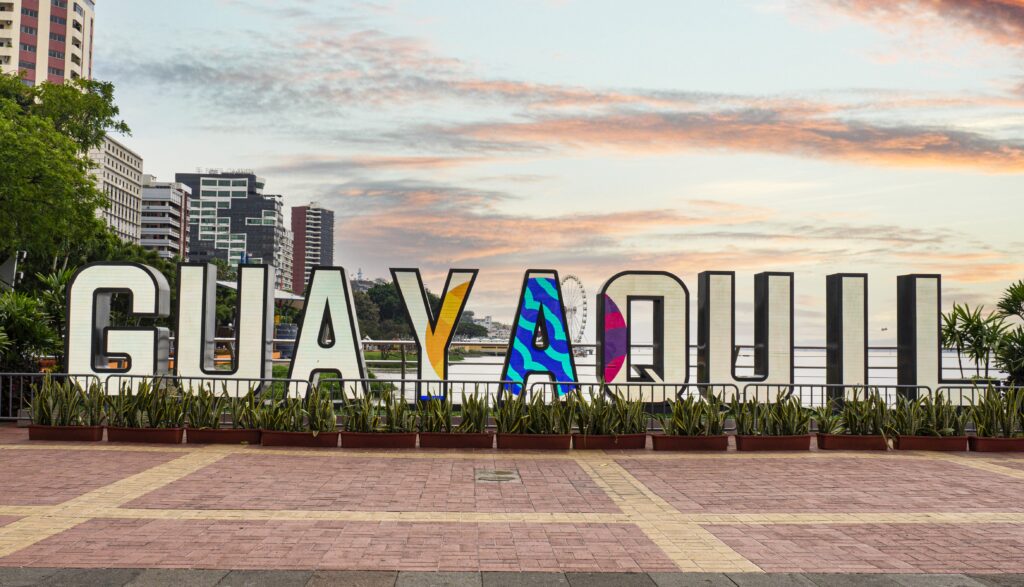
Guayaquil is Ecuador’s vibrant culinary engine, where equatorial riverbanks, Pacific fisheries, and fertile agricultural plains converge. Below is a structured summary of the key locations, traditions, and practical tips covered in our complete guide.
- Authentic Street Eats: Sample steaming bowls of encebollado and freshly hand-mashed bolón de verde along municipal market trails guided by local culinary experts
- Ancestral Cacao Estates: Journey into rural Guayas to harvest organic Arriba cacao pods, taste raw sweet pulp, and grind beans into pure chocolate paste
- Equatorial Viticulture: Tour Viñedo Dos Hemisferios in San Miguel del Morro to discover how coastal ocean breezes enable two unique grape harvests per year on the equator
- Hands-On Cooking Workshops: Learn to prepare classic coastal dishes like ceviche guayaquileño under the guidance of professional local chefs before enjoying single-origin chocolate tastings
- Essential Market Etiquette: Always carry small US dollar bills ($1, $5) for street stalls, clarify peanut (maní) sauce bases if you have allergies, and stay hydrated in the tropical climate
Guayaquil.
The Pearl of the Pacific
1. Coastal street food & neighbourhood market immersion
Rating & reviews
(New activity on GetYourGuide)
Why this tour stands out
This tour is a masterclass in local street culinary tradition, designed specifically for travellers who want to bypass sanitised tourist traps and dive headfirst into authentic Guayaquileño eating culture. Guided by a passionate local food expert, the 4-hour walking itinerary threads through energetic municipal markets and neighbourhood picanterías that remain completely off the radar of standard sightseeing groups.
Your guide unpacks the historical evolution of coastal dishes, explaining how indigenous ingredients like cassava and corn merged with African culinary techniques and Spanish imports. What makes this experience invaluable is the authentic vendor relationships: you are welcomed directly into family-run eateries where cooks reveal the aromatic secrets behind their broths and spice pastes.
Key highlights
- Encebollado Tasting: Sample Ecuador’s national dish—a rich, steaming tuna soup spiced with red onion, cilantro, and cassava, served fresh from the pot
- Bolón de Verde: Golden, hand-mashed green plantain spheres stuffed with fresh coastal cheese or crispy pork belly (chicharrón) and fried to order
- Muchín de Yuca & Corviche: Traditional cassava and plantain fritters packed with savoury fillings
- Canelazo: A sip of hot, comforting spiced cane spirit infused with cinnamon and citrus juice
- Market Navigation: Guided walk through vibrant local produce stalls showcasing indigenous Amazonian fruits, herbs, and fresh Pacific catches
Ideal for
Adventurous street food lovers, culture buffs, and first-time visitors seeking authentic culinary context without safety or hygiene anxieties.
Local culinary insight
Encebollado is celebrated across Ecuador as the ultimate morning cure for late-night festivities. When your bowl arrives, watch how the locals eat it: squeeze fresh lime juice over the broth, sprinkle a dash of chilli oil (ají), and crush a handful of chifles (crispy plantain chips) directly into the soup for textural contrast.
The Ecuadorian Coast.
Where you’ll find the very best food
2. Hands-on rural cacao farm & chocolate masterclass
Rating & reviews
(67+ verified reviews on Viator)
Why this tour stands out
Ecuador is the native home of Cacao Nacional (often called Arriba cacao)—the world’s most coveted fine-flavour cocoa bean. This immersive half-day trip journeys roughly 45 minutes outside Guayaquil into the lush agricultural countryside to a family-owned plantation, offering an unvarnished look at rural agricultural life.
What sets this experience apart is its entirely hands-on nature. You do not simply watch a presentation from behind a glass partition; you walk through shady orchards, harvest ripe cacao pods straight from the trees, roast beans over open flames in traditional clay pans, and grind them by hand into raw cocoa paste. The day concludes with an authentic 3-course home-cooked countryside lunch prepared using organic produce grown directly on the farm premises.
Key highlights
- Orchard Harvest Walk: Explore 30 acres of organic cacao, tropical fruit trees, and rice paddies with local farmers
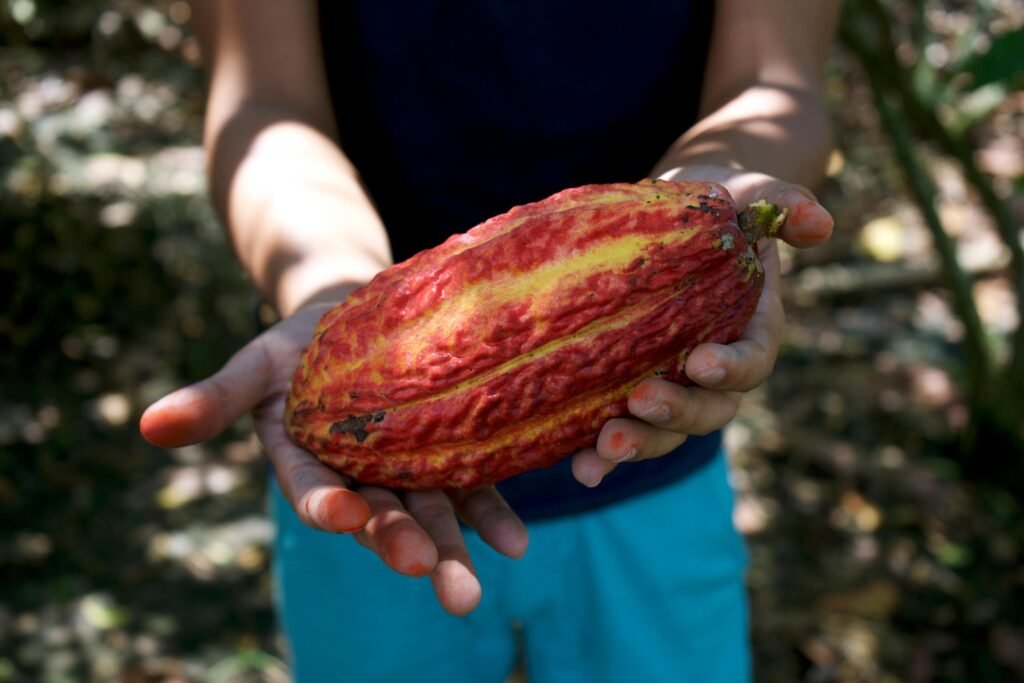
- Raw Pod Sampling: Crack open freshly harvested cacao pods to taste the sweet, tangy white fruit pulp (mucilage) surrounding the raw seeds
- Bean-to-Bar Workshop: Hand-roast, husk, and grind cacao seeds using traditional stone mills to create 100% pure chocolate paste
- Farm-to-Table Organic Lunch: Sit down to a hearty 3-course country meal featuring fresh farm ingredients and cacao-infused specialities
- Private Hotel Transfers: Comfortable, stress-free round-trip transport from central Guayaquil
Ideal for
Chocolate lovers, hands-on cooking enthusiasts, families, and slow travellers looking to connect with rural agricultural communities.
Local culinary insight
When sampling a fresh cacao pod, do not bite into the bitter seed inside! Instead, suck the gelatinous white pulp (mucilage) off the seed. It tastes surprisingly sweet and fruity—reminiscent of lychee, mango, and passion fruit—with no hint of chocolate taste at all until the bean is fermented and roasted.
The Galápagos.
Ecuador’s Enchanted Isles
3. Architectural highlights & private cacao estate journey
Rating & reviews
(New activity on GetYourGuide)
Why this tour stands out
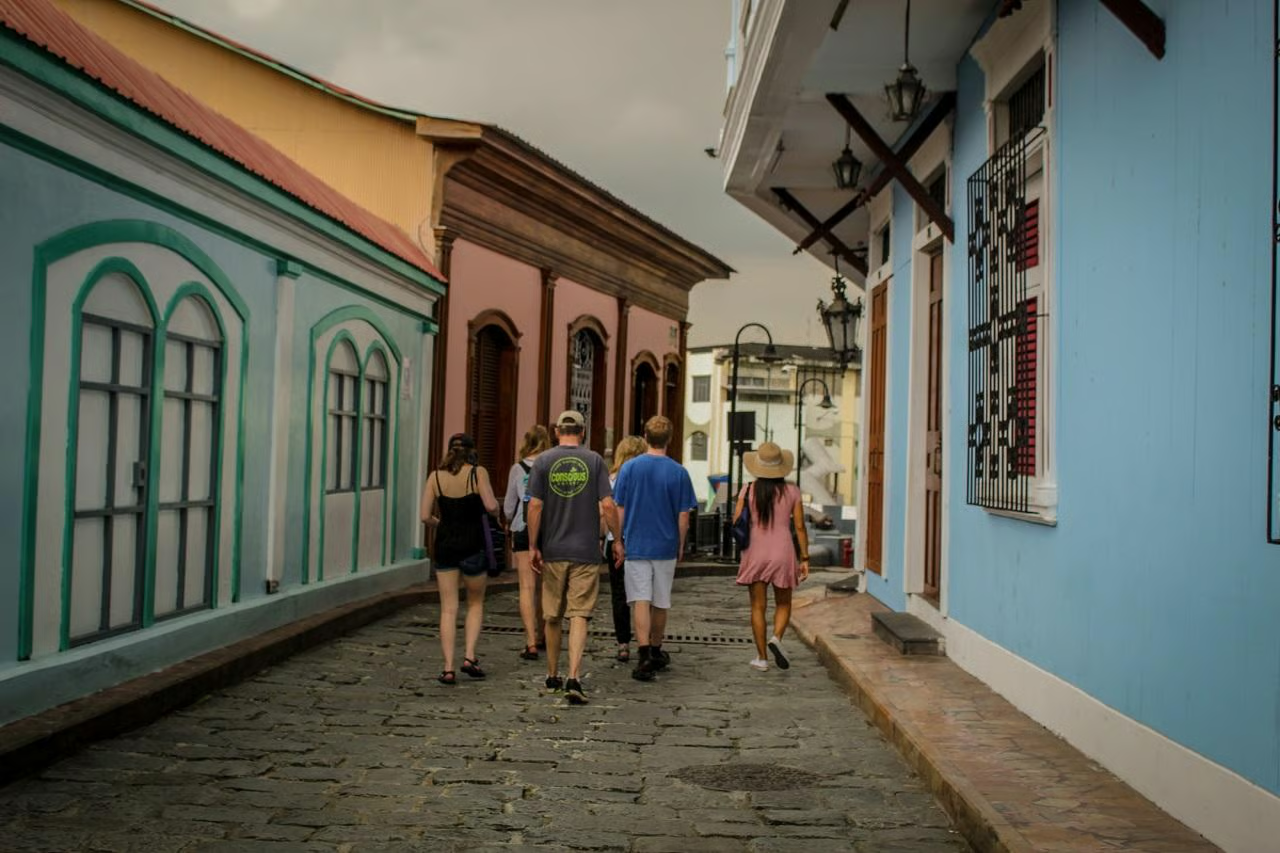
If you have limited time in Guayaquil but want a seamless blend of urban historical context and agricultural heritage, this private full-day tour is the definitive solution. It directly connects Guayaquil’s historic maritime wealth—built on the late 19th-century boom known as La Gran Época Cacaotera—with modern-day rural plantation practices.
Your private guide navigates the city’s iconic architectural landmarks in the morning before whisking your group away in a comfortable private vehicle to an estate in Guayas province. Because the itinerary is entirely private, the pacing is relaxed, allowing for deeper conversations with local growers, tailored photograph stops, and dietary accommodations during lunch.
Key highlights
- Guided City Architecture Walk: Explore the historic neighbourhood of Las Peñas, Parque Seminario (Iguana Park), and the breezy waterfront promenade of Malecón 2000
- Private Plantation Excursion: Private tour of a working cacao estate, tracing the full life cycle of cocoa from flowering trees to fermented beans
- Artisanal Chocolate Processing: Demonstration of traditional drying racks (tendederos) and chocolate crafting methods
- Traditional Coastal Lunch: Enjoy a freshly cooked regional meal served on the plantation grounds
Ideal for
Private groups, cruise travellers, culture enthusiasts, and short-stay visitors who want a comprehensive, hassle-free day combining urban history with rural gastronomy.
Local culinary insight
Guayaquil’s grand riverfront mansions and historic landmarks were largely financed by the golden cacao era (Época de Oro). Local growers were famously nicknamed Gran Cacao, a historical term still used informally across Ecuador today to refer to influential or wealthy individuals.
The Ecuadorian Sierra.
Get lost in the hills
4. High-altitude coastal viticulture & rural winery day trip
Rating & reviews
(New activity on GetYourGuide)
Why this tour stands out
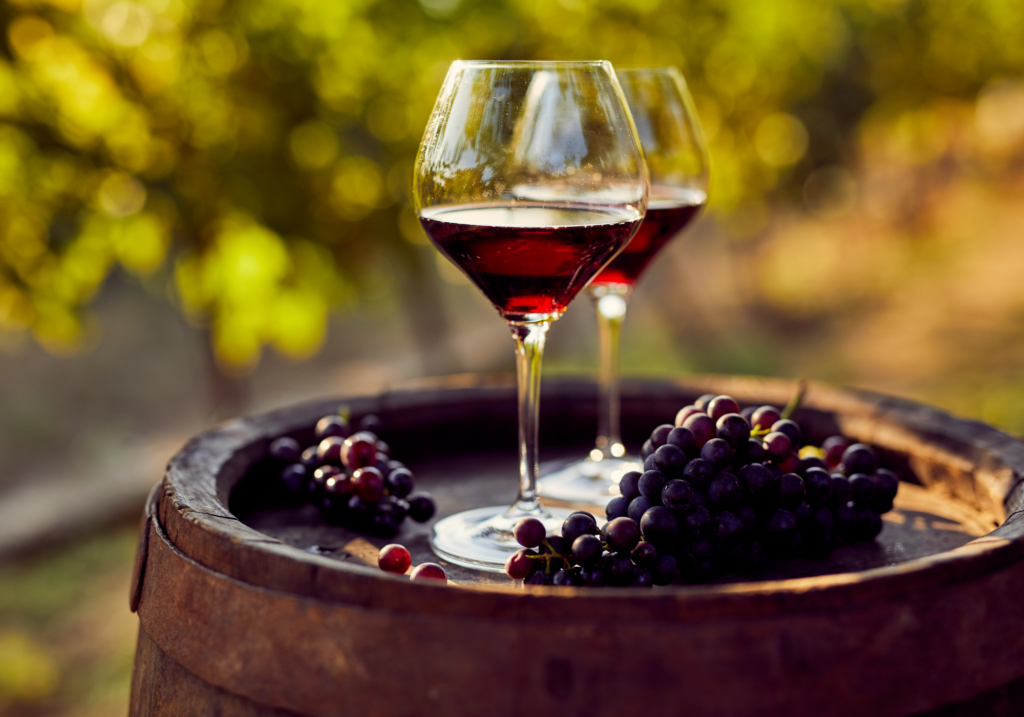
Viticulture on the equator sounds like an impossibility to most oenophiles, which makes a visit to Viñedo Dos Hemisferios in San Miguel del Morro an absolute must for curious culinary travellers. Located roughly 1.5 hours southwest of Guayaquil near the Pacific coast, this pioneering winery defied global winemaking logic by establishing successful grape cultivation in equatorial clay-limestone soils.
This 8-hour shared or private excursion offers a fascinating glimpse into agricultural innovation. Guided by an expert agronomist, guests tour the sun-drenched vineyards, inspect the industrial barrel rooms, and enjoy an elegant 3-course countryside lunch carefully paired with award-winning wines like Paradoja, Travesía, and Bruma. As an added touch of hospitality, guests receive a custom-labelled bottle of wine to take home.
Key highlights
- Welcome Refreshment: Enjoy a glass of crisp Travesía white wine and a welcome snack upon arrival
- Agronomist-Led Vineyard Walk: Learn how coastal ocean breezes and microclimates allow vines to flourish on the equator
- Winery & Barrel Room Walkthrough: See the production plant and oak barrel ageing facilities up close
- 3-Course Paired Lunch: Savour regional dishes thoughtfully matched with fine estate-bottled wines
- Guided 4-Wine Sommelier Tasting: Refine your palate across four premium labels
- Personalised Souvenir Bottle: Receive a bespoke bottle of wine as a keepsake of the visit
Ideal for
Wine enthusiasts, curious epicures, couples, and travellers seeking an unusual rural day trip into Ecuador’s emerging wine culture.
Local culinary insight
Because Ecuador lacks traditional distinct winter and summer seasons, vines at Dos Hemisferios do not go dormant naturally. Winemakers prune the vines twice a year, resulting in two grape harvests annually—a unique phenomenon in the wine world that yields bold fruit concentration and balanced acidity.
5. Interactive coastal cooking masterclass & urban tasting
Rating & reviews
(New activity on GetYourGuide)
Why this tour stands out
For travellers who believe the best souvenir from any journey is a reusable recipe, this interactive 5-hour experience delivers the total package. It bridges the gap between historical sightseeing and practical kitchen skills by pairing an engaging city walk with a hands-on cooking masterclass led by a professional local chef.
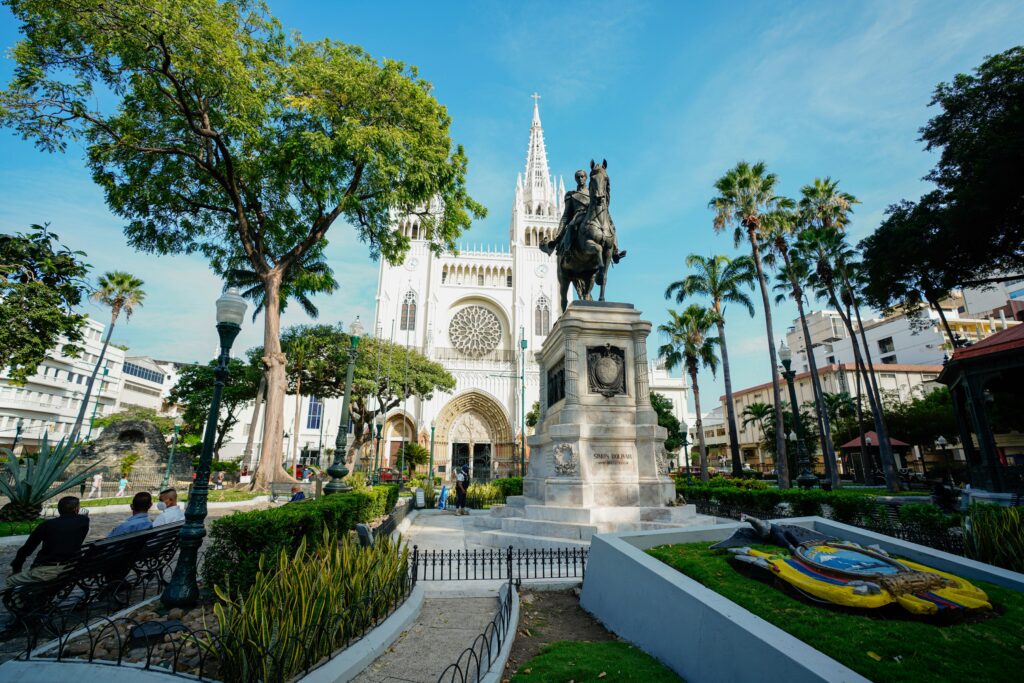
After visiting central monuments like Parque Seminario (Iguana Park), Plaza Sucre, and Torre Morisca, guests head into a well-equipped kitchen workshop. Under step-by-step instructions, you learn to prepare iconic coastal dishes using fresh tropical ingredients, green plantains, and Pacific seafood. The meal you prepare is then enjoyed alongside fine Ecuadorian wine pairings and rounded off with a guided tasting of single-origin chocolates.
Key highlights
- Historic District Walking Tour: Stroll past central Guayaquil landmarks, including the Moorish Tower (Torre Morisca) and Malecón 2000 promenade
- Interactive Cooking Workshop: Hands-on instruction in making classical coastal dishes such as ceviche guayaquileño or plantain-based corviche
- Wine Pairing Meal: Dine on your own culinary creations accompanied by selected wine pairings
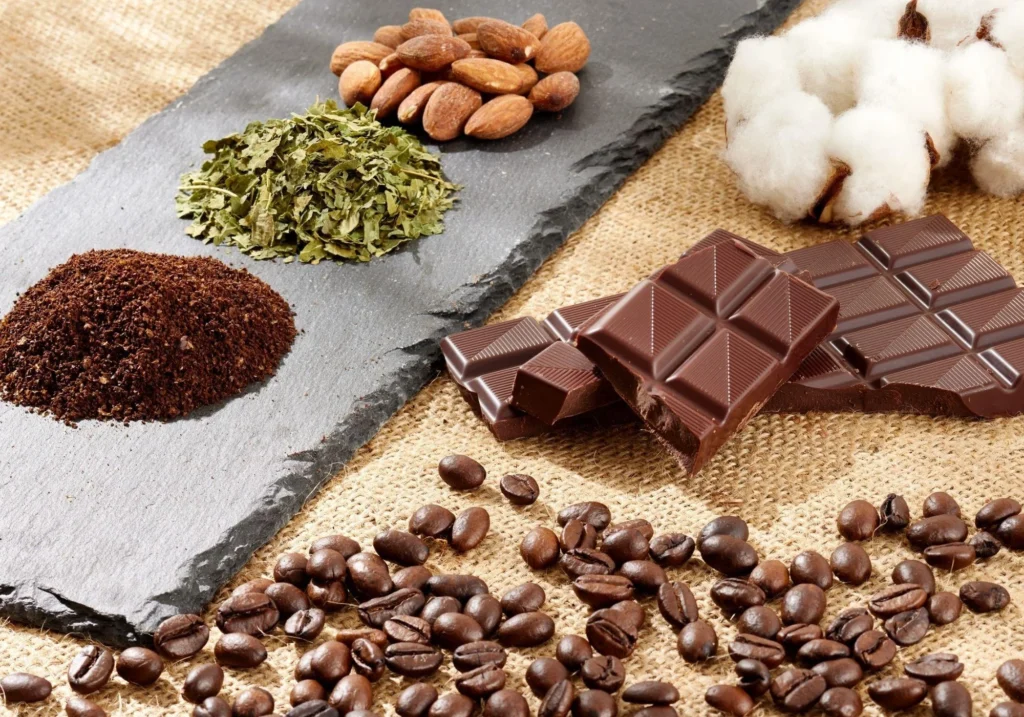
- Single-Origin Chocolate Tasting: Comparative tasting exploring how different cocoa percentages and Ecuadorian terroirs alter flavour profiles
Ideal for
Home cooks, culinary enthusiasts, flexitarians looking to master plantain and seafood techniques, and travellers wanting a well-rounded combination of sightseeing and practical skills.
Local culinary insight
Unlike Peruvian ceviche, which relies on raw fish flash-marinated in lime juice just before serving, traditional Ecuadorian coastal ceviche guayaquileño features a lighter, citrus-and-tomato broth base, often served with toasted corn (cancha) or crunchy plantain chips (chifles).
The Ecuadorian Amazon.
The most biodiverse place in the world
Our practical Guayaquil food tour & dining guide
To ensure your culinary exploration of Guayaquil is seamless, safe, and utterly delicious, keep these practical, field-tested rules from the Wheely Tyred team in mind:
1. Navigating dietary requirements & allergies
Coastal Ecuadorian cuisine relies heavily on green plantains, cassava, corn, seafood, and peanuts. Vegetarians will find plenty of delicious plantain-based dishes (bolón de verde, patacones, empaniadas de viento), but must be explicit about pork fat (manteca de cerdo), which is sometimes used for frying. If you have severe peanut allergies, memorise the Spanish phrase “Soy alérgico/a al maní” and communicate it clearly prior to tour departures, as peanut sauces (encocado, cazuela) are kitchen staples.
2. Street food safety & vendor selection
Street food in Guayaquil is exceptional, but sensible choices keep your stomach happy. Look for stalls with high customer turnover, particularly those packed with local office workers during the mid-morning peak (9:00 AM – 11:30 AM). Broths like encebollado should be served steaming hot directly from a bubbling pot. Avoid street seafood stalls where fish sits exposed to ambient tropical humidity without adequate ice.
3. Pacing multi-stop tastings
Ecuadorian portion sizes tend to be extremely generous. A single bolón de verde can easily fill you up for hours. When participating in a multi-stop street food tour, practice constraint at the first two stops. Take smaller portions, share dishes with travel partners when appropriate, and focus on experiencing the diverse range of flavours across the entire itinerary rather than clearing every plate.
4. Water, hydration & tropical climate
Guayaquil is warm, humid, and tropical year-round. Tap water in the city is not suitable for direct drinking by visitors. Stick exclusively to bottled, filtered, or boiled water. Bring a reusable insulated flask and top it up with purified water at your hotel before heading out on walking tours. Stay hydrated with fresh coconut water (agua de coco), widely sold by street vendors who hack open fresh green coconuts right before your eyes.
5. Cash vs digital payments at market stalls
While upscale restaurants, hotels, and established culinary workshops accept major credit cards, municipal market vendors and neighbourhood picanterías operate strictly on cash. Ecuador uses the US dollar ($ USD). Crucially, market vendors rarely have change for large bills. Always carry small denominations—specifically $1, $5, and $10 notes, along with a pocketful of coins—when embarking on street food walks.
Claim your seat at Guayaquil’s coastal table
Read this far?
Guayaquil is frequently treated as little more than a necessary transit hub for travellers en route to the Galápagos Islands or the high Andean peaks. However, to rush through its bustling, tropical streets is to miss the beating heart of coastal Ecuadorian gastronomy. This is a city that demands to be experienced through scent, sound, and flavour—from the coriander-infused steam rising off an early morning bowl of encebollado to the rich, earthy aroma of roasting Arriba cacao beans on a quiet rural hacienda.
For independent travellers who value authentic cultural immersion over commercial shortcuts, joining a small-group, locally led food tour is far more than a convenience. It is an act of respectful engagement with the community. Knowledgeable local guides open doors to historic family-run picanterías, translate complex regional ingredient profiles, and bridge the gap between ancient agricultural heritage and modern street food culture.
Whether you find yourself sipping a glass of equatorial Syrah overlooking the vines at San Miguel del Morro or rolling hot green plantains into savoury bolones during a hands-on cooking class, Guayaquil richly rewards those who travel slowly and eat with curiosity. Pack your appetite, step off the beaten track, and savour every bite of Ecuador’s undisputed capital of comida costeña.
Affiliate Disclaimer: Some of the links on Wheely Tyred are affiliate links. If you click through and make a booking or purchase, we may earn a small commission at no extra cost to you. We only recommend gear, tours, stays, and services we genuinely use, trust, and stand behind — our editorial independence always comes first. These commissions help keep our independent cycling guides and travel stories free to read. You can also buy me a coffee here — thanks for supporting the ride!
Frequently asked questions about the best Guayaquil food tours
Yes, provided you exercise basic common sense. Look for busy municipal market stalls (picanterías) with high local turnover where broths like encebollado are served piping hot directly from large cauldrons. Joining a vetted, guided street food tour ensures you visit family-run vendors with proven hygiene standards and safe food handling practices.
Encebollado is a beloved morning soup celebrated across Ecuador as the ultimate hangover cure. When your bowl arrives, follow local custom: squeeze fresh lime juice over the warm tuna and cassava broth, add a splash of homemade chilli oil (ají), and crush a handful of crispy plantain chips (chifles) or popcorn directly into the soup for textural contrast.
Ecuador is the native home of Cacao Nacional (often referred to as Arriba cacao), widely regarded as the world’s finest cocoa bean due to its delicate floral aromas and rich fruit notes. Visiting a rural plantation allows you to suck the sweet white pulp (mucilage) off raw seeds before observing the traditional fermentation, sun-drying, and stone-grinding processes.
Yes. At Viñedo Dos Hemisferios in San Miguel del Morro, persistent coastal ocean breezes and rich clay-limestone soils create a unique microclimate where wine grapes thrive. Because there are no distinct winter and summer seasons, viticulturists prune the vines twice a year, yielding two distinct grape harvests annually.
Peanuts (maní) and green plantains (verde) are foundational building blocks of coastal Ecuadorian cooking, forming the base for velvety sauces in dishes like cazuela and encocado. If you have a severe nut allergy, inform your tour guide and servers in advance using the Spanish phrase “Soy alérgico/a al maní”. Vegetarians will find plenty of plantain-based options, though it is wise to check whether pork fat (manteca de cerdo) was used for frying.
No. While upscale dining establishments, wineries, and tour agencies accept major credit cards, street food vendors and municipal market stalls operate strictly on cash. Ecuador uses the US Dollar ($ USD), but small stallholders rarely have change for large bills. Always carry $1, $5, and $10 notes alongside loose coins when embarking on market walks.
Ecuador.
Pure wonder on the equator.