Pedal the Pearl of the Pacific / The ultimate guide to Guayaquil bike tours
Best guided bike tours, e-bike excursions, and cycling routes in Guayaquil, Ecuador
Uncover coastal mangroves, cloud forest cascades, and riverfront trails
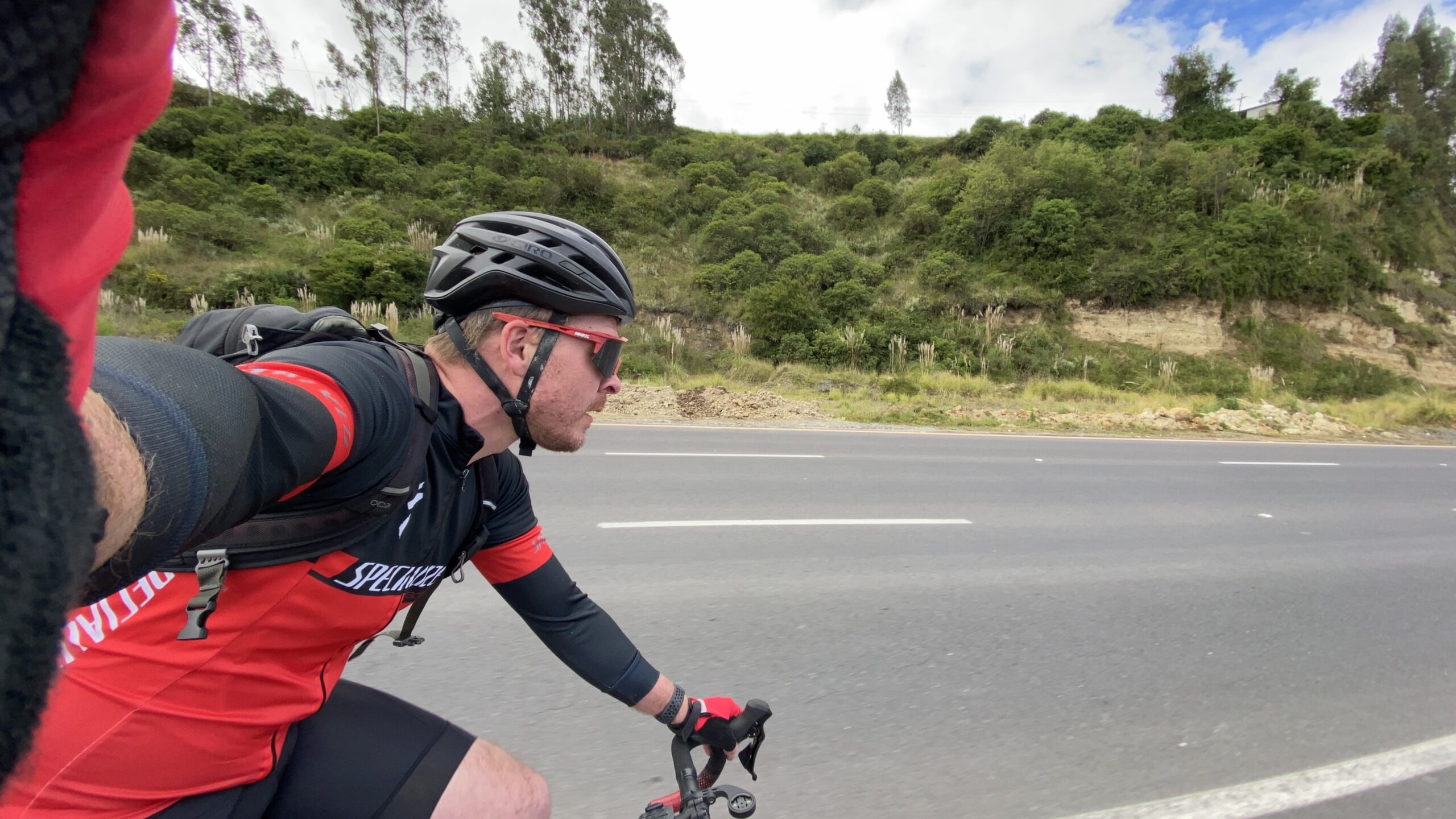
BEN FINCH
Sprawled along the banks of the mighty Río Guayas, Guayaquil is a tropical powerhouse brimming with vibrant energy, maritime heritage, and lush coastal biodiversity. Often treated as a mere transit point for travellers heading to the Galápagos Islands, Ecuador’s largest city and economic motor deserves far more than a hasty layover.
For autonomous travellers and cycling enthusiasts, Guayaquil offers a gateway to dramatic coastal mangroves, heritage riverfront promenades, rare tropical dry forests, and the misty slopes of the Andean cloud forest.
At Wheely Tyred, we firmly believe that slow travel on two wheels is the ultimate way to experience a destination. Standard tour buses isolate you behind tinted glass, while walking tours keep you tethered to a narrow radius.
A bicycle gives you the perfect balance of pace and mobility. It allows you to cover genuine distance, feel the humid river breeze, stop at roadside fruiteros for fresh sugarcane juice, and weave seamlessly between historical urban plazas and protected wilderness reserves.
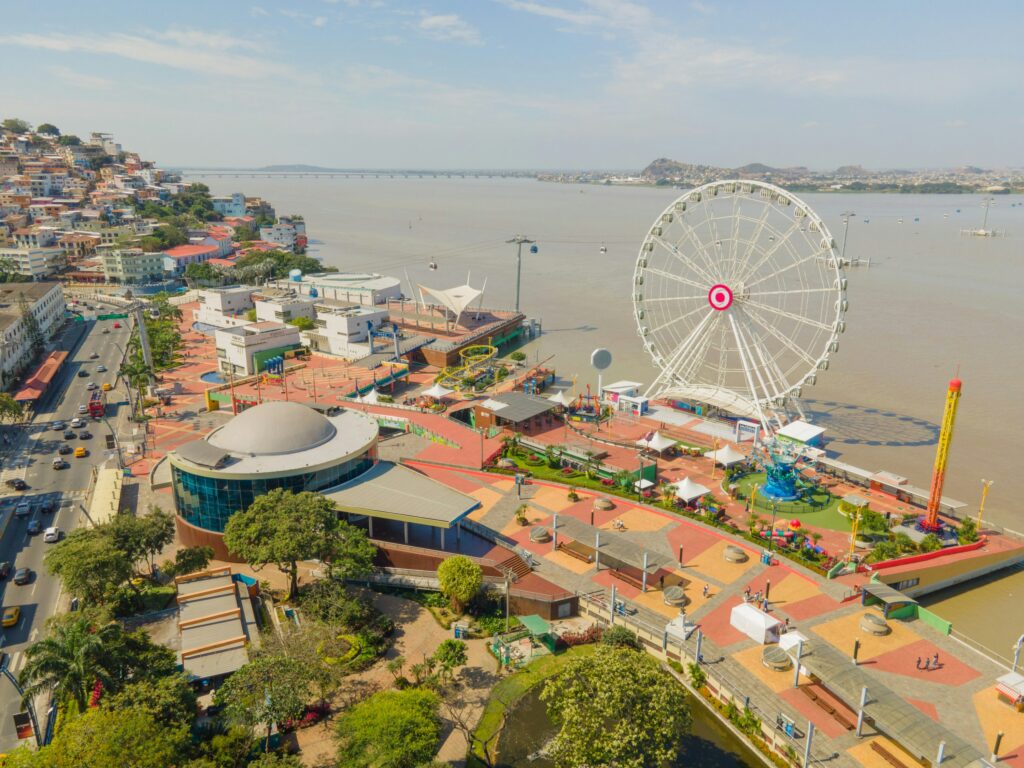
Guayaquil’s cycling landscape is evolving rapidly. Extensive modern infrastructure like the waterfront Malecón 2000, traffic-free eco-bridges to river islands, and world-class regional trails make riding here a delight.
Whether you are seeking a leisurely e-bike spin past basking land iguanas, a gravel ride through a protected tropical dry forest, or an adrenaline-pumping downhill descent down cloud forest waterfalls, guided cycling tours provide local trail expertise, safety, and deep cultural connections. Here is our curated guide to the absolute best bookable bike tours in and around Guayaquil.
The essential Guayaquil cyclist briefing
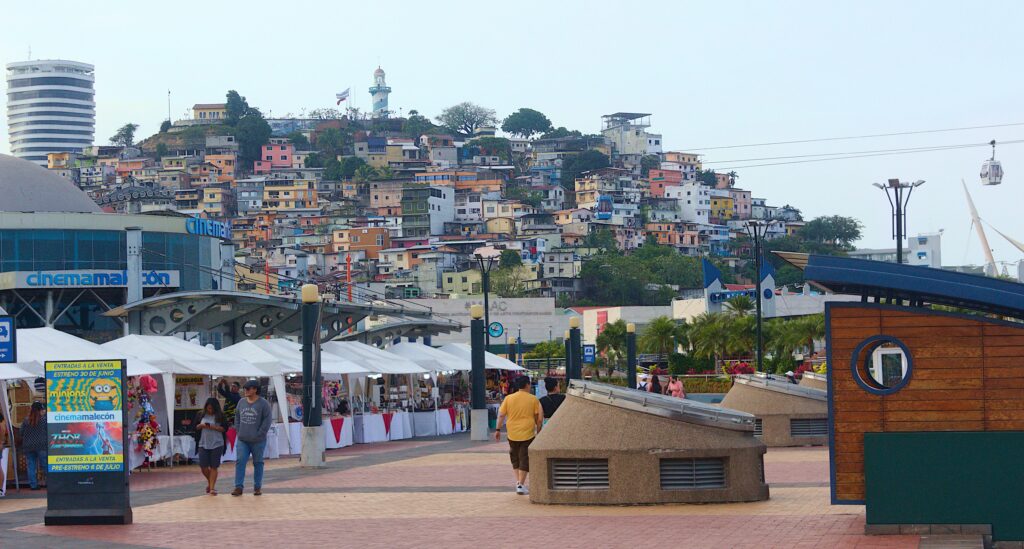
Whether you are seeking a half-day urban roll along dedicated riverfront promenades or an all-day off-road adventure through coastal cloud forests, Guayaquil rewards the curious cyclist with unmatched ecosystem diversity.
Here is what you need to know before mounting up in Ecuador’s bustling coastal hub:
- Río Guayas & Malecón 2000: Exceptional, traffic-free urban cycling along paved waterfront promenades, taking in maritime monuments, manicured gardens, and the vibrant artist quarter of Cerro Santa Ana
- Isla Santay Eco-Pedal: A flat, completely car-free wetland sanctuary reached via a dedicated 840-metre bicycle bridge over the river, featuring raised wooden boardwalks and stilt-house villages
- Bucay Cloud Forest: An invigorating downhill mountain bike descent from the Andean foothills through misty bamboo groves, passing thunderous cloud forest cascades and sugarcane presses
- Cerro Blanco Dry Forest: Rare off-road trail riding through an endangered tropical dry forest ecosystem, home to howler monkeys, native kapok trees (ceibas), and rich birdlife
- Coastal Cacao Routes: Rural singletrack and flat farm lanes connecting historic plantations where you can trace fine-aroma Cacao Arriba from pod to artisanal chocolate paste
- Equatorial Climate Rules: Early morning departures are essential to beat the afternoon heat; aggressive hydration, high-SPF sun protection, and breathable, quick-drying kit are mandatory
Guayaquil.
The Pearl of the Pacific
Cloud forest cascades / Bucay waterfall & forest trail cycle
Rating & reviews
(3+ verified reviews on GetYourGuide)
Why this tour stands out
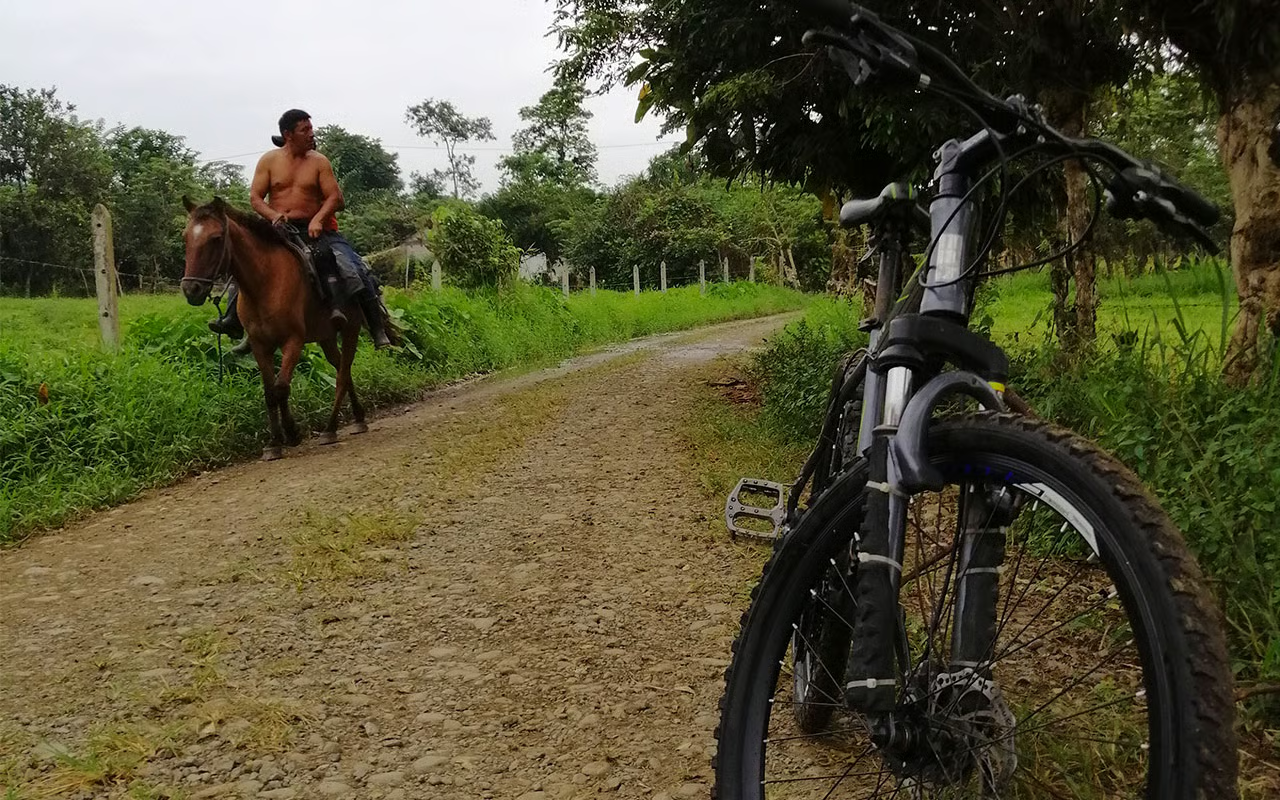
Leaving the coastal heat behind, this full-day adventure takes riders from downtown Guayaquil into the lush cloud forest of Bucay, nestled at the foot of the Andes Mountains. Led by expert mountain biking guides from Bucay Adventures, you will cycle downhill along quiet, paved backroads and winding jungle tracks framed by orchids and wild heliconias.
The route features stops at three majestic cloud forest waterfalls, where you can strip off your helmet and swim in clear natural plunge pools. Beyond the ride, the tour integrates authentic rural life with a hands-on sugarcane press demonstration and a traditional farm-to-table lunch.
Key highlights
- Downhill mountain biking along scenic mountain corridors in the Bucay cloud forest
- Hikes and swims at three secluded waterfalls hidden within subtropical foliage
- Hands-on demonstration of an authentic artisanal sugarcane press
- Full-day round-trip transfers from Guayaquil with high-quality mountain bikes, helmets, and guide support included
Ideal for
Active cyclists, nature lovers, and adventure seekers wanting an invigorating mix of downhill riding, mountain scenery, and waterfall dips.
Local cycling insight
The elevation change from coastal Guayaquil to Bucay brings cooler temperatures and frequent tropical mists. Pack a lightweight, packable waterproof jacket, quick-drying mountain bike shorts, and a change of clothes for the waterfall pools.
The Ecuadorian Coast.
Where you’ll find the very best food
Coastal mangroves & cacao cycling / From seed to fine chocolate
Rating & reviews
(5+ verified reviews on Viator)
Why this tour stands out
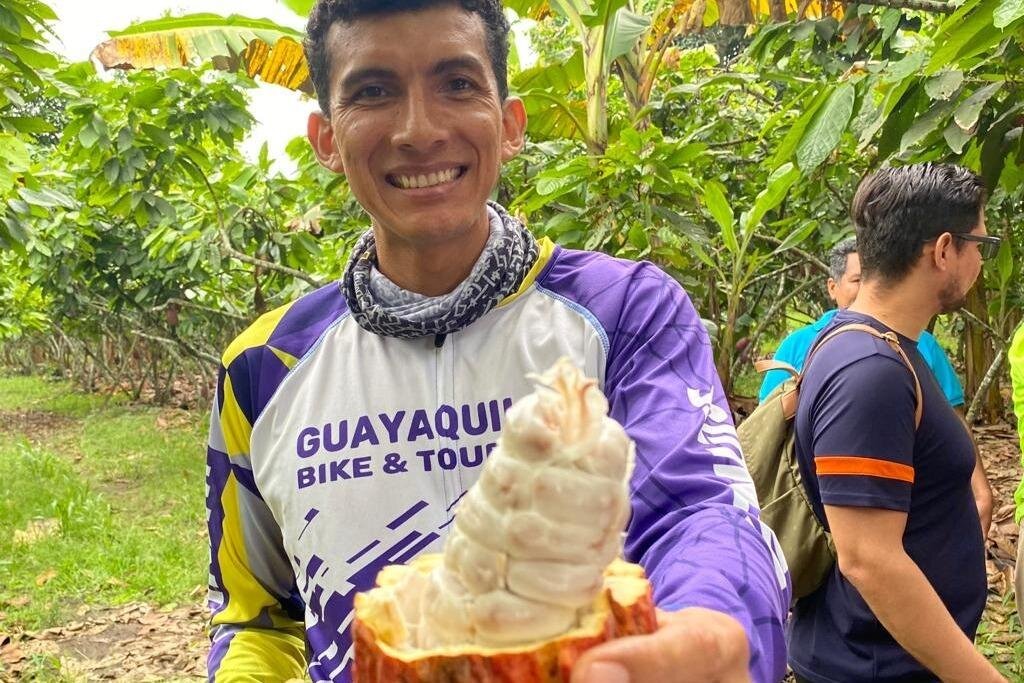
Ecuador is world-renowned for producing Cacao Arriba—the gold standard of fine aroma chocolate. This immersive tour merges coastal cycling with agricultural heritage. Riders pedal along flat, quiet rural dirt tracks and coastal mangrove channels inhabited by blue herons and fiddler crabs before arriving at an organic, family-run cacao estate.
Under the shade of broad cacao trees, your guide walks you through the entire process: harvesting ripe pods, fermenting, sun-drying, roasting, and grinding the cacao nibs into rich, artisanal chocolate paste.
Key highlights
- Flat, accessible cycle ride along coastal mangrove ecosystems and shaded rural lanes
- Guided walk through an operational organic cacao plantation
- Hands-on chocolate-making workshop using traditional roasting and grinding tools
- Homemade farm lunch featuring fresh tropical fruits and regional coastal dishes
Ideal for
Culinary enthusiasts, casual riders, and travellers interested in sustainable agriculture and local coastal culture.
Local cycling insight
Coastal mangroves carry elevated humidity and strong equatorial sunshine. We advise wearing breathable, UV-protective long-sleeved jerseys, using reef-safe sun cream, and bringing a reusable water bottle to stay properly hydrated during the ride.
The Galápagos.
Ecuador’s Enchanted Isles
Estuary escapes / Riverboat crossing & Isla Santay eco-pedal
Rating & reviews
(Direct booking with provider)
Why this tour stands out
This tour provides a seamless escape from the city grid without a lengthy road transit. Meeting on the iconic Malecón 2000 waterfront, riders pedal across the dedicated 840-metre pedestrian and cycling bridge over the broad Río Guayas onto Isla Santay.
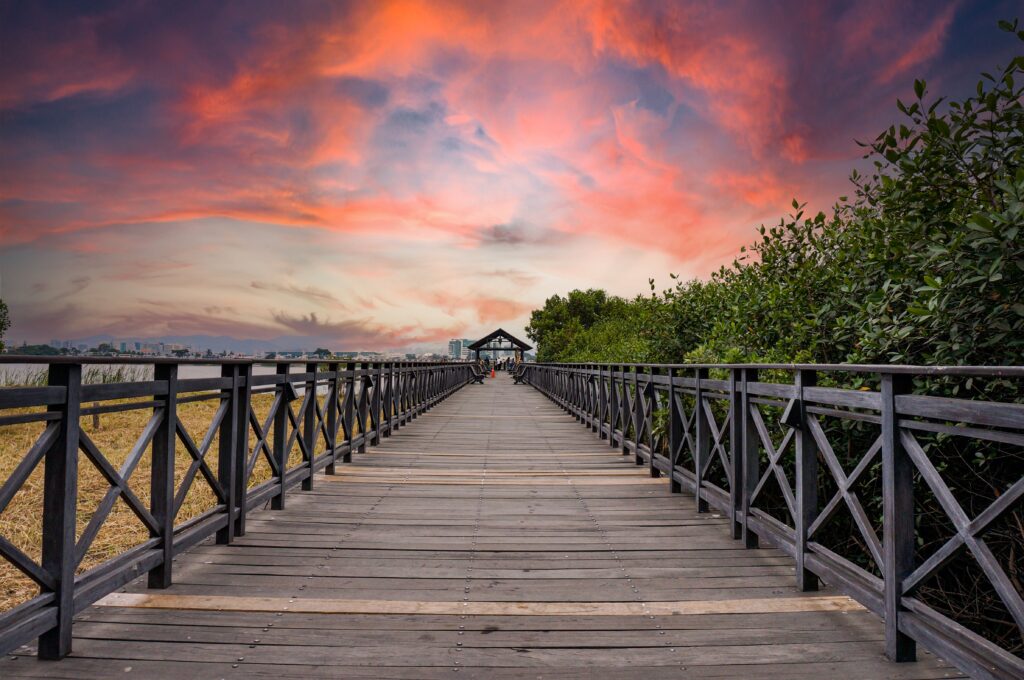
Once on the island—a protected RAMSAR wetland sanctuary—you glide silently along raised wooden boardwalks suspended above mangrove forests.
The trail leads to an eco-village of stilt houses and a crocodile conservation station. The journey concludes with a peaceful boat transfer across the river back to downtown Guayaquil.
Key highlights
- Traffic-free ride across the impressive Guayas River bicycle bridge
- Eco-cycling on raised wooden boardwalks beneath lush mangrove canopies
- Guided visit to the local eco-community and crocodile protection project
- Scenic riverboat transit carrying you and your bicycle back to the city promenade
Ideal for
Families, leisure cyclists, birdwatchers, and travellers looking for a relaxed, completely flat ride close to central Guayaquil.
Local cycling insight
The wooden boardwalks on Isla Santay can become slippery after tropical morning showers. Keep your tyre pressure slightly lower for enhanced traction, maintain a moderate pace, and yield gently to local pedestrians and wildlife crossing the paths.
Dry forest trail riding / Cerro Blanco wilderness circuit
Rating & reviews
(Direct booking with provider)
Why this tour stands out
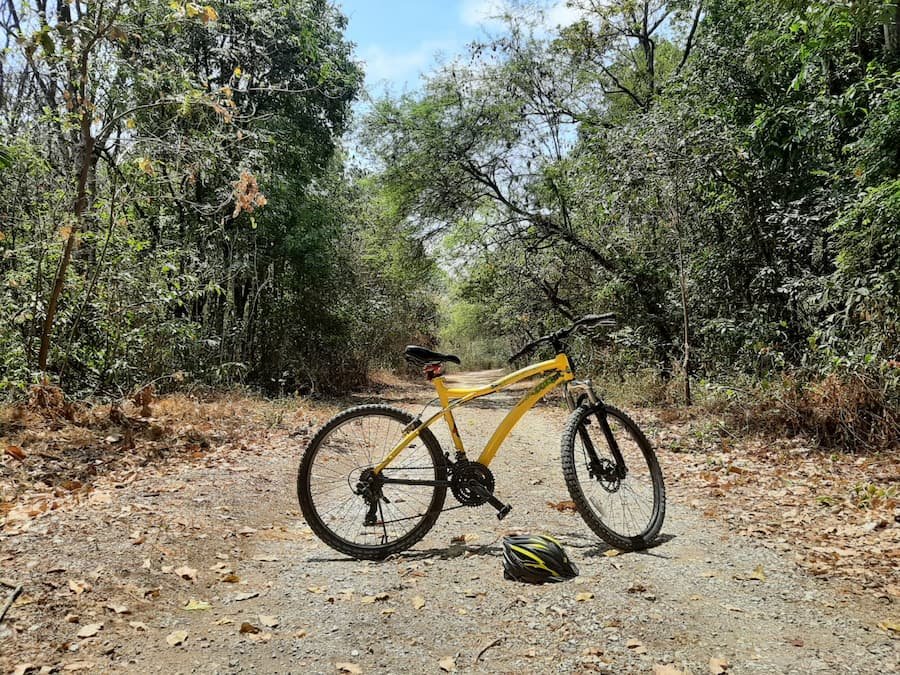
Located just on the outskirts of the city, Bosque Protector Cerro Blanco protects one of the world’s most endangered ecosystems: the South American tropical dry forest. This guided off-road excursion takes riders onto the designated 4-kilometre Biciruta trail system.
Surrounded by towering kapok trees (ceiba) with massive buttress roots, you will tackle rolling dirt singletrack while keeping an eye out for howler monkeys, iguanas, and over 200 species of tropical birds. Guides provide essential context on forest conservation and biodiversity management.
Key highlights
- Off-road dirt track cycling through rare tropical dry forest habitats
- Opportunities for wildlife spotting, including howler monkeys and endemic birdlife
- Rest stops at forest lookouts equipped with shaded pavilions and picnic areas
- Round-trip private transfers from downtown Guayaquil with hardtail mountain bikes provided
Ideal for
Gravel riders, mountain bikers, wildlife enthusiasts, and eco-travellers seeking off-pavement trails.
Local cycling insight
The terrain features loose dirt, gravel, and occasional exposed tree roots. Hardtail mountain bikes or wide-tyre gravel bikes with knobby tread are strictly required. Morning slots are crucial to beat the intensity of the coastal afternoon sun.
The Ecuadorian Sierra.
Get lost in the hills
Our practical Guayaquil cycling & ride planning guide
Navigating Guayaquil and the surrounding Guayas region on two wheels is rewarding, provided you prepare for the tropical climate and local riding conditions. Here are our top practical tips for riding in coastal Ecuador:
1. Master the tropical climate & hydration
Guayaquil lies close to the equator and features high humidity year-round. Temperatures consistently top 30°C. Start rides as early in the morning as possible to take advantage of cooler breeze conditions. Drink water or electrolyte solutions continuously—do not wait until you feel thirsty. Carry two water bottles or a hydration bladder on all-day tours.
2. Choose the right machine / Pedal vs e-bike
- Urban & Riverfront Rides: Standard hybrid city bikes or flat-bar road bikes are ideal for the paved promenades of Malecón 2000 and the flat boardwalks of Isla Santay
- Trail & Off-Road: Hardtail mountain bikes with hydraulic disc brakes and front suspension are necessary for the loose dirt tracks of Cerro Blanco and the volcanic gravel of Cotopaxi. E-bikes are increasingly available and offer fantastic pedal-assist relief during hot, humid coastal afternoons
3. Traffic safety & local cycling etiquette
While Guayaquil has invested significantly in dedicated cycle paths (ciclovías) along major riverfronts and parks, traffic on secondary city streets can be fast-paced and unpredictable. Always ride assertively yet defensively, wear a helmet (mandated by tour operators and local regulations), and use clear hand signals. On shared pedestrian boardwalks, such as Isla Santay, yield to walkers and maintain a polite 10-km/h speed limit.
4. What to pack for coastal day rides
Keep your setup light and weather-resistant. We recommend riding in a moisture-wicking jersey, padded cycling shorts, and stiff-soled trainers or SPD shoes. Always pack:
- High-SPF broad-spectrum sun cream and lip balm
- Quality UV400 sunglasses to block equatorial glare
- Sweat-proof insect repellent (essential for mangrove and dry forest rides)
- A lightweight packable rain jacket for sudden tropical downpours
- A waterproof dry bag for protecting phones and electronics
Why Guayaquil belongs on your cycling radar
Read this far?
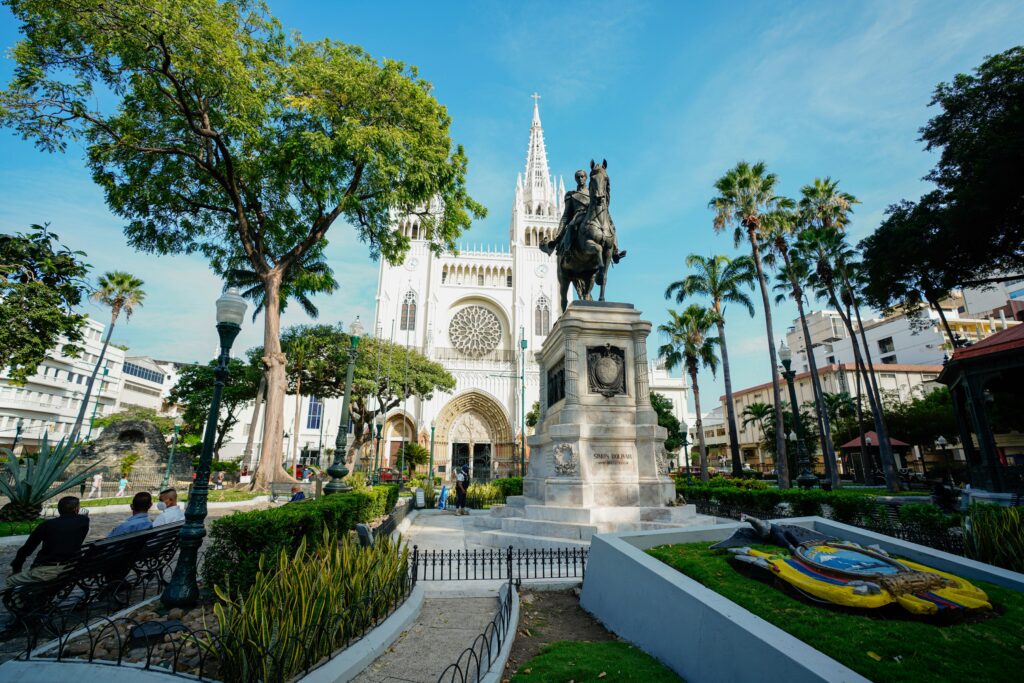
For too long, international travellers have treated Guayaquil as little more than a necessary layover—an airport terminal on the way to the Galápagos Islands or a brief overnight stop before heading into the high Andes. But to pass through this city without exploring its waterways, forests, and rural hinterlands on two wheels is to miss out on one of South America’s most dynamic coastal cycling hubs.
Riding here reveals a fascinating city in the middle of an ecological and urban renaissance. From the wide, smooth cycleways crossing the Río Guayas to the shaded dirt tracks winding through ancient mangrove ecosystems, Guayaquil invites you to slow down and feel the pulse of the coast. You trade noisy engine exhaust and fogged tour bus windows for the fresh scent of river breezes, the rustle of dry forest canopies, and the warm hospitality of local agricultural communities.
Whether you are coasting past basking iguanas in historic city plazas, tasting raw cocoa nibs straight from a family-run orchard, or cooling off in a secluded cloud forest plunge pool, bicycle travel bridges the gap between tourist and local. It turns a standard sightseeing itinerary into a genuine journey of discovery, where every pedal stroke connects you deeper to the geography and people of coastal Ecuador.
So swap the airport waiting lounge for a set of handlebars. Put on your helmet, load your water bottles, and let Guayaquil show you why the Pearl of the Pacific is best experienced on two wheels.
Affiliate Disclaimer: Some of the links on Wheely Tyred are affiliate links. If you click through and make a booking or purchase, we may earn a small commission at no extra cost to you. We only recommend gear, tours, stays, and services we genuinely use, trust, and stand behind — our editorial independence always comes first. These commissions help keep our independent cycling guides and travel stories free to read. You can also buy me a coffee here — thanks for supporting the ride!
The Ecuadorian Amazon.
The most biodiverse place in the world
Frequently asked questions about the best Guayaquil bike tours
Guayaquil’s primary cycle paths—such as those along the Malecón 2000, inside Parque Histórico, and across the bicycle bridge to Isla Santay—are fully pedestrianised, secure, and well-patrolled. When riding on secondary urban streets outside protected corridors, city traffic can be fast and unpredictable. Joining a guided bike tour is the safest way to navigate city transitions, as local guides know the safest street connections, bike lane infrastructure, and rural trail entrances.
Guayaquil experiences two distinct seasons. The dry season (May to December) is widely considered the best time for cycling, featuring cooler temperatures (22°C to 28°C), lower humidity, and minimal rainfall. The wet season (January to April) brings hot, humid conditions and heavy afternoon downpours; however, rural scenery and cloud forest waterfalls are at their most spectacular during these months. Regardless of the season, booking early morning rides allows you to avoid the peak heat of the day.
No. All the recommended guided bike tours in this guide provide well-maintained, high-quality bicycles tailored to the specific terrain—including hardtail mountain bikes with front suspension for trails like Cerro Blanco or Bucay, and comfortable hybrid city bikes or e-bikes for urban rides. Helmets are provided as standard by reputable operators. You only need to bring your own riding apparel, comfortable footwear (such as trainers), and personal accessories like sun cream and sunglasses.
The difficulty varies by route. The Bucay Waterfall descent is largely downhill along paved mountain backroads and well-defined tracks, making it accessible to active beginners and intermediate riders with a basic level of fitness. The Biciruta in Cerro Blanco involves loose dirt, gravel, and gentle incline changes, requiring basic off-road bike handling skills. For absolute beginners or families seeking flat, relaxed pedalling, Isla Santay and the Malecón 2000 urban circuits offer smooth, completely flat terrain.
Pack light and focus on weather resistance. Essential items include high-SPF broad-spectrum sun cream, UV-blocking sunglasses, sweat-proof insect repellent (vital for mangrove and forest trails), a reusable water bottle or hydration bladder, and a compact, packable waterproof rain jacket. If your tour includes a waterfall stop in Bucay, remember to bring swimwear, a lightweight travel towel, and a spare change of dry clothes.
Absolutely. Coastal Ecuador boasts a rich culinary heritage, and cycling tours frequently incorporate local food stops. Rural and cacao bike tours often include traditional farm-to-table lunches featuring fresh seafood, bolón de verde (green plantain dumplings stuffed with cheese or pork), fresh sugarcane juice (guarapo), and tastings of single-origin artisanal chocolate made directly from local Cacao Arriba beans.
Ecuador.
Pure wonder on the equator.