Unveiling the treasures of La Costa / The ultimate guide to bookable attractions in coastal Ecuador
Top cultural sites, marine sanctuaries, and historical landmarks on Ecuador’s Pacific shore
Pre-booked precision for exploring South America’s tropical coastline
BEN FINCH
Ecuador’s Pacific shoreline—known locally as La Costa—is a landscape defined by dramatic environmental contrasts and rich maritime heritage. Stretching from the mangrove-laced estuaries of the Guayas basin to the tropical dry forests and sheer cliffs of Manabí, this coastline has nurtured human settlement for thousands of years.
From the ancient Valdivia culture, who crafted some of the Americas’ earliest ceramic art, to the 19th-century cocoa barons whose agricultural wealth transformed Guayaquil into the Pearl of the Pacific, the region offers cultural depth far beyond its sandy shores.
For the independent, discerning traveller, navigating La Costa’s premier cultural institutions and ecological reserves requires strategic foresight. Coastal Ecuador operates on a rhythm dictated by maritime tides, seasonal wildlife migrations, and strict conservation quotas within national parks.
Attempting to organise last-minute vessel permits for offshore sanctuaries or arriving unannounced at protected dry forests often results in administrative friction, missed entry slots, or outright rejection at ranger checkpoints.
At Wheely Tyred, we champion smart, seamless cultural exploration. Securing pre-booked timed entries, hosted venue access, and small-group naturalist tours in advance eliminates unnecessary waiting in humid dockside queues.
Advance ticketing protects your itinerary, guarantees compliance with local conservation limits, and ensures your time is spent immersed in the history, art, and natural splendour of Ecuador’s coast.
The highlights of Ecuador’s shoreline
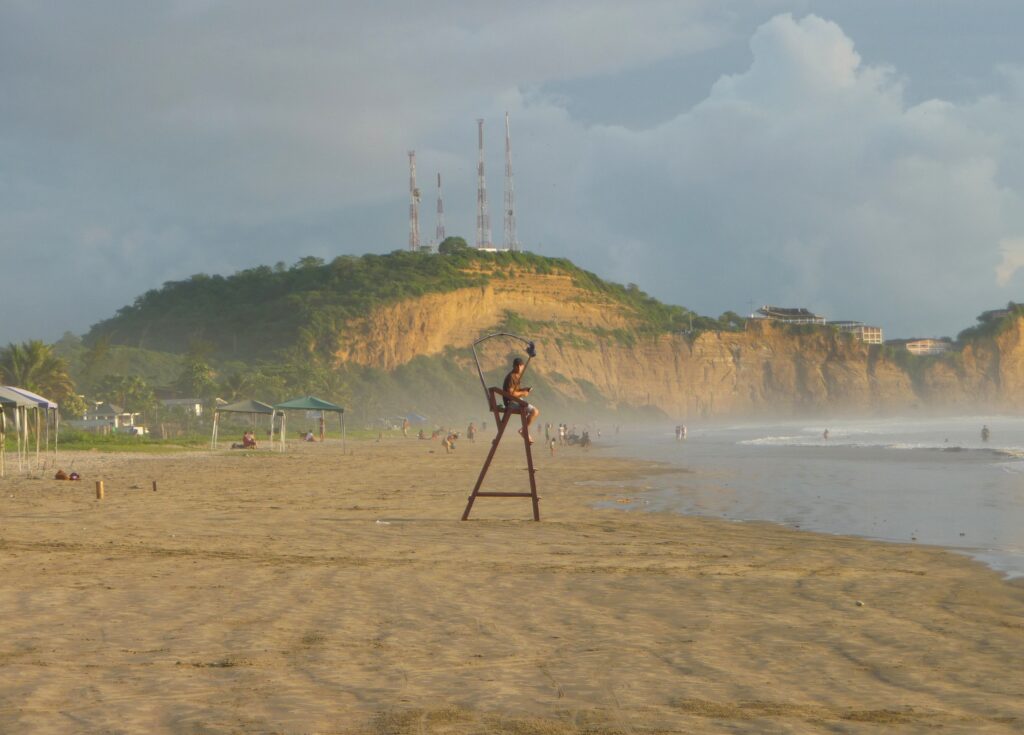
From the shaded mangrove estuaries of the Guayas basin to the ocean headlands of Manabí, coastal Ecuador rewards those who look beyond the typical resort trail. Here are the essential locations, cultural themes, and practical tips to shape your itinerary along La Costa.
- Isla de la Plata: Known as the Mini Galápagos, this offshore haven within Machalilla National Park offers close encounters with nesting blue-footed boobies and migrating humpback whales from June to October
- Parque Histórico Guayaquil: A beautifully curated open-air museum preserving 19th-century timber estates from the cacao boom, woven seamlessly into protected coastal mangrove habitat
- Manglares Churute: A vital estuarine reserve where quiet boat safaris reveal coastal birdlife, wild howler monkey troops, and traditional bean-to-bar cacao farms
- Las Peñas & Santa Ana Hill: Guayaquil’s historic quarter, featuring 444 cobblestone steps past vibrant wooden houses, art studios, and sweeping views from the summit lighthouse
- Playa Bruja Paragliding: A thrilling tandem flight off coastal sea cliffs near Montañita, capturing panoramic ocean perspectives along the scenic Ruta del Spondylus
- Smart Advance Ticketing: Pre-booking timed permits and boat transfers ensures compliance with strict national park quotas while letting you bypass dockside ticket queues
The Ecuadorian Coast.
Where you’ll find the very best food
Unlock the natural wonders of Machalilla & Isla de la Plata
Rating & reviews
(11+ verified reviews on GetYourGuide)
Why this specific attraction stands out
Situated 40 kilometres off the coast of Puerto López within Machalilla National Park, Isla de la Plata is widely celebrated as Ecuador’s mainland alternative to the Galápagos Islands. Pre-booking this full-day ticketed expedition grants guaranteed maritime transport aboard a licensed vessel, dock fee inclusions, and mandatory entry alongside an accredited naturalist guide.
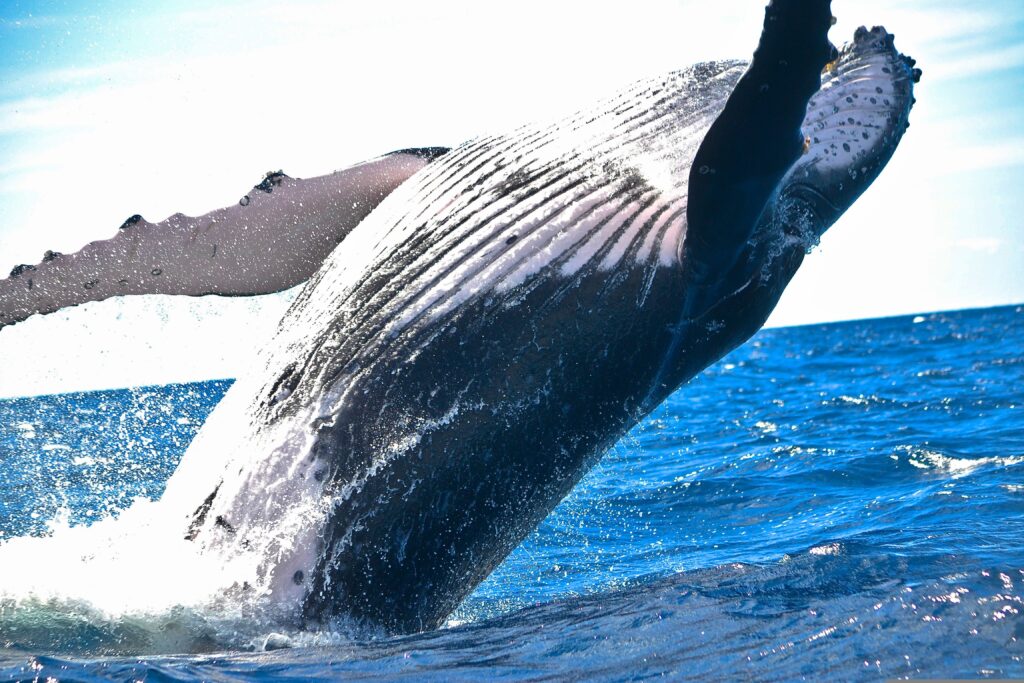
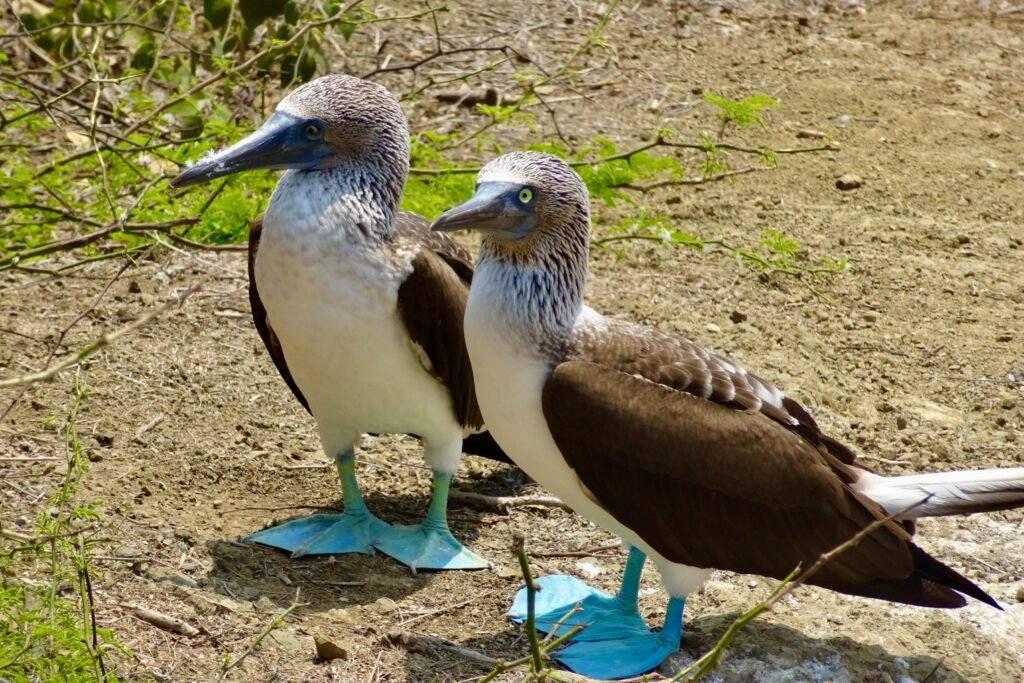
The island’s isolated ecosystem supports nesting colonies of blue-footed boobies, red-footed boobies, Nazca boobies, and magnificent frigatebirds. Between June and October, the transit across the Pacific doubles as a research-grade marine safari, offering humpback whale watching with onboard hydrophone equipment to hear underwater whale songs.
Following a guided overland hike across the island’s arid plateau, visitors gear up for guided snorkelling along pristine coral reefs teeming with Pacific sea turtles, manta rays, and tropical fish.
Key highlights
- Seabird Colony Trekking: Guided trail walks offering close-range observation of nesting blue-footed boobies and frigatebirds
- Seasonal Humpback Whale Encounters: High-probability whale watching accompanied by marine biology research commentary
- Marine Reserve Snorkelling: Protected offshore reef swimming alongside green sea turtles and vibrant reef species
- All-Inclusive Logistics: Includes park permit entry, maritime transfers, box lunch, cold refreshments, and snorkel equipment
Ideal for
Wildlife enthusiasts, birdwatchers, marine conservation supporters, and travellers seeking Galápagos-level biodiversity without the offshore cruise price tag.
Local insight
Isla de la Plata is subject to strict daily visitor limits set by the Ministry of Environment to protect vulnerable nesting grounds. Booking several weeks ahead is essential during the June–October whale season. Bring sturdy hiking boots with aggressive tread; the initial staircase climb from Drake’s Bay onto the island plateau is steep and exposed to direct tropical sun.
Journey through coastal history at Parque Histórico Guayaquil
Rating & reviews
(2+ verified reviews on Viator)
Why this specific attraction stands out
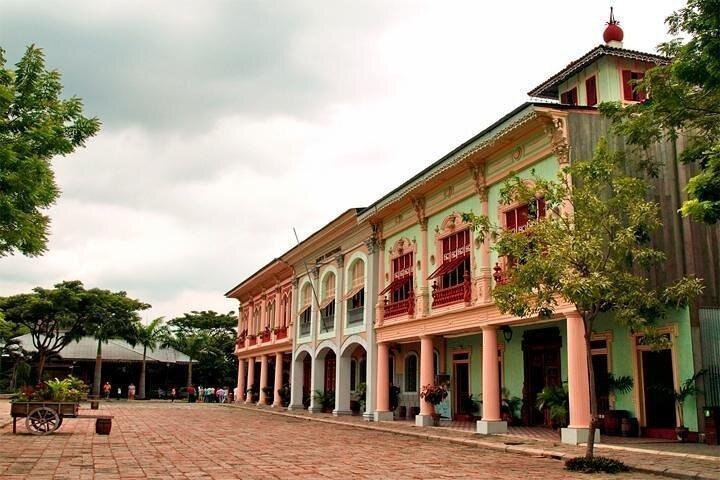
Parque Histórico Guayaquil, located along the banks of the Daule River in the Samborondón district, is Ecuador’s premier open-air architectural museum and ecological sanctuary. This hosted private ticket experience pairs a comprehensive city exploration with dedicated, guided immersion inside the park’s three distinct zones: Wildlife, Urban Architecture, and Traditions.
The centrepiece of the urban zone features meticulously salvaged 19th-century wooden mansions—including the grand Hacienda San Juan—rescued from demolition in downtown Guayaquil and reassembled timber by timber. The tour illuminates the golden age of Ecuador’s cacao boom (the Golden Seed), demonstrating how wealthy plantation owners shaped the city’s neoclassical and vernacular architecture.
Concurrently, the elevated boardwalks of the Wildlife Zone thread through pristine mangrove habitat, providing protected views of native species such as harpy eagles, spectacled caimans, spider monkeys, and coastal sloths.
Key highlights
- Restored Vernacular Architecture: Step inside authentic 19th-century cocoa baron estates showcasing period furnishings and traditional wooden joinery
- Elevated Mangrove Boardwalk: Walk through preserved coastal wetland ecosystems housing rescued native fauna
- Artisanal Cacao Demonstration: Learn the historical agrarian techniques behind coastal Ecuador’s world-famous Arriba cacao beans
- Seamless Private Transport: Includes air-conditioned hotel pickup and drop-off to bypass urban logistics
Ideal for
History buffs, architecture aficionados, cultural travellers, and families seeking an organised, educational overview of Guayaquil’s heritage in a secure environment.
Local insight
Visit the park during the morning hours when the ambient temperature is moderate and the mangrove wildlife is most active. The park’s traditional cafe serves authentic bolón de verde (green plantain dumplings with cheese or pork) and estate-grown hot chocolate—a perfect mid-morning pause.
The Galápagos.
Ecuador’s Enchanted Isles
Coastal biodiversity & heritage cacao culture at Manglares Churute
Rating & reviews
(34+ verified reviews on Viator)
Why this specific attraction stands out
Located 45 minutes southeast of Guayaquil, the Reserva Ecológica Manglares Churute protects one of the most vital estuarine mangrove networks on South America’s Pacific coast. Because access inside the reserve requires mandatory park permits and authorised motorboat captains, securing this small-group ticket guarantees hassle-free entry to both the reserve and an adjacent working heritage cocoa hacienda.
The journey begins aboard a traditional flat-bottomed boat navigating the quiet brackish canals of the estuary. Accompanied by a specialised naturalist, guests track coastal birdlife—including roseate spoonbills, herons, and osprey—alongside wild crab populations.
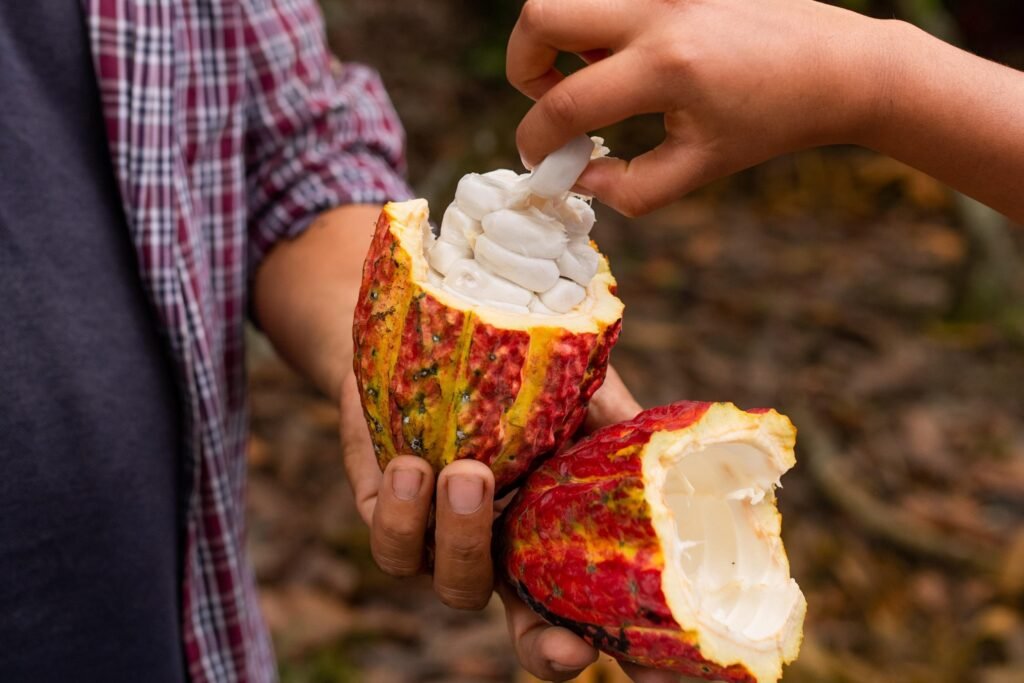
The experience then transitions into a terrestrial dry forest hike to spot wild howling monkeys (Alouatta palliata) before moving to a nearby family-owned cocoa plantation. Here, an interactive bean-to-bar workshop reveals the harvesting, fermentation, drying, and roasting process of fine aroma cacao, culminating in a traditional farm-to-table coastal lunch.
Key highlights
- Estuarine Mangrove Boat Safari: Navigate protected tidal inlets surrounded by red and white mangrove forests
- Howler Monkey Trail Hike: Guided trek through coastal tropical dry forest inhabited by troops of howler monkeys
- Hands-On Cacao Workshop: Interactive demonstration of traditional chocolate making from raw mucilage tasting to finished paste
- Authentic Countryside Lunch: Home-cooked meal prepared using fresh, hyper-local agrarian ingredients
Ideal for
Eco-tourists, slow-food advocates, wildlife photographers, and travellers seeking an authentic rural escape from the urban coast.
Local insight
Mangrove environments are home to small sandflies locally known as manta blanca. Tightly woven, lightweight long garments and natural insect repellent are essential. Ensure your footwear can handle damp, muddy paths during the dry forest walk.
Ascend the historic crest of Las Peñas & Guayas riverfront
Rating & reviews
(49+ verified reviews on GetYourGuide)
Why this specific attraction stands out
Guayaquil’s historic identity is rooted in its relationship with the wide Guayas River. This structured, hosted urban ticket experience seamlessly blends historical walking exploration with modern aerial transit, eliminating the hassle of navigating local transit systems independently.
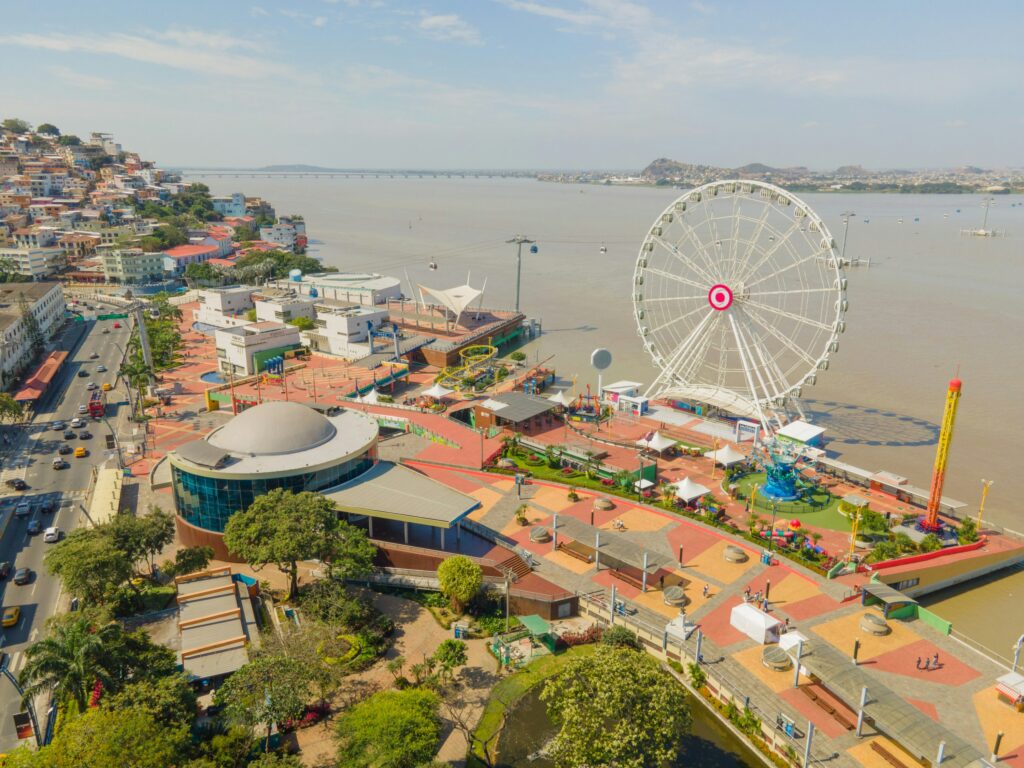
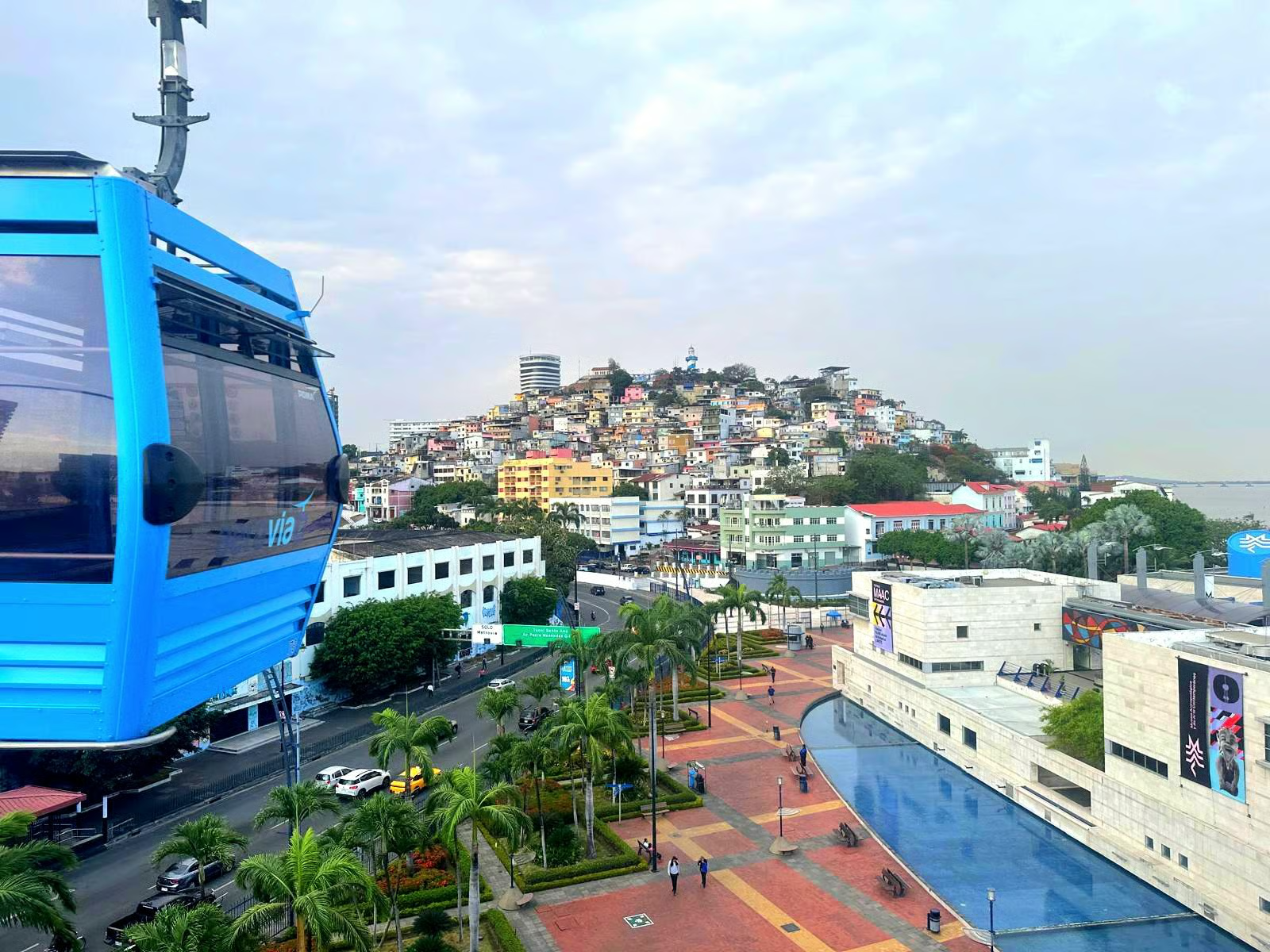
The itinerary highlights the Aerovía, Guayaquil’s state-of-the-art urban cable car system that glides high above the Guayas River, providing sweeping panoramic views of the skyline, the riverfront promenade (Malecón 2000), and Durán. On foot, your host guides you through Parque Seminario (famously known as Iguana Park), where scores of land iguanas roam freely beneath tropical palms.
The tour climbs the 444 numbered steps up Cerro Santa Ana into the historic neighbourhood of Las Peñas—a 400-year-old quarter filled with restored, brightly painted wooden houses, art galleries, and cobblestone alleys, ending at the iconic lighthouse at El Fortín.
Key highlights
- Aerovía Aerial Transit: Pre-ticketed flight across the Guayas River on Ecuador’s flagship urban cable car system
- Las Peñas Heritage Walk: Explore the restored 16th-century architectural heart of Guayaquil along steps 1 to 444
- Parque Seminario Iguana Sanctuary: Up-close encounters with urban land iguanas inside the shadow of the Metropolitan Cathedral
- Santa Ana Lighthouse Viewpoint: Panoramic 360-degree vistas over the Guayas River basin and downtown district
Ideal for
Urban explorers, cultural photography enthusiasts, first-time visitors, and travellers wanting a safe, structured introduction to Guayaquil’s main historic quarters.
Local insight
Climbing Santa Ana Hill involves 444 concrete steps. While the path is lined with security outposts, air-conditioned cafes, and artisan shops, ascending during late afternoon allows you to avoid peak equatorial heat and catch the sunset from the lighthouse summit.
The Ecuadorian Sierra.
Get lost in the hills
Soar above Pacific cliffs at Playa Bruja & Montañita
Rating & reviews
(24+ verified reviews on Viator)
Why this specific attraction stands out
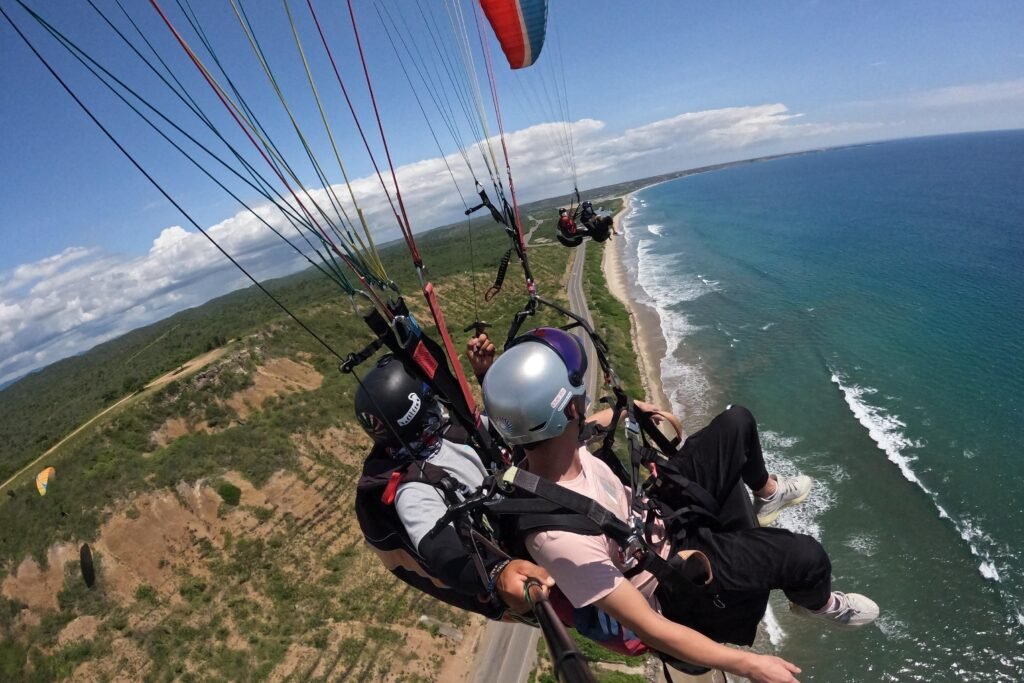
The coastal geography of southern Manabí and northern Santa Elena features dramatic sea cliffs where coastal winds create reliable thermal lift. Located just minutes from the famous surf town of Montañita, the launch site at Playa Bruja (near Libertador Bolívar) offers a unique vantage point over the famous Ruta del Spondylus highway.
Pre-booking this tandem paragliding pass secures a guaranteed flight slot with certified tandem pilots, full flight insurance, safety briefings, and HD photo and video media capture. After strapping into the harness alongside your pilot, a short run off the cliff launches you into stable updrafts. From hundreds of feet in the air, gliders enjoy unhindered views of Pacific breaking waves, pristine dry forest ridges, and miles of curved sandy coastline.
Key highlights
- Tandem Flight with Certified Instructors: Safe, hands-free flight requiring no prior experience
- Playa Bruja Cliff Launch: Panoramic aerial perspectives of coastal bluffs and ocean surf lines
- Digital Media Package Included: High-definition photos and video footage provided immediately following landing
- Flexible Weather Guarantee: Easy scheduling adjustments if coastal wind conditions shift
Ideal for
Adventure seekers, coastal thrill-seekers, couples, and travellers wanting an aerial perspective of Ecuador’s Pacific seascape.
Local insight
Paragliding relies entirely on thermal wind currents, which typically build up between 12:00 PM and 4:00 PM. Wear secure lace-up trainers or closed shoes; sandals or flip-flops are strictly prohibited on the launch site for safety reasons.
Escape to the Pacific horizon on the Isla de la Plata day expedition
Rating & reviews
(18+ verified reviews on Viator)
Why this specific attraction stands out
For travellers staying in Guayaquil who want to visit Isla de la Plata without arranging complicated public transit to Manabí province, this all-inclusive day excursion provides a seamless link between the city and the ocean.
The tour begins with private air-conditioned transport picking you up directly from your hotel at dawn, driving through the agricultural heartland of La Costa to the fishing village of Puerto López.
There, you board a private boat out to Isla de la Plata within Machalilla National Park. The package covers all regional marine permits, naturalist guide fees, gear rentals, and meals. This approach saves travellers hours of transport planning while ensuring guaranteed access to protected island trails and snorkelling spots.
Key highlights
- Door-to-Door City-to-Coast Transport: Private transfer from Guayaquil hotels directly to Puerto López marina
- Complete Marine Sanctuary Access: Fully compliant permits for Machalilla National Park and Isla de la Plata maritime routes
- Guided Biological Hikes: Expert commentary detailing the evolution and habits of resident blue-footed booby colonies
- Snorkelling Equipment & Lunch Provided: Includes wetsuits/snorkels, light meals, and onboard refreshments
Ideal for
Time-conscious travellers based in Guayaquil who want to experience Ecuador’s offshore marine life without changing hotels.
Local insight
The overland drive from Guayaquil to Puerto López takes roughly 3 hours each way. Bring seasickness medication if you are prone to motion discomfort, as the open Pacific swell between the mainland and Isla de la Plata can be active even on clear days.
The Ecuadorian Amazon.
The most biodiverse place in the world
Our practical coastal attraction booking & visiting guide
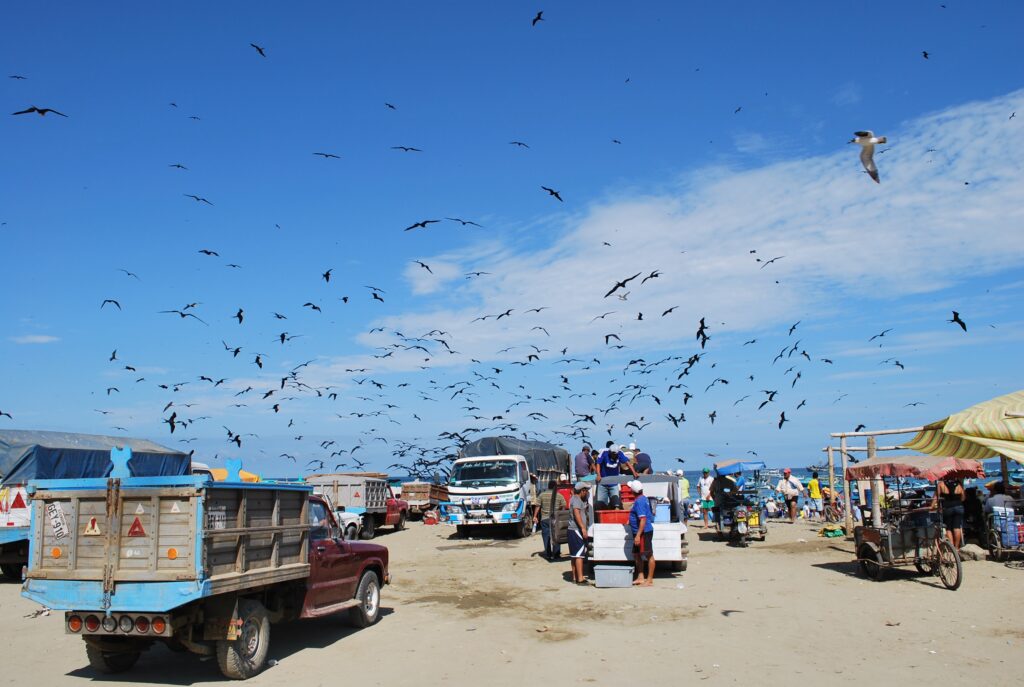
Navigating ticketed attractions along Ecuador’s Pacific coast requires a balance of advance planning and local awareness. Use these practical guidelines to ensure a smooth, enjoyable trip:
Respect national park permitting quotas
Attractions within Parque Nacional Machalilla (such as Isla de la Plata and Los Frailes beach) strictly enforce daily visitor caps to minimise environmental impact. Always book maritime tickets at least 2–3 weeks in advance during peak months (June through October).
Manage timed-entry slots around equatorial heat
The coastal sun in Ecuador is intense, particularly between 11:00 AM and 2:00 PM. Reserve early morning entry slots for outdoor destinations like Parque Histórico Guayaquil or dry forest hikes. Schedule indoor museum visits or air-conditioned cable car rides (Aerovía) during peak afternoon heat.
Carry physical identification & permit downloads
Ranger stations at ecological reserves like Manglares Churute and island docks in Puerto López require official ID matching the name on your booking confirmation. Download all digital ticket vouchers to your mobile device prior to departure, as cellular coverage can be unreliable in rural coastal zones.
Pack for variable coastal microclimates
Coastal Ecuador shifts rapidly from humid mangrove swamps to dry coastal scrub and cool ocean breezes. Always pack reef-safe biodegradable sunscreen, polarising sunglasses, an eco-friendly water flask, sturdy closed-toe walking shoes, and a lightweight waterproof dry bag for boat transfers.
Chart your own course along Ecuador’s Pacific horizon
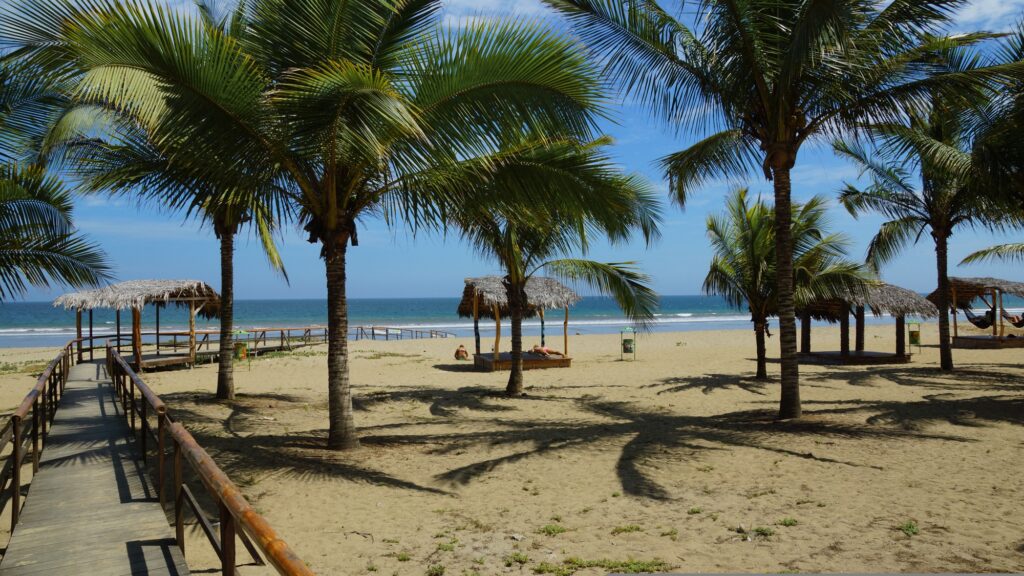
The coastal ribbon threaded by the Ruta del Spondylus connects far more than just surf spots and fishing hamlets. Travelling along La Costa reveals a dynamic landscape where maritime history, ancient indigenous heritage, and delicate ecological reserves meet. Whether you are navigating the tidal inlets of Churute by boat, climbing the historic stone steps of Las Peñas, or cycling between quiet headlands in Manabí, this coastline invites deliberate, slow-paced exploration.
Beyond the shoreline lies a rich agricultural and cultural narrative shaped over centuries. The legacy of the cacao boom still lives in the restored timber architecture of Guayaquil and the working family haciendas of the interior. Meanwhile, the region’s protected marine parks stand as a testament to ongoing conservation efforts, safeguarding species that have populated these waters and offshore islands long before human settlement.
Navigating this region as an independent traveller requires balancing spontaneous discovery with structured planning. Securing advance tickets for protected sanctuaries like Isla de la Plata or booking hosted entry into busy urban museums protects your schedule from administrative delays and environmental access caps. It allows you to spend less time managing logistics and more time immersing yourself in local culture.
Pack light, respect the equatorial sun, and allow room in your journey to slow down and take in the local rhythm. From fresh coastal cuisine to windswept ocean lookouts, Ecuador’s Pacific coast offers an unforgettable journey for those ready to explore on their own terms.
Affiliate Disclaimer: Some of the links on Wheely Tyred are affiliate links. If you click through and make a booking or purchase, we may earn a small commission at no extra cost to you. We only recommend gear, tours, stays, and services we genuinely use, trust, and stand behind — our editorial independence always comes first. These commissions help keep our independent cycling guides and travel stories free to read. Thanks for supporting the ride!
Frequently asked questions about the best attractions on Ecuador’s coast
Humpback whales migrate from Antarctic waters to the warm Pacific coastline of Ecuador between June and October each year. During these months, boat crossings to Isla de la Plata double as marine safaris, with high chances of spotting mothers and calves along the route.
Coastal mangrove estuaries and dry forests are home to small sandflies (known locally as manta blanca). Wear lightweight, tightly woven long trousers and long-sleeved tops, apply natural insect repellent, and wear sturdy closed-toe shoes capable of handling damp or muddy trails.
The climb up through the Las Peñas neighbourhood is well-paved and lined with small cafes, art stalls, and security posts. While it involves 444 concrete steps, ascending at a steady pace in the late afternoon allows you to avoid the midday heat and enjoy sunset views from the lighthouse at the top.
Regular interprovincial buses connect Guayaquil’s main terminal (Terminal Terrestre) with coastal towns along the Ruta del Spondylus. Alternatively, private transfers or rental vehicles offer greater flexibility if you plan to carry sports gear, bicycles, or extra luggage.
Coastal Ecuadorian cuisine relies heavily on fresh seafood, green plantains, and roasted peanuts. Must-try regional dishes include bolón de verde (mashed plantain dumplings stuffed with cheese or crispy pork), fresh fish or shrimp ceviche marinated in lime juice, and traditional hot chocolate made from locally harvested Arriba cacao.
To protect sensitive bird nesting colonies and marine ecosystems, the Ecuadorian Ministry of Environment enforces strict daily visitor quotas for locations like Isla de la Plata. Booking your tour weeks in advance guarantees your boat seat and park entry permit during peak travel seasons.
Ecuador.
Pure wonder on the equator.