The deep roots of the cloud forest / How history shaped Mindo
Uncovering the pre-Inca history of Mindo, from the ancient Yumbo civilisation and their sunken paths to modern conservation
Before the canopy tours and butterfly gardens
BEN FINCH
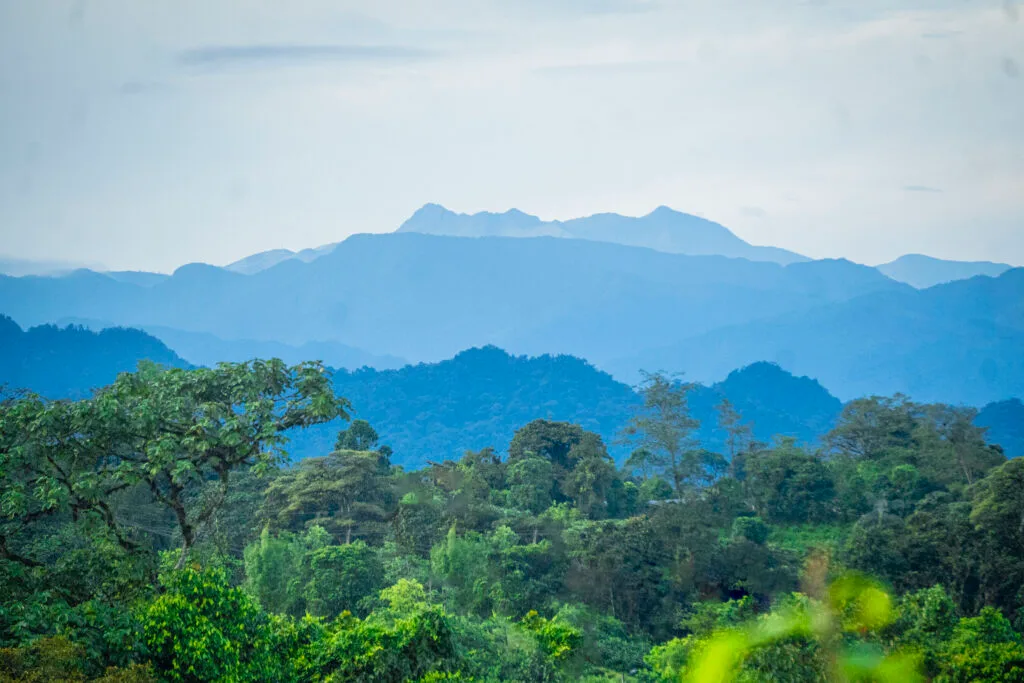
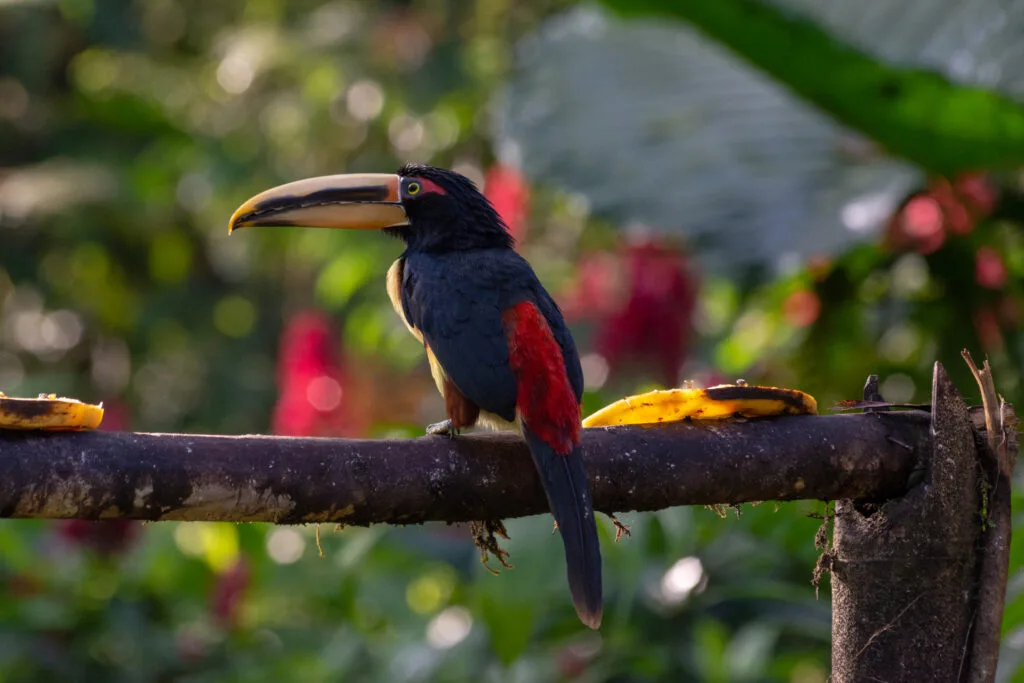
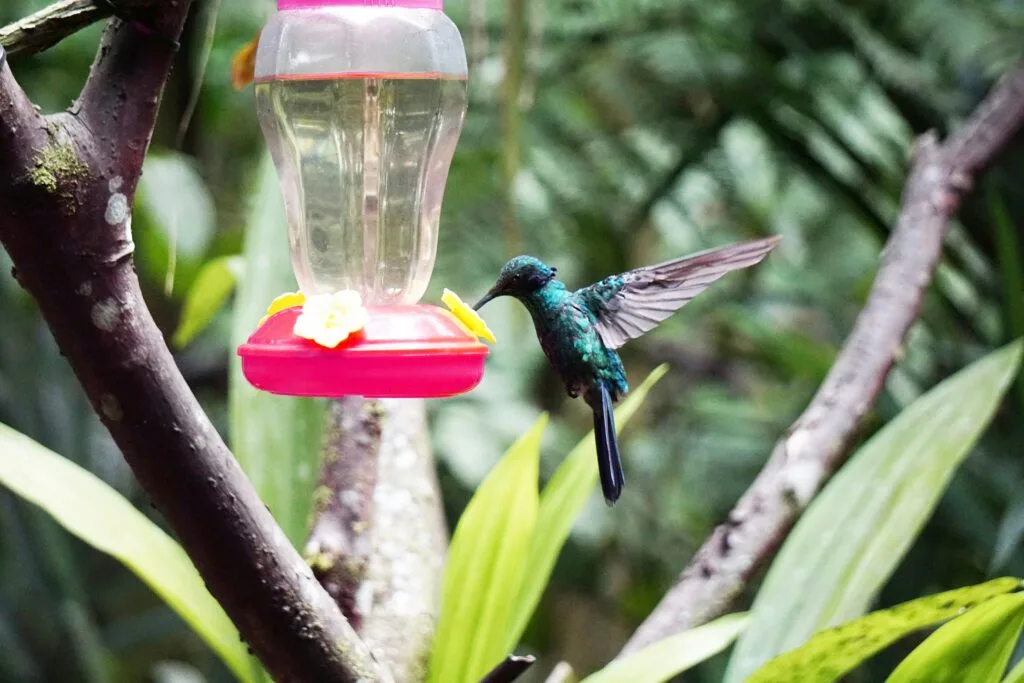
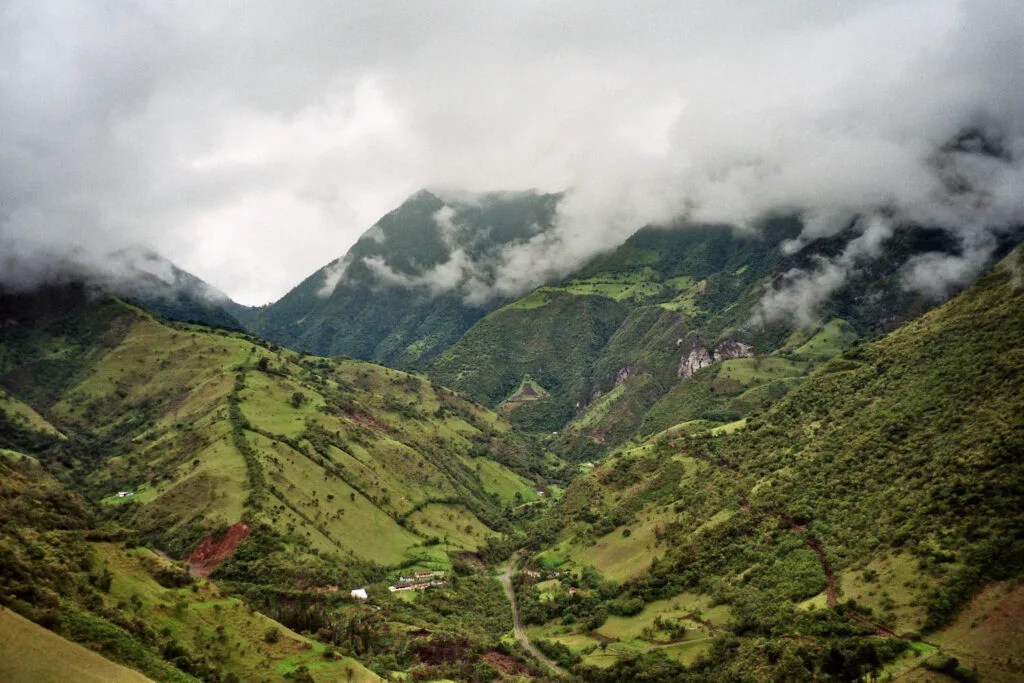
For many modern travellers, Mindo is synonymous with nature in its most vibrant, uninterrupted form. Situated just two hours northwest of Quito, this corner of the Chocó Andino biosphere reserve is famous for the flash of hummingbird wings, the roar of rocky waterfalls, and the dense, moisture-laden canopy of the cloud forest. It is a place where nature sets the pace.
Yet, beneath the tangled roots of the modern reserves lies a landscape deeply shaped by human history. Mindo is not merely a wilderness; it is a historical crossroads. Long before the first eco-lodges were built, these misty valleys were alive with the sounds of trade, agriculture, and spiritual devotion. Understanding the history of Mindo transforms a simple trip into a journey through time, revealing how ancient human networks and modern environmental battles have combined to protect one of the most biodiverse places on earth.
At Wheely Tyred, the focus is always on slow, deliberate exploration. To truly appreciate Mindo, one must slow down and listen to the stories whispered by the forest floor.
Echoes of the cloud forest
Beyond the modern zip-lines and canopy tours lies a landscape carved by ancient traders and saved by community action. Here is what independent travellers need to know to connect with Mindo’s deep-rooted natural and human history.
- The Yumbo legacy: A peaceful pre-Inca society of elite merchants who controlled the vital trade routes between the Pacific coast and the Andean highlands
- The ancient culuncos: Sunken, moss-covered trails carved deep into the volcanic clay by centuries of continuous foot traffic and heavy tropical rains
- The pools of Tulipe: A nearby ceremonial site featuring geometric stone pools where Yumbo astronomers used water reflections to track the stars and solstices
- Volcanic abandonment: The catastrophic eruption of Guagua Pichincha in 1660, which blanketed the valley in toxic ash and forced the Yumbo to flee
- A hard-fought sanctuary: A turning point in 2000 when local resistance against an oil pipeline solidified Mindo’s transition from resource extraction to community-led conservation
- Active independent travel: Navigating the steep descent from high-altitude Quito to the warm cloud forest, experiencing the same dramatic climate shifts as ancient traders
Mindo.
The birds and the butterflies
The merchants of the mist / Who were the Yumbo?
To understand the origins of Mindo, one must look back long before the rise of the Inca Empire. Between 800 and 1690 AD, the northwestern slopes of the Andes were home to the Yumbo civilisation. Unlike the highly militaristic societies that dominated other parts of South America, the Yumbo were peaceful people who built their influence on trade, diplomacy, and a profound understanding of their rugged environment.
The Yumbo occupied a critical ecological niche. Living in the subtropical transition zone between the dry, high-altitude Andean highlands and the humid Pacific coast, they became the ultimate middle-agents of trade. They were led by elite merchants known as mindalaes. Indeed, some historians believe the very name Mindo is derived from this word, whilst others suggest it translates to land of the guavas in Quichua.
The Yumbo traded highly prized goods across the mountains. From the coast, they brought seashells, salt, and gold. From the lowlands, they harvested medicinal plants, chilli peppers, feathers, and cacao. From the highlands, they secured obsidian and potatoes. This commerce was managed from strategic resting points, or tambos, scattered throughout the cloud forest, with Mindo serving as one of the most vital hubs in the entire network.
Archaeological excavations in and around Mindo have revealed that the Yumbo were also skilled builders and astronomers. They constructed tolas, which are flat-topped earthen pyramids. These structures served multiple purposes: they kept homes dry during the intense tropical rainy seasons, served as observation platforms to watch for approaching dangers, and acted as burial sites.
Water held a sacred place in Yumbo cosmology. At the nearby archaeological site of Tulipe, researchers discovered complex stone pools with descending stairs. Here, Yumbo priests and astronomers observed the reflection of the stars in the water, calculating solstices and equinoxes with remarkable precision, whilst performing purification ceremonies using sacred plants.
The Ecuadorian Sierra.
Get lost in the hills
Walking the culuncos / The ancient highways of the forest
For those who love to explore on foot or on two wheels, the most tangible legacy of the Yumbo is their network of ancient trails, known as culuncos. These were the physical arteries of the Yumbo trade empire, carving paths through some of the most challenging terrain in South America.
A culunco is not a typical forest path. Over centuries of continuous foot traffic, the soft, volcanic clay of the forest floor was compacted and worn down. Heavy tropical rains accelerated this erosion, washing away the loosened earth and deepening the trail. Over generations, these paths became deep, sunken trenches, sometimes cutting several metres into the earth.
Walking inside a culunco is an extraordinary experience. The walls of the trench rise on either side, covered in thick mosses, delicate ferns, and hanging roots. Above, the dense canopy of the cloud forest arches over the trail, blocking out the intense equatorial sun and creating a cool, shaded, almost subterranean corridor. These sunken pathways offered practical advantages: they kept merchants hidden from potential enemies, provided shelter from heavy winds, and kept the walking surface relatively level and clear of falling debris.
For the slow traveller, the culuncos represent the perfect marriage of human utility and natural integration. Unlike modern roads that blast through hillsides and disrupt local ecosystems, these trails were shaped gradually, working with the contours of the land rather than against them. Today, some of these ancient corridors can still be found tracing the ridges around Mindo, offering a silent connection to the travellers who trod the very same earth a thousand years ago.
The Galápagos.
Ecuador’s Enchanted Isles
Volcanic ash and vanished empires / The fall of the Yumbo

The prosperity of the Yumbo was not to last. By the late 15th century, the expanding Inca Empire pushed northwards into Ecuador. Recognising the strategic value of the Yumbo trade routes and their astrological knowledge, the Incas sought to control the region. Rather than destroying the Yumbo, the Incas culturally absorbed them, even constructing their own stone temples over existing Yumbo ceremonial sites, as seen in the architectural layers of Tulipe.
However, the final chapter of the Yumbo was written not by human conquerors, but by the earth itself. The cloud forest of Mindo sits in the shadow of the western Andean volcanic chain, with the Guagua Pichincha volcano located just 25 kilometres away.
In the late 17th century, a series of catastrophic volcanic eruptions smothered the region. Thick layers of toxic ash rained down on the valleys, choking the rivers, destroying crops, and making life in the cloud forest temporarily impossible. Faced with environmental ruin and already suffering from the devastating impact of European diseases introduced by Spanish colonisers, the remaining Yumbo people abandoned their settlements. They migrated further west, assimilating into other communities, such as the Tsáchila people of Santo Domingo.
With the people gone, the aggressive, fast-growing vegetation of the cloud forest quickly reclaimed the valley. The pyramids were covered in soil and trees, the stone pools filled with silt, and the deep culuncos were swallowed by the emerald tide of the jungle. Mindo became a forgotten wilderness, waiting for its next chapter to begin.
The Ecuadorian Amazon.
The most biodiverse place in the world
From rubber extraction to ecological sanctuary / Mindo’s modern rebirth
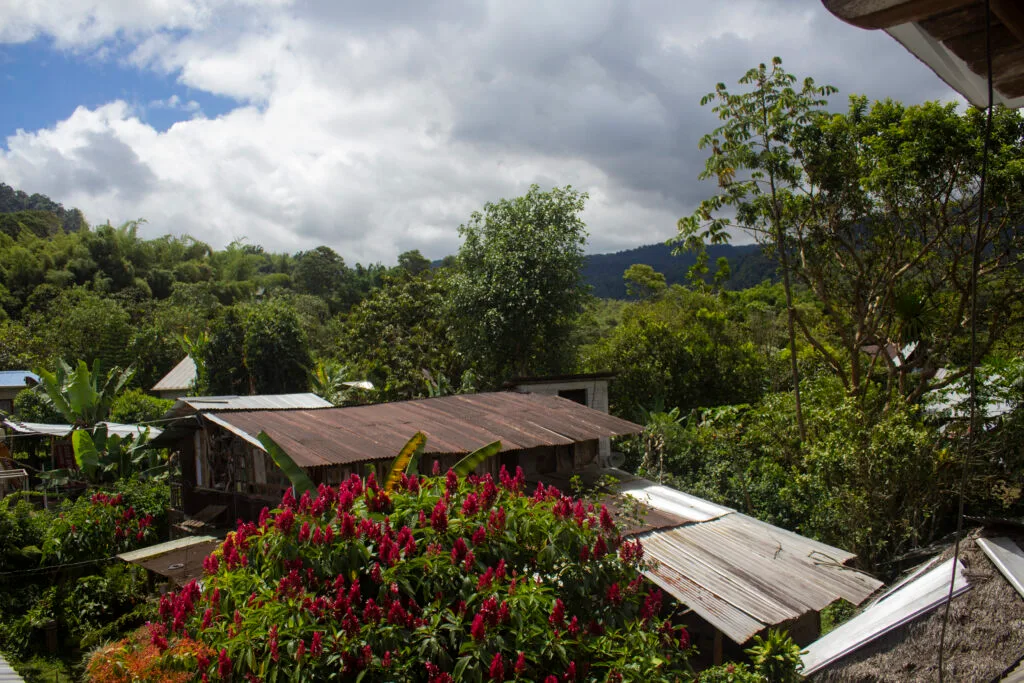
For nearly two centuries, Mindo remained a quiet, isolated outpost. On 20 May 1861, during the presidency of Gabriel García Moreno, Mindo was formally established as a parish. As settlers slowly returned to the area, the focus of the community shifted from sustainable trade to resource extraction.
Throughout the late 19th and early 20th centuries, Mindo was seen primarily as a source of raw materials. Workers braved the humid forest to harvest wild rubber, starch, incense, and valuable timber. To support these industries and growing cattle farms, large swathes of the pristine cloud forest were cleared. The delicate balance of the ecosystem was severely threatened by deforestation, and for a time, it seemed that Mindo would go the way of so many other exploited tropical forests.
The turning point came in the late 20th century, driven by a growing global awareness of biodiversity and a passionate local community. Scientists and birdwatchers began to realise that the complex microclimates of the Mindo-Nambillo valley, created by the dramatic elevation changes of the Andes, supported an astonishing array of endemic species. In 1997, Mindo achieved international recognition when it was declared South America’s very first Area of Importance for the Conservation of Birds.
Yet, the survival of this sanctuary was not guaranteed. In 2000, plans were announced to construct the Heavy Crude Pipeline, known as the OCP, directly through the pristine forests of the Mindo watershed. The threat of oil spills and habitat fragmentation sparked a massive wave of local resistance. Local guides, international conservationists, and residents stood together to protect the forest.
Out of this struggle, the Mindo Cloudforest Foundation was born in 2001. Though the pipeline was eventually built, the battle forever changed Mindo. It galvanised the community to embrace ecotourism as their primary economic driver. Deforested pasturelands were bought back and allowed to regenerate. Farmers transitioned from logging and cattle ranching to working as birding guides, lodge owners, and conservationists.
Today, Mindo is celebrated worldwide as a model for community-led conservation. It is a vital part of the UNESCO Chocó Andino Biosphere Reserve, demonstrating that protecting history and nature can go hand in hand with sustainable, slow tourism.
The Ecuadorian Coast.
Where you’ll find the very best food
Slow travel in the Chocó Andino / Experiencing history on two wheels
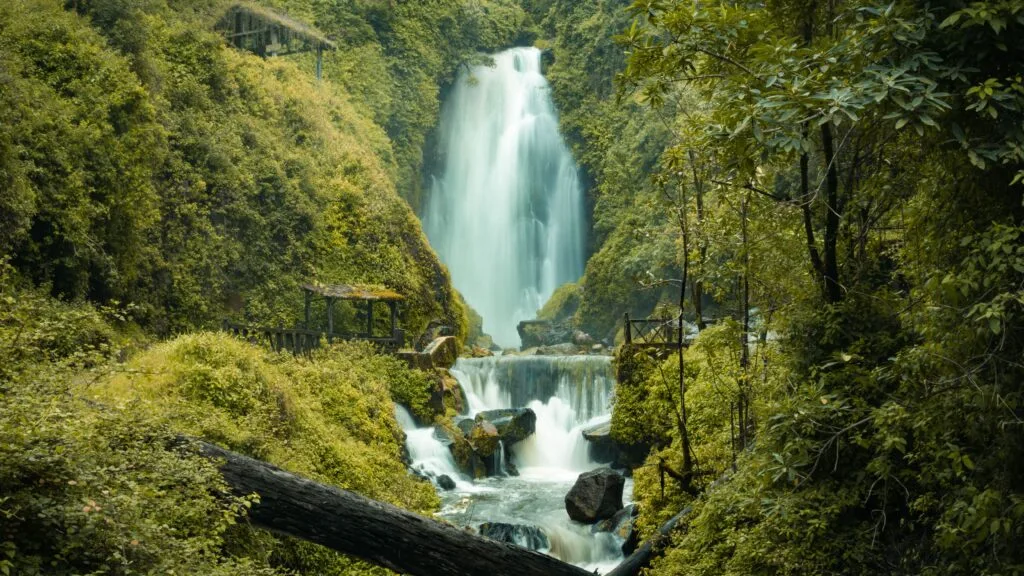
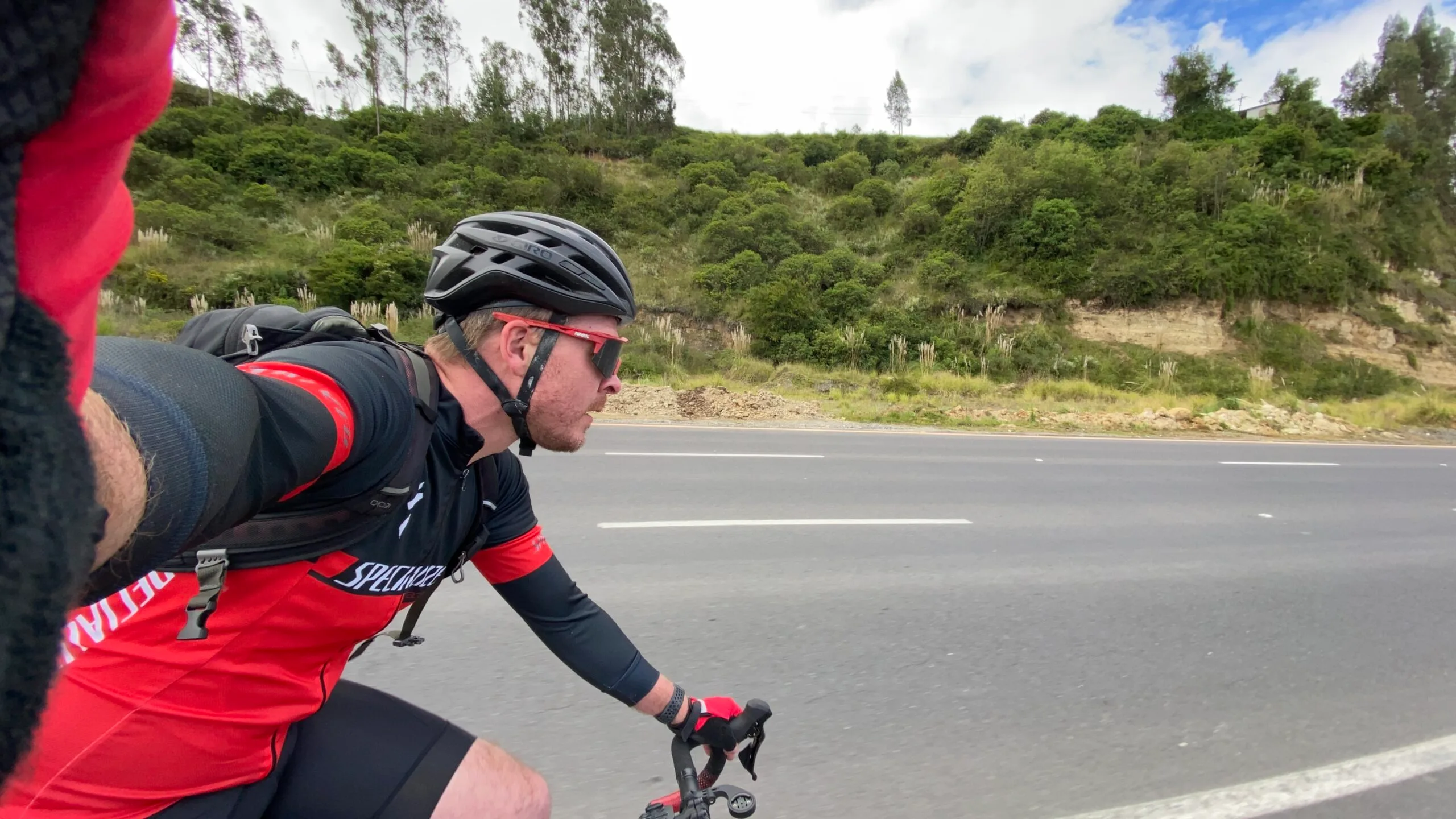
For the independent traveller, Mindo is a destination that rewards patience and a slower pace. Instead of rushing through on a day trip, taking the time to explore on foot or on a bicycle allows you to experience the landscape exactly as the Yumbo did centuries ago.
If you are cycling down from the high altitudes of Quito, you will feel the air warm and the humidity rise as you drop into the cloud forest. This dramatic altitudinal shift is the very reason why the region is so biodiverse, and why the ancient mindalaes were able to trade such a diverse array of goods.
To truly connect with the history of the region, consider these slow-travel experiences:
- Visit the Tulipe archaeological site: Located a short distance from Mindo, this museum and outdoor site offer an incredible look at the geometry and astronomical genius of the Yumbo people
- Walk the ancient trails: Seek out local guides who can show you the remaining sections of the culuncos. Walking between these mossy earthen walls is a powerful reminder of the generations of merchants who came before
- Support the local economy: Choose locally owned eco-lodges, hire local guides, and savour the artisan chocolate produced in the valley. This directly supports the ongoing conservation efforts that keep the forest standing
Mindo is a place where the past is never far beneath the surface. By choosing slow travel, you help preserve both the natural beauty and the rich human heritage of this remarkable cloud forest sanctuary.
Affiliate Disclaimer: Some of the links on Wheely Tyred are affiliate links. If you click through and make a booking or purchase, we may earn a small commission at no extra cost to you. We only recommend gear, tours, stays, and services we genuinely use, trust, and stand behind — our editorial independence always comes first. These commissions help keep our independent cycling guides and travel stories free to read. Thanks for supporting the ride!
Frequently asked questions about the history of Mindo
Regular public buses depart daily from the Ofelia terminal in northern Quito, taking roughly two hours to wind down the western slopes of the Andes. For those cycling, the route offers a spectacular but challenging descent; you should prepare for heavy mist, sudden temperature drops, and fast-moving traffic on the main highway.
Culuncos are ancient, deeply recessed trails formed by centuries of Yumbo foot traffic and rain erosion. Today, several preserved sections remain hidden around the valley, and you can hike them with local guides who understand the historical topography and ensure you stay on designated, sustainable paths.
The mindalaes were the elite merchants of the Yumbo civilisation. They travelled vast distances across difficult mountain terrains, carrying precious trade goods such as seashells, salt, cacao, and obsidian between the coast and the high Andes to manage a peaceful trading empire.
Situated just outside Mindo, Tulipe is the scientific and spiritual heart of Yumbo history. It showcases pre-Inca geometric stone pools used for astronomical calculations and spiritual purification, providing essential context before you explore the surrounding forest.
After decades of timber and rubber extraction, the community rallied in the late twentieth century to protect the cloud forest. The successful opposition to a major oil pipeline in 2000 galvanised locals to replant deforested pastures, transition from farming to guiding, and establish community-led reserves.
Independent travellers can make a direct impact by hiring local guides for birdwatching or hiking, staying in community-owned eco-lodges, and purchasing locally produced artisan chocolate. This keeps tourism revenue in the valley, funding the ongoing protection of the cloud forest.
Ecuador.
Pure wonder on the equator.