Pitch a tent on the edge of the Andes / The best campsites near Quilotoa Lake
The complete independent guide to the best places to camp near Quilotoa Lake, Ecuador
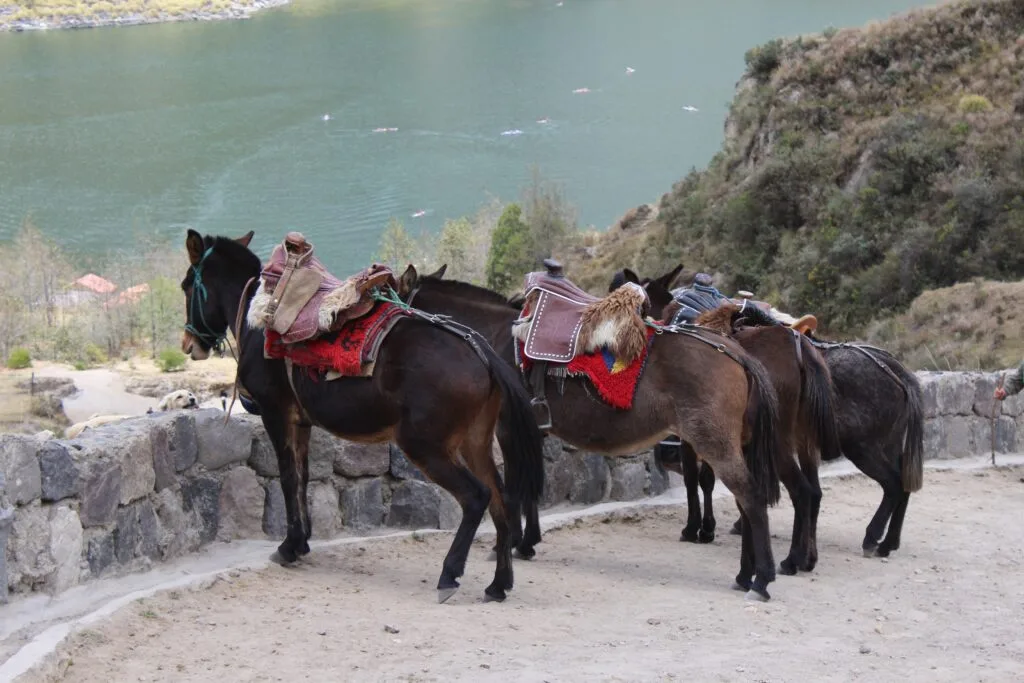
Sleep outdoors in the quiet majesty of the Ecuadorian highlands
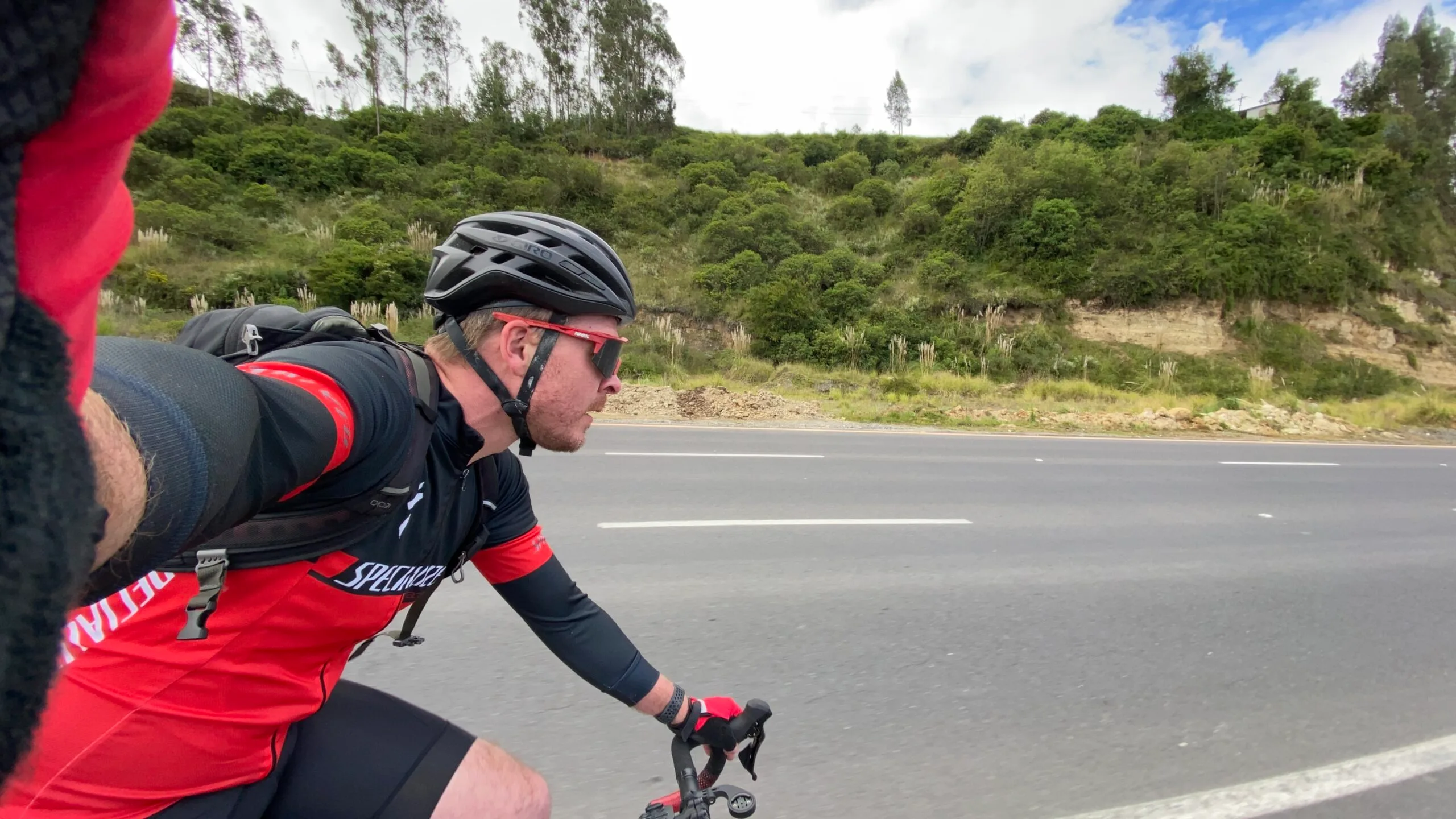
BEN FINCH
The central highlands of Ecuador offer some of the most dramatic landscapes in South America, but few locations capture the imagination quite like the volcanic caldera of Quilotoa. For the independent traveller, this region represents the very essence of slow travel. Arriving here by local bus, on foot, or by bicycle allows you to experience the changing terrain intimately, moving from the pastoral valley floors up into the wind-swept heights of the páramo. While the majority of visitors arrive on rigid day-tour itineraries, being whisked away before the afternoon fog rolls across the emerald-green water, those who choose to stay behind gain a far deeper relationship with this high-altitude environment.
Choosing to camp or stay in locally managed shelters around the crater rim gives you the rare privilege of watching the sunrise over the caldera in absolute stillness. However, spending the night at 3,900 metres above sea level requires preparation and the right base camp. The philosophy at Wheely Tyred is simple: to travel autonomously, you must sleep well. Finding accommodation that combines local authenticity, unique geography, and reliable facilities ensures you wake up ready for the demanding trails ahead. Here is our curated selection of the finest, most distinctive campsites and rustic shelters within the Quilotoa region, ensuring your stay is miles away from the standard tourist track.
High-altitude base camps / The Quilotoa essentials
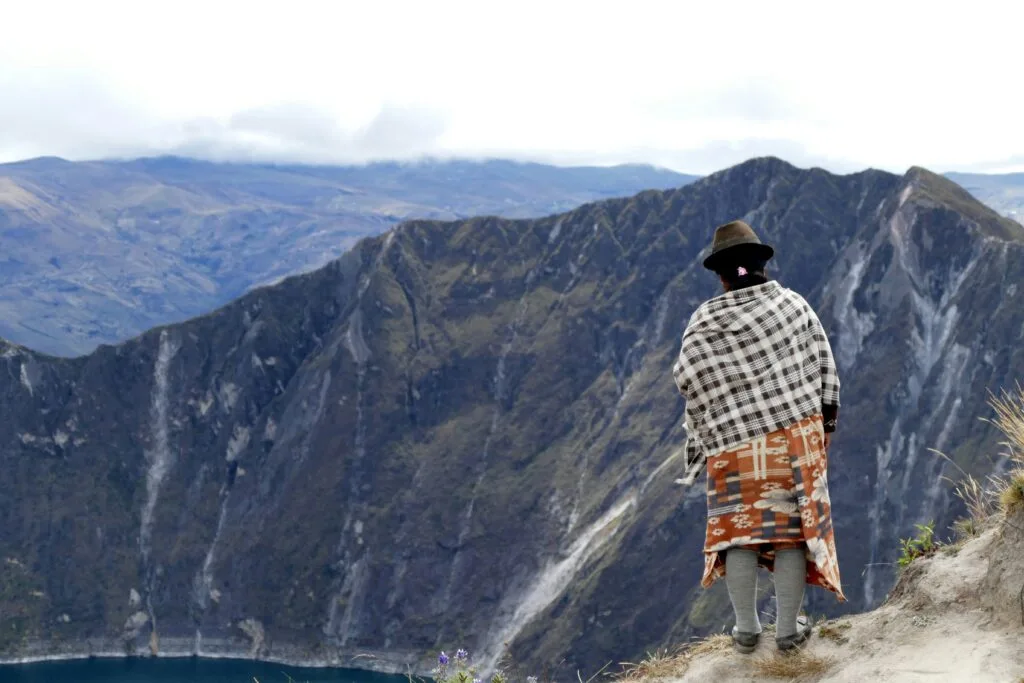
For the independent traveller, spending the night along the Quilotoa Loop reveals the true, quiet majesty of the Ecuadorian highlands long after the tour buses have departed. Navigating this high-altitude landscape requires a fine balance of self-reliance, cultural respect, and strategic night-time insulation.
- Crater-floor isolation: Camping at La Playita offers a raw, off-grid wilderness experience on the lagoon floor, rewarding those who descend the caldera with total silence and zero light pollution
- Community-led stewardship: Staying at locations like Shalala Lodge directly funds Kichwa social and conservation programmes, offering genuine, non-commercial interaction with local land managers
- Architectural immersion: Properties like El Tiklan Glamping use regional, sustainable materials to construct traditional Andean-style shelters, complete with transparent skylights for stargazing
- Strategic acclimatisation: Starting the route at a lower altitude, such as Sigchos with properties like Starlight Mountain Lodge, provides a vital, safer environment to adjust to the thin air
- Atmospheric exposure: High-ridge sites like Tayta Tuico Glamping offer unobstructed valley views for sunrise but require robust windbreaks and high-quality thermal gear to handle the drop in temperature
- Absolute self-sufficiency: The volcanic lagoon water is highly alkaline and toxic, meaning travellers must secure all drinking water from local villages before setting up camp
- Cash-reliant economy: There are no ATMs in the smaller mountain communities, making it essential to carry small-denomination US dollars for transport, camping fees, and food stalls
The Ecuadorian Sierra.
Get lost in the hills
Campground Quilotoa Lake / La Playita
The Campground Quilotoa Lake, known locally to hikers as La Playita, offers the ultimate off-grid wilderness experience right on the sandy floor of the volcanic crater. Reaching this site requires a steep 40-minute descent down the inner wall of the caldera, leaving the modern world completely behind as you pitch your tent along the water’s edge.
At night, the steep crater walls shield you from some of the mountain winds, creating a serene, isolated amphitheatre where the only sound is the gentle lapping of the mineral-rich lagoon. It is a raw, self-sufficient experience that rewards travellers who want to disconnect entirely and experience the geological power of the Andes firsthand.
- Registration and access: You must register your stay at the Jataló-Quilotoa rangers’ cabin at the top of the rim before descending; camping here is free but strictly monitored to protect the local ecosystem
- Zero light pollution: The lack of artificial light inside the crater provides an unmatched view of the night sky, making it one of the premier spots in the province for stargazing
- Strictly self-contained: There are no potable water sources or food stalls on the crater floor, meaning you must carry down self-contained supplies and pack out all your rubbish
- Safety notice: Swimming in the lagoon is strictly prohibited due to toxic volcanic minerals and unpredictable currents, so keep your exploration to the shoreline paths
El Tiklan Glamping
Located just a short distance from the crater rim in the peaceful community of Guayama San Pedro, El Tiklan Glamping beautifully bridges the gap between rugged outdoor living and thoughtful architectural design. Handcrafted by local builders using brick, natural timber, and branches, these independent shelters are designed to mirror the ancestral structures of the high Andes while offering large windows that act as living paintings of the mountains.
This camp is situated amidst expansive green meadows where friendly llamas graze freely, providing an atmospheric and culturally rich setting for travellers who want comfort without sacrificing their connection to the rural landscape.
- Skylight views: The uniquely designed cabins feature transparent skylights positioned directly above the beds, allowing you to watch the stars while remaining perfectly insulated from the freezing Andean night
- Community dining: A central, cosy dining area offers a shared space where independent travellers can swap route details over traditional, locally sourced meals and a roaring bonfire
- Sustainable materials: The entire site prioritises low-impact tourism, utilising regional materials and supporting the economic independence of the surrounding indigenous community
- Active exploration: Positioned perfectly between the main walking paths, it serves as an excellent base for less-frequented hikes into the nearby Toachi River canyon
The Galápagos.
Ecuador’s Enchanted Isles
Tayta Tuico Glamping Quilotoa
Perched on the high ridges of Malingua Pamba, Tayta Tuico Glamping Quilotoa provides a striking mountain vantage point that few standard accommodation options can match. This family-run campsite elevates the traditional camping experience by providing robust, weather-resistant canvas and wood shelters that protect against the fierce highland elements while maintaining a direct connection to the outdoors.
The true appeal of this site lies in its profound peace; it is far enough from the main village centre to escape the daily crowds of sightseers, allowing you to immerse yourself in the quiet rhythms of agrarian life in the mountains.
- Panoramic sunrises: The elevated positioning offers unobstructed views across the deep mountain valleys, making the early morning mist rolling through the hills a spectacular sight
- Exceptional hospitality: Managed by a local family, guests receive direct, practical advice on navigating the intricate network of country roads and dirt paths that form the loop
- Cosy amenities: Heavy, traditional wool blankets and insulated bedding are provided, ensuring a restorative night of sleep despite the high-altitude drop in temperature
- Independent transit-friendly: Easily reachable for those travelling light by public bus or mountain bike, with secure spaces to store gear and outdoor equipment
Shalala Lodge
Situated in the community-managed Shalalá sector right on the western edge of the crater rim, Shalala Lodge offers secure camping pitches directly adjacent to its famous wooden cabins. This site is run entirely by members of the indigenous community, meaning your stay directly funds local conservation and social programmes.
Camping on the rim here puts you moments away from the famous glass Crystal Viewpoint, allowing you to witness the dramatic shifts in the lake’s colour as the morning sun cuts through the clouds. The facilities are remarkably well-maintained for such an exposed, high-altitude location.
- Community integration: Staying here allows for genuine, non-commercial interaction with the Kichwa community members who manage the trails, viewpoints, and local food stalls
- Upgraded facilities: Unlike wild camping on the lagoon floor, this site provides access to clean restrooms, structured parking for independent vehicle travellers, and hot food options
- Direct trail access: The campsite sits directly on the primary summit trail, making it effortless to begin the challenging multi-hour loop around the entire crater rim at first light
- Strategic windbreaks: The camping areas are intelligently positioned near natural forest borders and basic structures to help mitigate the intense night winds that sweep across the ridge
The Ecuadorian Amazon.
The most biodiverse place in the world
Starlight Mountain Lodge
For those embarking on the full multi-day journey through the region, Starlight Mountain Lodge in Sigchos represents the perfect traditional starting point. Originally established as a simple, family-run campsite known as Camping Starlight, this welcoming property has evolved to offer a blend of camping pitches and rustic rooms while keeping its outdoor-loving roots firmly intact.
Situated on a dramatic cliffside just outside the main village, it provides expansive views across the starting valley of the trek. It serves as a vital acclimatisation stop, allowing your body to adjust to the elevation while enjoying exceptional hospitality.
- Acclimatisation base: Located at a slightly lower altitude than the crater rim, it offers an ideal, safer environment to test your cold-weather gear and adjust to the thin air before tackling higher peaks
- Hearty home cooking: Your stay includes generous, freshly prepared dinners and breakfasts designed to fuel long days of independent trekking or cycling through the mountain passes
- Communal atmosphere: The property features a shared lounge, games room, and beautifully landscaped gardens where independent travellers naturally gather to share advice and maps
- Support for slow travel: The hosts are renowned for providing detailed, updated information on route conditions, weather shifts, and local transport timetables along the loop
The independent camper’s strategy for the High Andes
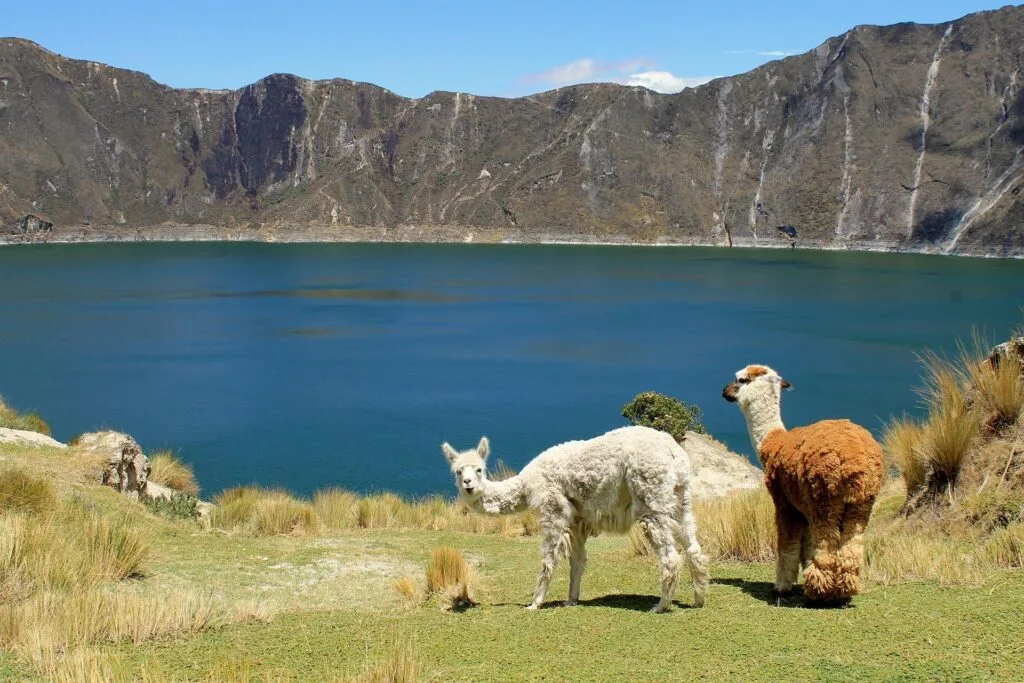
Camping around the Quilotoa loop is an incredibly rewarding endeavour, but the high-altitude environment of the Andes demands respect. At nearly 4,000 metres, weather patterns can shift within minutes. Clear morning skies frequently give way to heavy afternoon fog and rain. To ensure you sleep well and travel safely, your packing list must prioritise high-quality wind protection and proper thermal layers. Avoid cotton entirely; instead, rely on merino wool or synthetic base layers combined with a robust, waterproof outer shell.
Water management is another critical factor for the independent explorer. While the lake itself is a magnificent visual wonder, its waters are highly alkaline and filled with volcanic chemicals, making it completely undrinkable even with advanced filtration systems. Always secure your drinking water at local guesthouses or community centres before heading out to wild camp.
Furthermore, the local economy relies heavily on cash. There are no automated teller machines (ATMs) in the smaller villages surrounding the crater, so ensure you carry enough small-denomination US dollars (the official currency of Ecuador) to pay for community camping fees, local transport, and fresh produce at the village markets.
Finally, remember that you are travelling through ancestral indigenous lands. The communities surrounding the lake maintain a deep, spiritual connection to the volcano and the earth. Always ask for permission before pitching a tent near agricultural fields or community pathways, use designated waste points, and support the local economy by purchasing goods directly from family-run stalls. By travelling slowly, respecting local guidelines, and leaving no trace behind, you preserve the magic of this ancient landscape for the next generation of independent explorers.
The Ecuadorian Coast.
Where you’ll find the very best food
Frequently asked questions about the best campsites near Quilotoa Lake
The region is highly accessible for those travelling without a private vehicle or a structured tour group. Regular local buses run from the transport hubs of Latacunga and Machachi to gateway towns like Sigchos and Chugchilán, as well as directly to the Quilotoa crater rim. The network of unpaved country roads and dirt paths connecting these settlements is well-suited to mountain biking and long-distance walking, allowing you to move between the campsites entirely at your own pace.
Yes. If you plan to camp on the crater floor at La Playita, you must register your stay at the Jataló-Quilotoa rangers’ cabin located at the top of the rim before beginning your descent. While the wild camping experience itself is free, this registration process is strictly monitored by the local community to ensure visitor safety and to protect the fragile high-altitude ecosystem from overtourism.
No, you cannot. Despite its beautiful emerald appearance, the water in the caldera is highly alkaline and heavily saturated with toxic volcanic minerals and chemicals. Standard portable filtration systems, chemical treatments, and boiling will not make it safe to consume. You must carry all of your fresh water down into the crater from the village at the rim, or fill your supply bottles at community centres along the trail.
Swimming in Quilotoa Lake is strictly prohibited. Beyond the health risks posed by the high mineral content of the water, the lake features unpredictable undercurrents and sudden temperature drops that make entering the water incredibly dangerous. Explorers should keep their activities to the established shoreline trails and use the local wooden docks solely for viewing or renting community-managed kayaks.
Ecuador uses the US dollar as its official currency. The smaller, indigenous-managed villages surrounding the crater operate entirely on a cash economy. Credit and debit cards are not accepted at campsites, rural lodges, or community food stalls. Because there are no automated teller machines (ATMs) along the loop, you must withdraw sufficient cash in a major city beforehand, ensuring you request small-denomination notes ($1, $5, and $10 bills), as merchants rarely have change for larger currency.
At nearly 3,900 metres above sea level, the weather on the rim is notoriously volatile. While mornings can be intensely sunny, dense mountain fog and heavy rain frequently sweep across the ridges by the afternoon. Once the sun sets, temperatures routinely drop to freezing or below. The night winds sweeping across the exposed páramo are exceptionally strong, meaning any tent used must have a robust outer shell, sturdy peg anchors, and be paired with high-quality thermal base layers and a sub-zero sleeping bag.
Ecuador.
Pure wonder on the equator.