A coastal rhythm / The authentic food and drink of Montañita, Ecuador
A comprehensive guide to the best traditional Ecuadorian food, local restaurants, and coastal seafood dishes to try in Montañita
Discover the slow-paced flavours of the Ruta del Spondylus
BEN FINCH
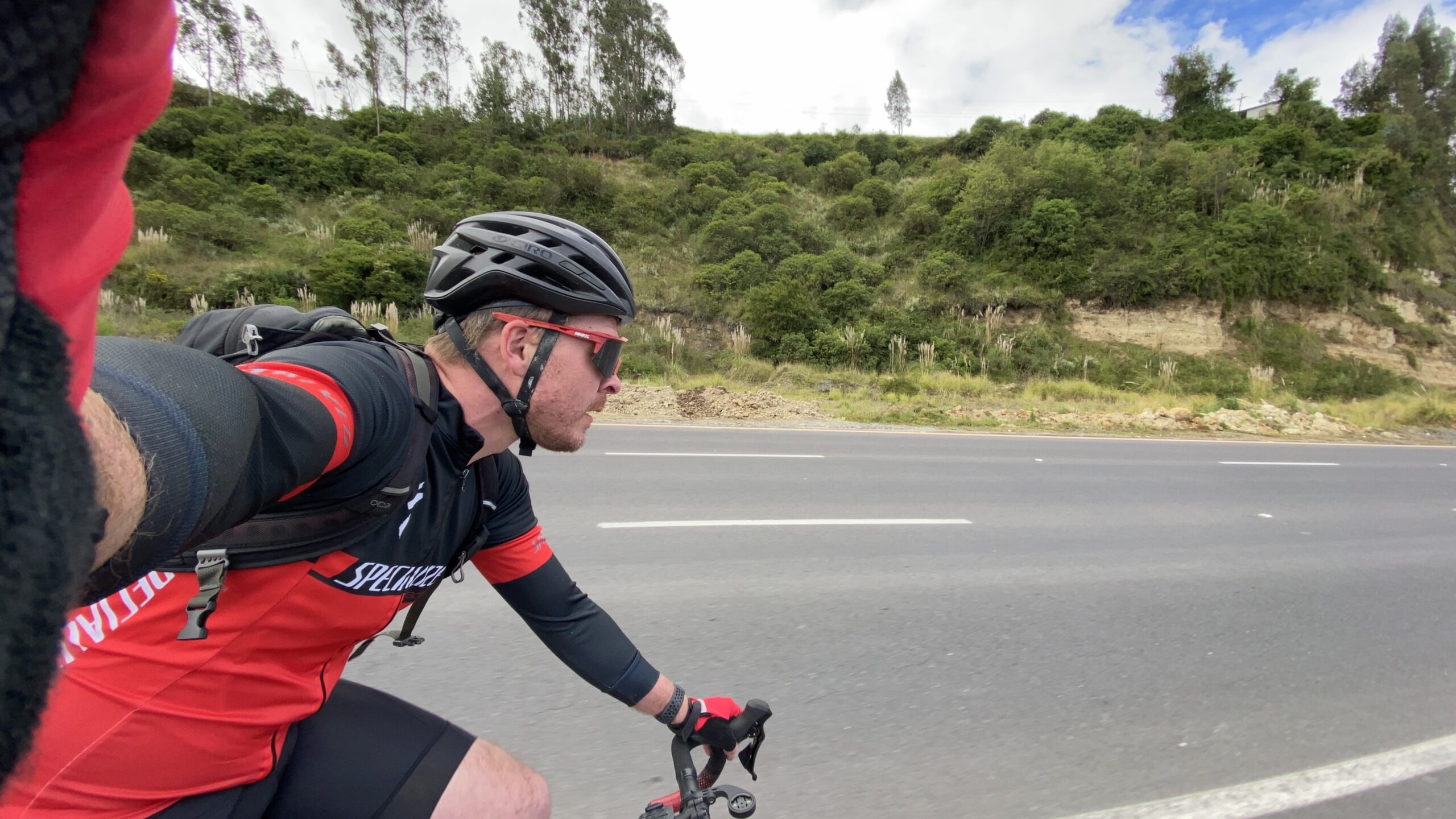
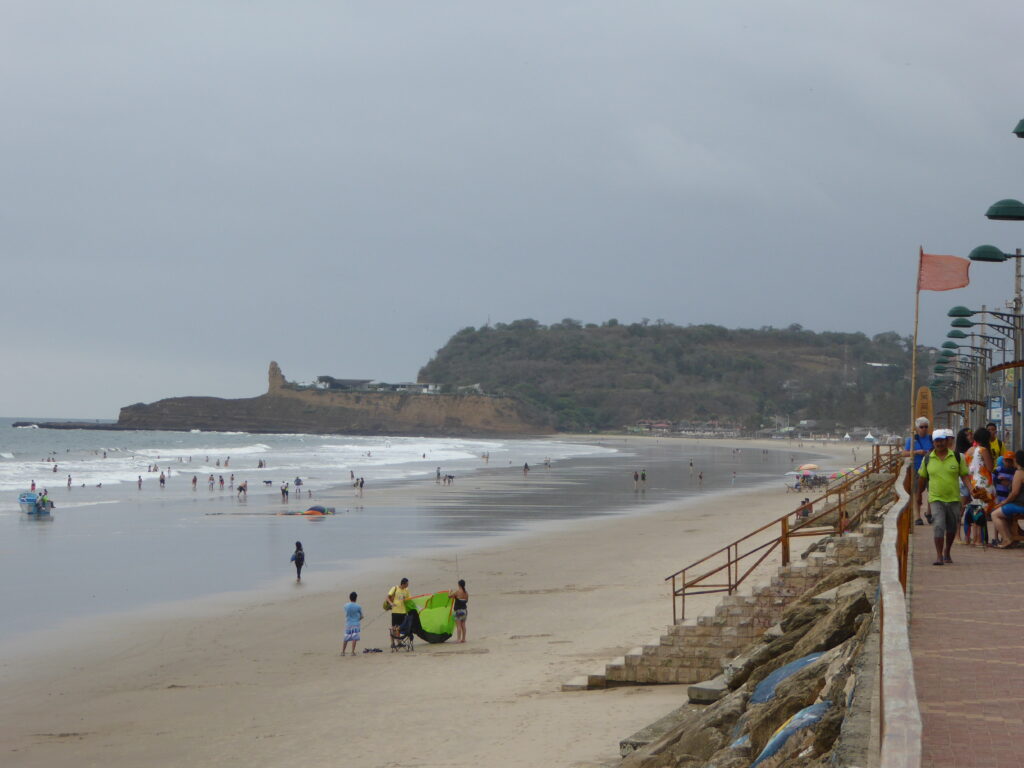
For those who arrive in Montañita on two wheels or via the winding coastal bus routes of the Ruta del Spondylus, the first impression is often visual: the dramatic Pacific rollers, the standard bamboo architecture, and the vibrant surf culture. Yet, beneath the high-energy surface lies a deeply rooted coastal heritage that expresses itself most profoundly through food. To truly understand this corner of the Santa Elena province, one must look past the generic international menus lining the main thoroughfares and seek out the true culinary anchors of the community.
Slowing down and travelling at your own pace allows you to observe when and where the residents eat. Coastal Ecuadorian cuisine is shaped by the immediate geography—the intersection of a bountiful ocean, the fertile tropical lowlands yielding endless varieties of plantains, and ancestral traditions that rely on peanuts, corn, and fresh lime. This is a guide for the independent traveller who wishes to navigate Montañita through its kitchens, understanding the historical context of each dish and supporting the independent entrepreneurs who keep regional traditions alive.
The sun-drenched soul of the Surf Coast
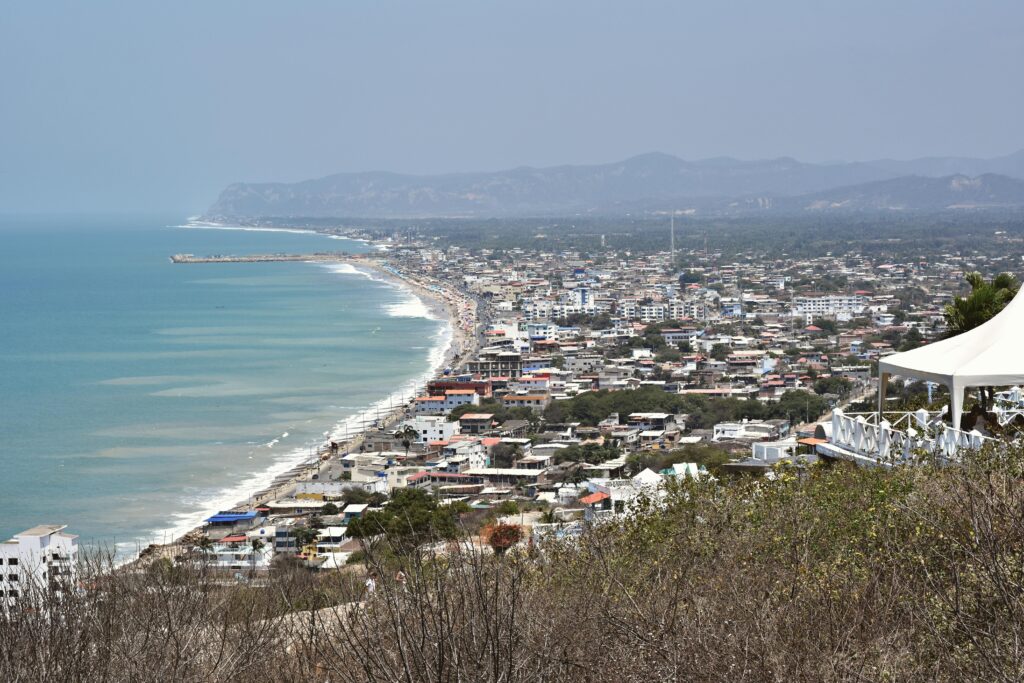
Slowing down along the Ruta del Spondylus reveals a culinary landscape shaped entirely by the Pacific Ocean and the fertile lowlands. Beyond the high-energy surf breaks, Montañita rewards the self-guided traveller with rich ancestral flavours and dedicated independent kitchens.
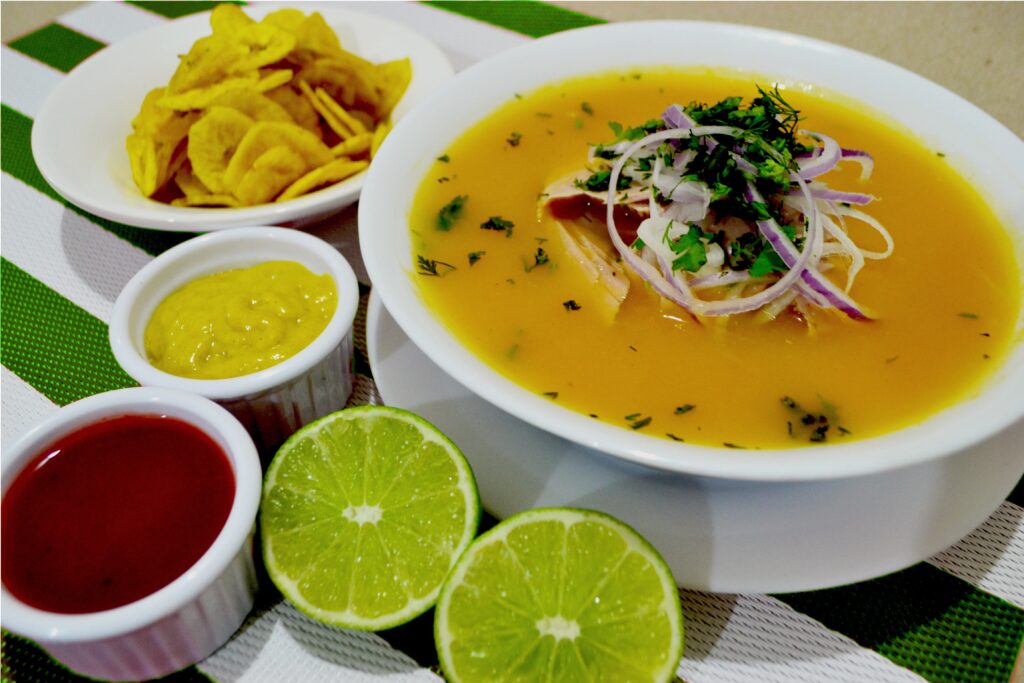
- The Morning Ritual: Encebollado serves as the definitive coastal breakfast, a robust albacore tuna and yuca soup topped with pickled onions and paired with crunchy chifles
- Plantain Artistry: From the twice-fried, cheese-stuffed bolón de verde to the peanut-infused corviche, the humble green plantain forms the versatile backbone of local street food
- A Subtle Cure: Unlike its sharper Peruvian neighbour, traditional Ecuadorian ceviche resembles a cold, delicate citrus broth that highlights the natural sweetness of fresh shrimp and white fish
- Market-Driven Kitchens: Independent eateries like La Terreta anchor their menus strictly on the daily catch brought ashore by local fishermen, bypassing commercial shortcuts
- Conscious Coastal Dining: Establishments along the quieter northern point, such as Jajá en Balsa, embrace a slow-food philosophy with wood-fired cooking and scratch-made organic dishes
- Liquid Harvest: Vibrant roadside stalls offer a direct taste of the regional agriculture through fresh batidos featuring native fruits like soursop and tart tree tomato
Montañita.
Surfer’s paradise
The coastal culinary philosophy and key traditions
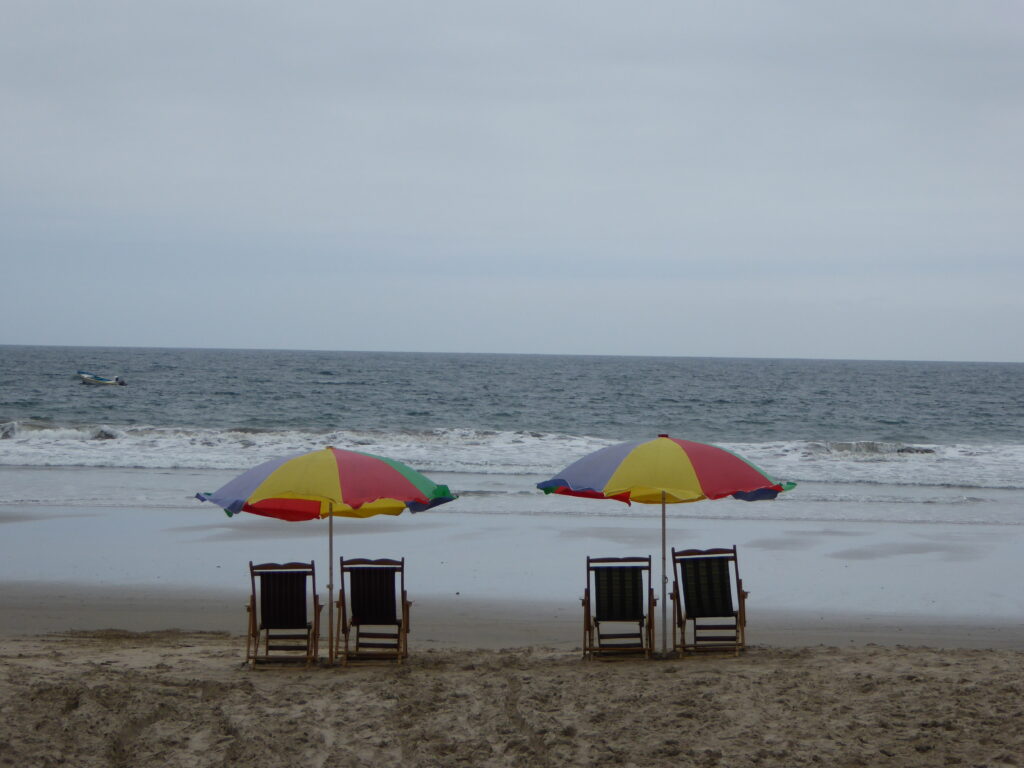
The food of the Ecuadorian coast is fundamentally different from the potato- and corn-heavy staples of the Andean highlands. Here, the undisputed king of the kitchen is the green plantain, known locally as verde, accompanied closely by an abundance of exceptionally fresh seafood. Understanding how these ingredients are transformed reveals much about the cultural history of the region.
Encebollado / The morning anchor
To understand the daily rhythm of coastal Ecuador, one must experience encebollado. Far more than a simple fish soup, this dish functions as a cultural institution and a morning community ritual. It is traditionally prepared with fresh albacore tuna, heavy chunks of fibrous yuca, and a deeply aromatic broth seasoned with cumin, achiote, and liquidised tomatoes. The defining characteristic is the generous topping of pickled red onions and fresh coriander.
For the independent traveller who has spent the previous day cycling the coastal headlands or walking the expansive beaches, a morning bowl of encebollado provides an unmatched restoration of energy. The soup is systematically served with sides that vary by exact locality; on this part of the coast, you will find it accompanied by chifles (thinly sliced, crispy fried green plantain chips) or even popcorn, which is dropped directly into the broth to provide a contrasting texture. It is a hearty, deeply satisfying dish that reflects the unhurried nature of coastal life.
Ecuadorian ceviche / Citrus and subtlety
While neighbouring Peru is globally renowned for its sharp, raw-cured ceviche, Ecuador possesses its own entirely distinct and historical variation. The coastal Ecuadorian ceviche is more akin to a cold, delicate soup. Seafood, such as local white fish or plump Pacific shrimp, is gently poached or flash-cooked before being marinated in a mild, balanced mixture of fresh bitter orange or lime juice, tomatoes, raw red onions, and coriander.
The result is a bright, refreshing dish where the natural sweet flavour of the seafood takes centre stage, unmasked by excessive chilli heat. It is an ideal midday meal when the equatorial sun is at its height, offering a cooling, light alternative that perfectly complements a slow travel itinerary.
The Ecuadorian Coast.
Where you’ll find the very best food
Bolón de verde / The powerhouse breakfast
Before embarking on a long journey by bus or bicycle, locals rely on the bolón de verde for sustained endurance. Literally translating to big green ball, a bolón is crafted from green plantains that are boiled or fried, then vigorously mashed by hand with a heavy wooden mortar. The dough is combined with generous quantities of local coastal cheese, chicharrón (crispy, slow-rendered pork), or a combination of both.
The mixture is shaped into a substantial sphere and fried a second time to create a crisp, textured outer crust while maintaining a dense, soft interior. Paired with a cup of hot black coffee sourced from the nearby hills of Manabí, it represents the ultimate traditional breakfast—rustic, filling, and deeply satisfying.
Daytime discoveries / Street food and small bites
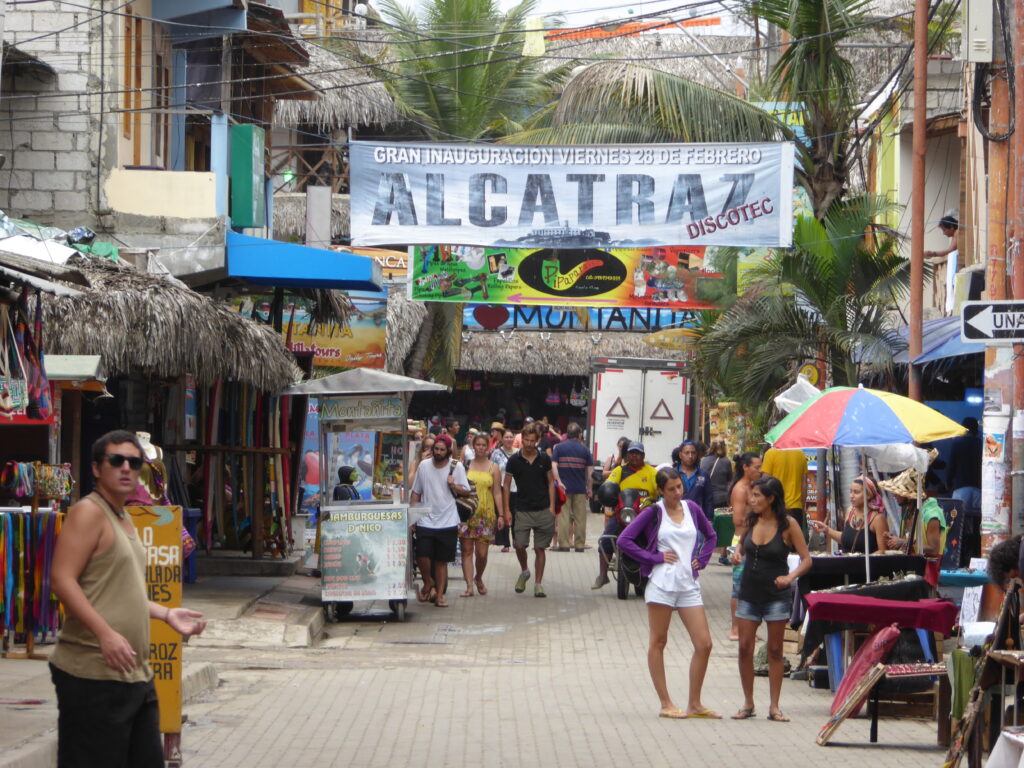
As you wander away from the central beach toward the quieter, eastern residential lanes of Montañita, the aroma of open-air cooking becomes more pronounced. This is where the true street food heritage of the region thrives.
Corviche / An ancestral heritage
The corviche is a brilliant testament to the culinary influence of the indigenous and Montuvio cultures of coastal Ecuador. It is an oval-shaped snack constructed from a seasoned paste of grated raw green plantains mixed with a rich, aromatic peanut paste. The core is stuffed with a seasoned filling of fresh fish, typically sea bass or mackerel, before the entire parcel is deep-fried or baked in a traditional clay oven.
The contrast between the earthy, nutty plantain exterior and the tender, perfectly steamed fish inside makes the corviche an essential mid-afternoon stop. It is a portable, functional food designed historically for workers in the fields and on the boats, making it equally perfect for the modern self-guided traveller.
The Galápagos.
Ecuador’s Enchanted Isles
Jugos and batidos / Pure liquid fruit
No exploration of Montañita is complete without acknowledging the abundance of tropical fruits. Small, independent juice stalls operate throughout the town, identifiable by the colourful mounds of whole fruits stacked on their counters. Here, you can request jugos naturales (water-based juices) or batidos (milk-based shakes) made from fruits that rarely travel well across international borders.
Look for guanábana (soursop) with its creamy, complex tropical flavour, tomate de árbol (tree tomato), which offers a tart, sophisticated profile, or the intensely fragrant maracuyá (passionfruit). Drinking these fresh juices is not just a refreshment; it is a direct connection to the seasonal agricultural output of the surrounding lowlands.
Curated independent establishments in Montañita
Finding authentic food in a popular coastal destination requires a discerning eye. To ensure a memorable experience that aligns with the values of independent travel, national chains and loud commercial venues have been bypassed in favour of local establishments that focus purely on quality, atmosphere, and culinary integrity.
La Terreta
Located in the quieter, residential quarters of the town, La Terreta stands out as an exceptional bastion of authentic coastal cooking. The kitchen operates with an unyielding dedication to regional ingredients, shunning complex modern gimmicks in favour of precise, traditional execution.
The highlight here is the rotating daily menu, which is completely dictated by what the local fishermen bring ashore each morning. From perfectly balanced fish stews to expertly prepared ceviches, every dish reflects a clean, honest approach to gastronomy. The setting is delightfully unpretentious, allowing the fresh, vibrant flavours of the Pacific coast to take absolute priority. It is the ideal spot for a long, unhurried lunch after a morning of exploration.
Jajá en Balsa
Positioned closer to the northern point of Montañita’s sweeping bay, where the cliffs begin to rise and the sound of the town traffic fades, Jajá en Balsa offers a conscious, grounded dining experience. This open-air garden terrace operates with a clear culinary philosophy: everything is prepared from scratch, and the use of microwaves or pre-processed canned goods is strictly forbidden.
The menu highlights abundance and health, featuring magnificent wood-fired seafood options and dishes heavily incorporating fresh local produce. Dining here allows you to sit amidst local flora, listening to the crashing waves while enjoying food that feels directly connected to both the land and the sea.
The Ecuadorian Sierra.
Get lost in the hills
Tambo Sabores Peruanos
For those interested in how different regional styles interact along the Pacific coast, Tambo Sabores Peruanos provides a compelling destination. Tucked safely away from the chaotic main thoroughfares, this establishment successfully bridges the culinary traditions of Peru and Ecuador.
The kitchen excels at handling raw fish and seafood, utilising precise cutting techniques and incredibly fresh catches. By focusing on carefully sourced, high-quality ingredients, they offer a sophisticated yet entirely accessible dining experience that rewards the traveller who takes the time to look behind the main tourist strips.
The Wave
The Wave functions as a slow-paced, welcoming sanctuary that perfectly suits the mindset of independent travellers who move by foot, bike, or bus. It is a space designed for decompression, where you are never rushed to clear your table or hurry along to the next sight.
The culinary focus is on hearty, comforting coastal fare. They excel at serving clean, fresh local fish dishes alongside classic breakfast items that keep travellers fueled for long journeys. The atmosphere is consistently attentive and unhurried, making it an excellent spot to review notes, plan your next route, or simply watch the changing coastal light.
Dekel Montañita
While Montañita is famous for its lively nightlife, much of it can feel generic and loud. For the independent traveller seeking a sophisticated evening drink without the surrounding chaos, Dekel Montañita provides an elegant beachside alternative.
Operating as a refined restaurant and bar, this venue treats local flavours with immense respect, incorporating regional fruits and herbs into expertly crafted drinks. Positioned to take full advantage of the ocean breeze and the sunset, it offers a calm, appreciative setting to reflect on your journey over a beautifully prepared evening beverage.
The Ecuadorian Amazon.
The most biodiverse place in the world
Embracing the slow food movement

To get the most out of Montañita’s food scene, one must actively choose to step out of the tourist bubble. Walk the streets during the early hours of the morning when the local delivery trucks are dropping off fresh blocks of cheese and sacks of green plantains. Sit at the small wooden tables of independent eateries and allow the kitchen the time it needs to prepare your food from scratch.
By avoiding large-group tours and rigid itineraries, you gain the freedom to follow your senses. Whether it is stopping for a hot corviche from a roadside vendor or spending an evening wind-down at a beachside terrace, the true essence of coastal Ecuador is found in these small, independent interactions.
Affiliate Disclaimer: Some of the links on Wheely Tyred are affiliate links. If you click through and make a booking or purchase, we may earn a small commission at no extra cost to you. We only recommend gear, tours, stays, and services we genuinely use, trust, and stand behind — our editorial independence always comes first. These commissions help keep our independent cycling guides and travel stories free to read. Thanks for supporting the ride!
Frequently asked questions about traditional Ecuadorian food in Montañita
Ecuadorian ceviche is prepared as a cold, delicate, soup-like dish rather than a dry, sharp cure. The seafood is typically gently poached before marinating in a balanced blend of lime or bitter orange juice, tomato, and red onion, creating a mild flavour profile that highlights the fresh catch.
Most independent travellers arrive either via the regional buses that traverse the Ruta del Spondylus or by bicycle along the scenic coastal roads, making the town highly accessible for those moving at an intentional, self-guided pace.
These ingredients are agricultural staples of the coastal lowlands. Green plantains are mashed, fried, or grated into foundational dishes like bolón and corviche, while fibrous yuca provides the hearty, starchy base for the classic morning soup, encebollado.
Yes. By moving away from the central beach and thoroughfares toward the eastern residential lanes or the northern point of the bay, travellers can find tranquil garden terraces and sophisticated beachside spots that focus purely on quality and atmosphere.
Hot black coffee, frequently sourced from the nearby hills of the Manabí province, offers a strong, aromatic contrast to the dense, rich textures of twice-fried plantain dishes like the bolón de verde.
In this part of the Santa Elena province, hearty broths like encebollado are systematically served with crunchy chifles (thinly sliced green plantain chips) or popcorn, which locals add directly into the soup for a contrasting texture.
Ecuador.
Pure wonder on the equator.