Mastering Ecuador / The ultimate first-time guide for independent travellers
Essential Ecuador travel tips for first-time visitors planning an independent itinerary across the Andes, Amazon, and Pacific coast
Navigate high-altitude peaks and the subtle rhythms of local life
BEN FINCH
Ecuador is a country that rewards the unhurried. Though small enough to cross by bus in a single day, it packs four distinct worlds into its borders: the cloud forests and volcanic peaks of the Andes, the dense wilderness of the Amazon basin, the laid-back Pacific coastline, and the isolated paradise of the Galápagos Islands.
For the independent traveller, the appeal lies in the sheer variety of experiences accessible without a rigid tour group schedule. You can watch the sunrise over a volcanic crater lake in the morning and fall asleep to the sounds of the rainforest by nightfall. However, navigating this ecological jigsaw puzzle requires a solid understanding of how the country operates on a hyper-local level. From sudden shifts in weather to the nuances of the cash economy, these foundational insights will ensure your first journey through Ecuador is seamless, respectful, and deeply rewarding.
The crossroads of four worlds
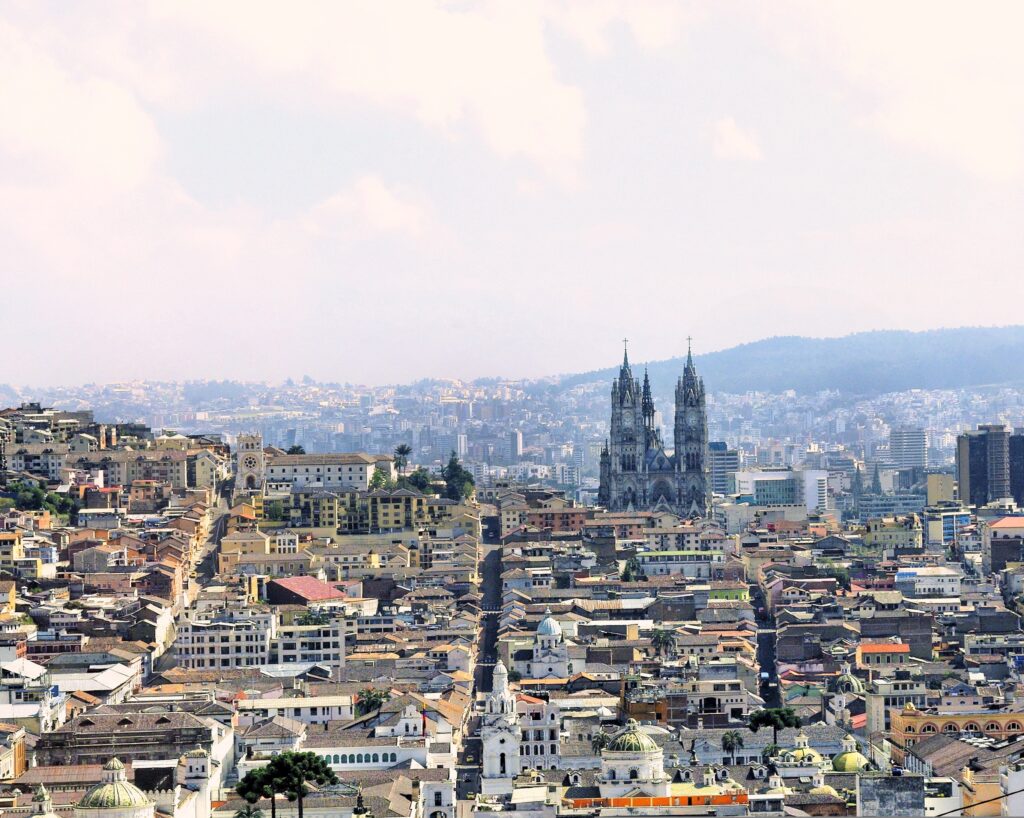
Navigating Ecuador independently requires stepping away from rigid itineraries to embrace the distinct rhythms of its varied landscapes. Success lies in mastering local transport networks, understanding the altitude, and respecting regional customs.
- Altitude and Acclimatisation: Give your body forty-eight hours to adapt to the 2,850-metre elevation in Quito by resting, staying hydrated, and trying local remedies like coca tea to ward off soroche
- Equatorial Sun Intensity: Protect yourself against the intense UV rays at the equator, which can cause severe burns even through thick cloud cover in the Andean highlands
- Technical Layering System: Pack versatile clothing to handle sudden shifts in microclimates, moving from a waterproof outer shell in the misty páramo to lightweight layers in humid Tena
- Bus Terminal Navigation: Avoid aggressive ticket touts at major hubs like Quitumbe and buy directly from official counter windows for reliable, frequent regional travel
- On-Board Security: Keep your daypack on your lap or strapped to your chest while travelling by bus to ensure your passport and valuables remain secure
- The Small-Change Economy: Carry low-denomination notes and one-dollar coins, as local markets, family-run eateries, and transport drivers rarely accept fifty- or one-hundred-dollar bills
- Cultural Etiquette: Initiate every interaction with a formal greeting like Buenos días or Buenas tardes to build mutual respect with local communities
The Galápagos.
Ecuador’s Enchanted Isles
Respecting the Andean altitude and equatorial sun
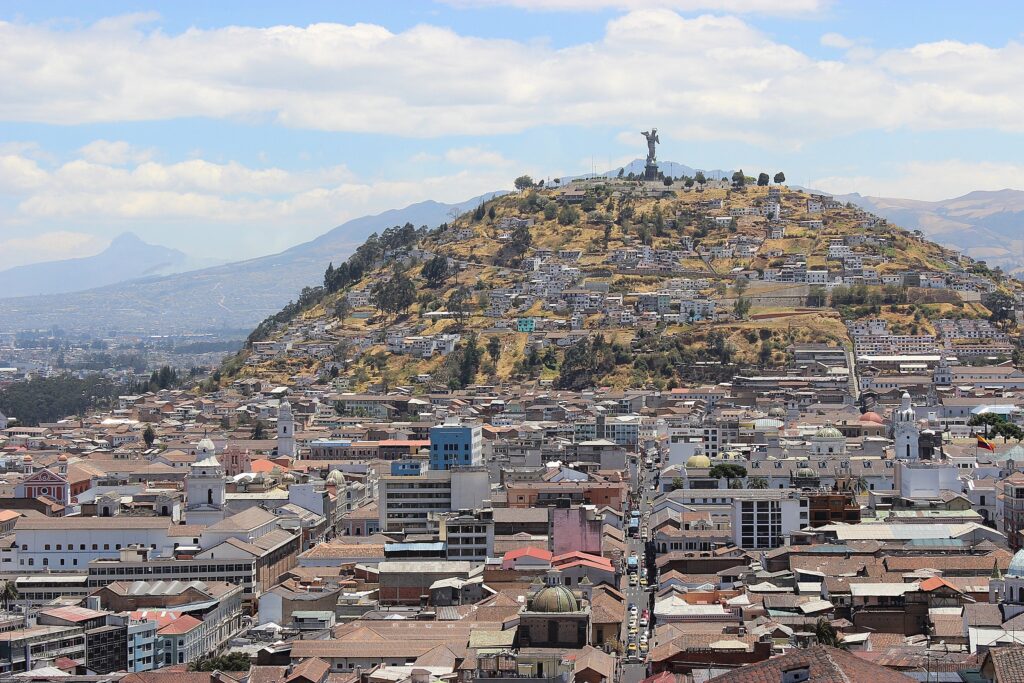
The biggest adjustments you will face upon landing in the Ecuadorian Sierra are completely invisible: the elevation and the intensity of the sun. Quito, the capital city, sits at 2,850 metres above sea level. Arriving here from sea level puts an immediate strain on your cardiovascular system, and pushing yourself too hard on day one is a guaranteed way to ruin the start of your trip.
Acclimatisation is not a suggestion; it is a logistical necessity. Plan to spend your first forty-eight hours doing low-impact activities. Walk slowly through the historic centre, stay hydrated, and opt for lighter meals, as digestion slows down significantly at high altitudes. Local markets offer a remedy in the form of coca tea or sun-dried uchuva fruits, which locals use to combat the symptoms of altitude sickness, known locally as soroche.
Simultaneously, you must contend with the equatorial sun. Because Ecuador sits directly on the midpoint of the planet, the sun strikes at a perfectly perpendicular angle. Combined with the thin air of the Andes, the UV index here is consistently extreme, even on completely overcast days. A deceptive breeze can mask a severe sunburn until it is too late. Apply high-factor sun protection daily, wear a wide-brimmed hat, and never leave your accommodation without a refillable water bottle.
Decoding the microclimates
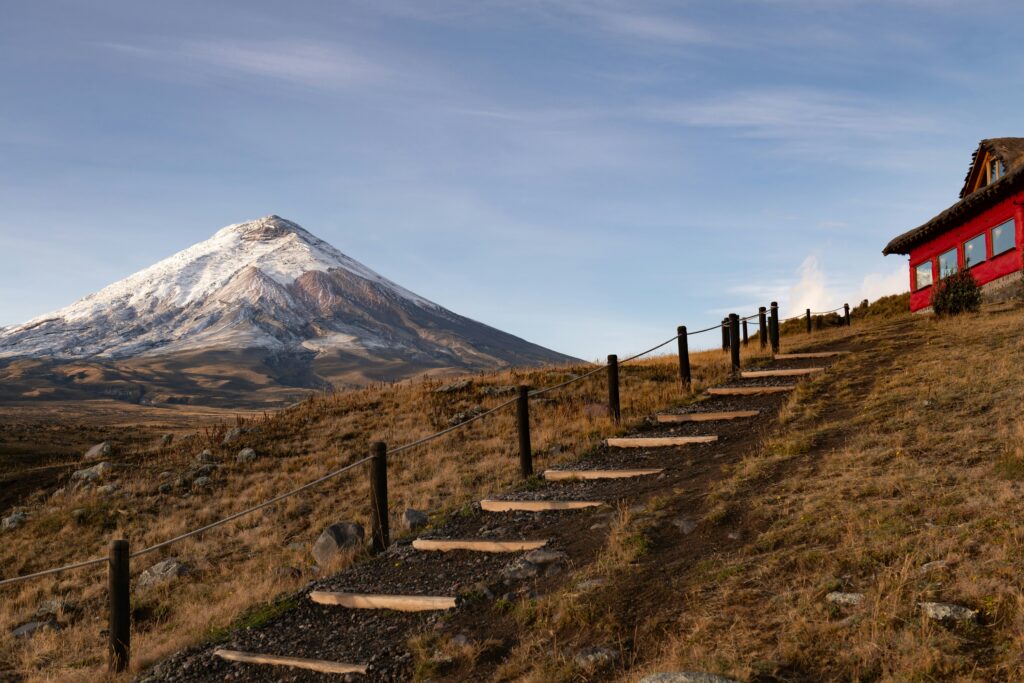
Ecuador does not experience traditional seasons. Instead, weather is dictated by geography, topography, and altitude. It is entirely common to experience three distinct weather patterns in a single afternoon. A bright, hot morning in the valleys can transition into a chilly, mist-shrouded afternoon, followed by a torrential downpour by dusk.
When packing for your journey, versatility is your primary objective. The secret to comfort in Ecuador is a technical layering system. Your base layer should be lightweight and breathable, ideal for the humid warmth of the lowlands or the midday sun in the cities. Over this, you need a high-quality fleece or insulated mid-layer to trap body heat as the temperature drops in the evening. Finally, a completely waterproof, windproof outer shell is non-negotiable.
If you plan to hike the loop around the Quilotoa crater or explore the paramo grasslands of Cotopaxi National Park, you will encounter biting winds and single-digit temperatures. Conversely, dropping down the eastern slopes into the Amazonian gateway town of Tena requires rapid adjustments to intense humidity and frequent, heavy rainfall. By carrying a compact daypack with your layers, you can adapt on the fly without needing to return to your base.
The Ecuadorian Sierra.
Get lost in the hills
Navigating the bus network and terminals
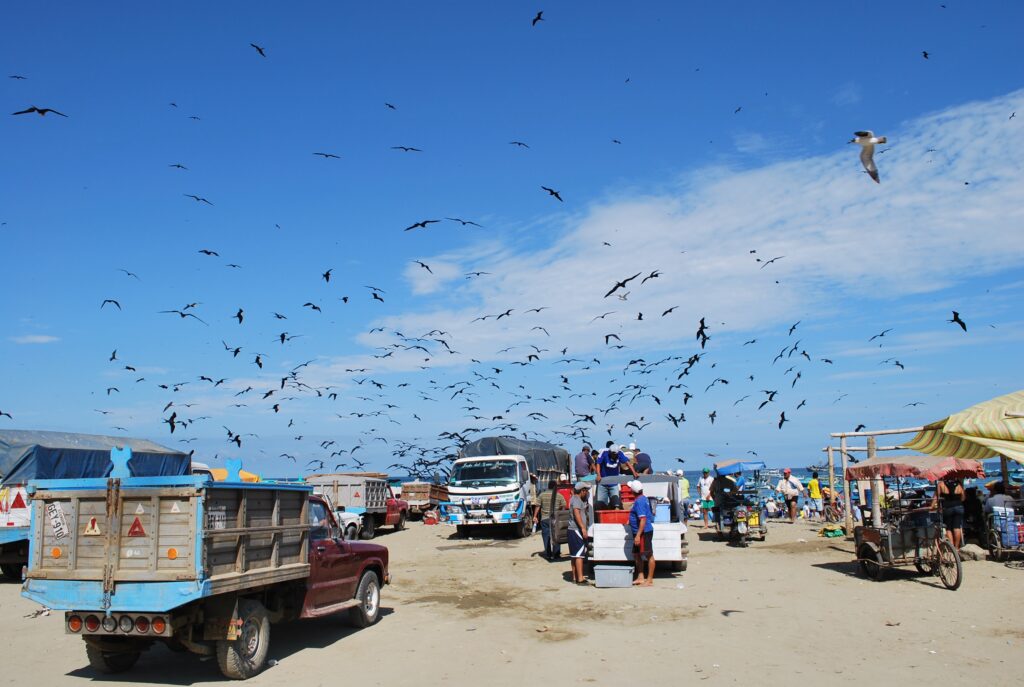
For the independent traveller, the extensive bus network is the lifeblood of transport across Ecuador. It is incredibly affordable, remarkably frequent, and connects almost every town and village in the country. To tap into this network, you must familiarise yourself with the terminal terrestre, the central bus station found on the outskirts of every major town or city.
In large transport hubs like Quitumbe in the south of Quito or the massive terminal in Guayaquil, the sheer scale can feel overwhelming at first glance. Dozens of individual transport companies operate out of separate ticket booths, each covering specific routes and regions. Avoid the temptation to buy tickets from the aggressive ticket touts shouting destinations in the main concourses. Instead, walk directly to the official ticket windows, where prices and departure schedules are clearly displayed.
Once on board, keeping your belongings secure requires constant vigilance. The golden rule of independent bus travel in Ecuador is to never place your daypack in the overhead storage bins or on the floor beneath your feet. Pickpockets operate with incredible stealth on these routes, often working in pairs to distract passengers. Keep your most valuable items, passport, and cash in a small bag strapped across your chest or securely on your lap. For larger luggage stored in the hold beneath the bus, ensure you receive a matching baggage tag from the driver and keep it safe until you reach your final destination.
The reality of the cash economy
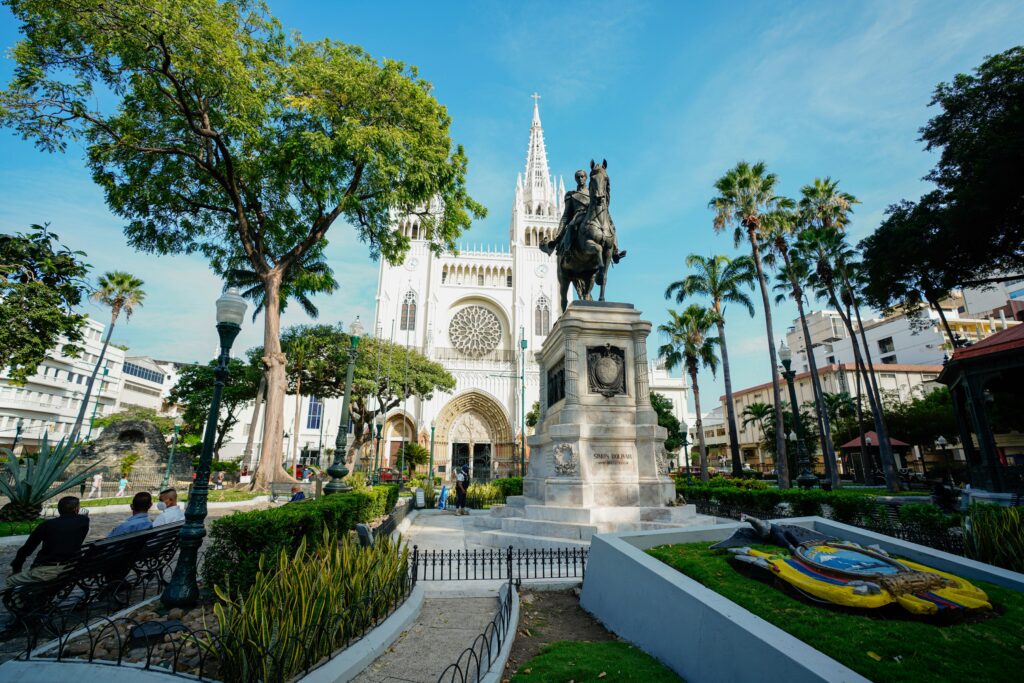
While the official currency of Ecuador is the United States dollar, the way cash moves through the country is uniquely local. Credit and debit cards are widely accepted in high-end hotels, upscale restaurants, and major supermarkets within Quito, Guayaquil, and Cuenca. However, the moment you step into a local market, board a regional bus, or visit a small family-run eatery, cash is the only accepted form of payment.
The critical nuance is the denomination of your physical money. Large bills, specifically fifty- and one-hundred-dollar notes, are virtually impossible to spend in daily life. Even a twenty-dollar note can cause immense stress to a small business owner who may not have enough loose change in their register to cover a two-dollar purchase.
Prioritise gathering coins and small bills. One-dollar coins are incredibly popular and circulate far more frequently than one-dollar paper notes. When using automated teller machines in major cities, try to withdraw specific amounts that force the machine to dispense tens and twenties rather than larger notes. Keep a dedicated pocket in your wallet for loose coins to pay for bus fares, street food snacks, and small handicrafts without disrupting the local vendors.
The Ecuadorian Amazon.
The most biodiverse place in the world
Cultural cadence and etiquette
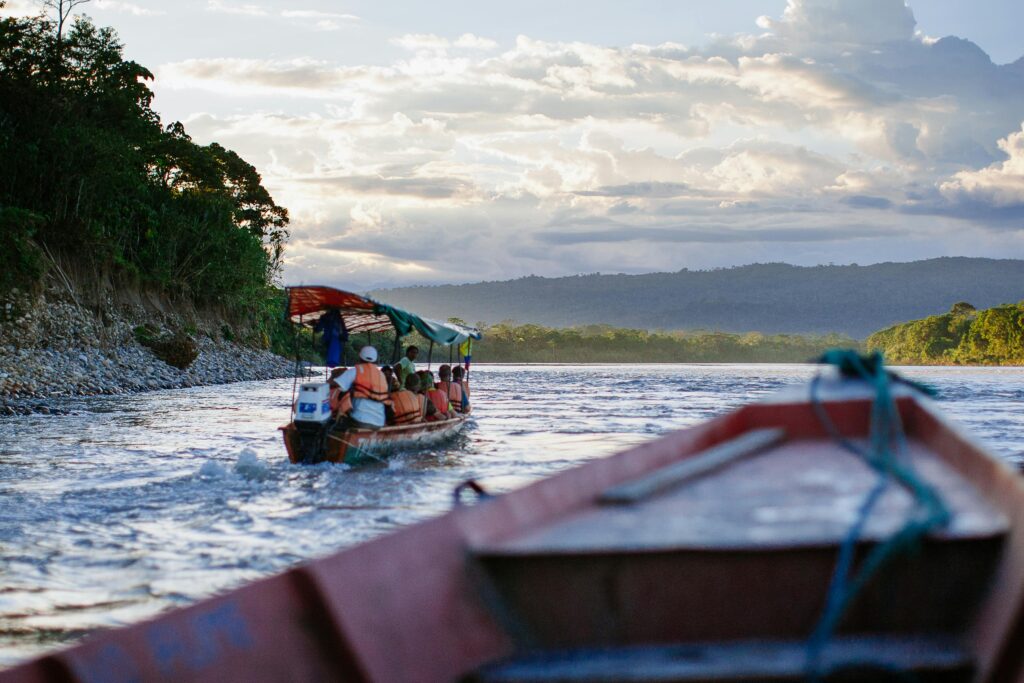
Ecuadorians are inherently polite, formal, and deeply community-oriented. Taking a moment to acknowledge the human element of an interaction before making a request will instantly transform your experience as an independent traveller.
When entering a small shop, stepping onto a bus, or approaching a market stall, always lead with a clear and pleasant greeting. A simple Buenos días in the morning or Buenas tardes in the afternoon costs nothing but establishes mutual respect. When finishing an interaction or leaving an establishment, a polite Gracias, hasta luego signals that you appreciate their time.
Time also moves differently here. The concept of time is fluid, and schedules are viewed as flexible guidelines rather than rigid contracts. If a local bus leaves fifteen minutes late or a restaurant takes a little longer to prepare your meal from scratch, view it as an invitation to slow down and observe the world around you. Embracing this relaxed pace allows you to absorb the small details that group tourists entirely miss.
Unlocking overlooked Ecuadorian highlights
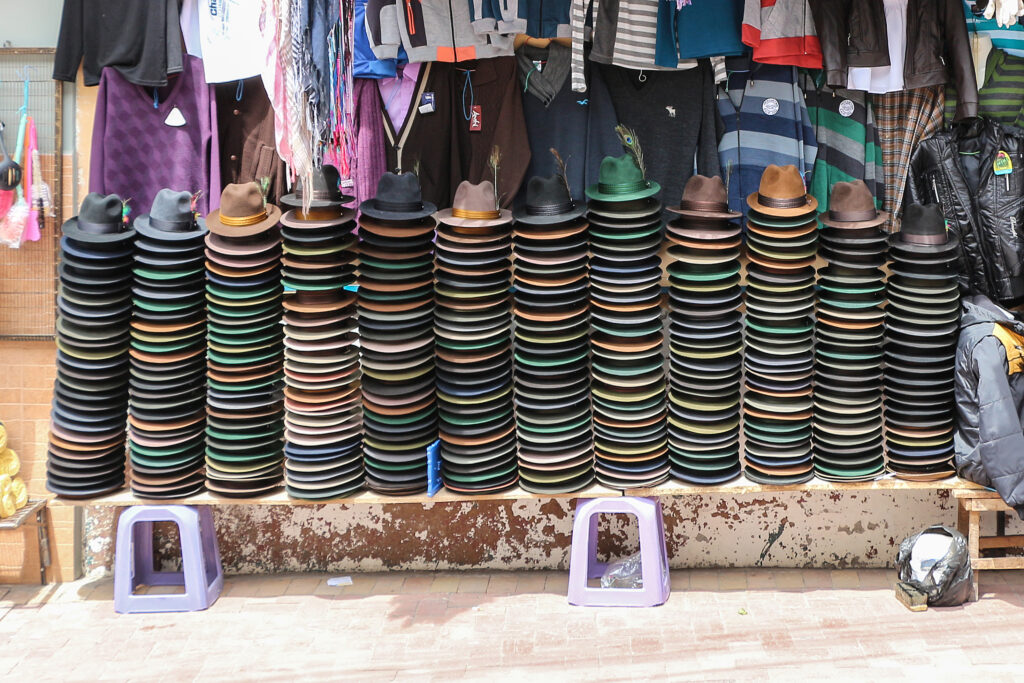
While the hot spots of Baños and the Otavalo market rightfully draw crowds, the true magic of independent travel in Ecuador lies in the spaces between the famous landmarks.
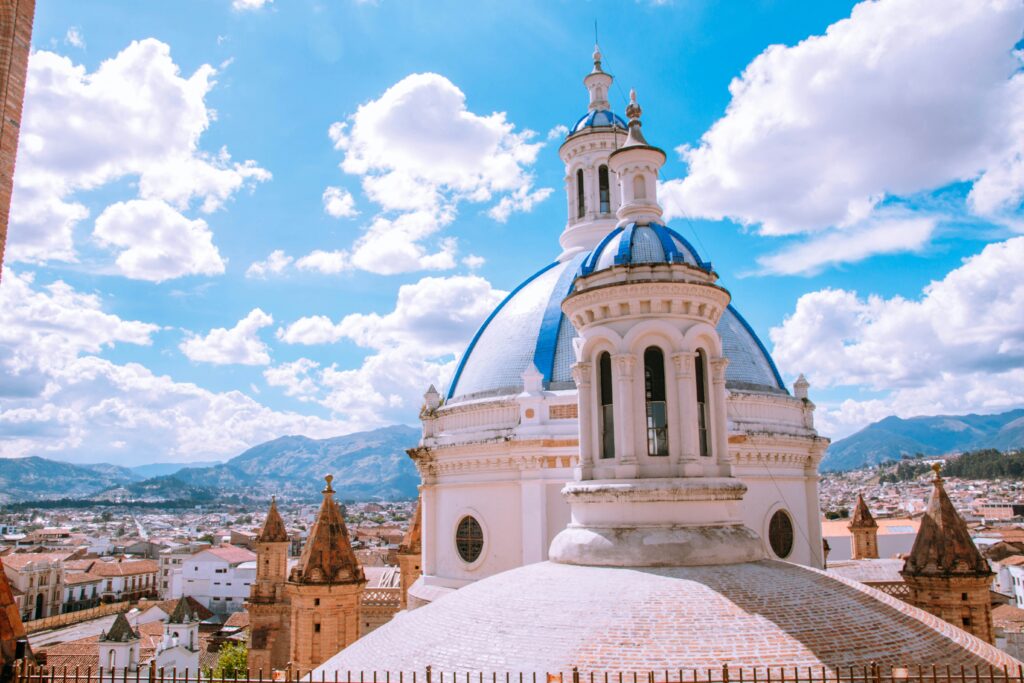
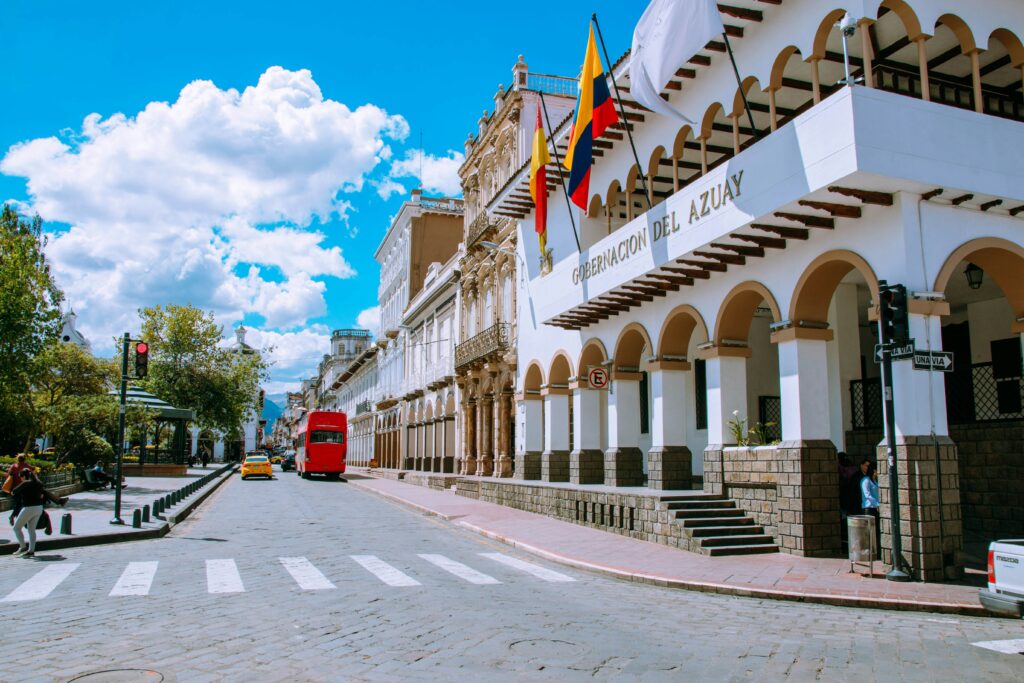
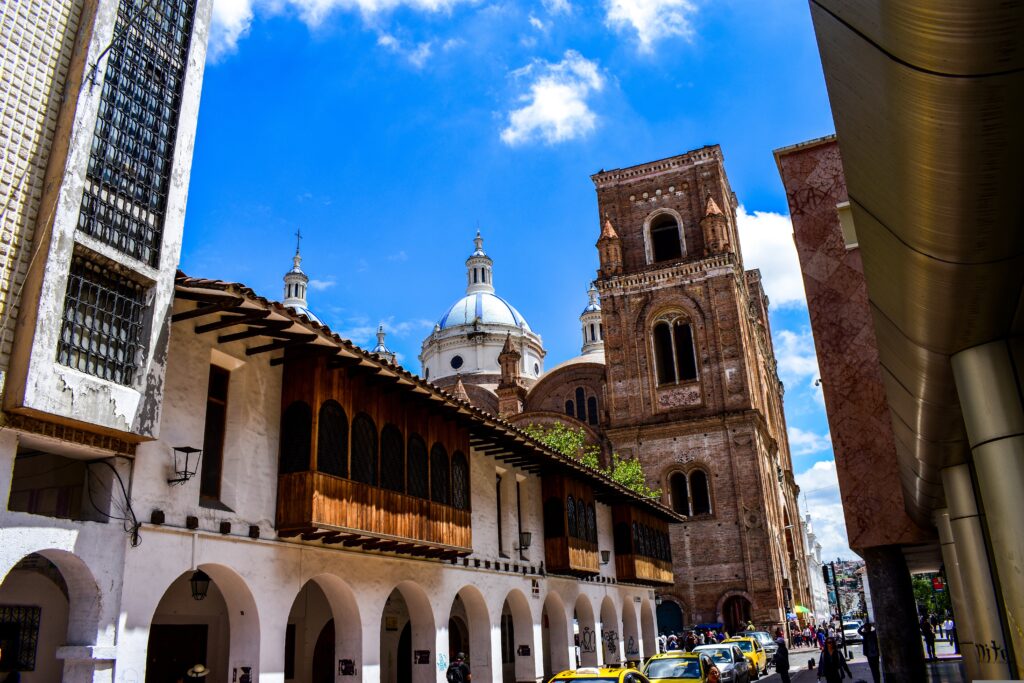
Consider spending a few days in Cuenca, a stunning UNESCO World Heritage city in the southern highlands. It features immaculate Spanish colonial architecture, a vibrant independent arts scene, and four rivers cutting directly through the city centre. It offers a much calmer, highly walkable alternative to the frantic energy of Quito.
For a taste of the cloud forest without the heavy crowds of Mindo, head toward the cloud forests surrounding the small village of Chugchilán on the Quilotoa loop. Here, you can hike through dramatic canyon systems, visit independent organic cheese farms, and experience the rural agrarian lifestyle that forms the true backbone of Andean culture.
Affiliate Disclaimer: Some of the links on Wheely Tyred are affiliate links. If you click through and make a booking or purchase, we may earn a small commission at no extra cost to you. We only recommend gear, tours, stays, and services we genuinely use, trust, and stand behind — our editorial independence always comes first. These commissions help keep our independent cycling guides and travel stories free to read. Thanks for supporting the ride!
The Ecuadorian Coast.
Where you’ll find the very best food
Frequently asked questions about visiting Ecuador
Spend your first two days resting, walking slowly through the historic centre, and eating light meals, as digestion slows down at high elevations. Drinking plenty of water and sipping local coca tea or eating sun-dried uchuva fruits can also help alleviate the symptoms of soroche (altitude sickness).
Utilise a technical layering system. Your base layer should be lightweight and breathable for humid lowlands or midday sun. Add an insulated mid-layer like a fleece for cool Andean evenings, and always carry a completely waterproof, windproof outer shell to handle sudden downpours.
Head directly to the official ticket windows inside the terminal terrestre (central bus station) instead of purchasing tickets from the touts shouting destinations in the main concourses. Once on board, keep your valuables in a small bag on your lap rather than placing them in overhead bins or on the floor.
Ecuador operates largely on a cash economy where small businesses, market vendors, and bus drivers rarely have enough loose change to break fifty- or one-hundred-dollar notes. It is best to carry tens, fives, and one-dollar coins to ensure smooth transactions.
The colonial city of Cuenca offers a relaxed, highly walkable alternative to Quito with a vibrant independent arts scene. For cloud forests without the heavy crowds of Mindo, the village of Chugchilán on the Quilotoa loop provides access to dramatic canyon hikes and rural agrarian culture.
Ecuador.
Pure wonder on the equator.