A practical guide to the Ecuadorian Sierra
Essential travel tips, altitude advice, and bus transit logistics for first-time visitors to the Ecuadorian Andes
For those who prefer to cross the páramos at their own pace
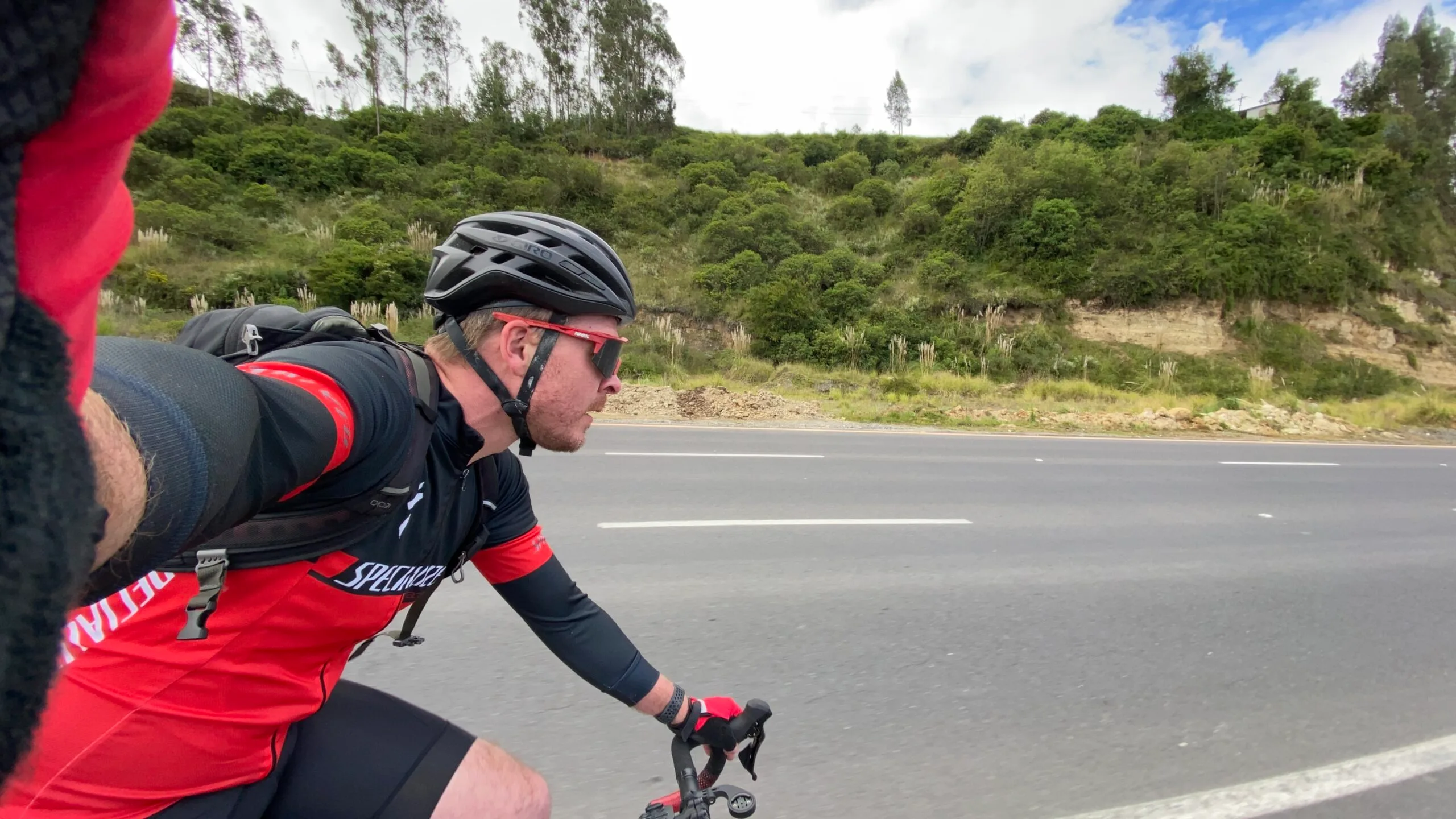
BEN FINCH
The Interandine Valley of Ecuador, commonly known as the Sierra, is a geographical corridor flanked by twin branches of the Andes. Stretching from the northern border with Colombia down to the southern reaches of Loja, this region contains an extraordinary concentration of high-altitude ecosystems, colonial architectural centres, and deeply rooted indigenous cultures.
For the independent traveller who prefers to navigate via bus, bike, or on foot, the Sierra offers a deeply rewarding terrain. It is a landscape that penalises rushed itineraries and rewards those who take the time to understand its unique logistical contours. This guide provides the foundational baseline required to traverse the Ecuadorian highlands with confidence, efficiency, and autonomy.
The vertical soul of the Sierra
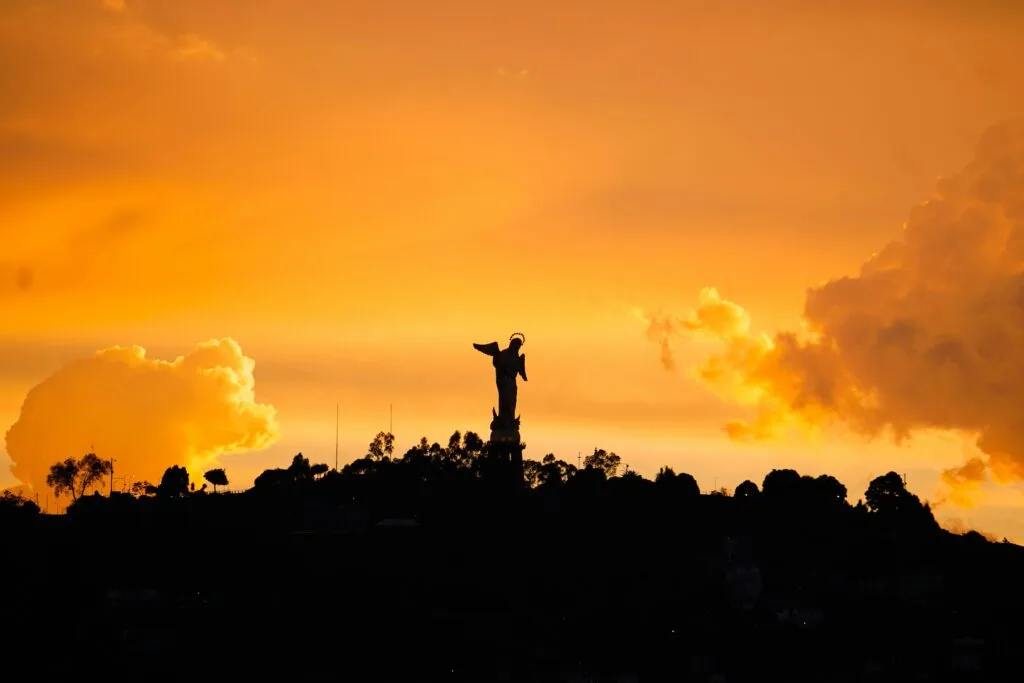
Navigating the high-altitude corridor of the Ecuadorian Andes demands structural preparation and physical respect. For the self-reliant traveller, mastering these unique logistical contours unlocks an exceptionally rewarding and authentic landscape.
- Acclimatisation Protocols: Allocate the first 48 hours in hubs like Quito or Cuenca to low-exertion activities to mitigate the debilitating effects of soroche (altitude sickness)
- The Atmospheric Paradox: The equatorial sun penetrates the thin mountain air with extreme intensity, pushing the UV index to dangerous levels even under heavy cloud cover
- Technical Layering: Rapid afternoon transitions from intense equatorial heat to torrential downpours (aguaceros) necessitate a strict three-tier technical clothing system
- Terminal Navigation: Regional transit relies entirely on centralised hubs (Terminales Terrestres), where tickets should be purchased directly from official windows (taquillas) using cash
- En Route Security: Avoid using overhead racks on provincial buses; keeping daypacks firmly on your lap is essential to prevent opportunistic theft
- Thermal Mass Realities: Centuries-old adobe and stone architecture retains the midday chill through the night, making heavy woollen blankets (cobijas) and thermal layers vital
- Market Gastronomy: True regional culinary heritage thrives in the Mercado Central, where family-run stalls serve traditional staples like locro de papa and mote pillo
The Ecuadorian Sierra.
Get lost in the hills
The elevation blueprint / Managing altitude and the equatorial sun
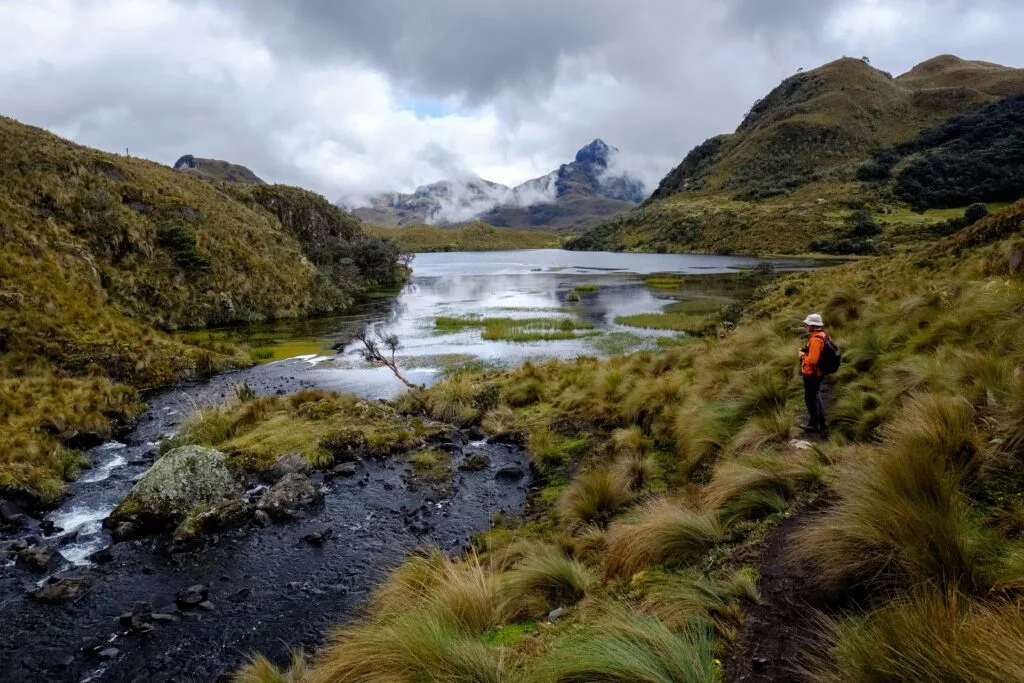
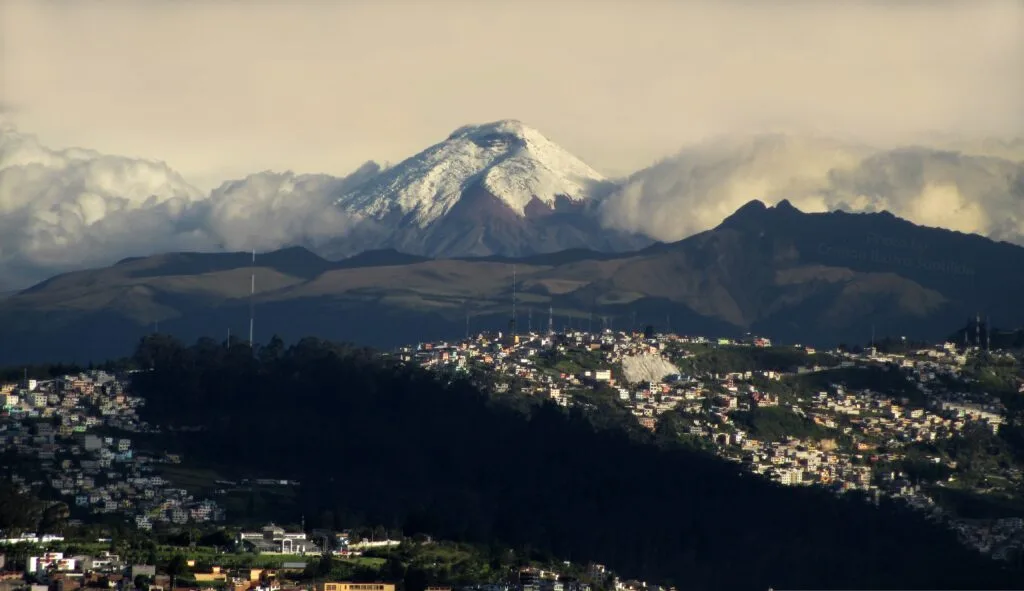
The primary defining characteristic of the Ecuadorian Sierra is its elevation. Quito sits at 2,850 metres above sea level, while southern hubs like Cuenca rest at roughly 2,500 metres. Surrounding these urban centres are páramo highlands and volcanic peaks that easily exceed 4,000 metres.
Acclimatisation protocols
First-time visitors often underestimate the immediate physical impact of these elevations. Soroche, the local term for altitude sickness, is a physiological reality caused by lower barometric pressure and reduced oxygen intake.
The First 48 Hours: Allocate the initial two days of your journey to low-exertion activities. Avoid immediate uphill trekking or heavy physical strain in locations like the Quilotoa Loop or Cotopaxi National Park.
Dietary Adjustments: The digestive system slows down at high altitudes. Prioritise lighter meals, heavy hydration, and traditional herbal infusions such as mate de coca or sunfo, which local communities have used for centuries to ease symptoms.
The atmospheric paradox
The geographical position of the Sierra directly on the equator creates a unique atmospheric condition. At 3,000 metres on the equator, the Earth’s atmosphere is thinner, providing minimal filtration for ultraviolet radiation.
The UV index in cities like Ambato or Riobamba routinely registers between 14 and 18, classifications deemed extreme by international meteorological standards. Sunburn can occur in fewer than 10 minutes, even during overcast, misty mornings. High-factor protection, polarised eyewear, and wide-brimmed hats are non-negotiable tools of transit, regardless of ambient temperature.
The Galápagos.
Ecuador’s Enchanted Isles
The dynamic climate / Navigating Andean microclimates
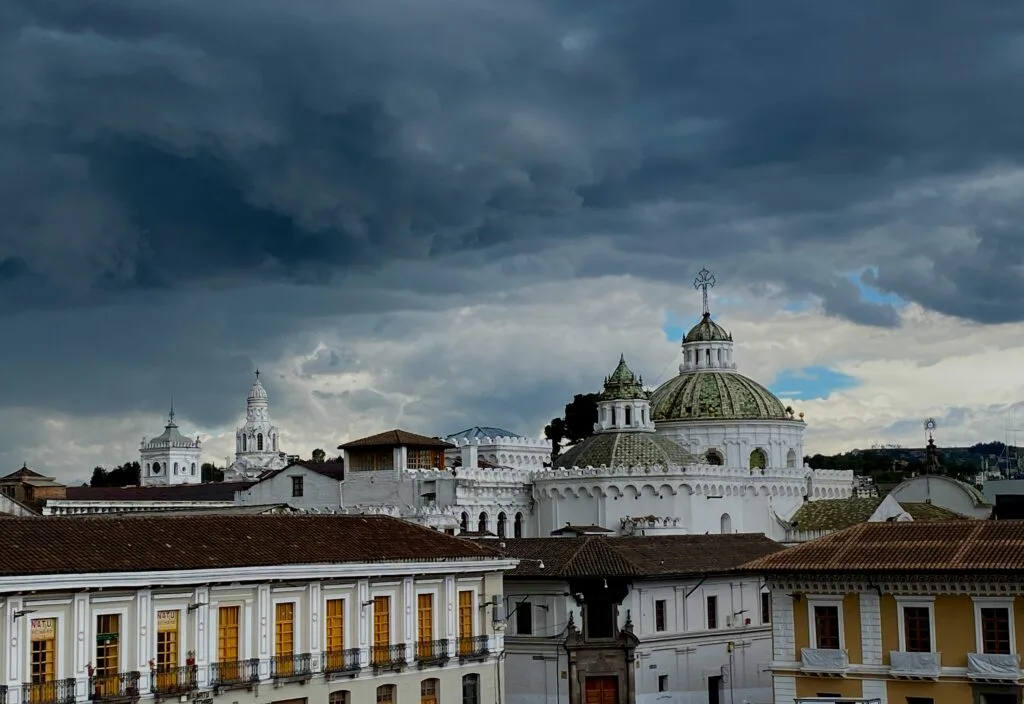
The weather in the Sierra does not conform to conventional seasonal patterns. Instead, it is governed by diurnal cycles and microclimates dictated by altitude and topography. A single day can encompass four seasons, requiring a highly adaptable approach to packing and daily planning.
The daily meteorological cycle
A typical day in the highlands begins with crisp, clear skies and temperatures hovering around 8°C. As the equatorial sun rises, temperatures climb rapidly, peaking at around 18°C to 22°C by midday.
By mid-afternoon, moisture rising from the Amazon basin to the east or the Pacific lowlands to the west hits the cold Andean air masses. This interaction regularly triggers sudden, heavy downpours, known locally as aguaceros, accompanied by sharp drops in temperature. By nightfall, the air returns to a biting chill.
Technical layering strategy
To maintain autonomy while exploring historical centres or walking rural tracks, reliance on heavy, single-purpose outerwear is inefficient. The optimal approach relies on a three-tier technical layering system:
Base Layer: Moisture-wicking merino wool or synthetic fabric to regulate body temperature during sunny midday walks.
Mid Layer: A packable fleece or lightweight down jacket to trap body heat when the afternoon shadows fall or when ascending high passes.
Outer Layer: A fully waterproof, windproof, breathable shell. A sudden downpour in the Sierra, combined with high winds, can induce hypothermia if clothing becomes saturated.
The Ecuadorian Amazon.
The most biodiverse place in the world
Self-reliant transit / The regional bus network
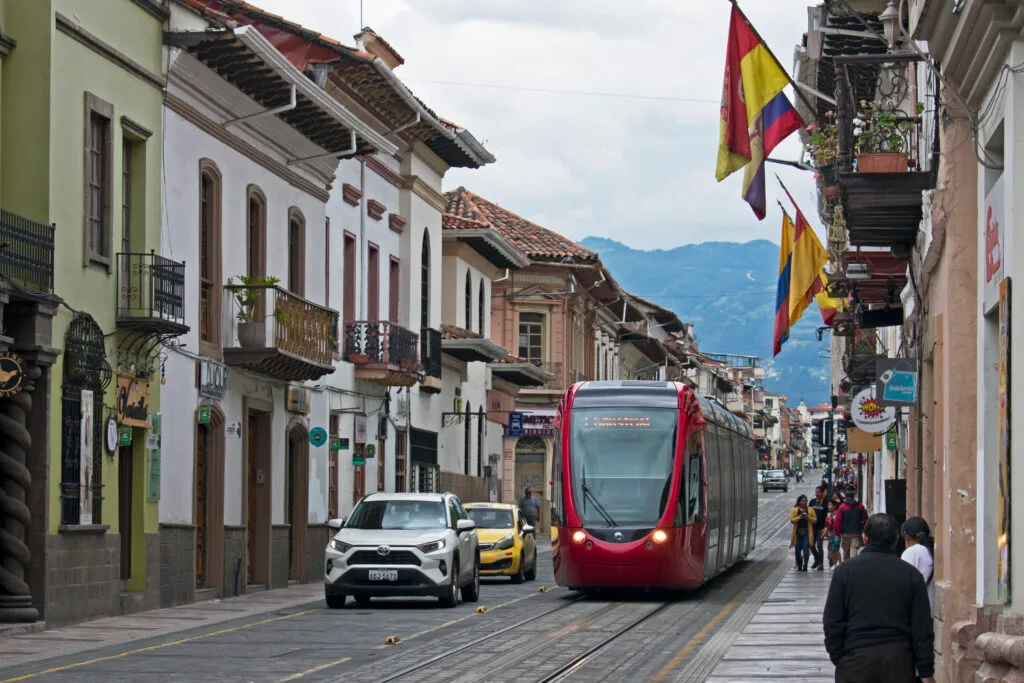
Ecuador lacks a comprehensive passenger rail network, meaning the lifeblood of independent travel throughout the Sierra is the regional bus system. It is highly affordable, extensive, and remarkably punctual, but navigating it smoothly requires an understanding of local infrastructure.
Understanding the Terminal Terrestre
Every major city and provincial capital in the Sierra operates a centralised transport hub known as the Terminal Terrestre. These are not mere bus stops; they are highly organised, multi-level complexes.
When arriving at a terminal, such as Quitumbe in southern Quito or the main terminal in Cuenca, avoid booking tickets through third-party agencies or street touts. Proceed directly to the fixed ticket windows, called taquillas, which are clearly organised by destination and operating company (cooperativa). Tickets are generally cash-only, and fares average roughly one to two dollars per hour of travel.
En route security practices
While violent incidents are rare on primary transit corridors, opportunistic theft is common on crowded provincial buses. Independent travellers must employ deliberate security habits:
The Overhead Myth: Under no circumstances should you place your daypack, camera gear, or documents in the overhead racks or on the floor beneath your seat. Opportunistic bag-slashing from behind is an art form on these routes.
The Lap Principle: Keep your primary valuables in a small pack resting firmly on your knees, with your arms looped through the straps.
Distraction Awareness: Be vigilant during mid-journey stops when vendors climb aboard to sell fruit, ice cream, or snacks. These moments of high movement are prime opportunities for distraction-based theft.
The Ecuadorian Coast.
Where you’ll find the very best food
Andean architecture and the nocturnal chill
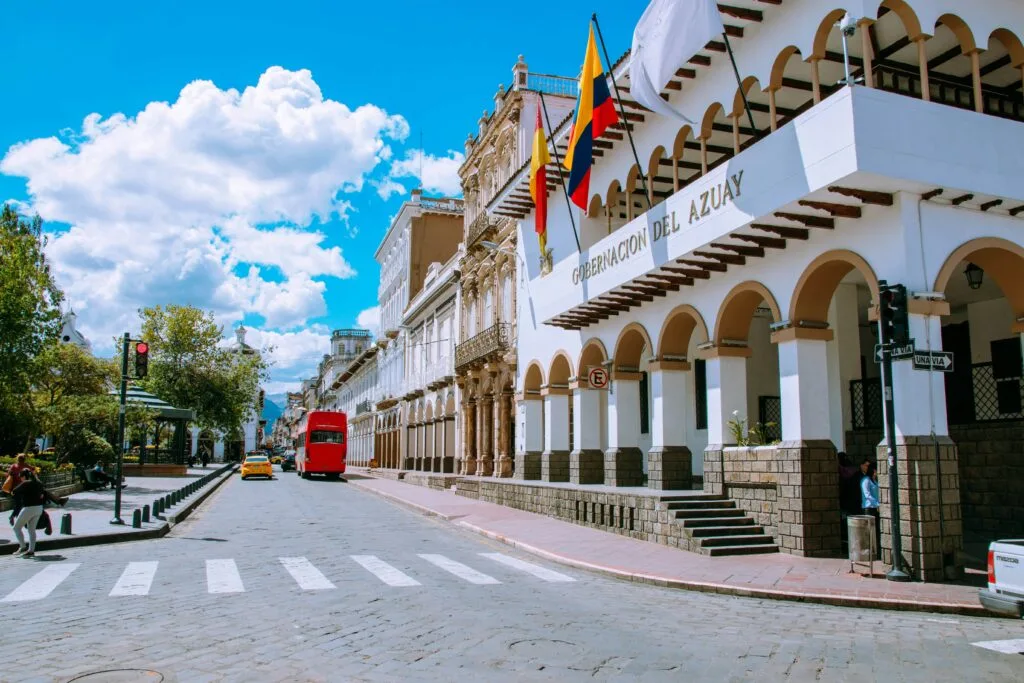
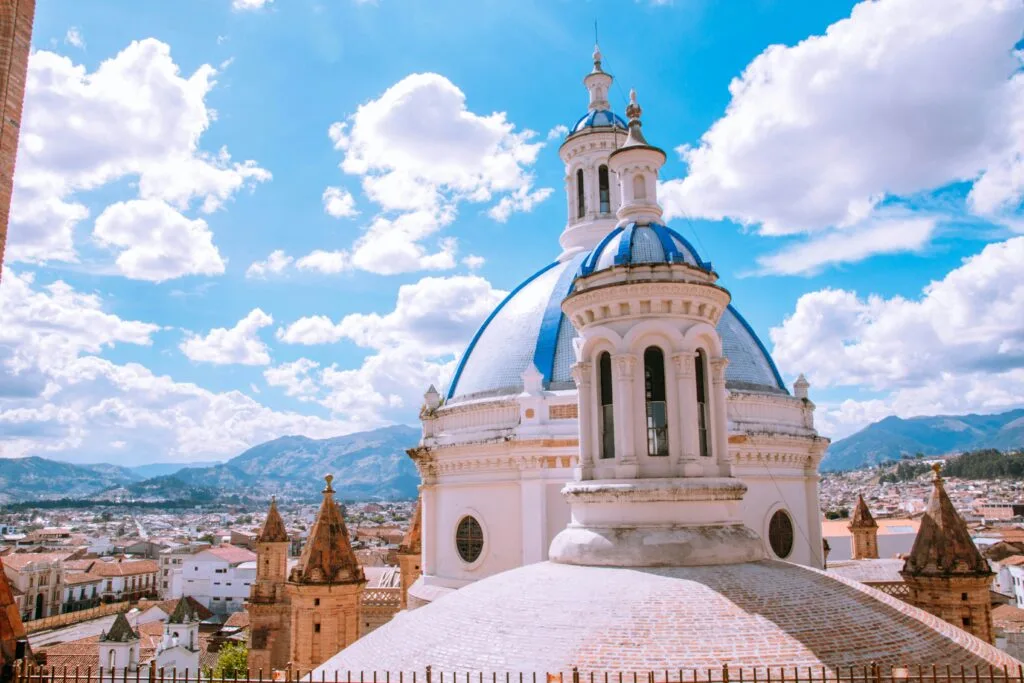
The historical quarters of Quito, Cuenca, and Latacunga are celebrated for their Spanish colonial architecture, characterised by whitewashed adobe walls, heavy timber beams, and central open-air courtyards (patios).
The thermal mass reality
While these historic buildings are aesthetically magnificent, they present a distinct comfort challenge for first-time visitors. Adobe and stone possess immense thermal mass; they insulate buildings from the midday heat but remain cold throughout the night.
Because central heating is virtually non-existent in traditional Sierra accommodation, indoor temperatures in the evening can drop to match the outdoor air, often falling below 10°C.
Practical accommodation adjustments
When selecting independent guesthouses or traditional hostales, look for properties that explicitly provide heavy woollen blankets, known as cobijas, or modern down duvets. Do not hesitate to request an additional space heater (calefactor) from the reception desk upon check-in. Packing a dedicated pair of warm merino wool socks and lightweight thermal sleepwear will ensure a comfortable night without relying on energy-intensive amenities.
Quito.
Explore the Middle of the World
Highland gastronomy and cultural literacy
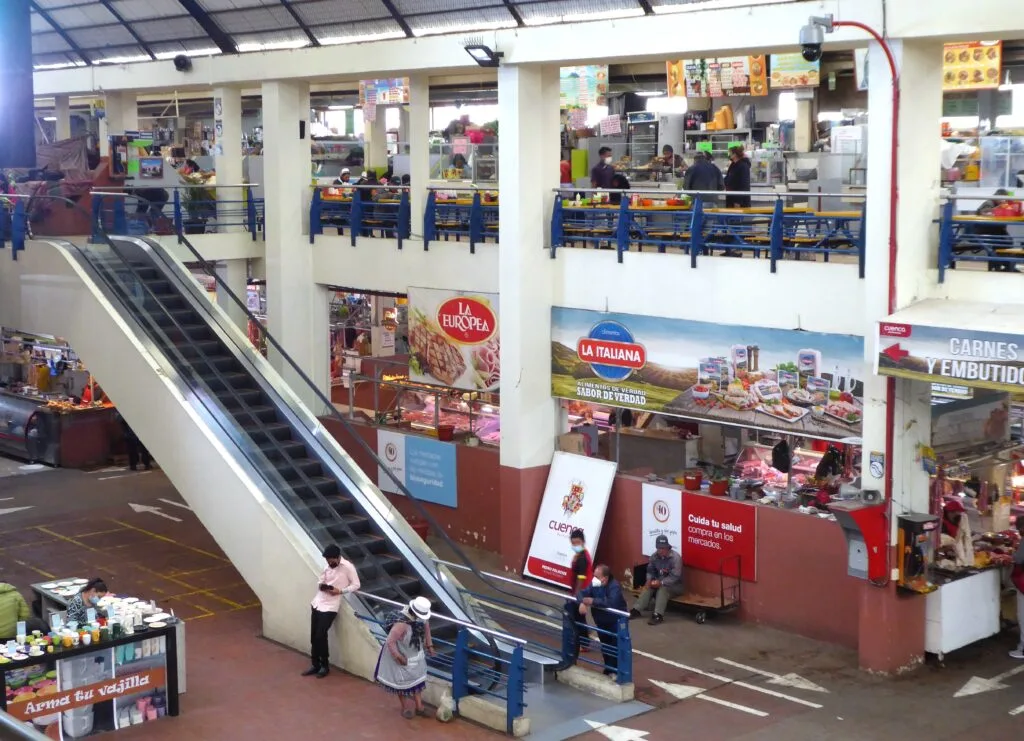
To experience the Sierra beyond its surface requires a departure from tourist-oriented restaurants and a move toward local food spaces. Avoid international fast-food chains, which have proliferated in modern commercial zones, and seek out regional culinary traditions.
The Mercado Central experience
The culinary heart of any Andean town is its Mercado Central. These covered markets are split into distinct sections: flowers, produce, butchery, and the patio de comidas (food court).
The food stalls are operated by multi-generational family cooks serving exceptionally fresh, traditional highland fare at minimal cost.
| Dish / Drink | Description | Regional Focus |
| Locro de Papa | A creamy potato soup enriched with cheese, avocado, and achiote. | Central Sierra (Quito to Riobamba) |
| Llapingachos | Pan-seared potato patties stuffed with cheese, served with peanut sauce. | Ambato and Tungurahua |
| Mote Pillo | Hominy corn scrambled with eggs, milk, and local spices. | Southern Sierra (Cuenca) |
| Horchata Lojana | A bright red aromatic herbal infusion made from up to 28 medicinal plants. | Loja Province |
Market etiquette
When dining in the markets, look for stalls with a high turnover of local patrons, which guarantees the freshness of the ingredients. Always carry small denominations of cash ($1, $5, and $10 notes), as vendors rarely have change for larger bills.
A simple, respectful greeting of buenos días (good morning) or buenas tardes (good afternoon) to the stall holder before ordering is a fundamental marker of local courtesy that bridges cultural gaps instantly.
Cuenca.
The Athens of Ecuador
Embracing the Andean pace
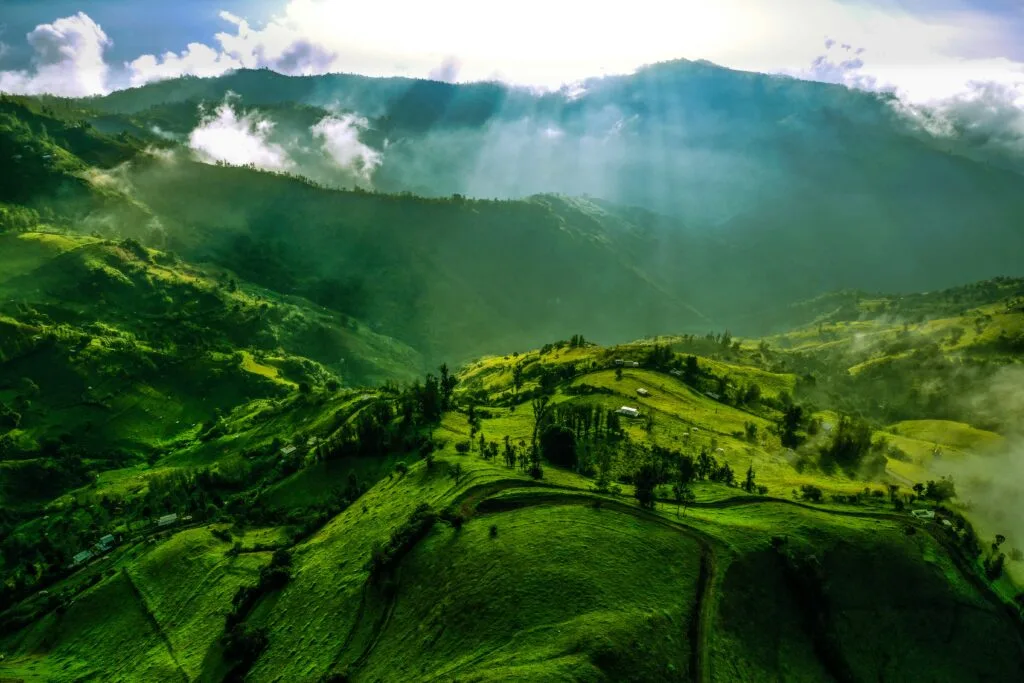
Navigating the Ecuadorian Sierra independently requires a fundamental shift from a mindset of rigid itineraries to one of fluid adaptation. The very elements that demand practical respect—the thin air of the high altitudes, the mercurial shifts in the weather, and the kinetic energy of the regional bus terminals—serve as a natural filter. They preserve the raw authenticity of the highlands, shielding these mountain communities from the homogenised predictability found in more commercialised global destinations.
True insight into the region is found within these transitional moments. It comes when waiting out a sudden afternoon rainstorm beneath a colonial stone archway, watching the páramo mist drift across a high volcanic pass from a bus window, or exchanging a quiet morning greeting with a vendor in a bustling provincial market. These experiences cannot be engineered by a tour operator or glimpsed from the window of a private transfer. They belong exclusively to those willing to engage with the environment on its own terms.
For the self-reliant traveller, the Sierra is not a landscape to be merely passed through, but one to be thoroughly understood. By mastering the practical logistics of transit, climate, and local etiquette, you move beyond the vulnerabilities of a first-time visitor. This foundational knowledge provides the ultimate asset for any journey along the Andean spine: the absolute freedom to explore at your own pace.
Frequently asked questions about the Ecuadorian Sierra
Give your body at least 48 hours of low-exertion rest upon arrival in high-altitude cities like Quito or Cuenca. Drink plenty of water, opt for lighter meals as digestion slows down at elevation, and try traditional local herbal infusions like mate de coca or sunfo, which have been used for centuries to ease symptoms.
The Sierra is dictated by dramatic diurnal cycles and microclimates rather than conventional seasons. Clear, crisp mornings can quickly give way to intense midday equatorial sun, followed by sudden, freezing afternoon downpours and a biting nocturnal chill once the sun sets.
Always purchase your tickets directly from the official fixed ticket windows (taquillas) inside the main Terminal Terrestre. Once on board, keep your daypack and valuables firmly on your lap with your arms looped through the straps rather than using the overhead racks, as opportunistic bag-slashing is a common risk.
Traditional colonial buildings are constructed from thick adobe and stone. While this immense thermal mass keeps the interiors comfortably cool during the peak midday sun, it also traps the chill at night. Because central heating is rare in independent mountain lodgings, travellers should request extra woollen blankets (cobijas) or a portable space heater.
Expect exceptional, fresh, multi-generational local cooking served in a bustling communal food court (patio de comidas) at a minimal cost. Look for busy stalls with a high turnover of local patrons to guarantee freshness, bring small denominations of cash, and always open your interaction with a respectful local greeting.
Look out for locro de papa, a creamy potato soup enriched with cheese and avocado, or llapingachos, which are pan-seared potato and cheese patties served with peanut sauce. In the southern Sierra around Cuenca, try mote pillo (scrambled hominy corn and eggs), and pair it with horchata lojana, a bright red aromatic herbal infusion.
Ecuador.
Pure wonder on the equator.