A first-time guide to Puyo / The ultimate Ecuadorian Amazon gateway
Essential Puyo, Ecuador, travel tips for independent travellers visiting the Amazon basin
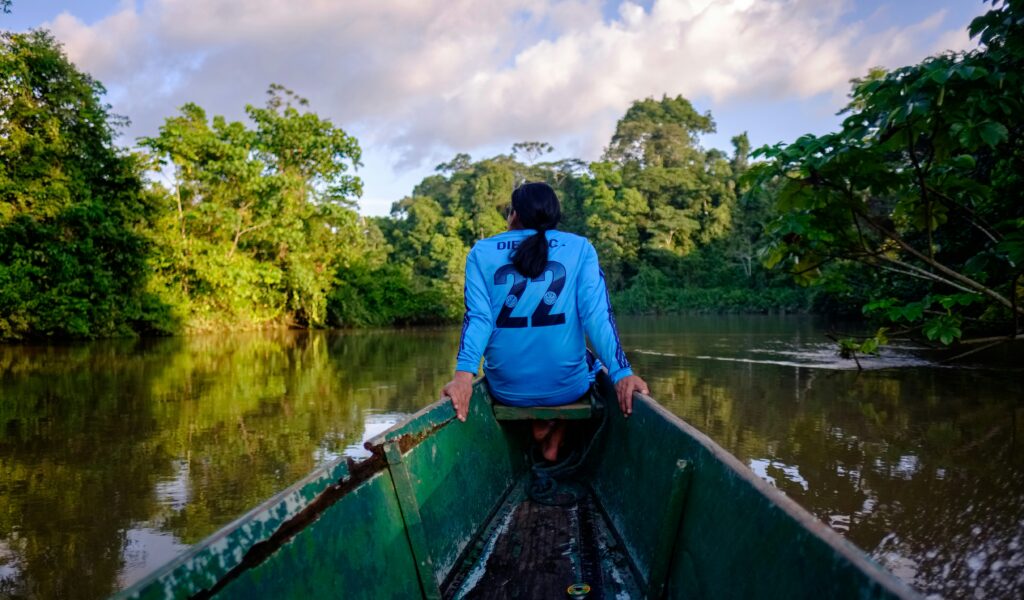
Step into the vibrant, rain-soaked heart of the Pastaza province
BEN FINCH
For many travellers in Ecuador, the journey into the Amazon basin begins and ends with a glance out of a bus window. Tourists frequently rush through the gateway towns, eager to reach remote, all-inclusive eco-lodges deep within the rainforest. In doing so, they miss out on one of the most authentic urban landscapes in the Oriente: Puyo.
As the capital of the Pastaza province, Puyo is not a manicured tourist resort. It is a bustling, working frontier town where the high Andes sharply descend into the tropical lowlands. For the independent traveller navigating by bus, boat, or bicycle, Puyo offers a rare opportunity to experience life at the edge of the jungle without the constraints of a rigid group itinerary. This guide provides the foundational knowledge needed to navigate this green, energetic city on your own terms.
The raw frontier of the Oriente
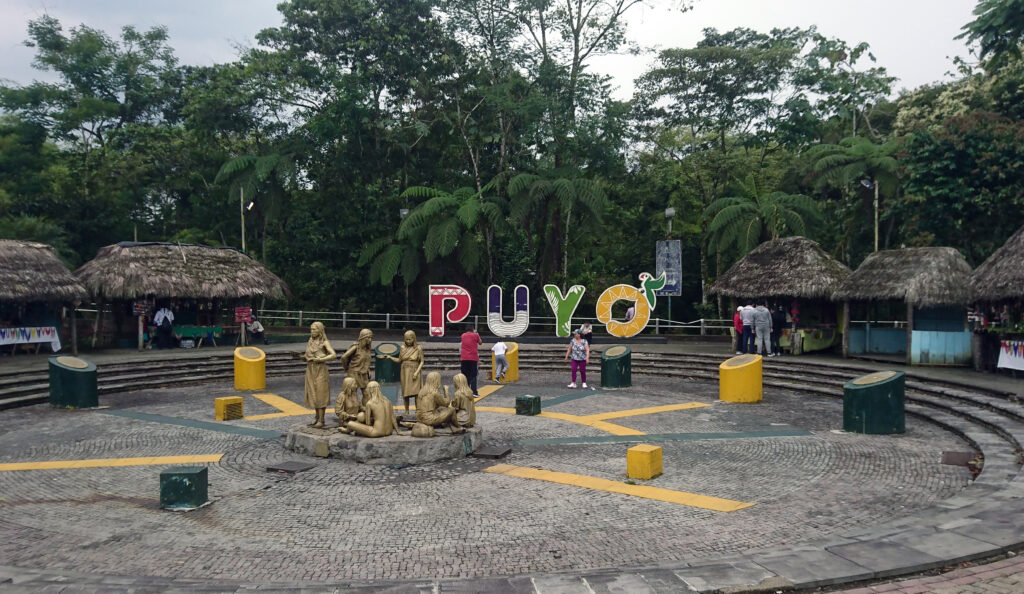
Beyond the sterile windows of passing tour buses lies Puyo, a working jungle outpost where the high Andes dissolve into the vast Amazon basin. For the self-propelled explorer, this is a landscape to be absorbed slowly, embracing the equatorial elements and the authentic rhythms of frontier life.
- Embrace the Downpour: The tropical microclimate demands lightweight, breathable ponchos and internal dry bags rather than heavy waterproofs, allowing you to move comfortably through the daily torrential showers
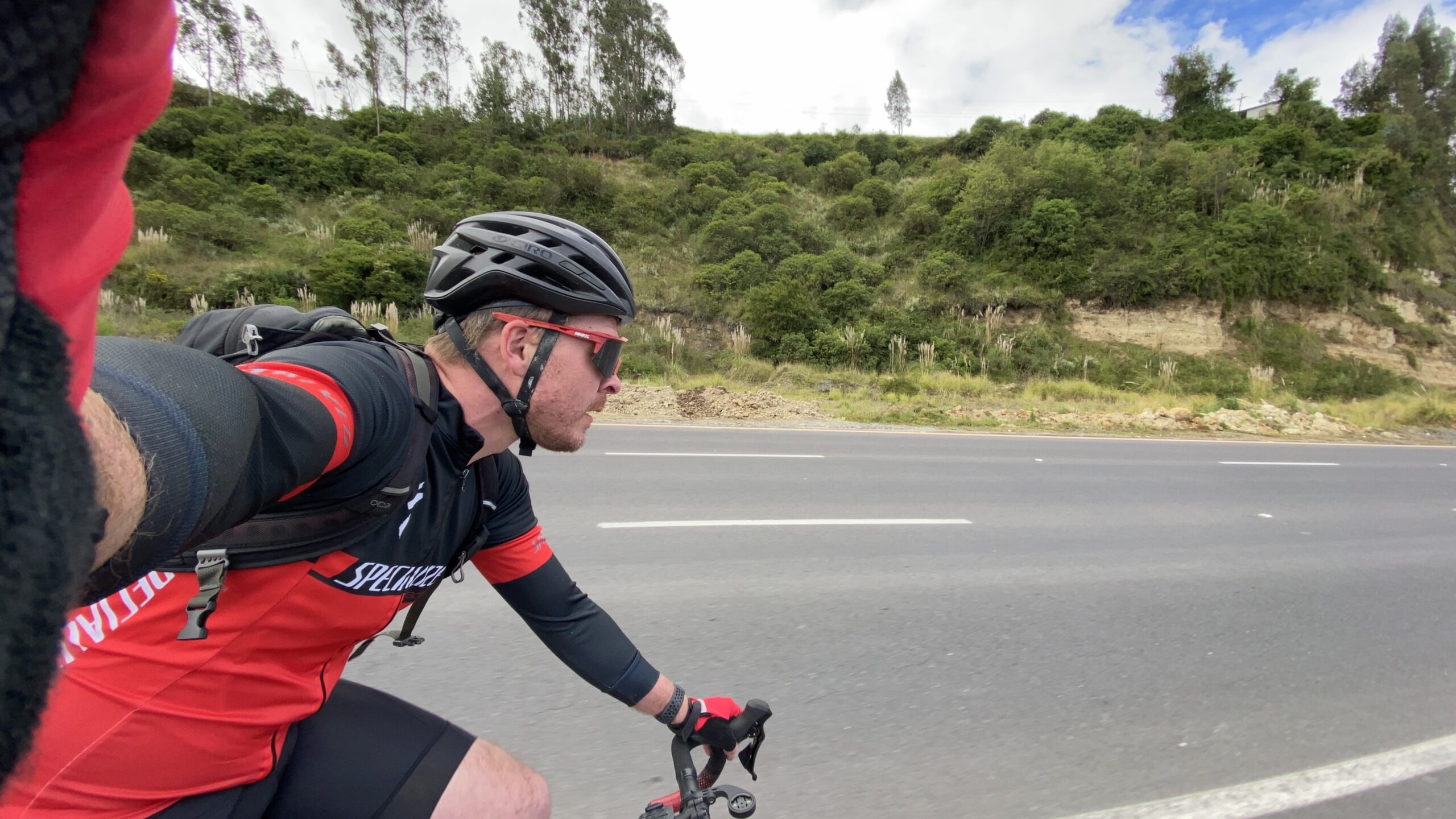
- The Two-Wheeled Descent: Arriving via the spectacular Ruta de las Cascadas from Baños offers cyclists an exhilarating downhill run, though high alertness is required around commercial traffic past Río Verde
- Riverside Sanctuaries: Seeking accommodation along the Paseo Turístico or the banks of the Puyo River provides a peaceful, nature-filled escape from the noisy, early-morning commerce of the town centre
- Fuel for the Road: The volquetero—a hearty, local fusion of canned tuna, lupini beans, plantain chips, and toasted corn—was invented for dump truck drivers and offers the ultimate independent traveller’s fuel
- Ancestral Gastronomy: Sampling maito, fresh river fish wrapped in bijao leaves and slow-grilled over charcoal embers, offers a direct, hands-on connection to indigenous culinary traditions
- Living Botanical Knowledge: The Omaere Ethnobotanical Park offers experiential, indigenous-led tours that reveal how the Shuar and Waorani communities utilise the rainforest canopy for medicine and daily survival
- The Slow Footpath: The Paseo Turístico del Río Puyo provides kilometres of pedestrian eco-paths and suspension bridges, perfect for quiet afternoon birdwatching and observing local flora
Puyo.
The gateway to the Amazon
The Puyo climate / Empathising with the pour
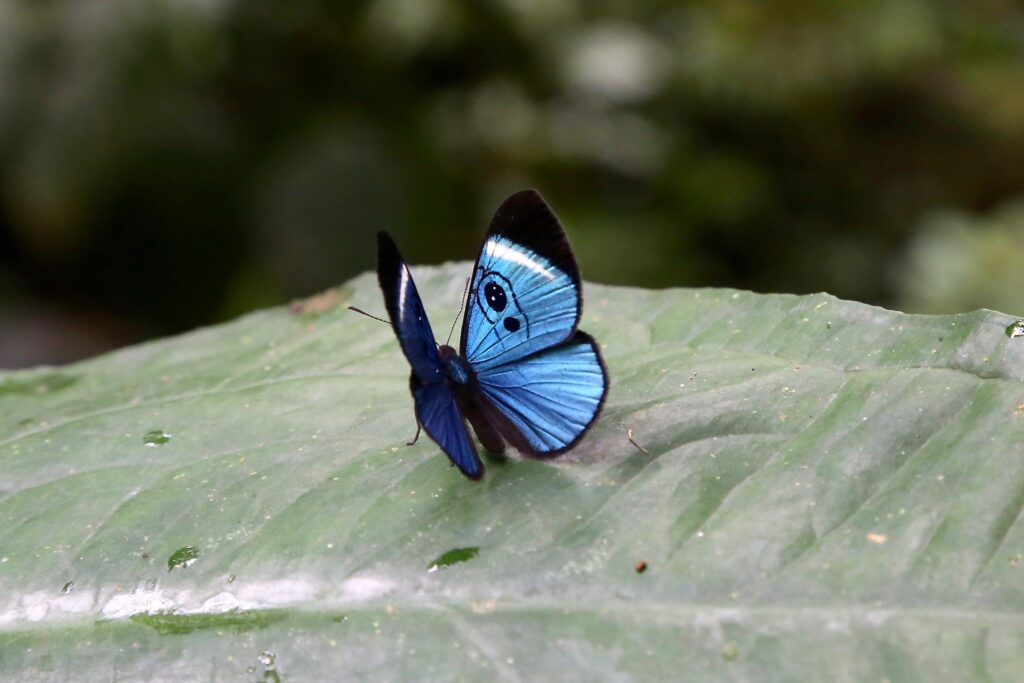
Before unpacking your bags, you must understand the defining characteristic of Puyo: the rain. Puyo is one of the wettest cities in Ecuador, experiencing significant rainfall throughout the entire year. Unlike the predictable highland weather patterns where an afternoon shower clears up by evening, Puyo operates on its own tropical microclimate.
A bright, humid morning can transform into a spectacular equatorial downpour within twenty minutes. This is not a reason to stay indoors; rather, it is a rhythm to adopt. Local life carries on completely uninterrupted by the deluge.
To thrive here as an independent explorer, standard rain gear is insufficient. High humidity means heavy, non-breathable waterproof jackets will quickly leave you drenched in sweat. Instead, opt for a lightweight, packable poncho and quick-drying footwear. Experienced travellers always carry dry bags inside their backpacks to protect electronics and travel documents from sudden downpours. Embrace the humidity, accept that you will get damp, and plan your outdoor excursions for the early morning hours when the skies are traditionally clearer.
The Ecuadorian Amazon.
The most biodiverse place in the world
Arriving on your own schedule
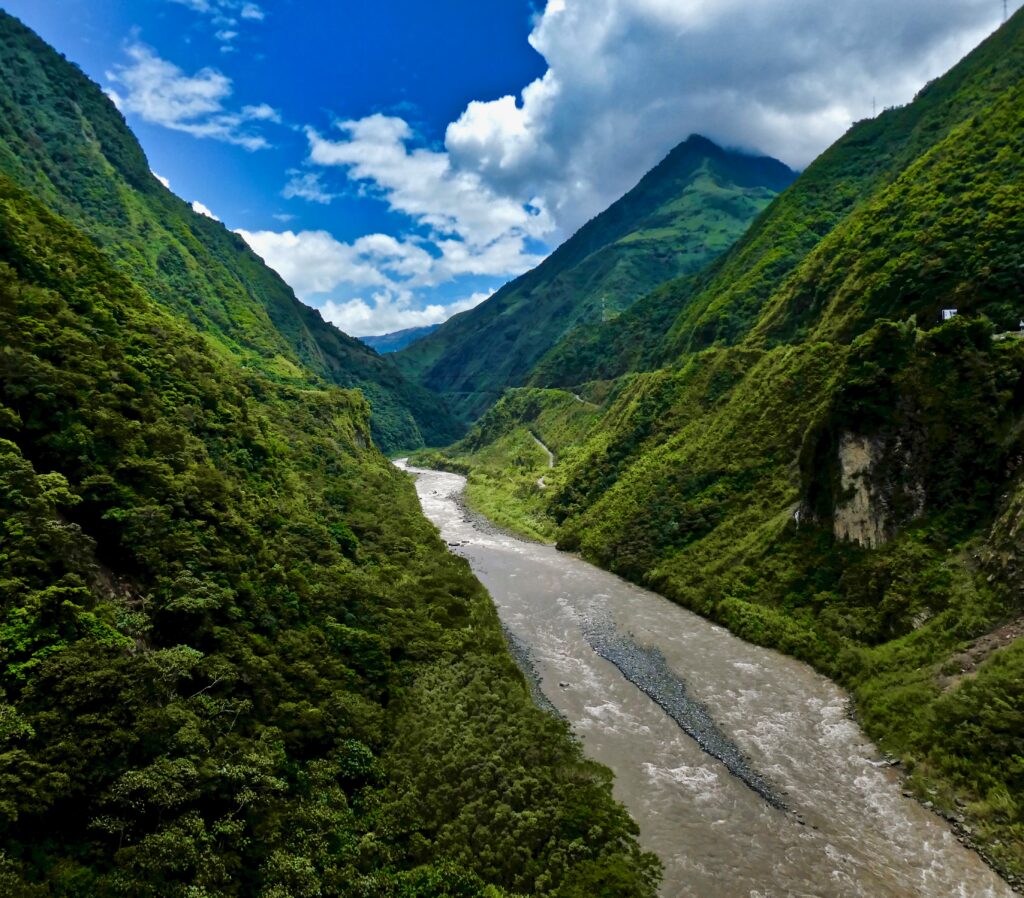
Reaching Puyo is remarkably straightforward for those avoiding commercial tour packages. The journey from the highland adventure hub of Baños is a spectacular descent along the Pastaza River canyon. If you are travelling by local bus, the ride takes roughly two hours, winding through dramatic rock tunnels and past roaring waterfalls.
For those exploring by bicycle, this route—known as the Ruta de las Cascadas—is an exhilarating, mostly downhill ride. However, cyclist safety requires high alertness once you pass the town of Río Verde, as the road narrows and heavy commercial trucks head toward the jungle.
All regional buses arrive at the Terminal Terrestre, situated slightly north-west of the city centre. From the terminal, the heart of Puyo is easily reachable via a modest walk or by catching one of the ubiquitous yellow cooperativa taxis. Because Puyo is highly walkable, you will rarely need internal public transport once you are established in your neighbourhood.
The Ecuadorian Sierra.
Get lost in the hills
Where to stay / Finding quiet in a working town
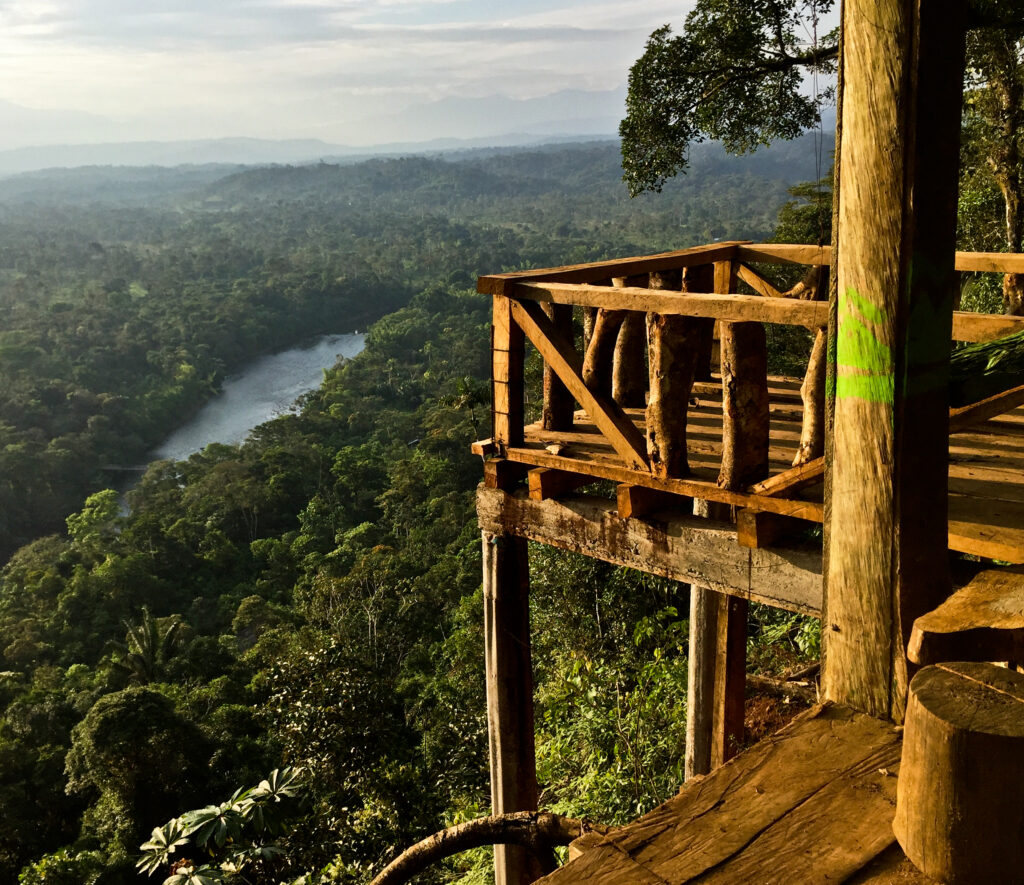
Choosing accommodation in Puyo requires a balance between local convenience and nocturnal peace. The absolute centre of town, particularly around the bustling markets and the primary commercial avenues, is loud. Delivery trucks, local music, and early-morning commerce start before dawn.
Independent travellers seeking a deeper, more peaceful connection to the environment should look for accommodation along the Paseo Turístico or near the banks of the Puyo River. The southern and eastern edges of the city offer several locally owned guesthouses and eco-hostels that border the secondary rainforest. Staying in these areas allows you to fall asleep to the intense symphony of tree frogs and insects rather than the sound of urban traffic, while remaining a comfortable fifteen-minute walk from the local restaurants.
The authentic Puyo plate / Volqueteros and maito
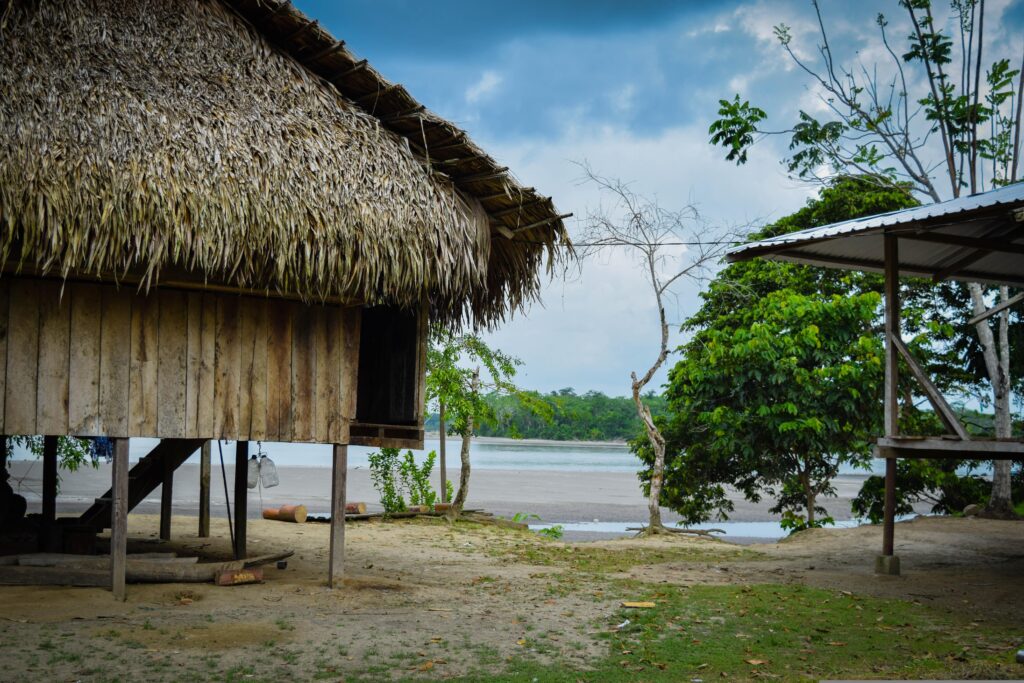
One of the greatest rewards of independent travel is skipping the international franchise restaurants and eating exactly what the locals eat. Puyo has a distinct culinary identity that reflects its dual nature as a jungle crossroads and a bustling trade hub.
The definitive culinary invention of Puyo is the volquetero. This unique dish was originally created to satisfy the hunger of local dump truck drivers working on the regional highway infrastructure. It is a layered, energising mix of canned tuna, chochos (protein-rich Andean lupini beans), crispy chifles (banana chips), maiz tostado (toasted corn), diced tomatoes, and red onions, all dressed with fresh lime juice. It is an extraordinary fusion of highland ingredients and coastal flavours, completely unique to this specific town. The best place to sample an authentic volquetero is at the dedicated food stalls near the municipal market or along the riverside promenade.
For a traditional Amazonian experience, seek out maito. This indigenous culinary technique involves wrapping fresh river fish, such as tilapia or carachama, along with wild yuca and palmito (heart of palm), into the broad, fragrant leaves of the bijao plant. The entire parcel is then tied with natural fibres and grilled slowly over open charcoal embers. The leaf seals in the natural moisture and infuses the fish with a delicate, smoky, herbal flavour. Eating maito with your hands from a steaming leaf wrapper provides a direct link to the ancestral food traditions of the Pastaza region.
The Galápagos.
Ecuador’s Enchanted Isles
Overlooked gems / Exploring on foot
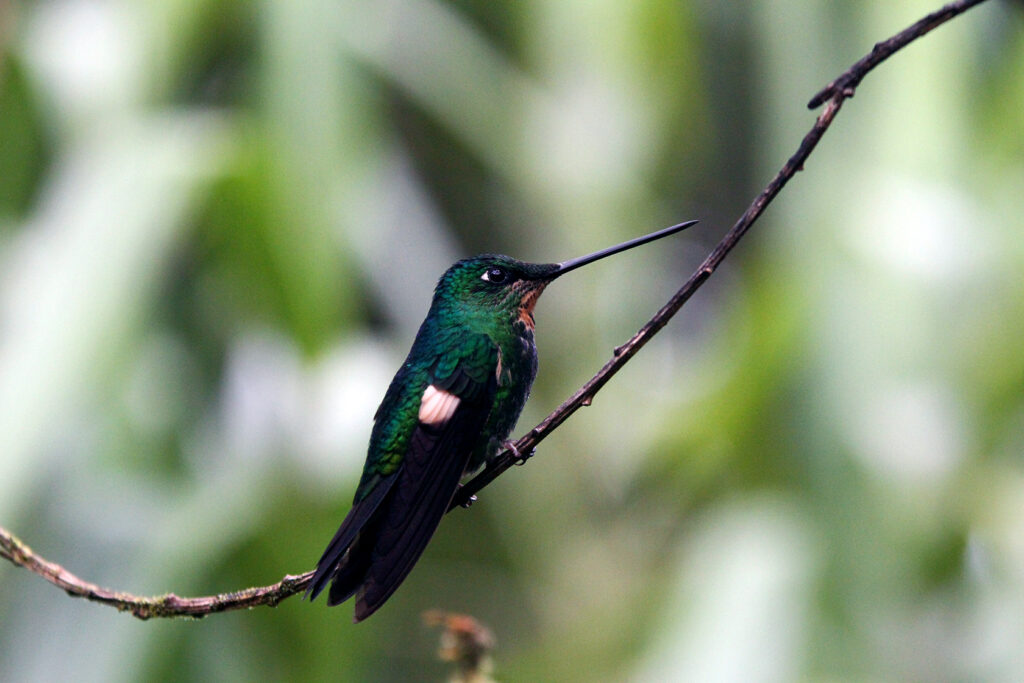
First-time visitors often make the mistake of using Puyo merely as a sleeping base, leaving the city limits entirely for day excursions. However, two exceptional attractions within the town limits deserve your dedicated time.
Parque Etnobotánico Omaere
Located a short distance from the town centre, the Omaere Ethnobotanical Park is a vital site for any traveller wishing to gain a deep knowledge of the western Amazon. Founded by a local Ecuadorian botanist and an indigenous Waorani woman, this park is dedicated to preserving the ethnobotanical knowledge of the Shuar and Waorani cultures.
Unlike conventional botanical gardens with static labels, visits here are experiential. Local, independent guides walk you through the living collection, explaining how specific plants are utilised for medicine, hunting, shelter, and spiritual practices. You will learn about the multi-layered canopy and have the opportunity to see how natural pigments are created. It is an eye-opening look at how indigenous communities live in absolute harmony with the rainforest ecosystem.
Paseo Turístico del Río Puyo
For a peaceful, self-guided afternoon, follow the Paseo Turístico. This pedestrian-only eco-path meanders along the banks of the Puyo River for several kilometres. The trail utilises suspended wooden footbridges, boardwalks, and dirt paths that cut through patches of primary and secondary jungle.
It is a favourite spot for local families on weekends, but during the week, it offers independent travellers a tranquil space for birdwatching and observing local flora. Along the path, you will cross suspension bridges that offer expansive views of the rushing river. Ensure you wear sturdy shoes with a good grip, as the wooden slats can become exceptionally slippery after the frequent downpours.
The Ecuadorian Coast.
Where you’ll find the very best food
Local etiquette and cultural respect
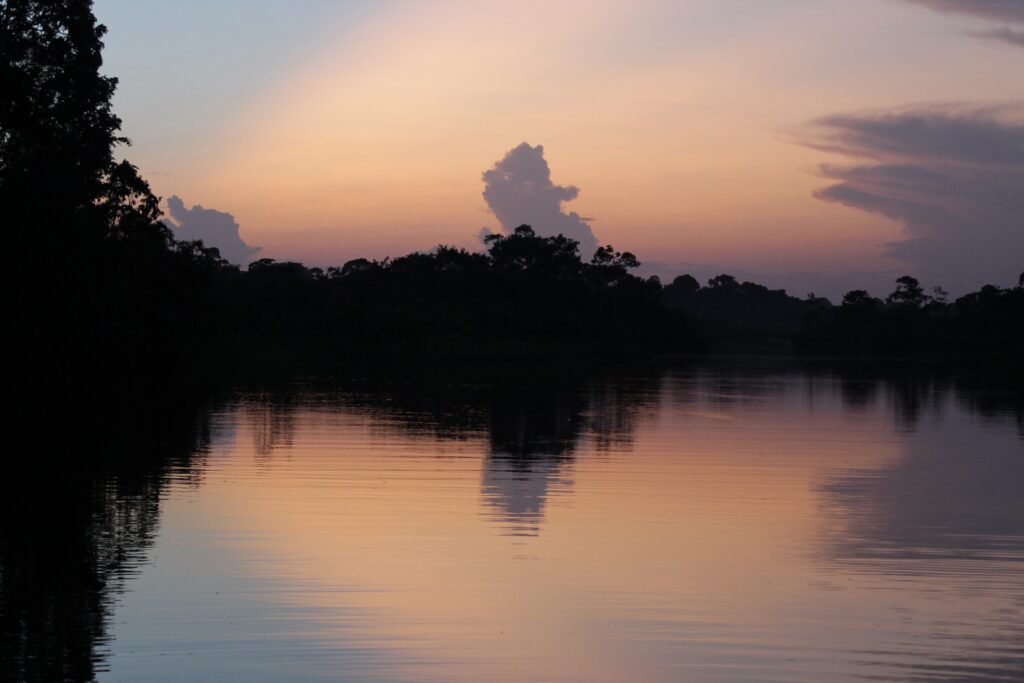
Puyo is a multicultural hub where mestizo culture meets several distinct indigenous nationalities, including the Kichwa, Shuar, and Achuar. Independent travellers must approach these cultural intersections with sensitivity and respect.
When visiting local markets or indigenous communities, always request explicit permission before taking photographs of individuals or their artisanal goods. Avoid buying mass-produced, cheap souvenirs that exploit indigenous motifs; instead, seek out community-led cooperatives where the proceeds directly benefit the artisans who preserve traditional pottery and weaving techniques.
By taking your time, walking the riverside paths, and dining alongside the residents of Pastaza, you will uncover a raw, captivating side of Ecuador that group tourists completely miss.
Frequently asked questions about Puyo
Puyo is highly accessible by local buses running from the adventure hub of Baños, winding through the Pastaza River canyon in about two hours. Cyclists can tackle the downhill Ruta de las Cascadas, though care must be taken with heavy truck traffic on the narrower stretches of road past Río Verde. All regional buses arrive at the Terminal Terrestre, just north-west of the centre.
Standard heavy waterproof jackets will cause you to overheat rapidly in the intense Amazonian humidity. Opt instead for a packable, lightweight poncho and quick-drying footwear. It is also wise to line the inside of your backpack with dry bags to protect your electronics and travel documents during sudden, heavy downpours.
Named after the local dump truck (volqueta) drivers who needed a substantial, energising meal, it is a dish unique to Puyo. It combines canned tuna, chochos (Andean lupini beans), chifles (banana chips), toasted corn, and fresh lime juice. The most authentic versions are found at the food stalls near the municipal market.
Puyo is a multicultural hub home to several distinct nationalities, including the Kichwa, Shuar, and Achuar. Always ask for explicit permission before taking photographs of people or their crafts. To support the local economy ethically, purchase authentic handmade items directly from community-led cooperatives rather than mass-produced souvenirs.
The commercial centre of Puyo awakens well before dawn with heavy transport, music, and market trading. To find a quieter, nature-focused retreat where you can sleep to the sound of the rainforest, look for eco-hostels and independent guesthouses along the Puyo River or the Paseo Turístico.
Not at all. Puyo is an eminently walkable town. Once you arrive at the main bus terminal, a short walk or a modest fare in a yellow cooperativa taxi will get you to your accommodation. From there, your own two feet are the best way to explore the markets and riverside trails.
Ecuador.
Pure wonder on the equator.