Puyo / The unfiltered gateway to the Ecuadorian Amazon
Top attractions and sights to visit in Puyo, Pastaza
A jungle outpost for the independent soul
BEN FINCH
While many travellers treat the journey from the Andean highlands to the Amazon basin as a mere transit, those who pause in Puyo discover a city that serves as the true, unvarnished gateway to the jungle. Unlike its more commercialised neighbour, Baños, Puyo is a working Amazonian town where the humidity is high and the cultural roots run deep. It is a place for the traveller who prefers the sound of rain on a tin roof to the thumping bass of a tourist bar. At Wheely Tyred, we believe the best way to understand a landscape is to immerse yourself in its daily rhythms, and Puyo offers exactly that: a blend of conservation, indigenous heritage, and raw natural beauty.
For the independent spirit, Puyo is not about checking boxes on a tour operator’s clipboard. It is about exploring the edges of the rainforest at your own pace. Whether you are interested in the complex relationship between the local Kichwa people and their environment or the tireless work of wildlife rehabilitation, Puyo’s top attractions provide a comprehensive introduction to the most biodiverse region on the planet.
The verdant edge of the abyss
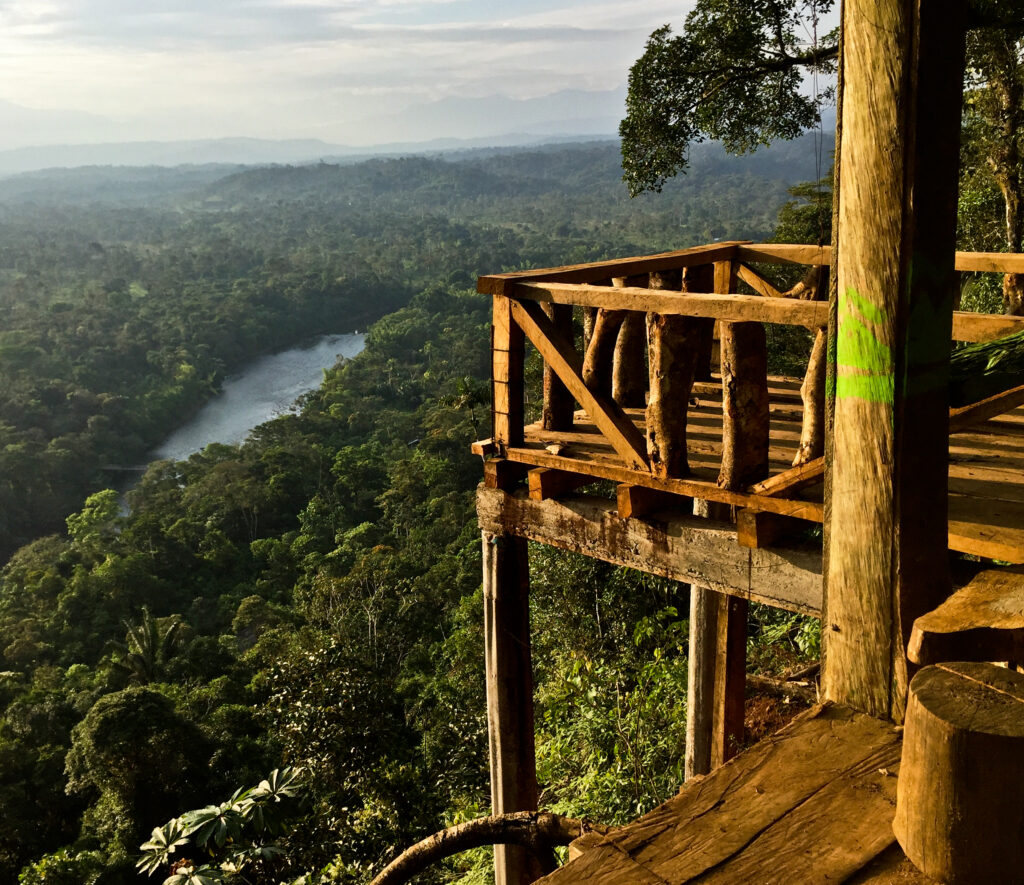
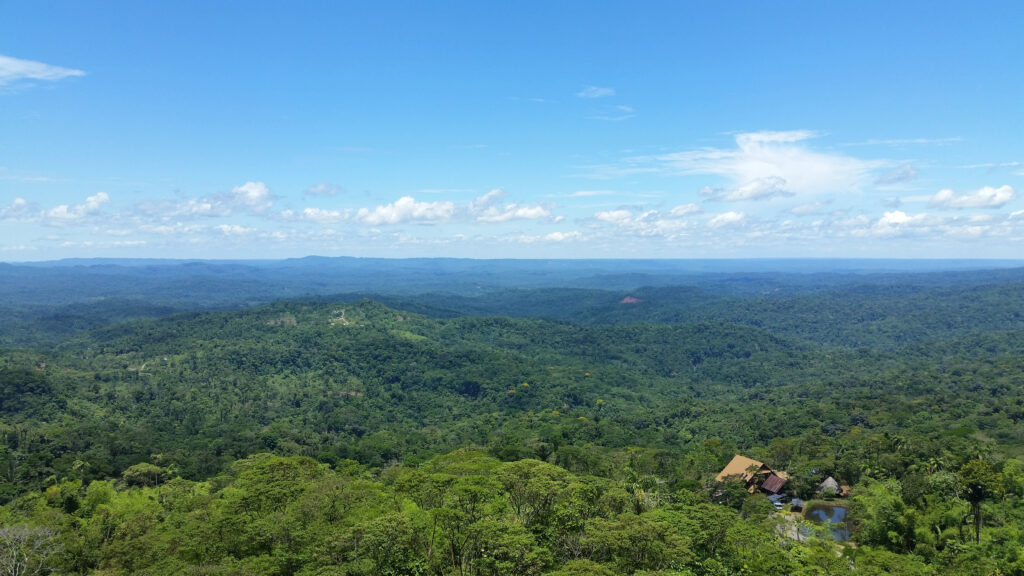
Puyo is where the rugged spirit of the Andes finally gives way to the vast, humid expanse of the Amazon. It is a destination for those who value ecological integrity and cultural depth over curated tourist spectacles.
- Parque Etnobotánico Omaere: A serene space where indigenous Shuar and Waorani knowledge reveals the rainforest as a sophisticated pharmacy and source of life
- Paseo de los Monos: A dedicated primate rescue centre that prioritises animal rehabilitation and education over traditional zoo-style displays
- Cascada Hola Vida: A majestic 35-metre waterfall set within a private reserve, offering a cooling reprieve and a glimpse into primary jungle flora
- Yanacocha Rescue Centre: A vital conservation hub housing hundreds of confiscated animals, providing a sobering and educational look at Amazonian biodiversity
- Malecón Boayaku Puyo: The city’s riverside social heart, perfect for observing local life and exploring the indigenous history of the Pastaza province
- The Cathedral of Puyo: A central landmark that serves as both a spiritual anchor for the community and a gateway to the city’s vibrant local markets
- Gateway to the Basin: A strategic base for independent exploration, offering a raw, unfiltered introduction to the world’s most famous rainforest
Puyo.
The gateway to the Amazon
1. Parque Etnobotánico Omaere
Founded in 1993, the Omaere Ethnobotanical Park is a pioneer of its kind in Latin America. Located just a short distance from the city centre, this 15-hectare reserve was established by a Shuar woman and two French women with a vision to protect and showcase the vital link between Amazonian cultures and the flora that sustains them. The name Omaere itself translates to Nature of the Rainforest in the Waorani language, setting the tone for an experience that is as much about anthropology as it is about botany.
Walking through Omaere is like stepping into a living pharmacy and hardware store. The guides here—often members of the indigenous Shuar or Waorani communities—do not just point out trees; they explain how specific vines are used for weaving high-strength baskets, which leaves can cure a fever, and how the sap of the achotillo tree is used as a natural paint. You can visit traditional houses that demonstrate the architectural brilliance of the jungle’s original inhabitants, designed to breathe in the heat and stay dry in the torrential rains. It is a quiet, contemplative space that rewards those who take the time to listen.
The Ecuadorian Amazon.
The most biodiverse place in the world
2. Paseo de los Monos
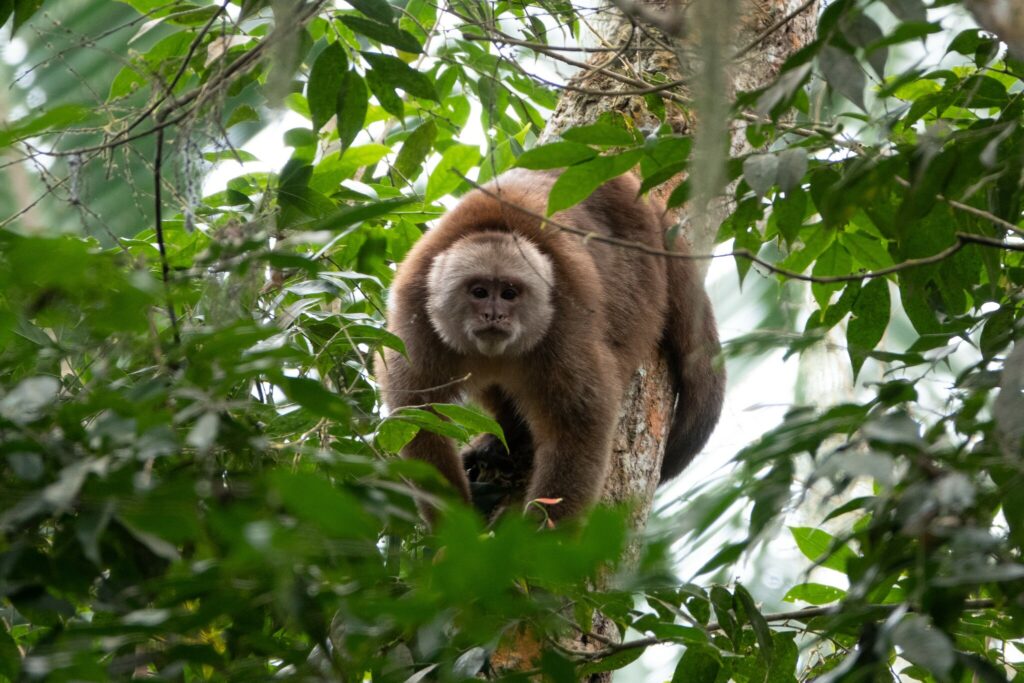
The Paseo de los Monos (Monkey Walk) is a sanctuary with a mission that resonates deeply with the Wheely Tyred ethos of responsible travel. This rescue centre focuses on the rehabilitation of primates and other Amazonian mammals that have been victims of the illegal wildlife trade or habitat loss. What makes this attraction stand out is its commitment to education over entertainment. This is not a zoo; it is a transition point for animals that are, wherever possible, being prepared for a return to the wild.
Visitors can observe several species of monkeys, including spider monkeys, woolly monkeys, and capuchins, often living in large, semi-wild enclosures. The staff are incredibly knowledgeable about the individual histories of the residents, providing a sobering look at the challenges facing Amazonian biodiversity. For the independent traveller, it offers a chance to see these incredible creatures up close while supporting a project that prioritises animal welfare and ecological restoration over tourist photo opportunities.
The Ecuadorian Sierra.
Get lost in the hills
3. Cascada Hola Vida
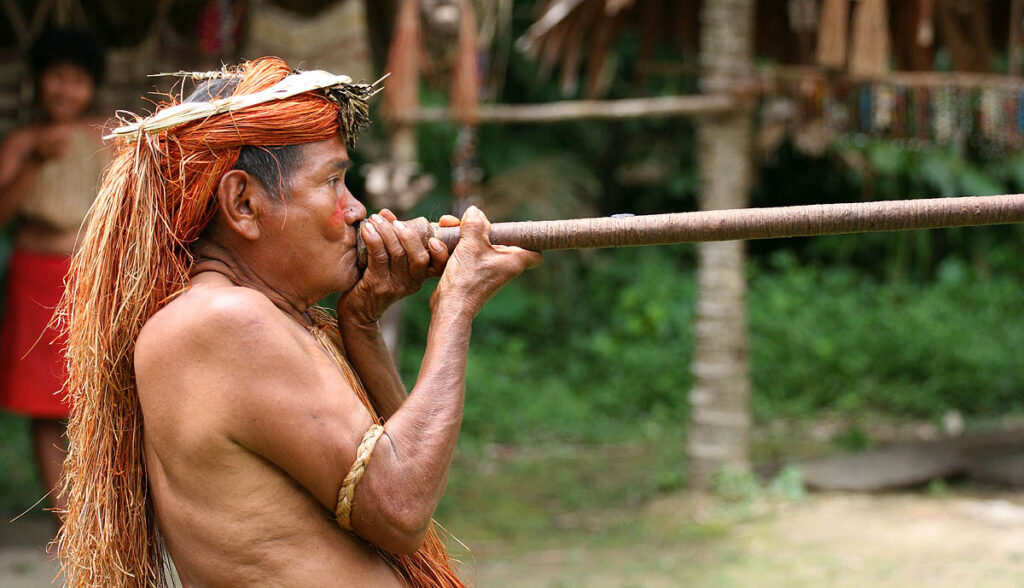
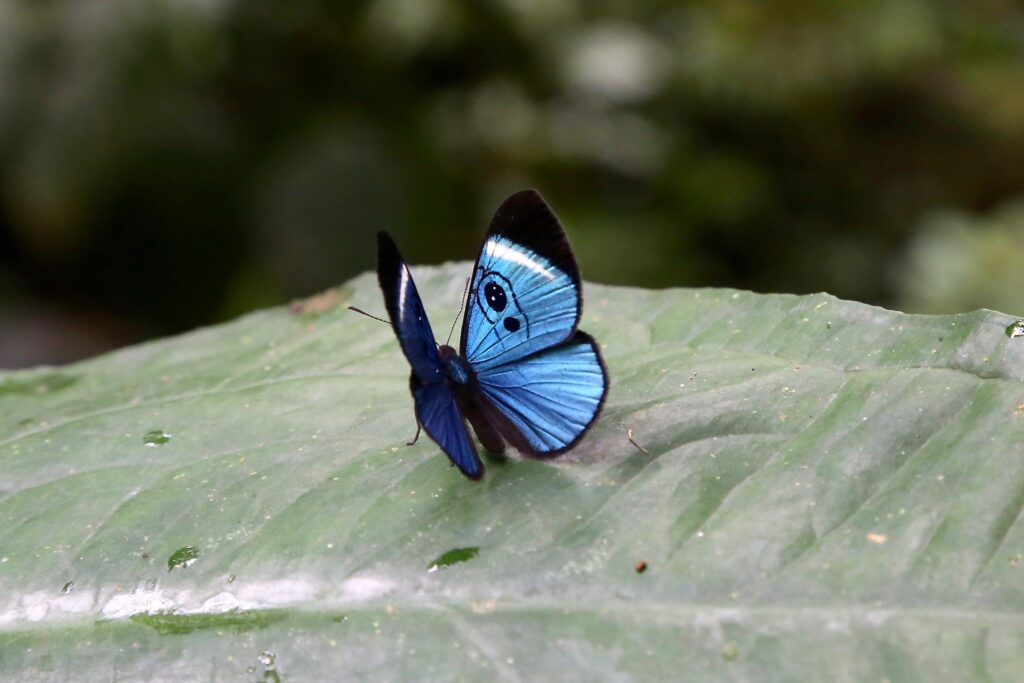
Located about 30 minutes from the heart of Puyo, the Hola Vida Reserve is a private protected area that offers one of the most accessible yet rewarding jungle experiences in the region. The centrepiece is the Hola Vida waterfall, a stunning 35-metre cascade that tumbles into a natural pool surrounded by dense, primary forest. The hike to the falls is relatively gentle, winding through secondary jungle where you can spot giant ferns, colourful heliconias, and the occasional morpho butterfly with its iridescent blue wings.
For those who want to dig deeper, the reserve often facilitates visits to a nearby Kichwa community. This is a soft-sell cultural exchange where you can learn about traditional hunting techniques, such as the use of the cerbatana (blowgun), and see how local artisans transform clay into delicate pottery. It is an ideal spot for a half-day excursion, allowing you to cool off in the waterfall’s spray before returning to the city for a bowl of fresh cevichocho.
4. Yanacocha Rescue Centre
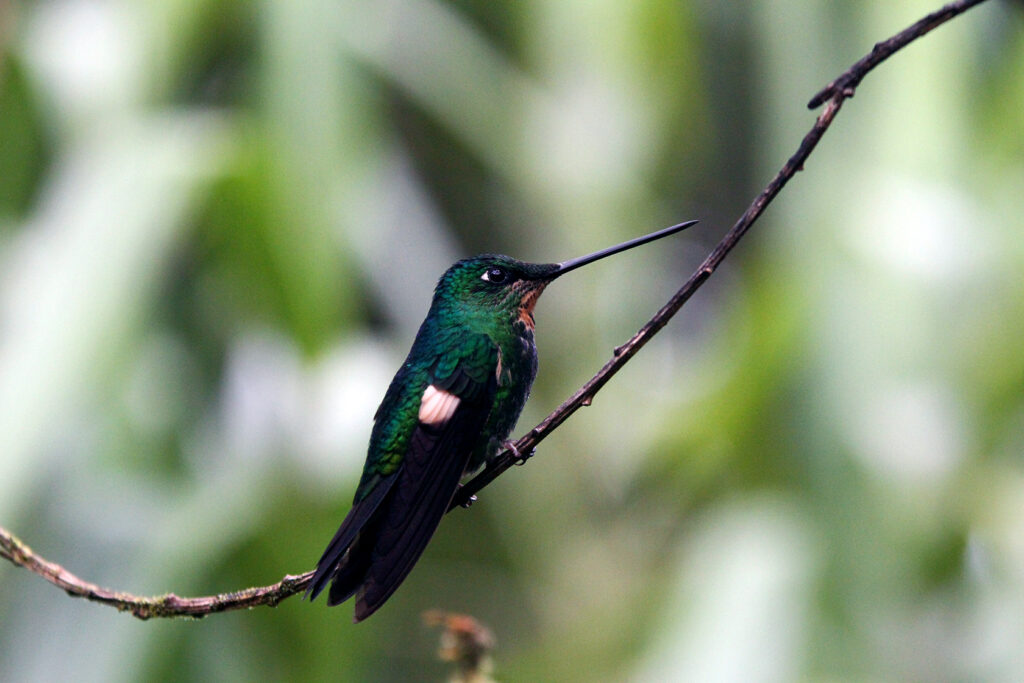
Continuing the theme of conservation, the Yanacocha Rescue Centre (Centro de Rescate Amazónico) is another essential stop for anyone concerned with the future of the Amazon. Since 2006, this facility has worked alongside the Ecuadorian Ministry of the Environment to provide a home for animals confiscated from traffickers. With over 250 specimens under their care, including ocelots, macaws, and caimans, the centre is a hive of biological activity.
The guided walks through Yanacocha are highly informative, focusing on the specific needs of each species and the broader ecological impact of their removal from the wild. It is a fantastic place for photography, provided you respect the boundaries of the animals. The dedication of the volunteers and biologists here is palpable, and the entry fees go directly into the daily care and veterinary needs of the residents. It serves as a powerful reminder of the fragility of the jungle ecosystem that begins just at the city’s edge.
The Galápagos.
Ecuador’s Enchanted Isles
5. Malecón Boayaku Puyo
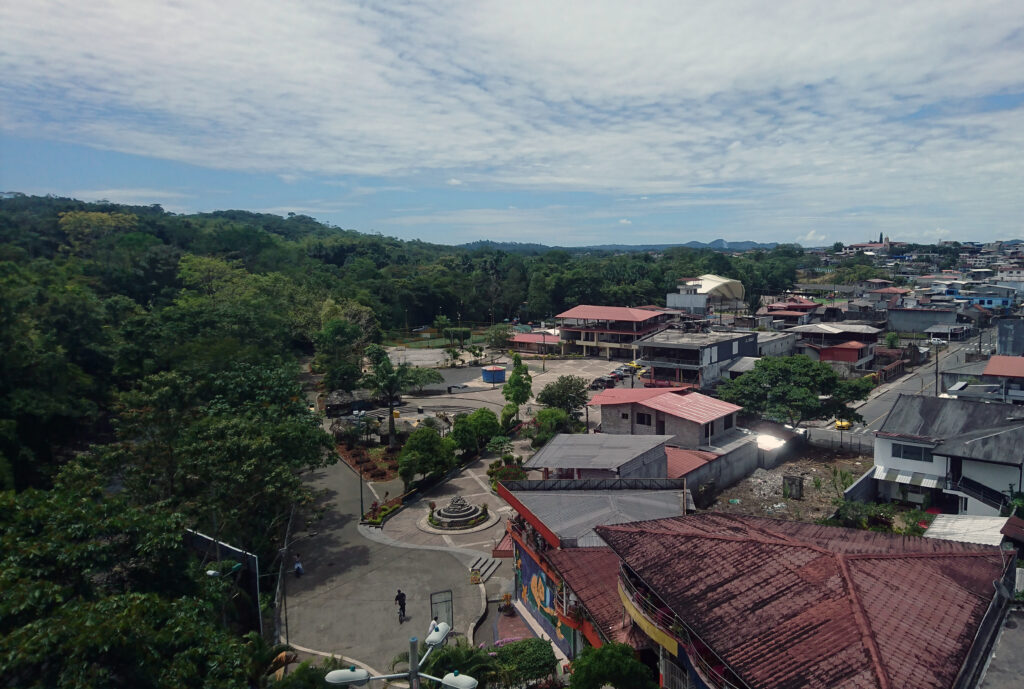
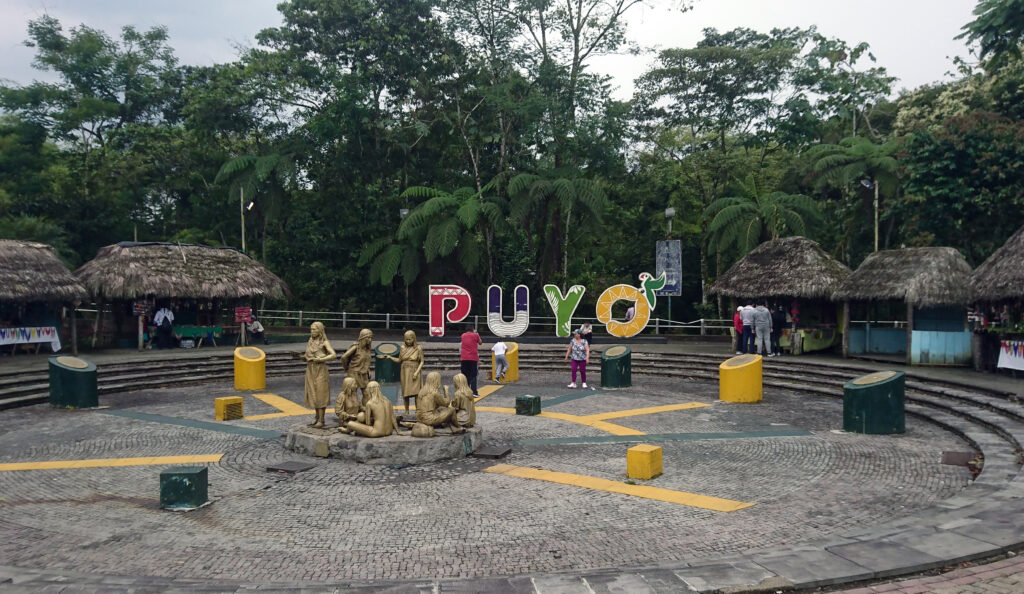
To see Puyo as the locals do, head to the Malecón Boayaku Puyo. This riverside promenade runs along the Puyo River and serves as the city’s social lungs. It is a beautifully designed space featuring statues that celebrate the seven indigenous nationalities of the Pastaza province, providing a quick visual lesson in the region’s cultural diversity.
The Malecón is the starting point for several walking trails, including the Paseo Turístico, which follows the river through a corridor of lush vegetation. Along the way, you will find small eateries serving local delicacies like maito de pescado (river fish wrapped in bijao leaves and grilled). In the late afternoon, the promenade fills with families and joggers, making it the perfect place to sit back and observe the daily life of a jungle frontier town.
6. The Cathedral of Puyo
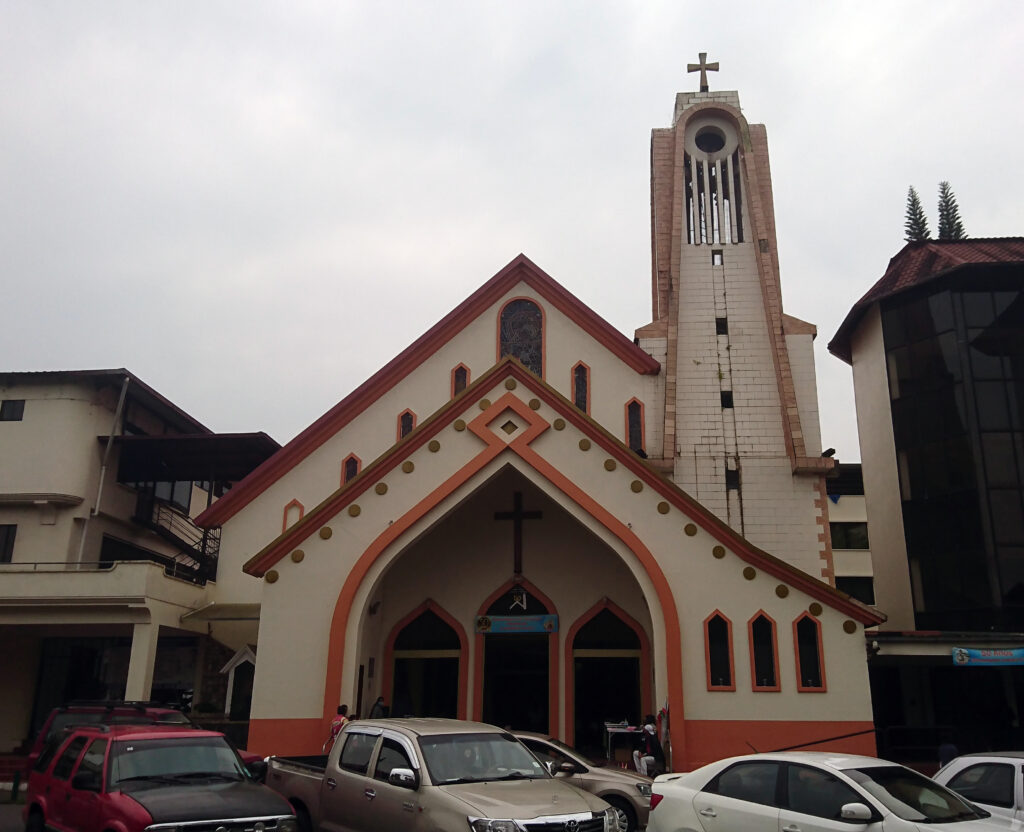
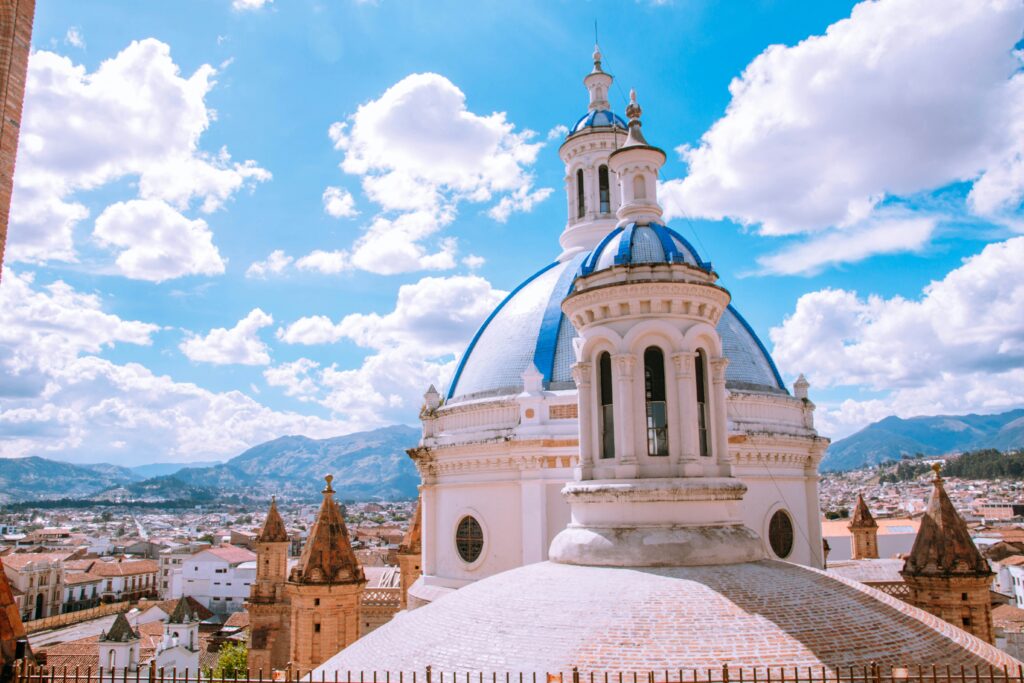
While Puyo is a city of the forest, its central landmark is undeniably the Cathedral of Puyo (Catedral de Nuestra Señora del Rosario). Located in the main square, this building is more than just a religious site; it is a focal point for the community and a useful navigational landmark. The architecture is simple but striking, reflecting the modest and resilient character of the town.
The square itself is a great spot to begin your exploration of Puyo. It is often bustling with vendors selling fresh fruit juices or local snacks. From here, you can easily access the city’s main markets, where the smells of exotic spices and roasted coffee fill the air. It is a reminder that Puyo, for all its proximity to the wild, is a vibrant human hub with its own unique story to tell.
The Ecuadorian Coast.
Where you’ll find the very best food
Exploring Puyo on two wheels
Read this far?
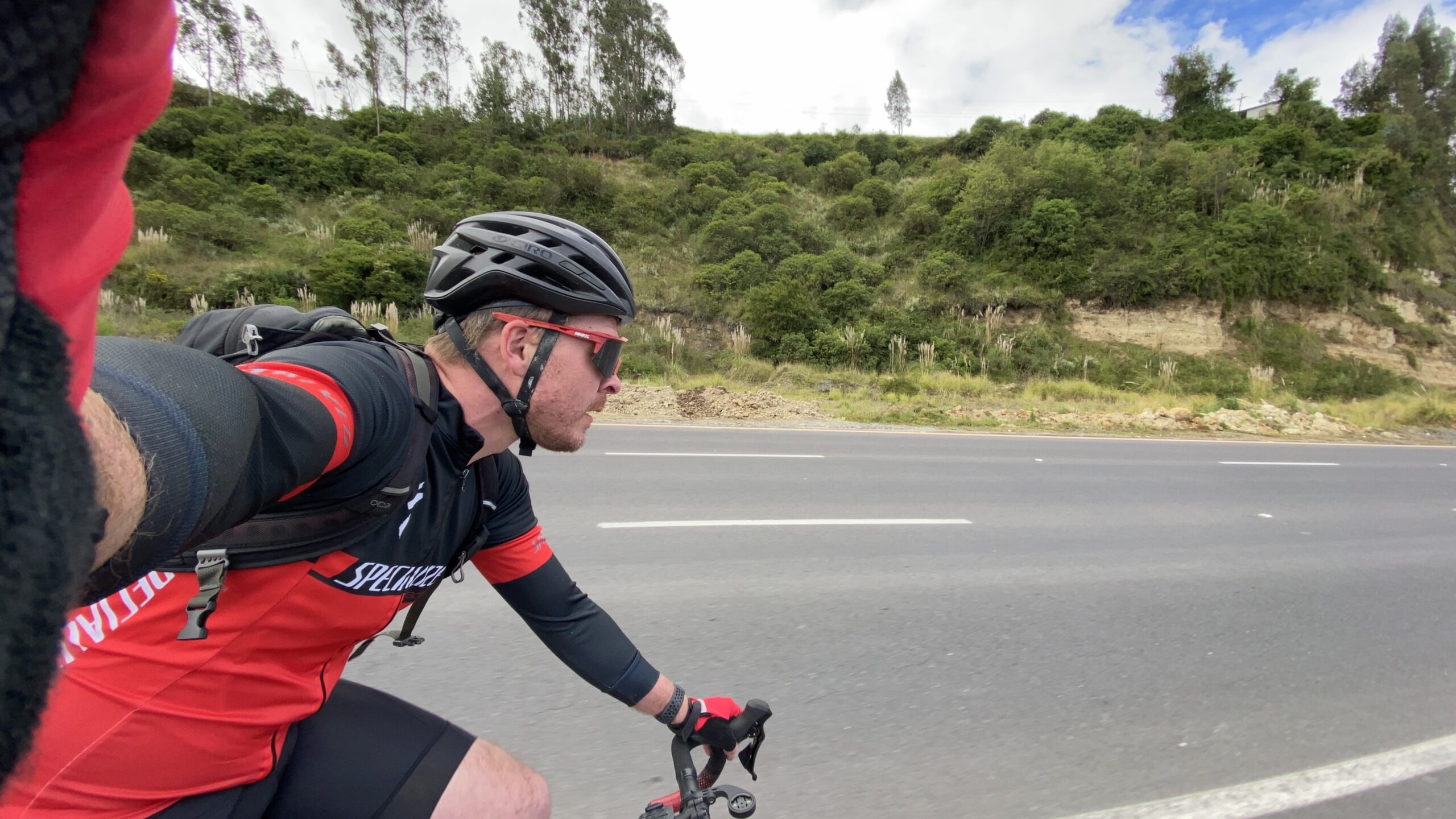
Puyo’s terrain is undulating and the air is thick, but for the cyclist who isn’t afraid of a bit of humidity, the rewards are immense. The roads leading out of town are generally in good condition and offer spectacular views of the transition from the Andes to the Amazon.
A popular local ride is the 10-kilometre stretch to the town of Shell, named after the oil company that established an airstrip here in the 1930s. It’s a flat, easy route that takes you past the military base and into a town that feels like a classic aviation outpost.
For those looking for a slightly more challenging climb, the 15-kilometre route to Mera offers stunning vistas over the Pastaza Valley. If you are looking for a day trip further afield, the journey toward Tena provides numerous opportunities to stop at roadside viewpoints or small river-rafting put-ins.
Travelling by bike in Pastaza allows you to feel the temperature change as you descend into the basin, smelling the damp earth and the sweet scent of jungle blooms—a sensory experience that no bus window can ever provide.
Affiliate Disclaimer: Some of the links on Wheely Tyred are affiliate links. If you click through and make a booking or purchase, we may earn a small commission at no extra cost to you. We only recommend gear, tours, stays, and services we genuinely use, trust, and stand behind — our editorial independence always comes first. These commissions help keep our independent cycling guides and travel stories free to read. You can also buy me a coffee here — thanks for supporting the ride!
Frequently asked questions about the top attractions in Puyo
Puyo is a compact city easily explored on foot or by bicycle. For attractions slightly further afield, such as Cascada Hola Vida or the rescue centres, local taxis are plentiful and affordable, while the regional bus terminal provides frequent links to surrounding jungle outposts.
As a tropical gateway, Puyo is consistently warm and humid. Rainfall is frequent and unpredictable throughout the year, so a lightweight waterproof is essential. The rain often comes in short, heavy bursts, providing a welcome cooling effect.
Yes, several reserves like Omaere and Hola Vida facilitate cultural exchanges. These are designed to be educational rather than performative, focusing on traditional knowledge, blowgun demonstrations, and pottery. Always ask for permission before taking photographs of community members.
You must try maito de pescado. This traditional Amazonian dish consists of fresh river fish seasoned and wrapped in bijao leaves before being grilled over an open fire. It is often served with yuca and is a staple of the regional diet.
Absolutely. Both Paseo de los Monos and Yanacocha are rescue and rehabilitation facilities, not commercial zoos. Your entry fees directly fund the care of animals rescued from the illegal trade, and the focus remains firmly on conservation and eventual release.
Yes, the roads to nearby Mera and Shell are well-paved and offer incredible views of the Pastaza Valley. While the humidity can be intense, the routes are relatively manageable for those used to undulating terrain, and they provide a much more intimate connection to the landscape than a bus journey.
Ecuador.
Pure wonder on the equator.