The rhythm of stone and water / A first-timer’s guide to Cuenca, Ecuador
Essential tips for independent travellers navigating altitude, transport, and local customs in Cuenca
Settle into the rhythmic pulse of the northern Andes
BEN FINCH
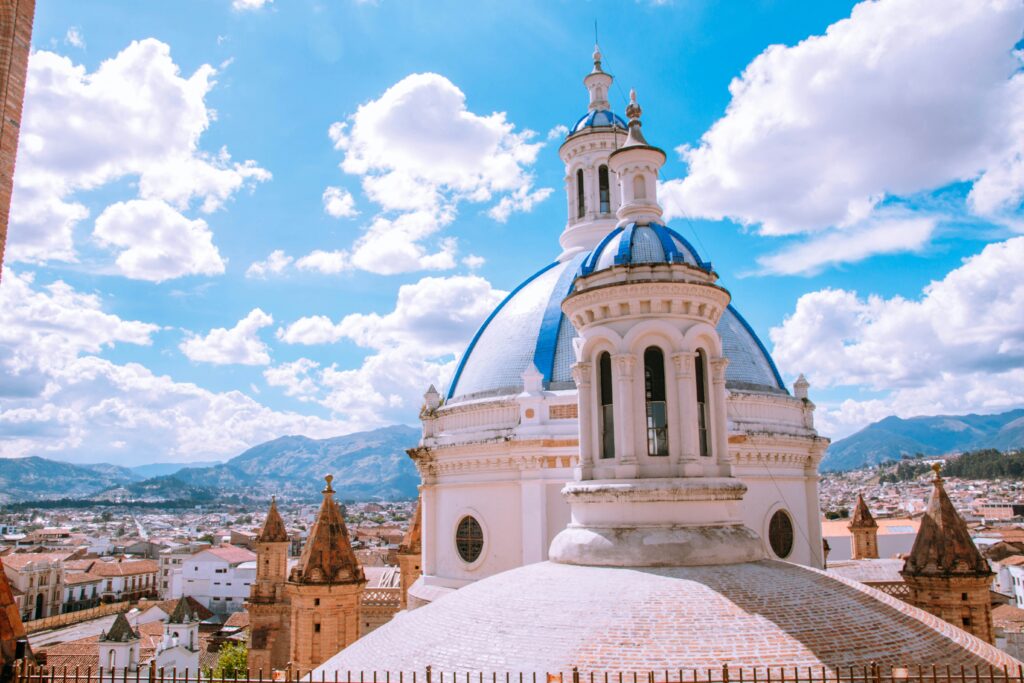
Long before the first independent travellers step onto the polished cobblestones of Santa Ana de los Cuatro Ríos de Cuenca, the city is awake to the sound of moving water. Four rivers cascade from the high, wild wetlands of El Cajas National Park, carving their way through an urban landscape of terracotta roofs, whitewashed walls, and towering cathedral domes.
For those who prefer to travel on their own terms—discarding rigid itineraries and tour group umbrellas—Cuenca does not demand a frantic dash from sight to sight. Instead, it invites an ease of movement, a slow unravelling of history, and a deep engagement with the senses.
At 2,550 metres above sea level, the air is thin, crisp, and clear. Standing in the historic centre, a UNESCO World Heritage site, the grand architecture feels permanent, yet the atmosphere is constantly shifting. The modern Tranvía glides silently past centuries-old monasteries, and the aroma of roasting mountain coffee mingles with the earthy scent of woodsmoke and eucalyptus carried down from the surrounding hills.
To truly understand this Andean gem, a visitor must adapt to its unique rhythms, learn its hidden rules, and explore it at the pace it deserves.
Where the Andes embrace the riverbanks
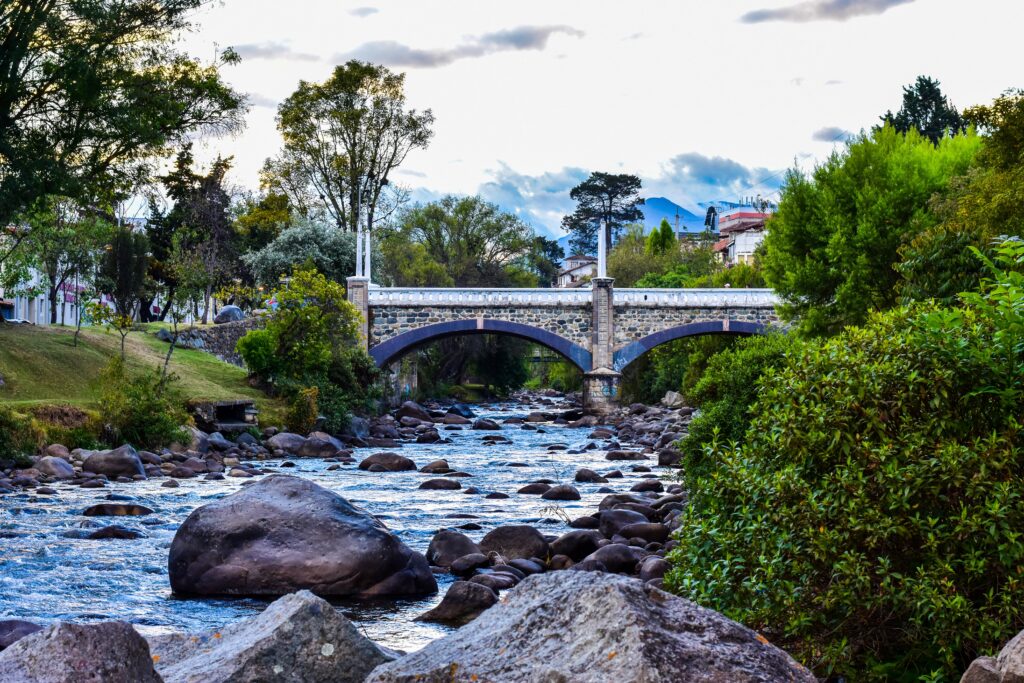
Cuenca rewards the patient wanderer who trades rigid tourist itineraries for the natural flow of mountain rivers and historic pathways. This Andean jewel reveals its true character to those willing to slow down and listen to the quiet symphony of its cobblestone streets.
- The El Barranco Waterfront: A dramatic cliffside interface where nineteenth-century houses seem to cling to the rock, overlooking the rushing waters of the Río Tomebamba
- High-Altitude Microclimates: Intense equatorial solar radiation that can shift into sudden afternoon downpours, demanding versatile layers and high-factor sun protection
- The Altitude Adjustment: Sitting at 2,550 metres above sea level, the city requires a relaxed physical pace during the first few days to allow for proper acclimatisation
- The Tranvía Network: A quiet, efficient, and modern light-rail system that effortlessly cuts through the historic centre along Calle Gran Colombia
- Mercado 10 de Agosto: A vibrant, sensory culinary hub where independent travellers can sample heritage dishes like mote pillo and slow-roasted hornado alongside local families
- The Cash Code: A strict local economy where small-denomination coins are essential and imperfect paper bills are routinely rejected by merchants
The Ecuadorian Sierra.
Get lost in the hills
The equatorial sky and the art of the slow start
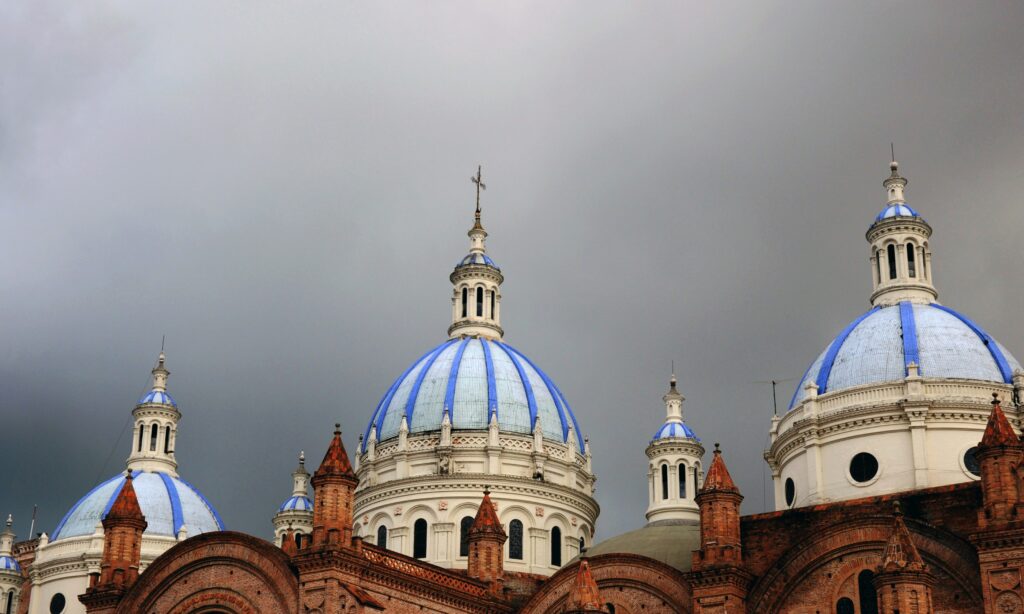
First-time arrivals in the southern sierra of Ecuador are often lulled into a false sense of predictability by the phrase eternal spring. While the temperature in Cuenca hovers comfortably between 15 and 22 degrees Celsius for much of the year, the climate is far from static. The equatorial sun at this altitude possesses an intense, piercing clarity. Even when the morning breeze carries a distinct mountain chill, the solar radiation is formidable.
A seasoned independent traveller quickly learns the necessity of a layered wardrobe and high-factor sun protection. By mid-afternoon, the clear blue skies can give way to heavy, dramatic clouds that roll over the mountain ridges, unleashing sudden downpours that turn the sloping streets into rushing rivulets. These rains are rarely prolonged, but they are a reminder of the raw power of the Andean environment.
The altitude itself requires a conscious shift in physical momentum. Rushing up the steep stone steps of the El Barranco district or sprinting across Parque Calderón will leave even the fittest individuals gasping for breath. The first two days in the city should be dedicated to acclimatisation. This is not lost time; it is an invitation to practice the art of the flâneur. Spend your mornings sitting on a wooden bench in Parque Calderón, watching the sunlight catch the brilliant blue tiles of the New Cathedral, or lingering over a hot drink. Your body will thank you, and you will observe the subtle details of daily life that fast-paced tourists miss entirely.
Walking the fluvial border / El Barranco and the Tomebamba
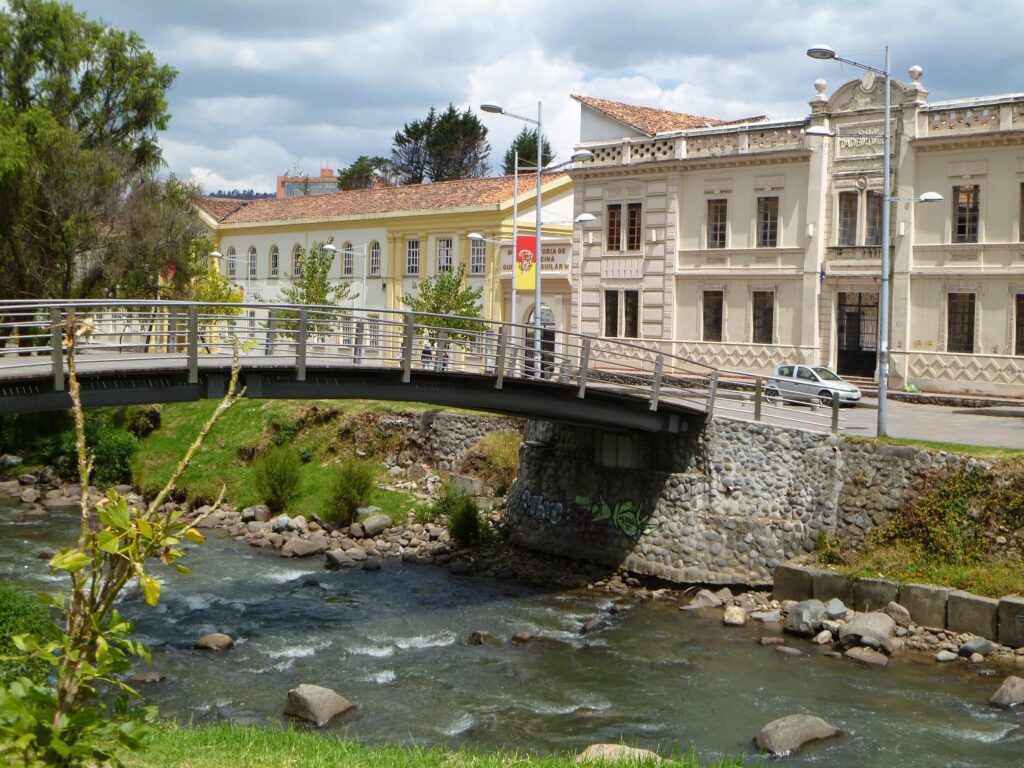
The physical and spiritual dividing line of Cuenca is the Río Tomebamba. To the north lies the historic Spanish colonial core, structured on a strict grid pattern. To the south are the modern residential neighbourhoods, university campuses, and wide green spaces. The steep hillside connecting the two is known as El Barranco, where 19th-century houses seem to cling precariously to the cliffside, their terraced gardens cascading down toward the water.
Following the cobblestone path along the northern bank of the Tomebamba is one of the finest independent walks in South America. Here, the city feels remarkably wild. Mature weeping willows dip their branches into the fast-flowing torrent, and locals gather on the grassy banks to read, talk, or dry laundered clothes on the river stones—a traditional practice that persists alongside modern city life.
As you walk west toward the section known as Puertas del Sol, the urban noise fades, replaced entirely by the roar of the river. Along this route, you will stumble upon small, independent cafes tucked into the foundations of colonial buildings, where the espresso is brewed from beans grown in the cloud forests of nearby El Oro province. There are no tour groups here, no schedules to keep. You can track the movement of the afternoon light as it illuminates the stone arches of the broken bridge, Puente Roto, a structure destroyed by a catastrophic flood in 1950 and left as a dramatic, hanging monument to the power of the river.
The Galápagos.
Ecuador’s Enchanted Isles
Navigating by tram and track
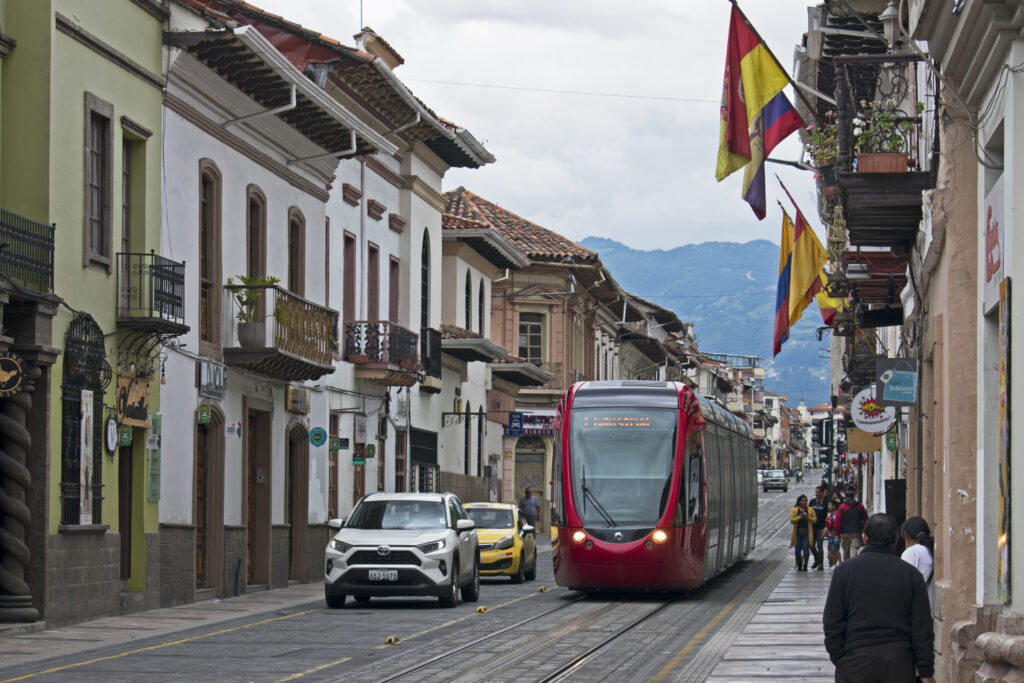
While Cuenca is highly walkable, its public transport system is a triumph of modern urban planning that perfectly suits the autonomous traveller. The Tranvía de Cuenca is the highest light-rail system in the world, stretching from the northern airport district right through the historic heart to the southern suburbs. It is clean, efficient, and beautifully quiet, providing a stark contrast to the diesel-spewing buses that clog the outer avenues.
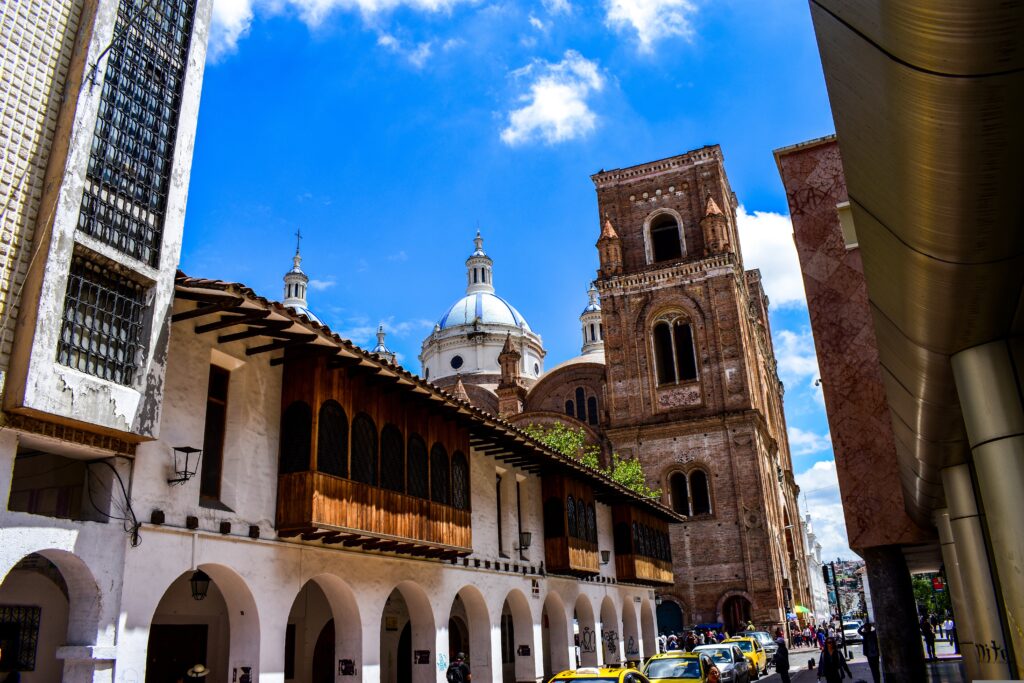
To use the tram, visitors must purchase a rechargeable card or a single-use ticket at the station kiosks before boarding. The route down Calle Gran Colombia is a sensory journey in itself. Looking out through the wide glass windows, you watch the architectural styles shift from contemporary concrete to intricate republican facades and baroque stonework.
For destinations outside the tram corridor, the local buses are an affordable alternative, though they require a bit more navigation. Independent travellers should look for the destination placards displayed on the front windscreens. However, for a truly immersive experience, nothing beats exploring the peripheral neighbourhoods on foot or by bicycle. The city has made significant strides in active transport infrastructure, with dedicated cycle lanes beginning to stitch together the river corridors and major parks.
The sensual chaos of Mercado 10 de Agosto
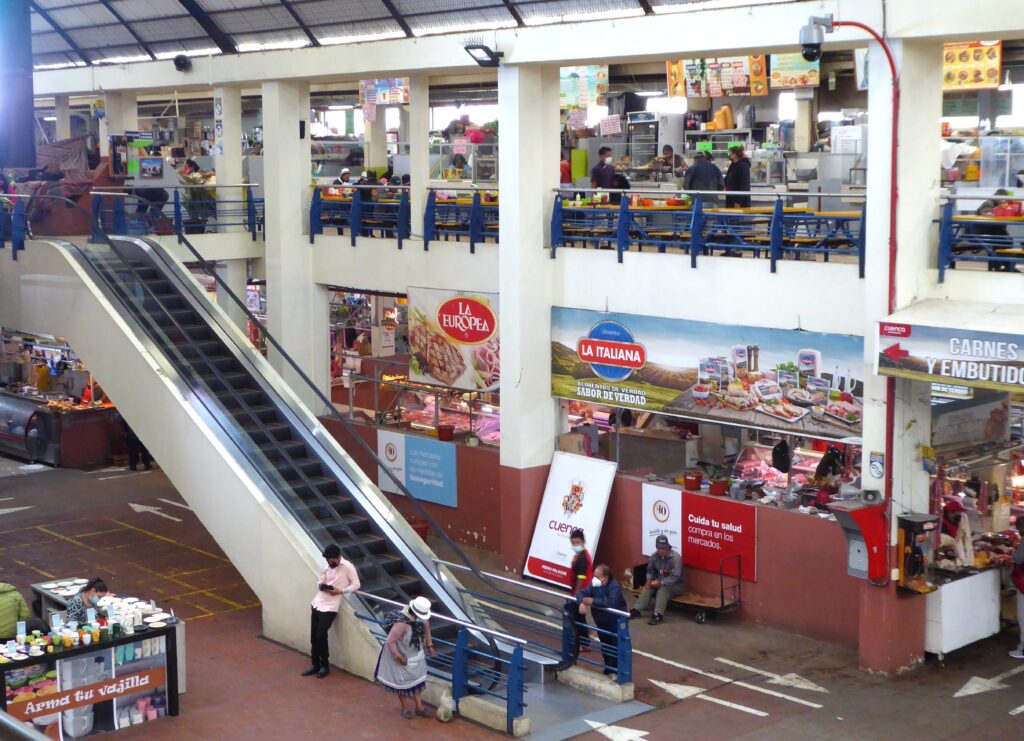
To experience the true culinary heart of the region, one must step away from the international restaurants of Calle Larga and enter the bustling cavern of the Mercado 10 de Agosto. This is not a sanitised tourist market; it is a vital organ of the city, operating at a frantic, joyous frequency.
The ground floor is a kaleidoscope of agricultural abundance. Pyramids of exotic fruits—maracuyá, lulo, tree tomatoes, and guanábana—perfume the air, while vendors call out to passers-by with rhythmic chants. Upstairs, the dining hall offers an authentic immersion into indigenous and mestizo food culture.
First-time visitors should bypass standard western options and seek out the stalls specialising in mote pillo, a classic Cuencano comfort food made from hominy corn sautéed with eggs, milk, achiote, and green onions. The texture is rich and creamy, providing the dense energy needed for a day of high-altitude walking.
Nearby, lines form for hornado, whole slow-roasted pigs with crackling skin so crisp it must be cut with a porcelain plate to prove its tenderness. The pork is served alongside llapingachos—pan-fried potato cakes stuffed with cheese—and a sharp, pickled onion relish that cuts through the richness.
Eating here is a communal experience; you sit on communal wooden benches alongside local shopkeepers, students, and families, sharing the space and the collective appreciation for heritage flavours.
The Ecuadorian Amazon.
The most biodiverse place in the world
The currency of cleanliness / Navigating the cash economy
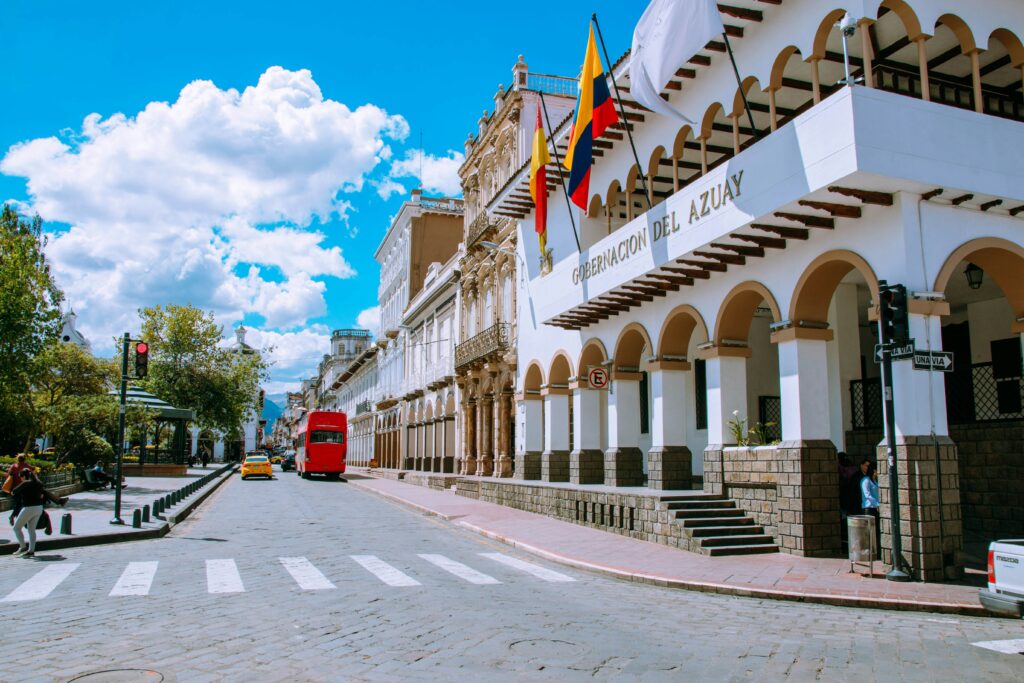
Ecuador adopted the United States dollar as its official currency in 2000, a historical detail that makes financial transactions straightforward on paper but fascinatingly complex in practice. In Cuenca, cash remains supreme, and the physical condition of that cash is subject to an unspoken, rigid code of ethics.
When withdrawing money from an automated teller machine, travellers are frequently issued twenty-dollar notes. In the local economy of small bakeries, artisan markets, and family-run pharmacies, a twenty-dollar bill is considered a large denomination. Attempting to pay for a seventy-five-cent loaf of pan de agua or a tram card with a twenty-dollar note will often result in a polite shake of the head and a request for suelto—small change.
Furthermore, merchants possess an extraordinary scrutiny for the physical integrity of paper currency. A bill with a microscopic tear along the edge, a faint ink mark, or excessive wear will be flatly rejected. Independent travellers should make it a habit to break larger notes at major supermarkets or high-end establishments, hoarding one-dollar coins, five-dollar notes, and pristine paper currency for their daily wanders through the historic quarters.
The evening descent into quietude
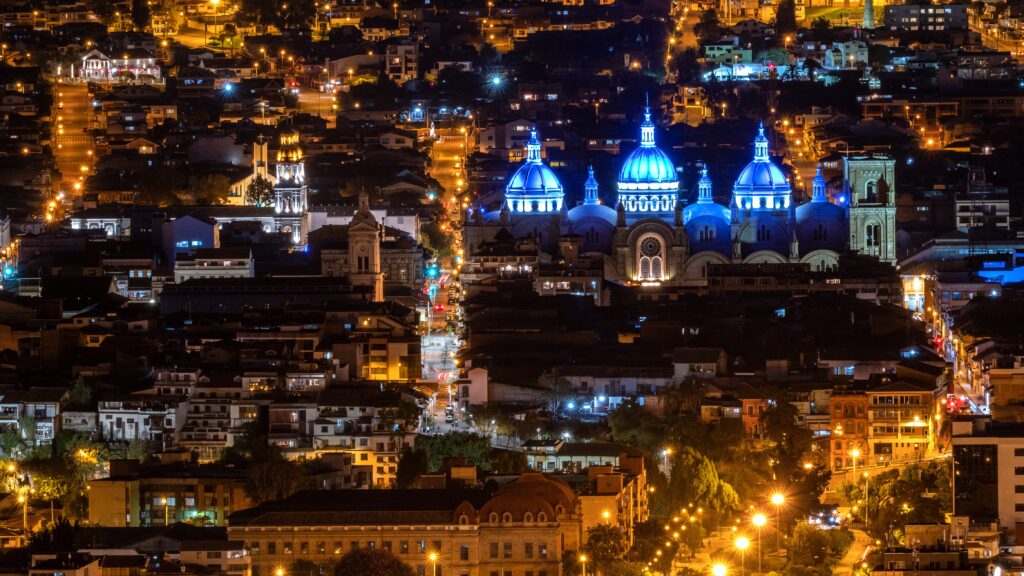
As the sun dips behind the dark peaks of the Cajas Mountains, Cuenca undergoes a profound transformation. The golden hour illuminates the pastel tones of the buildings, casting long, dramatic shadows across the open squares. By eight o’clock, the frantic commercial energy of the afternoon dissolves, and a deep, monastic quiet settles over the historic centre.
This is the time to experience the city at its most atmospheric. The grand street lamps flicker to life, illuminating the wet stones and the intricate wrought-iron balconies that overhang the pavements. Walking through the quiet streets, you can hear the faint sounds of classical piano practice drifting from open colonial windows or the distant murmur of conversation from small chicherías and craft beverage bars hidden in interior courtyards.
Cuenca rewards those who do not try to master it in a day, but who allow themselves to be absorbed by its geography, its history, and its sensory details. By stepping off the beaten path, respecting the high altitude, and embracing the slow, independent lifestyle of the southern Andes, the first-time visitor transforms into something far better: an initiated admirer of a city defined by the eternal movement of water and the timeless strength of stone.
The Ecuadorian Coast.
Where you’ll find the very best food
Frequently asked questions about visiting Cuenca
At 2,550 metres above sea level, the mountain air is noticeably thin. Spend the first two days resting, walking at a leisurely pace along the flatter river paths, and avoiding strenuous climbs up the steep stone steps of El Barranco until your body adjusts.
The modern Tranvía tram network is ideal for independent travellers. It runs cleanly and quietly through the historic core. You must purchase a rechargeable card or a single-use ticket at a station kiosk before boarding the tram.
Heading upstairs at Mercado 10 de Agosto reveals a hub of traditional cooking. Independent travellers should look for mote pillo, which is hominy corn sautéed with eggs and green onions, or hornado, a tender, slow-roasted pork served with crisp crackling and llapingachos potato cakes.
Ecuador uses the US dollar, but the local economy runs almost entirely on small change. Large bills like twenty-dollar notes are incredibly hard to break at family-run shops, and merchants will refuse any paper note that has small tears, marks, or heavy wear.
The city features a variable mountain climate often described as an eternal spring. Mornings generally begin with clear skies and high solar radiation, but heavy clouds regularly roll over the peaks by mid-afternoon to bring sudden, brief downpours.
The bustling commercial energy of the daytime drops away by mid-evening, leaving the UNESCO World Heritage site remarkably quiet and peaceful. The illuminated colonial facades and empty squares offer an atmospheric backdrop for quiet evening walks.
Ecuador.
Pure wonder on the equator.