Beyond the Andes skyline / The 5 best guided city tours in Quito
Top-rated walking tours, historic old town walks, and food trails in Quito, Ecuador
Step into the heart of the Americas’ most atmospheric capital
BEN FINCH
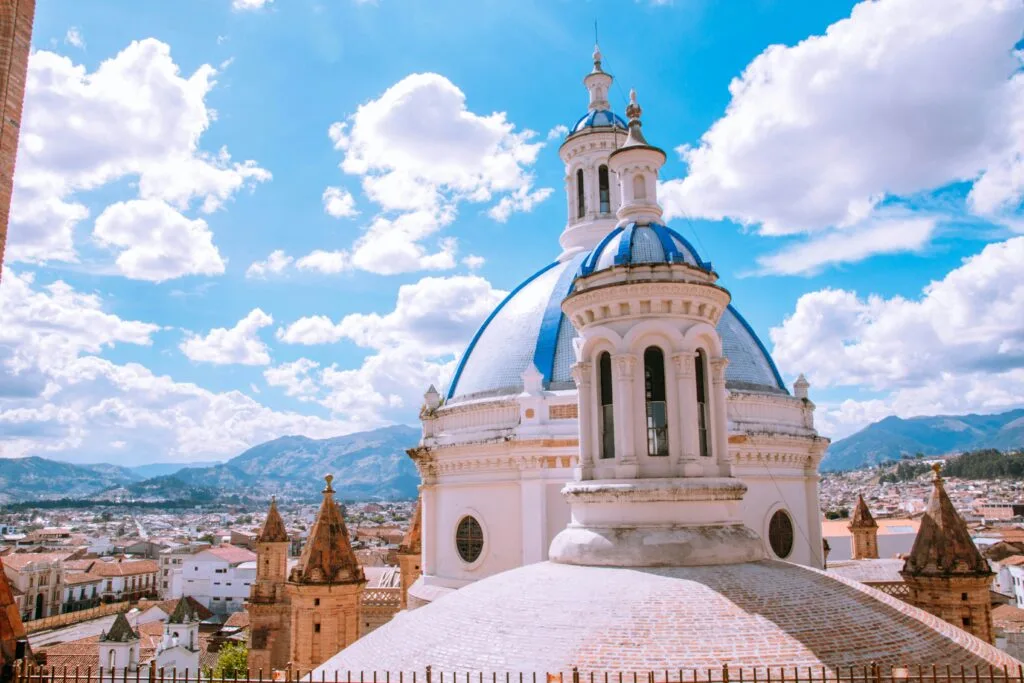
Perched high in a narrow Andean valley at 2,850 metres above sea level, Quito is a city of extraordinary light, dramatic vertical geography, and unmatched historical depth. Shadowed by the brooding slopes of the Pichincha volcano and cradled by mountain ridges, Ecuador’s capital holds the proud title of being the first city ever declared a UNESCO World Heritage site in 1978 alongside Kraków. Its Centro Histórico is widely regarded as the largest, least altered, and best-preserved colonial heart in all of Latin America.
At Wheely Tyred, we have long advocated that cities are living, breathing organisms best understood on foot, street by street, stone by stone. While double-decker hop-on hop-off buses rumble past the perimeter, spewing exhaust and trapping passengers behind tinted glass, the real spirit of Quiteño life unfolds in the intimate pedestrian alleyways, candlelit cloisters, and bustling neighbourhood plazas.
You cannot experience the aroma of freshly fried empanadas de morocho, understand the delicate craft of traditional wood carving on Calle La Ronda, or appreciate the golden glare inside the Baroque churches from the top deck of a tour bus.
Navigating Quito’s steep cobblestones and complex cultural layers requires context. That is why joining a small-group, locally led urban walking excursion is the single best investment you can make when arriving in the capital.
Small-group walking tours support local independent guides, direct tourist spend into family-run neighbourhood businesses, and afford you the freedom to engage authentically with the city rather than merely consuming it from a distance.
Below, we have curated five exceptional, highly rated city tours in Quito. Each experience focuses strictly on urban exploration, cultural immersion, and local culinary heritage.
The Quiteño playbook / Essential urban takeaways
Navigating South America’s premier UNESCO capital requires equal parts steady pacing and open curiosity. Here are the defining highlights, key neighbourhoods, and practical takeaways for exploring Quito on foot.
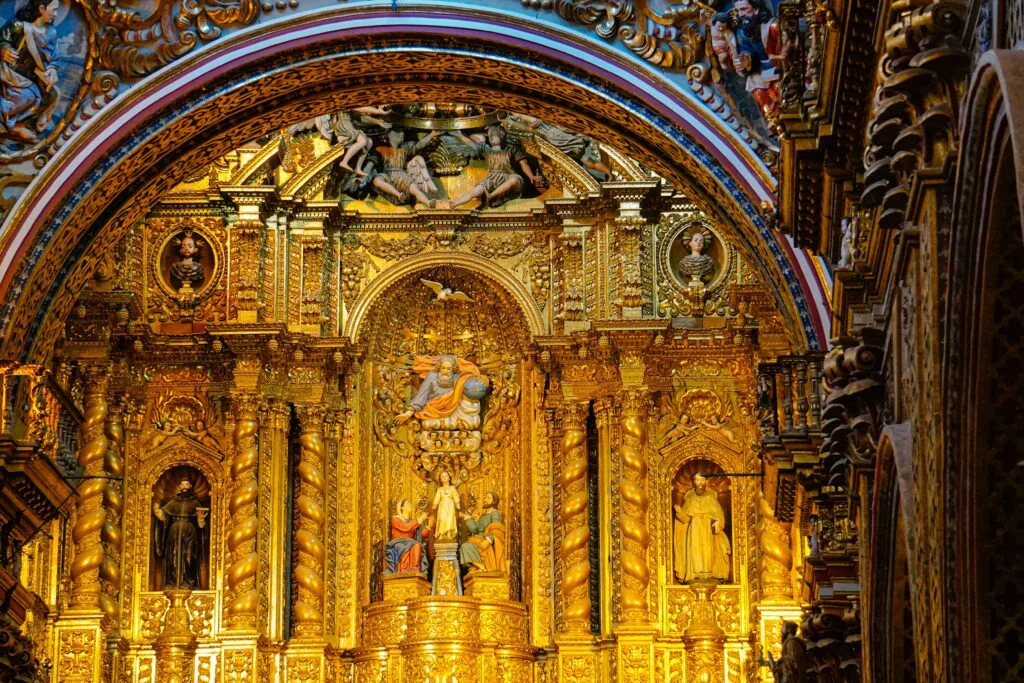
- Colonial Heritage Core: The Centro Histórico stands as Latin America’s largest and best-preserved historic quarter, anchored by grand plazas, gilded Baroque sanctuaries, and the neo-Gothic Basílica del Voto Nacional
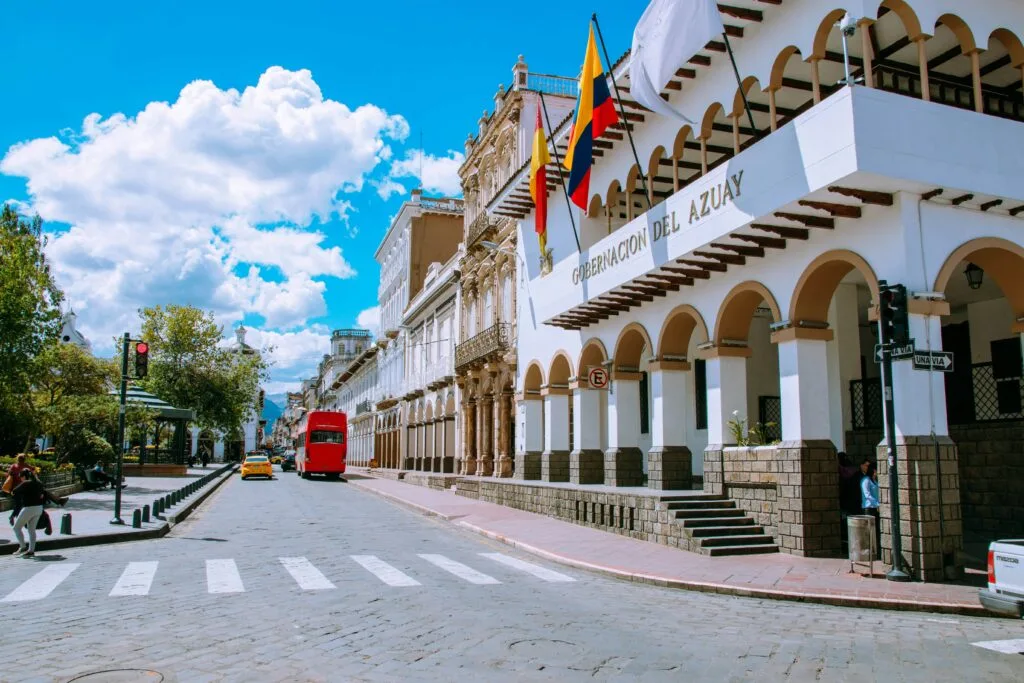
- García Moreno Corridor: Walking along the Calle de las Siete Cruces reveals centuries of Quiteño civic life, connecting historic stone crosses, convent bakeries, and political landmarks
- Market Gastronomy: Mercado Central offers an authentic taste of Andean culinary culture, from crispy empanadas de morocho and hot canelazo to fresh coastal-style ceviche
- Bohemian Arts Quarters: Creative districts such as La Floresta and La Mariscal showcase Quito’s modern spirit through expressive political murals, artist collectives, and speciality coffee houses
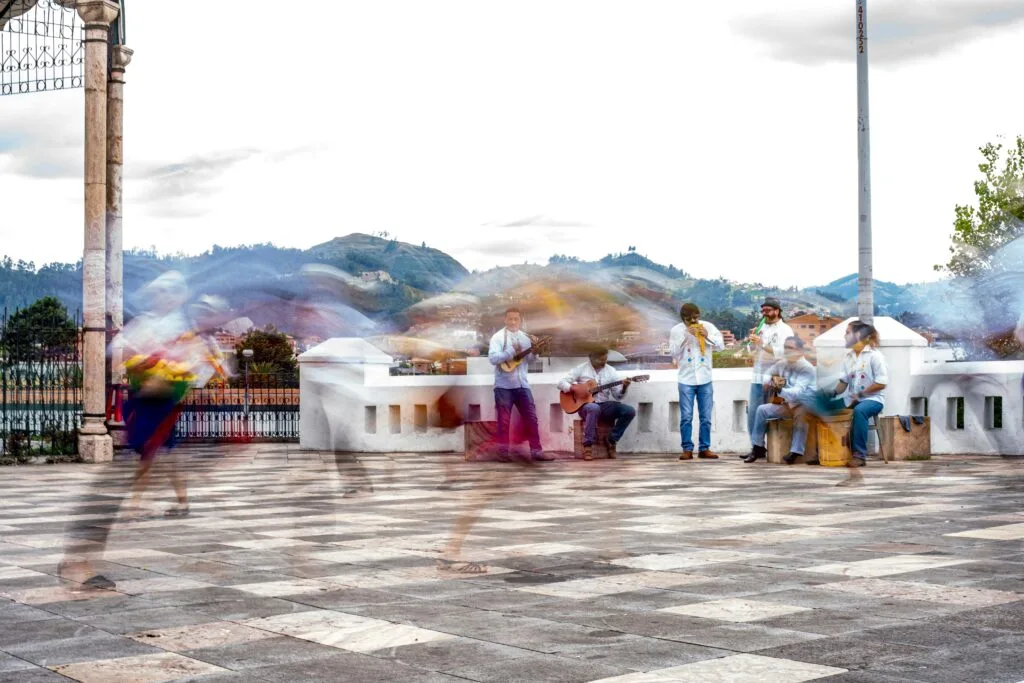
- Illuminated Old Town: Experiencing the historic centre after dark offers an uncrowded perspective as floodlights illuminate colonial facades and traditional string musicians gather along Calle La Ronda
- Rapid Underground Transit: The modern Metro de Quito ($0.45 per ride) provides a swift, secure connection between the historic core and northern commercial districts, completely avoiding surface traffic jams
- High-Altitude Pacing: Positioned at 2,850 metres above sea level, successful exploration relies on measured walking, generous hydration, and adaptable clothing layers for volatile mountain weather
The Ecuadorian Sierra.
Get lost in the hills
1. Navigate the UNESCO colonial heart
Rating & reviews
(9+ verified user reviews)
Why this tour stands out
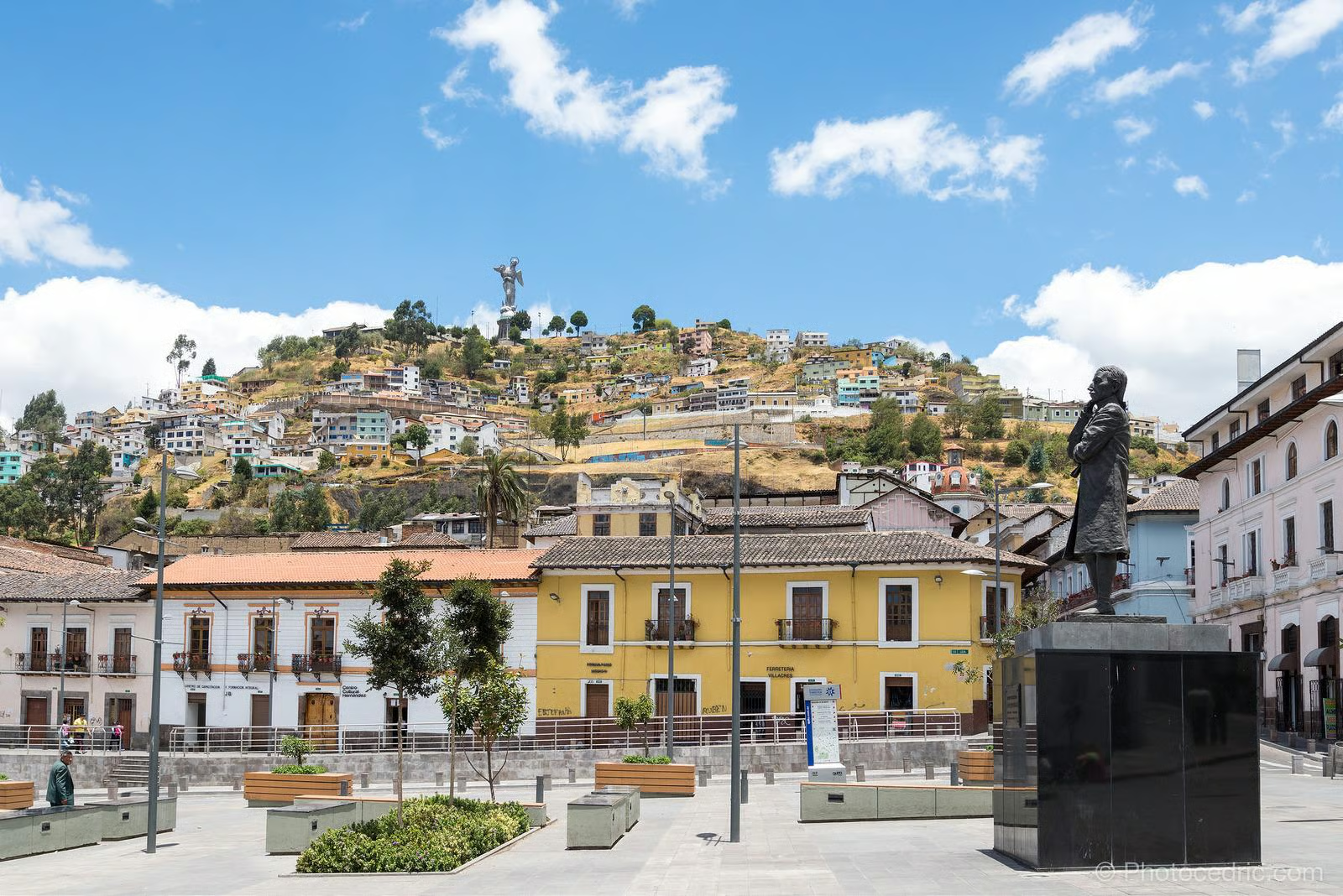
If you want an authoritative, immersive orientation through Quito’s historical centre, this small-group walking excursion is the benchmark. Beginning in the magnificent Plaza de Santo Domingo, your guide leads you along the iconic Calle de las Siete Cruces (Seven Crosses Street / Garcia Moreno), unravelling the urban history, indigenous heritage, and colonial architecture that shaped Ecuador.
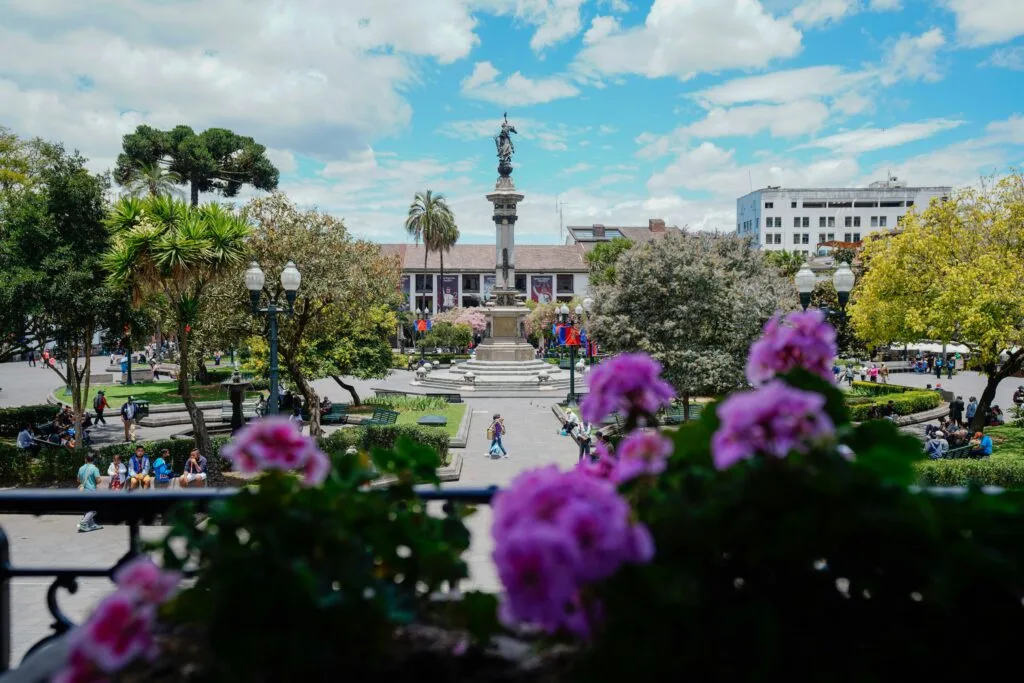
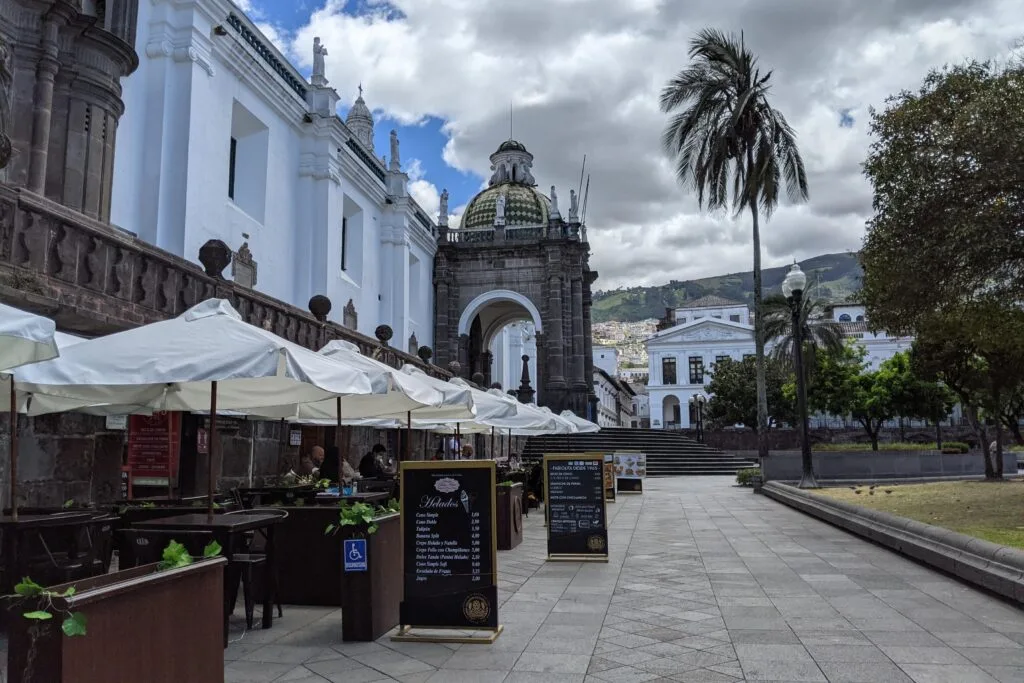
Unlike large group tours that rush past landmarks, this itinerary takes time to explore the tranquil cloisters of San Francisco Church, the political backdrop of Independence Square (Plaza Grande), and the grand Palacio Arzobispal.
The tour culminates with detailed entry to the towering Basílica del Voto Nacional, Latin America’s grandest neo-Gothic church, where gargoyles are carved in the likeness of native Ecuadorian wildlife like iguanas, armadillos, and condors rather than medieval mythical beasts.
Key highlights
- Comprehensive guided walk along the historic Calle de las Siete Cruces
- Visits to Plaza Santo Domingo, Plaza de San Francisco, and Independence Square
- Exploration of the Palacio Arzobispal to sample traditional Quiteño sweets and ice cream
- Skip-the-line entrance and detailed architectural tour of the Basílica del Voto Nacional
- Stroll through the romantic, artisan-filled cobblestone alley of Calle La Ronda
Ideal for
First-time visitors, architecture enthusiasts, and travellers seeking a solid historical and political foundation of Quito’s UNESCO centre.
Local insight
Bring a light rain jacket and wear sturdy walking shoes with good tread. Old Town’s centuries-old volcanic cobblestones can become surprisingly slick when afternoon Andean rain showers roll in over Pichincha.
2. Historic culinary heritage & market tasting
Rating & reviews
(25+ verified user reviews)
Why this tour stands out
To truly understand a city’s culture, you must eat where the locals eat. This private, highly rated culinary walking tour cuts through tourist trap eateries and immerses you in the authentic flavours of Old Town Quito. Led by an expert Quiteño food guide, you will venture into the bustling Mercado Central, navigating vibrant stalls brimming with exotic Andean fruits, native potatoes, and sizzling griddles.
The itinerary is structured like a progressive lunch, introducing you to Quito’s most revered culinary staples. You will taste light, crispy quesadillas baked in century-old wood-fired ovens near La Basílica, sample mote surtido (savoury Andean hominy), indulge in golden empanadas de morocho, and savour either fresh Pacific-style ceviche or seco de chivo (slow-braised goat stew).
The walk finishes with an artisanal Ecuadorian fine-aroma chocolate tasting and a warm cup of canelazo (a spiced sugarcane and naranjilla hot cocktail) along historic Calle La Ronda.
Key highlights
- Guided exploration of Mercado Central, including rare fruit tastings and market culture
- Tasting stop at a historic bakery for authentic Quiteño-style sweet quesadillas
- Generous progressive lunch featuring empanadas de morocho, ceviche, and regional specialities
- Premium single-origin Ecuadorian cacao chocolate tasting near San Francisco Church
- Traditional canelazo cocktail tasting inside a local tavern on Calle La Ronda
Ideal for
Food lovers, cultural foodies, and travellers who want to combine historical sightseeing with a full, satisfying culinary journey.
Local insight
Come with an empty stomach. The portion sizes across the stops add up to a very substantial meal, and market vendors in Quito take immense pride in generous servings.
The Galápagos.
Ecuador’s Enchanted Isles
3. Creative quarters, street art & craft culture
Rating & reviews
(10+ verified user reviews)
Why this tour stands out
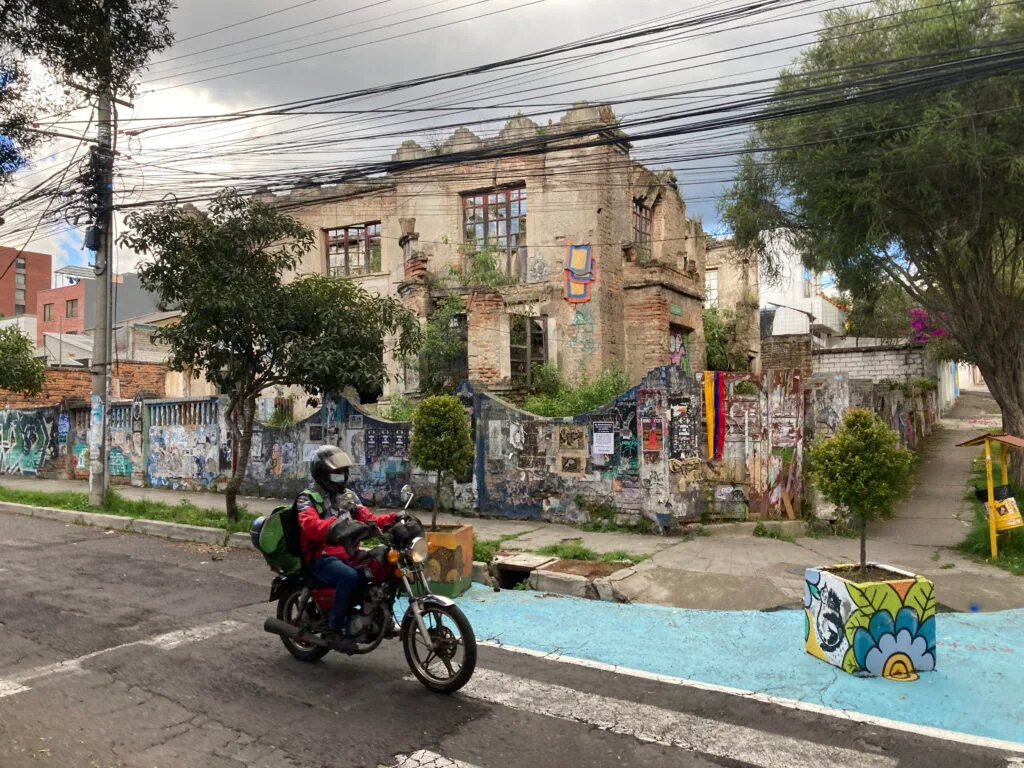
Quito is far more than its colonial past; it is a thriving hub of contemporary art, independent design, and alternative urban youth culture. This walking tour takes you north of the historic centre into two of Quito’s most dynamic neighbourhoods: La Mariscal and La Floresta.
Guided by a local street-art specialist, you will decode the stories, political messages, and indigenous iconography embedded in the vibrant murals that line these districts. The route transitions into La Floresta, a leafy, creative enclave characterised by early 20th-century neoclassical architecture, indie coffee shops, artist collectives, and artisan workshops.
You will stop at an independent chocolate atelier to learn about Ecuador’s Arriba Nacional cacao beans before ending at a local artisan market to engage with local craftspeople.
Key highlights
- In-depth exploration of street art and large-scale murals in La Mariscal and La Floresta
- Insights into modern Ecuadorian urban culture, social movements, and artistic resistance
- Guided stroll through the tranquil, tree-lined streets and architectural heritage of La Floresta
- Artisanal chocolate tasting session focusing on single-origin, fine-aroma cacao
- Visit to a curated craft market to see local artisans working with wood, textiles, and metals
Ideal for
Independent travellers, art lovers, photography enthusiasts, and returning visitors seeking to experience Quito beyond the standard tourist trail.
Local insight
La Floresta is Quito’s speciality coffee capital. Ask your guide to point out independent coffee shops along the route where you can sample pour-over coffees made from high-altitude Loja or Galápagos beans.
4. Back-alley street food & night markets
Rating & reviews
(59+ verified user reviews)
Why this tour stands out
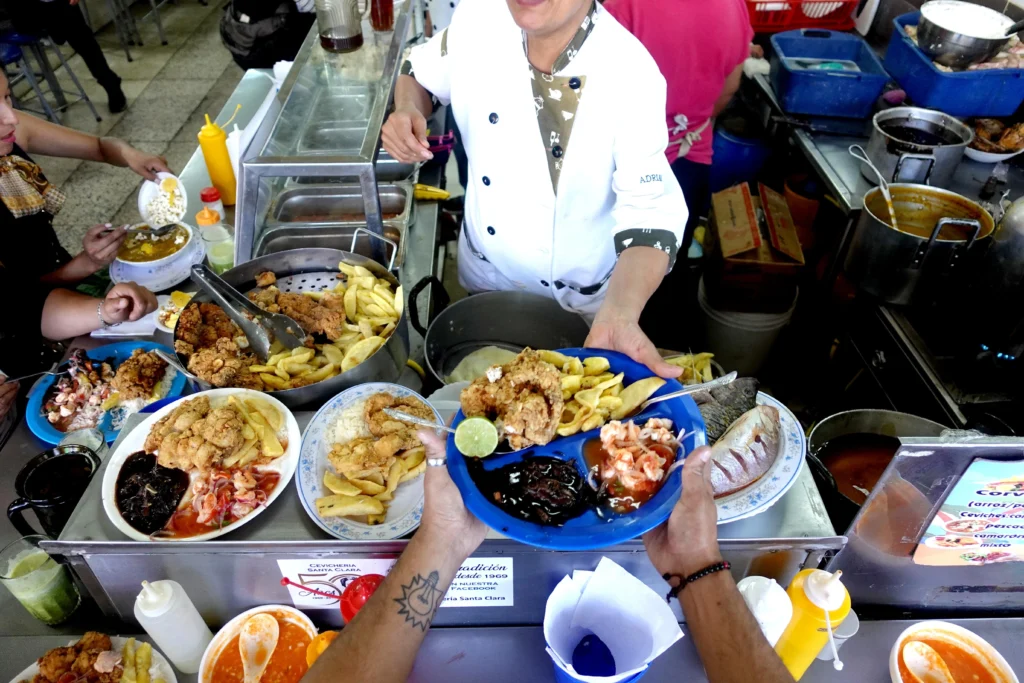
Designed for adventurous eaters who want an unvarnished taste of Quiteño street food culture, this small-group evening walk bypasses commercial restaurants in favour of hole-in-the-wall stalls, market stalls, and night vendors. The tour prioritises culinary authenticity and flavour over polished aesthetics, taking you into authentic residential neighbourhoods where working-class locals eat.
Over three to four hours, your guide introduces you to vendors whose family recipes have been refined across generations. You will sample tropical fruit juices made from Amazonian fruits like lulo (naranjilla) and maracuyá, try crispy fried plantain bolones de verde, and taste authentic street-side seafood and slow-roasted meats.
The tour concludes at an alternative neighbourhood venue for a craft cocktail paired with artisanal dark chocolate.
Key highlights
- Exploration of authentic, off-the-beaten-path neighbourhood street food stalls
- Tastings of unusual tropical fruits, freshly squeezed juices, and local street delicacies
- Direct interactions with street vendors and market cooks preserving ancestral recipes
- Walk through local flea markets and neighbourhood backstreets rich in street life
- Finishing tasting session featuring high-grade chocolate, speciality coffee, and local spirits
Ideal for
Culinary explorers, solo travellers wanting safe access to night street food, and visitors interested in everyday Quiteño food culture.
Local insight
Be open to new flavours and textures. Ecuadorian street food relies heavily on indigenous Andean crops, plantains, and tropical fruits that you will rarely encounter in European or North American dining.
The Ecuadorian Amazon.
The most biodiverse place in the world
5. Illuminated colonial history after dark
Rating & reviews
(6+ verified user reviews)
Why this tour stands out
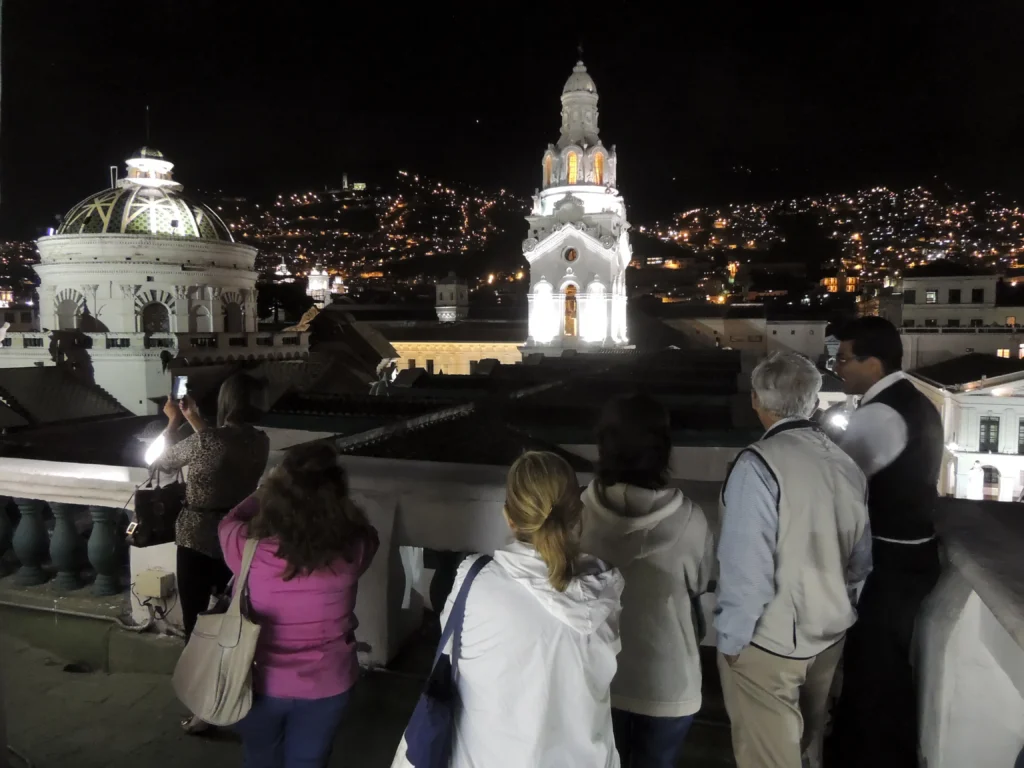
When night falls over the Andes, Old Town Quito undergoes a magical transformation. The daytime bustle subsides, and floodlights illuminate the whitewashed facades, gilded church towers, and expansive plazas. Navigating the historic centre at night independently requires local caution, making this small-group guided walk the safest and most atmospheric way to experience illuminated Quito.
Led by an expert historian, the tour walks you through Independence Square, where the presidential Palacio de Carondelet glows under the night sky. You will marvel at the illuminated golden exterior of La Compañía de Jesús church, admire the grand silhouette of San Francisco, and walk down Calle La Ronda, where traditional musicians and artisans keep the street lively late into the evening.
The walk offers exceptional opportunities for night photography without the daytime crowds.
Key highlights
- Guided evening walk through illuminated UNESCO World Heritage plazas and monuments
- Safe, stress-free navigation of Old Town Quito after dark with a local expert
- Exterior views of La Compañía de Jesús, Plaza Grande, and San Francisco Church illuminated by floodlights
- Exploration of Calle La Ronda’s evening nightlife, artisan shops, and traditional music
- Stories of Quiteño urban legends, colonial ghosts, and historical mysteries
Ideal for
Photographers, couples, and safety-conscious travellers who want to see the romantic, illuminated side of Quito’s historic core after dark.
Local insight
Temperatures drop rapidly in the Andes once the sun sets. Even if the afternoon was warm, Quito’s nighttime altitude brings a sharp chill. Bring a warm wool sweater or windproof jacket for evening walking tours.
Our practical Quito city exploration guide
To help you get the most out of your urban walking adventures in Quito, our team has compiled four essential, practical advice points for navigating Ecuador’s high-altitude capital on foot:
Pace yourself for altitude
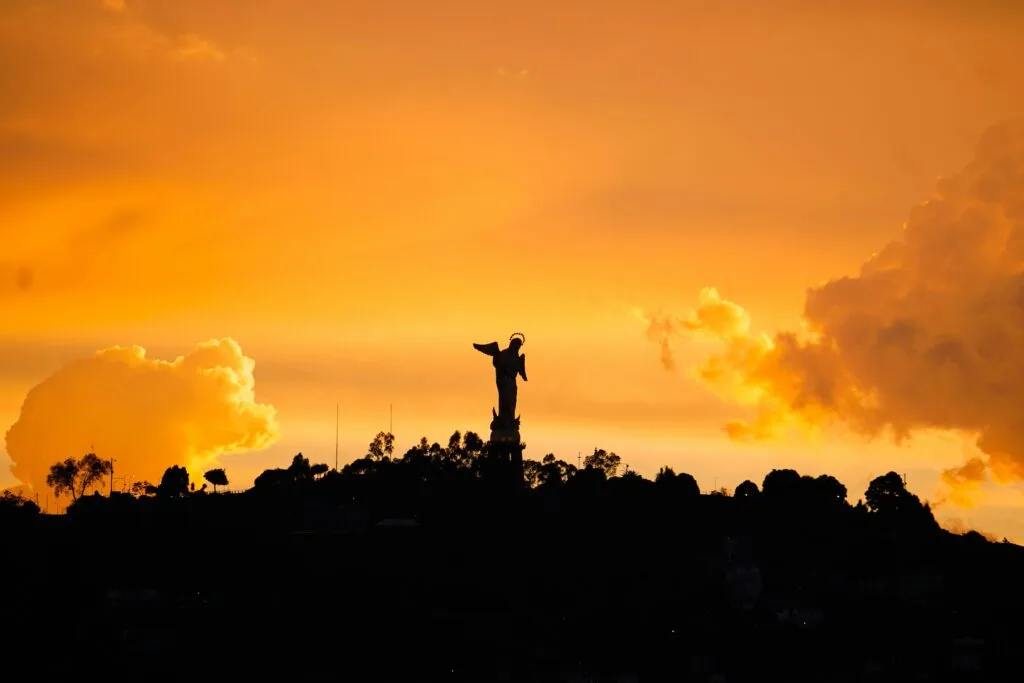
Sitting at 2,850 metres above sea level, Quito’s thin air affects almost every visitor. On your first day, avoid rushing up steep hills like El Panecillo. Take slow, deliberate steps during walking tours, drink plenty of water, and consider sipping traditional coca or muna tea to ease acclimatisation.
Use the Metro de Quito
Quito launched Latin America’s newest underground metro system, stretching from Quitumbe in the south to El Labrador in the north. It is clean, exceptionally safe, fast, and cheap ($0.45 per ride). Use it to hop between the Historic Centre (San Francisco Station) and the northern districts like La Carolina or La Mariscal without getting stuck in surface traffic gridlock.
Dress in layers for four seasons in one day
Quito’s equatorial mountain climate is notoriously unpredictable. A bright, sunny morning can turn into a chilly afternoon downpour within 30 minutes. Wear comfortable, broken-in walking shoes with non-slip soles, carry a compact umbrella or rain shell, and wear high-SPF sunscreen—the equatorial UV index at high altitude is extremely intense even on cloudy days.
Practice smart urban street smarts
While Quito’s tourist zones are heavily patrolled during the day, standard big-city precautions apply. Keep your smartphone discreet when taking photos in busy markets, wear daypacks on your front in crowded buses, and avoid walking alone in quiet Old Town alleyways or up El Panecillo hill after dark. Rely on registered yellow taxis or rideshare apps (like Uber or Cabify) for nighttime travel.
Respect local tipping norms
In small local eateries (picanterías) and market stalls, tipping is not strictly expected, though rounding up loose change is appreciated. For dedicated walking tour guides, tipping 10% to 15% (or $5–$10 USD per person) for excellent service is customary and directly supports independent local professionals in Ecuador’s dollarised economy.
The Ecuadorian Coast.
Where you’ll find the very best food
Experience Quito at human speed
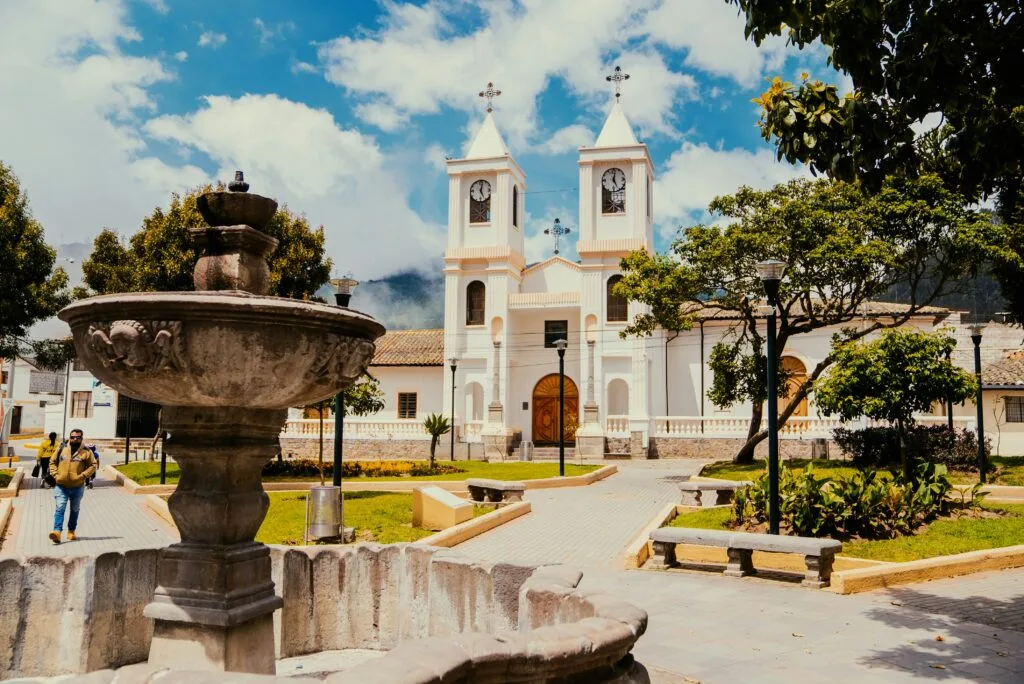
Quito is a city that rewards those who take their time. Sitting high in an Andean basin at 2,850 metres, its atmospheric depth cannot be appreciated from behind the tinted windows of a sightseeing coach or a hurried transfer bus. When you step onto the centuries-old volcanic cobblestones of the Centro Histórico, the capital reveals itself through small, intimate details: the aroma of spiced canelazo simmering on a tavern stove, the quiet scrape of an artisan’s chisel along Calle La Ronda, and the golden morning light reflecting off the towers of Plaza de San Francisco.
Choosing small-group, locally led walking excursions ensures your presence leaves a positive footprint on the urban ecosystem. Independent travel flourishes when tourism directly sustains neighbourhood bakers, market vendors, street-art experts, and community historians. Stepping away from mass commercial routes allows you to cross the threshold from passive spectator to thoughtful guest, discovering how local Quiteño traditions seamlessly intertwine with contemporary creative movements in districts like La Floresta.
Whether you are sipping single-origin coffee sourced from high-altitude slopes in Loja, tracing political street art through La Mariscal, or riding the pristine underground Metro beneath the city’s volcanic spine, Quito offers an uncommonly rich urban tapestry. Pack a dependable rain shell, lace up supportive footwear, and give yourself the space to experience South America’s most captivating high-altitude capital at human speed.
Affiliate Disclaimer: Some of the links on Wheely Tyred are affiliate links. If you click through and make a booking or purchase, we may earn a small commission at no extra cost to you. We only recommend gear, tours, stays, and services we genuinely use, trust, and stand behind — our editorial independence always comes first. These commissions help keep our independent cycling guides and travel stories free to read. Thanks for supporting the ride!
Frequently asked questions about the best city tours in Quito
Located at 2,850 metres above sea level, Quito’s thin air frequently affects arriving visitors. Keep your schedule light for the first 24 to 48 hours, drink plenty of water, limit alcohol intake, and sample traditional coca or muña herbal teas. When exploring steep Old Town streets, maintain a slow, steady gait rather than rushing.
Old Town is lively, well-policed, and very safe for walking during the day if you observe basic urban precautions, such as keeping smart devices concealed and wearing daypacks on your front in busy crowds. At night, stick to illuminated, active corridors like Calle La Ronda, or join a guided night walking tour to navigate the historic centre safely after dark.
The Metro de Quito is a clean, modern underground transit system running north-south through the city. A single ticket costs $0.45 USD. It provides the fastest way to travel between the historic core (San Francisco Station) and northern neighbourhoods like La Floresta or La Carolina, bypassing surface traffic gridlock completely.
Canelazo is a traditional warm Andean beverage made by simmering sugarcane spirit (aguardiente) with water, cinnamon, cloves, and tart naranjilla (a native Ecuadorian citrus fruit). It is the quintessential drink for chilly mountain evenings, best enjoyed in the centuries-old taverns along historic Calle La Ronda.
Ecuador uses the US dollar ($ USD). While credit cards are widely accepted at hotels and established restaurants, cash is essential for street food stalls, local markets, Metro fares, and tipping guides. Always carry small denominations ($1, $5, and $10 notes, plus coins), as vendors rarely have change for $20 or $50 notes.
Quito’s location on the equator, paired with its high elevation, means you can experience four seasons in one day. Wear comfortable, broken-in walking shoes with non-slip soles for damp cobblestones, breathable base layers for sunny mornings, a warm mid-layer sweater for shaded areas, and a reliable waterproof rain jacket or compact umbrella for sudden afternoon showers.
Ecuador.
Pure wonder on the equator.