Unlocking Ecuador / The ultimate guide to must-see historic landmarks, museums, and timed-entry cultural attractions
Premier Ecuador attractions guide / Pre-booked tickets and historic tours
Secure advance venue entries across Quito, Baños, Cuenca, and beyond
BEN FINCH
Ecuador is a nation where towering volcanic peaks meet centuries of layered heritage, spanning pre-Columbian Cañari and Incan empires to South America’s most intricate colonial urban centres and dramatic natural wonders. Whether standing atop high-altitude Andean ridges, exploring pre-Columbian sun temples, crossing the equator, or discovering world-class modernist art galleries, navigating Ecuador’s cultural landscape offers an extraordinary journey for the independent traveller.
At Wheely Tyred, our travel ethos centres on autonomous, intelligent exploration. Popular historic landmarks, equatorial monuments, high-altitude transport hubs, and protected waterfall reserves—such as the TelefériQo gondola station, the equatorial park at Mitad del Mundo, the roaring Pailón del Diablo, and the archaeological ruins of Ingapirca—regularly draw substantial crowds, resulting in long queues or strict daily limits on admission. Spending your morning standing in hot ticketing lines or missing out on peak mountain weather windows due to sold-out slots can easily disrupt a carefully planned itinerary.
By securing timed-entry passes, hosted venue tickets, and skip-the-line small-group entries ahead of time, you guarantee prompt access, bypass ticket counter delays, and gain valuable historical context from expert local guides. Below is our updated, curated selection of Ecuador’s top 6 bookable cultural and heritage experiences, complete with live booking links, verified traveller scores, and essential local ticketing advice.
Ecuador’s attractions at a glance
Navigating Ecuador’s breathtaking Andean heights and ancient Incan corridors requires equal parts curiosity and smart planning. Here is everything you need to know to make your independent cultural journey seamless.
- Gateway to the Amazon: Experience the thundering cascade of Pailón del Diablo and lush volcanic canyons in Baños on a direct, all-inclusive pass from Quito
- Volcanic Heights: Ascend the TelefériQo cable car to Cruz Loma at nearly 4,000 metres for sweeping panoramas across the high Andean páramo
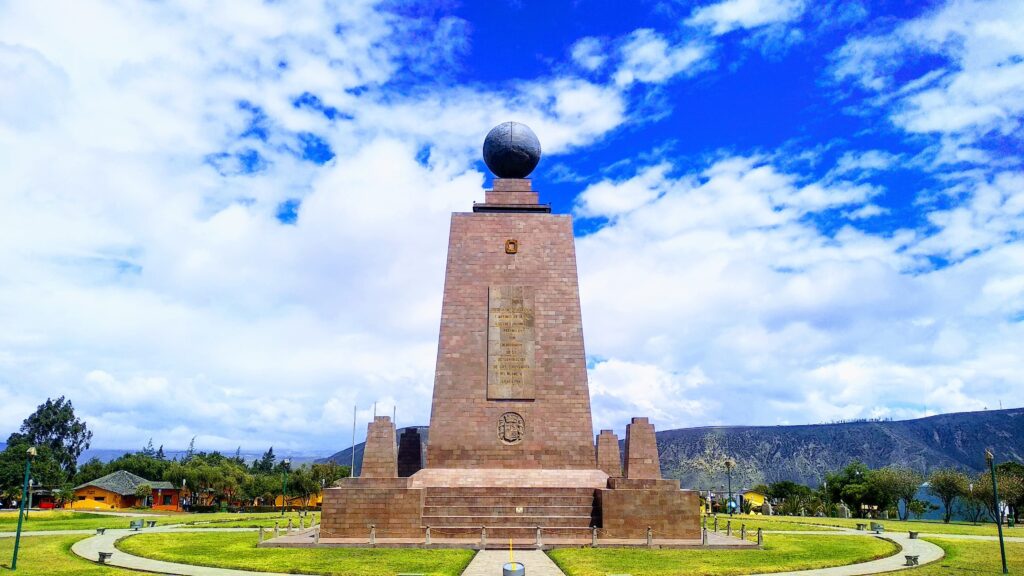
- Equatorial Magic: Walk across both hemispheres at Latitude 0°0’0” at Mitad del Mundo and test physical phenomena at the interactive Intiñán Solar Museum
- Modernist Heritage: Explore expressionist masterworks and Latin American identity at Oswaldo Guayasamín’s striking Capilla del Hombre in Quito
- Imperial Incan Legacies: Marvel at precision mortarless stonework and Cañari solar alignment at Ingapirca, Ecuador’s premier archaeological complex
- Cuenca’s Cultural Heart: Uncover Amazonian ethnography, Incan agricultural terraces, and native aviary gardens at Museo Pumapungo
- Smart Ticketing Strategy: Secure timed-entry passes two to three weeks in advance to bypass queues and align high-altitude visits with proper acclimatisation
The Ecuadorian Sierra.
Get lost in the hills
1. Journey down the Avenue of the Volcanoes to the Gateway to the Amazon
Rating & reviews
(63+ verified reviews on GetYourGuide)
Why this specific attraction stands out
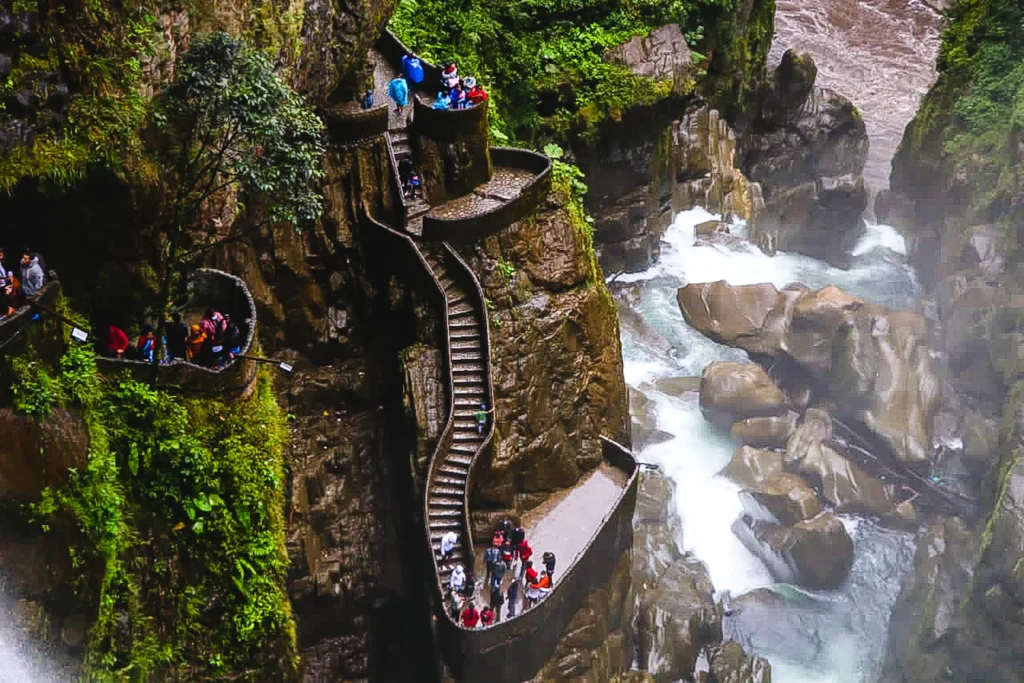
Known as the adventure capital and gateway to the Ecuadorian Amazon, Baños de Agua Santa sits dramatically beneath the active Tungurahua volcano. Operating directly from Quito, this comprehensive 14-hour excursion takes you down the scenic Avenue of the Volcanoes with pre-booked access to all major nature reserves, cable car passes, and entrance tickets along the famous Waterfall Route.
By securing an all-inclusive ticketed pass, you secure round-trip hotel transit, direct entry to the thundering Pailón del Diablo (Devil’s Cauldron) waterfall, a pass for the Pastaza River tarabita (cable car), and entry to the famous Casa del Árbol (Swing at the End of the World), bypassing ticketing kiosks across multiple mountain sites.
Key highlights
- Avenue of the Volcanoes Transit: Scenic drive past Cotopaxi, Ecuador’s second-highest peak, with photo stops weather permitting
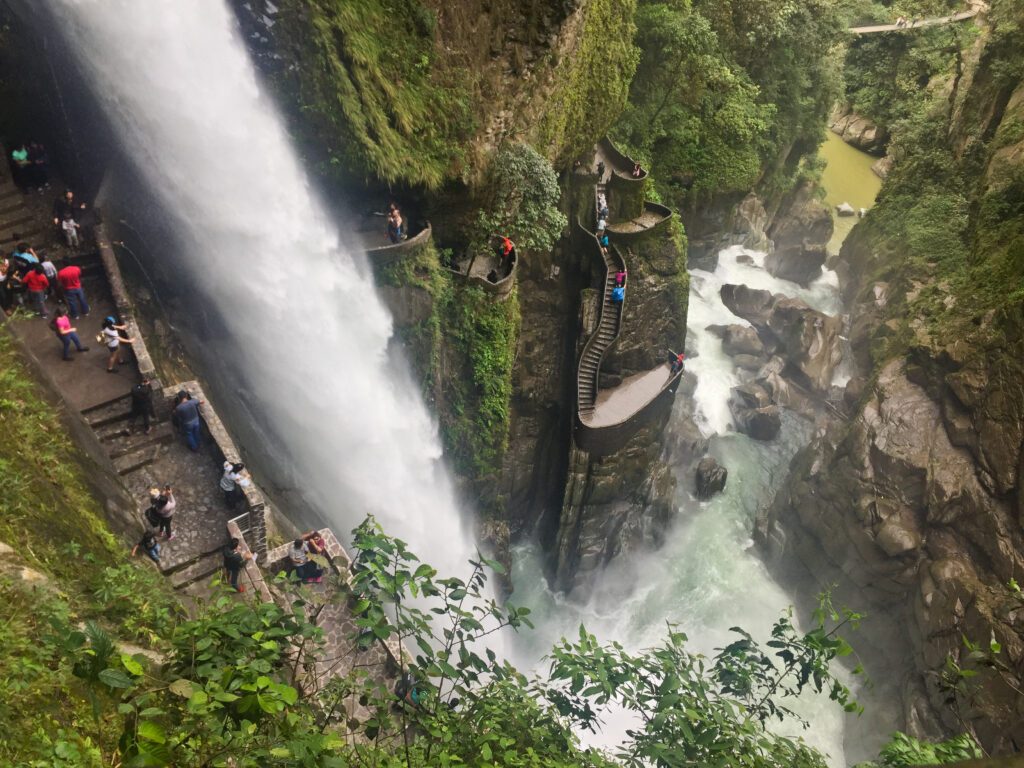
- Pailón del Diablo (Devil’s Cauldron): Roaring 80-metre waterfall accessed via cliffside suspension bridges and stone pathways
- Pastaza River Cable Car: High-altitude cable car ride offering panoramic views across the Pastaza canyon and lush cloud forest
- La Casa del Árbol: The world-famous Swing at the End of the World overlooking the steep slopes of Tungurahua Volcano
Ideal for
Nature enthusiasts, thrill-seekers, photographers, and active travellers looking to explore Ecuador’s volcanic landscapes and rainforest gateways seamlessly from Quito.
Local ticket insight
The mist and spray around Pailón del Diablo are intense; bring a lightweight waterproof jacket and a dry bag for electronics. Comfortable, non-slip walking shoes are essential for navigating the wet stone steps leading down to the falls.
2. Ascend volcanic slopes on the high-altitude gondola
Rating & reviews
(1+ verified reviews on GetYourGuide)
Why this specific attraction stands out
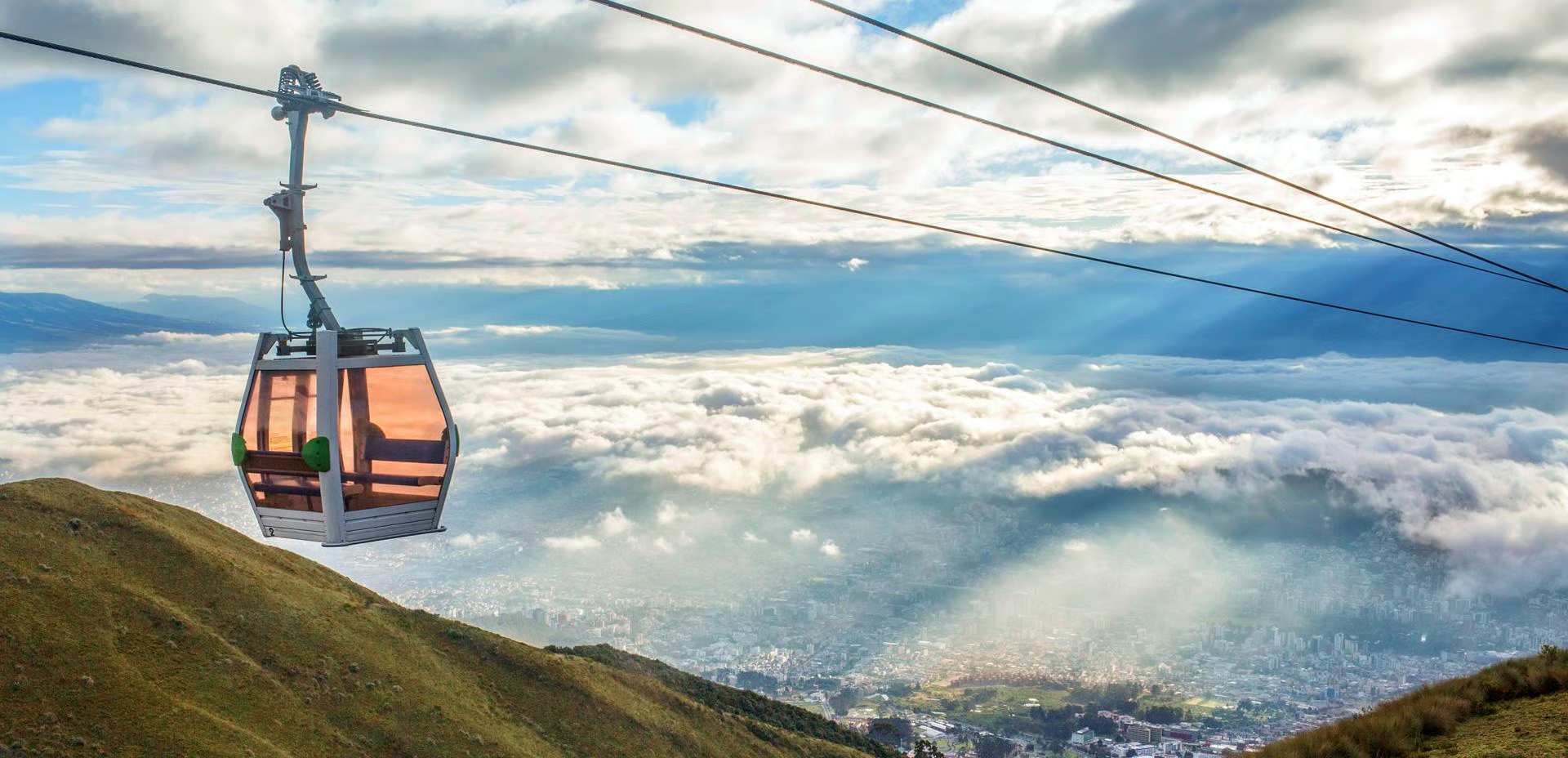
Riding Quito’s TelefériQo cable car is an essential Andean experience, lifting passengers from the city edge at 2,950 metres up the steep slopes of Rucu Pichincha volcano to Cruz Loma at 3,947 metres above sea level.
This comprehensive ticket package combines fast-track boarding at the base cable car station with seamless private transport and entry to the equatorial complex at Mitad del Mundo. Pre-booking this experience eliminates multiple queue waits across separate venues, allowing you to enjoy mountain landscapes and equatorial exhibits in a single, well-organised day.
Key highlights
- Cruz Loma Panoramic Platform: Expansive views across the narrow length of Quito and surrounding volcanic ranges
- High Andean Páramo Trails: Access to scenic walking paths winding through alpine grasslands
- Cloud Forest Swing: Photo spot suspended over the mountain ridge at nearly 4,000 metres elevation
- Combined Equatorial Entry: Expedited access to both the main monument and the interactive solar museum
Ideal for
Outdoor enthusiasts, photographers, first-time visitors, and families looking for a convenient, combined day pass.
Local ticket insight
Temperatures at 3,947 metres are significantly cooler than in the city valley below, with frequent wind shifts. Pack a windproof jacket, gloves, and a warm hat in your daypack, even if conditions at the base station feel mild.
The Galápagos.
Ecuador’s Enchanted Isles
3. Stand across both hemispheres at latitude zero
Rating & reviews
(179+ verified reviews on GetYourGuide)
Why this specific attraction stands out
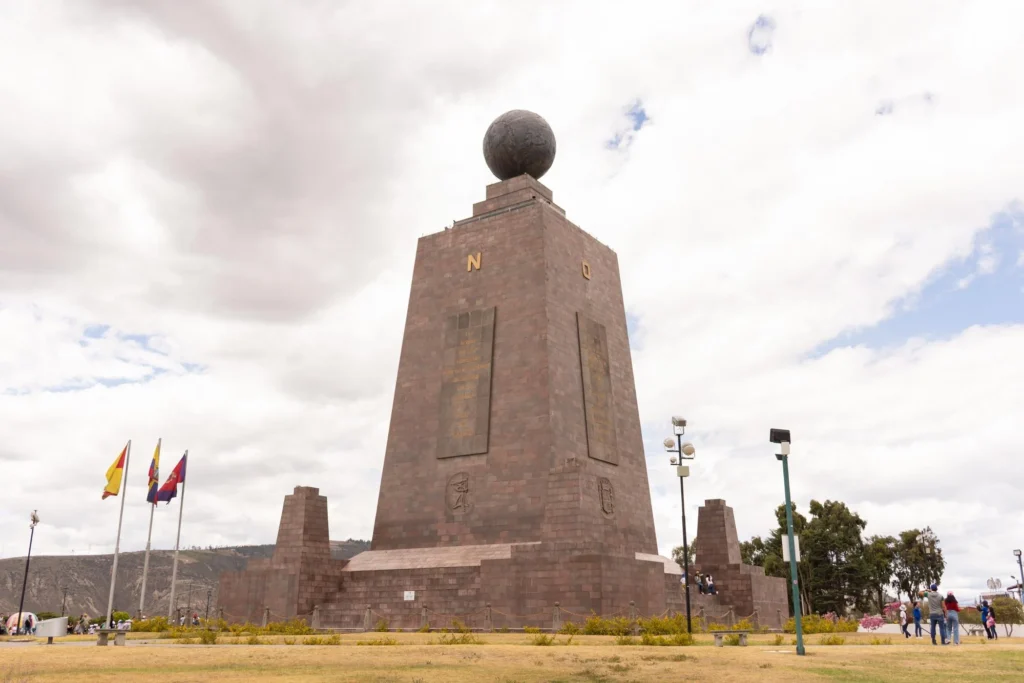
Visiting Ciudad Mitad del Mundo allows you to step across the dividing line between the Northern and Southern Hemispheres. This specialised ticket package grants entry to the official 30-metre trapezoidal monument—built to honour the 18th-century French Geodesic Mission—and includes guided admission to the nearby Intiñán Solar Museum, where interactive demonstrations test physical phenomena along the magnetic equator. The pass also features an excursion to the rim of Pululahua, one of only two inhabited volcanic craters in the world.
Key highlights
- Equatorial Monument & Observatory: Climb the central tower to view the painted equatorial line and surrounding valley
- Intiñán Solar Physics Demonstrations: Hands-on experiments demonstrating Coriolis force and balance at Latitude 0°0’0”
- Pululahua Geobotanical Reserve: Viewpoint overlooking the fertile, inhabited volcanic crater floor
- Ethnographic & Cocoa Exhibits: Displays detailing native indigenous cultures and traditional artisanal chocolate production
Ideal for
Curious travellers, science enthusiasts, families, and photographers wanting proof of crossing the equator.
Local ticket insight
Bring your physical passport with you! The administrative office and Intiñán Museum staff provide an official zero-latitude souvenir passport stamp upon request.
4. Immerse yourself in masterpieces and artisanal cacao
Rating & reviews
(1+ verified reviews on GetYourGuide)
Why this specific attraction stands out
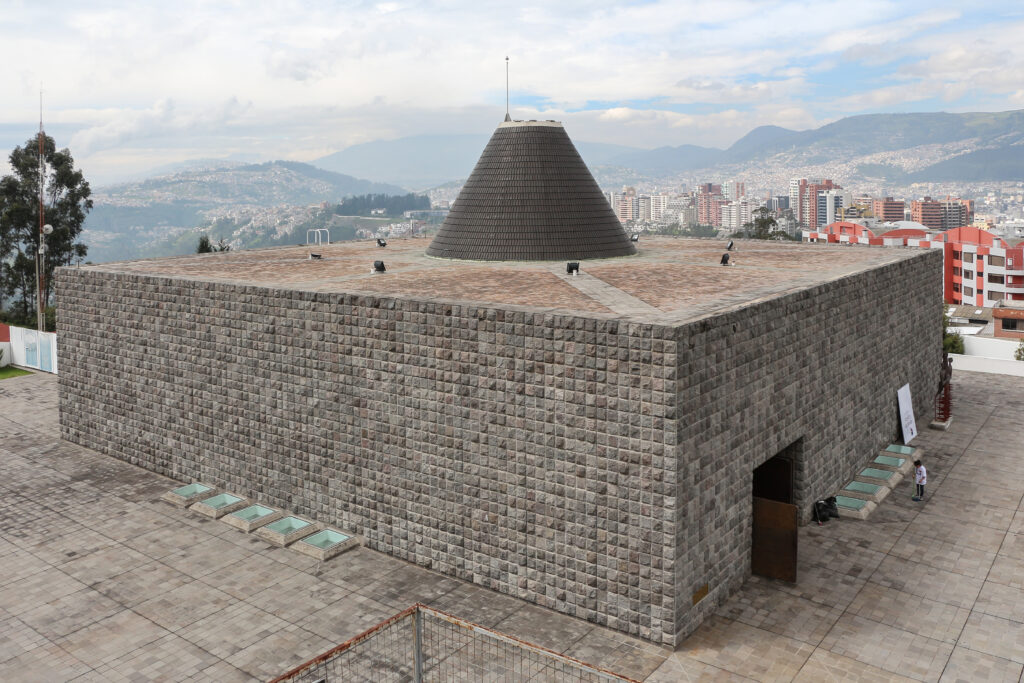
Perched on the hills of Bellavista, La Capilla del Hombre (The Chapel of Man) is the masterwork of Oswaldo Guayasamín, Ecuador’s most revered modern painter and sculptor. Designed as a monumental tribute to the resilience and historical struggles of Latin America’s indigenous peoples, the museum complex features Guayasamín’s personal art collection, his preserved residence, and powerful expressionist canvases. This ticket package pairs entry to the gallery with a guided stroll through Quito’s colonial core and an interactive single-origin Ecuadorian cacao tasting session.
Key highlights
- The Eternal Flame of Peace: Located in the centre of the chapel beneath its striking copper dome
- La Edad de la Ira (The Age of Wrath): Guayasamín’s renowned series capturing 20th-century political conflict and human endurance
- Preserved Estate & Colonial Gallery: The artist’s former residence, showcasing pre-Columbian ceramics and colonial religious art
- Single-Origin Cacao Tasting: Guided sampling of fine native Ecuadorian dark chocolate
Ideal for
Art collectors, museum enthusiasts, historians, and foodies interested in Ecuador’s native cacao heritage.
Local ticket insight
The main chapel maintains low visitor caps inside the central gallery to protect the artwork and preserve a quiet atmosphere. A pre-booked ticket pass ensures prompt entry during your scheduled time slot without long waits outside.
The Ecuadorian Amazon.
The most biodiverse place in the world
5. Explore Ecuador’s imperial Incan and Cañari fortress
Rating & reviews
(12+ verified reviews on Viator)
Why this specific attraction stands out
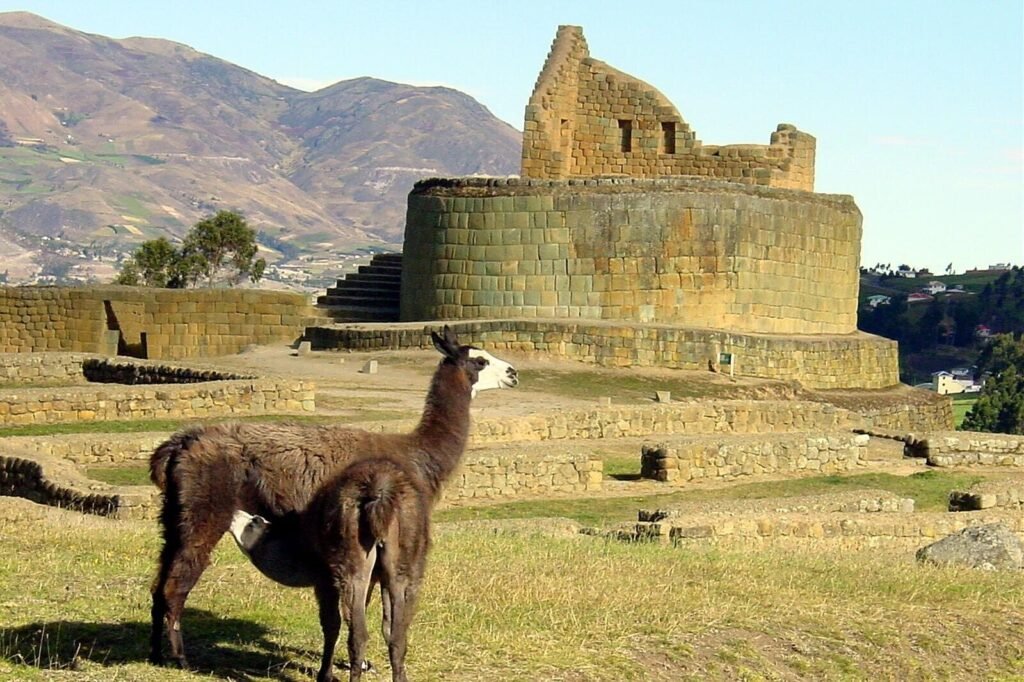
Located 3,160 metres above sea level in Cañar province, Ingapirca is Ecuador’s largest and most significant Incan and Cañari archaeological site. The central feature of the complex is the elliptical Temple of the Sun (El Templo del Sol), constructed without mortar using precisely chiselled stonework fitted over older Cañari foundations.
Pre-booking a guided day pass from Cuenca provides private transfers, skip-the-line entrance to the heritage park, and expert commentary on the peaceful fusion of Cañari moon-worship and Incan sun-worship cultures.
Key highlights
- Temple of the Sun (El Templo del Sol): An elliptical stone temple aligned for solar solstice and equinox observations
- Cañari Moon Calendar Burial Pits: Stone mortar pits used for astronomical calculations and ancestral rituals
- La Cara del Inca: A natural rock formation carved by wind and rain that resembles a human face
- Ingapirca Archaeological Museum: Exhibitions featuring pre-Columbian metalwork, textiles, and ceramics excavated on-site
Ideal for
Archaeology buffs, ancient history scholars, hikers, and travellers exploring Southern Ecuador.
Local ticket insight
Ingapirca is situated in an open, windy mountain valley where the weather can change rapidly. Wear sturdy, comfortable walking shoes for cobblestone trails, and bring both sun protection and waterproof outerwear.
6. Discover pre-Columbian history and botanical Incan terraces
Rating & reviews
(89+ verified reviews on Viator)
Why this specific attraction stands out
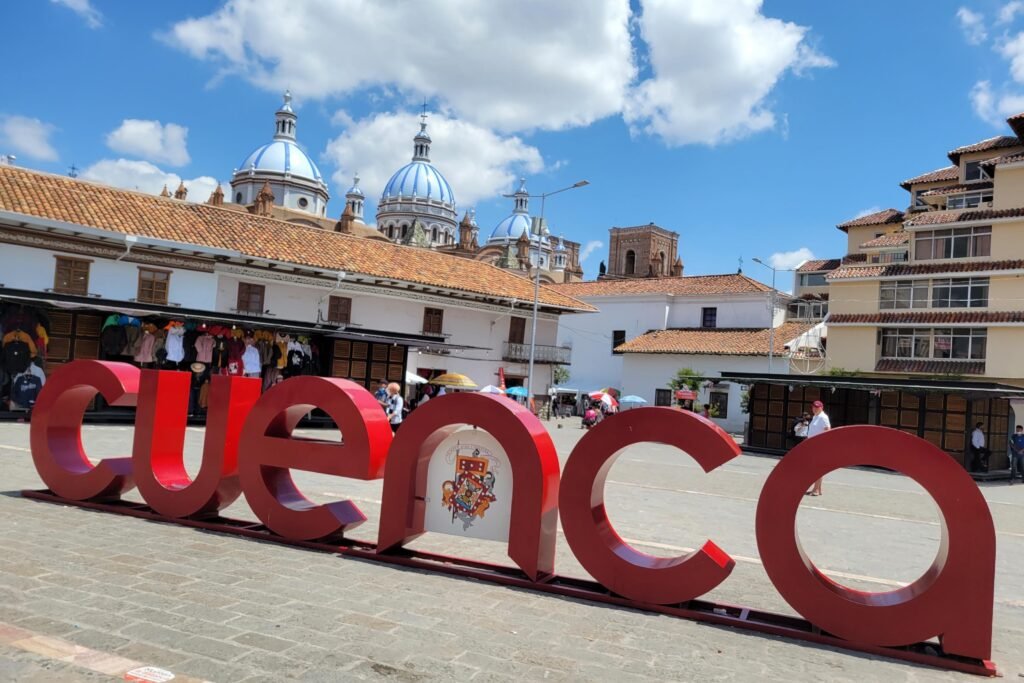
Positioned in central Cuenca, Parque Arqueológico y Museo Pumapungo highlights Ecuador’s pre-Columbian history and ethnography. The interior museum halls house detailed collections of ceremonial masks, native attire, and Amazonian shrunken heads (tzantzas).
Outdoors, the site transitions into restored stone Incan agricultural terraces and native botanical gardens running down toward the Tomebamba River. Booking a guided venue pass guarantees admission to all galleries alongside expert commentary on Cañari and Incan heritage.
Key highlights
- Ethnographic Exhibition Halls: Displays celebrating the traditions and attire of Ecuador’s 14 native indigenous nationalities
- Incan Agricultural Terraces: Restored stone terraces built during the reign of Inca Tupac Yupanqui
- Native Rescue Aviary & Gardens: Conservation habitat for native Andean birds, surrounded by traditional medicinal plants
- Ancient Royal Palace Foundations: Excavated stone foundations of the ancient Incan city of Tomebamba
Ideal for
Anthropology enthusiasts, families, culture seekers, and visitors exploring UNESCO-listed Cuenca.
Local ticket insight
Set aside at least 2.5 to 3 hours for your visit. Start with the indoor climate-controlled museum galleries before walking down the stone terraces to explore the botanical gardens in the warmer afternoon sun.
The Ecuadorian Coast.
Where you’ll find the very best food
Our practical Ecuador attraction booking & visiting guide
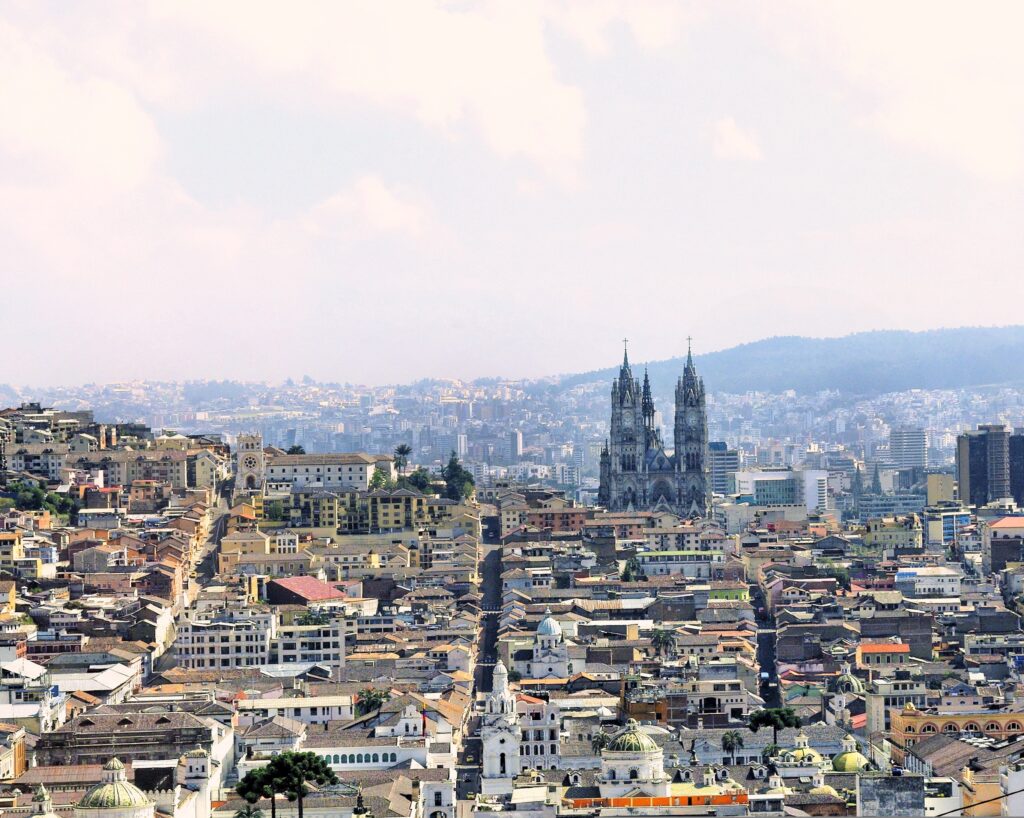
To make the most of your visits to Ecuador’s historic sites and cultural museums, keep these practical travel tips in mind:
Book timed slots 2–3 weeks in advance
Popular attractions like the TelefériQo, Baños waterfall tours, and La Capilla del Hombre experience high demand, particularly during peak dry-season months (June to September and December). Booking your tickets two to three weeks early secures your preferred entry times.
Plan around high-altitude acclimatisation
Destinations such as TelefériQo (nearly 4,000 m) and Ingapirca (3,160 m) require proper altitude adjustment. Schedule indoor city-level venues—like Museo Pumapungo or the Guayasamín Museum—for your first 24 to 48 hours in the country before taking on higher elevations.
Save digital ticket vouchers offline
Mobile connectivity can be unreliable in mountain valleys like Cañar or at high elevations like Cruz Loma. Download your digital ticket barcodes, PDF vouchers, and venue confirmation codes directly to your device for offline scanning.
Respect security and dress rules at historic sites
Religious monuments and protected heritage parks enforce bag checks and modest dress codes (covered shoulders and knees). Travel light to pass quickly through venue security checkpoints.
Take the high road through the Ecuadorian Andes
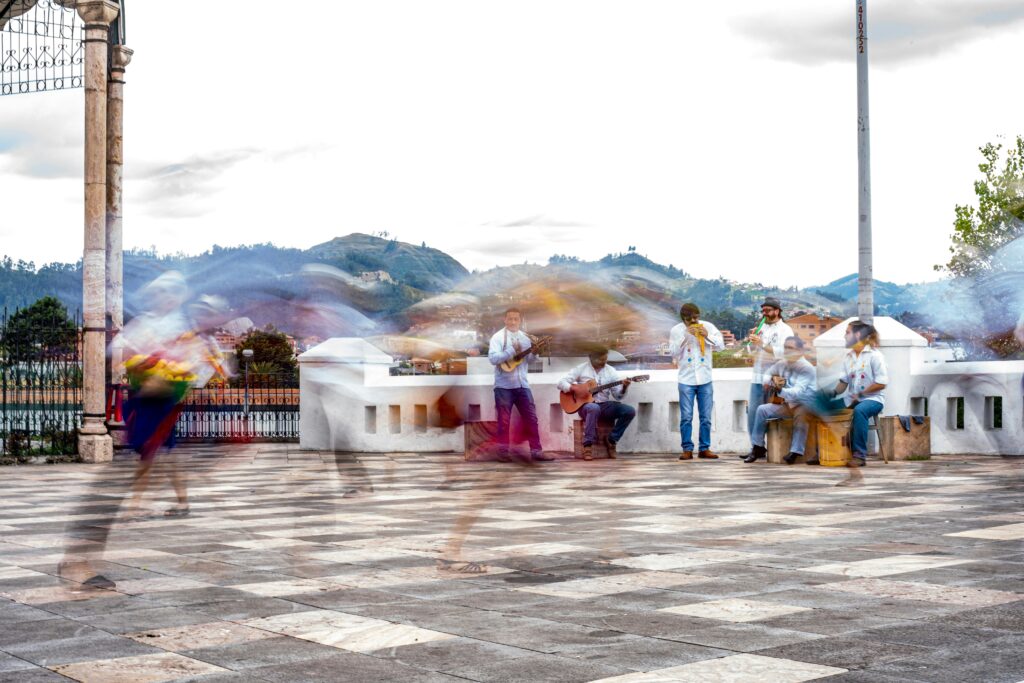
Ecuador proves that small geographical footprints can harbour staggering cultural and natural complexity. From the cobblestone plazas of UNESCO-listed colonial capitals to the windswept grasslands of the high Andean páramo, travelling here rewards those who move with intention, curiosity, and a willingness to step off the standard tour bus circuit.
Whether you find yourself gazing down into the lush canyon of the Pastaza River, standing with a foot in each hemisphere, or tracing the mortarless joins of Incan stone at Ingapirca, the key to unlocking these experiences lies in thoughtful preparation. Pre-booking timed entries and guided venue passes isn’t just about avoiding an hour in a sun-drenched queue—it is about preserving your time and energy for the moments that truly matter.
As independent travellers, we thrive on the autonomy of the road—whether exploring on two wheels, navigating local bus routes between Quito and Cuenca, or wandering through quiet museum corridors at our own pace. With your tickets secured and your itinerary grounded in local reality, you are free to immerse yourself fully in the layered stories, vibrant traditions, and spectacular landscapes of this remarkable South American nation.
Pack your layers, keep your digital vouchers handy, give yourself time to breathe at high altitude, and embrace the rhythm of the Andes. Safe travels, and we look forward to seeing you on the road.
Affiliate Disclaimer: Some of the links on Wheely Tyred are affiliate links. If you click through and make a booking or purchase, we may earn a small commission at no extra cost to you. We only recommend gear, tours, stays, and services we genuinely use, trust, and stand behind — our editorial independence always comes first. These commissions help keep our independent cycling guides and travel stories free to read. Thanks for supporting the ride!
Frequently asked questions about the best Ecuador attractions
For high-demand experiences like the TelefériQo cable car, Baños waterfall day trips, and popular galleries in Quito, we recommend booking two to three weeks in advance. This is particularly important during the peak dry season from June to September and over the Christmas and New Year holidays when daily capacity caps are reached quickly.
Quito sits at 2,850 metres and Cuenca at 2,560 metres above sea level. Allocate your first 24 to 48 hours to low-exertion city sights—such as indoor museums or street-level historical tours—before ascending to higher points like Cruz Loma (3,947 m) or Ingapirca (3,160 m). Stay well hydrated, avoid heavy meals during your first few days, and drink local herbal infusions like mate de cedrón or coca tea to ease acclimatisation.
While digital PDF vouchers on your smartphone are sufficient for ticket validation at almost all venues, bringing your physical passport to Mitad del Mundo and the Intiñán Solar Museum allows you to receive the official zero-latitude equatorial souvenir stamp in your passport.
Ecuador has an extensive and affordable intercity bus network. Long-distance buses depart frequently from Quito’s Quitumbe terminal, reaching Baños in roughly 3.5 hours and Cuenca in 8 to 9 hours. For tighter schedules, domestic flights connect Quito and Cuenca in under an hour, while organised small-group transfers offer door-to-door ease for single-day excursions.
Weather in the Andes fluctuates rapidly from intense equatorial sunshine to chilly mountain winds and rain. Dress in breathable layers, wear sturdy walking shoes for uneven cobblestone streets and dirt trails, and carry a waterproof jacket. When visiting active churches or sacred heritage sites, modest dress covering shoulders and knees is required.
While major ticketed venues and tour operators accept credit cards online and at main ticket counters, smaller artisanal markets, rural entry gates, and local cafes operate strictly in cash. Ecuador uses the US dollar ($); carry small denominations ($1, $5, and $10 notes), as vendors frequently struggle to provide change for $20 or $50 bills.
Ecuador.
Pure wonder on the equator.