Tasting the southern Andes / The best food tours & culinary masterclasses in Cuenca, Ecuador
Discover top-rated market tours, cooking classes, and street food walks in Cuenca
Unlock the soul of Azuayan cuisine
BEN FINCH
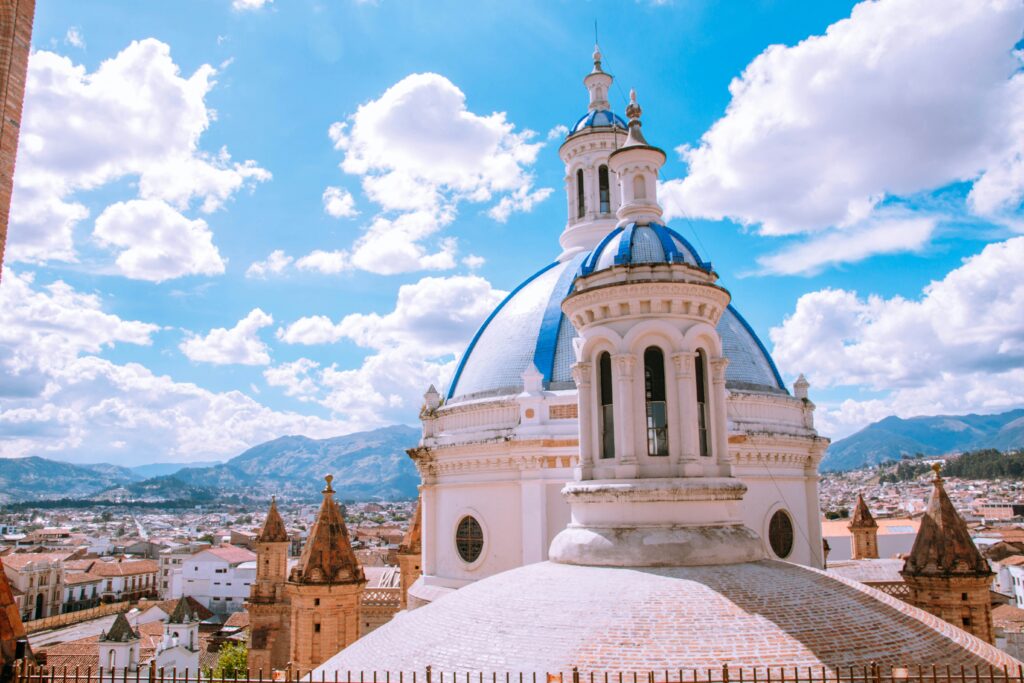
Perched high in the southern Ecuadorian Andes at 2,560 metres above sea level, Cuenca (Santa Ana de los Cuatro Ríos de Cuenca) is a city where culinary traditions run deep. Surrounded by fertile mountain valleys and nourished by four rushing rivers, this UNESCO World Heritage city boasts one of South America’s most distinctive regional foodways.
Yet, for many independent travellers, navigating Cuenca’s food scene can feel daunting. Beyond the grand colonial facades of Parque Calderón lies a world of sizzling market stalls, neighbourhood bakeries, and ancestral Andean cooking methods—flavours that remain quietly hidden from those who rely solely on tourist-trap restaurant menus along Calle Larga.
At Wheely Tyred, our philosophy on travel is rooted in slow, autonomous exploration. We believe that to truly understand a region, you must pull up a wooden stool at a busy market stall, listen to the women who have tended soup cauldrons for decades, and taste the land through its heritage ingredients. In Cuenca, native corn varieties (mote), golden potatoes, tree tomatoes (tomate de árbol), and slow-roasted meats form the backbone of everyday life.
Navigating these bustling markets and family-run eateries independently can be intimidating due to language barriers, unknown ingredients, and hyper-local customs. This is where small-group food tours led by passionate local hosts become invaluable.
A great food tour is not merely a sequence of tastings; it is a cultural bridge. An expert local host introduces you to the market vendors (caseras), decodes complex highland recipes, ensures rigorous hygiene standards, and reveals hole-in-the-wall gems that no guidebook could ever capture.
Whether you are eager to feast on crackling hornado at Mercado 10 de Agosto, craft artisanal chocolate from native cacao beans, or step inside an authentic Andean home for a cooking masterclass, here is our definitive, expertly vetted guide to the absolute best bookable food experiences in Cuenca.
Southern highland flavours / The essential Cuenca culinary summary
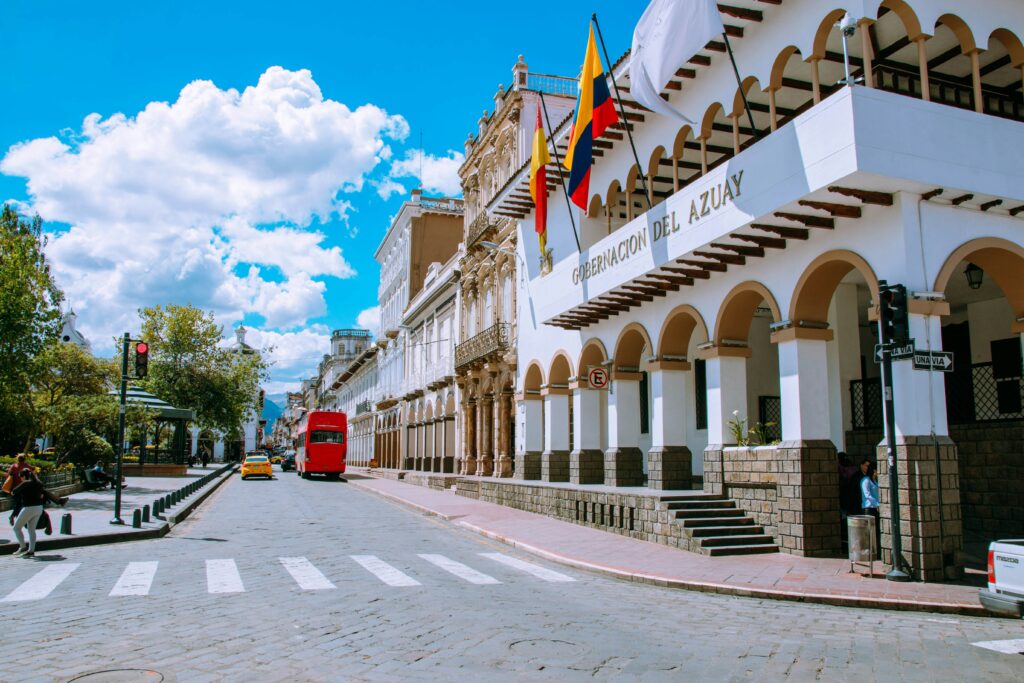
Set high in the southern Andes at 2,560 metres above sea level, Cuenca’s food culture is a living tapestry of indigenous Cañari agriculture, colonial traditions, and mountain market life. Here is what independent travellers need to know to navigate Azuayan gastronomy thoughtfully and authentically.
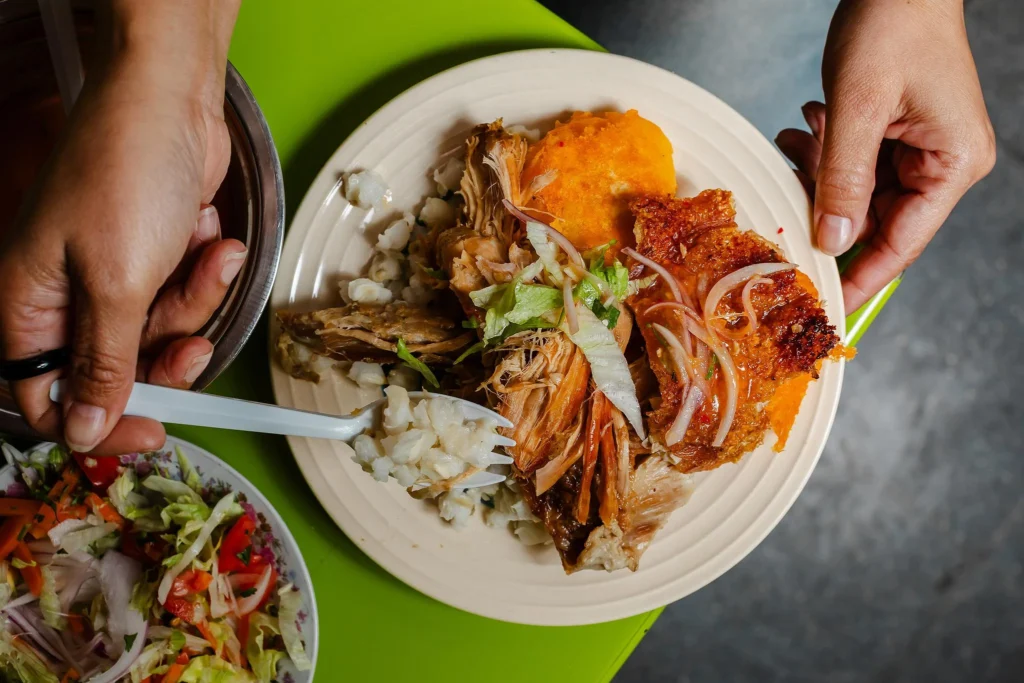
- Mercado 10 de Agosto: A vibrant, multi-story food hub that acts as the centre of daily culinary life in Cuenca, renowned for crisp, whole slow-roasted pig (hornado) and freshly cooked corn staples
- Native Corn & Mote: The foundational staple of the southern highlands, enjoyed steamed (mote), scrambled with eggs, achiote, and fresh cheese (mote pillo), or tossed in savoury pork drippings (mote sucio)
- Steamed Leaf Snacks: Neighbourhood bakeries along Calle de las Herrerías specialise in wrapped corn delicacies—sweet humitas steamed in corn husks, spongy quimbolitos in achira leaves, and spiced tamales in banana leaves
- Locro de Papas: Ecuador’s comforting national potato soup, which relies on starchy, yellow-fleshed papa chola potatoes, achiote, and fresh highland cheese rather than heavy cream to achieve its velvety texture
- Fine-Aroma Cacao: A rich history of native Cacao Arriba, best explored through bean-to-bar workshops involving stone grinding, roasting, and tempering fine dark chocolate in the historic quarter
- Highland Drinks: Regional beverages designed for cool Andean evenings, ranging from piping hot spiced sugarcane spirit (canelazo) to Agua de Pitimás, a floral infusion brewed from over 20 medicinal flowers
- Market Etiquette: Cash is essential at stalls, where carrying small US dollar notes ($1 and $5) and addressing vendors respectfully as “casera” ensures warm service and generous portion
The Ecuadorian Sierra.
Get lost in the hills
Market crawling & highland heritage in Cuenca’s historic quarter
Rating & reviews
(4+ verified reviews on GetYourGuide)
Why this tour stands out
If you want an immersive, multi-stop feast that dives straight into the beating heart of Cuenca’s food markets, this four-hour walking tour is exceptional. Led by native tastemakers, the experience weaves through three distinct city markets—including the iconic Mercado 10 de Agosto and Mercado 3 de Noviembre.
Rather than offering tiny sample nibbles, this tour delivers over 15 generous tastings, spanning highland Andean staples, coastal seafood crossover dishes, and traditional Azuayan sweets. You will build direct relationships with the local market women, learning how native ingredients are farmed in the surrounding mountains and brought to town daily.
Key highlights
- Slow-Roasted Hornado: Succulent, whole roasted pig with crisp chicharrón (crackling skin) served alongside golden llapingachos (seared potato cakes) and mote (steamed hominy)
- Mote Pillo & Mote Pata: Traditional highland corn dishes scrambled with eggs, achiote, and fresh farm cheese, or simmered in rich pork broth
- Coastal Favourites: Freshly fried corviches (green plantain fritters stuffed with seasoned fish) demonstrating Ecuador’s coastal-highland migration
- Sweet Finish: Fluffy espumilla de guayaba (traditional whipped guava meringue) served in ice cream cones by street vendors
Ideal for
Adventurous eaters, market enthusiasts, and curious travellers who want a comprehensive, walking introduction to Cuenca’s foodways with minimum group sizes (capped at eight guests).
Local insight
When visiting Mercado 10 de Agosto with your guide, notice how local shoppers interact with the stallholders. In Cuenca, vendor-customer relationships are deeply personal. Addressing vendors politely as “casera” or “caserita” demonstrates respect and often earns you a ñapa—a small, complimentary extra portion added to your tasting!
Hands-on culinary masterclass & market sourcing
Rating & reviews
(54+ verified reviews on Viator)
Why this tour stands out
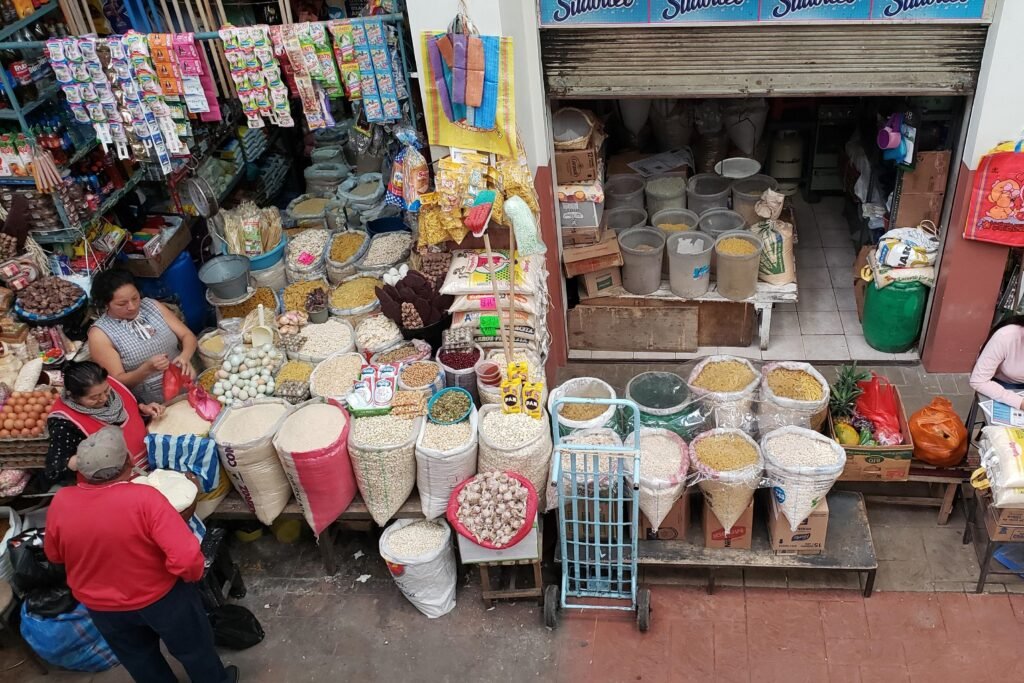
For travellers who prefer to roll up their sleeves and learn the mechanics of Ecuadorian cooking, this half-day workshop offered by Cuenca Bestours is top-tier. The experience starts with a private, guided trip to a bustling neighbourhood market, where you will interact with local farmers, learn to identify exotic tropical fruits (granadilla, lulo, maracuyá), and hand-select fresh produce and herbs. Afterwards, you travel to a welcoming local home kitchen to prepare a traditional multi-course Ecuadorian meal from scratch under expert instruction.
Key highlights
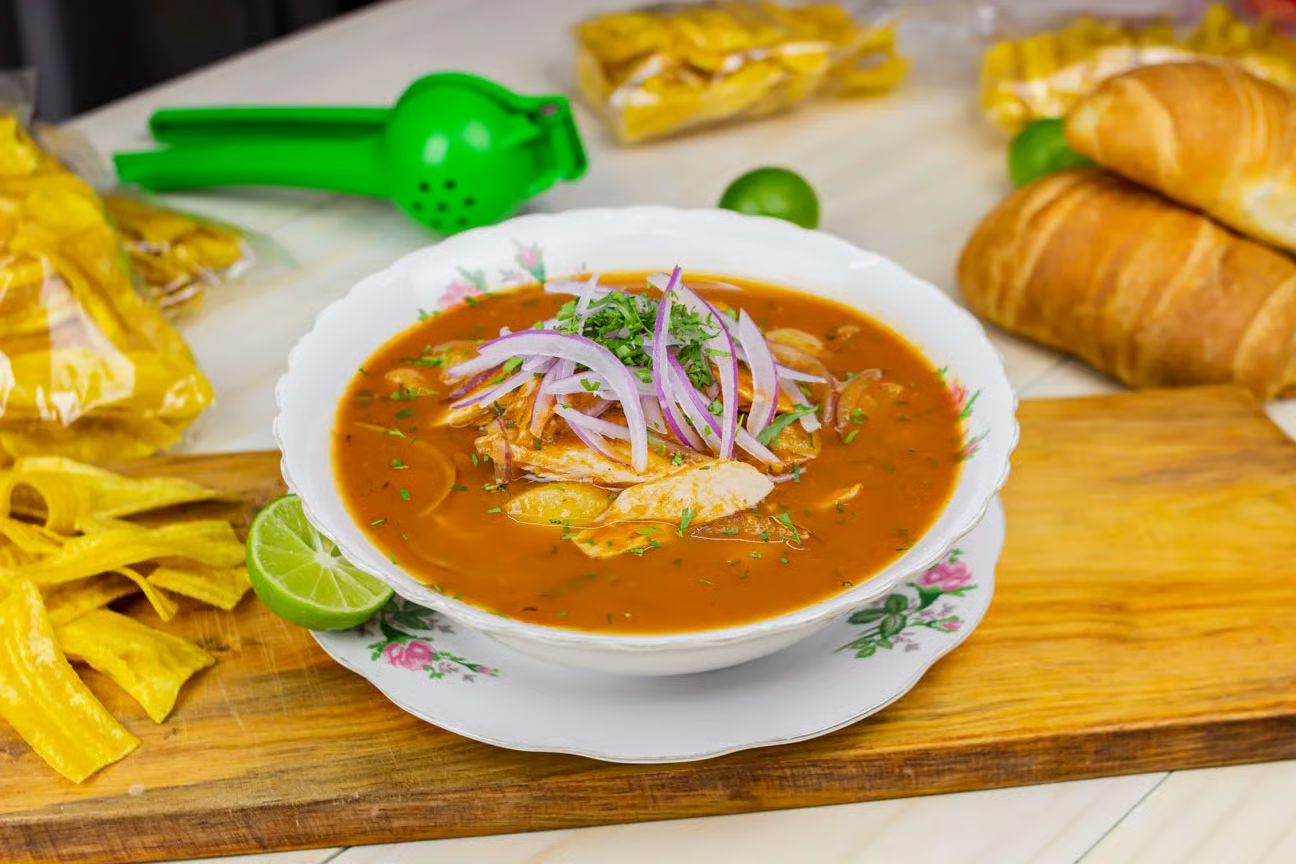
- Locro de Papas: Master the secrets of Ecuador’s national soup—a creamy, comforting potato soup infused with achiote, topped with fresh avocado and salty highland cheese
- Market Sourcing: Learn how to select the correct potato varieties (papa chola) necessary for achieving the ultimate velvety soup texture
- Classic Main Course: Prepare traditional ceviche or hearty seco de pollo (braised chicken stewed with beer, naranjilla, and cilantro)
- Artisanal Refreshment: Squeeze and blend fresh Andean tree tomatoes to make homemade jugo de tomate de árbol
Ideal for
Hands-on home cooks, flexitarians (dietary restrictions including vegetarian and vegan diets are accommodated with advance notice), and travellers seeking genuine cross-cultural connection in a private home setting.
Local insight
Potato classification in the Ecuadorian Andes is a serious business. Never substitute generic baking potatoes when making locro de papas at home. You need starchy, yellow-fleshed papa chola, which breaks down during simmering to create a naturally thick, silky broth without adding flour or cream.
The Ecuadorian Amazon.
The most biodiverse place in the world
Comprehensive tasting feast in an authentic Andean home
Rating & reviews
4.8 / 5 stars (100+ verified reviews on GetYourGuide)
Why this tour stands out
If walking long distances through noisy markets isn’t your preference, this curated three-hour tasting feast offers an extraordinary alternative. Hosted inside an instructor’s home in Cuenca, this experience presents a seated, narrative-driven banqueting session featuring over 32 distinct Ecuadorian dishes and traditional beverages.
It acts as a comprehensive masterclass in southern Ecuadorian gastronomy, blending ancestral indigenous Cañari ingredients, colonial Spanish influences, and modern regional fusion concepts.
Key highlights
- 32 Distinct Flavours: An expansive tasting menu including golden llapingachos, artisanal highland cheeses, delicate hand-folded empanadas, and slow-cooked stews
- Traditional Beverage Pairings: Sip hot, spiced canelazo (a comforting drink cooked with cinnamon, aguardiente, and naranjilla), fermented corn chicha, and regional craft beers
- Cultural Storytelling: Learn about the historical evolution of Azuayan ingredients from a local culinary expert while relaxing in a convivial environment
- Wine & Craft Pairings: Selected dishes are paired with Ecuadorian wines and local small-batch brews
Ideal for
Food historians, couples, solo travellers wanting a social dining setting, and anyone with mobility considerations who prefers a seated tasting over an extended walking tour.
Local culinary insight
Canelazo is the ultimate Andean nightcap. Served steaming hot in small glasses, it is designed to combat the brisk mountain air that rolls down from Cajas National Park after sunset. Take slow sips, as the combination of high altitude and warm sugarcane alcohol (aguardiente) can take you by surprise!
Hidden gems & neighbourhood flavours in Cuenca’s secret corners
Rating & reviews
(9+ verified reviews on Viator)
Why this tour stands out
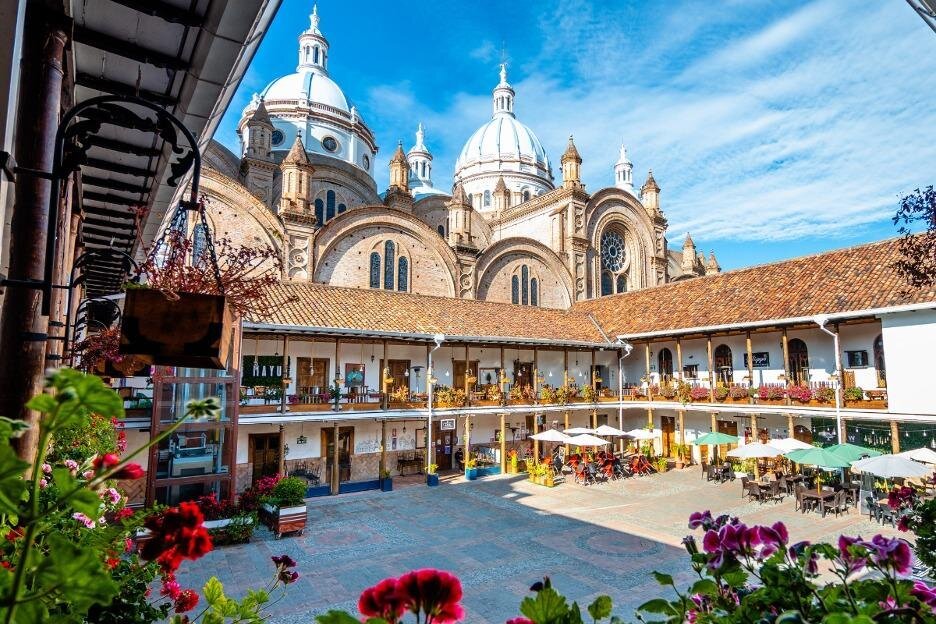
If you want to bypass the standard tourist trail along Calle Larga and taste Cuenca where locals actually eat, this intimate small-group experience is ideal. Designed specifically to uncover the city’s lesser-known culinary hideaways, the tour takes you off the main plazas and into quiet, residential neighbourhoods, family-run kitchens, and hidden courtyard eateries.
Your local guide introduces you to artisan producers and family proprietors who have spent decades perfecting regional recipes away from the main tourist crowds, offering an authentic narrative of Azuayan food culture.
Key highlights
- Off-the-Beaten-Path Tastings: Sample traditional street food and local comfort dishes at understated neighbourhood spots where menu boards are written solely in chalk
- Artisanal Beverages: Sip authentic highland drinks, from warm, spiced canelazo to freshly pressed tropical fruit juices and traditional fermented brews
- Savoury Mountain Snacks: Enjoy golden, sugar-dusted empanadas de viento stuffed with melted cheese, alongside freshly made humitas and crisp chicharrón
- Local Storytelling: Gain insight into how traditional Andean cooking methods have been preserved within local homes and neighbourhood micro-eateries
Ideal for
Independent travellers, small groups, and curious foodies who want an intimate, off-the-beaten-track culinary exploration with deep local connection.
Local insight
When exploring hidden neighbourhood eateries in Cuenca, keep an eye out for small, unpretentious establishments displaying a picantería or chichería sign. These are often where you will find the most authentic regional recipes, cooked using methods passed down through generations rather than adapted for Western palates.
The Galápagos.
Ecuador’s Enchanted Isles
Bean-to-bar cacao & artisanal chocolate masterclass
Rating & reviews
(11+ verified reviews on GetYourGuide)
Why this tour stands out
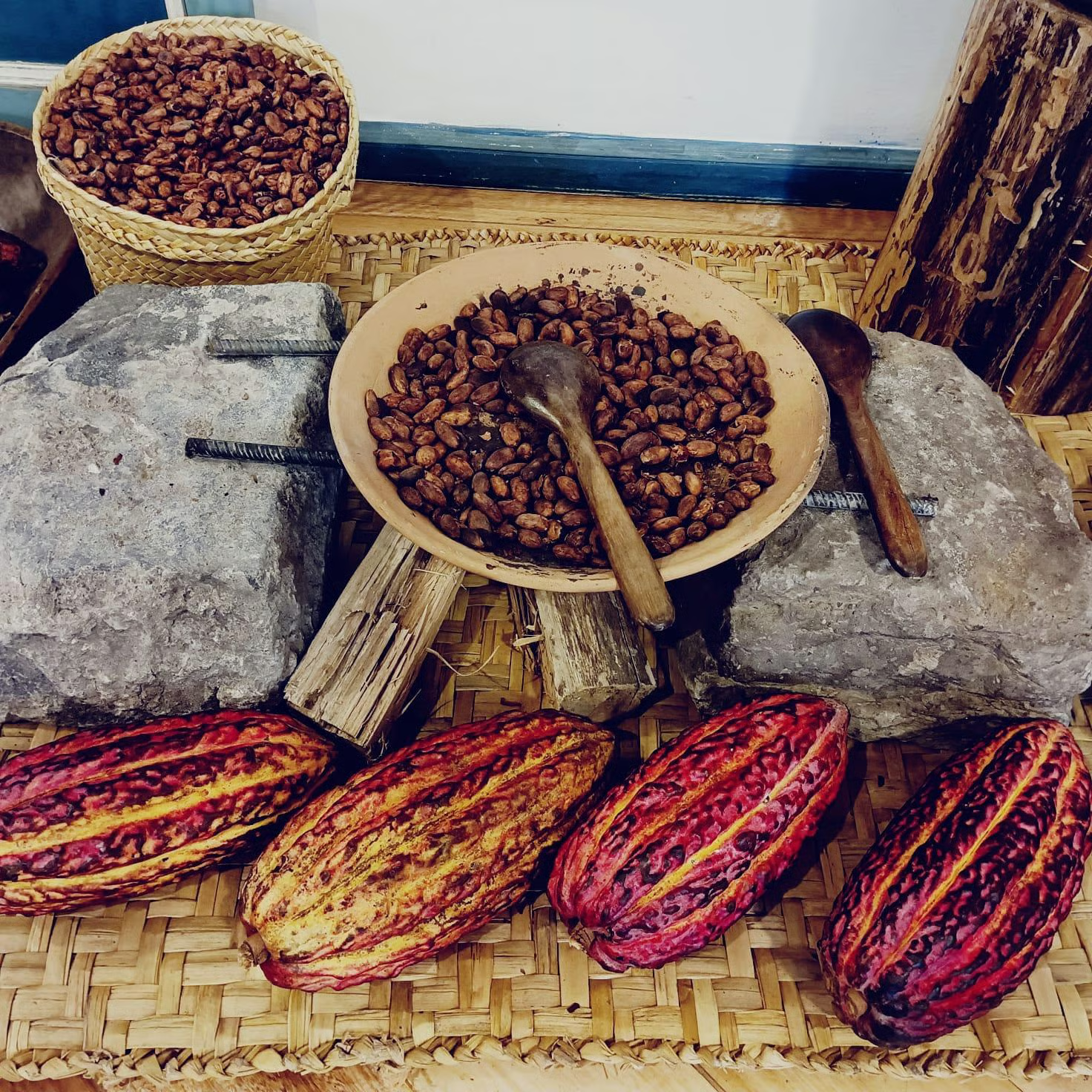
Ecuador is internationally celebrated as the birthplace of fine-aroma cacao (Cacao Arriba or Nacional). This two-hour interactive workshop at the Museo del Chocolate Huachi in central Cuenca provides a deep dive into the history, botany, and production of Ecuadorian chocolate.
Guided by expert chocolatiers, you will transition from learning about raw cacao pods to roasting, winnowing, grinding, and tempering your own custom chocolate bars to take home.
Key highlights
- Cacao History: Discover how ancestral Amazonian cultures consumed cacao thousands of years before European contact
- Hands-On Crafting: Roast fermented cacao beans, husk them by hand, and grind them on traditional stone mills
- Custom Bar Creation: Mould your own 70% dark chocolate bar, customising it with local Andean sea salt, nibs, dried fruits, or chilli peppers
- Tasting Ceremony: Enjoy a cup of frothy, hot cacao paired with crisp, traditional biscochos
Ideal for
Chocolate connoisseurs, families travelling with children, and travellers looking for an engaging indoor culinary workshop in the historic quarter.
Local culinary insight
True Ecuadorian Arriba cacao is prized globally for its floral (jasmine, orange blossom) and fruity tasting notes rather than simple bitterness. When making your bar, avoid adding too much sugar; a pinch of coarse sea salt or dried chilli will elevate the native floral aroma of the bean.
In-depth southern Andean home cooking & beverage workshop
Rating & reviews
(26+ verified reviews on Viator)
Why this specific tour stands out
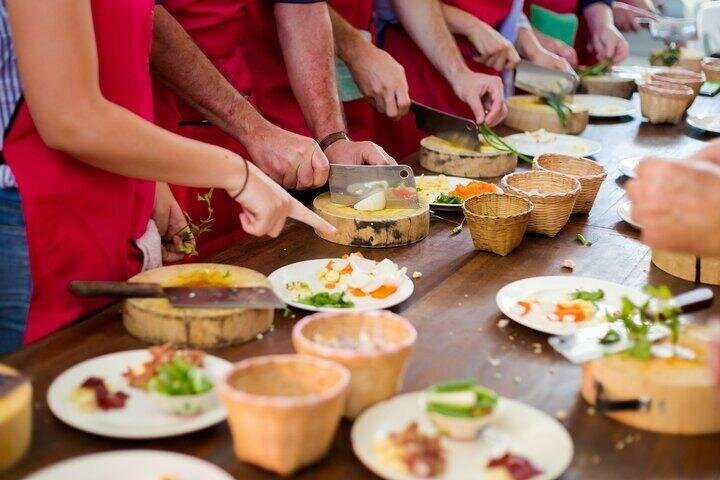
Hosted by Cuenca Bestours in a private family residence near Plaza de San Sebastián, this intensive, four-hour cooking marathon is the ultimate deep dive into Azuayan domestic cooking. Rather than just making one or two simple items, guests work alongside a master home cook to prepare an impressive array of nine distinct recipes.
The atmosphere is warm, relaxed, and highly social, complete with bottomless traditional fruit drinks, house-made cordials, and local craft beverages.
Key highlights
- Nine Traditional Recipes: Learn to cook mote sucio (hominy tossed with crispy pork drippings), golden llapingachos, Andean potato soups, cooked salsas, and traditional desserts
- Mastering Ají Salsas: Learn the art of making fresh Ecuadorian table condiments, including ají de tomate de árbol (tree tomato hot sauce) and creamy ají de maní (peanut chilli sauce)
- Convivial Feast: Sit down with your host family to enjoy a long, leisurely lunch, enjoying everything cooked during the workshop
- Recipe Collection: Take home a booklet of detailed, repeatable recipes so you can recreate authentic Ecuadorian dishes in your own kitchen
Ideal for
Passionate home chefs, solo travellers seeking an authentic family-style gathering, and food lovers who want an exhaustive hands-on cooking education.
Local culinary insight
In Ecuadorian homes, no table is complete without fresh ají. The secret to authentic ají de tomate de árbol lies in poaching the tree tomatoes until the skins split, blending the pulp with fresh red habanero or rocoto chilli, and stirring in finely diced raw red onion and fresh cilantro at the very end to preserve crunch and brightness.
The Ecuadorian Coast.
Where you’ll find the very best food
Our practical Cuenca food tour & dining guide
To help you get the most out of your culinary exploration in Cuenca, here are five essential practical guidelines:
Cash is essential at markets & street stands
While modern restaurants in central Cuenca accept credit cards, market vendors, fruit sellers, and street stands operate exclusively on cash. Ecuador uses the US dollar ($). Vendors rarely have change for large notes; always carry $1 and $5 bills, along with loose $1 and $25-cent coins. Trying to pay for a $1.50 humita with a $20 note will cause major headaches for market caseras.
Hydration & altitude management
At 2,560 metres altitude, dehydration occurs much faster than at sea level. The mountain air is cool but dry. Avoid tap water; drink bottled or filtered water throughout your food tours. When sampling street drinks, ensure ice is made from purified water (reputable tours strictly use filtered ice). Staying hydrated also helps prevent mild altitude headaches during walking tours.
Dietary requirements & vegetarian advice
Highland Ecuadorian cuisine relies heavily on pork (hornado, fritada), chicken, and meat broths (caldos). While market stalls are meat-heavy, dishes like llapingachos, humitas, locro de papas, and fresh fruit batidos are naturally vegetarian. If you have strict vegetarian, vegan, or gluten-free requirements, notify your tour operator in advance. Dedicated home cooking classes (such as those hosted via Viator) offer the best flexibility for custom plant-based menus.
Market safety & hygiene standards
Food markets in Cuenca, such as Mercado 10 de Agosto, are clean, well-regulated, and welcoming. Look for stalls with high customer turnover—a busy queue of local families is the best seal of approval for fresh, safely prepared food. If eating raw fruits purchased independently, stick to peelable varieties like granadilla, banana, and maracuyá.
Pace yourself during multi-stop tastings
Portion sizes in the Ecuadorian Andes are famously generous. Highland food is calorie-dense, packed with carbohydrates like corn, potatoes, and plantains, designed to sustain mountain workers. Pace yourself! Take small bites at early stops, drink plenty of water between tastings, and resist the urge to finish every large plate presented during market crawls.
Why Cuenca’s culinary soul is best tasted slow
At its core, food in the southern Ecuadorian Andes is far more than mere sustenance. It is a living record of cultural resilience, woven from indigenous Cañari agricultural traditions, Spanish colonial influences, and the quiet dedication of families who have worked the same market stalls and home kitchens for generations. When you sit down to a steaming bowl of locro de papas or watch a market casera skillfully carve crisp hornado at Mercado 10 de Agosto, you are participating in a culinary rhythm that has defined life along Cuenca’s four rivers for centuries.
Stepping off the beaten path and into these spaces requires a willingness to embrace slow, conscious travel. By swapping sanitised tourist menus along Calle Larga for guided market trails, street food walks, and hands-on cooking workshops, you do more than just taste authentic regional flavours—you help sustain the local foodways that give Cuenca its distinct identity. Your tourism dollars go directly to independent farmers bringing heirloom potatoes down from the high páramo, artisanal cacao producers preserving fine-aroma beans, and neighbourhood cooks who take immense pride in sharing their heritage.
Whether you are sipping hot, spiced canelazo as the mountain air cools at dusk, mastering the crunch of a perfect llapingacho, or hand-grinding roasted cacao on a stone mill, Cuenca rewards those who travel with curiosity and an open appetite. Pack a comfortable pair of walking shoes, bring a handful of small dollar coins, and prepare to discover one of South America’s most understated and unforgettable gastronomic destinations.
Affiliate Disclaimer: Some of the links on Wheely Tyred are affiliate links. If you click through and make a booking or purchase, we may earn a small commission at no extra cost to you. We only recommend gear, tours, stays, and services we genuinely use, trust, and stand behind — our editorial independence always comes first. These commissions help keep our independent cycling guides and travel stories free to read. Thanks for supporting the ride!
Frequently asked questions about the best Cuenca food tours
Basic polite etiquette goes a long way in highland markets. Greet stallholders with a warm “Buenos días” or “Buenas tardes”, and address female vendors respectfully as “casera”. Pointing clearly to dishes and showing small coins or notes makes ordering straightforward. However, joining a small-group walking tour led by a local guide bridges language barriers, explains complex native ingredients, and introduces you directly to family stallholders.
Cuenca’s municipal markets and established street stalls are clean, well-regulated, and heavily patronised by local families. The best rule of thumb is to look for stalls with high customer turnover, as a steady queue guarantees fresh, hot food. Stick to freshly cooked dishes served straight from the cauldron or grill, and choose peelable fruits like granadilla, banana, and maracuyá when buying produce independently.
While all three are traditional steamed wrapped snacks served across the city, their ingredients and leaf wrappings differ significantly:
Humitas: Ground fresh sweet corn blended with cheese and steamed inside green corn husks
Quimbolitos: A light, cake-like sweet batter steamed inside glossy, broad achira leaves
Tamales: Seasoned cornmeal dough stuffed with spiced chicken or pork and wrapped tightly in banana leaves
While highland Azuayan cuisine is meat-heavy—relying on pork, chicken, and rich broths—plant-based travellers still have delicious options. Dishes like llapingachos (seared potato cakes), humitas, locro de papas (always double-check if meat stock was used), fresh fruit batidos, and cheese empanadas are naturally meat-free. For a tailored experience, booking a private home cooking class allows local hosts to easily adapt classic recipes into vegetarian or vegan versions.
Ecuador uses the US dollar ($). While established restaurants, cafes, and hotels in the historic centre accept credit cards, market vendors, bakery counters, and street stands operate strictly on cash. Small stallholders rarely have change for $20 notes. Carrying a pocketful of $1 and $5 bills, alongside $1 and 25-cent coins, makes transactions smooth and avoids causing inconvenience to market vendors.
At 2,560 metres altitude, your body dehydrates more quickly and the effects of alcohol are amplified. Drink plenty of bottled or filtered water throughout the day, and take it easy when sampling warm alcoholic drinks like canelazo. Because highland Andean food is hearty and calorie-dense—packed with corn, potatoes, and plantains—pacing yourself during multi-stop tastings makes digestion far more comfortable.
Ecuador.
Pure wonder on the equator.