Sailing the Enchanted Isles / The 6 best Galápagos boat tours and coastal day cruises
Discover the top small-group boat trips, snorkelling excursions, and day cruises across the Galápagos Islands
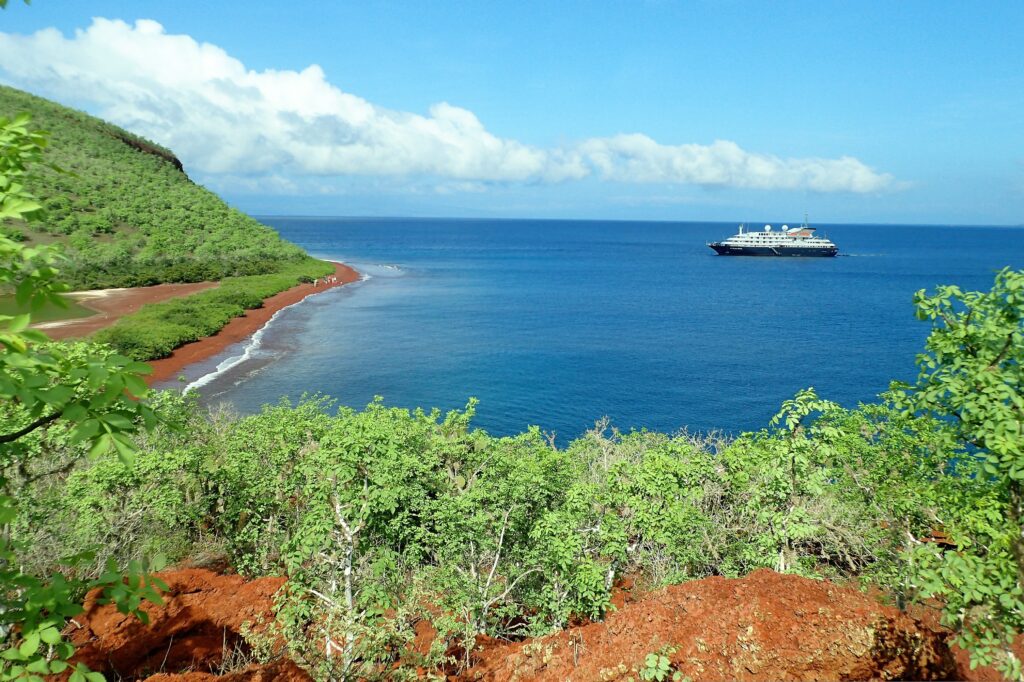
Experience wildlife-rich volcanic coastlines, marine arches, and unspoiled island coves
BEN FINCH
At Wheely Tyred, we have always maintained that the world’s most extraordinary landscapes reveal their true character when viewed with time to take it all in. Nowhere on Earth is this philosophy truer than in the Galápagos Islands. Scattered across the Pacific Ocean 600 miles off the Ecuadorian mainland, this isolated volcanic archipelago was forged by submarine eruptions and shaped by ocean currents.
While island-hopping via land-based hotels has grown in popularity, relying solely on inter-island passenger ferries often means long, bumpy rides in enclosed hulls, missing the spectacular coastal scenery and marine life that thrives just offshore.
To experience the Galápagos authentically, you need to step aboard a dedicated, small-group day yacht, coastal motor launch, or Zodiac. Navigating these protected waters alongside certified Galápagos National Park naturalist guides gives you access to uninhabited islands, marine wildlife sanctuaries, and shallow lava formations where giant sea turtles, playful sea lions, marine iguanas, and rare Galápagos penguins feed and rest.
We have researched, vetted, and selected six top-rated, eco-conscious boat tours and day cruises across Santa Cruz, San Cristóbal, and Isabela Islands. Whether you are seeking a high-pinnacle view of volcanic cinder cones, deep-water snorkelling alongside hammerhead sharks, or drifting through calm lava arches, these small-boat excursions offer the ultimate water-based adventures in the Enchanted Isles.
Nautical highlights / The essential Galápagos coastal guide
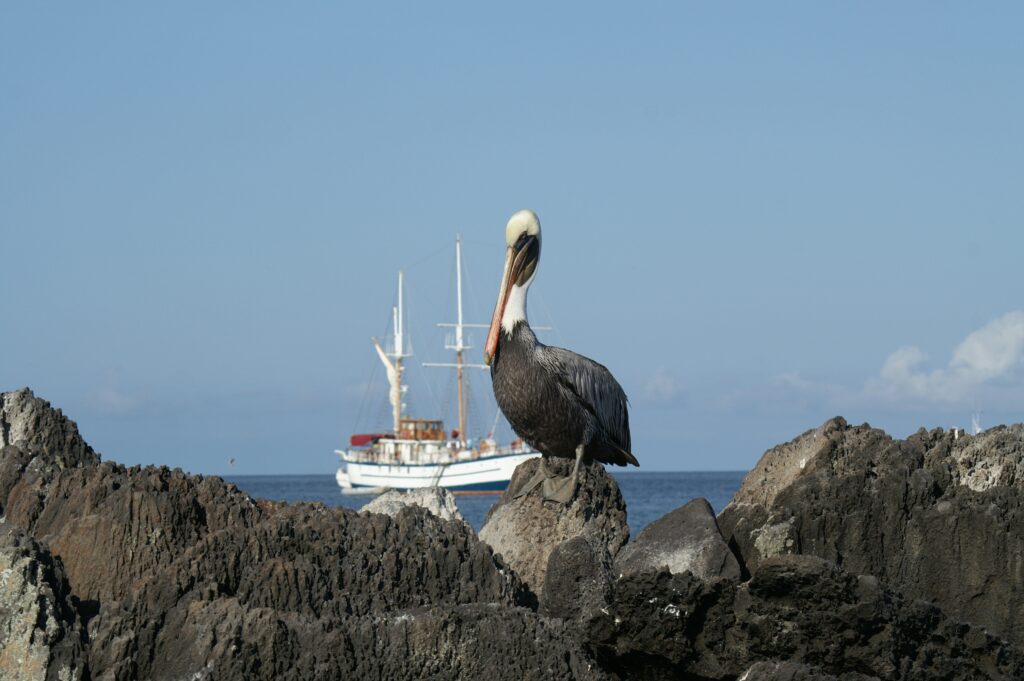
Navigating the volcanic marine channels of the Galápagos from the deck of a small boat unveils wildlife spectacles invisible from the shoreline. Here are the defining takeaways for planning an autonomous maritime journey through Ecuador’s enchanted archipelago:
- Bartolomé Island Summit & Snorkel: Scale 372 steps for the iconic Pinnacle Rock panorama before diving in alongside Galápagos penguins and Pacific green sea turtles
- Deep-Ocean Wall Snorkelling: Swim through the dramatic vertical fissure of León Dormido (Kicker Rock) off San Cristóbal to spot schooling hammerheads and spotted eagle rays
- Lava Bridges of Los Túneles: Drift through calm, shallow turquoise channels on Isabela Island where blue-footed boobies nest on natural stone arches
- Uncrowded Waters at Pinzón: Escape high-density tour routes to explore crystal-clear, sheltered coves teeming with resting reef sharks and gliding sea turtles
- Seabird Nesting Colonies: Sail along the uplifted basalt shores of Seymour North to observe magnificent frigatebirds and blue-footed boobies in their natural habitat
- Historical Marine Sanctuaries: Journey south to Floreana to drop postcards into the 18th-century whalers’ wooden barrel at Post Office Bay and snorkel at Cormorant Point
- Small-Vessel Slow Travel: Choose small-group day yachts and local eco-skippers over massive cruise ships to ensure minimal environmental impact and direct local support
The Galápagos.
Ecuador’s Enchanted Isles
1. Climbing volcanic cinder cones and snorkelling with penguins
Rating & reviews
(13+ verified reviews on GetYourGuide)
Why this specific tour stands out
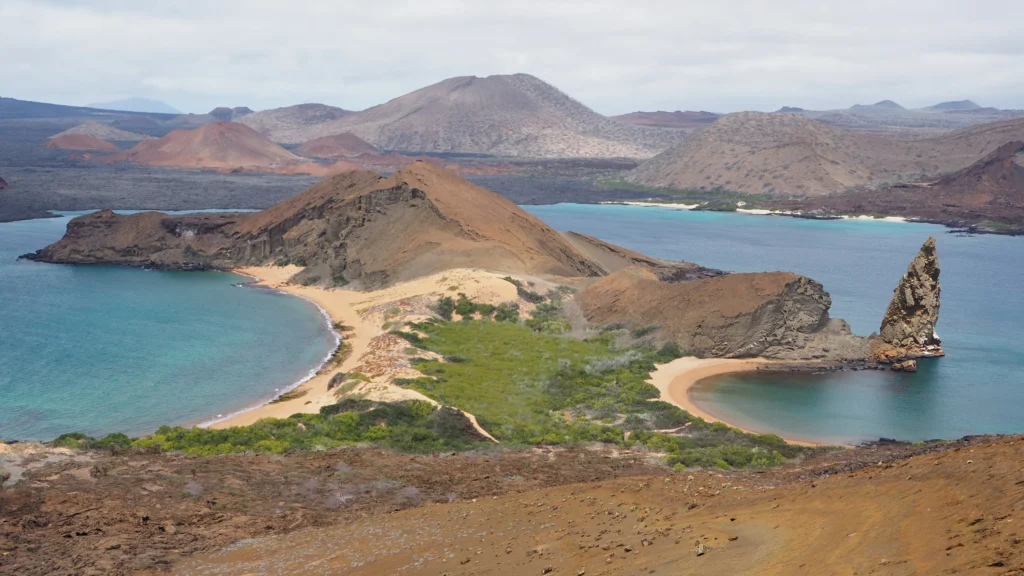
Bartolomé Island offers the quintessential Galápagos landscape photograph: the dramatic, towering obelisk of Pinnacle Rock rising above golden beaches and coal-black lava fields. Navigating out from the Itabaca Channel aboard a spacious, passenger-restricted yacht, this day cruise brings you to one of the youngest and most visually arresting islands in the archipelago. The tour balances a guided wooden-boardwalk ascent to the island’s 114-metre summit with an unforgettable coastal boat navigation around Sullivan Bay.
Key highlights
- Pinnacle Rock Summit Hike: Walk up 372 steps along a wooden boardwalk through lunar-like spatter cones and lava tubes to reach the archipelago’s most famous panoramic lookout
- Penguin & Sea Lion Snorkel: Swim in the calm, sheltered cove around Pinnacle Rock, home to a resident colony of endemic Galápagos penguins, sea turtles, and harmless white-tip reef sharks
- Sullivan Bay Navigation: View the stark, pleated pahoehoe lava flows of neighbouring Santiago Island from the yacht’s open-air deck
- Full Onboard Hospitality: Includes fresh buffet lunch, afternoon tea, hot coffee, and full snorkelling gear (wetsuits provided during cooler sea currents)
Ideal for
Photographers, geology enthusiasts, and travellers eager to see Galápagos penguins in their natural aquatic habitat.
Local maritime insight
The crossing from Itabaca Channel to Bartolomé takes approximately two hours each way across open water. Wind speeds often pick up around mid-morning. We recommend grabbing a seat on the lee side (protected side) of the yacht’s lower deck on the outbound journey to keep dry from salt spray and chill.
2. Plunging into vertical underwater walls at the ocean monolith
Rating & reviews
(2+ verified reviews on Viator)
Why this specific tour stands out
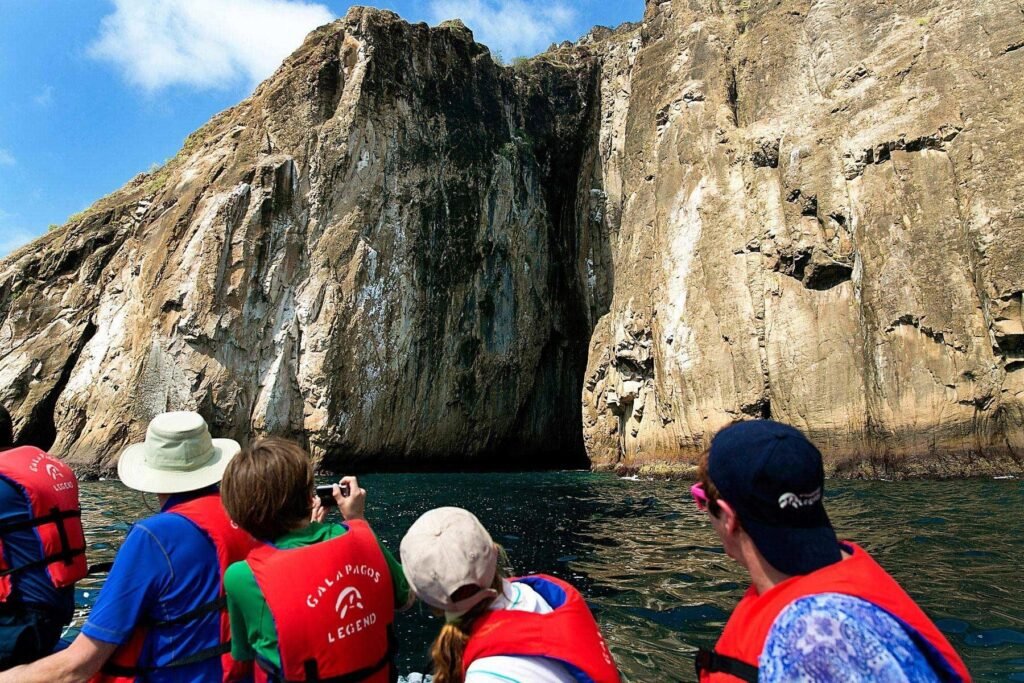
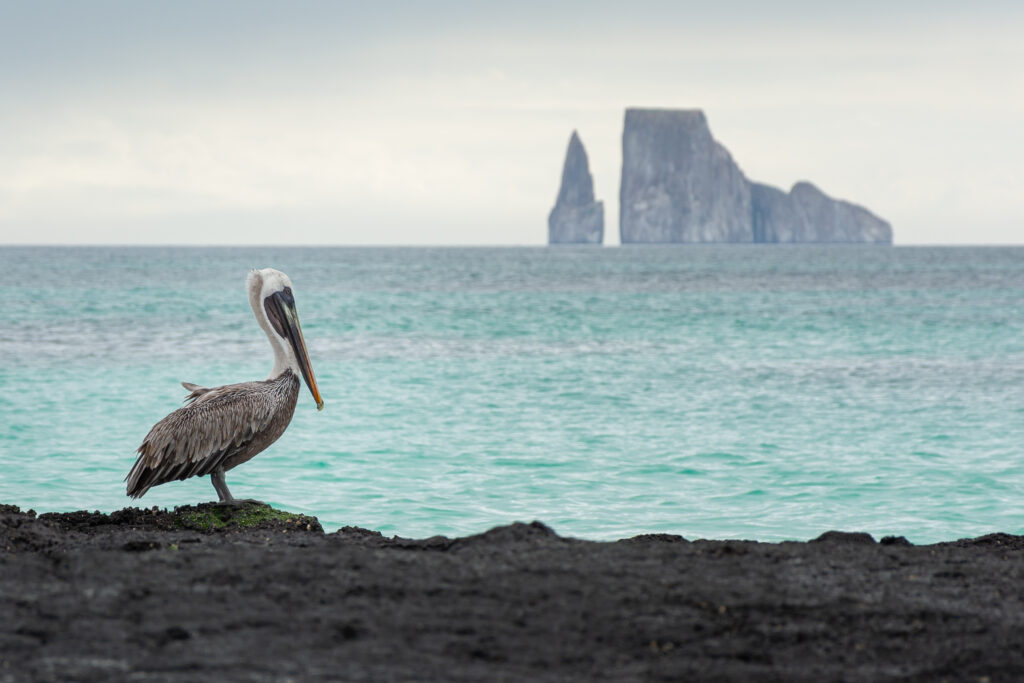
Rising nearly 150 metres straight out of the Pacific Ocean, León Dormido (Kicker Rock) is an eroded ash cone split into two colossal vertical rock faces. This small-boat excursion takes travellers out from San Cristóbal to snorkel through the narrow ocean channel formed between the monoliths. Because the water depth drops significantly, this trip provides a thrilling vertical marine encounter where pelagic species navigate the deep ocean currents.
Key highlights
- Monolith Navigation: Cruise right up to the sheer basalt cliffs where blue-footed boobies, Nazca boobies, and frigatebirds nest along the rock ledges
- Deep-Water Snorkel Channel: Drift between the vertical walls to spot Galápagos sharks, hammerhead sharks, eagle rays, green sea turtles, and vast shoals of salema fish
- Desolate Beach Stop: Combine your deep-water swim with a relaxed landing at Cerro Brujo or Puerto Grande beach to walk among marine iguanas
- Eco-Trained Crew: Led by a Level-3 Galápagos National Park marine guide trained in open-water safety and marine life tracking
Ideal for
Confident swimmers, marine biology fans, and adventurous snorkellers looking for close encounters with pelagic shark species.
Local maritime insight
The ocean channel at Kicker Rock can experience notable thermoclines—sudden drops in water temperature as deep ocean currents wash through the fissure. Always accept the offered 3mm neoprene wetsuit, even in the warm season, to remain comfortable in the water for the entire 45-minute drift.
The Ecuadorian Sierra.
Get lost in the hills
3. Drifting through natural lava arches and coral channels
Rating & reviews
(20+ verified reviews on GetYourGuide)
Why this specific tour stands out
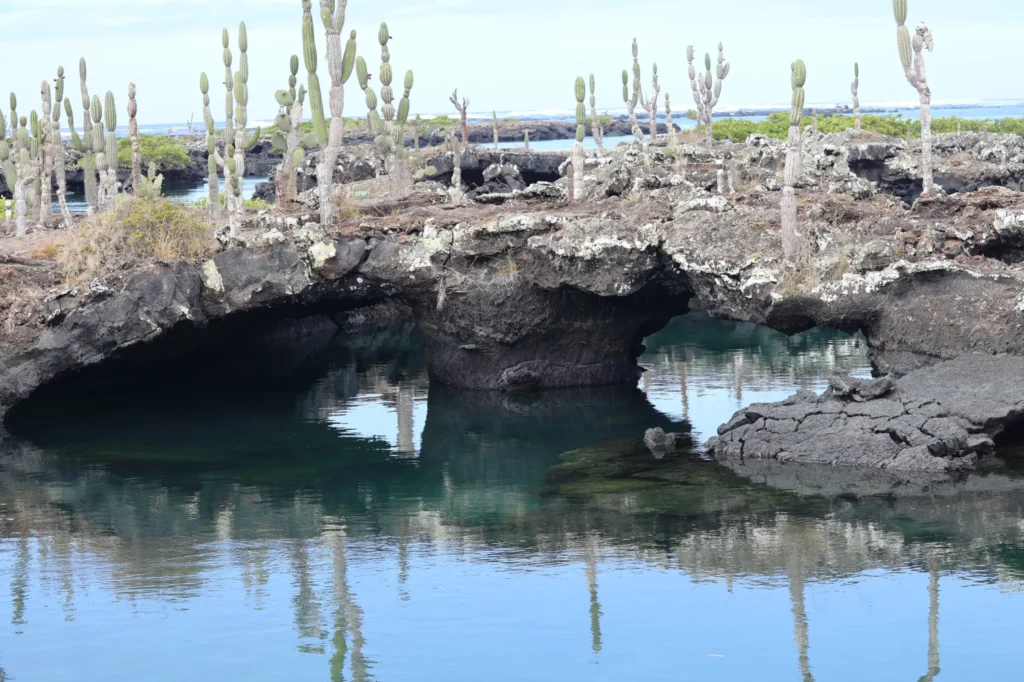
Located near Cabo Rosa on the southwestern coast of Isabela Island, Los Túneles is widely considered one of the most unique coastal formations in the Galápagos. Ancient lava flows collapsed into the sea here, creating a labyrinth of natural stone bridges, arches, and crystal-clear turquoise channels sheltered from ocean swells. This small-boat excursion skillfully navigates the outer breaking surf to enter the calm inner waters where wildlife thrives in astonishing density.
Key highlights
- Lava Arch Walk: Disembark on natural rock platforms where blue-footed boobies nest, perform courtship dances, and raise chicks just feet from the walking path
- Shallow Lagoon Snorkel: Swim through glass-calm channels to spot Pacific green sea turtles resting on the sandy seabed, harmless white-tip reef sharks sleeping under lava shelves, and delicate seahorses clinging to red mangroves
- Expert Local Handling: Skilful boat captains carefully time the entry through the surf break, ensuring a safe, smooth passage for all passengers
Ideal for
Travellers who prefer calm, shallow water swimming, families, birdwatchers, and underwater macro photography enthusiasts.
Local maritime insight
Entering the outer reef at Los Túneles requires navigating a narrow gap where ocean swells roll in. Listen closely to your captain’s instructions: all passengers must remain seated and hold onto the handrails while crossing the surf zone into the inner lagoon.
4. Uninhabited island exploration and pristine bay snorkelling
Rating & reviews
(1+ verified reviews on Viator)
Why this specific tour stands out
For travellers looking to escape the busiest tourist routes, Pinzón Island offers an unspoiled, uncrowded alternative. Situated off the western coast of Santa Cruz, this small, uninhabited island is strictly protected by the National Park. Landings are not permitted on the island itself, making this a pure water-based adventure. Small boats anchor in sheltered, turquoise coves where visibility often exceeds 15 metres.
Key highlights
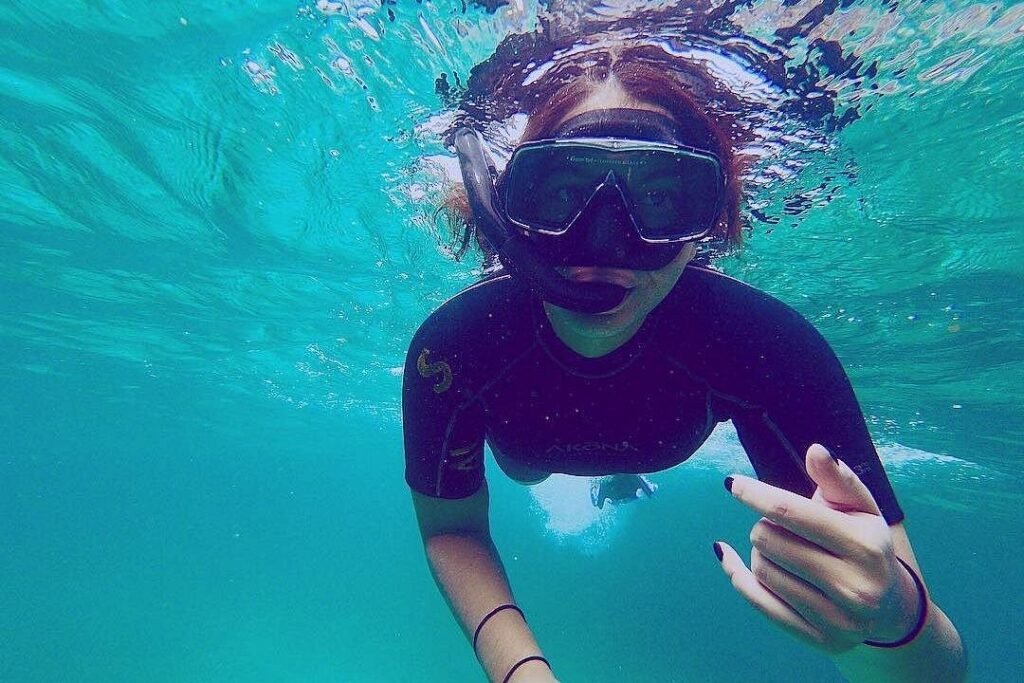
- Penguin Bay Snorkelling: Drift in calm waters alongside juvenile sea lions, marine iguanas feeding on underwater algae, spotted eagle rays, and reef fish
- Secluded La Fé Anchorage: Cruise along the coastline of Santa Cruz on the return leg to drop anchor at La Fé, a secluded beach backed by mangroves and Opuntia cacti
- Surface Fishing Experience: Watch the crew demonstrate sustainable catch-and-release fishing techniques during the open-water transit (subject to park zoning)
- Small-Group Intimacy: Restricted to a maximum of 10 to 12 passengers per boat, guaranteeing personalised attention from your naturalist guide
Ideal for
Snorkellers seeking high underwater visibility, peaceful anchorages, and an unhurried day away from large tour groups.
Local maritime insight
Pinzón Island sits in an open channel where equatorial sun reflection off the clear water is intense. Standard sunscreen washes off quickly and can harm marine life. Wear a long-sleeved UPF 50+ rash guard or thin wetsuit while snorkelling to protect against both sunburn and cool currents.
The Ecuadorian Amazon.
The most biodiverse place in the world
5. Marine iguana colonies and frigatebird nesting grounds
Rating & reviews
(10+ verified reviews on Viator)
Why this specific tour stands out
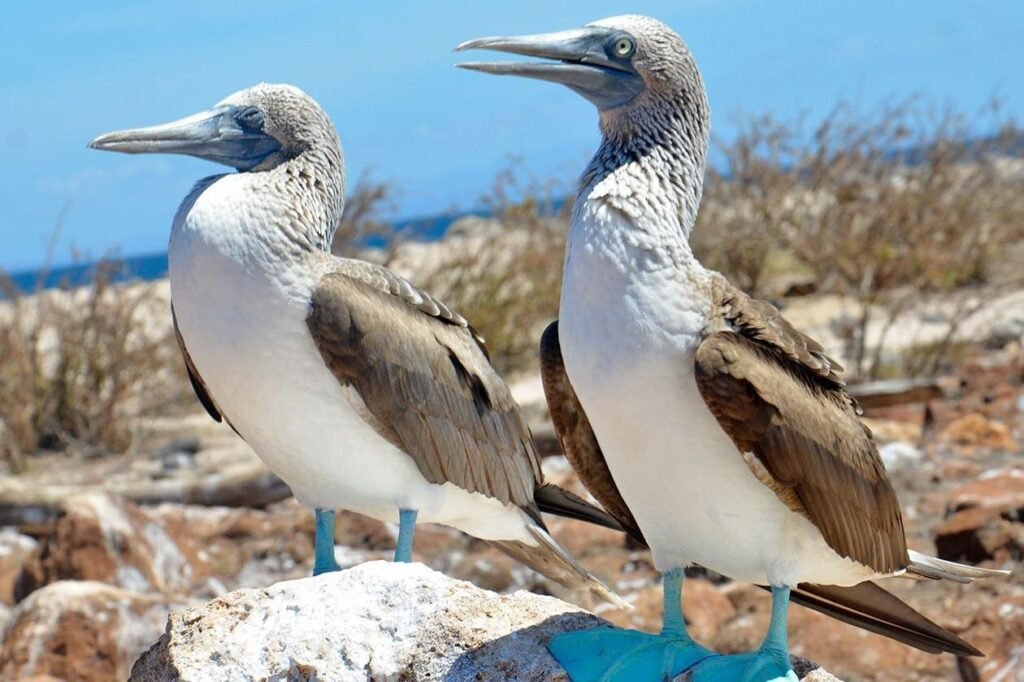
Seymour North is one of the premier wildlife-viewing sites in the archipelago. Formed by seismic uplift rather than a volcanic cone, this flat, rocky island features a two-kilometre trail through nesting colonies of magnificent frigatebirds and blue-footed boobies. Cruising to Seymour North aboard a comfortable day yacht gives travellers a front-row seat to coastal bird colonies and playful sea lions along the black basalt shorelines.
Key highlights
- Guided Wildlife Shore Walk: Land on the dry basalt rocks to walk among male frigatebirds inflating their red throat pouches and boobies performing mating rituals
- Las Bachas Beach Landing: Sail to the soft coral sand beach of Las Bachas on northern Santa Cruz to spot sea turtle nesting pits and pink flamingos in the coastal lagoon
- Coastal Water Snorkel: Explore the rocky coastline around Las Bachas beach, home to colourful parrotfish, damselfish, and swimming marine iguanas
- Top-Tier Marine Vessel: Enjoy modern amenities, wide sun decks, and an indoor dining lounge during the sail
Ideal for
Birdwatchers, wildlife photographers, and travellers seeking a balanced mix of island walking and coastal snorkelling.
Local maritime insight
Disembarking at Seymour North involves a dry landing onto smooth, black basalt rock that can be slick with algae. Wear sturdy, closed-toe water shoes or lightweight hiking sandals with rubber grips rather than smooth-soled flip-flops.
6. Remote island history, pink flamingos, and deep-water marine life
Rating & reviews
(6+ verified reviews on GetYourGuide)
Why this specific tour stands out
While standard public ferries to Floreana Island drop passengers at the main settlement, this specialised small-group tour sails directly to the island’s uninhabited northern tip at Cormorant Point. Bypassing crowded tourist areas, this day trip explores two distinct beaches—one with greenish olivine sand and another of powdery white coral—before taking travellers to deep-water snorkelling spots near Enderby Islet.
Key highlights
- Cormorant Point Exploration: Take a guided walk across the olivine beach to a brackish lagoon inhabited by American flamingos, pintail ducks, and stilts
- Flour Sand Beach: Visit the white coral beach on the opposite side of the point to spot stingrays gliding through the shallow breaking waves
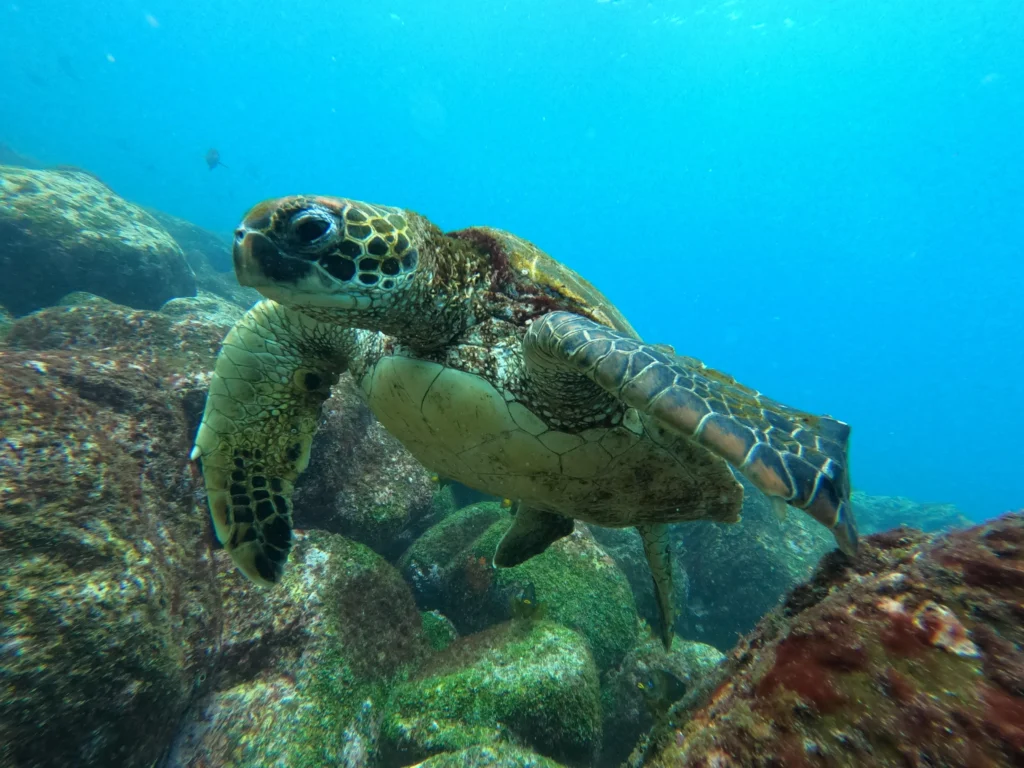
- Enderby Islet Deep-Water Snorkel: Swim in open waters where current movements attract sea turtles, rays, tropical fish, and occasional hammerhead sharks
- Small-Group Exclusivity: Limited to 12 guests per departure for a quieter, personal connection with the natural surroundings
Ideal for
Keen birdwatchers, off-the-beaten-track explorers, and travellers fascinated by both human maritime history and pristine marine habitats.
Local maritime insight
The ocean transit between Santa Cruz and Floreana takes nearly two hours across open water. Sea swells can be noticeable from July to November when the Humboldt Current is strongest. Taking preventative motion-sickness medication before boarding in Puerto Ayora will ensure a comfortable journey.
The Ecuadorian Coast.
Where you’ll find the very best food
Our practical guide to Galápagos boat tours & marine safety
1. Pack layers for open-water wind chill
Even though the Galápagos Islands sit on the Equator, sea breezes and boat speeds can create a noticeable wind chill on the open deck. Between June and November, the cold Humboldt Current lowers water and air temperatures. Always bring a windproof jacket, a lightweight fleece layer, and a dry change of clothes in a waterproof dry bag.
2. Respect national park wildlife distances
The Galápagos National Park enforces strict regulations to keep marine and bird species wild and undisturbed. Always maintain a minimum distance of two metres (6.5 feet) from all wildlife, both on land and in the water. Never touch sea lions, sea turtles, or marine iguanas, and avoid swimming directly toward animals. Allow them to approach you on their own terms.
3. Prepare for open-ocean motions
Navigating between islands requires crossing deep ocean channels where ocean swells can be active. If you are prone to seasickness, take non-drowsy motion-sickness tablets at least 45 minutes before stepping onto the boat. Sitting near the back (stern) of the boat on the lower deck provides the most stable ride.
4. Wear proper footwear for wet and dry landings
Galápagos boat tours feature two types of landings:
- Wet Landings: You step out of the dinghy into ankle-deep water onto a sandy or pebbly beach
- Dry Landings: You step directly onto wooden piers or slick basalt rock formations
Pack sturdy, non-slip water sandals or neoprene booties with good tread. Bare feet and slippery flip-flops are not recommended on uneven volcanic trails.
5. Tipping etiquette on day cruises
Boat crews and Galápagos National Park naturalist guides work tirelessly behind the scenes to ensure your safety and comfort. It is standard practice to tip in cash at the end of the excursion. A tip of $10 to $15 per passenger for the guide and $10 to $15 per passenger distributed to the boat crew is widely appreciated for good service.
Leaving only wake behind / Charting a sustainable course in the Galápagos
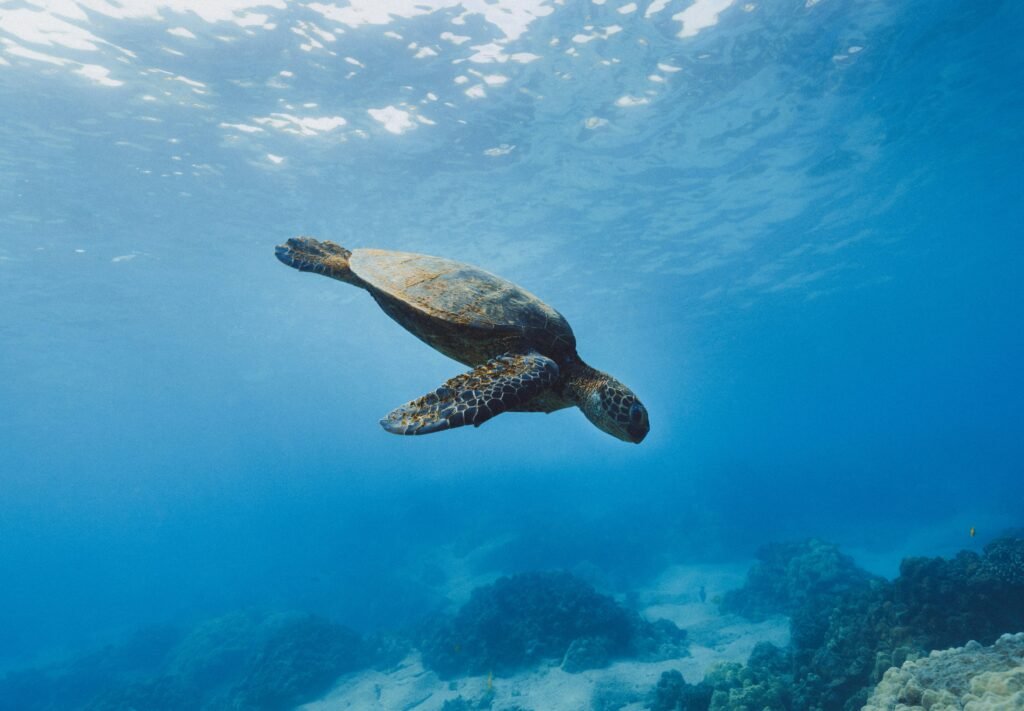
The Galápagos Islands are far more than a checklist of rare wildlife sightings; they represent a delicate, living marine sanctuary governed by complex oceanic forces. Choosing to explore this archipelago from the deck of a small, locally skippered vessel honours that natural equilibrium. Stepping away from large commercial cruise liners allows you to adopt a slower, more intentional rhythm—one dictated by ocean swells, tide shifts, and the subtle movements of marine life.
Whether watching a flightless cormorant plunge into the volcanic channels off Isabela or floating beside a resting sea turtle in the pristine coves of Pinzón, travelling by water provides an authentic perspective that land-based routes cannot match. The Pacific Ocean is the lifeblood of these isolated islands, linking remote lava fields and nurturing endemic species found nowhere else on Earth.
As independent travellers, our privilege comes with an obligation to tread lightly across these protected waters. By adhering strictly to national park guidelines, supporting island-based eco-operators, and respecting local skippers who understand these treacherous currents intimately, we help ensure this marine wonderland remains wild and untamed.
Pack your curiosity, bring a spirit of reverence for the sea, and allow the gentle roll of the equatorial Pacific to carry you through one of the planet’s final true marine frontiers.
Affiliate Disclaimer: Some of the links on Wheely Tyred are affiliate links. If you click through and make a booking or purchase, we may earn a small commission at no extra cost to you. We only recommend gear, tours, stays, and services we genuinely use, trust, and stand behind — our editorial independence always comes first. These commissions help keep our independent cycling guides and travel stories free to read. Thanks for supporting the ride!
Frequently asked questions about the best Galápagos boat tours and day cruises
Yes. All international travellers must pay the Galápagos National Park entrance fee (payable in cash upon arrival at Baltra or San Cristóbal airport) as well as the INGALA Transit Control Card fee at the mainland airport in Quito or Guayaquil. Day cruise prices do not include these official national park admission fees, so carry sufficient dollars with you when travelling.
The archipelago offers excellent water-based exploration year-round, split into two distinct seasons. From December to May, warm ocean temperatures (23°C to 26°C) and calm seas create ideal conditions for swimming and sunny skies. From June to November, the cooler Humboldt Current brings nutrient-rich waters (18°C to 22°C) that attract abundant marine megafauna, though ocean swells increase and a 3mm neoprene wetsuit becomes essential.
Because the Galápagos National Park strictly caps daily visitor permits for uninhabited islands to prevent environmental degradation, vessel allocations fill up rapidly. Independent travellers should book these sought-after day cruises two to three months in advance, particularly if visiting during peak holiday periods (July to August and December to January).
A wet landing involves stepping off a small inflatable dinghy (Zodiac) directly into knee-deep surf onto a sandy or pebbly shoreline. Wear secure water sandals with rubber soles or neoprene reef booties that can handle wet conditions and provide traction over sharp volcanic rock. Avoid smooth-soled flip-flops, as they offer no grip on slick basalt ledges during dry landings.
No. Single-use plastic drink bottles are strictly prohibited across the Galápagos Islands to prevent plastic pollution from entering fragile marine ecosystems. All accredited tour vessels provide filtered drinking water refilling stations onboard; travellers should bring a durable stainless-steel water bottle or flask to stay hydrated throughout the day.
Tipping is a customary way to show appreciation for the hard work of the local crew, deckhands, and licensed naturalist guides. A tip of $10 to $15 per passenger for the boat crew (usually placed in a collective tip box onboard) and $10 to $15 per passenger for the guide is considered standard practice for good service.
Ecuador.
Pure wonder on the equator.