Best places to camp in Cuyabeno / Independent travel guide
A definitive guide to independent rustic stays and sustainable eco-camping
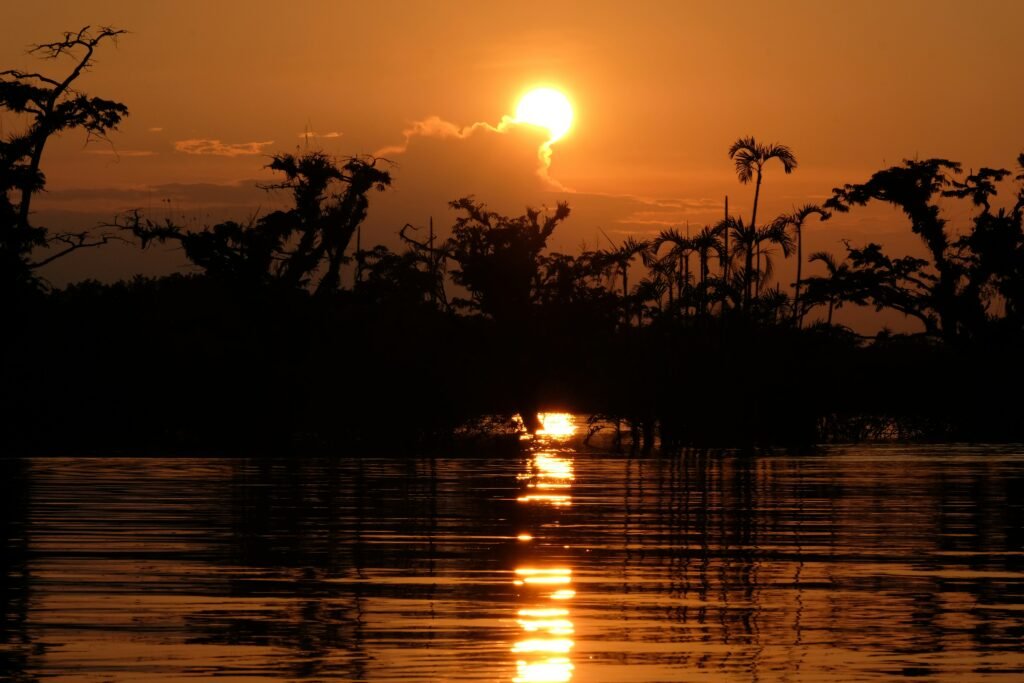
Sleep where the wild world sets the pace and the river dictates the journey
BEN FINCH
The Amazon rainforest does not adapt to human schedules. For the independent traveller, this is precisely the draw. Stepping off the standard tourist trail means trading rigid itineraries, crowded tour buses, and megaphone-wielding guides for something far more valuable: time. It is about watching the primary forest wake up at dawn, navigating the blackwater channels by paddle power, and choosing exactly when to pause and listen.
In a highly protected habitat like the Cuyabeno Wildlife Reserve, classic wild camping—simply pitching a tent wherever you clear a patch of land—is illegal, highly dangerous, and ecologically irresponsible. The reserve requires managed access to protect its fragile biodiversity and respect indigenous territories. However, this does not mean independent travellers are confined to sterile, all-inclusive luxury resorts.
By partnering with community-managed campsites, low-impact glamping sites, and independent eco-expeditions, it is entirely possible to experience Cuyabeno on your own terms. Wheely Tyred has scouted the finest rustic setups within and just outside the reserve boundaries. These locations offer absolute immersion without the mass-tourism packaging, ensuring you can connect with the landscape, support local stewardship, and sleep well beneath the canopy.
Camp by the living waters of Cuyabeno
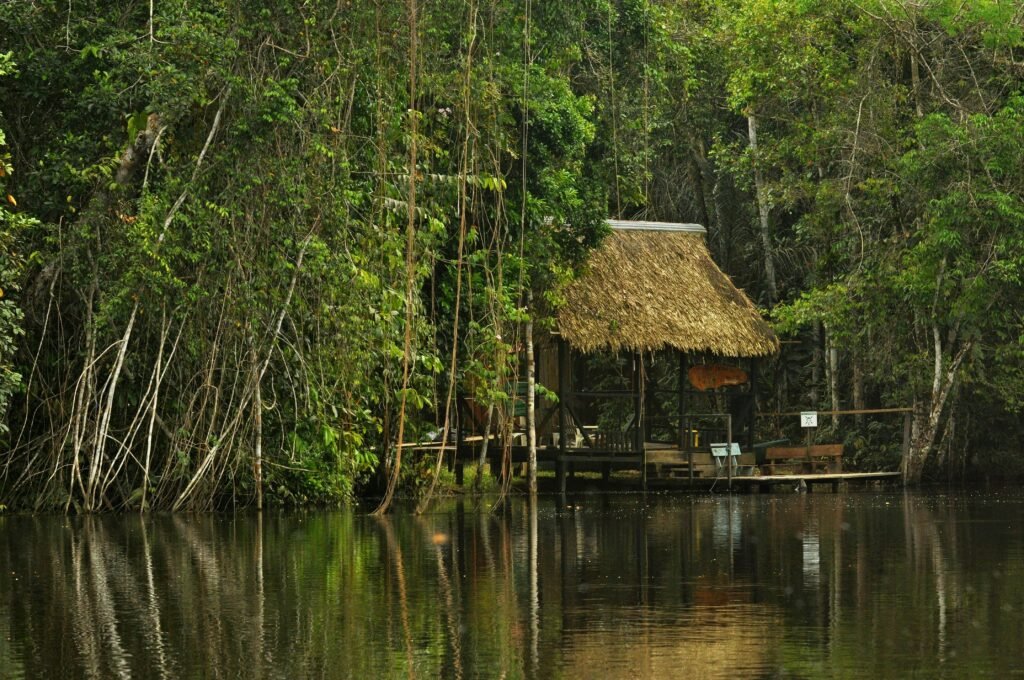
Navigating the remote blackwater channels of the Ecuadorian Amazon requires a shift in pace and a complete rejection of rigid tourist packages. This summary charts the finest independent basecamps where conservation, community stewardship, and deep wilderness immersion come together.
- Kichwa Pathfinder: Elevated canvas platforms pitched along quiet secondary tributaries, designed for minimalist environmental impact and pure acoustic immersion in the nocturnal rainforest
- Lagartococha Community: A remote, indigenous-run beach encampment near the Peruvian border, offering an authentic window into life along the deep flooded forest networks
- Cuyabeno Glamping: Private canvas tents on a high-bank river bend that provide comfortable bedding and the total freedom to hire local dugout canoes on your own schedule
- Tucán Lodge: Low-impact, traditional timber cabins with open-air screening that prioritise small-group wilderness observation and natural ventilation
- Cuyabeno River Lodge: A perfectly positioned base for independent arrivals near the El Puente gateway, running specialised multi-day rowing and beach camping expeditions
- The Transit Route: Self-reliant journeys depend on taking a night bus from Quito to Lago Agrio, followed by local shared rancheras to the river entry point
- Sustaining the Wild: Choosing community-managed stays ensures travel funds directly support local families, providing a viable economic alternative to deforestation and oil extraction
Cuyabeno Wildlife Reserve.
Explore the Amazon’s flooded forest
Standout independent campsites and rustic stays
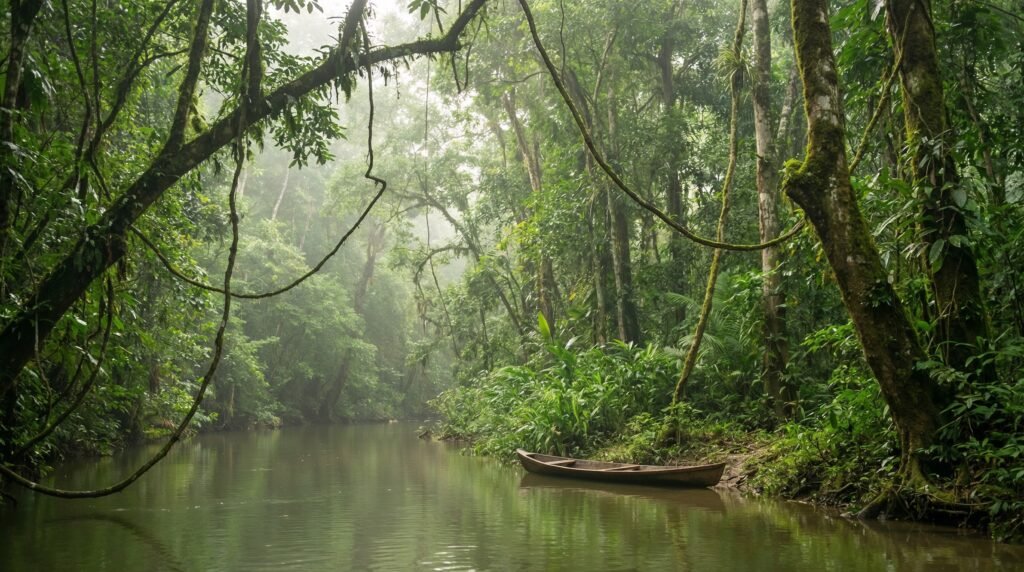
Kichwa Pathfinder Camping Expedition
For travellers who want the absolute closest approximation to true wilderness camping, this expedition setup delivers without compromise. Situated along the quieter secondary tributaries of the Cuyabeno River, this operation eschews permanent wooden complexes in favour of high-grade, structured canvas tents pitched on elevated, covered platforms.
The focus here is entirely on low-impact, slow-paced observation. Because the site avoids the footprint of a traditional lodge, the surrounding wildlife remains undisturbed. Guests fall asleep to the unfiltered symphony of tree frogs and nocturnal insects, confident that their presence has a negligible impact on the environment. The camp features clean, shared composting toilet facilities, an open-air dining tarp where locally sourced meals are prepared over gas burners, and an unparalleled sense of isolation. It is an exceptional base for those arriving by local public transport who want to arrange day-to-day canoe exploration with independent local guides.
Lagartococha Community Campsite
Located deep within the remote corners of the reserve near the flooded forest networks of the Peruvian border, Lagartococha is a testament to indigenous-led conservation. This site is fully owned and operated by the local community, providing an authentic window into life along the riverways without the performative elements often found in commercial tours.
The accommodation consists of simple, rustic beach camps and traditional thatched shelters designed to shield tents from the frequent equatorial downpours. Facilities are basic but impeccably maintained, relying on harvested rainwater and highly restricted solar energy reserved exclusively for evening safety lighting. Getting here requires patience and independent coordination via public water taxis from El Puente, but the reward is a part of the Amazon that few international tourists ever see. The local hosts possess an intimate, multi-generational knowledge of the blackwater creeks, making it a dream destination for independent naturalists.
Cuyabeno Glamping & Rustic Tents
If your idea of independent travel involves a balance between rugged exploration and a comfortable mattress, this host-managed glamping site provides an ideal middle ground. Positioned on a high-bank bend of the river with sweeping views of the water, the site features spacious, private canvas tents equipped with proper bedding and individual mesh screening.
What sets this property apart is its rejection of the standard package-deal model. Rather than forcing guests into pre-arranged group excursions, the family owners allow independent travellers to use the site as a flexible basecamp. You can hire a local dugout canoe for the morning, spend the afternoon reading on the riverbank, or trek into the surrounding terra firme forest at your own pace. The open-air communal kitchen serves hearty national dishes, and the lack of Wi-Fi ensures total disconnection from the outside digital world.
The Ecuadorian Amazon.
The most biodiverse place in the world
Tucán Lodge / Shared & private rustic cabins
Boasting an exceptional reputation built on hundreds of verified reviews from independent backpackers and overland travellers, Tucán Lodge is a completely locally owned establishment that proves that simple infrastructure can outperform luxury resorts. While it features rustic wooden cabins rather than standard tents, the design language remains firmly rooted in traditional, low-impact architecture.
The site offers budget-friendly shared cabins—affectionately known to independent travellers as the spider rooms due to their open-air, fully screened ventilation—alongside private rustic huts. There are no manicured lawns or manicured pathways here; the jungle presses right up to the timber structures. The guiding philosophy focuses on small groups, capped strictly to ensure minimal disruption to the fauna. Guests frequently highlight the exceptional quality of rest found here, wrapped in high-quality mosquito netting, while the river breezes cool the structures naturally.
Cuyabeno River Lodge / Native cabins & adventure camping
Perfectly positioned for those navigating the region via public bus, Cuyabeno River Lodge sits on a substantial tract of privately protected forest near the El Puente entry point. Alongside their traditional wood-and-thatch cabins, they operate specialised multi-day rowing and camping expeditions that venture deep into the heart of the reserve.
The facilities strike a brilliant balance for the self-reliant traveller: clean, running water sourced from local springs, solar-powered charging stations, and a communal deck designed for map reading and route planning. Their adventure camping programme allows you to journey downriver by traditional paddle canoe, setting up temporary camps on permitted river beaches under the stars. It is an active, immersive way to experience the transition from the Andes foothills to the true Amazon basin, completely free from the constraints of a rigid tour schedule.
The Ecuadorian Sierra.
Get lost in the hills
The independent traveller’s blueprint for Cuyabeno
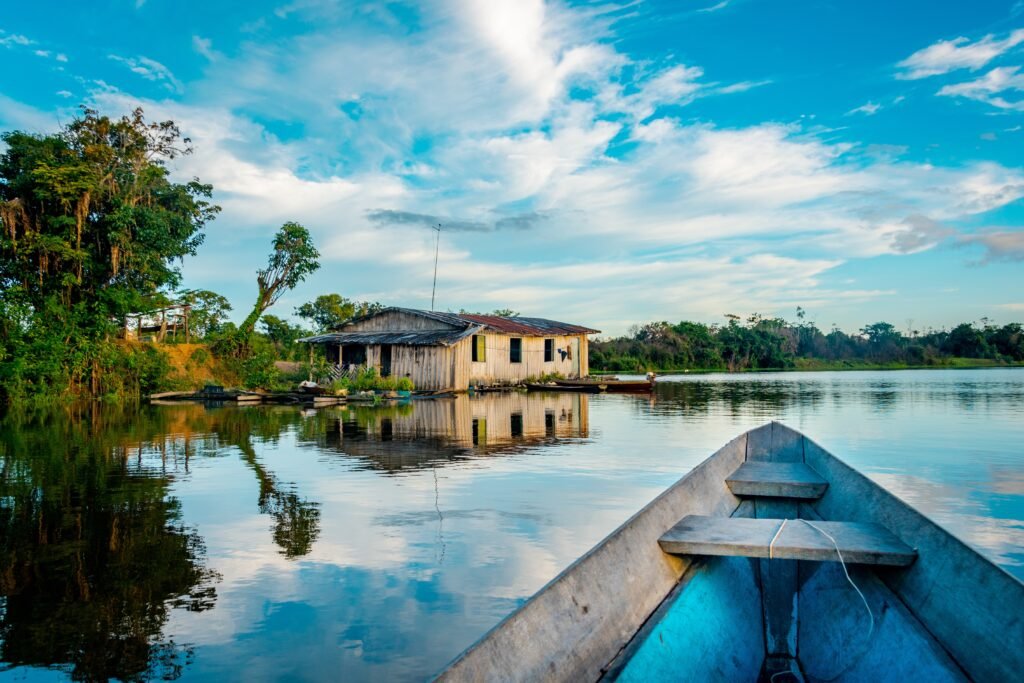
Reaching the deep Amazon independently requires a practical approach to logistics. For those travelling by bus or public transport, the journey begins in Quito.
- The Transit Route: Take a night bus from the Terminal Terrestre Quitumbe or Carcelén in Quito to the oil-frontier town of Nueva Loja (commonly known as Lago Agrio). From Lago Agrio, local transport options and shared rancheras run regularly to El Puente, the official gateway and check-in point for the Cuyabeno Wildlife Reserve
- The Golden Rule of the River: Once at El Puente, all further travel is by water. Ensure you have pre-arranged your arrival with your chosen community campsite or rustic host, as independent motorised canoes cannot be hailed casually on the riverbank
Preparing for the canopy / Essential gear
To ensure you sleep well and stay safe in the primary rainforest, your packing list must prioritise utility over weight. The humidity in Cuyabeno hovers near one hundred per cent, meaning standard cotton gear will stay damp.
| Equipment Category | Essential Item | Practical Purpose |
| Apparel | Synthetic long-sleeve shirts | Protects against persistent insects and sharp brush without retaining moisture |
| Storage | Heavy-duty dry bags | Essential for protecting electronics, notebooks, and dry clothing during canoe transits |
| Illumination | Rechargeable headlamp | Crucial for navigating rustic campsites after solar power systems shut down for the night |
| Footwear | High-cut rubber boots | Often provided by hosts, but independent travellers should verify sizes before departing El Puente |
The Galápagos.
Ecuador’s Enchanted Isles
Sustaining the wild
Read this far?
Choosing independent, community-driven accommodation is more than a stylistic choice; it is a direct contribution to the preservation of the Amazon. When you stay at locally managed campsites like Lagartococha or indigenous-led expeditions, your financial investment stays directly within the community. This provides a viable economic alternative to industrial logging, oil extraction, and unsustainable agricultural clearing.
By travelling slowly, respecting the regulations of the reserve, and leaving no trace at your campsite, you help ensure that the Cuyabeno Wildlife Reserve remains wild, pristine, and loud with the sounds of life for generations to come.
Affiliate Disclaimer: Some of the links on Wheely Tyred are affiliate links. If you click through and make a booking or purchase, we may earn a small commission at no extra cost to you. We only recommend gear, tours, stays, and services we genuinely use, trust, and stand behind — our editorial independence always comes first. These commissions help keep our independent cycling guides and travel stories free to read. You can also buy me a coffee here — thanks for supporting the ride!
The Ecuadorian Coast.
Where you’ll find the very best food
Frequently asked questions about the best places to camp in Cuyabeno
No. Traditional wild camping is illegal, hazardous, and ecologically irresponsible within the protected boundaries of Cuyabeno. To safeguard the fragile ecosystem and ensure personal safety, you must use permitted community campsites or designated rustic eco-expeditions.
The journey begins with an overnight bus from the Quitumbe or Carcelén terminals in Quito to Lago Agrio (Nueva Loja). From there, local public transport options or shared rancheras travel regularly to El Puente, the official gateway where the road ends.
No. Independent motorised canoes do not operate like standard city taxis. Because all onward travel from El Puente is by water, you must pre-arrange your arrival and transit with your chosen community campsite or independent host before departing.
The humidity in the primary rainforest routinely hovers near one hundred per cent. Cotton absorbs this ambient moisture and stays damp indefinitely, whereas lightweight synthetic apparel dries rapidly, keeps you cool, and protects against persistent insects.
To minimise the footprint on the environment, most independent sites rely on modest solar energy setups. Power is often strictly limited to evening hours for safety lighting and basic device charging, making a dependable headlamp essential for navigating after dark.
Booking directly with community-owned operations ensures your financial investment stays within the local economy. This income provides indigenous families with a sustainable alternative to industrial logging, oil exploration, and destructive agricultural clearing.
Ecuador.
Pure wonder on the equator.