Is Cuyabeno safe in 2027? Your Ecuador Amazon travel safety guide
Comprehensive 2027 safety advice for visiting Cuyabeno Wildlife Reserve, managing transit, and practical safety tips for travellers in Ecuador
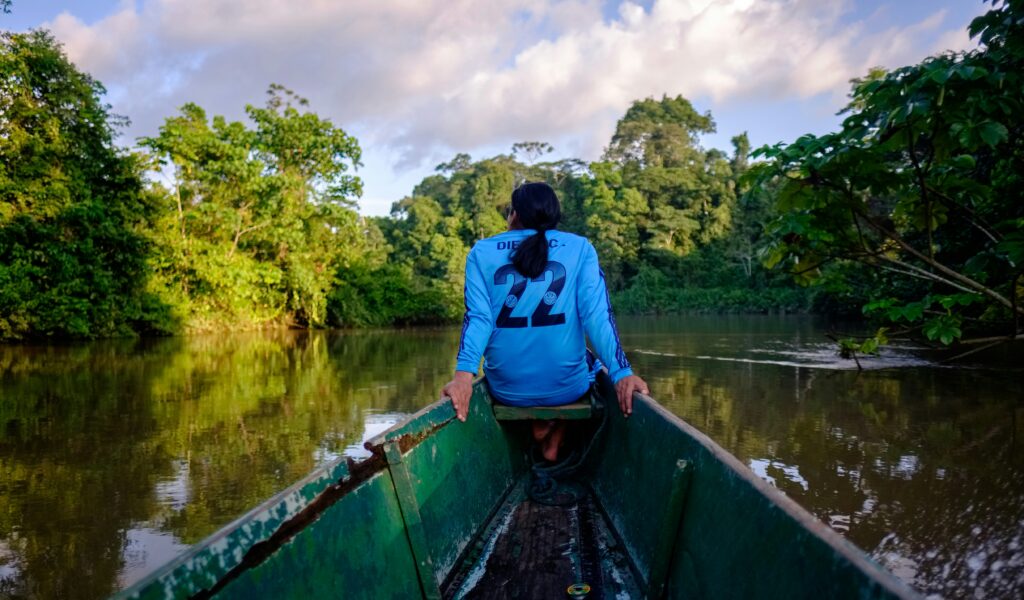
True peace of mind in the flooded forest
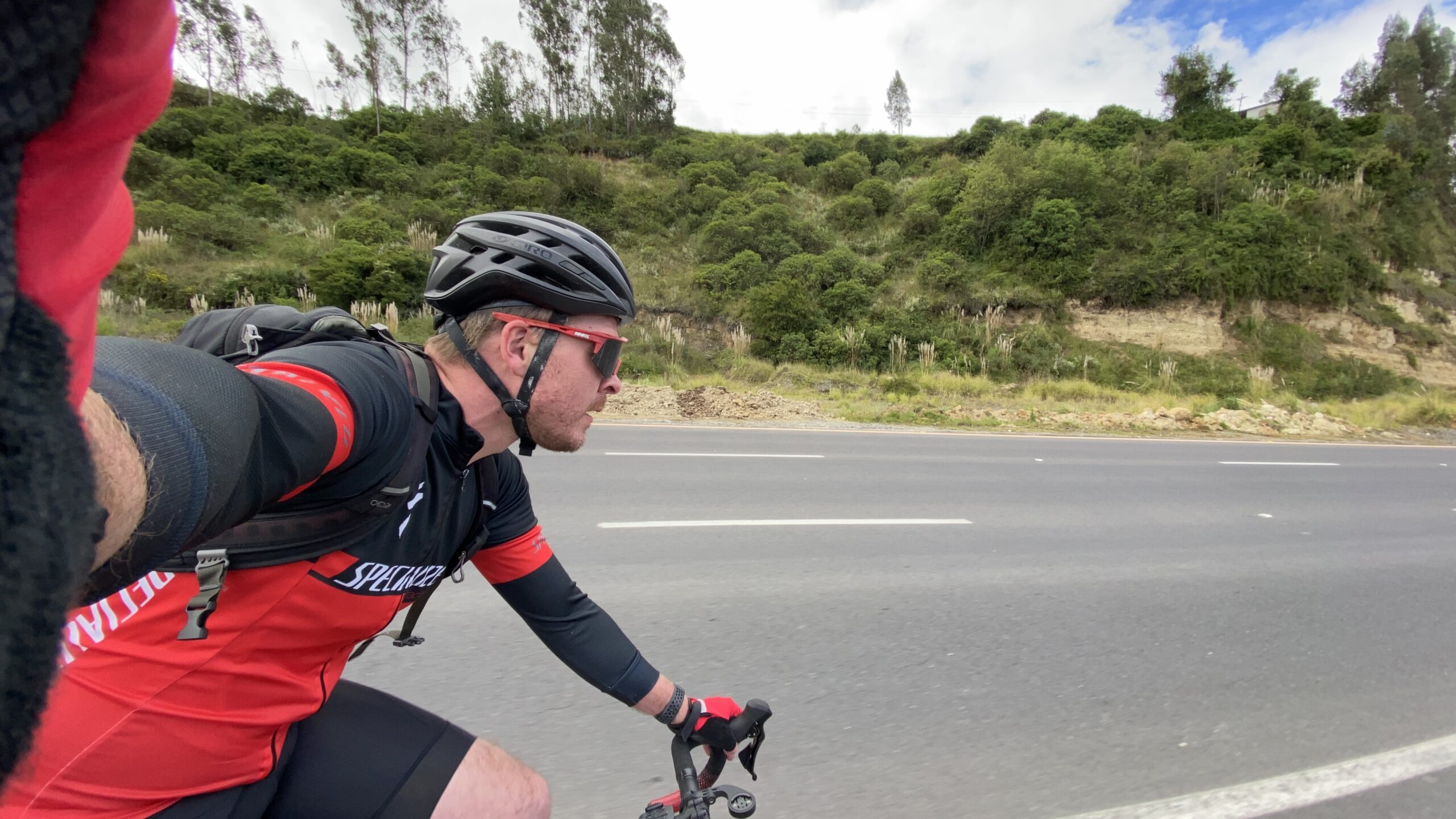
BEN FINCH
The siren call of the Amazon rainforest remains one of the world’s great adventure draws. For wildlife enthusiasts, cyclists, and intrepid explorers, the Cuyabeno Wildlife Reserve in northeastern Ecuador represents an incomparable biological wonderland.
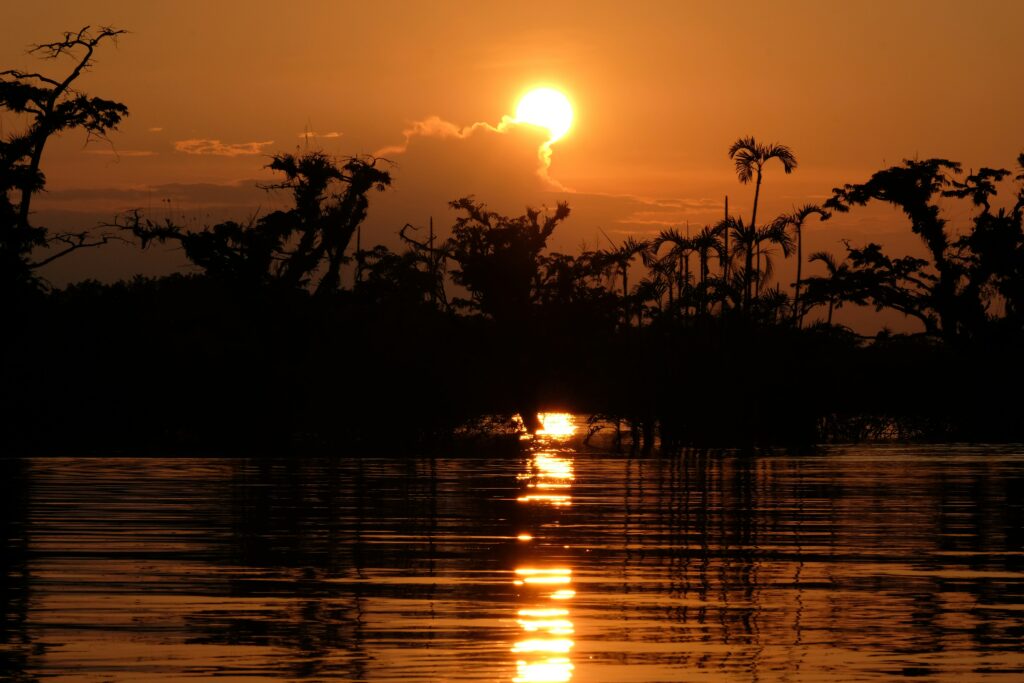
Floating beneath dense canopy roofs, navigating blackwater tributaries, and observing pink river dolphins in the flooded forest of Laguna Grande offer experiences that linger for a lifetime.
However, planning a trip to this remote corner of South America in 2027 requires an accurate, up-to-date understanding of regional security.
Following the security shifts detailed in our 2026 Cuyabeno Safety Guide, international travel advisories continue to highlight caution across Ecuador. Media headlines frequently report on national states of emergency, leaving prospective visitors with one vital question: Is Cuyabeno safe to visit right now?
At Wheely Tyred, we believe that responsible travel does not demand abandoning your itinerary; it requires arming yourself with verified local knowledge. While security challenges persist in urban and coastal zones, the protected eco-tourism corridors of the Cuyabeno Amazon remain remarkably serene.
By mastering transit logistics, choosing certified eco-lodges, and respecting the environment, your journey into the deep jungle can be both deeply rewarding and safe.
Key takeaways for safety in Cuyabeno
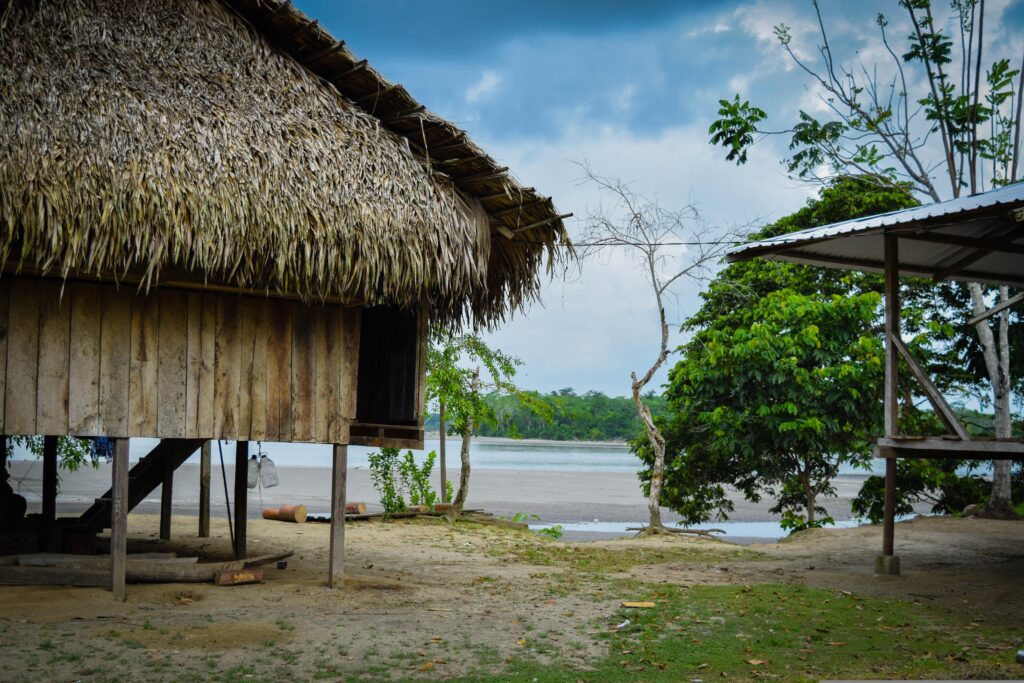
Navigating the Ecuadorian Amazon requires balancing a healthy respect for the wild with a structured approach to transit. Keeping your expedition smooth, secure, and unforgettable comes down to a few core principles.
- Regionalised reality: National security headlines focus heavily on coastal trade routes, while the interior eco-tourism corridors of Sucumbíos remain quiet and well insulated
- The gateway strategy: Frontier towns such as Lago Agrio require careful handling; bypass street-level transit by relying exclusively on pre-arranged tourist shuttles or direct airport pickups
- Controlled entry: Ranger checkpoints at El Puente regulate access to the reserve, where motorised canoes guided by licensed locals replace roads entirely
- Indigenous stewardship: Safety within the reserve relies on deep partnerships with the Siona, Secoya, and Cofán nationalities, who actively protect their ancestral territories
- Built-in group safety: Solo and female travellers benefit from structured lodge itineraries that remove the risks of independent wilderness navigation
- Health over human risk: Environmental hazards such as dengue fever pose the primary challenge; carry high-factor DEET repellent, wear long sleeves at dusk, and keep routine vaccinations current
- Evacuation readiness: Given the remote setting, secure comprehensive travel insurance that explicitly covers emergency medical evacuation from isolated waterways back to Quito
Cuyabeno Wildlife Reserve.
Explore the Amazon’s flooded forest
Navigate Amazonian security in 2027
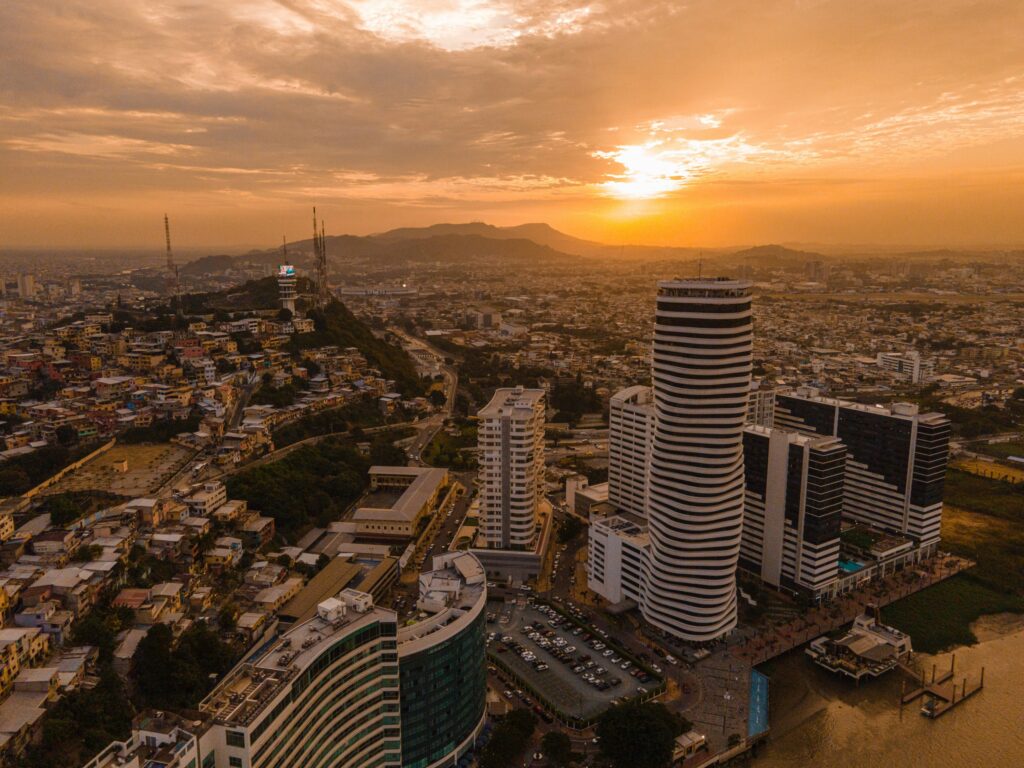
When assessing security in Ecuador, the single most crucial factor is geography. Security conditions across the country are heavily regionalised. Understanding where conflict occurs—and why—is the key to travelling safely through the country.
Over the past three years, national security declarations have focused on curbing organised crime syndicates operating along primary maritime trade routes. Consequently, urban hubs such as Guayaquil and specific coastal corridors in Esmeraldas and Manabí experience elevated crime statistics, including gang activity, extortion, and armed robbery.
In contrast, the interior of the Cuyabeno Wildlife Reserve in the eastern province of Sucumbíos remains fundamentally isolated from these urban friction points. Tourism is the economic anchor for indigenous communities and lodge operators within the reserve, resulting in a tightly monitored environment where violent crime targeting tourists is virtually unheard of.
The main security update for 2027 concerns the transit corridors leading to the Amazon. While the reserve itself is secure, national advisories from international governments—including the UK Foreign, Commonwealth & Development Office and the US Department of State—maintain heightened warnings for the 20-kilometre buffer zone along the Colombian border.
Because Lago Agrio (Nueva Loja) serves as the overland transit gateway and sits within Sucumbíos, visitors must treat the transit phase with deliberate care.
Regional safety / Disentangling coastal security risks from jungle sanctuaries
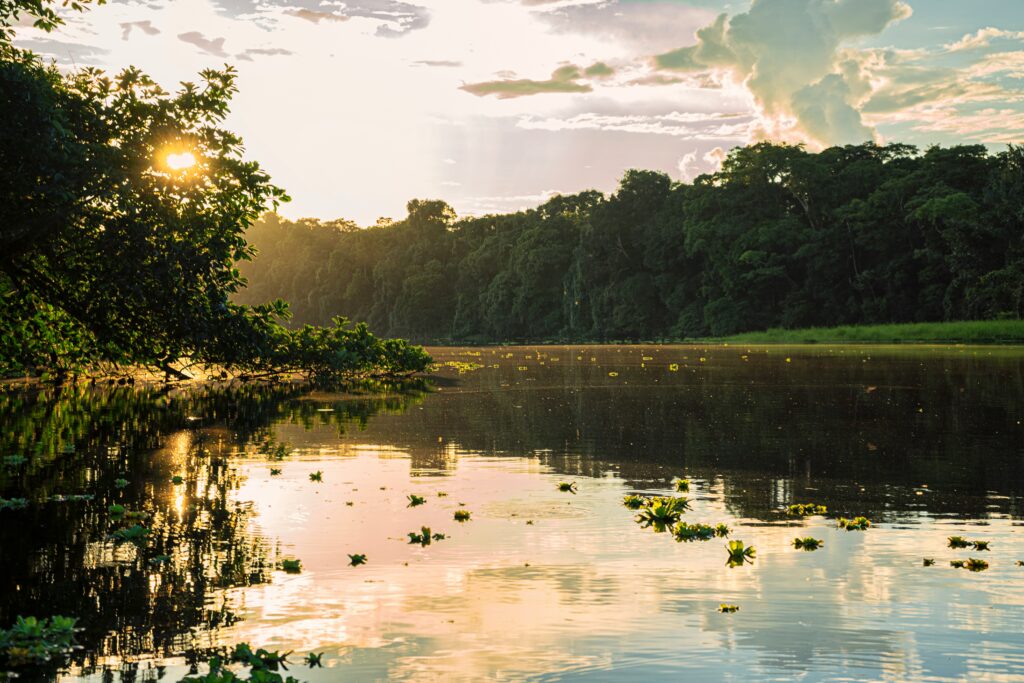
To understand why Cuyabeno remains a peaceful enclave, one must examine how security is structured inside the reserve compared to the rest of the nation.
Ecuador safety profile
| Coastal & Urban Hubs / Guayaquil, Esmeraldas, Durán | Amazon Eco-Tourism Corridors / Cuyabeno Reserve Interior |
| High risk of gang activity | Zero opportunistic road network |
| Express kidnapping & extortion | Controlled river-only access |
| Heavily urbanised drug routes | Indigenous community patrols |
| Caution required in transit | Deep sanctuary environment |
As illustrated above, crime patterns in Ecuador do not spread evenly across its varied topography. Coastal ports carry high security warnings due to illicit trade routes, whereas the roadless river networks of Cuyabeno create a natural barrier against opportunistic crime.
Once inside the reserve, standard street crimes such as pickpocketing, mugging, or scamming disappear. There are no public roads, no city crowds, and no unmonitored access points. The only vessels navigating the waterways belong to park rangers, indigenous community members, and licensed tour operators.
The Ecuadorian Amazon.
The most biodiverse place in the world
The transit zone challenge / Passing safely through Lago Agrio and Sucumbíos
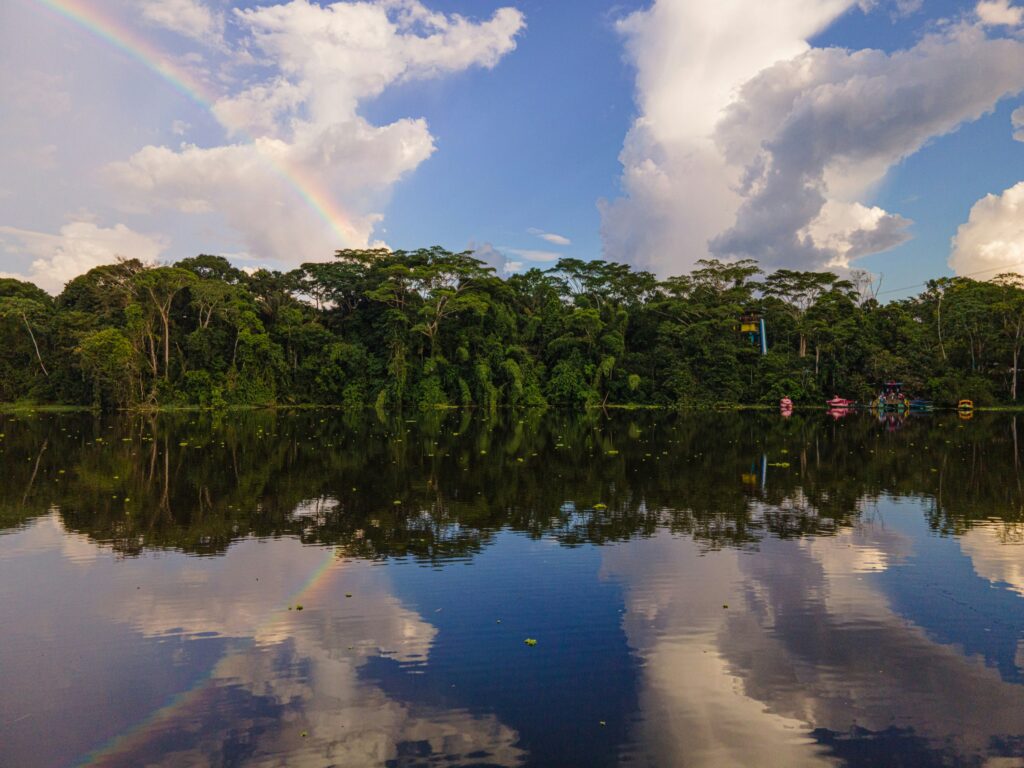
The primary security challenge of a Cuyabeno expedition lies not in the jungle, but in the journey used to reach it. The frontier town of Lago Agrio (officially known as Nueva Loja) is the primary overland hub for trips into the reserve. Due to its commercial nature, oil industry presence, and relative proximity to the northern border, independent exploration in Lago Agrio is not recommended for foreign tourists, particularly after dark.
The secret to bypassing transit risks entirely lies in seamless transfer logistics. Professional eco-lodges do not expect guests to make their own way through frontier towns or arrange independent taxis. Instead, travellers should rely on two main transfer options:
1. Dedicated tourist shuttles from Quito
The vast majority of travellers choose private tourist shuttle buses departing directly from major hotel districts in Quito. These shuttles run directly to the official park entrance at El Puente, stopping only at monitored rest stations. They bypass local bus terminals and remove the risk of opportunistic theft.
2. Direct airport transfers via El Coca or Lago Agrio
For those flying from Quito to either El Coca (Puerto Francisco de Orellana) or Lago Agrio, reputable operators arrange private vehicle pickup directly from the arrival gates. Your driver transfers you straight to the river embarkation point without intermediate delays.
Essential transit precautions
- Keep luggage secure: Avoid placing small backpacks or valuables in overhead racks on long-distance public buses; keep high-value items on your lap
- Avoid overnight public transit: Choose daylight transfers or dedicated private tourist shuttles rather than standard public intercity buses
- Stay in the operator bubble: Maintain contact with your designated tour coordinator from the moment you leave Quito until you arrive back in the capital
Controlled access at El Puente / Why Cuyabeno remains secure
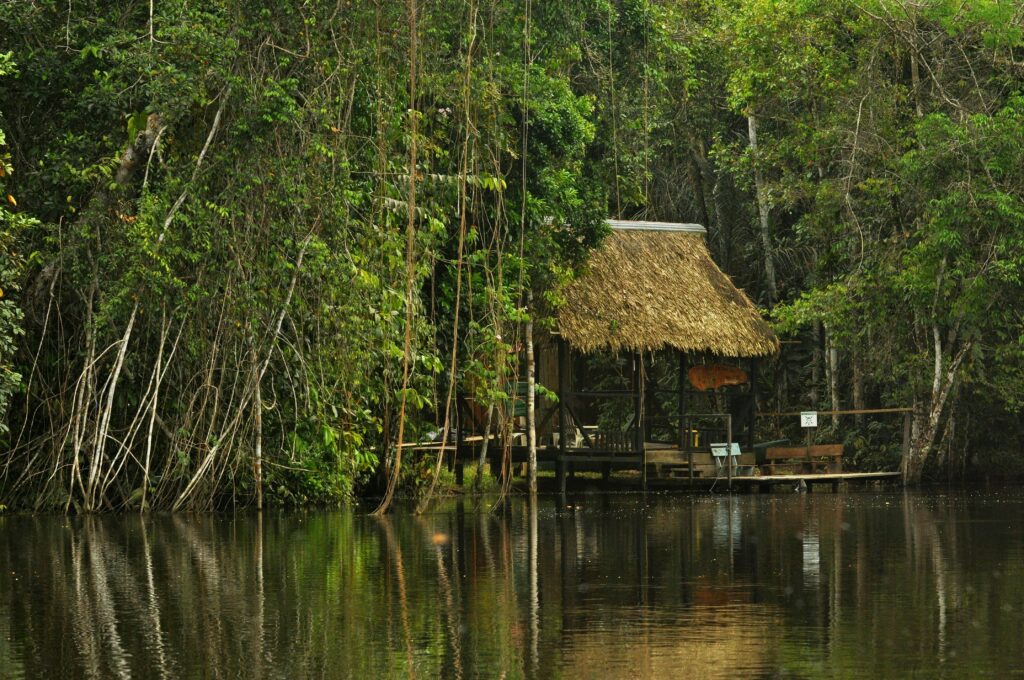
All river expeditions into the Cuyabeno Wildlife Reserve begin at a single location: the ranger station at El Puente de Cuyabeno. This point marks the end of the road network and the start of the protected wilderness zone.
At El Puente, official park rangers log every visitor’s passport details and lodge reservation before granting entry. From this moment onward, movement occurs exclusively via motorised canoe under the leadership of licensed naturalist guides.
Security within the interior reserve relies heavily on long-standing partnerships with local indigenous nationalities, including the Siona, Secoya, and Cofán peoples. These communities hold ancestral rights to the land and actively manage eco-tourism initiatives.
Because sustainable tourism provides a direct economic alternative to deforestation and resource extraction, community members maintain a protective presence along the riverways, ensuring that unapproved vessels cannot enter undetected.
The Galápagos.
Ecuador’s Enchanted Isles
Safety considerations for solo travellers, female adventurers, and minorities
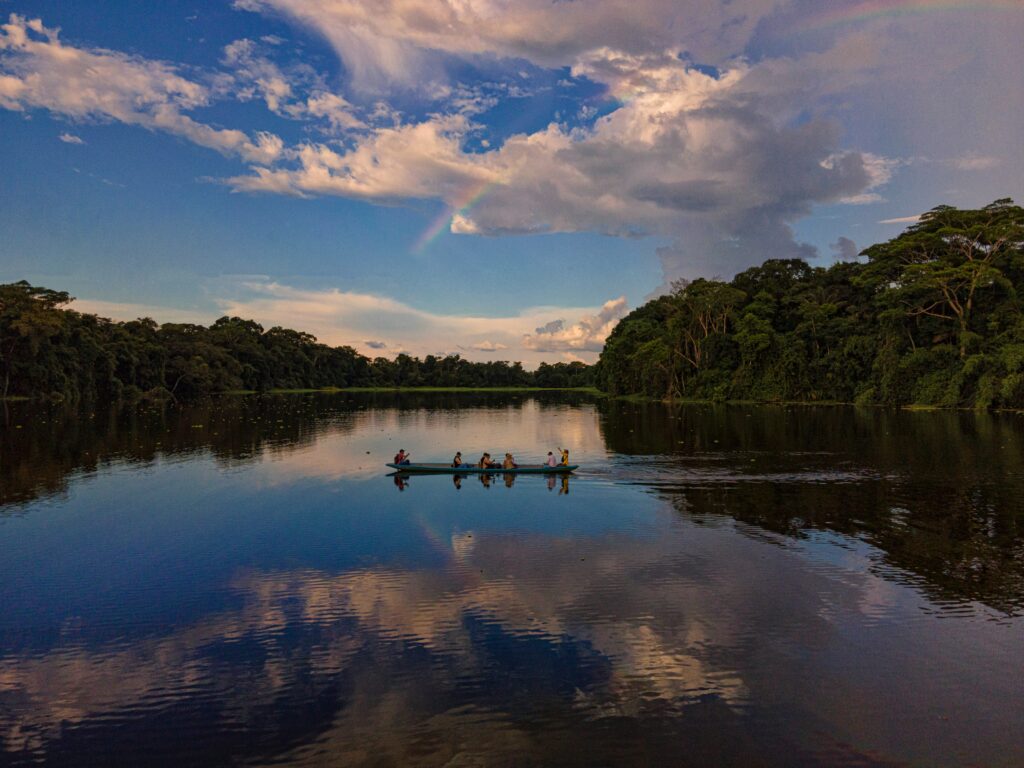
Navigating South America as a solo traveller often introduces additional safety considerations. However, the structured format of a Cuyabeno tour provides a safe, welcoming framework for independent adventurers.
Solo female travellers
While solo women may experience unwanted attention or street harassment in major South American cities, Cuyabeno offers a protective group environment. From the initial shuttle departure in Quito to daily jungle excursions, activities are conducted in small, guided groups.
Independent wandering is neither feasible nor permitted due to wilderness safety, effectively eliminating the risk of personal isolation. Female travellers consistently rate Cuyabeno as one of the most comfortable destinations in Ecuador.
Minority and LGBTQ+ travellers
Eco-lodges operating in Cuyabeno serve a diverse international clientele. Staff and guides are trained in inclusive hospitality, and the overarching culture of the reserve is centred around nature conservation and cultural exchange.
Ethnic, religious, and LGBTQ+ minorities will find the atmosphere within the lodges to be respectful, open, and accepting.
Environmental realities / Health, water safety, and jungle hazards
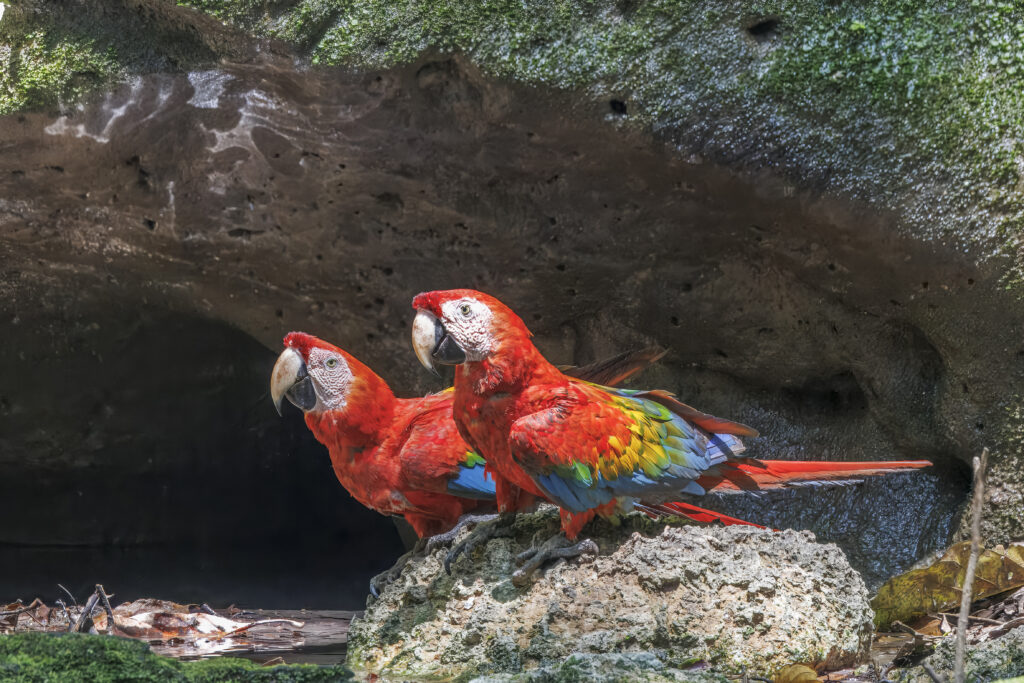
When evaluating overall safety in Cuyabeno, environmental hazards require as much planning as human security factors. The Amazonian ecosystem demands respect and proper physical preparation.
Mosquito-borne illnesses and vaccinations
Cuyabeno lies at a low altitude, making insect precautions essential. While malaria risk is considered low in the main lodge zones of Laguna Grande, dengue fever cases occur regionally.
- Wear lightweight, long-sleeved shirts and trousers in neutral colours (khaki, green, tan) during dawn and dusk
- Apply insect repellent containing DEET (30%) or Picaridin consistently
- Verify that routine vaccinations are up to date. A Yellow Fever vaccination certificate is strongly recommended and may be requested by border officials if you enter Ecuador from neighbouring Amazonian territories
Wildlife encounters
Cuyabeno is home to anacondas, black caimans, piranhas, electric eels, and venomous spiders. Despite common myths, wildlife attacks on tourists are extremely rare. Certified naturalist guides accompany every outing and are trained in rainforest safety.
- Never touch tree trunks or foliage without checking first for biting ants or spiders
- Always use a strong headlamp or torch during night walks to see where you step
- Only swim in designated areas of Laguna Grande when explicitly cleared by your guide
Water and food hygiene
All reputable lodges provide purified drinking water for refilling reusable bottles. Avoid drinking tap water or river water under any circumstances. Food served at certified lodges is prepared to high sanitary standards for international guests, but bringing basic rehydration salts and anti-diarrheal medication in your daypack is always good practice.
The Ecuadorian Sierra.
Get lost in the hills
Essential protocols for a secure Cuyabeno expedition in 2027
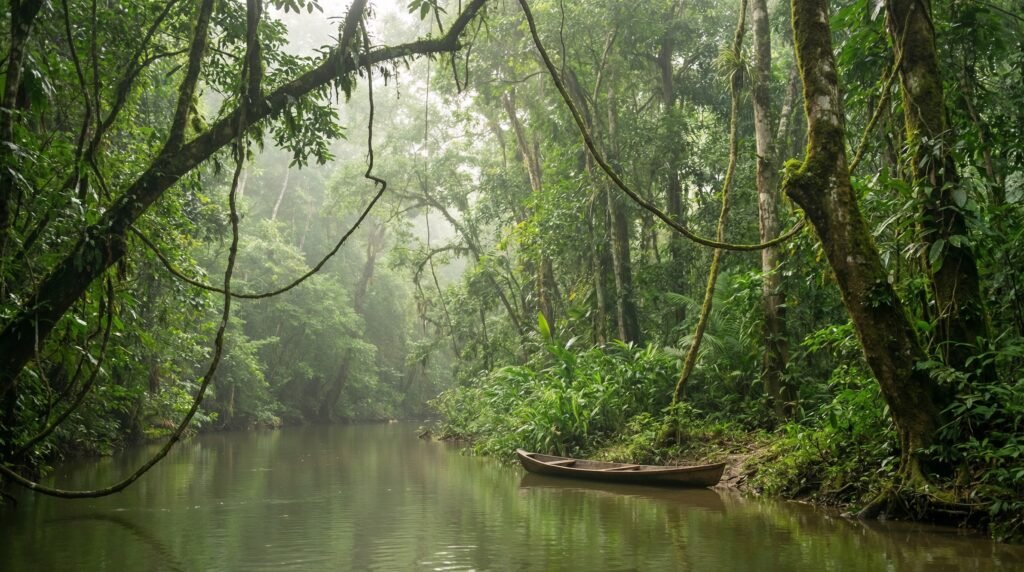
To ensure your journey to the Ecuadorian Amazon is seamless, safe, and memorable for all the right reasons, keep these core rules at the centre of your preparation:
- Book through licensed operators only: Confirm that your eco-lodge is registered with the Ecuadorian Ministry of Tourism and provides clear, documented transit protocols from Quito
- Prioritise daytime transit: Schedule all overland transfers during daylight hours to avoid potential road hazards and poor night visibility on mountain routes
- Carry physical and digital documentation: Keep waterproof colour copies of your passport biographical page and Ecuadorian entry stamp in your daypack while keeping original documents secured in your lodge safe
- Obtain comprehensive travel insurance: Ensure your insurance policy explicitly covers emergency medical evacuation from remote wilderness areas, as advanced medical facilities require transport back to major cities
- Establish a communication plan: Cellular service inside the Cuyabeno reserve is non-existent. Inform family or friends of your itinerary prior to departure, noting that you will be offline for the duration of your lodge stay
By following these practical steps and respecting the unique dynamics of the rainforest, visiting Cuyabeno in 2027 remains one of the safest and most rewarding travel experiences in South America.
Embrace the quiet rhythm of the Amazonian interior
Read this far?
The true spirit of the Amazon reveals itself the moment you swap tarmac for the silent glide of a blackwater river. Far from the noise of international headlines and urban transit hubs, Cuyabeno operates on a completely different rhythm — one dictated by rising river levels, bird calls at dawn, and the quiet vigilance of forest communities.
Travelling here is not about taking reckless gambles; it is about respecting the geography and stepping into an ecosystem where human security is maintained through shared local stewardship.
When you choose responsible tour operators and honour local protocols, the friction points of frontier travel dissolve quickly. You leave the bustling transit hubs of Sucumbíos behind and enter a sanctuary where indigenous nations have lived in harmony with the environment for generations. The result is a travel experience that feels deeply grounding, immersive, and remarkably peaceful.
Whether you are floating across Laguna Grande as the sun sets over the flooded canopy or listening to the nocturnal hum of the forest from your lodge deck, Cuyabeno rewards the prepared traveller with unmatched clarity. Pack thoughtfully, arrange your transport with care, and let the wilderness show you why this corner of Ecuador remains a priceless jewel of the natural world.
Affiliate Disclaimer: Some of the links on Wheely Tyred are affiliate links. If you click through and make a booking or purchase, we may earn a small commission at no extra cost to you. We only recommend gear, tours, stays, and services we genuinely use, trust, and stand behind — our editorial independence always comes first. These commissions help keep our independent cycling guides and travel stories free to read. You can also buy me a coffee here — thanks for supporting the ride!
The Ecuadorian Coast.
Where you’ll find the very best food
Frequently asked questions about travel safety in Cuyabeno
Independent exploration in Lago Agrio, particularly after dark, is not advised for foreign travellers due to its status as a bustling frontier hub. The safest method is to treat the town purely as a transit point, remaining within the pre-arranged transport bubble provided by your lodge operator or a dedicated tourist shuttle straight from Quito.
Access to the reserve is strictly water-based. Travellers arrive at the ranger checkpoint at El Puente de Cuyabeno, where officials record entry details and manifests. From that point forward, all movement occurs in motorised canoes skippered by licensed local guides and indigenous community members.
While crime inside the reserve is virtually non-existent, environmental precautions are essential. Mosquito-borne illnesses such as dengue fever are present in low-altitude rainforests, making high-factor DEET or Picaridin repellent, long-sleeved clothing, and current routine vaccinations essential for your health.
Cuyabeno is an exceptionally secure destination for solo female travellers because independent movement through the rainforest is impossible. Every excursion is group-based and led by certified guides, creating an inclusive, supportive environment from the moment you board your shuttle in Quito.
Because Cuyabeno is a remote wilderness several hours by boat from basic medical facilities in Lago Agrio or El Coca, severe injuries or illnesses require evacuation to Quito. Travellers must carry a tailored personal first-aid kit and secure travel insurance that covers emergency wilderness evacuation.
Incidents involving wildlife are extraordinarily rare because certified naturalist guides accompany all river outings and jungle walks. Following your guide’s instructions, wearing sturdy boots, using a headlamp during night walks, and swimming only in designated areas of Laguna Grande ensures a safe experience.
Ecuador.
Pure wonder on the equator.