
Where to stay near Ingapirca / Characterful lodges and authentic Andean stays
The ultimate guide to the best hotels, historic haciendas, and quiet guesthouses near the Ingapirca ruins in Ecuador
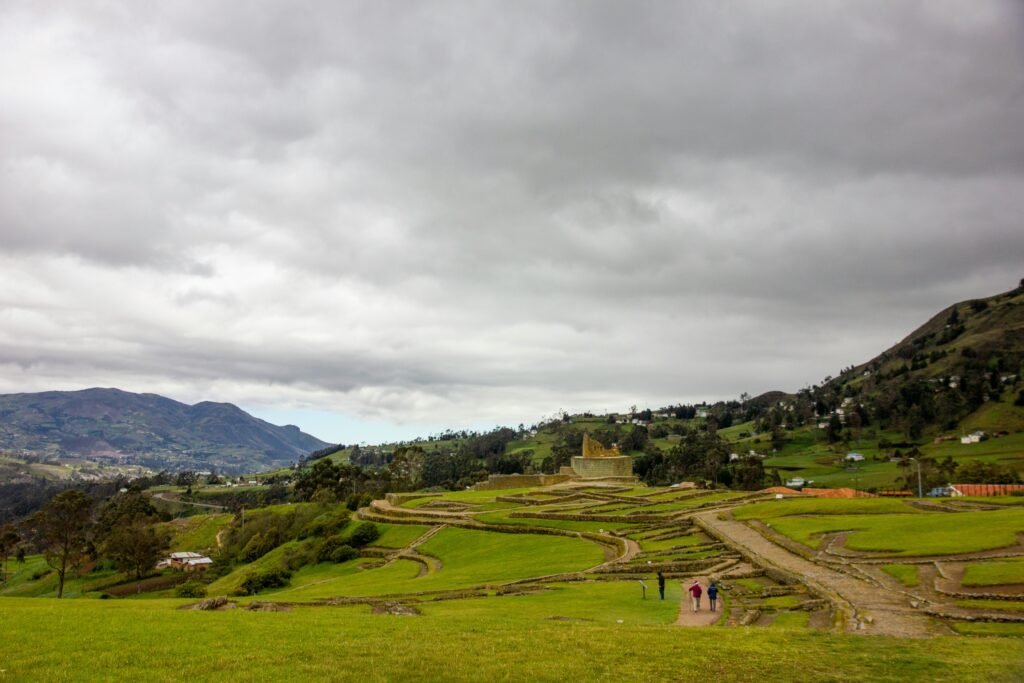
Unwind amidst ancient Inca stone, quiet valleys, and Ecuadorian warmth

BEN FINCH
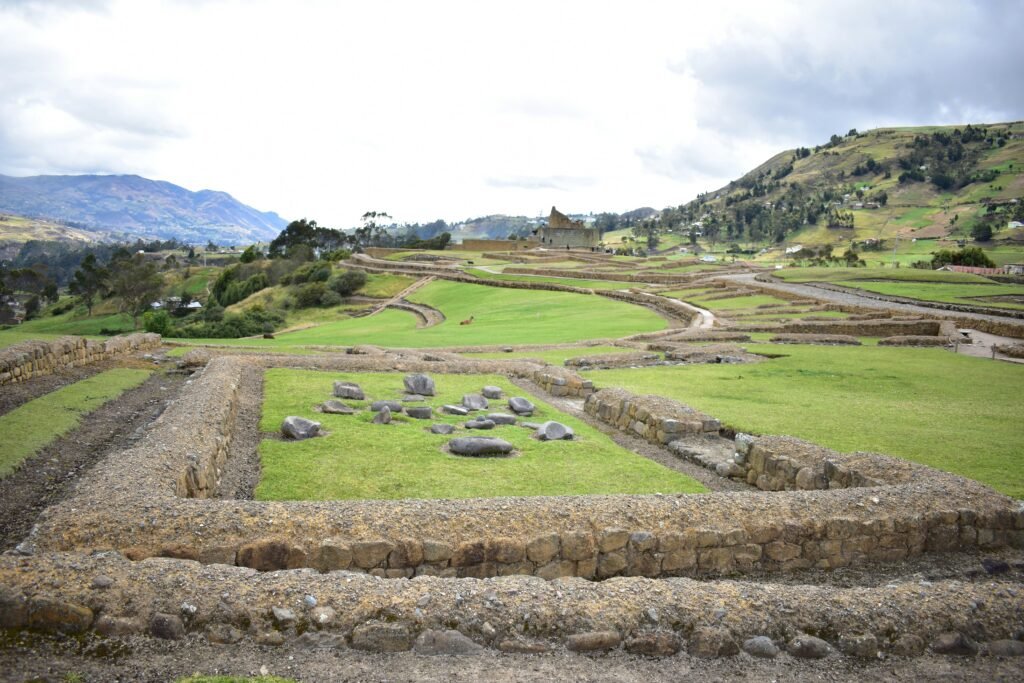
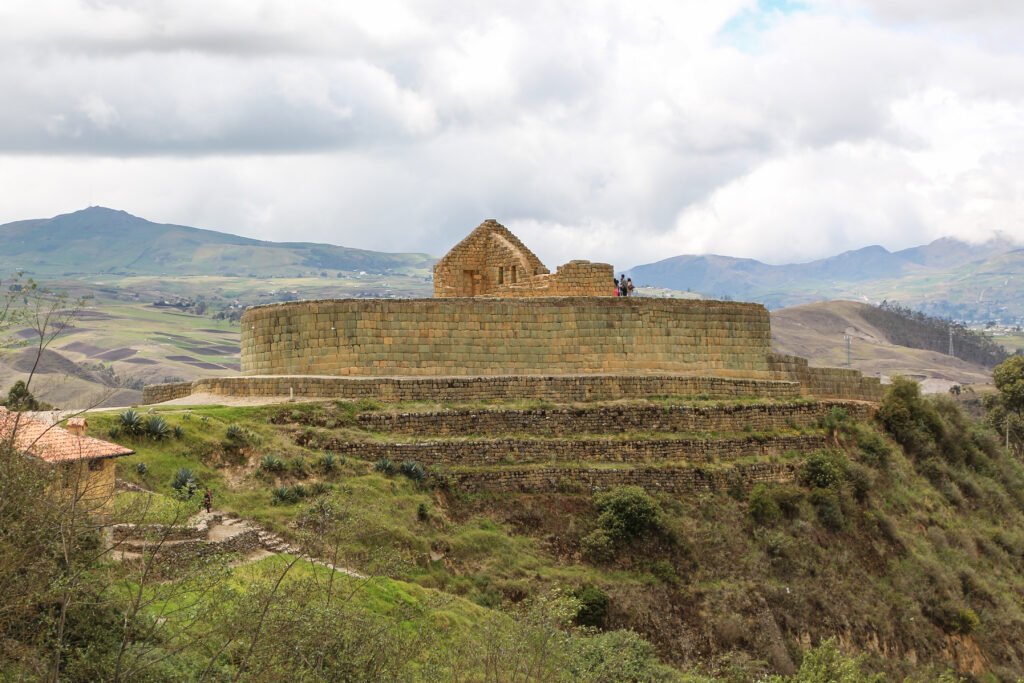
High in the windswept hills of Cañar province, 3,160 metres above sea level, lies Ingapirca—Ecuador’s most significant complex of Inca and Cañari ruins. Most travellers experience this sacred archaeological landmark on a whistle-stop day trip from Cuenca.
They arrive on large coaches around midday, wander past the elliptical Temple of the Sun in a crowded convoy, and depart just as the afternoon light begins to paint the surrounding páramo in golden hues.
To rush through Ingapirca is to miss its quiet magic entirely. By staying overnight in the immediate area or the neighbouring historic village of El Tambo, you gain direct access to the site during its quietest, most evocative hours at sunrise and dusk. More importantly, you step out of the transient tourist corridor and into the slow, steady rhythm of indigenous highland life.
To help you plan an autonomous journey through southern Ecuador, we have selected five outstanding places to stay. Each property offers distinct architecture, warm local hospitality, and the space you need to sleep well after a day exploring the Andes.
Ingapirca at a glance / Key takeaways for the independent traveller
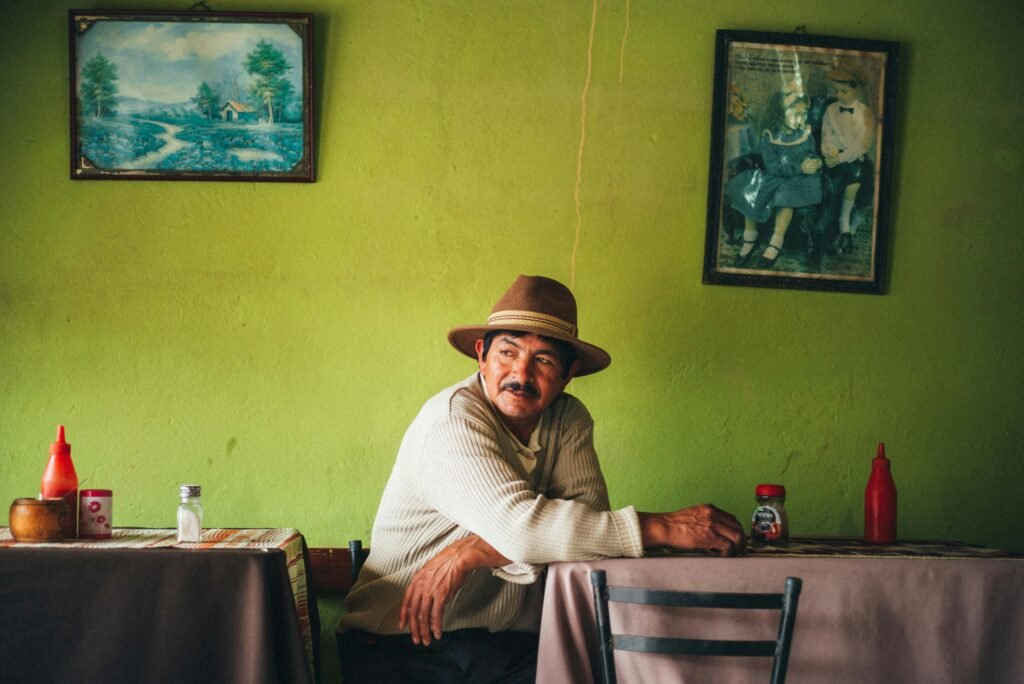
Staying overnight near Ecuador’s premier archaeological landmark opens up a calmer, more authentic experience of the southern Andes. Here is a summary of the standout stays, cultural insights, and practical details from our guide.
- Posada Ingapirca: A restored 200-year-old hacienda situated just 500 metres from the ruins, featuring wood-burning hearths and classic Andean cooking
- Hostería La Condesa: Elegant colonial architecture adjacent to the Baños del Inca at Coyoctor, perfect for quiet nights and exploring the ancient Qhapaq Ñan trail network
- Pakarina WASY: Clean, budget-conscious accommodation outside of Ingapirca village with a deep local knowledge for independent walkers
- Slow travel advantage: Arriving early or staying late allows you to explore the Temple of the Sun in golden light, well clear of daytime tour buses from Cuenca
- Highland preparation: At over 3,000 metres elevation, pack warm layers for cold nights and plan local transport using regular buses and shared taxis from El Tambo
Ingapirca.
Where Cañari history meets the grandeur of the Inca
What defines a great stay in the high Andes
Accommodation in this region is defined by geography and heritage. Nights at this altitude are cold, crisp, and clear, making fire-heated rooms, thick woollen textiles, and hearty local meals essential components of highland comfort.
When curating these recommendations, we looked for properties that satisfy strict criteria: an exceptional track record among independent guests, a commitment to local culture, a minimum 4.3-star rating across public platforms, and an atmosphere that favours peace over mass tourism.
We have avoided modern international chain hotels in favour of converted colonial haciendas, family-run guesthouses, and sustainable rural retreats.
Hand-picked hotels and lodges near Ingapirca
Posada Ingapirca
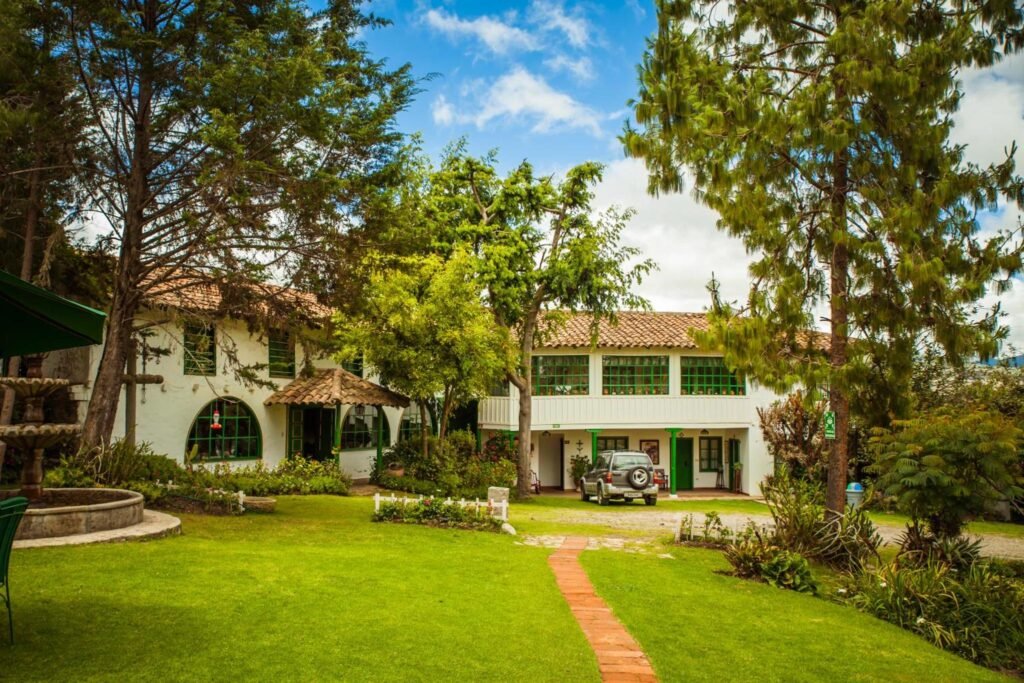
Located a mere 500-metre walk from the archaeological complex, Posada Ingapirca is the premier choice for travellers who wish to wake up within sight of the ruins. Housed within a restored 200-year-old hacienda, this historic property retains its rustic charm while offering modern comforts designed for cold highland nights.
The stone walls, exposed wooden roof beams, and terracotta floor tiles reflect traditional Cañari architecture. Guest rooms feature wood-burning stoves or fireplaces that staff light for you each evening, ensuring your room remains warm long after the mountain sun dips below the horizon.
The on-site restaurant serves comforting Andean staples, including hearty potato soup (locro de papas) and locally caught trout. Staying here allows you to walk to the entry gate before the first tour buses arrive from Cuenca.
The Ecuadorian Sierra.
Get lost in the hills
Hostería La Condesa
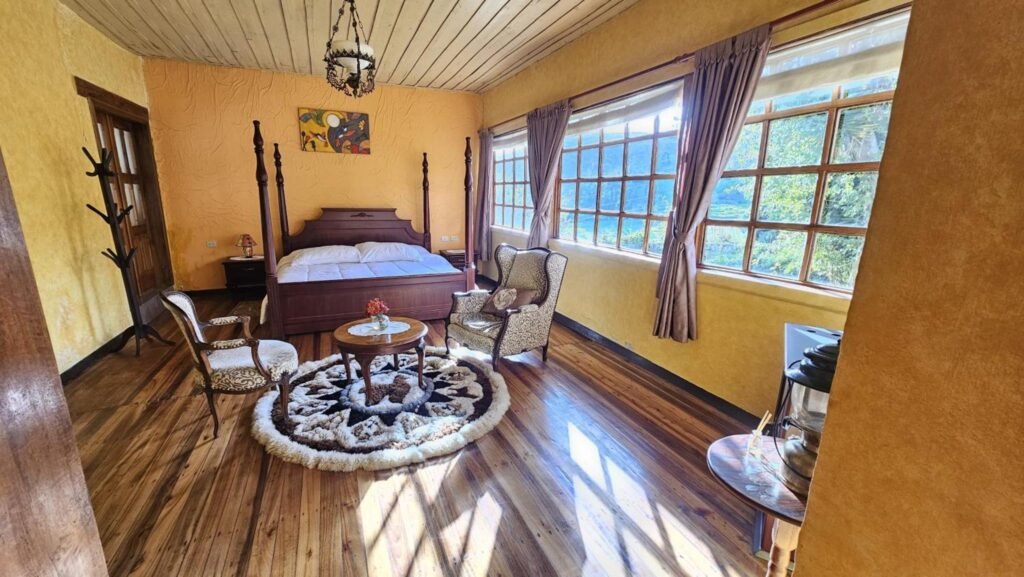
Situated just outside the nearby town of El Tambo, Hostería La Condesa sits adjacent to the Baños del Inca at Coyoctor, an intriguing yet secondary archaeological site carved directly into the rock face. This colonial-era estate offers a refined, tranquil retreat surrounded by mature gardens, working farmland, and mountain trails.
The interior decor is steeped in history, featuring antique furniture, oil paintings, and original stonework. Guest rooms are spacious and quiet, offering sweeping views across the valley. The hosts are known for providing deeply knowledgeable insight into the regional history, helping guests organise walks along preserved sections of the Qhapaq Ñan (the ancient Inca road network).
Coyoctor is an ideal base for travellers seeking solitude, understated elegance, and absolute quiet at night.
Pakarina WASY
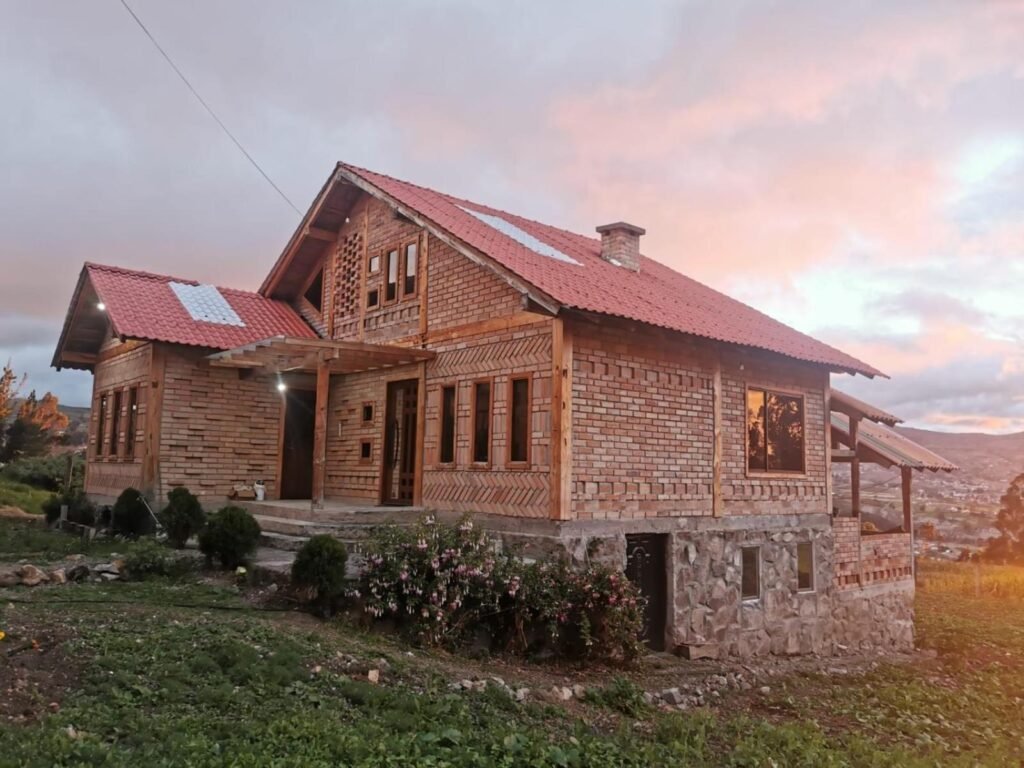
If you are looking for simple, budget-friendly accommodation that does not sacrifice cleanliness or character, Pakarina WASY outside of Ingapirca is a standout option. Operating as a quiet guesthouse-style hostel, it caters directly to independent backpackers, cyclists, and slow travellers.
The rooms are compact, tidy, and heated by gas radiators or thick bedding. The common area revolves around a central fireplace where travellers swap notes over hot cups of coca or guayusa tea.
The host family goes out of its way to assist guests with local bus timetables, walking paths, and baggage storage, making it an ideal choice for self-sufficient travellers keeping an eye on their budget while exploring the region on foot or by bus.
The Ecuadorian Amazon.
The most biodiverse place in the world
Practical travel tips for independent visitors
Planning a trip to this part of Ecuador requires a few practical considerations to ensure your journey runs smoothly:
Transport and access
Interprovincial buses run regularly between Cuenca and Cañar or El Tambo along the Pan-American Highway. From El Tambo, local green buses and shared taxis run the remaining 20-minute route up to the Ingapirca site every half hour.
Altitude and climate
At over 3,000 metres, weather in the Andes can change rapidly. Mornings are frequently crisp and sunny, while afternoons can bring cool mists and rain showers. Pack thermal baselayers, a windproof jacket, and sturdy footwear.
Timing your visit
The archaeological site is open Wednesday through Sunday. By staying at one of the accommodations listed above, you can visit the complex right at opening time (09.00) or during the late afternoon, completely avoiding the peak midday crowds.
The Galápagos.
Ecuador’s Enchanted Isles
Sleep in the quiet of the Cañar highlands
Read this far?
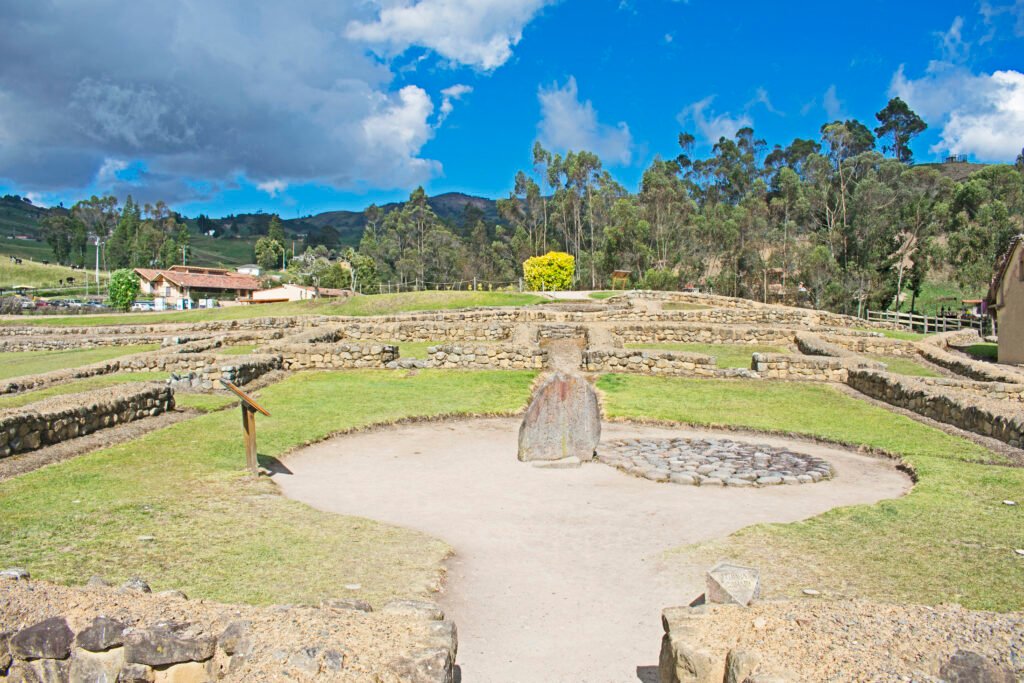
Standing before the elliptical stone walls of the Temple of the Sun when the morning fog lingers in the valley is a world apart from rushing through the turnstiles alongside midday tour groups.
When the day-trippers return to Cuenca, Ingapirca reclaims its natural tranquillity. The surrounding páramo softens under the fading light, woodsmoke drifts from village chimneys, and the ancient landscape returns to those who choose to linger.
Choosing to stay in a historic hacienda, a rural eco-lodge, or a community guesthouse gives your journey an entirely different cadence. It allows you to support local families and regional initiatives directly, while ensuring you enjoy a warm fire, a nourishing plate of locro de papas, and an exceptional night of restorative sleep.
Whether you arrive on foot along ancient Inca tracks, by local bus via El Tambo, or as part of a wider self-guided exploration across Ecuador, taking time in Cañar province yields rich rewards. Slow down, let the mountain air reset your rhythm, and experience one of South America’s great archaeological wonders on your own terms.
Affiliate Disclaimer: Some of the links on Wheely Tyred are affiliate links. If you click through and make a booking or purchase, we may earn a small commission at no extra cost to you. We only recommend gear, tours, stays, and services we genuinely use, trust, and stand behind — our editorial independence always comes first. These commissions help keep our independent cycling guides and travel stories free to read. You can also buy me a coffee here — thanks for supporting the ride!
The Ecuadorian Coast.
Where you’ll find the very best food
Frequently asked questions about where to stay near Ingapirca
Regular interprovincial buses connect Cuenca with the town of El Tambo along the Pan-American Highway, taking around two hours. From El Tambo, local green buses and shared taxis depart every 30 minutes for the short 20-minute journey up the valley directly to the Ingapirca archaeological site and village.
The site is best visited either right when it opens at 09.00 or during the late afternoon before closing. Overnight visitors have the distinct advantage of exploring the complex during these quiet window periods, completely avoiding the peak crowd hours between 11.00 and 14.00 when day buses arrive from Cuenca.
Situated at 3,160 metres above sea level in the high Andes, evening temperatures routinely drop to 5–8°C and can feel colder with wind chill off the páramo. Accommodations in the area cater to this with open fireplaces, wood stoves, gas heaters, and heavy woollen blankets. Pack thermal base layers, a fleece, and a windproof jacket.
Highland cuisine focuses on warming, comforting dishes. Look out for locro de papas, a rich potato and cheese soup served with avocado and toasted corn (cancha), as well as locally farmed mountain trout (trucha) cooked with fresh herbs.
The complex is generally open to visitors from Wednesday to Sunday, between 09.00 and 17.00 (closed Mondays and Tuesdays). It is advisable to verify site operating schedules locally in El Tambo or via your accommodation before setting out.
Yes, energetic walkers can follow sections of the ancient Qhapaq Ñan (Inca road) or quiet rural country tracks between El Tambo and Ingapirca. The walk takes roughly two to three hours uphill through scenic farmland and traditional indigenous hamlets.
Ecuador.
Pure wonder on the equator.


