First-time visitor guide to Isla Floreana in the Galápagos
Uncover independent routes, wildlife habitats and practical travel logistics for visiting Isla Floreana in the Galápagos
Understand the raw character of Isla Floreana
BEN FINCH
Isla Floreana holds a distinct position within the Galápagos archipelago of Ecuador. While islands such as Santa Cruz and San Cristóbal bustle with tour operators, souvenir shops and busy harbourfronts, Floreana remains delightfully pared back. With a permanent resident population hovering below 150 people, the main settlement of Puerto Velasco Ibarra feels like a coastal hamlet frozen in time.
For independent travellers who value quiet exploration over structured group itineraries, Floreana offers a rare opportunity to experience the Galápagos at a contemplative pace. The island has played host to whalers, pirates, penal colonies and eccentric European settlers whose mysterious disappearances in the 1930s generated international intrigue known as the Galápagos Affair.
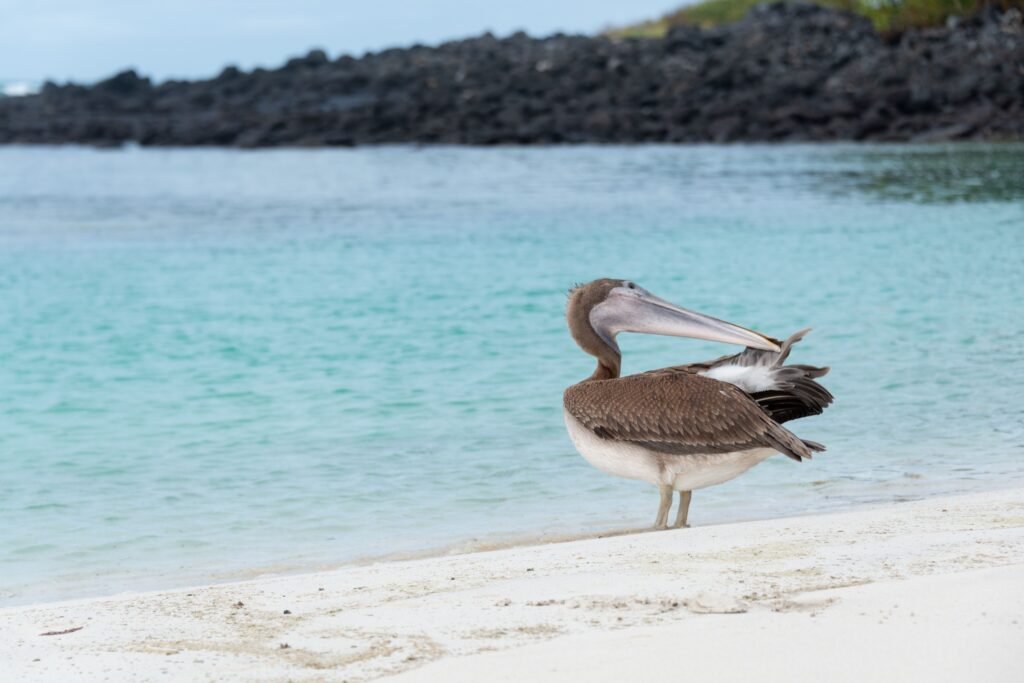
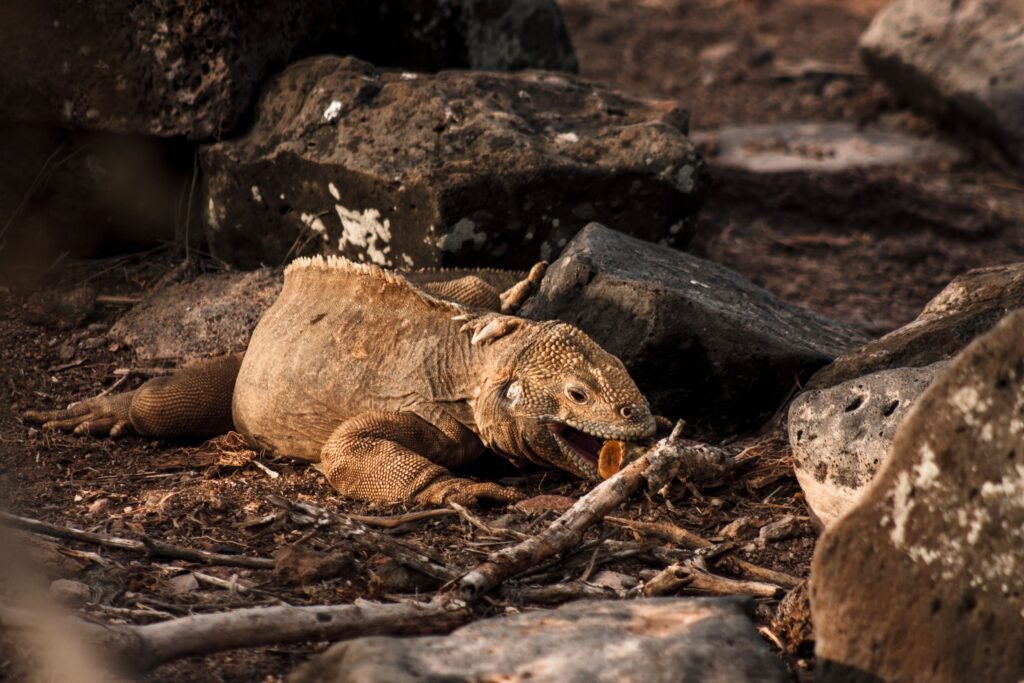
Beneath this rich human history lies a fragile ecological haven where marine iguanas bask on black basalt, giant tortoises roam humid highlands, and pink flamingos wade through brackish coastal lagoons.
Visiting Floreana independently requires thoughtful preparation. Services are basic, transport options are limited, and cash is essential. However, the reward for stepping off the standard cruise circuit is an intimate connection with one of the most enigmatic islands in the Pacific Ocean.
Essential takeaways for the Floreana explorer
Isla Floreana rewards travellers who trade rigid tour group itineraries for self-paced coastal wandering and highland exploration.
Here is a concise snapshot of key locations, logistical tips, and cultural heritage to keep in mind when planning your visit.
- Puerto Velasco Ibarra: A tranquil coastal hamlet of unpaved tracks and black volcanic sands where sea lions lounge alongside local fishing boats
- Asilo de la Paz: The humid highland sanctuary featuring freshwater springs, historic pirate caves, and protected giant tortoises roaming amongst native forests
- La Lobería: A sheltered coastal inlet south of the village ideal for shore-entry snorkelling alongside sea lion pups, marine turtles, and reef fish
- Bahía del Correo: The historic Post Office Bay where a wooden barrel dating back to 1793 functions as an unwritten, trust-based postal sorting system
- Punta Cormorant and Devil’s Crown: Green olivine beaches and brackish flamingo lagoons paired with an underwater volcanic crater teeming with sharks and rays
- Cash and Connectivity: An island completely devoid of automated teller machines where small United States dollar notes are mandatory for every transaction
- Responsible Travel: Strict conservation guidelines requiring a two-metre distance from all wildlife and careful conservation of scarce island water supplies
Isla Floreana.
Murder mysteries and wild biodiversity
Arriving on the island / Ferry logistics and sea conditions
Reaching Isla Floreana on your own terms requires navigating the inter-island ferry network. Daily access is not as frequent as between Santa Cruz and Isabela, so timing your trip demands foresight. Public speedboats operate between Puerto Ayora on Santa Cruz and Puerto Velasco Ibarra on Floreana several days a week, with the crossing taking roughly two hours.
The Pacific waters surrounding the archipelago can be remarkably choppy, particularly during the cool garúa season from June to November. Sea conditions during these months are driven by the Humboldt Current, bringing cooler water temperatures and rolling ocean swells. If you are susceptible to motion sickness, taking preventative medication at least one hour before departing the pier is strongly advised.
Boarding speedboats involves a small water taxi transfer at the main dock, costing one or two United States dollars in cash. Ensure your dry bags are well secured, as sea spray is common during the journey across open water. Arriving at the pier in Puerto Velasco Ibarra, you will notice immediately that there are no crowded tour buses waiting to carry visitors away. The atmosphere is calm, quiet and atmospheric.
Getting around / Independent footpaths and highland chivas
Once ashore in Puerto Velasco Ibarra, navigating the island is straightforward. The settlement itself is small enough to explore entirely on foot along quiet dirt tracks. Because paved roads are non-existent, walking is the primary mode of movement around the village and along the immediate coastline.
To reach the interior highlands, independent travellers rely on local open-air trucks fitted with wooden benches, locally referred to as chivas. These vehicles can be arranged through your guesthouse host or by speaking directly with drivers near the main dock. The journey from the coast up into the damp highland slopes takes approximately 30 minutes, ascending through dry coastal scrub into lush evergreen vegetation.
For coastal sites located within the boundaries of the Galápagos National Park, such as Punta Cormorant or Post Office Bay, access rules require visitors to be accompanied by a certified naturalist guide. Independent travellers can book day excursions or hire local guides directly in Puerto Velasco Ibarra, allowing you to enjoy expert ecological interpretation while maintaining full control over your personal itinerary.
The Galápagos.
Ecuador’s Enchanted Isles
Key sites and wildlife encounters across the island
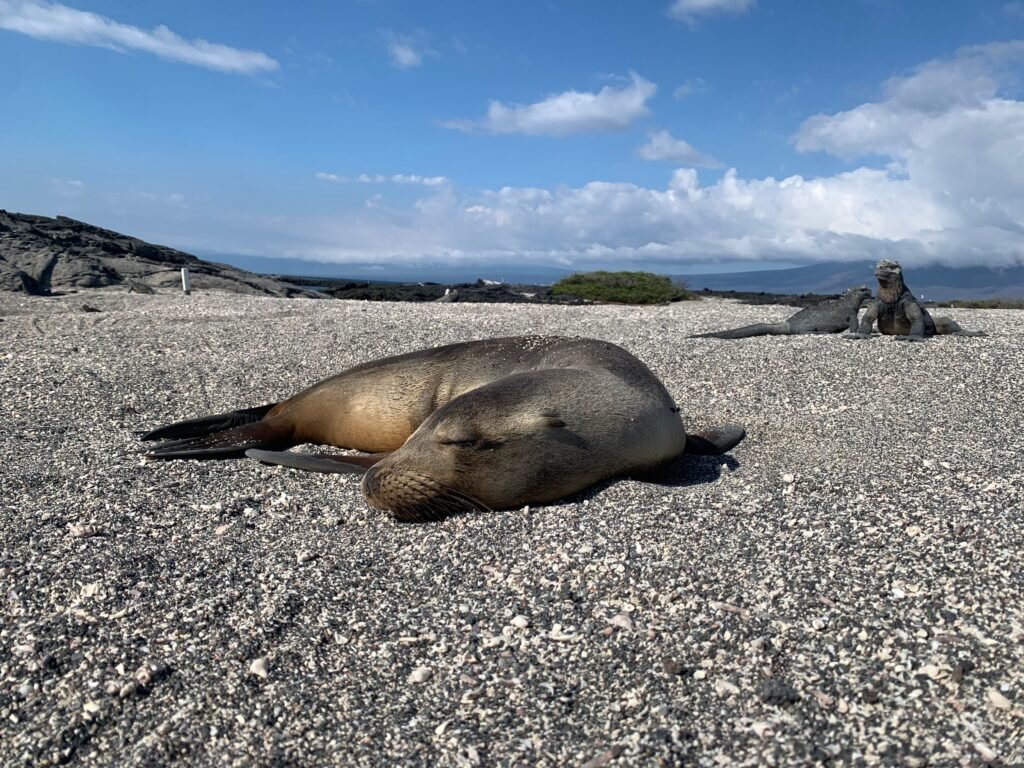
Puerto Velasco Ibarra and the shores of Playa Negra
The primary gateway to Floreana is Puerto Velasco Ibarra, a tranquil village overlooking the dark sands of Playa Negra. This beach takes its name from the volcanic minerals that form its dark shore. Here, Galápagos sea lions lounge along the water’s edge, completely unbothered by human presence.
Walking along the coastal track at Playa Negra during late afternoon provides stunning views across the bay as the sun sets over the ocean. Marine iguanas can be seen clinging to lava rocks along the tide line, while Sally Lightfoot crabs inject bright red dashes of colour against the dark basalt. The shore is ideal for a quiet swim, provided you maintain a respectful distance from sleeping marine mammals.
Asilo de la Paz and the highland refuge
Located inland at an elevation of roughly 450 metres, Asilo de la Paz is a site of immense historical and ecological significance. This highland area features a dramatic freshwater spring that served as the vital lifeline for early inhabitants, including pirates, whalers and the original European colonists.
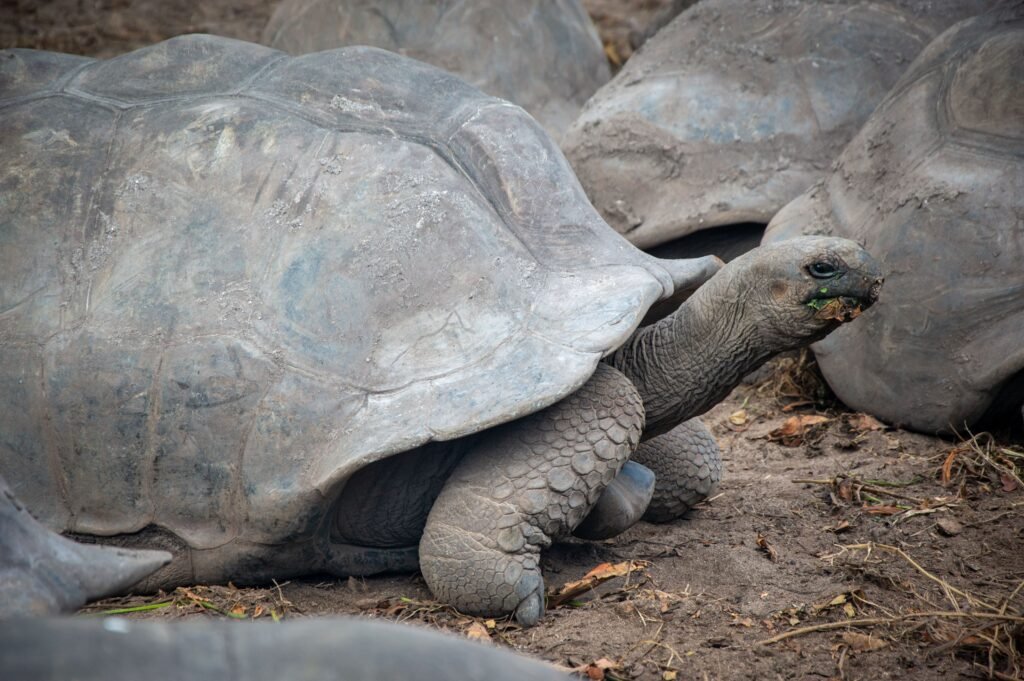
Visitors to Asilo de la Paz can explore natural stone caves carved into the basaltic rock, which were converted into crude living quarters by the Wittmer family when they settled on the island in 1932. Nearby, the Galápagos National Park manages a giant tortoise sanctuary where several endemic subspecies live in protected enclosures surrounded by Scalesia forests. The atmosphere in the highlands is noticeably cooler and mistier than on the coast, providing a refreshing contrast to the equatorial heat down below.
La Lobería coastal trail
A short walk south from Puerto Velasco Ibarra brings you to La Lobería, a protected bay named for its thriving sea lion colony. The trail leading to the coast winds past coastal scrub and lava formations before opening up onto a rocky inlet where sea lions play in shallow turquoise water.
La Lobería is one of the finest spots on Floreana for independent snorkelling directly from the shore. Swimmers can share the calm water with curious sea lion pups, sea turtles feeding on algae and schools of colourful reef fish. It is crucial to respect the alpha male bull sea lions, who patrol their territory aggressively during breeding periods. Always maintain a safe distance and avoid getting between a sea lion and the deep ocean.
Post Office Bay and the barrel tradition
Situated on the northern coast of Floreana, Post Office Bay, known locally as Bahía del Correo, carries a tradition dating back to 1793. British whaling captain James Colnett set up a wooden barrel here to serve as an informal postal sorting box for sailors embarking on multi-year voyages across the Pacific Ocean.
The system remains fully operational today based entirely on trust and goodwill. Visitors leave unstamped postcards inside the wooden barrel and sort through the existing stack to see if any letters are addressed to recipients near their own hometowns. If you find a card addressed to someone living near your home, you take it with you and deliver it by hand upon your return. Participating in this historic tradition connects modern travellers directly with two centuries of maritime heritage.
Punta Cormorant and the marine waters of Devil’s Crown
On the northern point of the island lies Punta Cormorant, home to two distinctly different coastal landscapes separated by a mangrove lagoon. The landing beach features greenish sand rich in olivine crystals formed during ancient volcanic eruptions. A short trail leads inland across a brackish lagoon where flamingos sift through shallow water for brine shrimp.
Continuing past the lagoon leads to Flour Beach, a pristine crescent of pulverised white coral sand where sea turtles lay their eggs between December and May. Just offshore from Punta Cormorant rises Devil’s Crown, or Corona del Diablo, an eroded volcanic crater protruding from the ocean.
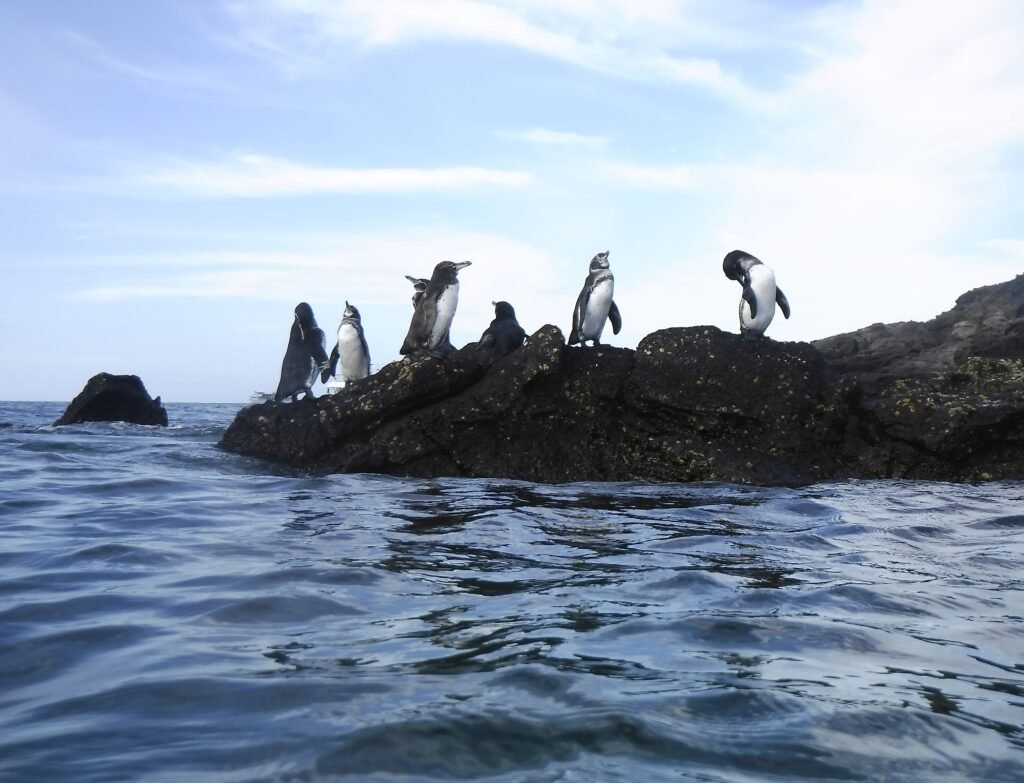
Devil’s Crown is widely regarded as one of the premier snorkelling destinations in the Galápagos, offering underwater vistas populated by hammerhead sharks, white-tip reef sharks, eagle rays, penguins and schools of tropical fish moving through deep lava channels.
The Ecuadorian Sierra.
Get lost in the hills
Island accommodation and dining
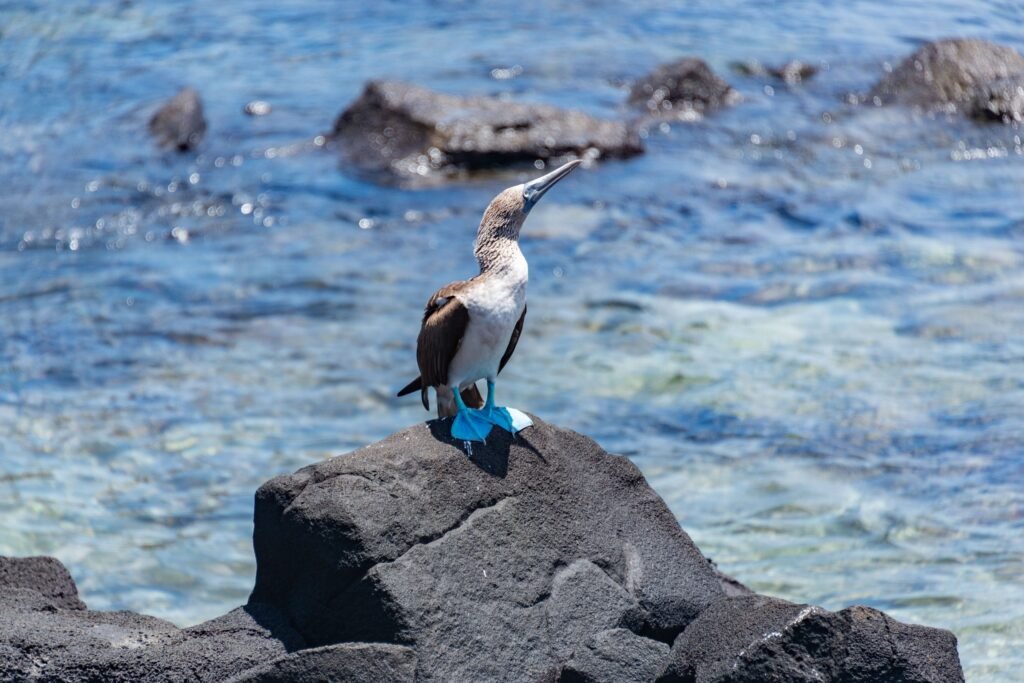
Because mass tourism has deliberately been prevented on Floreana, accommodation options are limited to a small selection of family-run guesthouses and eco-lodges. Staying overnight allows you to experience the island after day-trip boats depart for Santa Cruz, returning the village to absolute silence.
Hotel Wittmer, situated directly behind Playa Negra, is run by descendants of Margret and Heinz Wittmer, who were among the original permanent human residents on the island. Staying here provides a unique window into local history, complete with family heirlooms and historic photographs detailing early pioneer life.
Another excellent option is Floreana Lava Lodge, which features oceanfront wooden cabins positioned along the coastal rocks south of the main pier, offering private balconies and crashing ocean sounds.
Dining options in Puerto Velasco Ibarra are straightforward and home-style. Small local establishments such as Canchalagua and El Oasis de la Baronesa serve daily fixed-menu meals consisting of fresh fish, rice, plantains and homemade vegetable soup.
Because ingredients arrive via supply boats from Santa Cruz, menus depend on weekly deliveries. Independent travellers should inform their guesthouse hosts in advance regarding evening meals, as local kitchens cook to order rather than operating continuous restaurant service.
Critical practicalities for first-time visitors
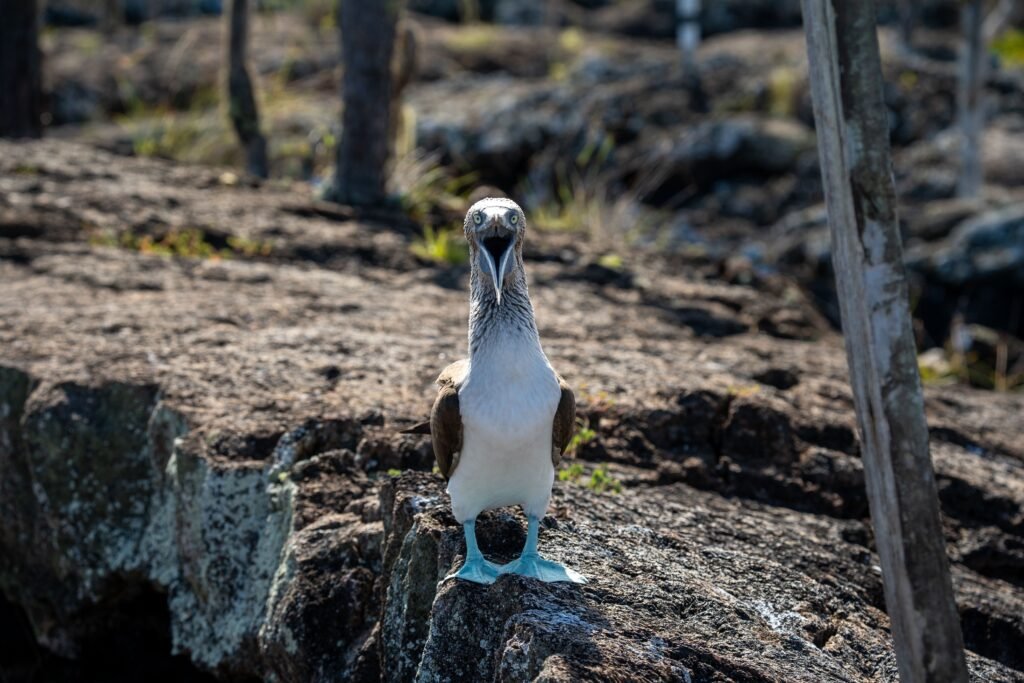
Planning an independent trip to Floreana requires attention to logistical details that differ significantly from mainland Ecuador or larger Galápagos towns.
First, there are no ATMs on Isla Floreana. All transactions, including accommodation payments, meals, guide services and water taxi rides, must be paid in United States dollars in cash. Bring small denominations, specifically five, 10 and 20 dollar notes, as change for larger bills can be difficult for local family businesses to provide.
Second, freshwater is a precious commodity across the island. Rainwater collection and limited highland springs provide the supply, so visitors must practice strict water conservation when showering. Tap water is non-potable; always drink filtered or bottled water provided by your lodge.
Third, pack lightweight, breathable clothing suitable for tropical heat, along with a windbreaker and warm layers for cool evening breezes or mist in the highlands. Sturdy walking shoes or hiking boots with good grip are essential for volcanic trails, while water shoes or strap-on sandals are recommended for wet landings on rocky shores.
Finally, cellular signal and internet coverage on Floreana are extremely limited and occasionally non-existent. Embrace the off-grid environment, download offline maps before arriving and inform family or work contacts that you will be largely unreachable during your stay.
The Ecuadorian Amazon.
The most biodiverse place in the world
Respect national park guidelines and local customs
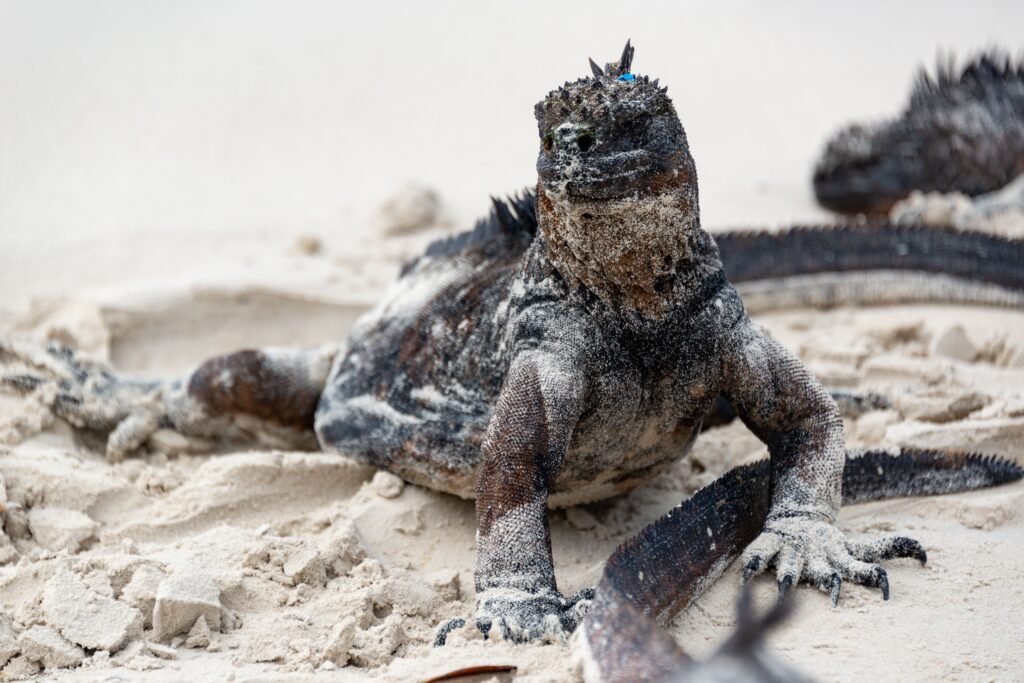
Isla Floreana is a sanctuary where conservation efforts are constantly underway to restore native flora and eradicate invasive species. The Galápagos National Park enforces strict rules to protect the delicate equilibrium of the archipelago, and every independent traveller must adhere to them.
Always maintain a minimum distance of two metres from all wildlife, including sea lions, giant tortoises, iguanas and nesting sea birds. Never attempt to touch or feed any animal, as human food disrupts natural foraging behaviour and spreads disease. Stay strictly on marked trails to avoid stepping on iguana burrows or fragile plant life.
When taking photographs, turn off flash settings entirely, as sudden light startles wild animals. Flash photography near sea turtle nesting sites or bird colonies is strictly prohibited. Additionally, leave no trace of your visit: carry all rubbish back to your accommodation and never remove rocks, shells, coral or sand from the island.
By travelling thoughtfully, supporting local family-run lodging and respecting ecological boundaries, independent travellers can experience the timeless magic of Isla Floreana while ensuring its natural wonders remain preserved for generations to come.
The Ecuadorian Coast.
Where you’ll find the very best food
Embrace the unhurried pace of a Galápagos frontier
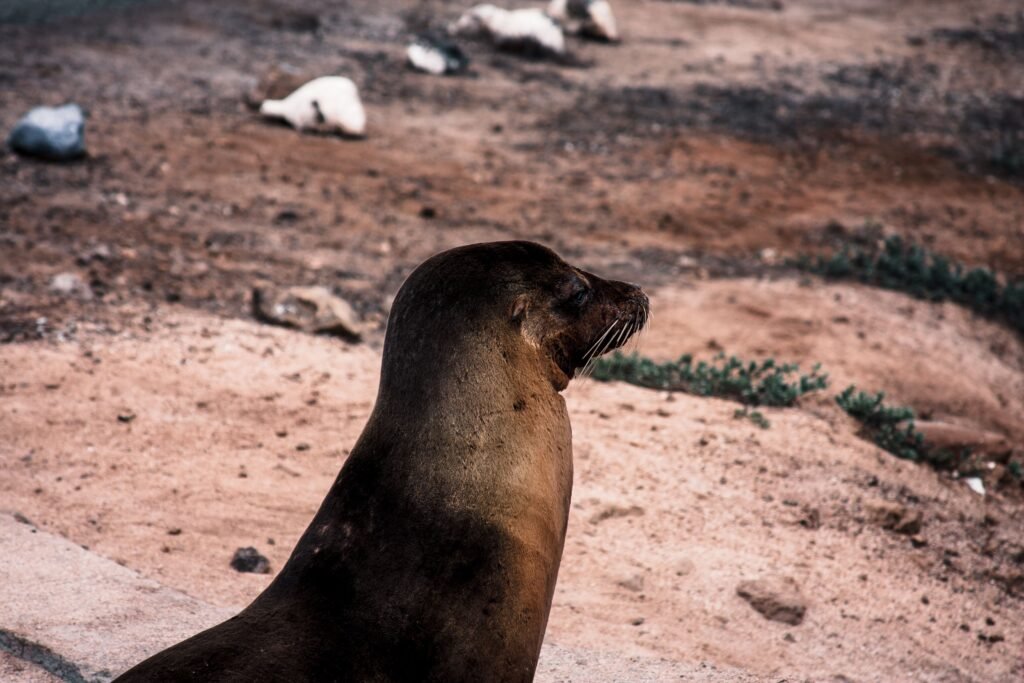
Stepping onto the quiet jetty at Puerto Velasco Ibarra feels less like entering a globally renowned wildlife destination and more like arriving at a forgotten Pacific outpost. Away from the hum of large cruise ships and structured shore excursions, Isla Floreana offers independent travellers something increasingly rare: time to observe, absorb, and move without constraint.
Whether sitting quietly on the dark sands of Playa Negra as marine iguanas retreat into basalt crevices, or sorting through weather-worn postcards inside the wooden barrel at Bahía del Correo, the magic of the island lies in its unvarnished simplicity. Here, raw natural history and eccentric human heritage interweave, creating an atmosphere that invites reflection rather than rushed sightseeing.
By choosing family-run guesthouses, riding local chivas into the humid highlands, and respecting the delicate ecological boundaries enforced by the national park, your visit directly supports the small resident community that safeguards this fragile ecosystem. Isla Floreana is not a place to be ticked off a list; it is an island to be experienced on its own uncompromising terms.
As you board the return ferry toward Santa Cruz, the quietude of Puerto Velasco Ibarra lingers long after the shoreline fades into the horizon. Pack your patience, bring plenty of small dollar notes, and prepare to discover a side of the Galápagos that few group tour passengers ever get to truly understand.
Affiliate Disclaimer: Some of the links on Wheely Tyred are affiliate links. If you click through and make a booking or purchase, we may earn a small commission at no extra cost to you. We only recommend gear, tours, stays, and services we genuinely use, trust, and stand behind — our editorial independence always comes first. These commissions help keep our independent cycling guides and travel stories free to read. Thanks for supporting the ride!
Frequently asked questions about visiting Isla Floreana
Public speedboats operate between Puerto Ayora on Santa Cruz and Puerto Velasco Ibarra on Floreana several days a week. The open-water crossing takes approximately two hours, and small water taxis carry passengers between the main pier and the vessel for a small cash fee.
There are no automated teller machines or banks on Isla Floreana. All payments for accommodation, meals, transport, and local naturalist guides must be settled in United States dollars in cash. Travellers should carry small denominations to facilitate change.
The main village of Puerto Velasco Ibarra is easily navigated on foot. To reach inland destinations such as Asilo de la Paz, travellers rely on local open-air wooden trucks known as chivas, which can be arranged through accommodation hosts or at the pier.
While village beaches like Playa Negra and the coastal trail to La Lobería can be explored on your own, protected sites within the Galápagos National Park—including Punta Cormorant, Post Office Bay, and Devil’s Crown—require the accompaniment of a licensed naturalist guide.
Visitors drop unstamped postcards into the historic wooden barrel at Bahía del Correo and browse through the existing stack of mail. If you find a card addressed to someone living near your home city, you collect it and deliver it by hand upon returning from your travels.
Tap water across the island is non-potable and derived from limited rainwater collection and highland springs. Travellers must drink filtered or bottled water provided by guesthouses and practice strict water conservation during showers.
Ecuador.
Pure wonder on the equator.