Mystery, evolution and human eccentricity / The history of Isla Floreana
Isla Floreana, Galápagos, history guide covering Post Office Bay, Charles Darwin and the 1930s island mystery
Unravel centuries of whalers, naturalists and disappearances on the quietest island
BEN FINCH
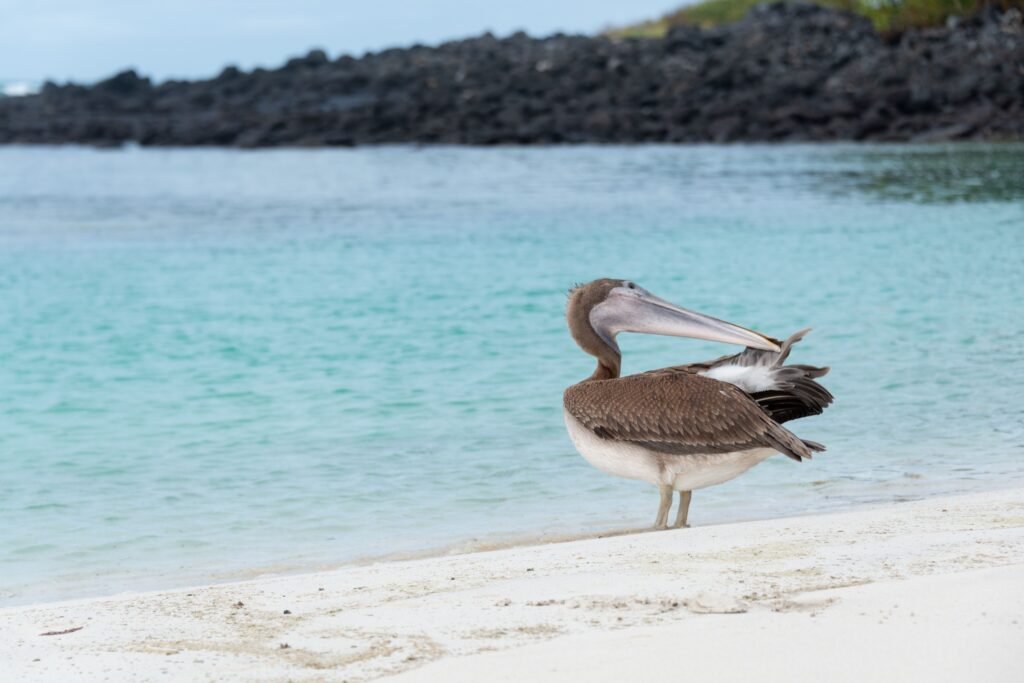
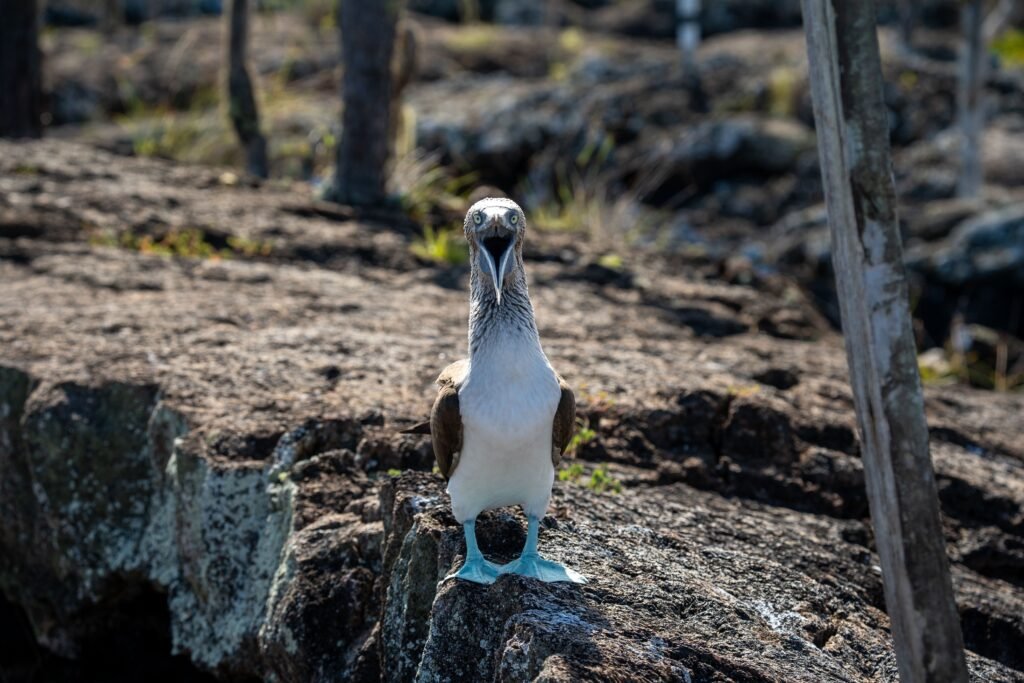
Isla Floreana occupies a unique position in the story of the Galápagos archipelago. While its volcanic neighbours are often celebrated primarily for their dense colonies of blue-footed boobies or marine iguanas, Floreana is defined equally by its extraordinary human history.
Rising gently out of the Pacific waters south of Santa Cruz, this modest island of roughly 170 square kilometres has hosted a parade of Spanish buccaneers, British naval officers, eccentric European intellectuals, and mysterious noblewomen.
To understand Floreana is to understand how human ambitions, scientific curiosity, and harsh isolation interact on the fringes of the world. Long before modern conservation protocols established the Galápagos National Park, Floreana served as a vital staging post for mariners navigating the vast expanse of the South Pacific.
Today, the island retains an understated, timeless atmosphere where history remains etched into the volcanic soil.
Essential Floreana highlights
From pirate hideouts and evolutionary discoveries to unsolved mysteries, Isla Floreana offers an extraordinary blend of human drama and natural wonder.
Here are the key locations and historical landmarks to include on your journey through this remote corner of the Galápagos:
- Post Office Bay: The site of an 18th-century wooden barrel used by whalers as a communal postal system, where travellers still leave and hand-deliver unstamped postcards today
- Asilo de la Paz: A steep highland site featuring the island’s primary fresh water spring, historic pirate caves, and a tortoise breeding centre dedicated to giant tortoise conservation
- Punta Cormorant: A coastal peninsula featuring a lagoon inhabited by flamingos, a green olivine sand beach, and nesting grounds for green sea turtles
- Champion Islet: A small volcanic cone off the northeastern coast that protects one of the final remaining wild populations of the Floreana mockingbird
- Puerto Velasco Ibarra: The tranquil main coastal settlement on the island, home to roughly 150 residents and family-run guesthouses with historic ties to the early European homesteaders
- Mirador de la Baronesa: A coastal lookout point offering expansive views over the landscape, closely linked to the mysterious 1934 disappearance of the self-proclaimed Austrian baroness
Isla Floreana.
Murder mysteries and wild biodiversity
The whalers’ oak barrel at Post Office Bay
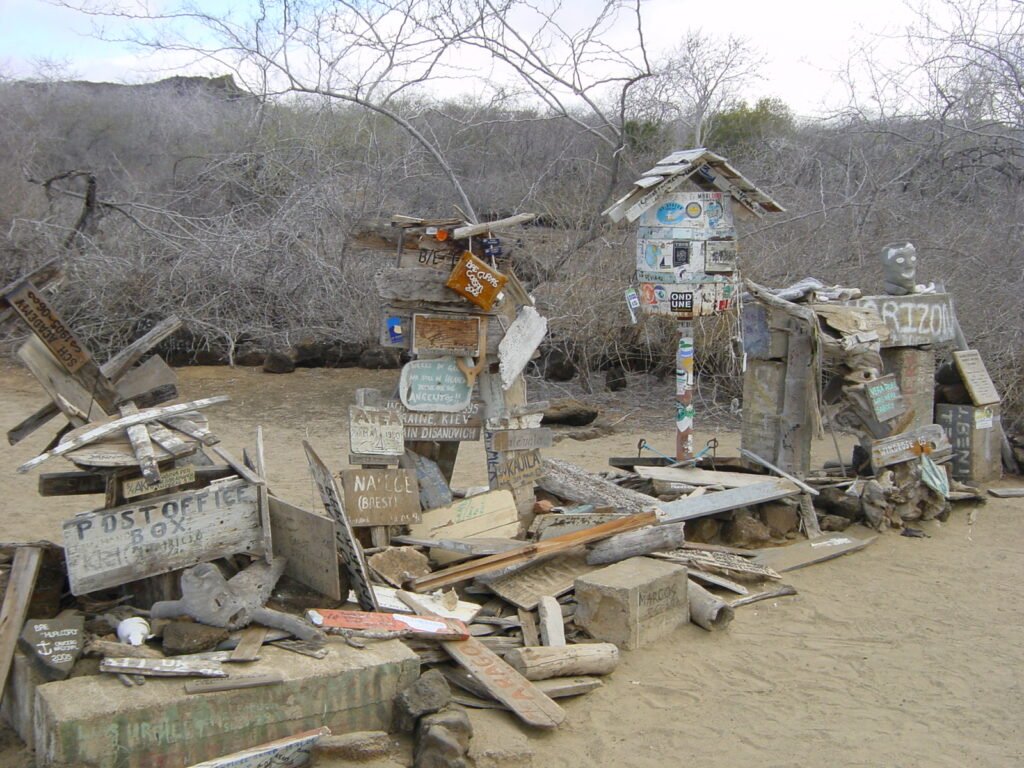
The human footprint on Floreana began in earnest during the late 18th century. In 1793, Captain James Colnett of the British Royal Navy erected a simple oak barrel on the shores of Post Office Bay on the northern coast of the island. Intended as a rudimentary communication system for whaling ships operating in the Pacific, this unstamped post office relied entirely on maritime honour and community cooperation.
Whaling crews outbound on multi-year voyages would drop written letters into the barrel. Homeward-bound vessels stopping at Floreana to replenish fresh water or tortoise meat would sift through the mail, collecting any letters addressed to their home ports and hand-delivering them upon arrival.
Remarkably, this tradition survives intact today. Visitors arriving at Post Office Bay continue to leave unstamped postcards in the wooden barrel while browsing the existing stack to find letters they can personally deliver upon returning to their home countries. It stands as one of the world’s oldest functioning civilian postal traditions, rooted in mutual trust amidst the vastness of the sea.
A crucial conversation with Charles Darwin in 1835

In September 1835, HMS Beagle dropped anchor off the coast of Floreana, then commonly known to English mariners as Charles Island. A young naturalist named Charles Darwin stepped ashore to study the local flora, fauna, and geology. At the time, the island served as an Ecuadorian penal colony overseen by an acting governor, Nicholas Lawson—a Norwegian-born naval officer who had previously served in the Chilean and Ecuadorian navies under the name Nicolai Lossius.
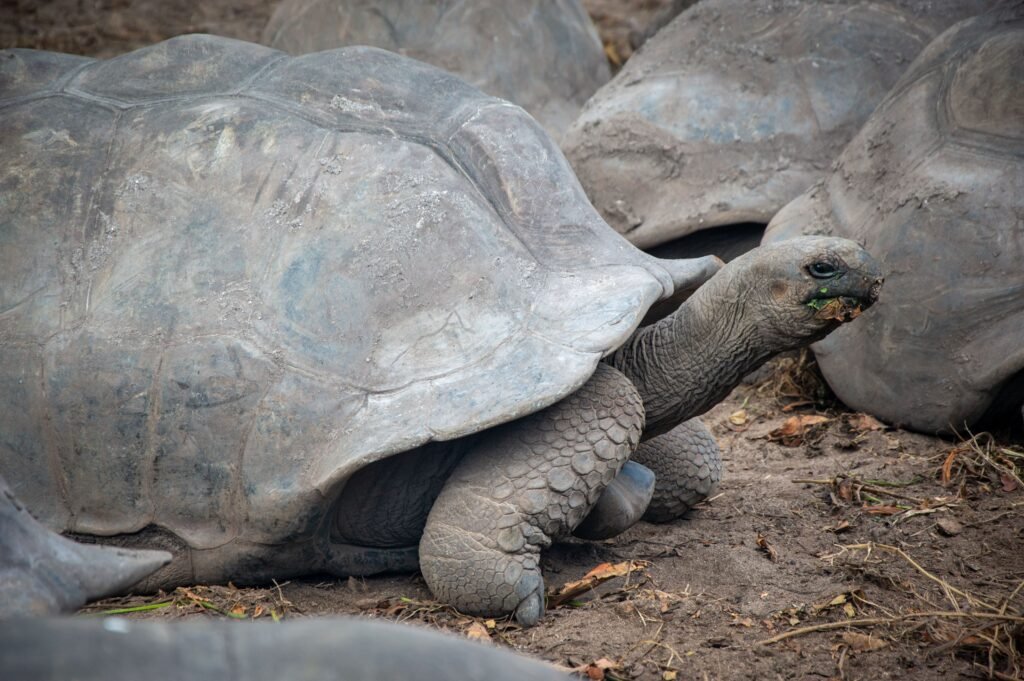
During a dinner hosted at the highland settlement, Lawson shared an observation with Darwin that would ultimately alter the course of modern biology. Lawson noted that the giant tortoises inhabiting the archipelago differed distinctly from island to island, so much so that he could tell with certainty which island any given specimen had come from simply by examining the shape of its shell and the length of its limbs.
On Floreana, the tortoises possessed saddleback shells with raised anterior rims, allowing them to stretch their necks upward to feed on tall cacti in arid lowland conditions, whereas tortoises on wetter, lusher islands featured high, dome-shaped carapaces.
Although Darwin did not immediately record the full significance of Lawson’s insight in his diary that evening, the conversation germinated in his mind over the following years, eventually forming a key pillar of his theory of evolution by natural selection published in On the Origin of Species in 1859.
The Galápagos.
Ecuador’s Enchanted Isles
The Galápagos affair and the island’s legendary mystery
While Darwin brought Floreana into the scientific spotlight, the 1930s transformed the island into the setting for one of the twentieth century’s most compelling real-life mysteries. Seeking an escape from the pressures and political unrest of interwar Europe, a handful of German settlers attempted to construct their own idealised utopias on the remote island.
The first to arrive in 1929 were Dr Friedrich Ritter, a Berlin physician and Nietzschean philosopher, and his companion Dore Strauch. Renouncing modern industrial society, the vegetarian couple settled at a site they named Friedo, clearing land by hand, planting fruit trees, and corresponding with international newspapers. Their publicised exploits as the modern Adam and Eve of the Pacific soon attracted others.
In 1931, the Wittmer family—Heinz, his pregnant wife Margret, and his teenage son Harry—arrived from Cologne. Seeking a dry, clean climate to benefit Harry’s poor health, the Wittmers established a homestead at the base of the island’s lush highlands, temporarily residing in natural stone caves previously used by 17th-century pirates. It was in one of these cool basalt caves that Margret gave birth to her son Rolf, marking the first documented human birth on Floreana.
The Empress of Floreana arrives
The fragile harmony among the settlers collapsed in late 1932 with the dramatic arrival of Eloisa von Wagner-Bosquet, a self-proclaimed Austrian baroness. Accompanied by two young German companions, Robert Philippson and Rudolf Lorenz, the Baroness announced ambitious plans to build a grand luxury resort for visiting yacht millionaires, which she named Hacienda Paraíso.
Wearing a whip and carrying a pistol, she proclaimed herself the Empress of Floreana, frequently commandeering mail deliveries and seizing control of scarce fresh water sources.
Tensions escalated dramatically during a severe drought in early 1934. Then, in March 1934, the Baroness and Philippson suddenly vanished without a trace. Margret Wittmer maintained that the pair had departed on a passing American yacht bound for Tahiti, yet official port records showed no ships had visited Floreana during that period, and the Baroness left behind all her personal belongings, including her prized books and clothing. Neither their bodies nor any trace of their whereabouts were ever discovered.
Shortly after the disappearance, a panicked Rudolf Lorenz attempted to flee the island aboard a small vessel captained by a Norwegian fisherman. The boat drifted off course in heavy currents, and months later, the sun-mummified bodies of both men were found stranded on the waterless beaches of Marchena Island in the far north of the archipelago.
To deepen the mystery, Dr Friedrich Ritter died suddenly in November 1934 from food poisoning after consuming meat from an improperly preserved chicken, leaving Dore Strauch to return to Germany, where she published her memoirs under the title Satan Came to Eden.
Of all the original European homesteaders, only the Wittmer family remained. They built a permanent life on Floreana, establishing a guesthouse in Puerto Velasco Ibarra that continues to be operated by their direct descendants today.
The Ecuadorian Sierra.
Get lost in the hills
Fresh water and refuge at Asilo de la Paz
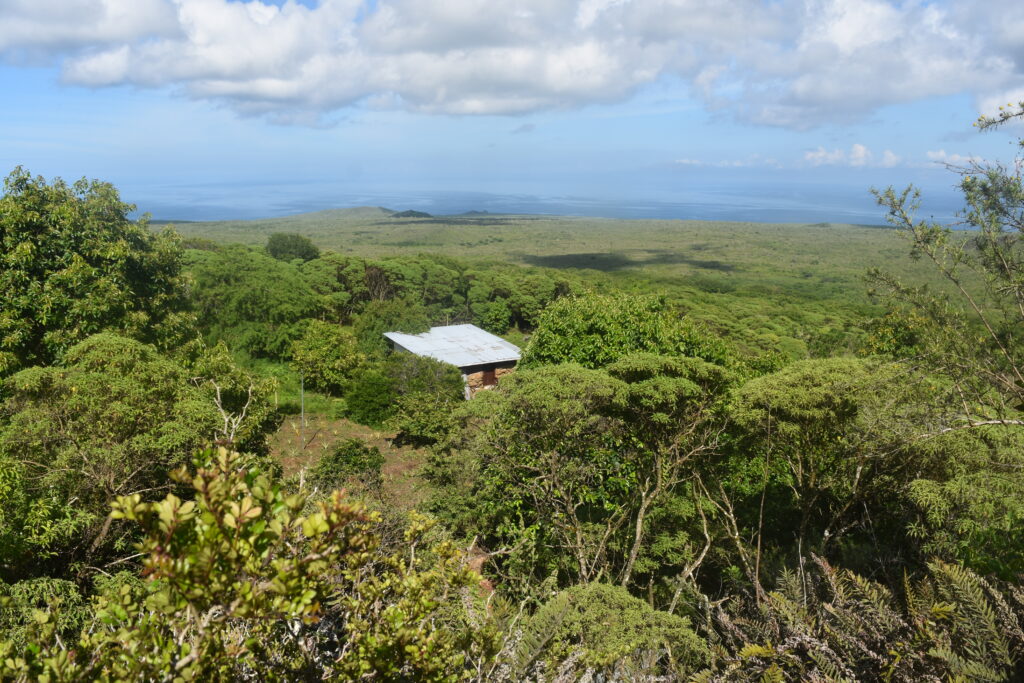
To appreciate how these disparate historical chapters unfolded, one must examine the island’s interior geography. The heart of human survival on Floreana has always been Asilo de la Paz, a steep volcanic hill rising nearly 450 metres above sea level in the damp highlands.
Asilo de la Paz contains the island’s primary freshwater spring, an indispensable resource that dictated the movements of pirates, whalers, and settlers alike. Surrounding the spring are the carved basalt caves where the Wittmer family weathered their first year on the island, complete with crude stone hearths and carved storage niches.
Today, the area is managed as a protected heritage site, providing visitors with a tangible link to the island’s pioneer history alongside a nearby breeding centre dedicated to restoring the local giant tortoise population.
Explore Floreana today in a spirit of slow discovery
Modern Floreana remains the least populous of the four inhabited islands in the Galápagos, home to roughly 150 permanent residents concentrated in the tranquil coastal settlement of Puerto Velasco Ibarra. Life here moves at a measured pace, unhurried by the larger tourism infrastructure found on Santa Cruz or San Cristóbal.
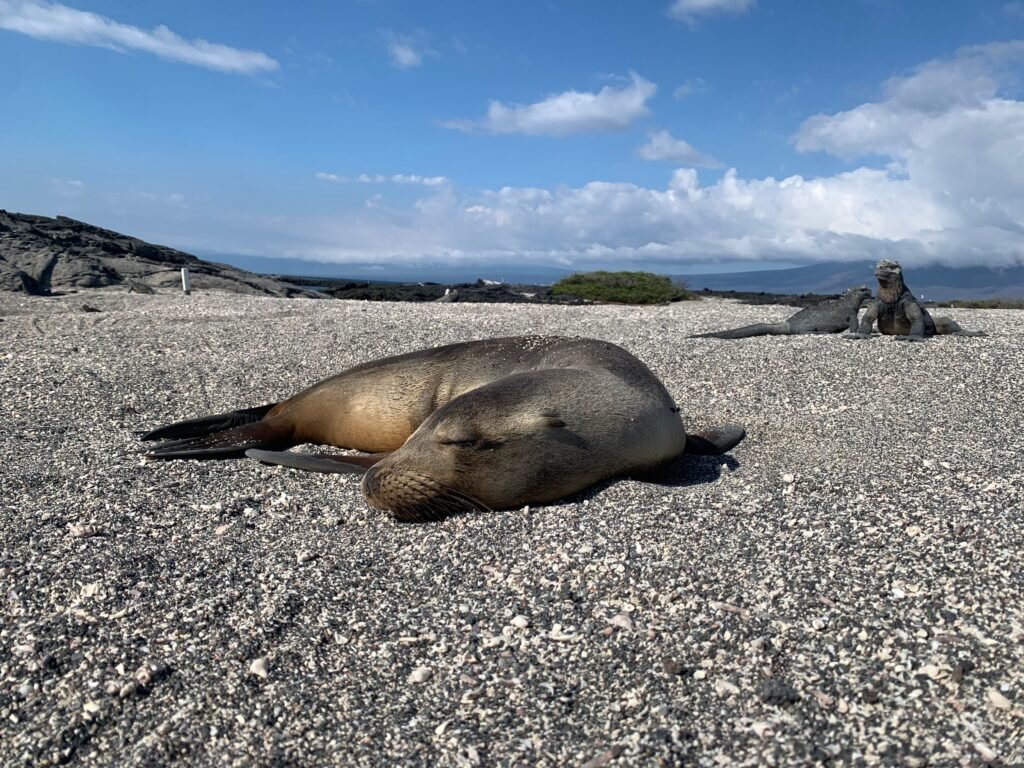
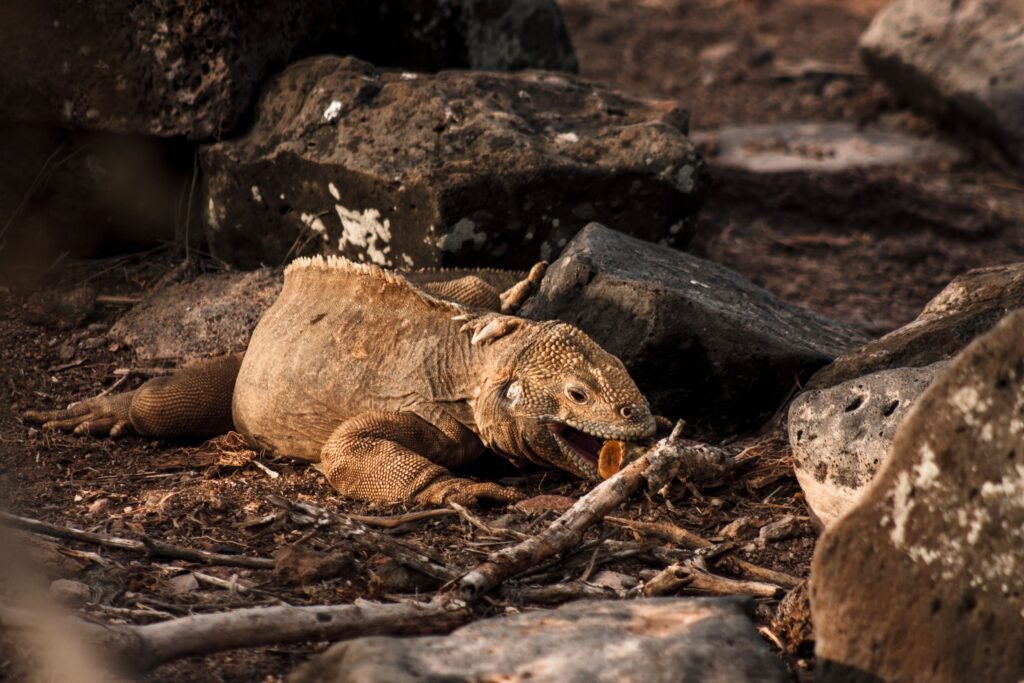
Travel on Floreana rewards patience and an appreciation for narrative detail. A walk along the black sand beach at La Lobería offers sightings of sea lions and marine iguanas resting on lava rocks, while a short boat ride north leads to Punta Cormorant, where a trail passes a bright flamingo lagoon before opening onto a flour-soft white beach where sea turtles nest.
Offshore, the jagged volcanic cone of Champion Islet protects one of the last remaining wild populations of the Floreana mockingbird, a species extinct on the main island itself.
The Ecuadorian Amazon.
The most biodiverse place in the world
A quiet outpost where history endures
Visiting Isla Floreana is a refreshing reminder that travel can still feel like a genuine journey of discovery. Far removed from the busier ports and structured cruise routes of Santa Cruz or San Cristóbal, this understated island invites travellers to slow down and consider how deeply human lives and wild ecosystems shape one another over time.
Whether leaving a postcard in the oak barrel at Post Office Bay or walking along the quiet highland tracks towards Asilo de la Paz, the landscape feels alive with narrative detail. The footprints of whalers, naturalists, and eccentric European settlers remain embedded in the volcanic soil, preserved by the slow rhythm of island life and the stewardship of its permanent residents.
For independent travellers seeking authenticity, depth, and a connection to the quietest corners of the Galápagos, Floreana provides an unforgettable experience. It is a place where nature remains paramount, history is read in the rock and tide, and every journey leaves behind a story worth sharing.
Affiliate Disclaimer: Some of the links on Wheely Tyred are affiliate links. If you click through and make a booking or purchase, we may earn a small commission at no extra cost to you. We only recommend gear, tours, stays, and services we genuinely use, trust, and stand behind — our editorial independence always comes first. These commissions help keep our independent cycling guides and travel stories free to read. Thanks for supporting the ride!
The Ecuadorian Coast.
Where you’ll find the very best food
Frequently asked questions about the history of Isla Floreana
Isla Floreana can be reached via public speedboats operating from Puerto Ayora on Santa Cruz Island. The boat journey takes approximately two hours each way. Alternatively, visiting as part of a small-ship day tour or an organised island-hopping itinerary provides direct water transfers to Puerto Velasco Ibarra.
Yes, travellers can stay overnight in small, family-run guesthouses located in Puerto Velasco Ibarra, including establishments managed by direct descendants of the Wittmer family. Accommodation options are limited, so booking well in advance is highly recommended.
Visitors drop unstamped postcards into the barrel and sift through the existing mail left by previous travellers. If you find a letter or postcard addressed to someone living near your home town or itinerary destination, you collect it and hand-deliver it upon returning from your trip.
Isla Floreana is ideal for independent travellers seeking a quieter Galápagos experience. While national park guidelines require certified guides for specific protected inland sites, exploring the main settlement of Puerto Velasco Ibarra and walking to nearby coastal spots like La Lobería can be enjoyed on foot at your own pace.
Floreana offers opportunities to observe marine iguanas, Galápagos sea lions, Sally Lightfoot crabs, giant tortoises, and nesting green sea turtles. Birdwatchers can spot blue-footed boobies, Darwin’s finches, flamingos at Punta Cormorant, and potentially the rare Floreana mockingbird on offshore islets.
There are no cash machines on Isla Floreana, and payment card facilities are extremely limited. Visitors must bring sufficient United States dollars in cash to cover accommodation, meals, local transport, and guided excursions. Mobile signal and Wi-Fi connectivity are basic and intermittent across the island.
Ecuador.
Pure wonder on the equator.