The best San Cristóbal boat tours & Galápagos water adventures
Top-rated San Cristóbal boat trips, Kicker Rock snorkelling, and coastal cruises
Set sail for volcanic monoliths, playful sea lions, and unspoilt Pacific waters
BEN FINCH
The easternmost outpost of the Galápagos archipelago, San Cristóbal holds a legendary place in maritime history. It was here, amongst the black basalt rocks and turquoise inlets of Puerto Baquerizo Moreno, that Charles Darwin first stepped ashore from HMS Beagle in 1835.
While the island’s highlands offer lush volcanic landscapes, the true magic of San Cristóbal lies out on the Pacific Ocean. Here, the nutrient-dense Humboldt and Cromwell currents converge, creating one of the most vibrant marine biomes on Earth.
At Wheely Tyred, our philosophy on travel is rooted in slow, intentional exploration. We believe that the best way to experience a coastal ecosystem is not from the deck of a crowded mega-cruiser, but from the low-slung gunwales of a small, eco-conscious boat skippered by local mariners who know every reef, tide, and cove.
Navigating San Cristóbal by boat grants you front-row access to dramatic volcanic monoliths, secluded white-sand beaches unreachable by land, and underwater habitats teeming with hammerhead sharks, Pacific green sea turtles, Galápagos sea lions, and spotted eagle rays.
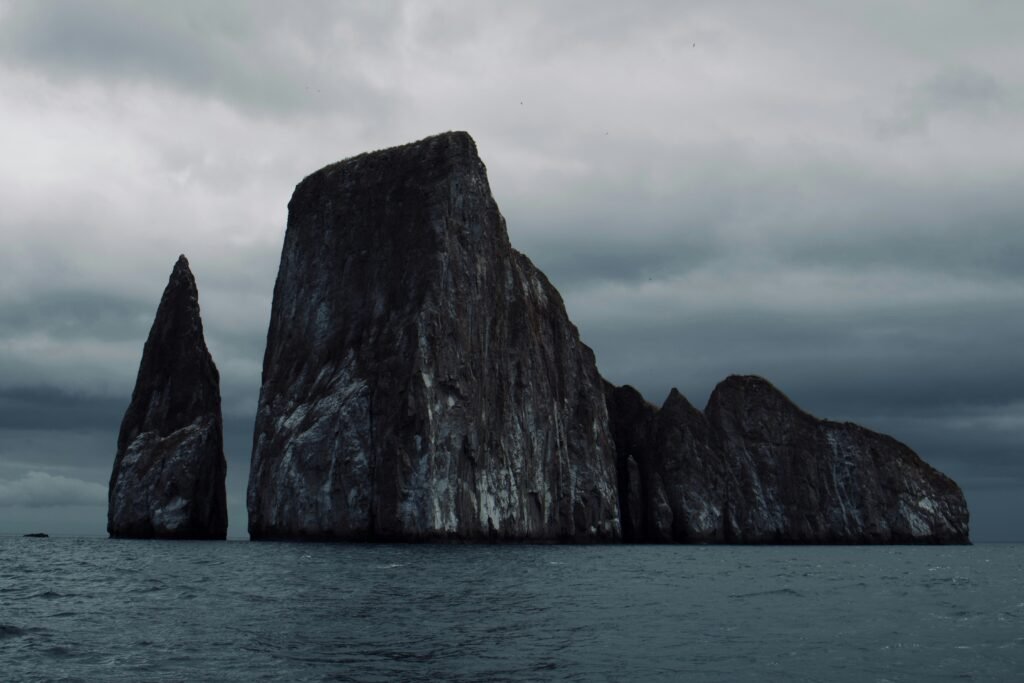
Whether you are looking to circumnavigate the entire island on a day-long voyage or plunge into the deep channel of León Dormido (Kicker Rock), these carefully vetted, top-rated boat tours showcase the absolute best of San Cristóbal’s aquatic heritage.
Key takeaways for the open water
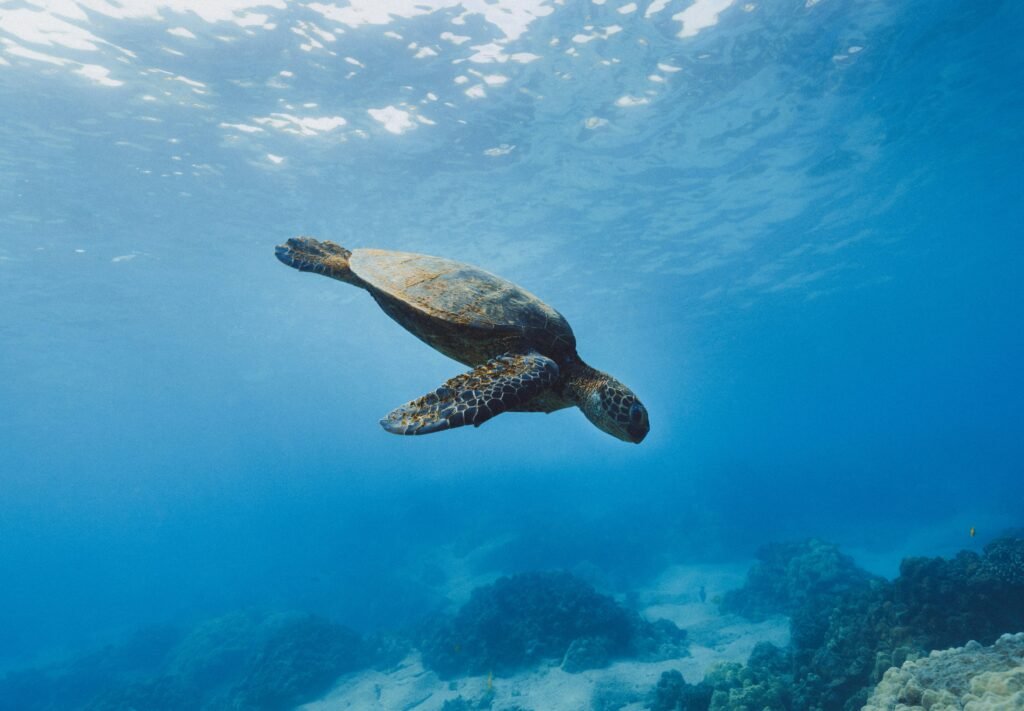
Exploring San Cristóbal from the deck of a small vessel unlocks pristine volcanic marine habitats that land-based itineraries simply cannot reach. From deep-water channels to sheltered turquoise lagoons, here are the essential highlights of sailing Ecuador’s easternmost outpost.
- Kicker Rock (León Dormido): A dramatic 140-metre volcanic monolith split by a deep oceanic channel, world-renowned for swimming alongside Scalloped Hammerhead sharks, Galápagos sharks, and green sea turtles
- 360° Island Circumnavigation: The ultimate single-day water expedition, combining open-ocean sailing, shallow shark-lagoon exploration at Bahía Rosa Blanca, and seabird watching along the volcanic cliffs of Punta Pitt
- Isla Lobos & Super Bay: Ideal for calm, low-swell coastal cruising, offering intimate encounters with playful sea lion pups, sunbathing marine iguanas, and nesting frigatebirds
- Introductory Scuba Encounters: Novice-friendly dive excursions at historical sites like the submerged Carawa steamship wreck allow non-certified travellers to explore beneath the surface under direct PADI/SSI supervision
- Eco-Conscious Maritime Principles: Small-group, low-impact vessels preserve fragile marine ecosystems while providing personalised natural history interpretation from certified Galápagos National Park guides
- Essential Water Safety: High equatorial UV levels, cool ocean thermoclines, and strong surges require effective thermal protection (full wetsuits), reef-safe sunscreen, and pre-emptive motion sickness preparation
San Cristóbal.
Laid-back in the Galápagos
Circumnavigate the island / The ultimate all-in-one island odyssey
Rating & reviews
(New activity on GetYourGuide)
Why this tour stands out
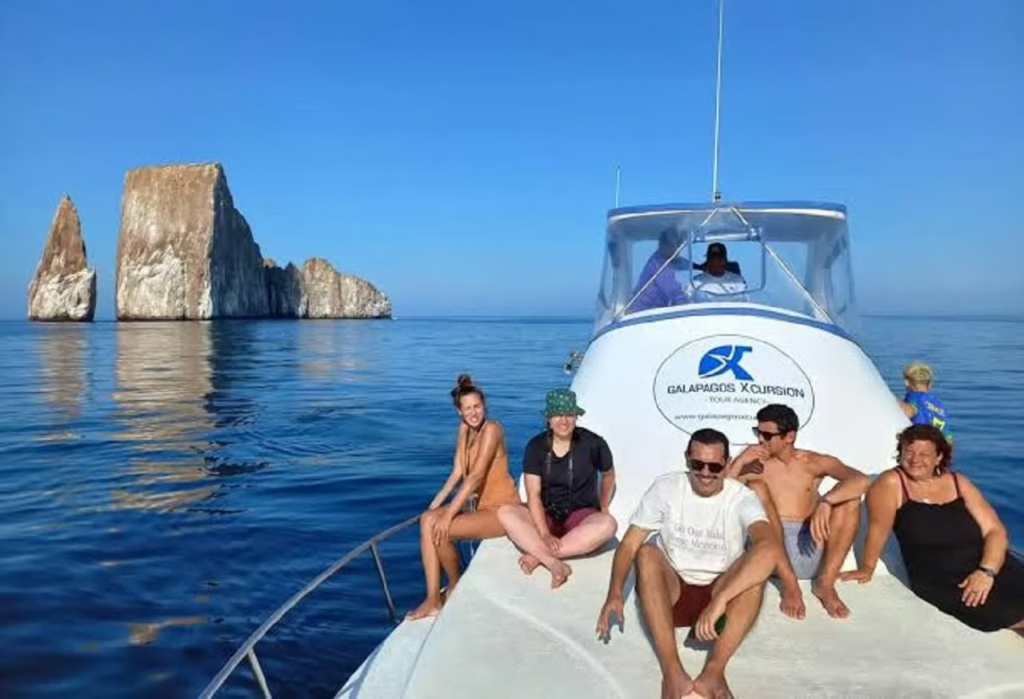
If you have only one day to spend on the water in San Cristóbal, the 360° Navigable Tour is the undisputed gold standard. Rather than concentrating on a single bay, this full-day expedition takes you completely around the perimeter of the island aboard a comfortable, motor-powered launch equipped with dual outboard engines and a shade canopy.
Operating in small groups under the stewardship of a Galápagos National Park certified naturalist guide, this cruise blends open-ocean sailing with tranquil beach landings and deep-water snorkelling.
The vessel size is strictly capped to minimise environmental impact and ensure every guest receives personalised instruction during water entries. The itinerary is thoughtfully paced, working alongside ocean tides so that you arrive at key wildlife hotspots when marine activity is at its peak.
Key highlights
- Bahía Rosa Blanca: A pristine, shallow lagoon surrounded by lava fields, ideal for spotting white-tip reef sharks resting in crystal-clear water
- Punta Pitt: Scenic offshore navigation beneath soaring cliffs where blue-footed, red-footed, and Nazca boobies nest side-by-side
- Cerro Brujo: A stunning photo opportunity past a dramatic natural tuff-stone sea arch carved by centuries of ocean swells
- Kicker Rock (León Dormido): Deep-water snorkelling session inside the towering split-rock channel alongside marine turtles and rays
- Fresh Local Lunch: A wholesome onboard lunch featuring fresh fish, vegetables, and fruit prepared by the crew
Ideal for
Autonomous travellers and wildlife enthusiasts who want a thorough, single-day survey of San Cristóbal’s diverse coastal habitats without compromise.
Local insight
Because this tour crosses open oceanic stretches on the windward side of the island (particularly near Punta Pitt), surface choppy water is common. Pack a light windproof jacket to stay warm on deck between snorkelling stops, as the sea breeze can carry a sharp chill after you leave the water.
Dive beneath the oceanic monolith of León Dormido
Rating & reviews
(12+ verified reviews on Viator)
Why this tour stands out
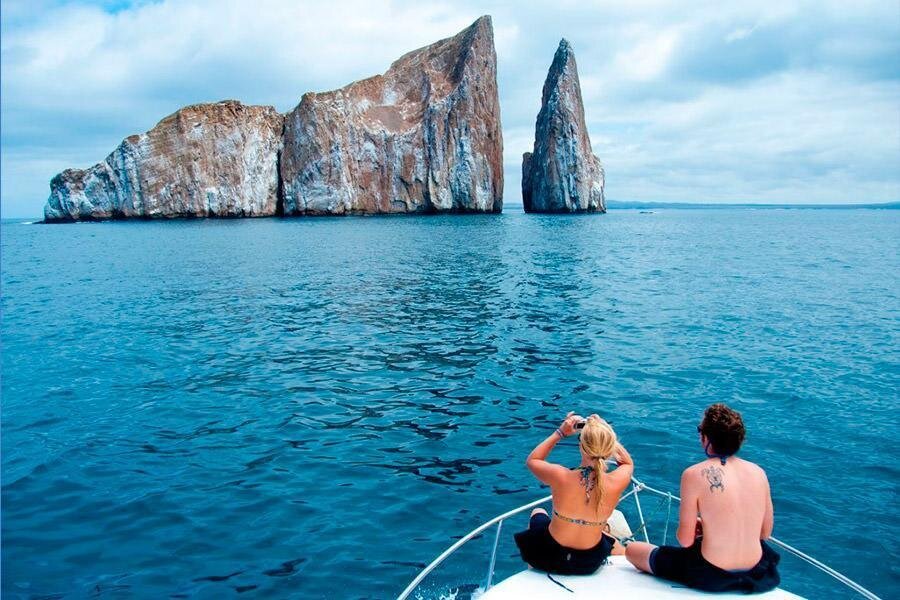
León Dormido—known in English as Kicker Rock—is an imposing vertical tuff cone rising nearly 140 metres straight out of the ocean floor, roughly an hour’s sail north of Puerto Baquerizo Moreno. This specialised expedition zeroes in on the rock’s dramatic marine corridor, where an ancient volcanic eruption split the monolith into two vertical obelisks.
This tour stands out for its high guide-to-guest ratio and top-tier equipment maintenance. The vessel’s crew includes seasoned divemasters and naturalist guides who understand the complex currents funnelling through the narrow canyon. Instead of rushing through, the skipper positions the boat to allow maximum time inside the channel, where deep ocean upwellings attract large pelagic species.
Key highlights
- Pelagic Wildlife Encounters: High probability of swimming alongside Galápagos sharks, iconic Scalloped Hammerhead sharks, and massive Pacific green sea turtles
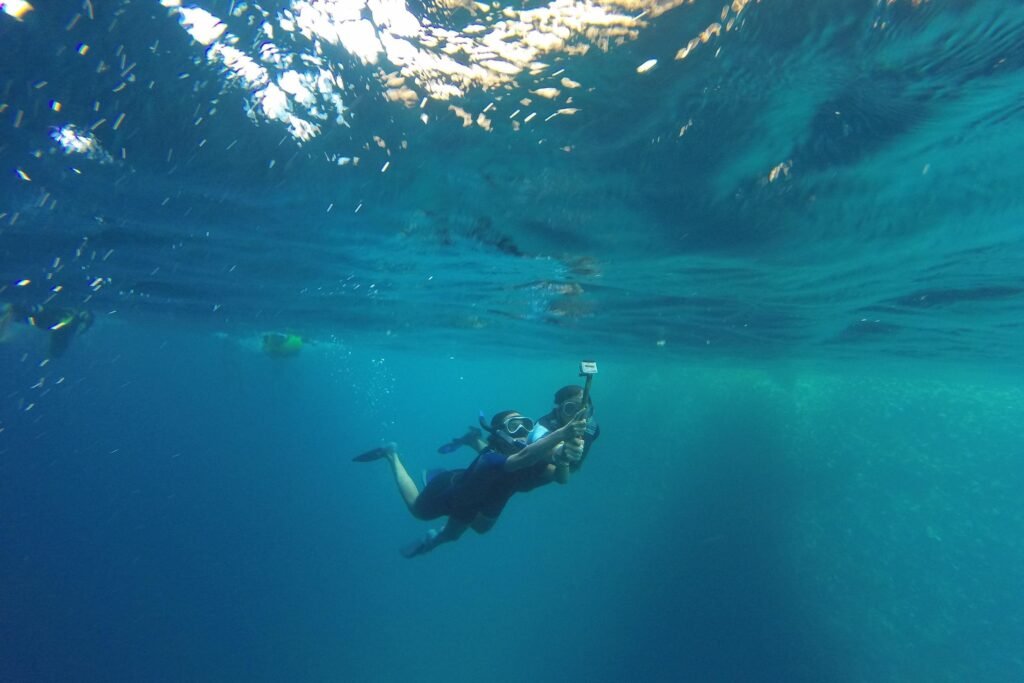
- Guided Canyon Snorkel: A guided swim through the shadows of the 140-metre cliffs, where vertical rock walls drop into a deep blue abyss covered in sea sponges and invertebrates
- Maguey Bay / Puerto Grande Beach Landing: A tranquil post-snorkel stop on a soft sand beach to relax, warm up, and spot sea lions along the shore
- High-Quality Gear: Full-length neoprene wetsuits, masks, snorkels, and fins tailored for open-ocean conditions are provided and fitted before departure
Ideal for
Confident swimmers, snorkellers, and marine life aficionados seeking adrenaline-filled underwater encounters with large ocean predators.
Local insight
The channel inside Kicker Rock can reach depths of over 20 metres with noticeable ocean surges. Keep your fins moving steadily and stay close to your guide. Wearing the provided full-length wetsuit is essential—not just for buoyant safety, but to guard against cold thermoclines and drifting stinging hydroids.
The Galápagos.
Ecuador’s Enchanted Isles
Explore deep channels and coastal snorkelling spots
Rating & reviews
(41+ verified reviews on GetYourGuide)
Why this tour stands out
Operating out of Puerto Baquerizo Moreno’s main passenger pier, this eco-certified day cruise prioritises low-impact tourism and slow-travel principles. The operators utilise custom-built launches with wide observation decks, offering exceptional 360-degree views of the coastline as you transit to Kicker Rock.
What sets this experience apart is its balanced pacing. Before jumping into the deep waters surrounding León Dormido, the onboard naturalist guide leads a comprehensive briefing on Galápagos marine geology and species identification.
Following the deep-water channel swim, the boat navigates to a sheltered cove where you can drift quietly over shallow sandy flats, making it exceptionally accessible for intermediate snorkellers.
Key highlights
- Dual-Environment Snorkelling: Combines the deep-water vertical walls of Kicker Rock with a shallow, sheltered coral and sand bay
- Seabird Viewing: Excellent photographic opportunities of nesting blue-footed boobies, Nazca boobies, and frigatebirds clinging to the sheer basalt precipices
- Informative Naturalist Briefings: Learn directly from accredited local guides about the unique oceanographic factors that feed the archipelago’s sea life
- Eco-Friendly Onboard Dining: Healthy lunch served on real dinnerware to eliminate single-use plastics from entering the marine reserve
Ideal for
Eco-conscious travellers, families with older children, and intermediate swimmers who prefer an educational, well-structured sea voyage.
Local insight
Keep your eyes on the horizon during the transit between the port and Kicker Rock. This stretch of water is regularly frequented by pods of bottlenose dolphins and, during certain months, majestic humpback whales migrating through equatorial waters.
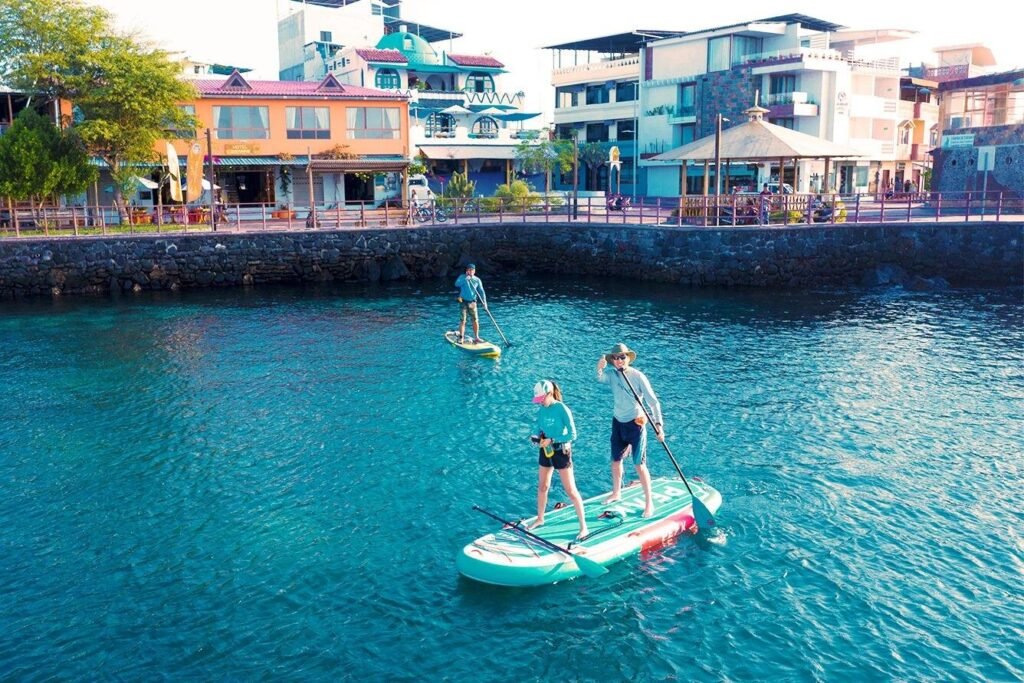
Coastal exploration across pristine bays and coastal coves
Rating & reviews
(12+ verified reviews on Viator)
Why this tour stands out
For travellers who want to bypass the long ocean transits and heavy sea swells of the outer islets, the Super Bay tour offers an intimate exploration of San Cristóbal’s sheltered western and northern bays. Navigating closely along the rugged coastline, this voyage highlights hidden marine lagoons, shallow volcanic reefs, and bustling sea lion rookeries.
The tour operates aboard small, agile motorboats that can easily glide into shallow inlets where larger vessels cannot enter. This allows guests to disembark via small panga (rubber dinghy) tenders onto secluded beaches, providing an authentic, off-the-beaten-path feel.
Key highlights
- Isla Lobos Exploration: Anchor near a dedicated islet home to a large colony of playful Galápagos sea lions and marine iguanas
- Ochoa Bay & Tijeretas Bay: Drift across shallow, emerald-green waters famous for calm swimming and playful encounters with sea lion pups
- Marine Iguana Spotting: Observe marine iguanas feeding on underwater algae and sunning themselves on coastal lava formations
- Uncrowded Coastal Sightseeing: Enjoy calm sea conditions suitable for relaxed photography and leisurely birdwatching
Ideal for
Travellers prone to motion sickness, photographers looking for quiet coastal landscapes, and those seeking gentle, shallow-water snorkelling.
Local insight
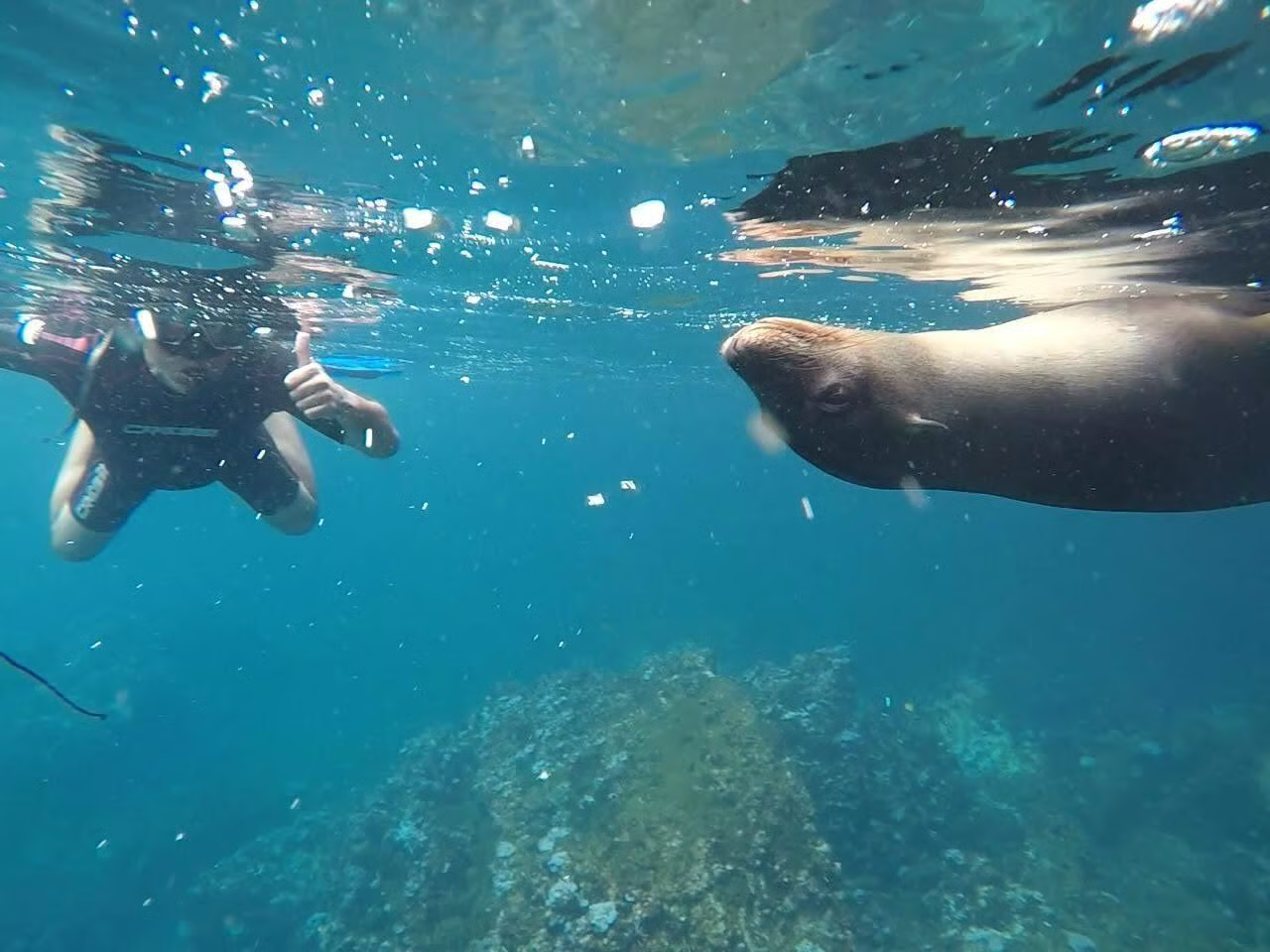
San Cristóbal sea lions are naturally curious and frequently approach swimmers in calm bays like Isla Lobos. Remember to maintain a respectful distance of at least two metres; never reach out to touch them, and pay close attention to dominant bull sea lions patrolling their territory.
The Ecuadorian Sierra.
Get lost in the hills
Comprehensive marine excursions and wildlife encounters
Rating & reviews
(29+ verified reviews on Viator)
Why this tour stands out
Designed specifically for small parties who value high-level natural history interpretation, this full-day boat excursion delivers an immersive look at San Cristóbal’s coastal biodiversity. The itinerary combines small-boat cruising with guided ashore walks on restricted National Park trails, providing a complete land-and-sea perspective.
The crew places strong emphasis on safety, small group sizes, and personal comfort. With ample shade on deck and easy-entry boarding ladders at the stern, this excursion ensures seamless transitions between relaxing on board and slipping into the Pacific Ocean.
Key highlights
- Guided Beach & Lava Trail Walks: Set foot on white-coral sand beaches and black basalt lava beds with a certified guide interpreting volcanic geology
- Rich Snorkelling Sites: Encounter parrotfish, king angelfish, stingrays, and harmless white-tip reef sharks along lava rock arches
- Birding Hotspots: Close-up observation of blue-footed boobies carrying out their famous courtship dances on coastal ledges
- Small-Group Intimacy: Capped passenger count ensures flexible time spent at each anchor point
Ideal for
Independent travellers, wildlife enthusiasts, and natural history buffs who want a balanced mix of coastal hiking, birdwatching, and marine exploration.
Local insight
This tour involves both wet and dry landings from the boat’s panga dinghy. A wet landing requires stepping off the boat into knee-deep surf onto a sandy beach. Carry a small dry bag for your camera equipment to keep electronics safe during these transfers.
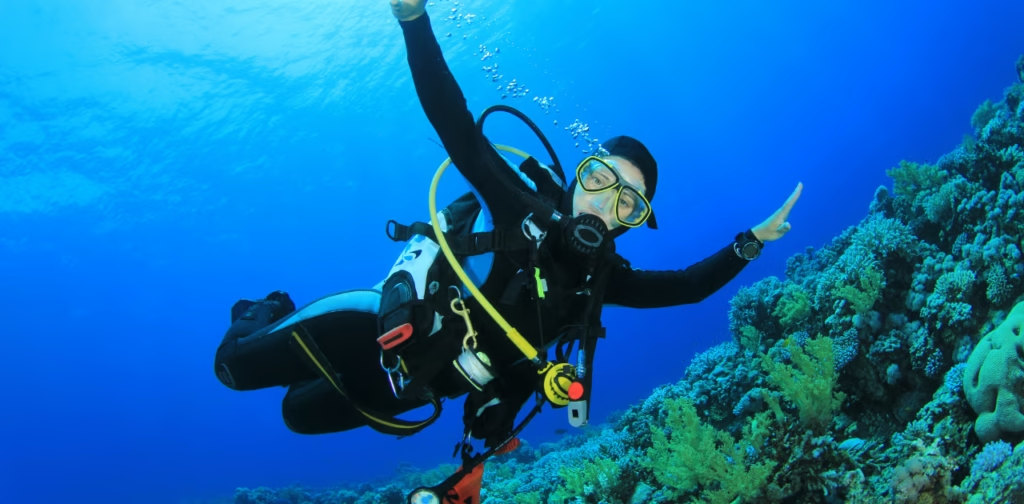
Introductory scuba excursions in unspoilt waters
Rating & reviews
(New activity on GetYourGuide)
Why this tour stands out
For adventurous travellers who want to step beyond snorkelling and experience the Galápagos underwater world from below, this Discover Scuba Diving day trip provides a safe, highly regulated entry point. You do not need a pre-existing diving certification to participate; licensed PDI/SSI instructors provide full safety briefings and pool-style orientation before heading out to sea.
The boat travels to calm, sheltered dive sites around San Cristóbal, including the historic site of the Carawa—a steamship that ran aground in the early 20th century, now transformed into a thriving artificial reef teeming with marine life.
Key highlights
- No Diving License Required: Thorough safety training and one-on-one instructor supervision in shallow waters before the main dive
- Carawa Wreck Exploration: Glide past the algae-encrusted iron remains of the Carawa, home to sea turtles, octopus, and schooling reef fish
- Complete Scuba Gear Included: Professional-grade regulators, BCDs, tanks, weights, and thick wetsuits provided and custom-fitted
- Small Ratio Guidance: Maximum of two to four novice divers per instructor, guaranteeing maximum underwater safety and comfort
Ideal for
First-time divers, adventurous travellers, and active holidaymakers seeking an unforgettable underwater challenge in world-class marine waters.
Local insight
Scuba diving consumes significantly more energy than surface snorkelling, and the cool water temperatures off San Cristóbal can drain your body heat quickly. Eat a hearty breakfast on the morning of departure and take full advantage of the warm tea and snacks provided on deck between dives.
The Ecuadorian Amazon.
The most biodiverse place in the world
Our practical San Cristóbal boat tour & water safety guide
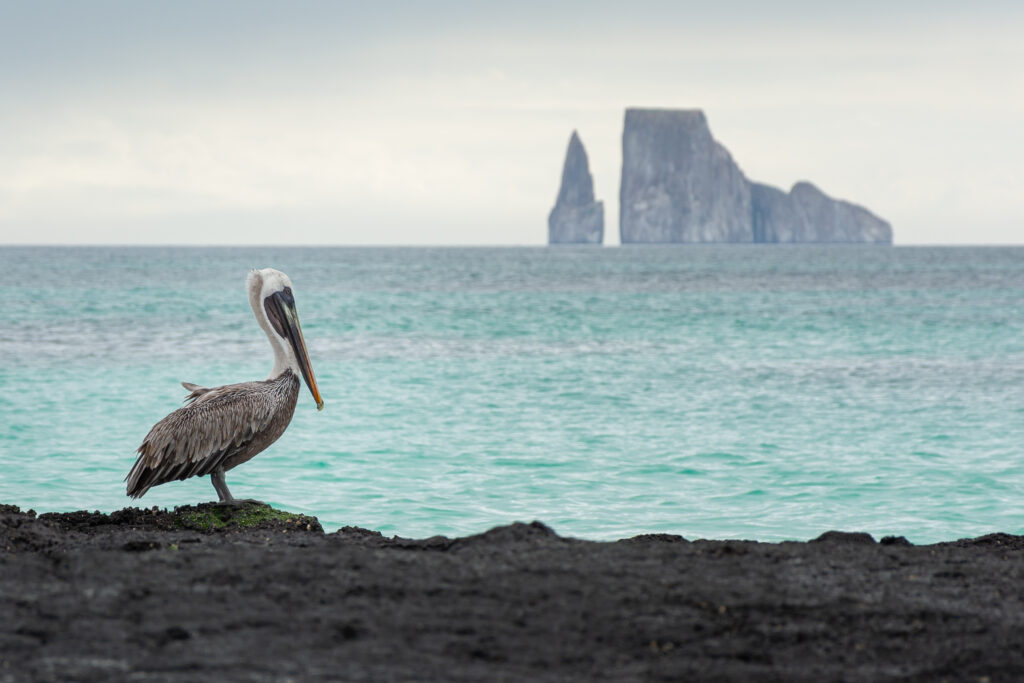
Navigating the waters surrounding the Galápagos Islands requires a touch of preparation. The archipelago is located at the intersection of major oceanic currents, meaning sea conditions can shift quickly from calm equatorial lagoons to surging open-ocean channels. To ensure a smooth, comfortable, and environmentally responsible trip, keep these practical Wheely Tyred tips in mind:
Layering & equatorial protection
Do not let the overcast equatorial morning sky fool you—the UV index in the Galápagos is exceptionally high. Wear a long-sleeved UV rash vest while snorkelling to protect against sunburn and jellyfish stings. Once back on deck, put on a windproof layer; the wind chill across open water after a 45-minute snorkel can feel surprisingly brisk. Always opt for certified reef-safe sunscreen to prevent harmful chemicals from damaging delicate coral ecosystems.
Galápagos National Park conservation rules
You are visiting one of the most strictly protected marine reserves on Earth. Always maintain a minimum distance of two metres (six feet) from all wildlife, including sea lions, marine iguanas, and nesting birds. Never touch, feed, or chase marine animals, and strictly refrain from using flash photography. Single-use plastic water bottles are prohibited on all boat tours—bring a durable stainless-steel refillable flask.
Proactive seasickness management
The open oceanic stretches between Puerto Baquerizo Moreno, Punta Pitt, and Kicker Rock are prone to rolling swells, particularly during the cool garúa season (June to December) when the Humboldt Current is strongest. If you are prone to seasickness, take your preferred motion-sickness medication at least 40 to 60 minutes before the boat leaves the harbour—taking it once you already feel nauseous on open water is usually too late.
Footwear for panga transfers & deck safety
Most day tours utilise rigid inflatable boats or small wooden tenders called pangas to shuttle guests from the main vessel to shore. Pack strap-on sports sandals or dedicated neoprene water shoes that grip wet basalt rocks during wet landings. Avoid flip-flops, as they offer no traction on slippery boat decks or wet rock platforms.
Crew tipping etiquette
The economy of the Galápagos Islands relies heavily on eco-tourism, and local crews work tirelessly to ensure guest safety and prepare meals on board. Ecuador uses the US dollar ($). Tipping your naturalist guide and boat crew in cash at the end of the journey is customary and deeply appreciated. A general rule of thumb is $10–$15 USD per guest for the guide and $10–$15 USD split amongst the boat crew for a full-day excursion.
The Ecuadorian Coast.
Where you’ll find the very best food
Set sail across Darwin’s marine sanctuary
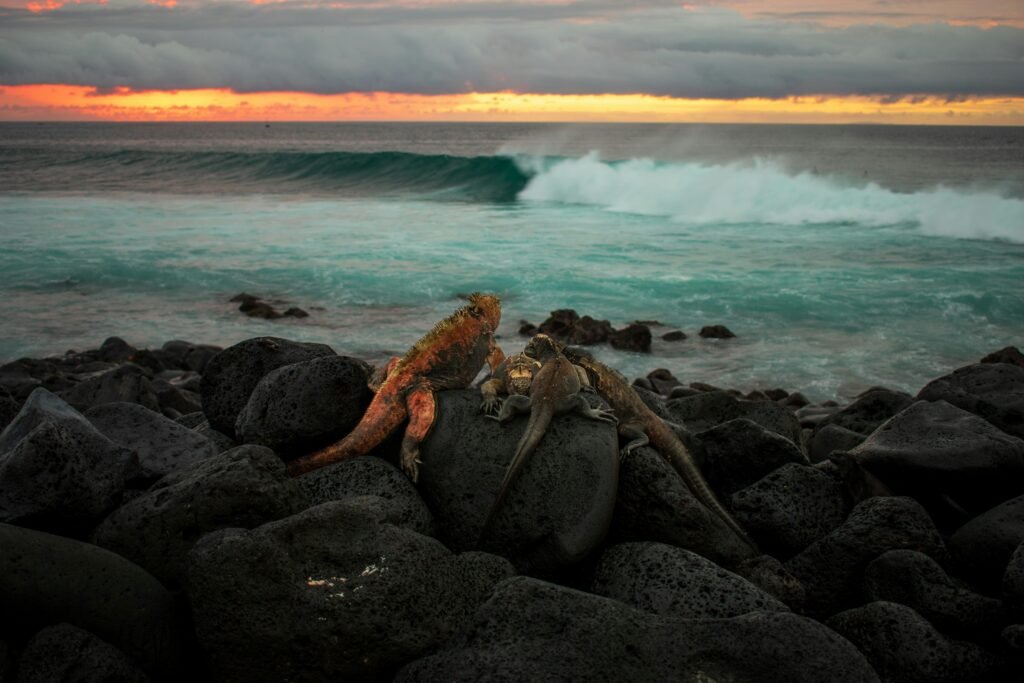
There is an undeniable reverence to navigating the waters where Charles Darwin first dropped anchor almost two centuries ago. While San Cristóbal’s land-based trails offer glimpses of giant tortoises and basalt highlands, the island’s true pulse beats beneath the surface of the Pacific Ocean. Out on the water, where equatorial currents collide, you witness a marine world untouched by heavy coastal development—a place where wild sea lions dart past your mask with effortless grace and oceanic predators glide through dark basalt canyons.
Choosing a small, eco-conscious boat tour is more than just a logistical convenience; it is an active vote for sustainable, low-impact exploration. By opting for local skippers, certified National Park guides, and smaller vessels, you help preserve the fragile equilibrium of the Galápagos Marine Reserve. These intimate excursions ensure that human curiosity never comes at the expense of the wildlife that makes these islands so extraordinarily unique.
Whether you choose to challenge yourself in the deep-water currents of León Dormido, gently drift through the sheltered coves of Ochoa Bay, or commit to a full 360-degree voyage around the island’s perimeter, San Cristóbal rewards those who leave the harbour behind. Pack your dry bag, prepare for the equatorial sun, and let the ocean reveal a side of the archipelago that few land-bound travellers ever truly see.
Affiliate Disclaimer: Some of the links on Wheely Tyred are affiliate links. If you click through and make a booking or purchase, we may earn a small commission at no extra cost to you. We only recommend gear, tours, stays, and services we genuinely use, trust, and stand behind — our editorial independence always comes first. These commissions help keep our independent cycling guides and travel stories free to read. Thanks for supporting the ride!
Frequently asked questions about the best San Cristóbal boat tours
While you do not need to be an elite swimmer, Kicker Rock is a deep-water ocean site with noticeable swells, depths exceeding 20 metres, and open-ocean currents. Confident basic swimming ability is required. Certified guides accompany all groups into the water, and full wetsuits, life jackets, and flotation aids are provided to ensure maximum safety and buoyancy for every guest.
A dry landing involves stepping directly from a vessel or tender onto a concrete pier, wooden dock, or dry rock platform without getting your feet wet. A wet landing requires stepping out of a rubber panga dinghy directly into knee-deep surf onto a sandy beach. Bringing sturdy sports sandals or water shoes is essential for wet landings to navigate submerged rocks comfortably.
San Cristóbal offers year-round water excursions, split into two primary seasons. The warm, rainy season (January to May) features calmer seas, warmer water temperatures (around 23–26°C), and high underwater visibility. The cool, dry garúa season (June to December) brings stronger Humboldt currents, cooler water (around 18–21°C), and richer nutrient upwellings, which attract larger pelagic marine life such as hammerhead sharks and migrating humpback whales.
Snorkelling at Kicker Rock is open to everyone, but certified scuba diving there requires an open-water license due to deep currents. However, non-certified travellers can book specialised Discover Scuba Diving excursions at calmer, sheltered sites like the Carawa wreck or Darwin Bay, where licensed instructors provide comprehensive surface instruction before conducting shallow, highly supervised dives.
Ocean transits on the windward side of the island and trips out to Kicker Rock involve open Pacific swells. Take motion sickness medication at least 40 to 60 minutes prior to departing the pier at Puerto Baquerizo Moreno. Onboard, sit toward the stern (rear) or centre of the vessel where motion is least pronounced, fix your vision on the distant horizon, and keep well-hydrated throughout the journey.
Most reputable operators provide high-quality snorkelling gear (mask, snorkel, and fins) along with neoprene wetsuits, which are crucial for buoyancy and warmth in cool currents. A freshly cooked lunch, water refills, and hot drinks are standard on full-day excursions. You should bring your own stainless-steel water flask, UV rash vest, reef-safe sunscreen, and a lightweight dry bag for personal electronics.
Ecuador.
Pure wonder on the equator.