Best San Cristóbal attractions & tours / The complete Galápagos travel guide
San Cristóbal, Galápagos, excursions, boat tours & ticketed experiences
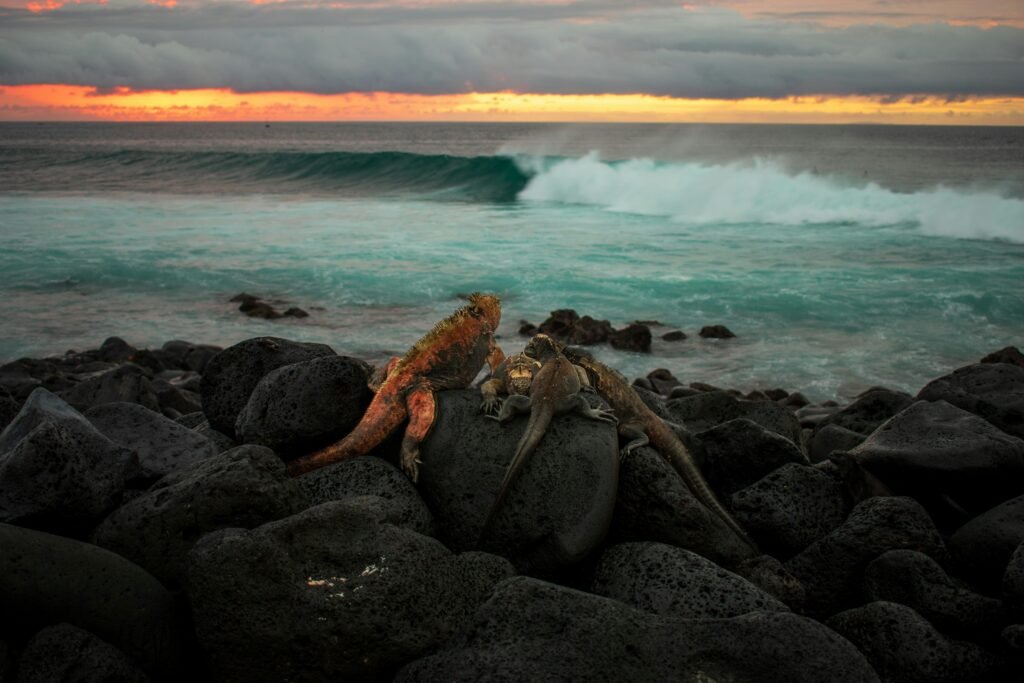
Discover the eastern Galápagos Archipelago
BEN FINCH
As the easternmost outpost of the volcanic Galápagos Archipelago, San Cristóbal holds a singular place in natural history. It was here, in 1835, that Charles Darwin first waded ashore from the HMS Beagle, stepping onto the jagged basalt rocks of Chatham Bay to begin observing the endemic fauna that would reshape human understanding of life on Earth.
Today, Puerto Baquerizo Moreno serves as the island’s laid-back capital, where sea lions lounge lazily on boardwalk benches, and frigatebirds wheel effortlessly through the equatorial skies.
At Wheely Tyred, our travel philosophy centres on authentic, independent exploration coupled with meticulous forward planning. The Galápagos National Park strictly limits daily visitor quotas and marine vessel capacities to preserve fragile ecosystems.
Spontaneous arrivals often lead to missed boat slots, sold-out naturalist tours, or standing empty-handed at harbour piers. Pre-booking timed-entry slots, certified naturalist guides, and small-group boat permits ensures you bypass administrative logjams, secure your equipment in advance, and dedicate every precious hour to unhurried, meaningful discovery.
Whether you are navigating pristine marine channels or trekking through misty highland crater lakes, securing verified tickets through trusted platforms is the secret to a seamless archipelago adventure.
Essential San Cristóbal highlights
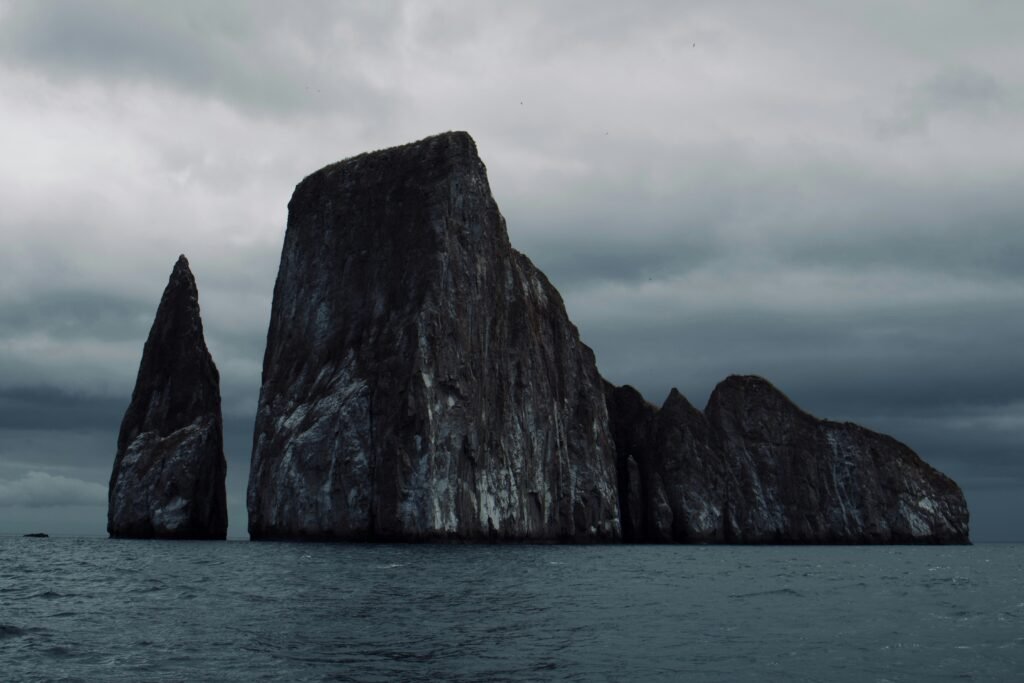
From high-altitude volcanic crater lakes down to deep pelagic ocean channels, San Cristóbal offers some of the most pristine wildlife encounters in the Galápagos Archipelago. Here is a concise overview of the core locations, experiences, and practical tips covered in our guide to help you plan an unhurried, independent itinerary.
- El Junco Crater Lake: Hike the rim of the archipelago’s only permanent freshwater lake, set inside an extinct volcanic caldera 700 metres above sea level, where frigatebirds gather to wash sea salt from their wings
- Galapaguera del Cerro Colorado: Walk shaded woodland paths to observe giant tortoises (Chelonoidis chathamensis) roaming freely through protected semi-wild scalesia forests
- León Dormido (Kicker Rock): Snorkel through a 148-metre vertical volcanic channel alongside Galápagos sharks, eagle rays, green sea turtles, and shoals of pelagic fish
- 360° Island Circumnavigation: Sail the full 130-kilometre island perimeter to reach restricted, pristine sanctuaries such as Bahía Rosa Blanca, Punta Pitt, and Cerro Brujo
- Highland Cycle Trails: Experience sweeping mountain ridge vistas by coasting down paved and gravel backroads from cloud-forest zones directly to coastal swimming bays
- Interpretation Centre & Tijeretas: Discover the human and geological history of the Galápagos before trailing frigatebird colonies down to calm snorkelling waters at Playa Carola
- Advance Permit Management: Book high-demand marine slots and naturalist tours 4 to 6 weeks in advance to navigate strict park daily visitor quotas effortlessly
San Cristóbal.
Laid-back in the Galápagos
Explore San Cristóbal’s highland volcanoes and tortoise reserves
Rating & reviews
(New activity on GetYourGuide)
Why this attraction stands out
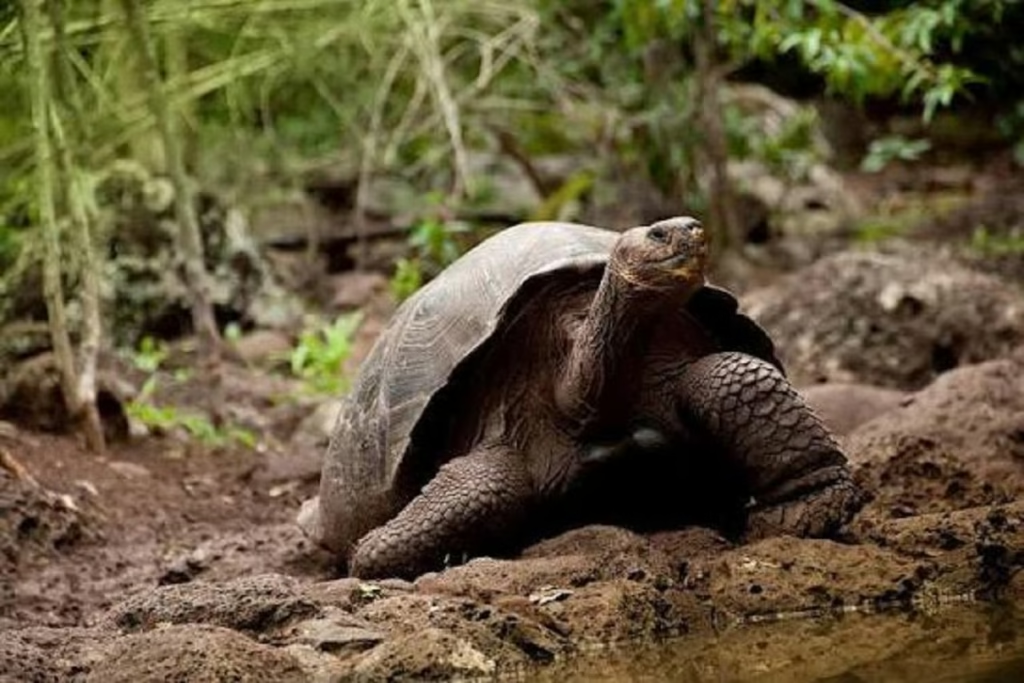
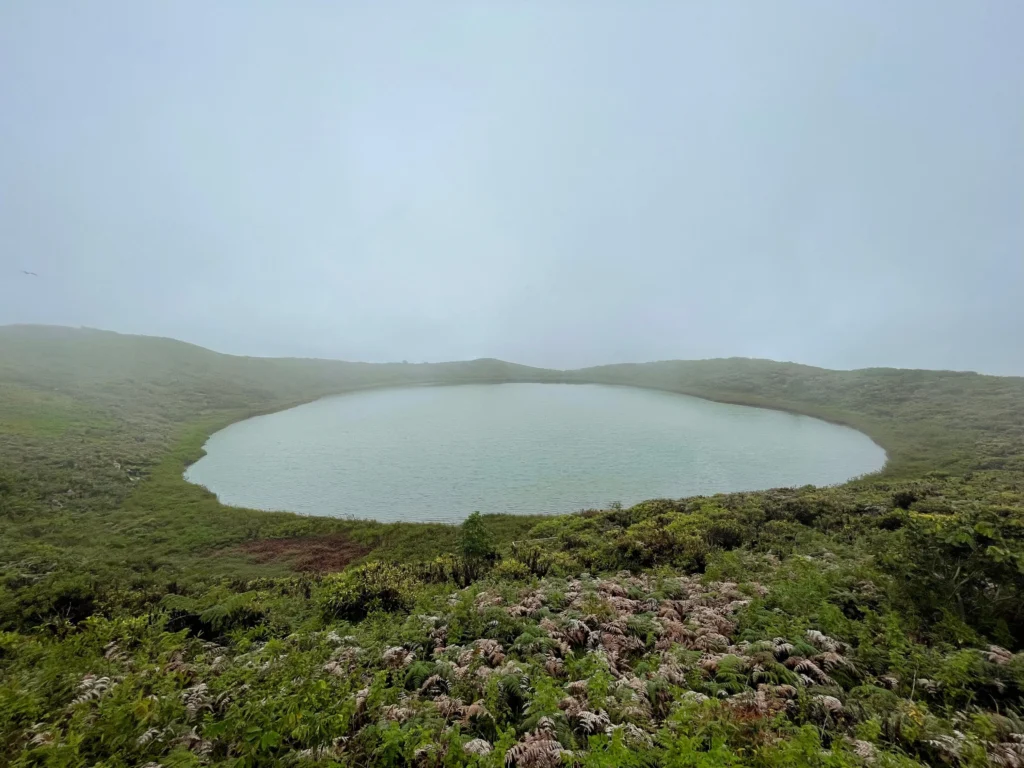
This curated overland expedition takes travellers deep into the heart of San Cristóbal’s moist highland zone, bridging distinct climate micro-environments in a single day. Moving away from the arid coastal margins, this guided experience ascends into the cloud-shrouded volcanic heights to visit El Junco—the only permanent freshwater lake in the entire Galápagos Archipelago.
The tour then moves on to the semi-natural breeding sanctuary at Galapaguera del Cerro Colorado, where giant tortoises (Chelonoidis chathamensis) roam freely through native scalesia forests, before descending to the white coral sands of Puerto Chino. Pre-booking this experience guarantees private transport across the rugged island spine alongside a licensed Galápagos National Park naturalist guide.
Key highlights
- El Junco Crater Lake: Hike around the rim of an extinct volcanic caldera situated 700 metres above sea level, watching freshwater-bathing frigatebirds dip into the mist-covered waters
- Galapaguera del Cerro Colorado: Walk shaded woodland paths to observe hatchling, juvenile, and centuries-old giant tortoises living in protected, semi-wild conditions
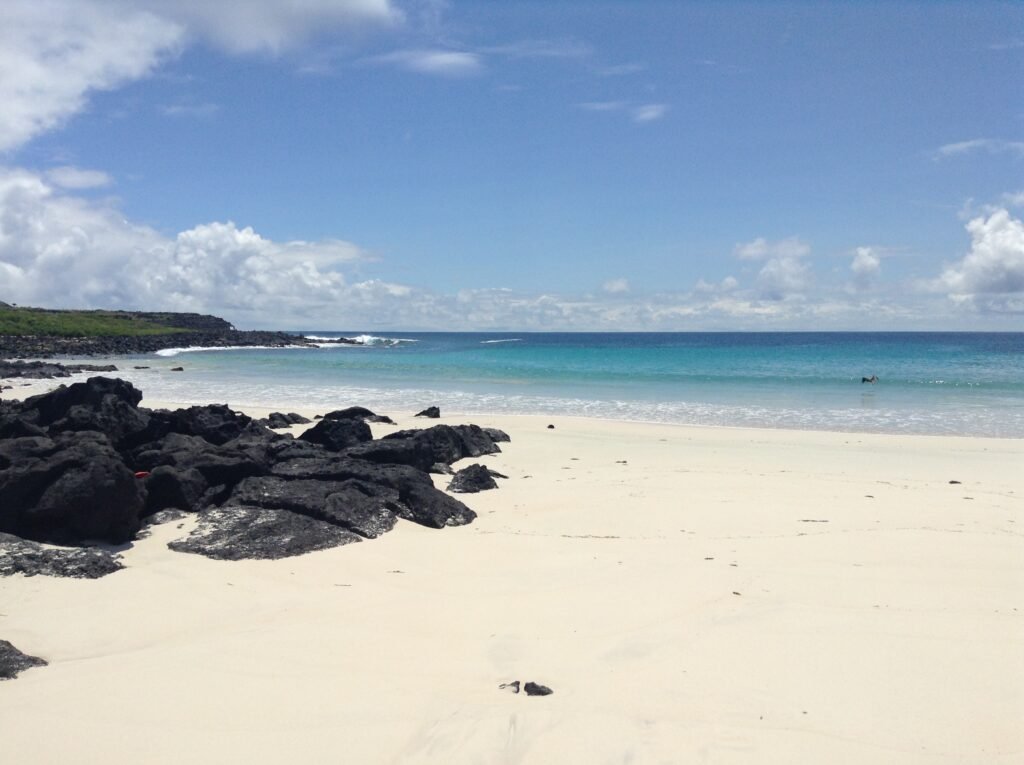
- Puerto Chino Beach: Relax on an isolated, turquoise bay framed by basalt boulders, where blue-footed boobies nest on coastal cliffs and sea lions surf the shorebreak
Ideal for
Nature enthusiasts, photographers, and families seeking an educational, small-group overland journey that captures the botanical and reptilian diversity of the island’s interior.
Local insight
Highland microclimates can shift rapidly from bright sunshine to dense garúa (equatorial mist). Pack a lightweight waterproof layer alongside sturdy walking shoes, as the steps climbing El Junco can become slick. Park regulations require visitors to maintain a strict two-metre distance from all giant tortoises.
Uncover island history and coastal sanctuary trails
Rating & reviews
(New activity on GetYourGuide)
Why this attraction stands out
For travellers eager to understand the delicate balance between human settlement and environmental conservation in the Galápagos, this half-day guided excursion offers the perfect cultural and ecological foundation.
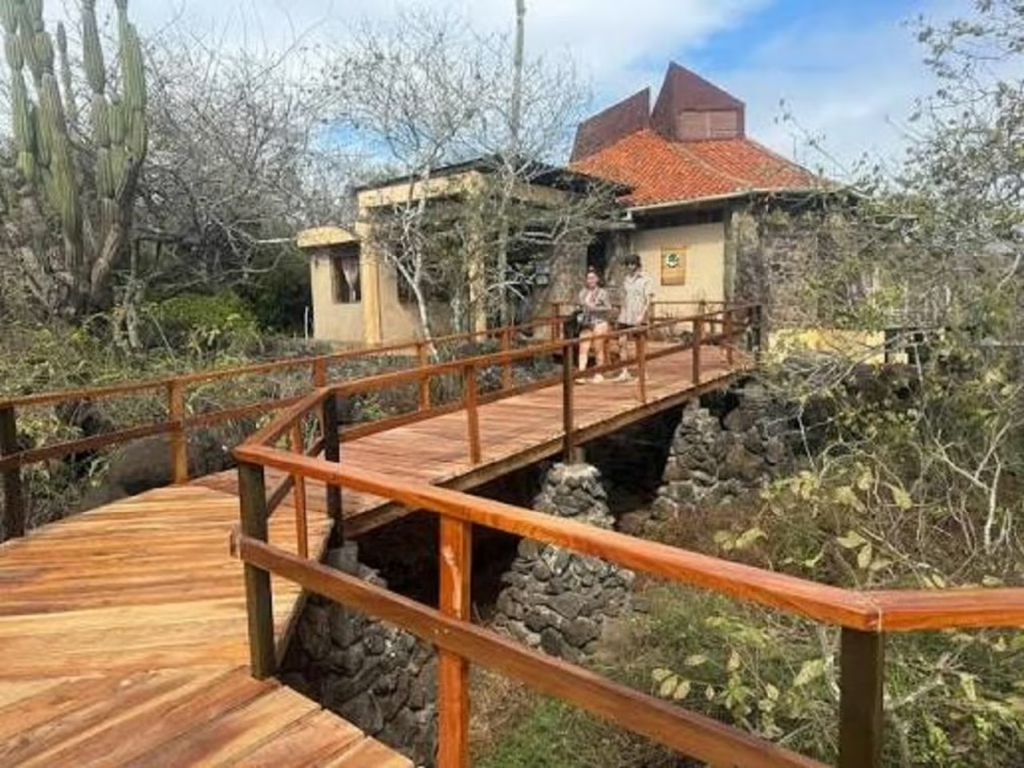
Starting at the architectural landmark of the San Cristóbal Interpretation Centre, the tour weaves through interactive exhibits detailing the archipelago’s volcanic genesis, human colonisation, and ongoing restoration efforts.
Following the museum visit, your guide leads you along lava-rock paths up to Cerro de las Tijeretas (Frigatebird Hill) for panoramic vistas of Darwin Bay, concluding with a refreshing snorkel stop at Playa Carola. Booking in advance secures an expert historical guide who contextualises the complex heritage of the islands.
Key highlights
- San Cristóbal Interpretation Centre: Engage with world-class museum displays covering geological uplift, endemic evolutionary biology, and historical conservation milestones
- Cerro de las Tijeretas: Stand beside the historic statue marking Charles Darwin’s landing point while observing magnificent and great frigatebirds nesting in coastal trees
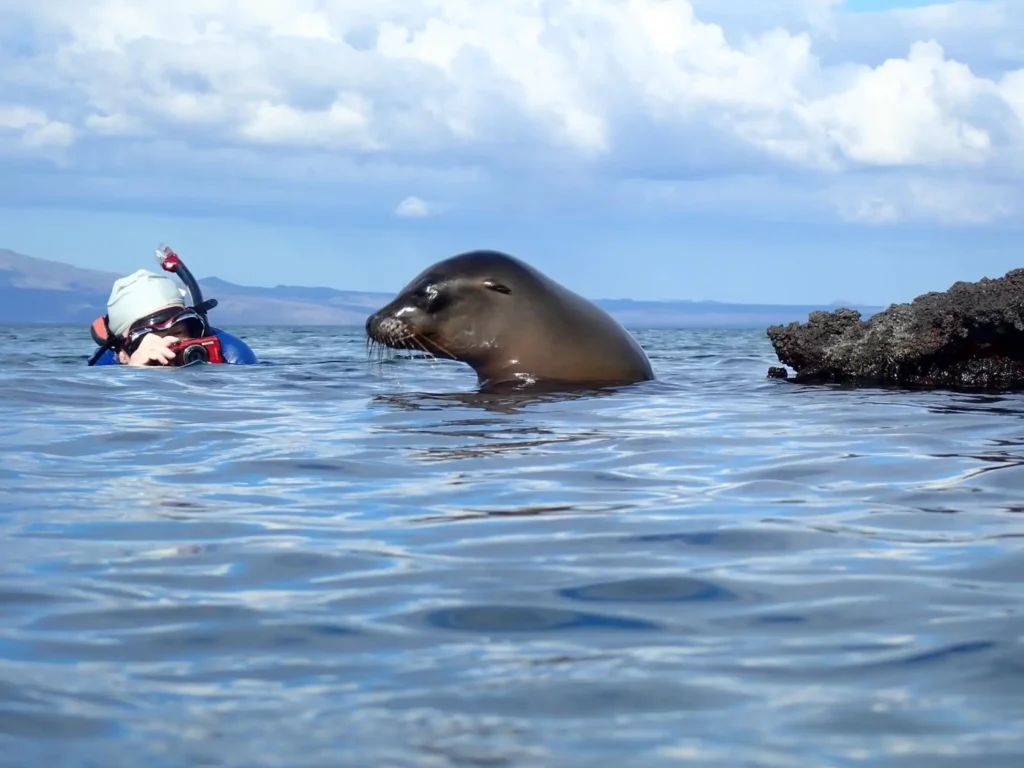
- Playa Carola Snorkelling: Swim in calm, sheltered waters frequented by marine iguanas feeding on underwater algae and playful sea lion pups
Ideal for
First-time visitors, history buffs, and eco-conscious travellers seeking an accessible blend of museum heritage, scenic hiking, and coastal snorkelling.
Local insight
The Interpretation Centre paths are fully paved and accessible, but the trail to Tijeretas involves steady uphill walking on volcanic stone. Bring a reef-safe sunscreen and your own rash guard; the midday sun on Frigatebird Hill can be intense due to minimal shade.
The Galápagos.
Ecuador’s Enchanted Isles
Diving and snorkelling the dramatic channel of León Dormido
Rating & reviews
(2+ verified reviews on Viator)
Why this attraction stands out
León Dormido (known in English as Kicker Rock) is universally regarded as one of the premier marine wildlife encounters on planet Earth. Rising abruptly 148 metres out of the Pacific Ocean, this sheer, split volcanic tuff cone creates a narrow vertical channel that attracts immense pelagic marine life.
This dedicated full-day marine tour combines deep-water snorkelling at Kicker Rock with a serene land stop at Isla Lobos—a peaceful islet renowned for its bustling sea lion colonies and nesting blue-footed boobies.
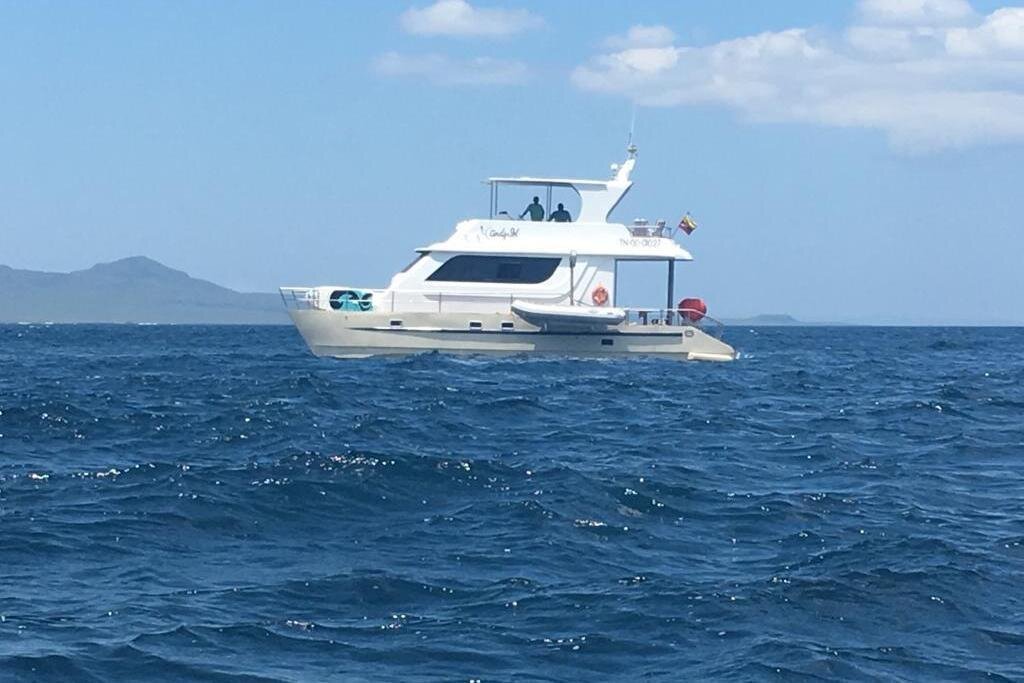
Pre-booking through Viator secures your spot aboard an eco-certified marine vessel complete with top-tier snorkelling gear, thick wetsuits for thermal protection, and an experienced divemaster or naturalist guide.
Key highlights
- Kicker Rock Channel Swim: Snorkel through the deep-blue fissure between towering basalt walls, observing Galápagos sharks, eagle rays, green sea turtles, and massive shoals of fish
- Pelagic Bird Nesting Cliffs: Photograph Nazca boobies, blue-footed boobies, and red-billed tropicbirds roosting on the vertical rock faces of León Dormido
- Isla Lobos Nature Trail: Take a guided beach walk amongst sea lion nurseries, watching playful pups interact along the water’s edge
Ideal for
Confident swimmers, underwater photographers, and wildlife enthusiasts seeking high-octane marine encounters with pelagic shark species.
Local insight
Ocean currents inside the Kicker Rock channel can be strong, and water temperatures fluctuate significantly throughout the year. Always accept the offered wetsuit during gear fitting, and follow your guide’s safety instructions closely when navigating the channel mouth.
Circumnavigate the archipelago’s pristine marine reserves
Rating & reviews
(New activity on GetYourGuide)
Why this attraction stands out
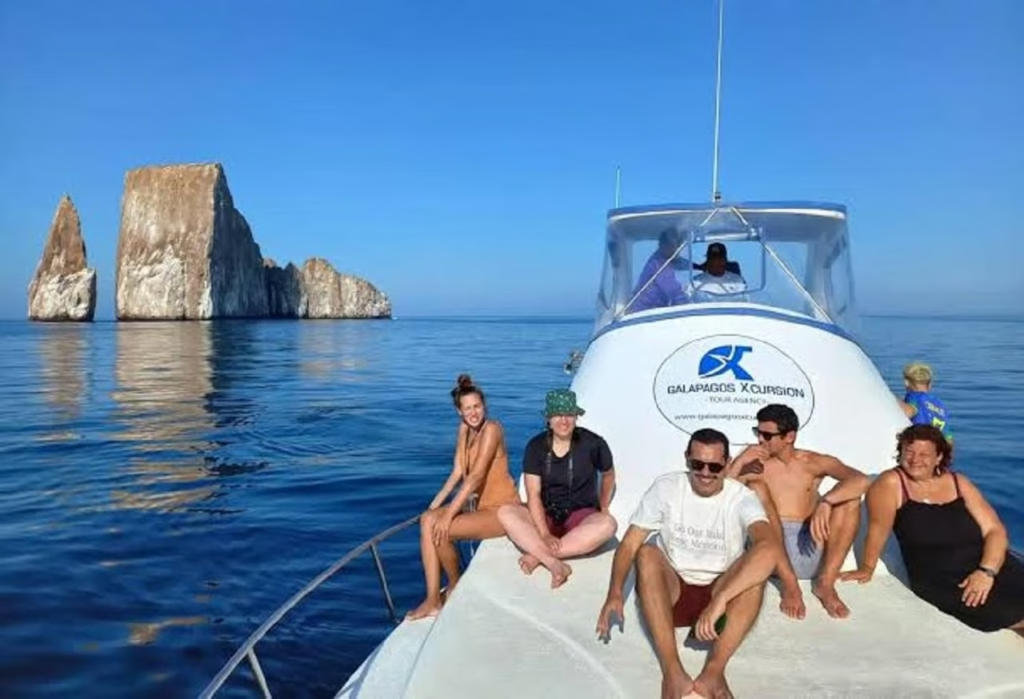
For travellers wanting to experience every ecological face of San Cristóbal in a single, immersive day, the 360° Navigable Tour is the ultimate maritime voyage. This full-day nautical excursion, complete with a fresh lunch, circumnavigates the entire 130-kilometre coastline of the island.
Rather than visiting just one site, the boat stops at remote, access-restricted locations managed by the Galápagos National Park, including Bahía Rosa Blanca, Punta Pitt, Cerro Brujo, Bahía Sardina, and León Dormido.
Pre-booking this ticketed marine itinerary ensures guaranteed boat allocation on high-speed, modern passenger yachts equipped with shadow canopies, onboard facilities, and high-quality snorkelling apparatus.
Key highlights
- Bahía Rosa Blanca: Snorkel in pristine, shallow lagoon waters framed by white sand dunes and lava fields, home to reef sharks and sea turtles
- Punta Pitt Coastal Views: Gaze at dramatic volcanic cliffs where all three Galápagos booby species—blue-footed, red-footed, and Nazca—nest in close proximity
- Cerro Brujo & Bahía Sardina: Drift past towering tuff formations and step onto untouched coral beaches accessible only by licensed sea vessels
Ideal for
Avid explorers, photographers, and active travellers who want a comprehensive, all-in-one maritime survey of San Cristóbal’s finest coastal sanctuaries.
Local insight
This tour covers significant distance across open ocean waters. If you are prone to seasickness, take motion sickness medication 30 minutes before departing from Puerto Baquerizo Moreno harbour. Keep cameras protected in dry bags during tender boat transfers to the beaches.
The Ecuadorian Sierra.
Get lost in the hills
Traverse volcanic ridges and coastal bays by bicycle
Rating & reviews
(1+ verified reviews on GetYourGuide)
Why this attraction stands out
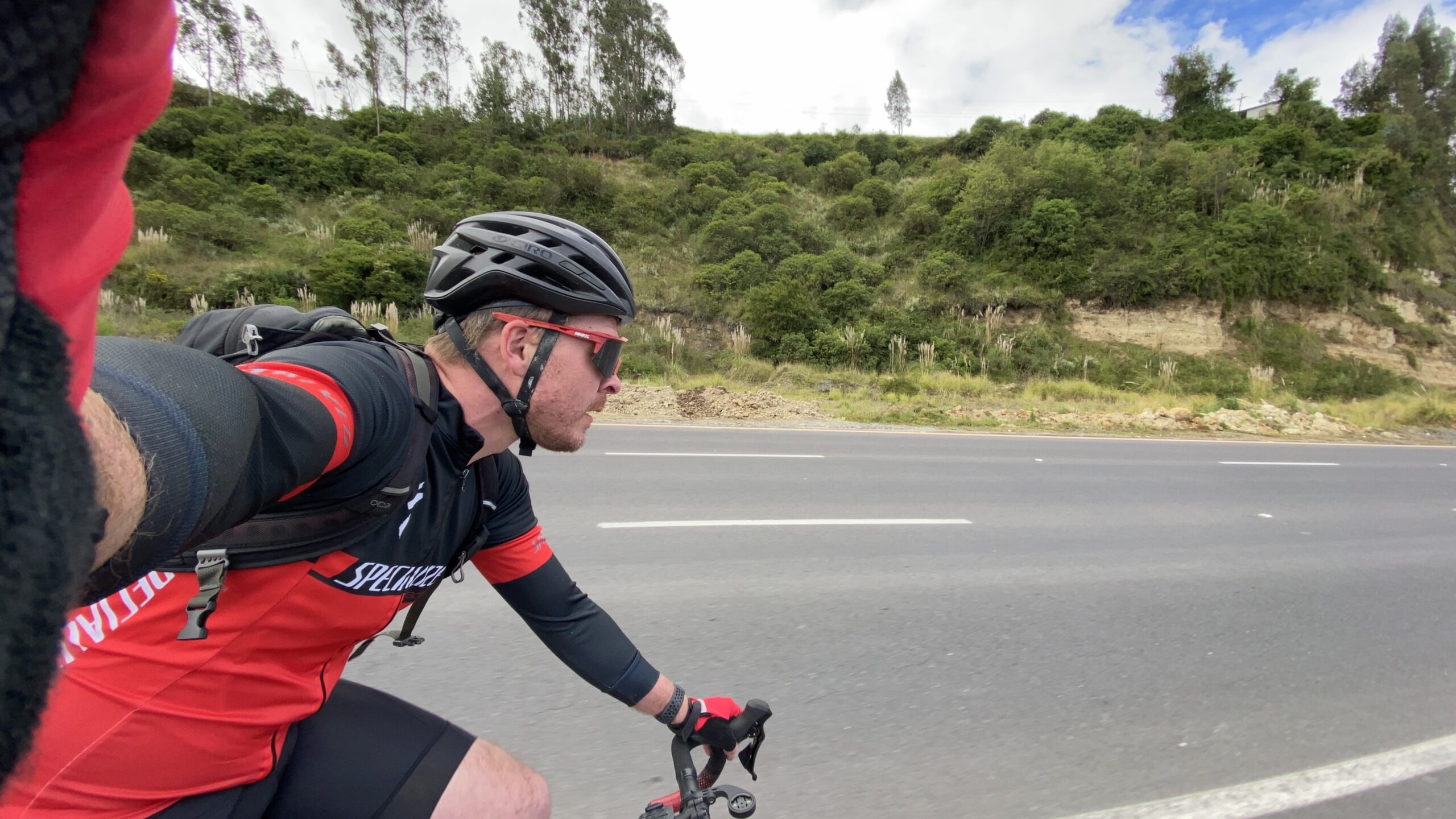
At Wheely Tyred, we naturally have a soft spot for pedal-powered exploration, and this guided mountain bike adventure captures the raw beauty of San Cristóbal from the saddle.
Transporting cyclists up into the high volcanic ridges, the tour provides well-maintained front-suspension mountain bikes and safety gear before launching into a thrilling, scenic descent toward the coast.
Rolling past agricultural homesteads, endemic scalesia vegetation, and panoramic ocean viewpoints, the ride concludes at a secluded coastal beach for a well-earned swim alongside local marine life. Pre-booking ensures personal helmet and bike sizing, support vehicle backup, and an experienced local cycling guide.
Key highlights
- Highland Ridge Descent: Enjoy crisp mountain air as you coast down paved and gravel backroads with sweeping vistas of the Pacific Ocean
- Endemic Flora Routes: Ride through native agricultural zone transitional forests, spotting endemic Darwin finches and vermilion flycatchers along the path
- Coastal Beach Swim: Cool off at the end of your ride with a refreshing swim in crystal-clear waters populated by sea turtles and resting sea lions
Ideal for
Active travellers, cycling enthusiasts, and adventurous souls seeking an exhilarating overland alternative to standard bus tours.
Local insight
While the route is primarily downhill and manageable for anyone with basic riding skills, gravel sections require steady handle control. Wear padded cycling shorts or comfortable athletic wear, closed-toe trainers, and bring a small backpack to store your swimwear and water bottle.
Immersion in highland ecosystems and giant tortoise habitats
Rating & reviews
(2+ verified reviews on GetYourGuide)
Why this attraction stands out
For travellers focusing exclusively on the island’s legendary wildlife, this half-day specialised highland expedition provides an intimate encounter with the Galápagos giant tortoise. Guided by a certified park naturalist, this tour concentrates on the breeding, rehabilitation, and conservation practices that saved San Cristóbal’s native tortoise species from historical collapse.
Wandering tranquil, canopy-covered forest trails, visitors observe giant tortoises at every stage of life—from tiny hatchlings in climate-controlled nursery enclosures to massive adults grazing in grassy clearings. Pre-booking guarantees skip-the-line entry permits and small-group access to restricted sanctuary paths.
Key highlights
- Conservation Breeding Facility: Gain behind-the-scenes insights into the scientific monitoring, egg incubation, and reintroduction programs that protect endemic tortoise populations
- Wild Habitat Trails: Walk quiet, shaded pathways to see full-grown giant tortoises wallowing in natural mud pools and feeding on native foliage
- Highland Agricultural Heritage: Learn about sustainable farming practices in the fertile moist zone and taste locally grown, organic Galápagos coffee
Ideal for
Wildlife photographers, conservation-minded travellers, and families seeking an accessible, focused tortoise experience without lengthy hikes.
Local insight
Tortoises are particularly active during the cooler morning hours or directly after a soft highland rain. Flash photography is strictly forbidden across all Galápagos National Park breeding facilities to prevent disturbing young animals.
The Ecuadorian Amazon.
The most biodiverse place in the world
Our practical San Cristóbal attraction booking & visiting guide
To make the absolute most of your ticketed attractions and marine excursions across San Cristóbal, keep these essential local tips in mind:
Reserve boat tours 4–6 weeks in advance
High-demand maritime routes—especially the Kicker Rock (León Dormido) snorkel and the 360° Navigable Tour—operate under strict daily passenger limits set by the Galápagos National Park. Booking well ahead through verified platforms prevents heartbreak at the pier.
Double-check equipment sizing requirements
When booking boat trips that include snorkelling, submit your shoe size (for fins) and height/weight (for wetsuits) to your operator early. Having properly fitted gear prevents water leakage and keeps you warm in cool ocean currents.
Carry exact cash for local permits & fees
While your tour tickets cover guide fees and boat transport, you must pay the Galápagos National Park entry fee ($200 USD for most international adults) and the Transit Control Card ($20 USD) in crisp cash upon arrival at the airport. ATMs in Puerto Baquerizo Moreno can occasionally run out of bills.
Adhere strictly to national park regulations
Always remain on marked trails, never touch or feed wildlife, maintain a minimum two-metre distance from all animals, and use non-nano reef-safe sunscreens to protect delicate coral and marine ecosystems.
Pack smart for multi-environment days
San Cristóbal transitions rapidly from hot, dry coastal beaches to cool, damp highland craters. Carry a lightweight dry bag containing a waterproof jacket, water-friendly sandals, sturdy walking shoes, a reusable water bottle, and a dry set of clothes.
The Ecuadorian Coast.
Where you’ll find the very best food
Plan your San Cristóbal odyssey with confidence
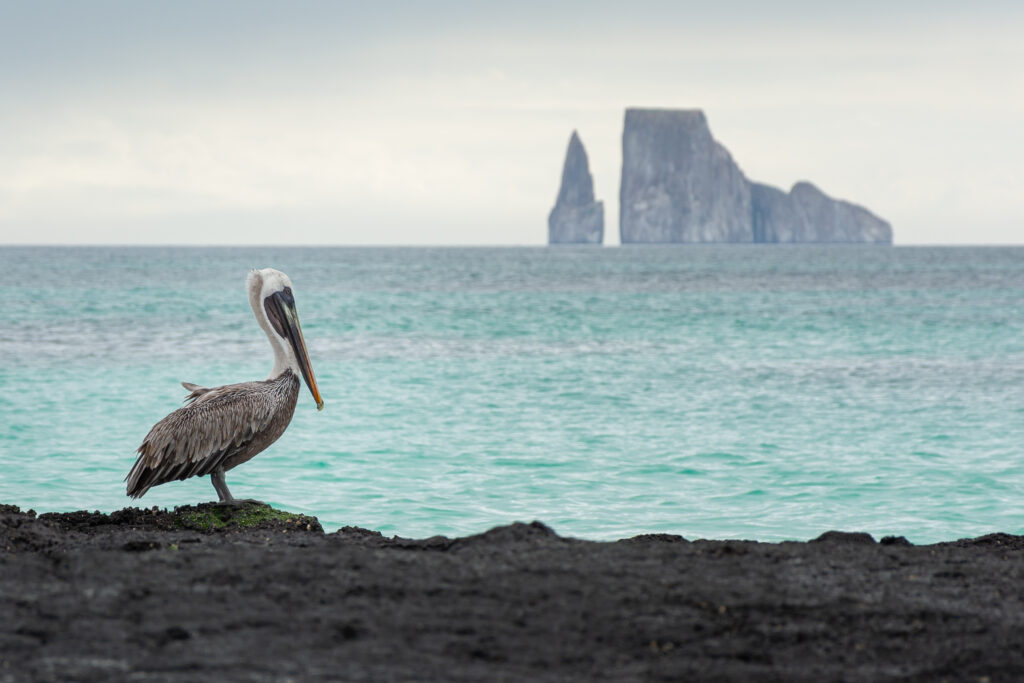
San Cristóbal is an island that deeply rewards those who take the time to slow down and observe. Stepping ashore on the very beaches where Charles Darwin first arrived in 1835 reveals an ecosystem that remains wonderfully wild, yet extraordinarily delicate. Exploring its volcanic highlands, coastal trails, and marine reserves requires a thoughtful balance between independent curiosity and absolute respect for strict conservation boundaries.
Whether you choose to descend mountain paths on two wheels, trek through misty Scalesia forests amongst giant tortoises, or plunge into the cool, deep channels of León Dormido, forward planning is the key to an unhurried experience. Pre-booking your timed permits, certified park guides, and marine equipment ensures you bypass administrative bottlenecks and dedicate your time entirely to discovering the island’s unique natural history.
As you assemble your travel plans, remember that genuine exploration in the Galápagos is never about rushing between landmarks. It is found in quiet moments—watching sea lion pups surf the shorebreak, observing endemic Darwin’s finches along highland tracks, or drifting above sea turtles in clear turquoise waters. Equip yourself properly, tread lightly, and allow San Cristóbal to unfold at its own authentic pace.
Affiliate Disclaimer: Some of the links on Wheely Tyred are affiliate links. If you click through and make a booking or purchase, we may earn a small commission at no extra cost to you. We only recommend gear, tours, stays, and services we genuinely use, trust, and stand behind — our editorial independence always comes first. These commissions help keep our independent cycling guides and travel stories free to read. Thanks for supporting the ride!
Frequently asked questions about the best San Cristóbal attractions
Because the Galápagos National Park enforces strict daily passenger limits on all marine vessels to protect aquatic habitats, high-demand excursions like León Dormido (Kicker Rock) and the 360° Navigable Tour frequently sell out weeks in advance. We strongly recommend securing your boat permits and naturalist slots four to six weeks prior to arrival.
Most adult international visitors are required to pay a Galápagos National Park entry fee of $200 USD upon arrival at the airport in San Cristóbal or Baltra. Additionally, a Transit Control Card (TCC) costing $20 USD must be purchased at Quito or Guayaquil airport before departing the Ecuadorian mainland. Both fees must be paid in cash (USD), as card processing facilities are not available at park entry kiosks.
San Cristóbal features distinct microclimates. Coastal zones require breathable swimwear, rash guards, water sandals, and non-nano reef-safe sunscreen. Conversely, the misty highland zone around El Junco and Galapaguera can be cool and damp; bring a lightweight waterproof rain jacket, sturdy walking shoes, and a dry bag to keep your spare clothing and electronics safe during sudden garúa (equatorial mist) showers.
Yes, wearing a wetsuit is highly advisable. Water temperatures in the deep marine channel of León Dormido can drop significantly depending on ocean currents, and wetsuits provide essential thermal insulation as well as added buoyancy when swimming in open-water pelagic conditions.
Yes, cycling is an ideal way to explore the island’s interior at your own pace. Paved roads link Puerto Baquerizo Moreno to the highland communities and agricultural areas. While mountain bike descents from the highlands down to coastal beaches offer exhilarating riding, cyclists should be prepared for steady climbs when heading inland and occasional loose gravel on unpaved side trails.
Galápagos National Park regulations mandate maintaining a strict minimum distance of two metres (six feet) from all wildlife at all times, including sea lions, marine iguanas, giant tortoises, and nesting seabirds. Touching, feeding, or using flash photography is strictly prohibited to avoid causing distress to the endemic fauna.
Ecuador.
Pure wonder on the equator.