Outstanding campsites on San Cristóbal Island, Galápagos
The complete guide to the best campsites, eco-farms, and beach camping permits on San Cristóbal, Galápagos
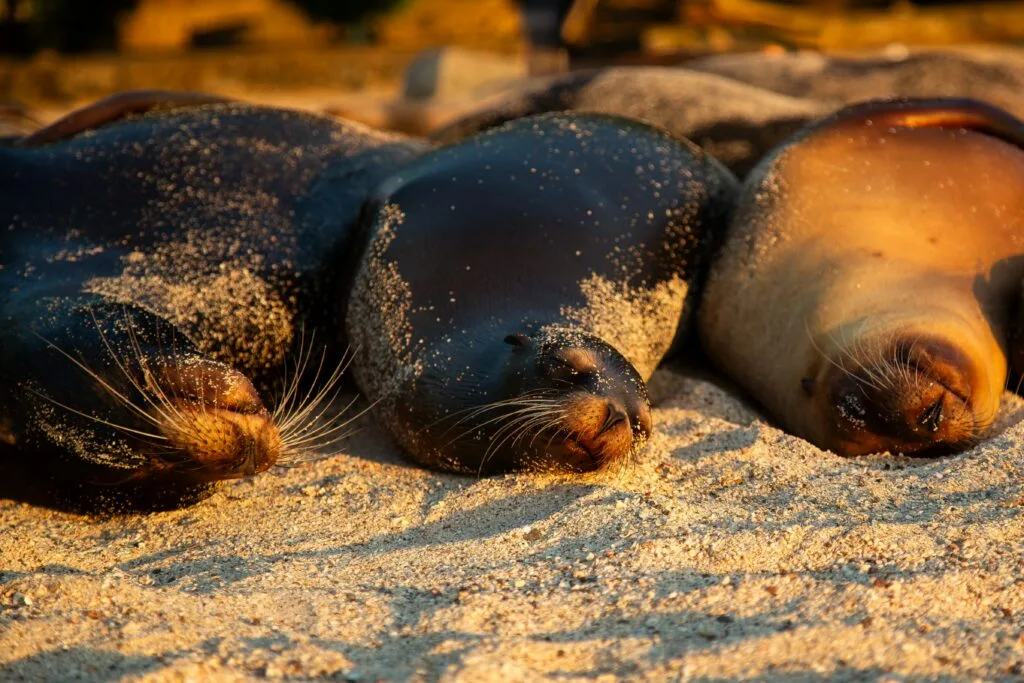
Pitch your tent where sea lions sleep, away from tour bus throngs
BEN FINCH
San Cristóbal sits on the easternmost edge of the Galápagos archipelago, where volcanic highlands drop into turquoise Pacific breakers and sea lion colonies claim the shoreline. For independent travellers who reject fixed schedules, crowded tour boats, and guide umbrellas, camping on San Cristóbal offers an unhurried, raw connection to one of the planet’s most remarkable ecosystems.
While most visitors spend their evenings in standard hotels in Puerto Baquerizo Moreno, stepping off the paved strip allows you to experience the island during its quietest, most evocative hours.
Whether you pitch your tent along a secluded mangrove cove or beneath the canopy of ancient highland trees, setting up camp here guarantees a night spent listening to the rhythm of the ocean and wind through the scalesia groves. Wheely Tyred has searched the island to bring you the finest, most distinctive places to stay so that you can recharge properly and sleep well.
Camping highlights / Wild shorelines and highland solitude
From raw, wave-swept Atlantic-style Pacific coves to mist-shrouded volcanic highlands, San Cristóbal offers independent travellers a rare chance to step away from organised tours and wake up alongside endemic wildlife. Here are the core locations, logistical insights, and outdoor stays that define camping on the island.
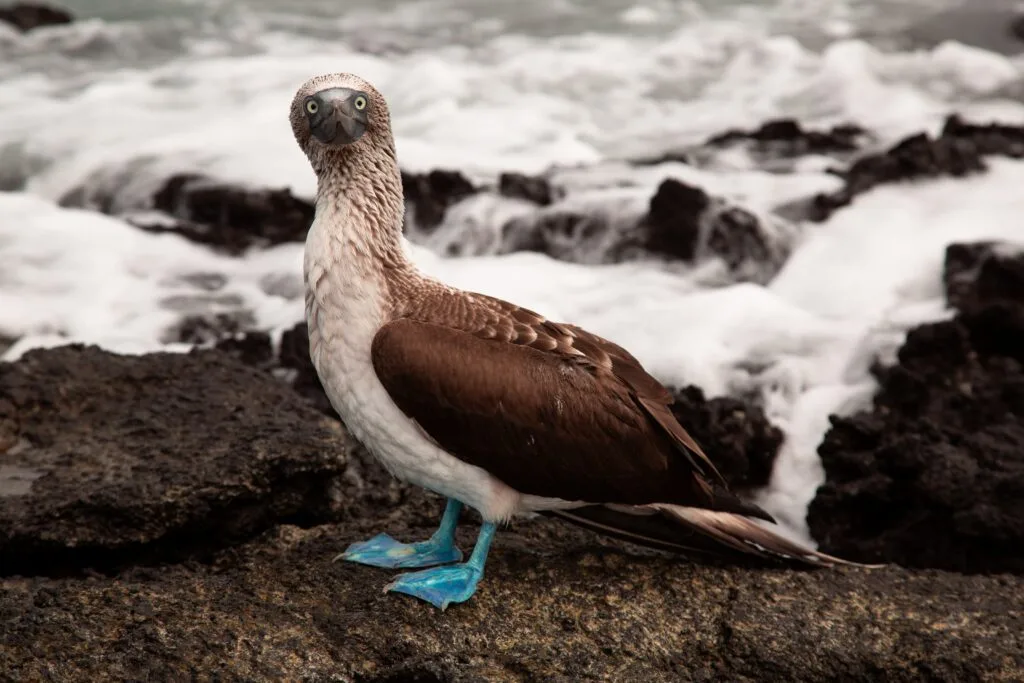
- Playa Puerto Chino: A pristine white-sand cove on the southeastern coast where tents sit sheltered behind dunes, ideal for quiet morning swims alongside sea turtles and blue-footed boobies
- Playa Manglecito: Remote, roadless mangrove camping on the northwestern shore, reachable only by local water taxi and perfect for watching pink flamingoes in tidal lagoons
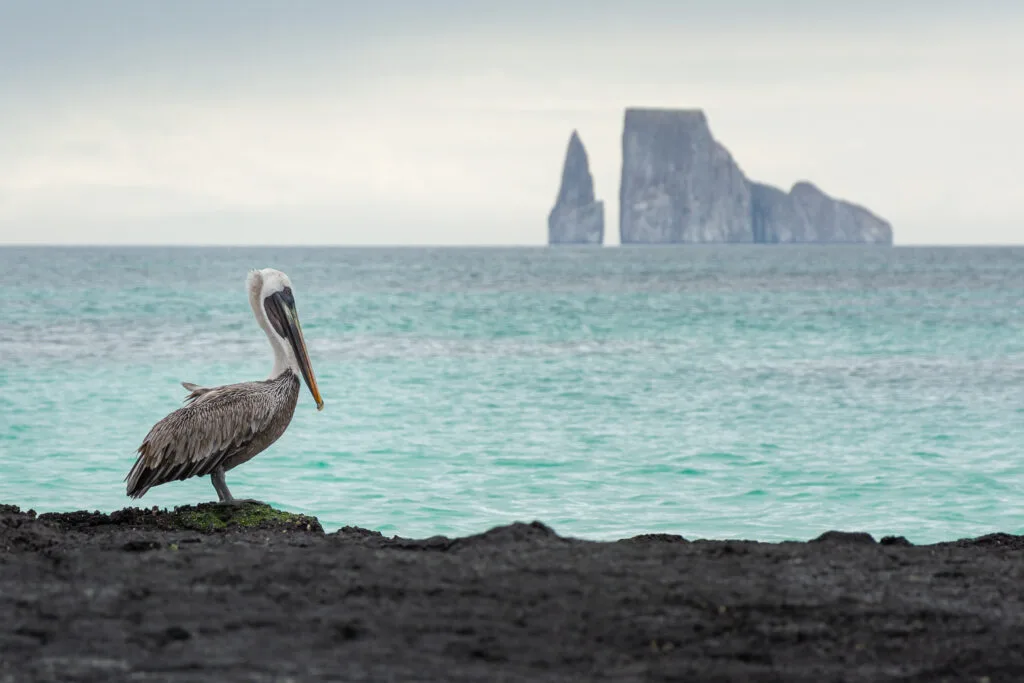
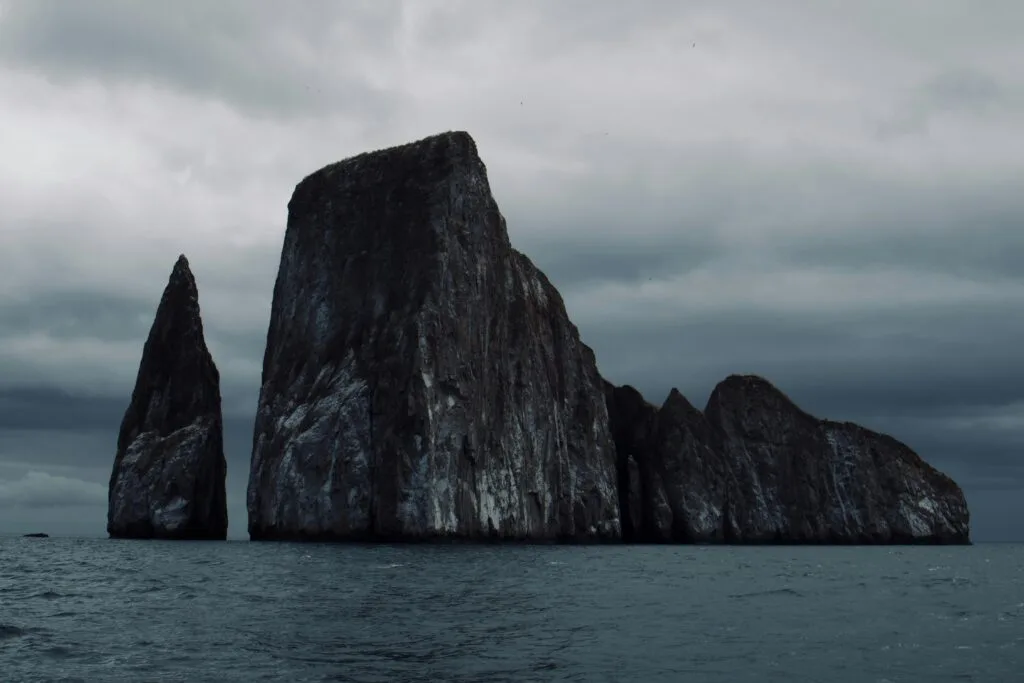
- Puerto Grande: A dramatic volcanic bay directly facing León Dormido (Kicker Rock), offering calm, unserviced beach pitches with front-row sunset views over maritime landmarks
- Highland Finca Camping: Rural farm pitches set near Laguna El Junco, offering cool, misty mountain air, easy access to giant tortoises, and a stark contrast to coastal heat
- Permit Logistics: Free or low-cost camping authorisations must be secured 48 hours in advance from the Galápagos National Park office (DPNG) near Playa Mann
- Self-Sufficiency: Coastal sites lack running water and infrastructure; carrying at least 3 to 4 litres of potable water per person daily is essential for wild stays
San Cristóbal.
Laid-back in the Galápagos
Navigate the Galápagos National Park permit process
Camping within the boundaries of the Galápagos National Park is strictly regulated to protect fragile endemic species, but the reward for completing the paperwork is absolute solitude.
To pitch a tent at designated park sites, you must apply for a free or low-cost camping authorisation permit from the Dirección del Parque Nacional Galápagos (DPNG) office near Playa Mann in Puerto Baquerizo Moreno.
Requests should be submitted at least 48 hours in advance with a copy of your passport or identity document. Permits grant up to two consecutive nights per site, ensuring visitor numbers remain tiny and wildlife interactions stay natural. Once your permit is secured, you are free to explore at your own pace.
Playa Puerto Chino / Wild coastlines and white-sand solitude
- Atmosphere: Serene, coastal, and wildly scenic
- Facilities: Basic dry toilets are available near the parking area; no running water or electricity, so all drinking water must be carried in
- Access: Accessible by local bus, taxi, or a rewarding 24-kilometre ride along the island’s paved road network
- Highlights: Excellent tide pooling, peaceful morning swimming, and blue-footed boobies plunging into the bay
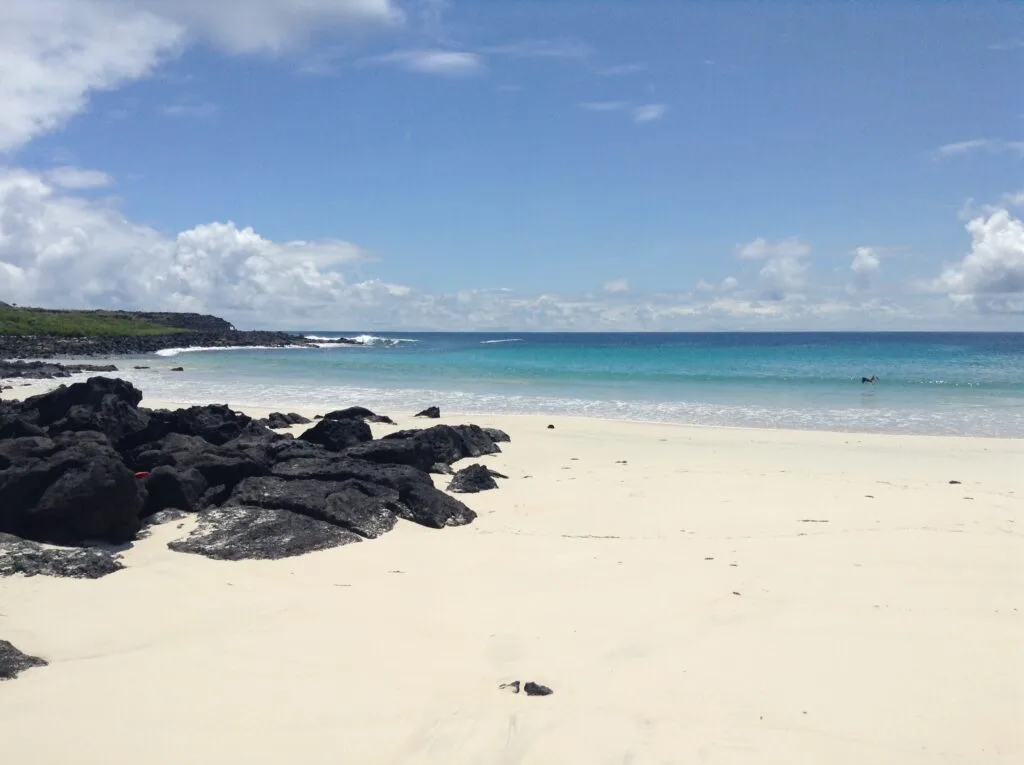
Located on the southeastern coast of San Cristóbal, approximately 24 kilometres from Puerto Baquerizo Moreno, Playa Puerto Chino is the most accessible coastal campsite on the island for self-guided travellers. Reached via the paved highland road through El Progreso, the final approach involves a short, scenic walk down a paved pathway through native cacti and lava scrub.
The camping area sits just behind the dunes, sheltered from direct ocean winds. Waking up here means opening your tent to pristine white sand, gentle surf, and resident sea turtles swimming in the shallows.
The Galápagos.
Ecuador’s Enchanted Isles
Playa Manglecito / Mangrove lagoons and coastal waves
- Atmosphere: Secluded, wild marine wilderness
- Facilities: Strictly wilderness camping; zero built facilities. Pack out all waste and bring complete self-sufficiency gear
- Access: Authorised local boat transfer from Puerto Baquerizo Moreno harbour
- Highlights: Tidal mangrove lagoons hosting pink flamingoes, roosting frigatebirds, and exceptional starry night skies
Situated on the north-western coastline of San Cristóbal, Playa Manglecito combines dense buttonwood mangroves with a sweeping sandy beach. It is renowned among independent adventurers and local surfers for its distant break and peaceful lagoon ecosystem.
Because Playa Manglecito cannot be reached by road, camping here requires arranging a water taxi or local boat transfer from the harbour at Puerto Baquerizo Moreno. This extra effort ensures that once the daytime boats head back, you have the shoreline almost entirely to yourself.
Puerto Grande / Volcanic horizons facing León Dormido
- Atmosphere: Dramatic, panoramic, and deeply immersive
- Facilities: Unserviced wilderness site. Requires a DPNG permit and complete self-reliance
- Access: Accessible via licensed water taxi from Puerto Baquerizo Moreno
- Highlights: Uninterrupted sunset views over León Dormido, superb snorkel access, and complete absence of artificial lighting
Nestled on the north-west coast facing the iconic silhouette of León Dormido (Kicker Rock), Puerto Grande is a striking crescent-shaped bay surrounded by dark volcanic cliffs and clear, shallow waters.
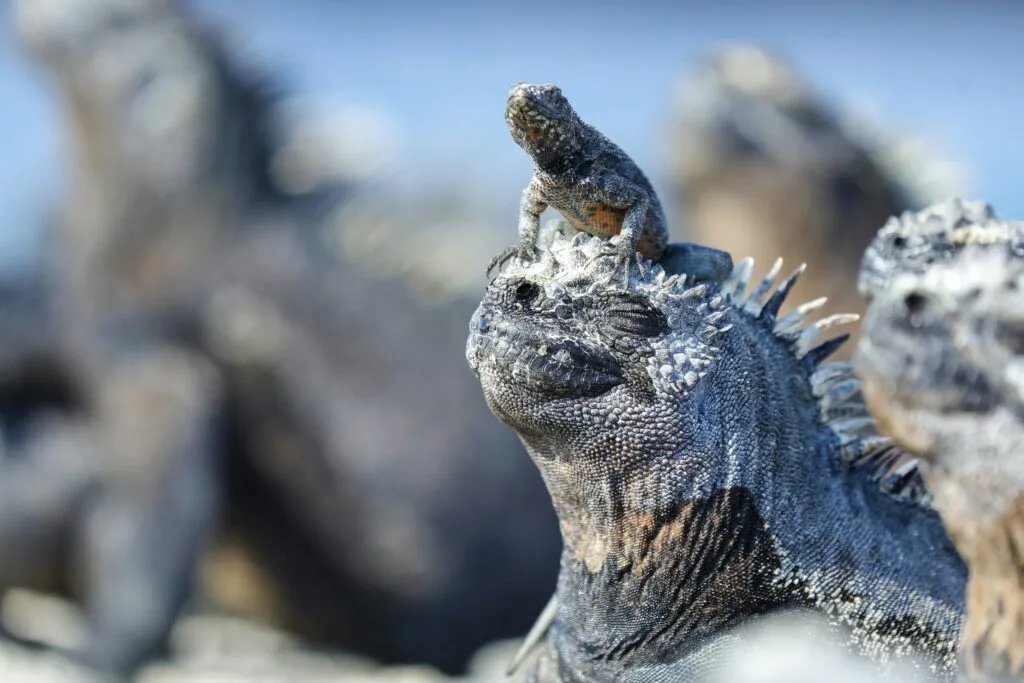
Camping at Puerto Grande places you directly in front of one of the Pacific’s most dramatic maritime landmarks. The bay offers natural shelter, making it ideal for swimming and snorkelling directly from your tent pitch. Marine iguanas bask along the rocky points, while sea lion pups frequently play in the calm shoreline wash.
The Ecuadorian Sierra.
Get lost in the hills
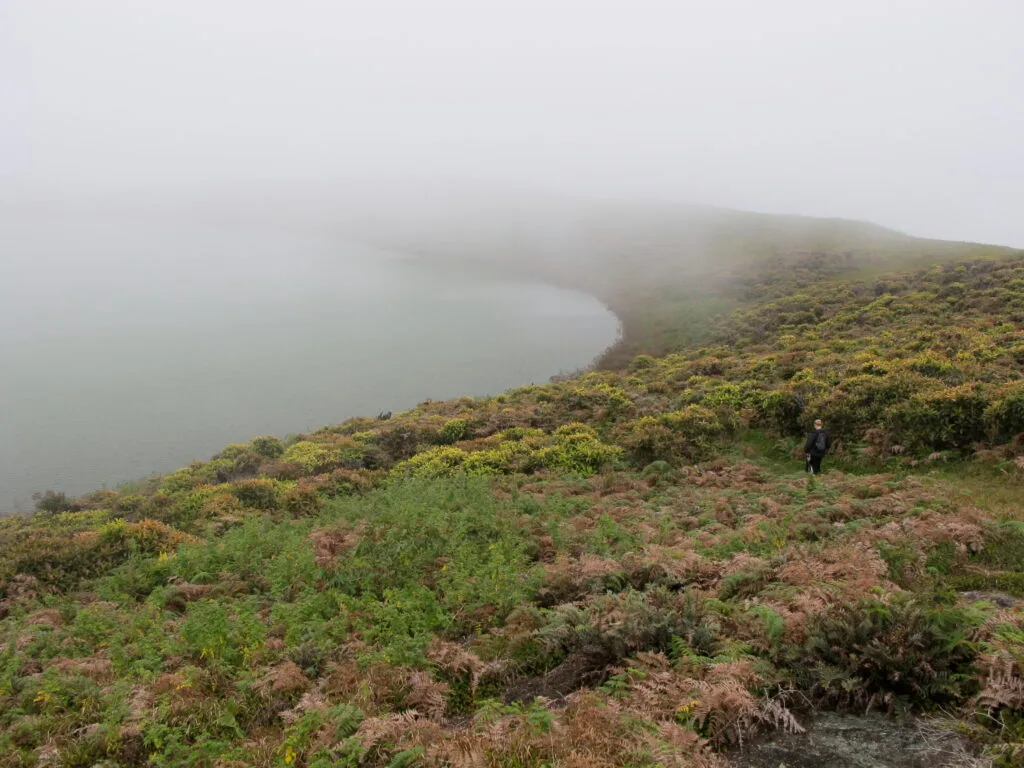
Highland Finca Camping / Cloud forest mist near Laguna El Junco
- Atmosphere: Misty, quiet, and agricultural
- Facilities: Varies by finca; typically includes access to fresh spring water, basic toilet facilities, and farm-fresh produce
- Access: Overland via the El Progreso highland route towards Cerro Colorado
- Highlights: Proximity to giant tortoises roaming semi-wild, dramatic cloud forest views, and cool mountain air
Further up into the interior hums the fertile agricultural belt surrounding Laguna El Junco, the only freshwater crater lake in the Galápagos. Here, select private fincas (local family farms) offer low-impact pitch sites for travellers looking to experience the island’s mist-shrouded highlands.
Camping in the highlands provides a stark, fascinating contrast to the coast. Nights are cooler and crisp, ideal for climbing into a sleeping bag after a day spent trekking around the crater rim or visiting the nearby Galapaguera de Cerro Colorado tortoise reserve.
The Ecuadorian Amazon.
The most biodiverse place in the world
Practical logistics for the independent traveller
Travelling independently across San Cristóbal requires thoughtful planning, especially when camping outside urban hubs. Here is how to keep your trip smooth:
Water and supplies
Fresh water is scarce across coastal Galápagos. Always carry at least 3 to 4 litres of potable water per person per day when heading to beach campsites like Puerto Chino or Manglecito. Supplies can be restocked at markets in Puerto Baquerizo Moreno or small shops in El Progreso.
Leave no trace
The Galápagos ecosystem is fragile. Bring durable trash bags to pack out all waste, food scraps, and hygiene products. Organic waste does not decompose quickly in arid coastal zones and can attract invasive species.
Transport options
A smooth, paved bike lane connects Puerto Baquerizo Moreno to El Progreso, making cycling or local bus travel simple. Taxis are available for drop-offs at Puerto Chino, while coastal sites require booking boat transfers in advance.
Wildlife etiquette
Always maintain a minimum distance of 2 metres from sea lions, iguanas, and nesting birds. Never feed wild animals, no matter how curious they seem near your campsite.
The Ecuadorian Coast.
Where you’ll find the very best food
Pitch your tent on Galápagos time
Stepping away from predefined tour schedules and hotel strips gives you a completely different perspective on San Cristóbal. Camping here allows you to experience the island during its quietest, most authentic moments — whether that means watching the light fade over León Dormido from a deserted beach or waking to cloud forest mist in the agricultural highlands. By travelling at your own pace and taking full responsibility for your footprint, you help protect one of the planet’s most sensitive island environments.
Independent travel relies on self-sufficiency, respect for local ecosystems, and a willingness to slow down. Whether you choose to reach your campsite by public bus, a steady cycle up the highland road, or a water taxi across calm ocean bays, taking control of your itinerary ensures you gain a deep, lasting connection to the island.
Pack carefully, respect wildlife distances at all times, and leave every pitch cleaner than you found it. The reward is simple: complete freedom under equatorial stars and the peace of mind that comes with a proper night’s rest in the wild.
Affiliate Disclaimer: Some of the links on Wheely Tyred are affiliate links. If you click through and make a booking or purchase, we may earn a small commission at no extra cost to you. We only recommend gear, tours, stays, and services we genuinely use, trust, and stand behind — our editorial independence always comes first. These commissions help keep our independent cycling guides and travel stories free to read. Thanks for supporting the ride!
Frequently asked questions about the best campsites on San Cristóbal
You must apply in person at the Dirección del Parque Nacional Galápagos (DPNG) office located near Playa Mann in Puerto Baquerizo Moreno. Requests should be submitted at least 48 hours before your planned stay with your passport or national identity document. Permits allow up to two consecutive nights per designated site and are granted to keep overnight visitor numbers low.
San Cristóbal has a well-paved road network and a dedicated cycle lane connecting Puerto Baquerizo Moreno to the highland village of El Progreso and onwards to Playa Puerto Chino. Local buses and taxis run regularly along this corridor. For remote coastal sites like Playa Manglecito or Puerto Grande, you can arrange round-trip transfers with local water-taxi operators at the main harbour.
No. Wild coastal campsites such as Playa Puerto Chino, Playa Manglecito, and Puerto Grande have no running water or drinkable supplies. Independent travellers must carry all potable water with them — a minimum of 3 to 4 litres per person per day is recommended. Supplies can be purchased in Puerto Baquerizo Moreno or El Progreso before heading out.
Galápagos National Park rules strictly require visitors to maintain a minimum distance of 2 metres from all wildlife, including sea lions, marine iguanas, and nesting sea birds. Pitch your tent well back from established sea lion resting spots and ocean trails, never offer food to wild animals, and use low-intensity lighting at night to avoid disturbing nocturnal fauna.
The Galápagos operates on strict Leave No Trace principles. All rubbish, food scraps, packaging, and personal hygiene items must be packed out and returned to urban disposal points in Puerto Baquerizo Moreno. Because the arid coastal climate retards organic decomposition, leaving food scraps behind can attract invasive species that threaten native wildlife.
No. Wild camping is strictly restricted to designated areas approved by the Galápagos National Park authority to protect sensitive habitats. Setting up a tent outside authorised DPNG camping zones or on unapproved public beaches is illegal and subject to fines by park rangers.
Ecuador.
Pure wonder on the equator.