Taste of the Andes / The 6 best Otavalo food tours & market walks
Best Otavalo food tours, culinary day trips & market walks
Savour high-altitude Imbabura
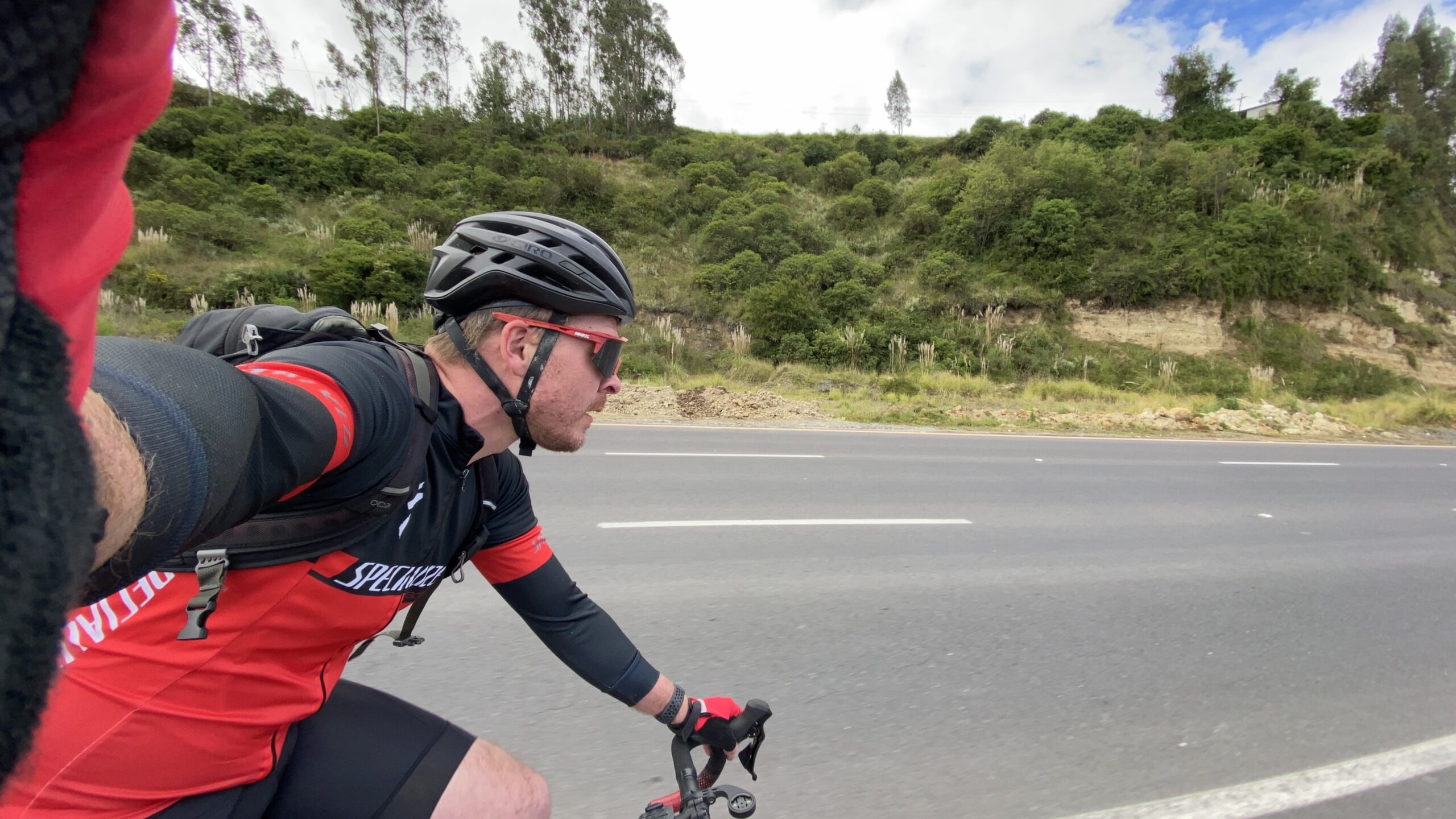
BEN FINCH
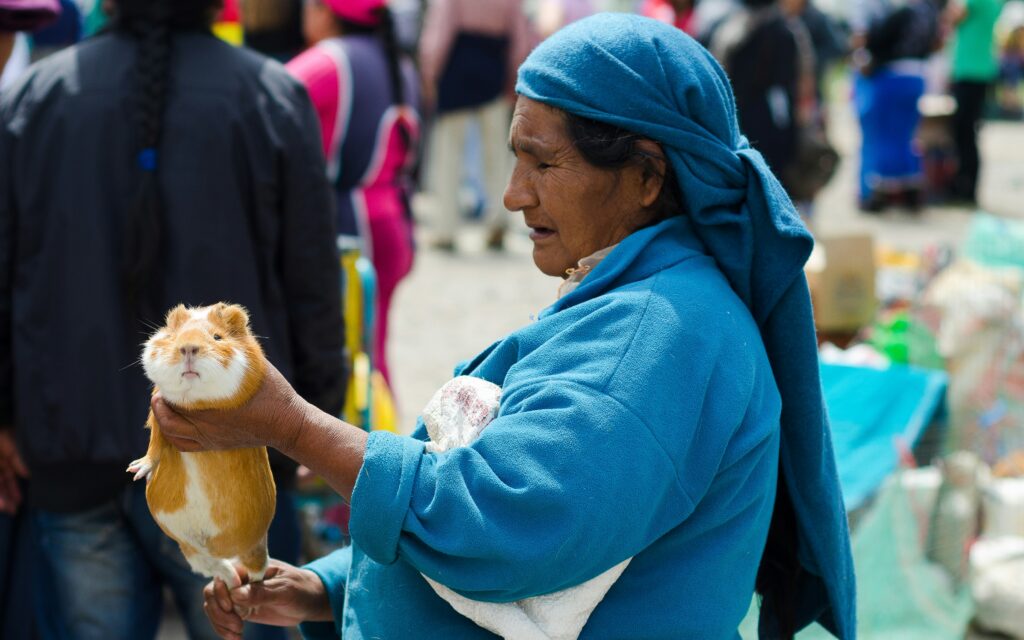
At Wheely Tyred, we believe that to understand a culture, you must pull up a wooden stool at a crowded market stall, breathe in the fragrance of woodsmoke and toasted maize, and eat alongside the locals. High in the Ecuadorian northern Andes, cradled by towering volcanic peaks and pristine crater lakes, the province of Imbabura offers one of South America’s most magnificent foodways.
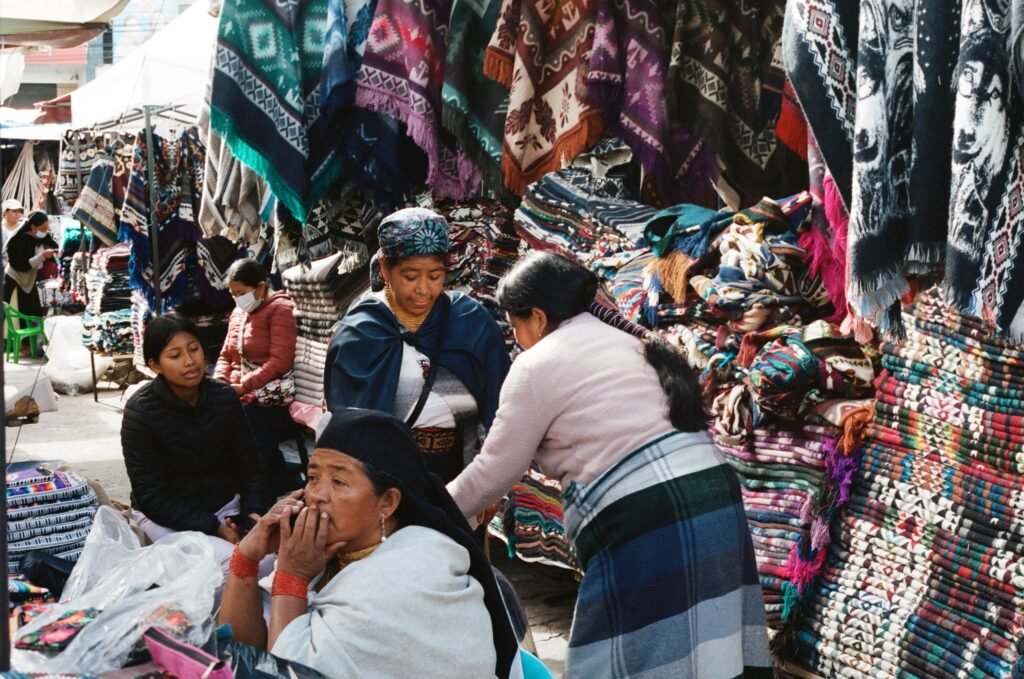
While most travellers make the journey from Quito strictly to browse the world-famous textiles at Otavalo’s Plaza de Ponchos, those who venture forth with an empty stomach uncover a rich culinary landscape rooted in ancient Kichwa agriculture and Spanish colonial baking traditions.
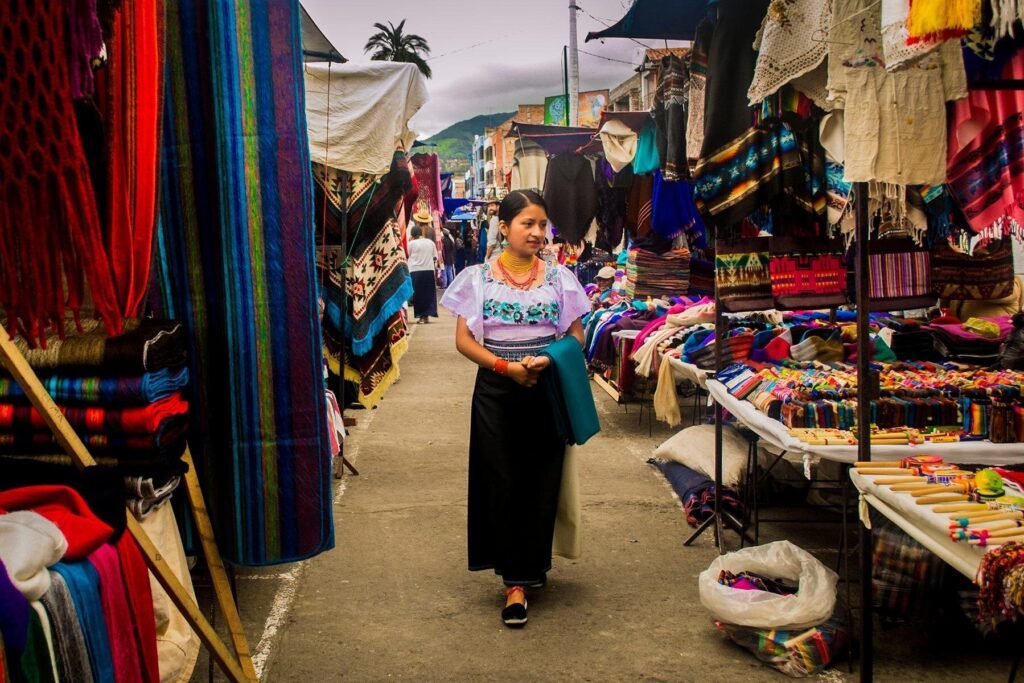
Navigating the bustling alleys of South America’s largest indigenous market can be overwhelming for independent, autonomous travellers. Stalls brim with hornado (whole roasted pig with crispy skin), fritada (braised pork cooked in copper cauldrons), steaming pots of caldo de gallina (highland chicken broth), and earthen jugs of chicha de jora (fermented corn beer).
Joining a curated, small-group food tour led by an expert local guide unlocks these hidden gastronomic treasures. Local guides bridge language barriers, introduce you to multi-generational market vendors, explain the ancestral significance of heirloom tubers and volcanic microclimates, and guarantee stringent hygiene standards.
Whether you wish to sample warm, buttery bizcochos fresh from brick ovens in Cayambe, share an authentic home-cooked meal inside an indigenous family’s garden, or sip chicha near sacred waterfalls, we have researched, vetted, and compiled the six absolute best bookable culinary experiences in Otavalo.
Otavalo’s flavours at a glance
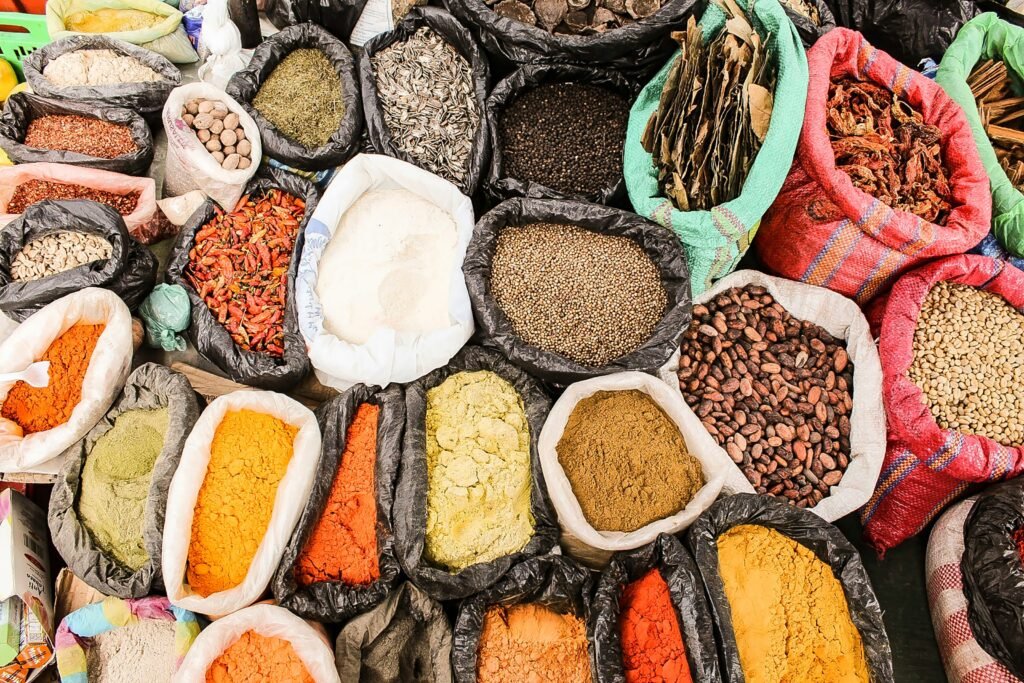
Exploring the high-altitude foodways of northern Ecuador reveals a vibrant culinary landscape shaped by ancient Kichwa traditions and colonial baking heritage. Here are the key locations, tastes, and practical insights for your market journey through Otavalo and the Imbabura province:
- Cayambe’s Wood-Fired Bakes: Traditional family-run bakeries in Cayambe bake buttery, flaky bizcochos over open eucalyptus fires, best enjoyed warm with squeaky queso de hoja and sweet manjar blanco
- Plaza de Ponchos Market Crawls: The perimeter alleys of South America’s largest indigenous market overflow with slow-roasted hornado, crispy llapingachos, and sweet fried empanadas de viento
- Farm-to-Table Hacienda Dining: Centuries-old estate haciendas near Cotacachi elevate regional ingredients into refined multi-course lunches featuring rich, potato-based locro de papa
- Indigenous Family Homesteads: Cultural day tours offer rare entry into private Kichwa homes and organic gardens (la chakra), sharing home-cooked seasonal meals and garden-picked herbal teas
- Ancestral Maize Fermentations: Visiting musical workshops in the village of Peguche provides an authentic tasting of chicha de jora, a sacred fermented sprouted-corn beverage poured in honour of Pachamama
- High-Altitude Dining Etiquette: Sitting at 2,550 metres above sea level means digestion slows down; pace your multi-stop market tastings and sip warm cedrón tea to stay comfortable
- Cash-Only Market Economy: Small market vendors and rural bakeries do not accept credit cards; keep small US dollar bills ($1, $5, and $10 notes) and coins ready
Otavalo.
Home to Plaza de Ponchos
Morning bizcocho bakes & high-mountain market tastings
Rating & reviews
(New activity on GetYourGuide)
Why this tour stands out
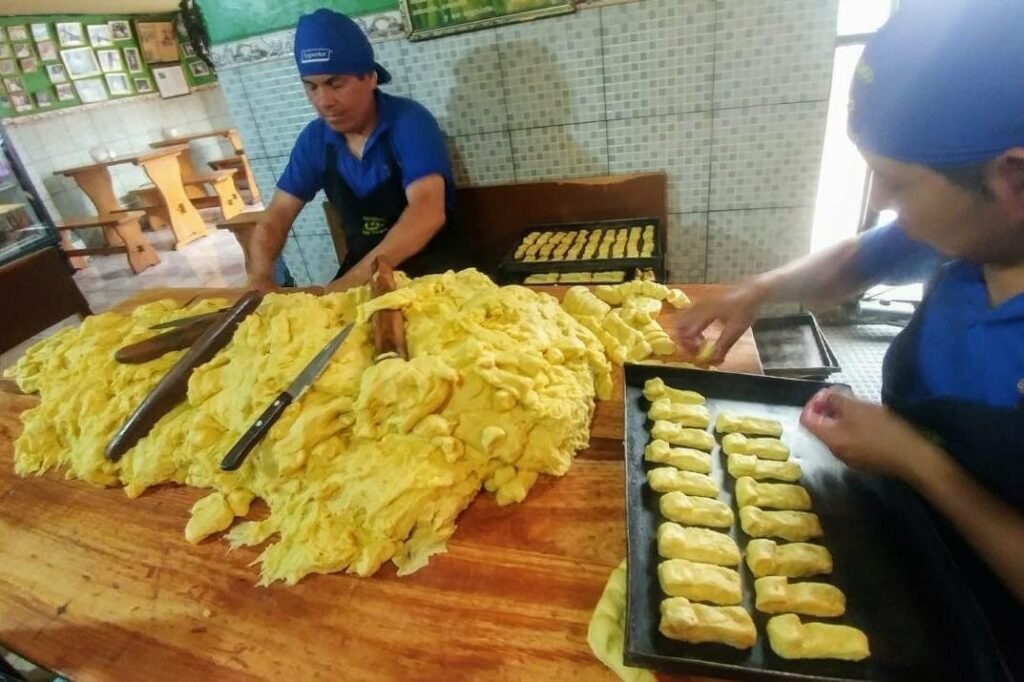
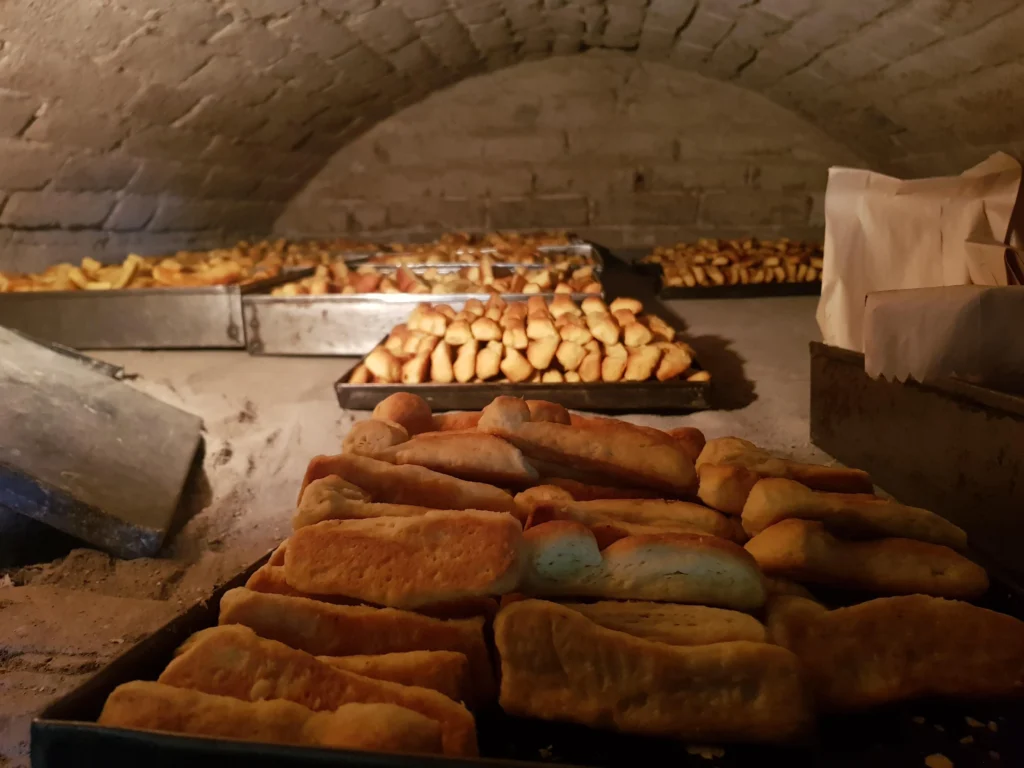
This full-day culinary expedition focuses heavily on the authentic flavours of the Imbabura region, establishing a direct connection between regional geography and local gastronomy. Setting off early from Quito, your first major food stop takes place in the town of Cayambe, world-renowned for its artisanal baking heritage. Here, you visit a historic family-operated bakery to watch baker-artisans roll and shape traditional bizcochos, flaky, savoury butter biscuits baked over open eucalyptus wood fires.
Following your bakery immersion, the journey continues across the equator line to the heart of Otavalo. Your guide leads a targeted walk through the perimeter street food zones surrounding Plaza de Ponchos, where local Kichwa cooks serve ancestral high-altitude dishes. You will learn how volcanic soil enriches native crops like choclo (large-kernel Andean corn) and mora (wild highland blackberries), concluding with a scenic tasting break overlooking Laguna de San Pablo.
Key highlights
- Warm bizcochos de Cayambe paired with stringy queso de hoja (leaf-wrapped fresh cheese) and rich manjar blanco (caramel milk spread)
- Guided street food sampling at Plaza de Ponchos, featuring toasted macho corn, llapingachos (potato cakes stuffed with cheese), and fritada
- Educational stop at the Quitsato Solar Clock on the equator to learn about ancient agricultural calendars
- Panoramic lakeshore tea break at Laguna de San Pablo
Ideal for
Foodies seeking an engaging overview of Andean snacks, first-time visitors to Ecuador, and travellers keen to combine equator geography with authentic culinary stops.
Local culinary insight
When eating bizcochos in Cayambe, do as the locals do: gently slice open the warm biscuit, wrap a piece of room-temperature queso de hoja inside, and dip the entire morsel into your hot chocolate or coffee. The salty, squeaky cheese melts subtly against the buttery, crumbly biscuit.
The Ecuadorian Sierra.
Get lost in the hills
Private highland gastronomy & hacienda dining
Rating & reviews
(23+ verified reviews on Viator)
Why this tour stands out
Operated by Galapagos Connoisseur, this premium private experience caters to discerning travellers who desire total schedule flexibility, private transport, and an elevated culinary focus. Rather than rushing through market stalls, your private bilingual guide tailors tasting stops based on your personal dietary preferences and appetite.
The morning begins with an exclusive tasting at Fábrica de Bizcochos San Pedro, where you sample freshly baked biscuits accompanied by single-origin Ecuadorian coffee. From there, your guide takes you directly into the produce and cooked-food sections of Otavalo’s local food markets.
The crescendo of the day is a sit-down, multi-course lunch set inside a historic centuries-old highland hacienda near Cotacachi, showcasing refined farm-to-table Ecuadorian recipes made from ingredients grown on the estate grounds.
Key highlights
- Private tasting session at Fábrica de Bizcochos San Pedro in Cayambe
- Personalised, private guided walk through Plaza de Ponchos and local produce markets
- Traditional multi-course hacienda lunch featuring locro de papa (creamy potato soup topped with avocado and cheese) and slow-cooked hornado
- Private visit to the leather artisan municipality of Cotacachi
Ideal for
Couples, families, and private groups looking for a comfortable, stress-free day trip with private transport, bespoke pacing, and a high-end hacienda lunch experience.
Local culinary insight
Ecuadorian locro de papa is far more than potato soup; it relies on the papa chola, a native highland potato cultivar prized for its starchy breakdown, giving the broth its naturally velvety texture without adding flour or heavy cream.
The Galápagos.
Ecuador’s Enchanted Isles
Indigenous culinary heritage & home-cooked Andean feast
Rating & reviews
(57+ verified reviews on Viator)
Why this tour stands out
Run by CarpeDM Adventures, this small-group excursion (capped strictly at 7 to 12 guests) avoids commercial tourist traps in favour of genuine community engagement. The standout feature of this itinerary is an intimate, home-cooked lunch hosted inside the private residence and organic garden of a local indigenous family.
Before sitting down to eat, guests walk through the family’s kitchen garden to learn about traditional Andean polyculture (la chakra), where corn, beans, and squash are grown symbiotically alongside medicinal herbs like cedrón (lemon verbena) and hierbaluisa (lemongrass).
After picking fresh herbs, you sit down to sample family recipes passed down through generations, making this one of the most culturally immersive food experiences available in northern Ecuador.
Key highlights
- Home-cooked traditional Andean lunch and garden tour inside an indigenous Kichwa family homestead
- Fresh herbal infusion tasting made with garden-picked medicinal plants
- Artisanal bakery stop at Fábrica de Bizcochos San Pedro
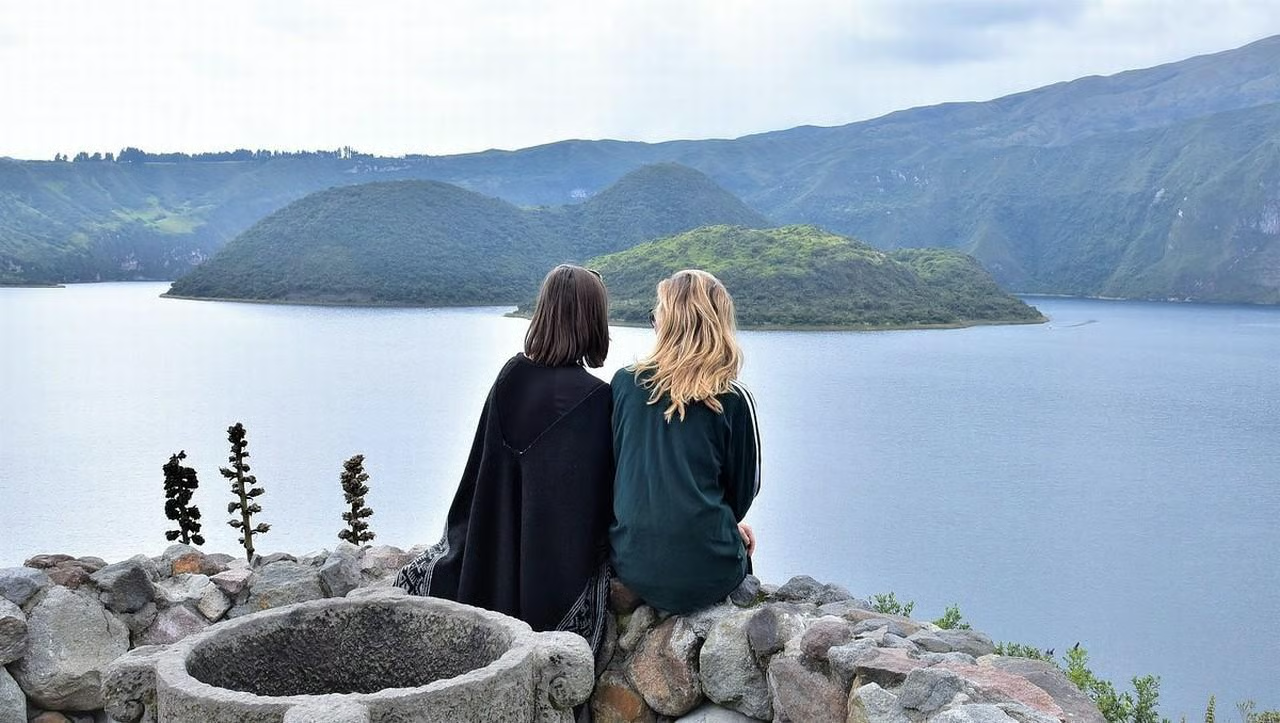
- Guided exploration of Plaza de Ponchos and a short nature hike around Laguna de Cuicocha crater lake
Ideal for
Socially conscious travellers, flexitarians, and visitors seeking deep cultural exchange and home-style regional cooking over standard restaurant meals.
Local culinary insight
Respecting la chakra means understanding how seasonal climate cycles dictate highland cooking. Herbal teas served after meals in indigenous homes are designed to assist high-altitude digestion; always accept a warm cup of cedrón or manzanilla when offered by your host.
Equatorial flavours & crater lake tasting trail
Rating & reviews
(15+ verified reviews on GetYourGuide)
Why this tour stands out
This highly rated small-group tour seamlessly balances nature, handicraft shopping, and high-altitude food discovery. Designed for curious travellers who want to sample local delicacies while exploring the volcanic landscapes of Imbabura, the day starts with an essential breakfast stop in Cayambe to taste hot chocolate and wood-fired bizcochos.
Your guide provides context regarding the indigenous food economy as you navigate the open-air food courts around Plaza de Ponchos. Here, you will have time to sample empanadas de viento (fluffy fried cheese empanadas dusted with granulated sugar) before heading up into the high elevation of the Laguna de Cuicocha reserve, where volcanic soil fuels wild berries and high-altitude herbal teas.
Key highlights
- Traditional breakfast stop in Cayambe featuring hot cocoa, fresh cheese, and warm bizcochos
- Market food tasting walk in Otavalo with guidance on traditional street food etiquette
- Exploration of Cotacachi’s artisanal town centre and local bakeries
- High-altitude nature trail hike at Laguna de Cuicocha
Ideal for
Active travellers who enjoy combining light hiking and crater lake scenery with market grazing and local food history.
Local culinary insight
Empanadas de viento (wind empanadas) derive their poetic name from the way they puff up with air when submerged in sizzling oil. The sprinkle of white sugar on top is traditional across the Ecuadorian Andes—the sweet-and-salty contrast is exceptional.
The Ecuadorian Amazon.
The most biodiverse place in the world
Full-day cultural market crawl & artisanal bakeries
Rating & reviews
(3+ verified reviews on GetYourGuide)
Why this tour stands out
For travellers who prefer an unhurried, extended itinerary, this 11-hour deep-dive expedition covers every major culinary and artisanal landmark in the northern equatorial corridor. The tour allocates generous time at each destination, ensuring guests can explore the inner food market halls of Otavalo where standard day-trippers rarely go.
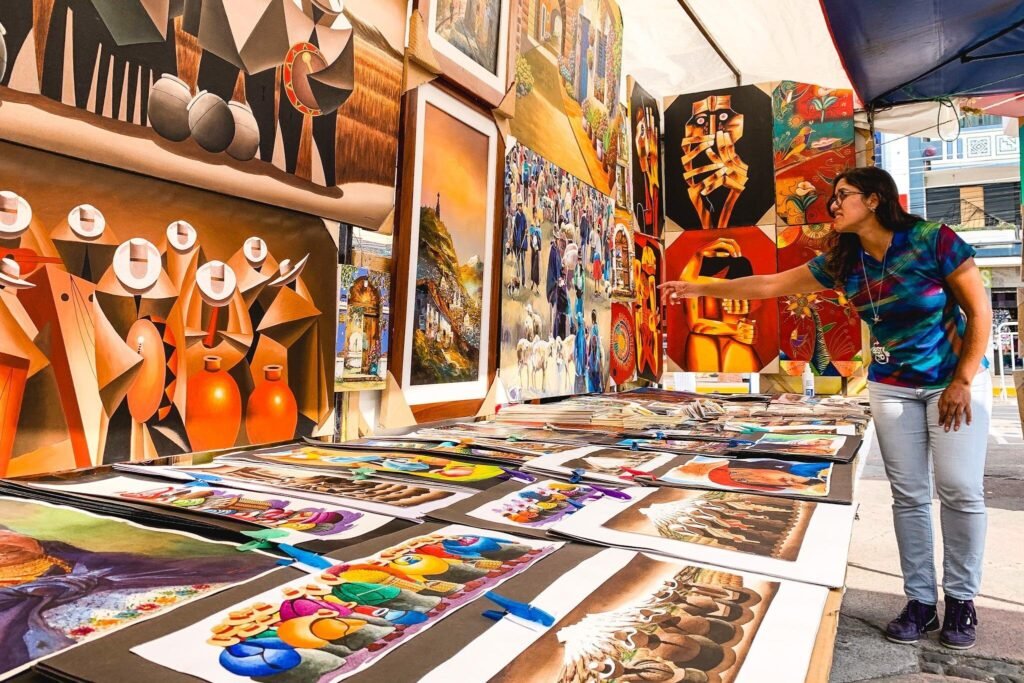
The journey includes a dedicated visit to a historic bakery in Cayambe, an extended 105-minute window at Plaza de Ponchos to eat and shop, a photo stop at Laguna de San Pablo, and a culinary stop in Cotacachi where you can try carne colorada (pork marinated in achiote and sun-dried).
Key highlights
- Extended food market and craft exploration time at Plaza de Ponchos
- Behind-the-scenes visit to an artisanal bizcocho factory in Cayambe
- Tasting opportunities for regional specialities like carne colorada in Cotacachi
- Breathtaking views of Laguna de San Pablo and Imbabura Volcano
Ideal for
Independent explorers seeking maximum free time at market stalls, photography enthusiasts, and food lovers eager to try niche regional meats and bakes.
Local culinary insight
Carne colorada owes its vivid crimson hue and earthy flavour to natural achiote (annatto seed paste). It is traditionally cooked alongside mote (hominy corn), fried plantains, and avocado—a hearty meal created historically to sustain high-altitude field workers.
Sacred waterfalls, ancestral chicha & market grazing
Rating & reviews
(443+ verified reviews on TripAdvisor / Viator)
Why this tour stands out
This classic day tour is one of the most widely reviewed and popular itineraries departing from Quito, making it a reliable choice for autonomous travellers. Beyond the traditional stops for bizcochos in Cayambe and street food browsing at Plaza de Ponchos, this tour takes guests into the nearby Kichwa village of Peguche.
In Peguche, you visit the sacred Cascada de Peguche forest reserve—a vital spiritual site used for cleansing rituals during the Inti Raymi solstice festival. Afterwards, you visit Ñanda Mañachi, a legendary family workshop of traditional Andean musical instruments, where you are welcomed with samples of homemade chicha de jora (fermented sprouted corn beverage), offering a rare sip of sacred ancestral drink culture.
Key highlights
- Tasting of artisanal chicha de jora during a private musical demonstration at Ñanda Mañachi house
- Morning bakery stop in Cayambe for warm bizcochos
- Two full hours of free market exploration and street food sampling at Plaza de Ponchos
- Sacred nature walk to Cascada de Peguche
Ideal for
Culture and music enthusiasts, heritage food lovers, and travellers who want an all-encompassing introduction to Imbabura’s sacred natural sites and traditional drinks.
Local culinary insight
Chicha de jora has been brewed across the Andes for millennia using germinated yellow corn (jora). It is low in alcohol, slightly sour, and deeply symbolic; in Kichwa culture, pouring a small splash onto the earth before drinking honours Pachamama (Mother Earth).
The Ecuadorian Coast.
Where you’ll find the very best food
Our practical Otavalo food tour & dining guide
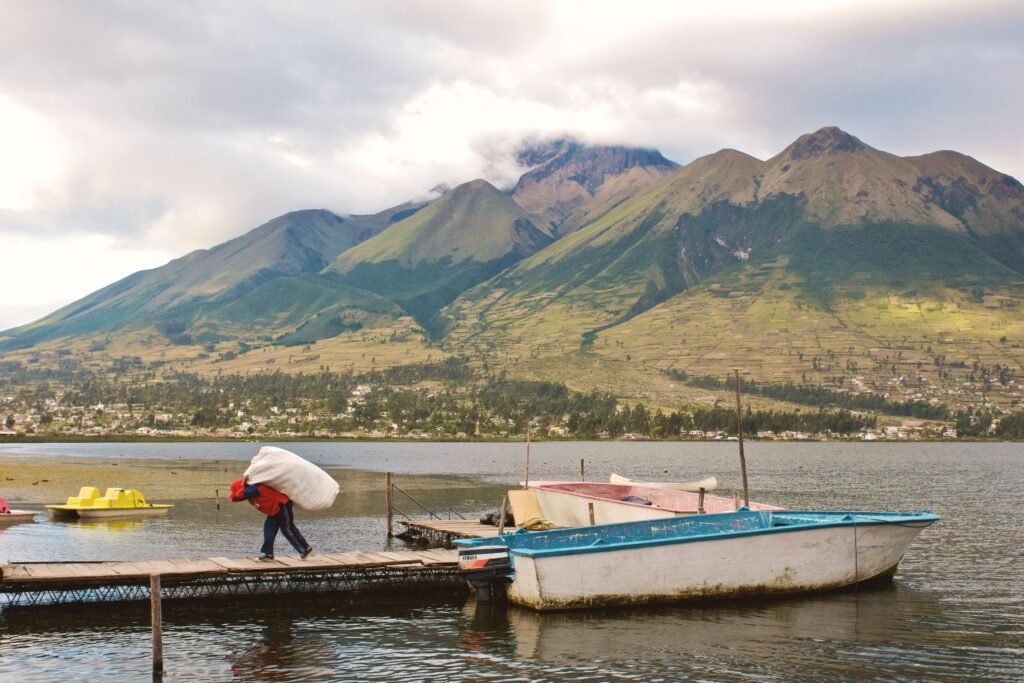
Navigating market halls and street stalls in the high Andes requires a little practical preparation. Here are our top local guidelines for eating safely and respectfully in Otavalo and Imbabura province:
Managing altitude & digestion
Otavalo sits at approximately 2,550 metres above sea level, where atmospheric pressure is lower and digestion slows down noticeably. Pace your tastings, drink plenty of bottled water, and lean into local digestifs like hot canelazo (a warm spiced cane spirit drink brewed with cinnamon and naranjilla fruit) or fresh cedrón tea after heavy pork dishes.
Street food hygiene & stall selection
When sampling street food independently outside of tour stops, choose vendors with long queues of local families. Dishes like hornado or fritada should be served steaming hot directly from the roasting pan or copper cauldron. Avoid unpeeled raw fruit or salads washed in unboiled tap water.
Dietary restrictions & vegetarian dining
Andean gastronomy relies heavily on pork and corn. However, vegetarians are well accommodated if you know what to request. Llapingachos (potato cakes), empanadas de viento, queso de hoja, roasted choclo with cheese, and locro de papa (verify that no meat stock was used) are delicious meat-free staples. Always inform your tour operator in advance.
Cash is king at indigenous markets
While modern hotels and restaurants in Quito accept credit cards, vendors at Plaza de Ponchos and rural bakeries in Cayambe operate strictly on physical cash. Carry small U.S. dollar denominations ($1, $5, and $10 notes, plus coins), as vendors rarely have change for $20 or $50 notes for small food purchases.
Water & hydration protocol
Tap water throughout the highland regions of Ecuador is unsafe for unacclimatised travellers to drink. Always carry a reusable insulated bottle filled with filtered water, or purchase sealed bottled water. Ensure bottled drinks at market stalls are unsealed in front of you.
Pull up a stool at the Andean table
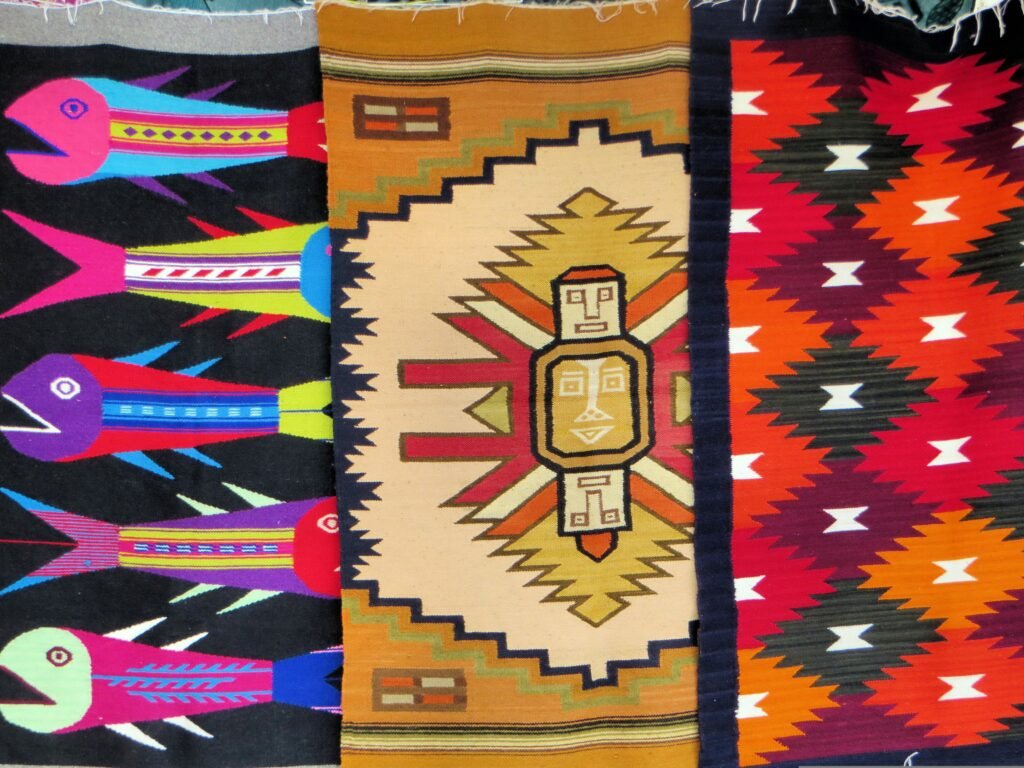
Read this far?
Stepping away from generic tourist buses and pulling up a wooden stool at a bustling market stall is where true travel magic happens. In Otavalo and the surrounding Imbabura province, food is far more than mere sustenance—it is a living connection to volcanic soils, ancestral agricultural calendars, and centuries of Kichwa community life.
By choosing to explore these high-altitude foodways alongside local guides, you bypass sanitised tourist traps and gain genuine entry into family bakeries, market kitchens, and private homesteads that independent travellers rarely discover on their own.
Every bite sampled along this equatorial corridor supports local livelihoods and preserves traditional culinary heritage. From the multi-generational bakers tending eucalyptus-fuelled brick ovens in Cayambe to the market cooks slow-roasting hornado in copper pans, these small-scale food artisans are the true guardians of Andean gastronomy.
Intimate, small-group food tours ensure your travel footprint remains respectful, sustainable, and directly beneficial to the communities welcoming you.
Whether you are arriving in Otavalo on a public intercity bus from Quito, exploring the northern Andes on foot, or rolling into town after a long day navigating mountain passes in the saddle, take the time to slow your pace.
Embrace the rhythm of the high mountains, listen to the stories behind heirloom corn and volcanic tubers, and savour every warm bizcocho and steaming bowl of locro de papa. The flavours of Imbabura stay with you long after the mountain mist clears.
Affiliate Disclaimer: Some of the links on Wheely Tyred are affiliate links. If you click through and make a booking or purchase, we may earn a small commission at no extra cost to you. We only recommend gear, tours, stays, and services we genuinely use, trust, and stand behind — our editorial independence always comes first. These commissions help keep our independent cycling guides and travel stories free to read. You can also buy me a coffee here — thanks for supporting the ride!
Frequently asked questions about the best Otavalo food tours
Otavalo is situated roughly 110 kilometres north of Quito along the Pan-American Highway. Independent travellers can catch a direct public bus from Quito’s Carcelén bus terminal in the north of the city; the journey takes approximately two to two and a half hours. However, booking a guided day tour from Quito includes private, comfortable transport with door-to-door hotel pick-up and drop-off, seamlessly incorporating morning bakery stops in Cayambe and scenic pauses at Laguna de San Pablo along the route.
Otavalo sits at an elevation of approximately 2,550 metres above sea level. At higher altitudes, atmospheric pressure is lower, and digestion naturally slows down. To avoid altitude-induced sluggishness or stomach discomfort, pace your tastings throughout the day, drink plenty of safe bottled water, and avoid overeating heavy fats early in the morning. Locals routinely sip warm digestifs after rich pork meals, such as canelazo (a hot spiced cane-spirit drink) or fresh herbal infusions like cedrón (lemon verbena) and hierbaluisa (lemongrass).
Absolutely. While traditional Andean cuisine features a lot of pork (hornado and fritada), the region’s agricultural heritage offers exceptional vegetarian options. Market stalls serve llapingachos (crispy potato cakes stuffed with cheese), empanadas de viento (fluffy fried cheese empanadas dusted with sugar), fresh queso de hoja, roasted choclo (large-kernel corn) with fresh cheese, and creamy locro de papa (potato soup). Always inform your tour operator or guide in advance so they can tailor market stops to suit your dietary requirements.
Ecuador uses the US dollar ($) as its official currency. While modern hotels, established restaurants, and tour operators in Quito accept major credit cards, vendors at Otavalo’s Plaza de Ponchos, street stalls, and rural bakeries in Cayambe operate strictly on physical cash. It is essential to carry small denominations ($1, $5, and $10 notes, along with US coins), as market vendors rarely have sufficient change for $20 or $50 notes on small food purchases.
Bizcochos are savoury, crumbly butter biscuits originating from the town of Cayambe at the foot of the Cayambe Volcano. They are rolled by hand and baked over open eucalyptus wood fires, giving them a subtle smoky aroma. Local tradition dictates gently slicing open the warm biscuit, wrapping a piece of room-temperature queso de hoja (fresh stringy cheese wrapped in achira leaves) inside, dipping it in manjar blanco (caramel sweet spread), and washing it down with a cup of hot cocoa or local coffee.
Chicha de jora is a traditional fermented beverage prepared from germinated yellow corn (jora) that has been brewed in the Andean highlands for thousands of years. It is slightly sour, low in alcohol, and holds deep spiritual significance in Kichwa culture, where a small splash is often poured onto the earth as an offering to Pachamama (Mother Earth) before drinking. Sampling chicha on a vetted, reputable food tour—such as during a cultural visit to a family workshop in Peguche—ensures it has been prepared hygienically and is safe for visitors to try.
Ecuador.
Pure wonder on the equator.