The best day tours in Guayaquil / Cacao estates, mangroves, and dry forests
Top bookable excursions and guided tours in Guayaquil, Ecuador
How to experience the authentic spirit of Ecuador’s coastal engine
BEN FINCH
Guayaquil suffers from an unfair reputation in international travel circles. Too often dismissed as a mere stepping stone on the way to the Galápagos Islands or the high-altitude cobblestones of Cuenca, Ecuador’s largest city and economic engine is, in truth, a vibrant tropical metropolis bursting with coastal identity. Hugging the banks of the mighty Río Guayas, Guayaquil is where the warmth of the Pacific littoral meets the agricultural richness of the coastal plains.
For the independent traveller, navigating this sprawling port city can occasionally feel daunting. This is precisely where thoughtfully selected, small-group day tours step in—not to standardise your journey on a rigid coach, but to unlock regional ecosystems, rural communities, and historic enclaves that would otherwise prove logistically complex to reach. From paddling through silent mangrove estuaries home to mantled howler monkeys to sampling heritage Cacao Nacional straight from the pod on historic haciendas, Guayaquil serves as an extraordinary launchpad for slow, immersive travel.
Below, we have selected six of the very best bookable day tours operating out of Guayaquil. Each experience has been vetted to ensure it supports local stewardship, avoids commercial crowd traps, and offers exceptional cultural or ecological depth.
Coastal ecology, cacao heritage, and high-altitude trails
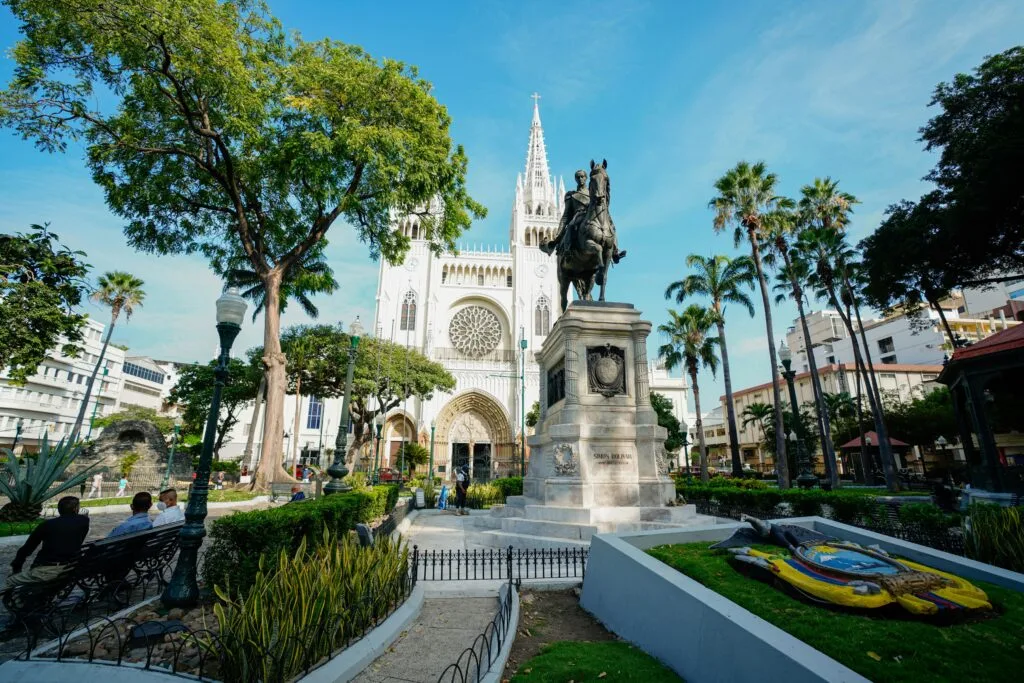
Beyond its reputation as a bustling transit hub, Guayaquil serves as an extraordinary launchpad for exploring coastal mangroves, endangered dry forests, and Andean cloud forests.
- Urban Reconstruction: Trace Guayaquil’s journey from a fire-prone timber port to a vibrant coastal city by exploring the historic neighbourhood of Las Peñas and the wildlife enclosures at Parque Histórico
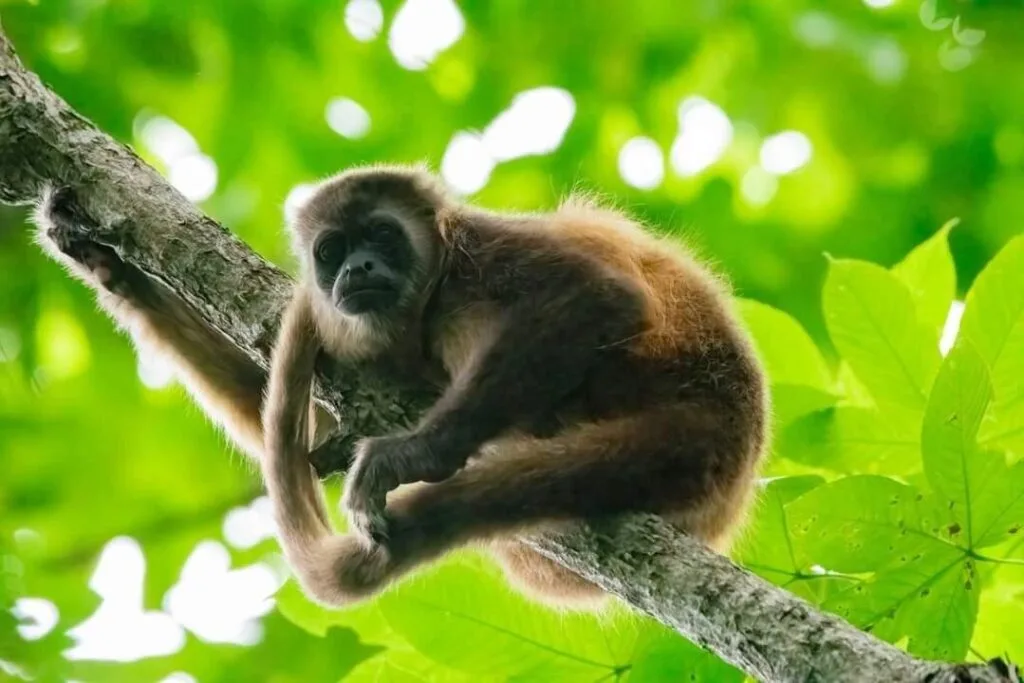
- Estuarine Biodiversity: Venture into Reserva Ecológica Manglares Churute by wooden canoe to observe wild mantled howler monkeys, frigatebirds, and native wetland flora
- Heritage Cacao: Uncover the origins of Cacao Nacional on working rural plantations, sampling raw cacao juice and roasting craft chocolate using traditional iron skillets
- Subtropical Waterfalls: Escape to the cool mountain air of Bucay, hiking through moss-draped cloud forests to bathe in pristine, spring-fed river pools
- Protected Dry Forests: Explore Bosque Protector Cerro Blanco, home to majestic kapok trees, howler monkeys, and the endangered Great Green Macaw
- Practical Currency Management: Always carry small US dollar notes ($1, $5, and $10) for rural purchases, as change for $20 notes is rarely available at roadside stalls or small haciendas
Guayaquil.
The Pearl of the Pacific
1. Urban heritage and coastal wildlife / The complete Guayaquil city experience
Rating & reviews
(New activity on GetYourGuide)
Why this tour stands out
Rather than shuttling travellers through urban traffic in a closed minibus, this private experience pairs a deep architectural walk with an immersive stroll through the city’s ecological heritage. Led by native Guayaquileño guides, the itinerary begins in the historic centre before shifting to the lush grounds of the Parque Histórico on the outskirts of the city.
What makes this tour exceptional is its balanced commentary: your guide unpacks Guayaquil’s transformation from a wooden, fire-prone colonial port into a modern coastal hub, addressing both the triumphs and social complexities of urban renewal projects like the Malecón 2000.
Exploring the Parque Histórico gives context to the surrounding coastal habitats, showcasing rescued native fauna—including spectacled caimans, spider monkeys, and harpy eagles—housed within reconstructed mangrove and dry-forest enclosures.
Key highlights
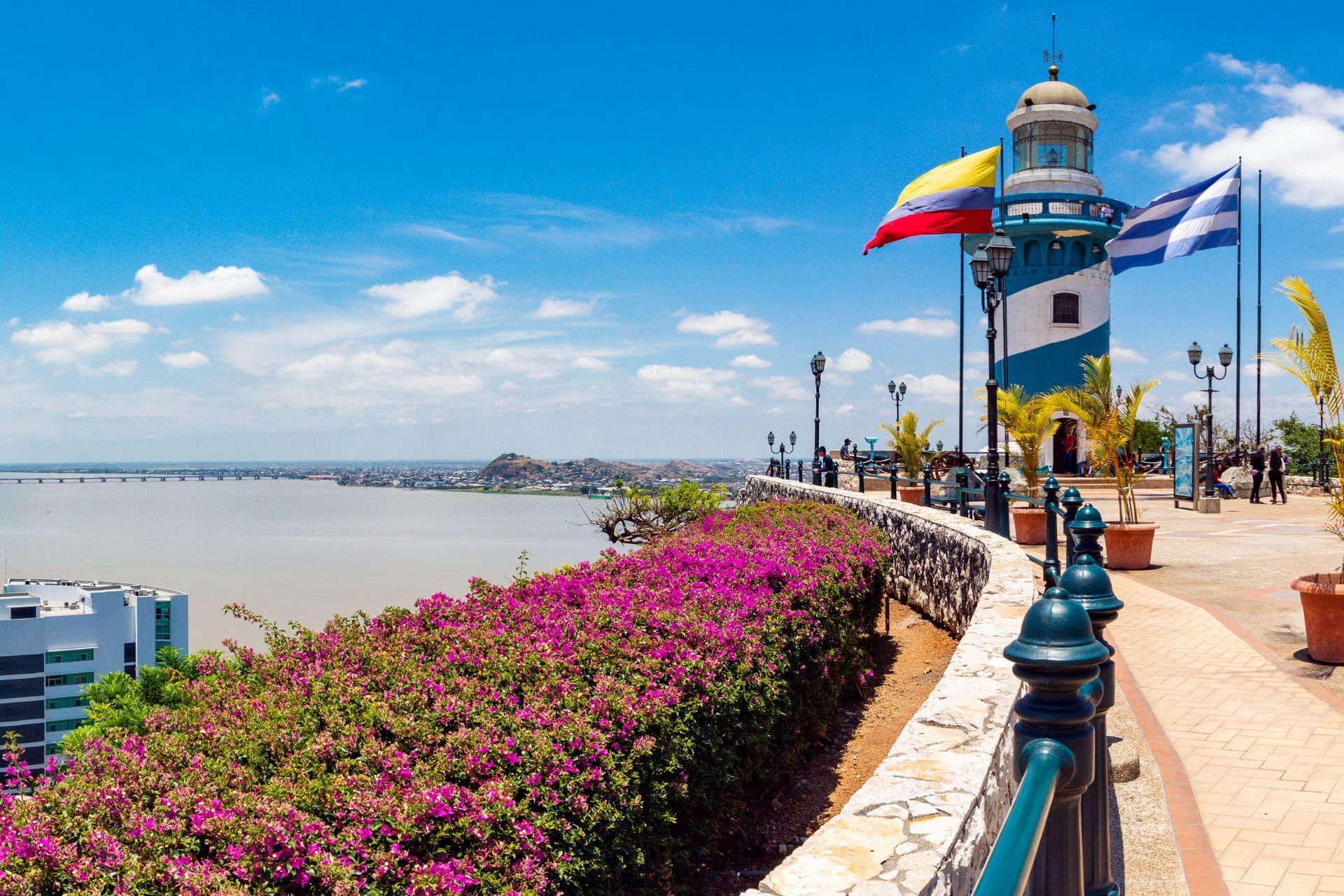
- Guided exploration of the colourful, historic neighbourhood of Las Peñas and the 444 steps of Cerro Santa Ana
- Leisurely walk through Parque Seminario (popularly known as Lizard Park), famous for its resident land iguanas
- Stroll along the Malecón 2000 boardwalk overlooking the expanse of the Río Guayas
- Immersion in the Parque Histórico Guayaquil, featuring 19th-century timber architecture and native coastal wildlife rescue zones
Ideal for
Culture enthusiasts, slow urban wanderers, and first-time visitors seeking an authoritative, safe, and context-rich orientation to Guayaquil’s history and biodiversity.
Local insight
The climb up Cerro Santa Ana can be hot and humid by mid-morning. Wear light linen or moisture-wicking cotton, and pause at the craft workshops halfway up the steps to support local artisans rather than buying mass-produced souvenirs at the top.
The Ecuadorian Coast.
Where you’ll find the very best food
2. Estuarine ecosystems & rural agriculture / Churute mangroves and cocoa farm
Rating & reviews
(2+ verified reviews on Viator)
Why this tour stands out
Located just an hour southeast of Guayaquil, the Reserva Ecológica Manglares Churute represents one of the last preserved expanses of coastal mangrove wetlands and tropical dry forests in Ecuador.
Reaching the reserve independently requires navigating complex boat hire arrangements with local fishermen unions; this tour solves that logistical hurdle seamlessly while maintaining a low-impact footprint.
This full-day excursion combines a tranquil motorised canoe journey through mangrove estuaries with a guided forest hike through the Sendero Mono Aullador (Howler Monkey Trail), followed by a visit to an authentic local cocoa farm.
The local community guides possess an uncanny ability to spot mantled howler monkeys (Alouatta palliata) resting in the canopy alongside roosting frigatebirds, herons, and kingfishers, providing a rich narrative on the agricultural and ecological balance of the region.
Key highlights
- Navigated wooden boat journey through deep estuarine mangrove channels
- Guided canopy hike through tropical dry forest terrain to observe wild howler monkey troops
- Exceptional birdwatching opportunities, including sightings of the endemic Pacific parrotlet and roseate spoonbill
- Hands-on exploration of an authentic local cocoa farm to learn about coastal agriculture and traditional harvesting
Ideal for
Wildlife lovers, birdwatchers, and eco-conscious travellers eager to combine wetland ecology with coastal rural culture.
Local insight
The mangrove environment is the natural habitat for the manta blanca (a microscopic biting midge) and mosquitoes. Standard insect repellent is often ineffective; bring a natural citronella or eucalyptus-based oil spray and wear lightweight, long-sleeved trousers and shirts.
The Galápagos.
Ecuador’s Enchanted Isles
3. Agrarian heritage & city culture / Epic cacao farm & city tour experience
Rating & reviews
(2+ verified reviews on GetYourGuide)
Why this tour stands out
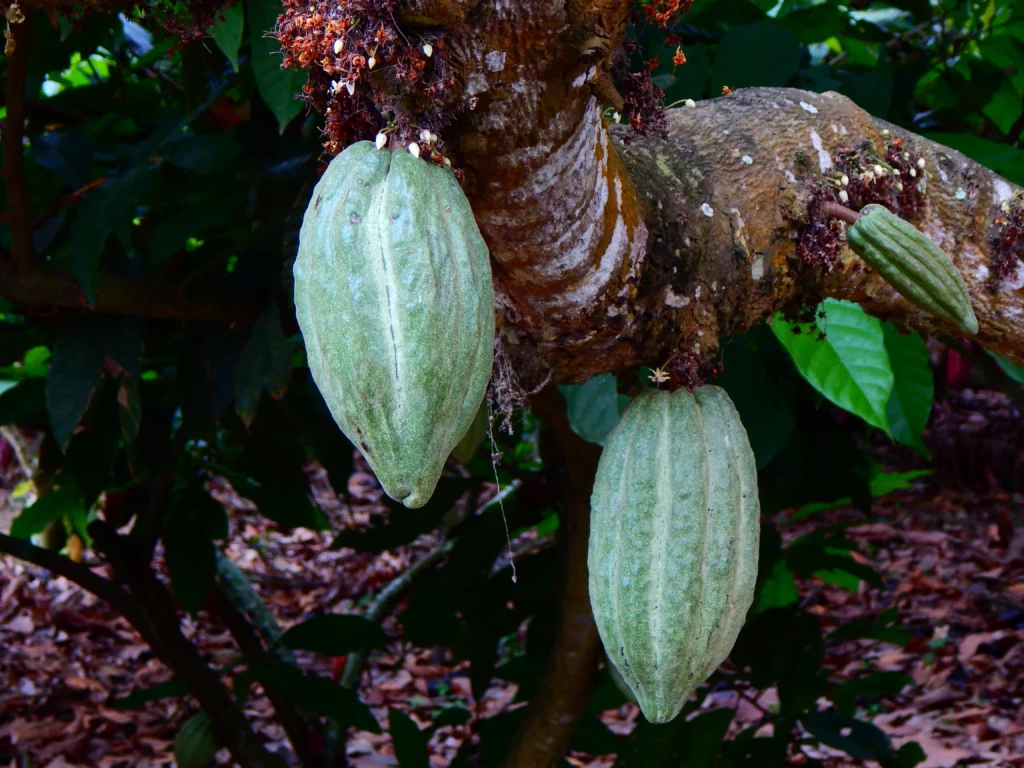
Ecuador’s coastal history is fundamentally bound to cocoa. In the late 19th century, the country was the world’s leading exporter of cacao, earned largely through the prized Arriba or Cacao Nacional bean—celebrated for its floral, fine-flavour profile. This experience seamlessly weaves together Guayaquil’s urban highlights with a trip to a working agricultural estate in the fertile Guayas basin.
During this tour, travellers walk through organic cacao groves, learn the labour-intensive processes of harvesting, fermenting, and sun-drying beans, and sample craft chocolate using traditional methods.
The day balances rural agricultural heritage with a guided tour of Guayaquil’s primary historical monuments, offering a complete narrative of how the cacao trade built the port city.
Key highlights
- Interactive cacao workshop highlighting heritage Cacao Nacional pods from plantation to bean processing
- Guided walk through sustainable agroforestry plantations and fruit orchards
- Comprehensive orientation of Guayaquil’s architectural landmarks and riverside promenades
- Local tasting experience highlighting authentic coastal flavours and fresh agricultural produce
Ideal for
Foodies, culinary historians, families, and travellers looking for a balanced combination of city history and country heritage.
Local insight
Don’t rush through the farm walk. Take time to sample the fresh cold cacao juice—a translucent, sweet-tart liquid pressed directly from the white pulp surrounding the raw bean that rarely makes it into commercial export markets.
4. Subtropical cloud forests / Waterfalls and high-altitude trails in Bucay
Rating & reviews
(New activity on Viator)
Why This Tour Stands Out
Rising steeply from the coastal flatlands toward the Andean foothills, the municipality of General Antonio Elizalde (Bucay) offers a dramatic landscape shift just two hours east of Guayaquil. This tour bridges the gap between the tropical coast and the high cloud forest, taking travellers from sea level up to roughly 1,200 metres above sea level in a single morning.
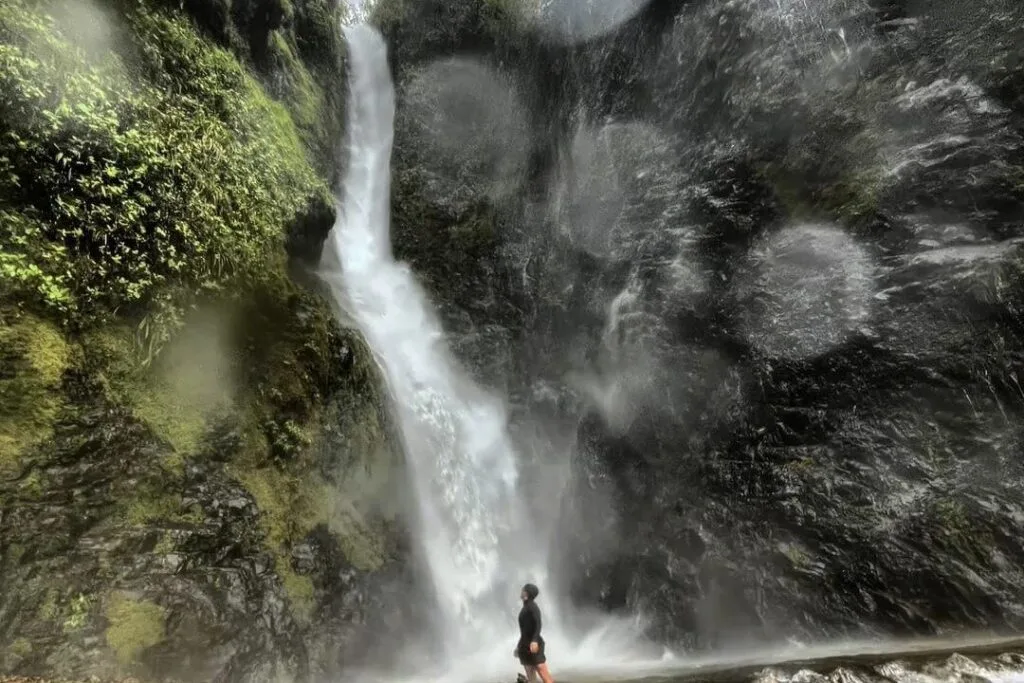
Operated by native mountain guides from Bucay, the trek navigates lush, moss-draped forest trails leading to a series of seven roaring waterfalls, including the impressive 90-metre Cascada Piedra Blanca.
The tour emphasises local conservation efforts to protect the remaining humid cloud forest corridors from agricultural encroachment. For those inclined, there are opportunities to bathe in natural river pools carved out by the cascades.
Key highlights
- Scenic drive transitioning from coastal dragon fruit (pitahaya) and banana plantations to cloud forest
- Guided nature trek past seven distinct waterfalls hidden deep within a protected humid forest
- Swimming opportunities in pristine, clear mountain river pools
- Traditional coastal-Andean lunch at a family-run countryside restaurant in Bucay
Ideal for
Active travellers, hikers, and nature photography enthusiasts looking to experience cool mountain air and lush forests without taking an overnight journey into the high Andes.
Local insight
The trail can become muddy and slippery due to the mist and cloud cover. While the operator provides walking sticks, bringing sturdy trail running shoes or water-resistant hiking boots with aggressive tread will make your descent much more comfortable.
The Ecuadorian Sierra.
Get lost in the hills
5. Biodiversity conservation / Cerro Blanco protected forest guided tour
Rating & reviews
(New activity on GetYourGuide)
Why this tour stands out
Located on the western edges of the city limits, the Bosque Protector Cerro Blanco protects one of the last major fragments of the equatorial Pacific tropical dry forest ecosystem. This endangered habitat is remarkable for its extreme biodiversity, yet it remains relatively unknown to standard tourist crowds.
This guided excursion pairs travellers with specialised conservation guides who lead small groups along shaded forest trails such as the Sendero Buena Vista.
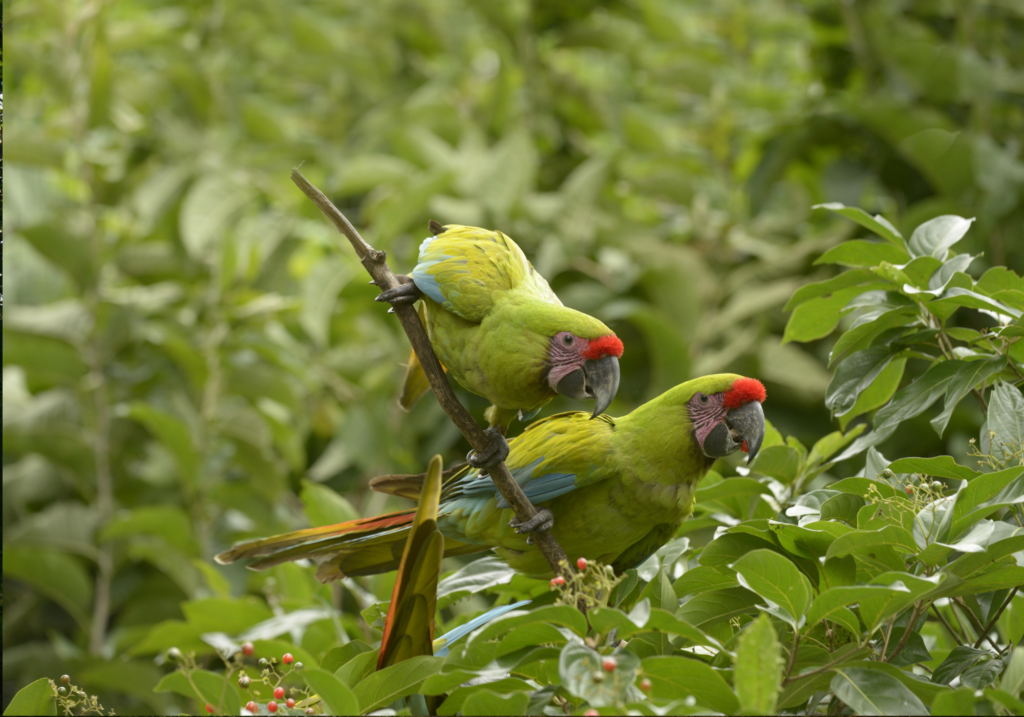
As you hike under massive kapok (Ceiba trichistandra) trees, guides help identify rare flora and fauna, including howler monkeys, coatimundis, and over 200 species of birds, including the highly endangered Great Green Macaw (Ara ambiguus guayaquilensis).
Key highlights
- Guided eco-trek through one of South America’s most endangered tropical dry forest reserves
- Opportunities to spot rare fauna, including howler monkeys, white-tailed deer, and tropical butterflies
- Outstanding birdwatching for endemic coastal species and native parrots
- Direct support for local reforestation initiatives and habitat preservation projects
Ideal for
Ecotourists, keen birdwatchers, hikers, and nature enthusiasts seeking an authentic wilderness excursion within minutes of the city.
Local insight
Tropical dry forests can be deceivingly warm during the dry season. Carry at least 1.5 litres of water per person and a wide-brimmed hat, and set out on the earliest morning departure possible to maximise wildlife sightings before the heat of midday.
6. Countryside culture / Bison safari, lunch, and rural experience
Rating & reviews
(New activity on GetYourGuide)
Why this tour stands out
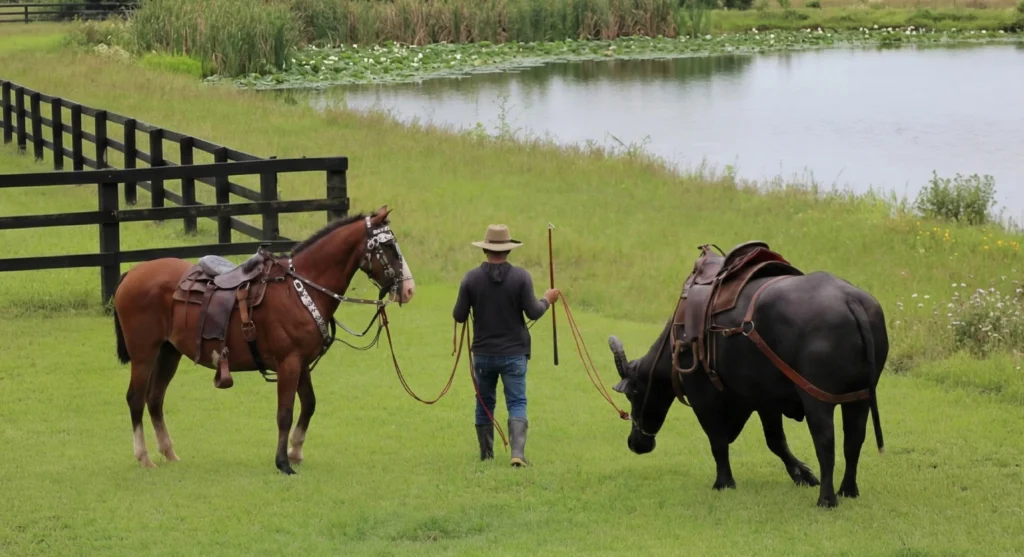
For travellers looking for an off-the-beaten-track day trip that blends rural Ecuadorian hospitality with an unexpected agricultural twist, this safari and rural culture experience offers a unique glimpse into coastal ranching life. Located in the countryside outside Guayaquil, the excursion centres on an open-air vehicle safari through private agricultural grounds and pastures.
Alongside learning about regional livestock raising and land management, guests are treated to a traditional rural lunch (almuerzo campesino) prepared over wood fires using local coastal ingredients. It offers an authentic, unhurried window into life outside the urban metropolis, far from standard tourist routes.
Key highlights
- Open-air safari vehicle tour across private countryside ranchlands and open pastures
- Educational overview of rural land management, local ecology, and regional farming practices
- Traditional, hearty rural lunch cooked with fresh local ingredients
- Relaxed, family-friendly atmosphere away from city traffic
Ideal for
Families, curious cultural travellers, and those looking for an unhurried day out in the Guayas countryside.
Local insight
Embrace the slow pace of rural life here. Take time to converse with the ranch hands and cooks; asking about local cooking techniques or regional crops often leads to warm conversations and extra helpings of fresh plantain dishes!
The Ecuadorian Amazon.
The most biodiverse place in the world
Our practical Guayaquil excursion planning guide
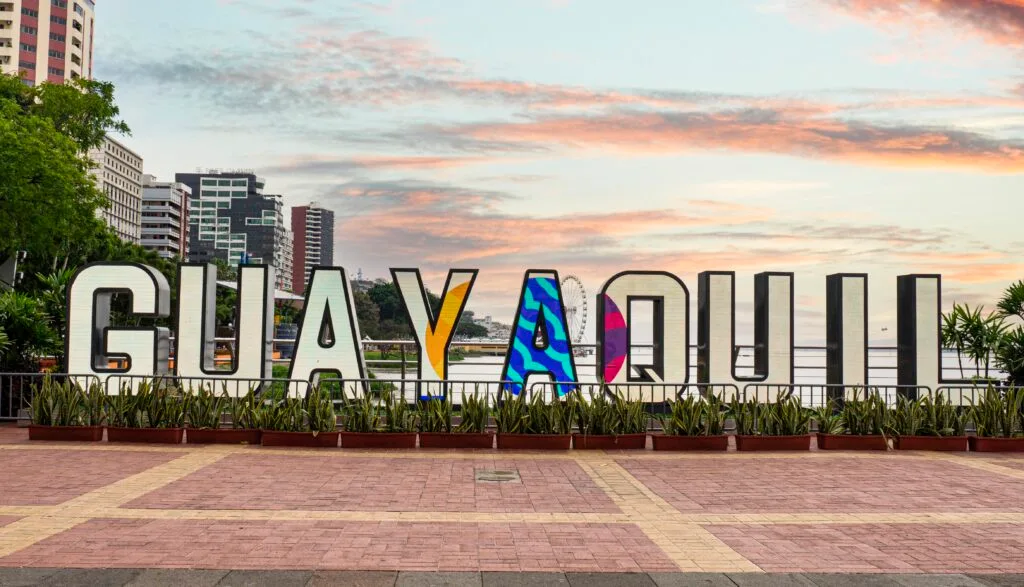
Executing smooth, rewarding day trips out of Guayaquil requires local preparation. Here are four practical guidelines to keep your journey seamless:
1. Master the microclimates
Guayaquil itself is consistently warm and humid year-round, with the wet season running from January to April. However, day trips out of the city involve drastic shifts in elevation and climate. A trip to Bucay or Cerro Blanco requires water-friendly or breathable trekking gear, while coastal mangroves require sun protection. Always pack a lightweight waterproof shell regardless of your destination.
2. Handle currency with care
Ecuador uses the United States dollar ($). While tour bookings are handled digitally, carrying small cash denominations ($1, $5, and $10 notes) is essential when visiting rural cacao farms, purchasing fruit from roadside stands, or tipping local community guides. Merchants in rural Guayas rarely have change for $20 notes, and $50 or $100 notes are virtually unserviceable outside major establishments.
3. Understand tipping etiquette
Tipping local guides and drivers is not strictly mandatory in coastal Ecuador, but it is deeply appreciated and forms a crucial component of fair remuneration in regional tourism. For an exceptional full-day excursion, a tip of 10–15 USD per person for the primary guide and 5–10 USD for the driver serves as a respectful benchmark for good service.
4. Prioritise door-to-door tour pickups
Guayaquil is a large, energetic, dangerous port city where hailed street taxis can occasionally pose safety risks for uninitiated travellers. When booking your excursions, ensure the operator provides confirmed pick-up and drop-off directly at your accommodation or at secure hubs like the Malecón 2000 or the airport. For general urban transit, rely on hotel-arranged transfers or reputable rideshare applications.
Embrace coastal Ecuador on your own terms
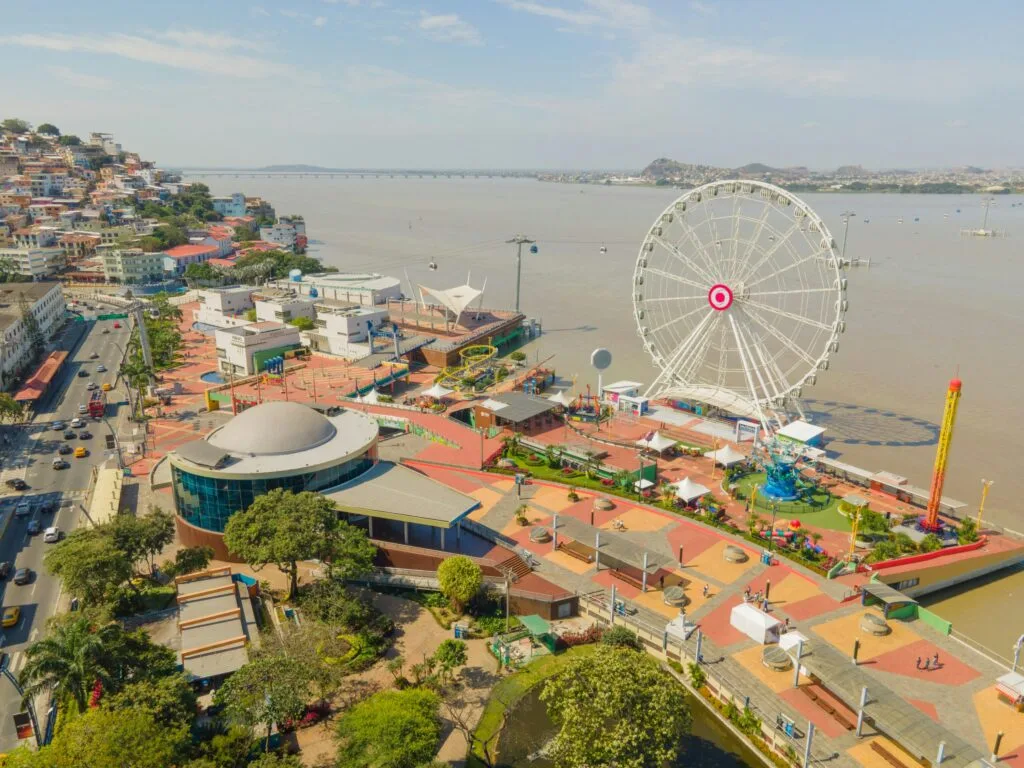
Read this far?
For far too long, international travel itineraries have reduced Guayaquil to a convenient logistics stop—a place to sleep before catching an early flight to the Galápagos Islands or boarding an overland coach toward the high-altitude cobblestones of Cuenca.
To view Ecuador’s largest city purely as an airport transfer, however, is to overlook the vibrant, tropical core of the nation’s coastal identity. Hugging the wide banks of the Río Guayas, Guayaquil is where the agricultural richness of the coastal plains meets the maritime routes of the Pacific.
By stepping beyond the traditional urban core and venturing into the surrounding ecosystems—whether navigating the quiet mangrove channels of Churute, trekking to cloud forest cascades in Bucay, or exploring heritage cacao plantations in the Guayas basin—you actively support community-led stewardship and conservation initiatives.
Small-group excursions and independent explorations allow you to engage with the landscape without burdening fragile habitats or overcrowding local spaces.
Whether you have a single layover day or are taking the time to slowly navigate the littoral lowlands, Guayaquil offers an unpretentious, ecologically rich gateway to coastal Ecuador. Travel with curiosity, embrace the warm tropical humidity, and give yourself the time to explore slowly.
Affiliate Disclaimer: Some of the links on Wheely Tyred are affiliate links. If you click through and make a booking or purchase, we may earn a small commission at no extra cost to you. We only recommend gear, tours, stays, and services we genuinely use, trust, and stand behind — our editorial independence always comes first. These commissions help keep our independent cycling guides and travel stories free to read. You can also buy me a coffee here — thanks for supporting the ride!
Frequently asked questions about the best Guayaquil day tours
Avoid flagging unmetered street taxis directly from the roadside. Instead, request a taxi through your accommodation reception or use established rideshare platforms like Cabify or Uber, which operate reliably across the city. For day trips venturing into the countryside, choose small-group tours that offer confirmed door-to-door pick-up and drop-off from your lodging or central, well-lit landmarks like the Malecón 2000.
Ecuador uses the United States dollar ($ USD). While online bookings and major city hotels accept credit cards, cash is indispensable when travelling through rural Guayas. Always carry small denominations ($1, $5, and $10 notes), as small-scale vendors, rural fruit stalls, and local community guides rarely have sufficient change for $20 notes or larger.
Guayaquil and the surrounding coastal lowlands are warm and humid year-round. Light, breathable fabrics (such as linen or moisture-wicking cotton), sun protection, and natural insect repellent are essential for trips to the mangroves, dry forests, or cacao haciendas. However, if you join an excursion ascending to higher elevations like Bucay or nearby Andean passes, pack a windproof, waterproof jacket, light thermal layers, and sturdy walking shoes with good tread.
The estuarine mangrove ecosystems in reserves like Churute are natural habitats for mosquitoes and manta blanca (microscopic biting midges). Standard chemical repellents are often ineffective against midges; instead, wear lightweight, light-coloured trousers and long-sleeved shirts, and apply natural citronella or eucalyptus-based oil sprays to exposed skin.
Ecuador’s native Cacao Nacional (historically referred to as Arriba) is globally celebrated for its complex floral and fruity aroma profile. Unlike high-yield industrial cocoa hybrids, heritage Nacional beans are cultivated using agroforestry methods, hand-harvested, and naturally fermented, offering travellers a rich insight into the agricultural history that built coastal Ecuador.
Ecuador.
Pure wonder on the equator.