Coastlines, cloud forests, and cacao groves / The ultimate guide to coastal Ecuador bike tours
Best guided bike tours, e-bike excursions, and coastal cycling routes in Ecuador
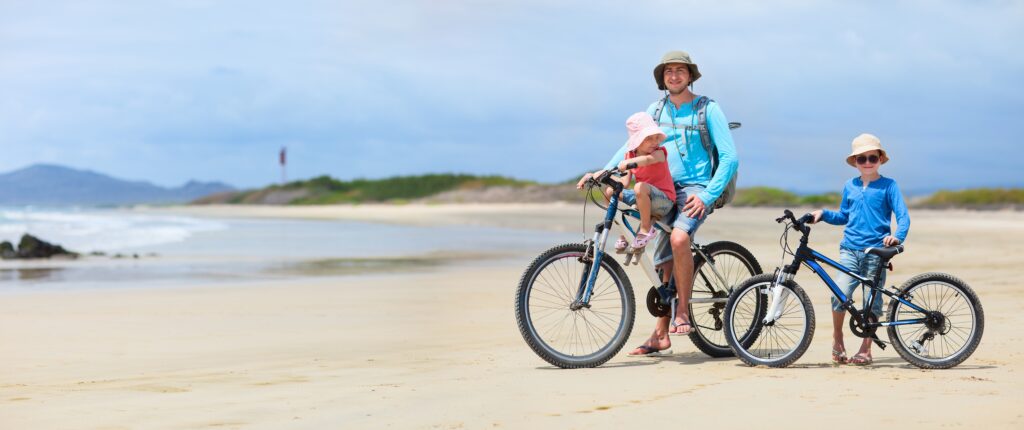
Experience Ecuador’s Pacific Rim by bike
BEN FINCH
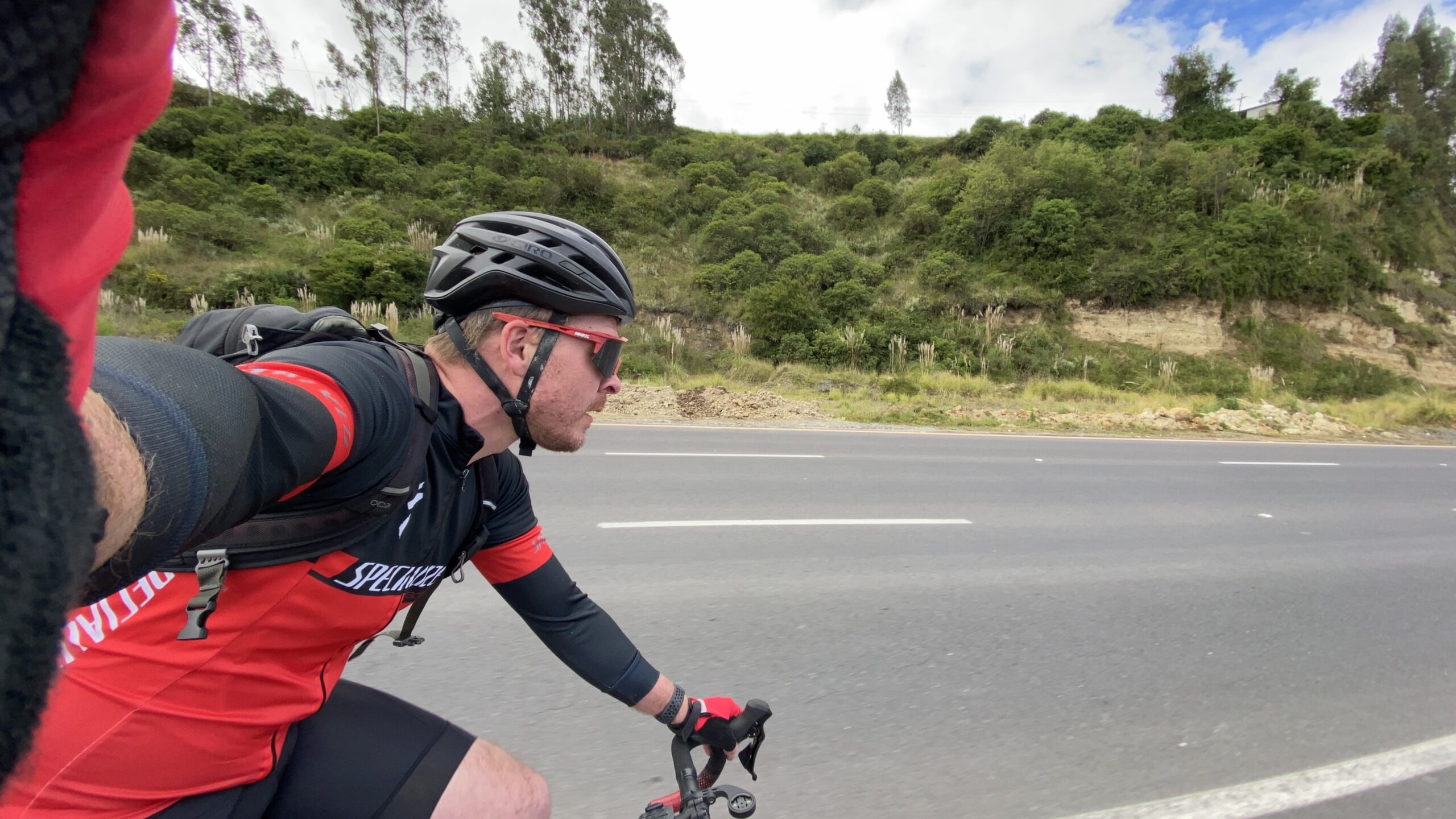
Coastal Ecuador presents a landscape defined by dramatic transitions. Within a single day, you can climb from the sun-drenched estuaries of Guayaquil into misty cloud forests, pedal past organic cacao plantations where fine-flavour Arriba beans dry in the sun, or descend volcanic ridges towards the roaring Pacific Ocean. Yet, most travellers experience this dynamic region through tinted tour bus windows or brief stops at motorway rest plazas.
At Wheely Tyred, we firmly believe that real connection requires human-powered momentum. Exploring Coastal Ecuador on a bicycle or e-bike grants you access to authentic, unhurried interactions that motorised transport simply bypasses. You move at a pace that allows you to smell drying cocoa beans, hear howler monkeys calling from the forest canopy, and engage with rural farming communities who have worked these coastal valleys for generations.
Guided bike tours eliminate the logistical hurdles of navigating rural Ecuadorian backroads, managing elevation profile shifts, and securing reliable equipment. Professional local guides handle traffic negotiation, safety escorts, and trail navigation, freeing you to focus entirely on the scenery and saddle time.
Whether you are seeking a high-energy downhill descent down cloud forest roads or a serene e-bike glide past island wildlife, these five hand-picked, highly-rated excursions represent the absolute finest cycling experiences along Ecuador’s Pacific rim and coastal territories.
Pacific trails & cloud forests / The coastal highlights
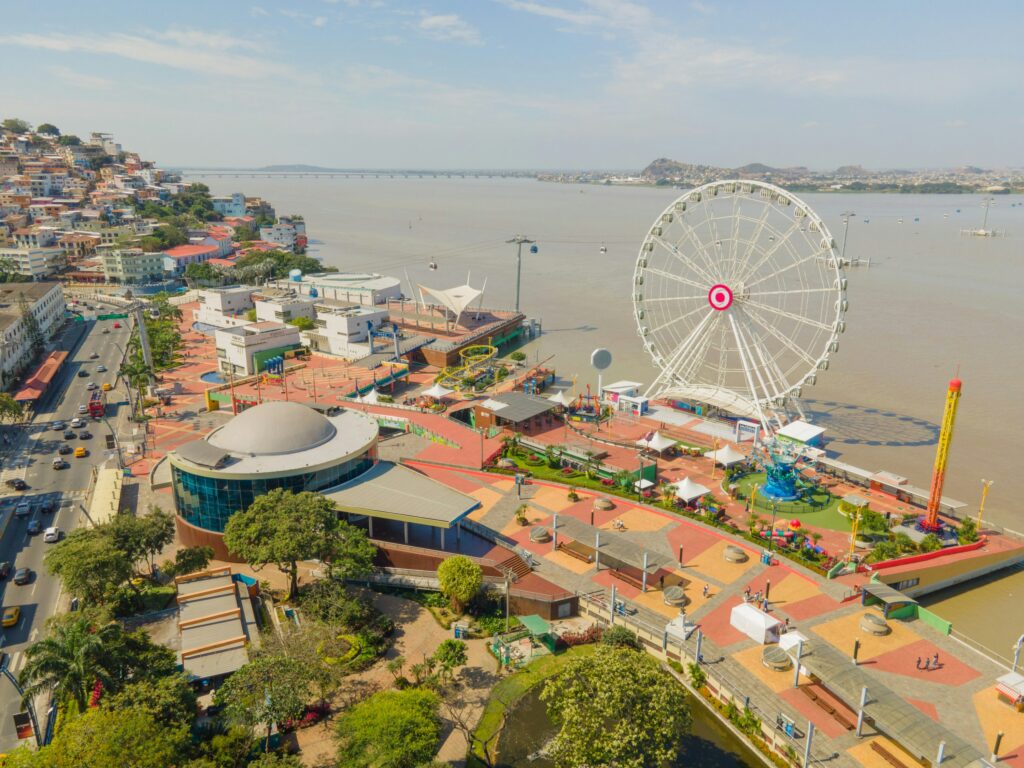
From high mountain cloud forest descents down to tranquil island estuaries, exploring Coastal Ecuador on two wheels unlocks a world far removed from standard tour bus routes. Here is what makes this Pacific Rim adventure so unforgettable:
- Bucay Waterfall Descents: Drop over 1,200 metres through misty cloud forests on mountain bikes, combining lush canopy treks, natural waterfall dips, and rural sugarcane tracks
- Artisanal Cacao Rides: Pedal through flat lowland plantations along the Churute corridor, harvesting mature pods to craft heritage Arriba chocolate by hand
- Galápagos E-Bike Trails: Effortlessly conquer volcanic highlands on Santa Cruz and San Cristóbal, cycling alongside giant tortoises and endemic wildlife in their natural habitat
- The Ruta del Spondylus: Coast along Ecuador’s sweeping Pacific highway, connecting cliffside viewpoints, quiet fishing hamlets, and sheltered surfing coves
- Lowland Microclimates: Experience rapid ecological shifts from cool mountain ridges down to warm, tropical river basins within a single day’s ride
- Intermodal Logistics: Leverage Ecuador’s affordable regional buses to leapfrog traffic-choked highway connectors with your bicycle safely stowed below
The Ecuadorian Coast.
Where you’ll find the very best food
1. Descent through the coastal cloud forest / Waterfalls & canopy trails
Rating & reviews
(3+ verified reviews on GetYourGuide)
Why this specific tour stands out
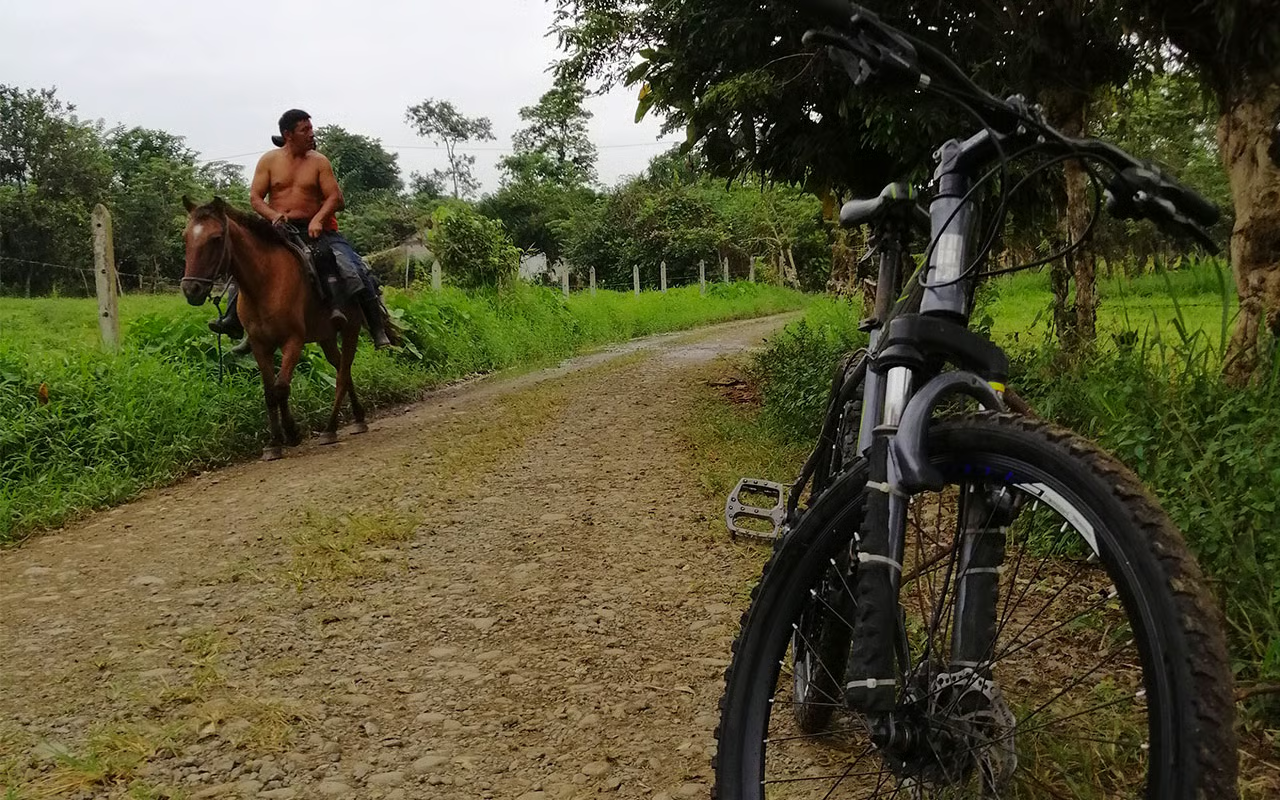
Operating out of Guayaquil, this full-day expedition bridges the gap between the coastal plain and the lush cloud forests of the Bucay Mountains. Participants are driven up to an elevation of 1,280 metres (4,200 feet), where cooler temperatures and dense vegetation create an idyllic riding environment.
Following a guided trek through forest trails to swim beneath three pristine waterfalls—including the towering Isabela waterfall—you take to two wheels for a thrilling 12-kilometre downhill ride on mountain roads. The ride features smooth gradient descents, sweeping mountain views, and minimal vehicular traffic, backed by expert guide support and dedicated transfer vehicles.
Key highlights
- 12-kilometre downhill ride through cloud forest terrain with minimal pedalling effort required
- Guided waterfall hikes with opportunities to cool off in natural pools beneath Las Mellizas, Chorrera del Amor, and Isabela Falls
- Hands-on cultural demonstration operating a traditional trapiche (sugar cane press) at a local farm
- Authentic regional lunch serving local coastal dishes at a countryside restaurant
- Full logistical support including hotel pickup and drop-off in Guayaquil, bike rentals, and helmets
Ideal for
Active travellers, adventurous families, and intermediate cyclists who enjoy downhill cruising paired with nature hikes and swimming breaks.
Local cycling insight
The descent from Bucay passes through microclimates that shift quickly from humid mist to warm lowland sun. Wear quick-drying synthetic layers over swimwear rather than heavy cotton. While the route is predominantly downhill, tropical mountain rains can make asphalt and gravel sections slick; ensure your guide adjusts tyre pressure accordingly and maintain a safe gap behind the lead rider.
2. Tropical lowlands & artisanal cacao / Riding the coastal plains
Rating & reviews
(5+ verified reviews on Viator)
Why this specific tour stands out
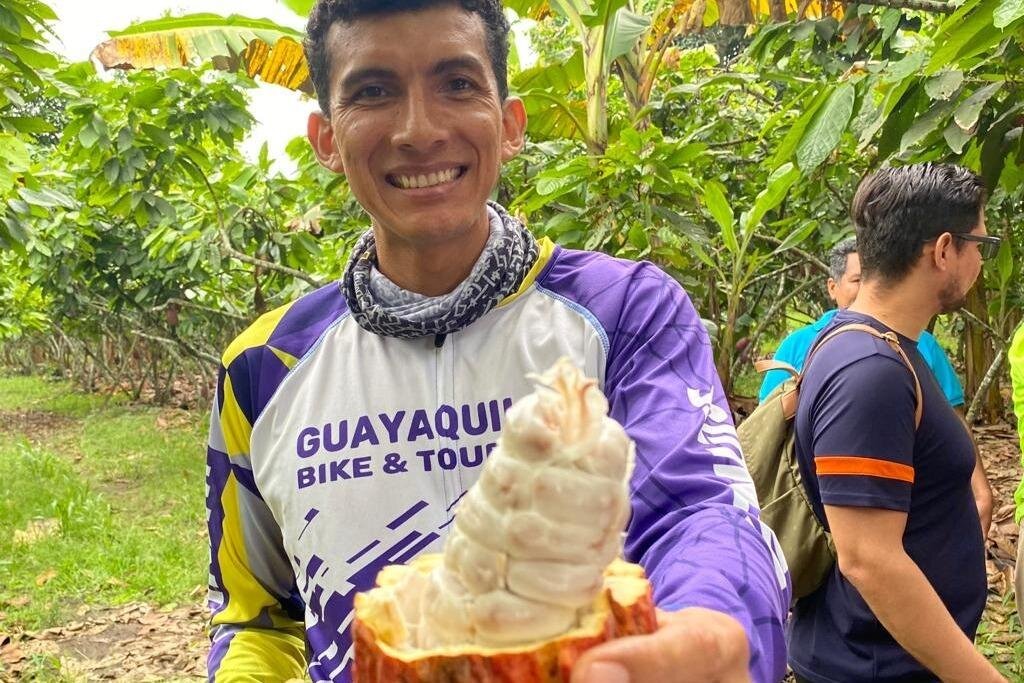
Ecuador is world-renowned for its heritage cacao, and this boutique excursion combines flat, pleasant rural cycling with an immersive culinary journey. Setting off from the outskirts of Guayaquil, the route follows tranquil agricultural tracks bordering tropical forests and river estuaries near the Churute Ecological Reserve perimeter.
The cycling is gentle and flat, making it accessible to riders of all fitness levels. You ride directly into a multi-generational cacao hacienda, where you pedal through the plantation groves, harvest mature pods, and participate in the artisanal bean-to-bar chocolate process.
Key highlights
- Leisurely flat cycling along quiet country paths and plantation tracks
- In-depth plantation exploration guiding you through organic cacao cultivation and tropical fruit orchards
- Interactive chocolate workshop covering harvesting, fermentation, drying, roasting, and grinding fine-flavour cacao
- Wildlife spotting opportunities along forest borders, including tropical kingfishers, iguanas, and native butterflies
- Private transport and premium hybrid/mountain bikes tailored for comfortable rural riding
Ideal for
Casual cyclists, foodies, culture enthusiasts, and families looking for an easy-going day out in the coastal countryside without steep climbs.
Local cycling insight
The coastal lowlands around Guayaquil can get hot and sticky by midday. Pack high-SPF reef-safe sunscreen, polarised sunglasses to cut the tropical glare, and a light insect repellent for forested stops. Hydration is paramount here; aim to drink at least one 750ml bottle of water or electrolyte mix every 45 minutes on the saddle.
The Galápagos.
Ecuador’s Enchanted Isles
3. Volcanic slopes & wildlife corridors / Riding Santa Cruz Island
Rating & reviews
(35+ verified reviews on Viator)
Why this specific tour stands out
Located in Ecuador’s insular coastal territory, Santa Cruz Island offers some of the most surreal terrain on earth. This high-end e-bike experience unlocks the cooler highland zones around Santa Rosa without demanding intense physical exertion.
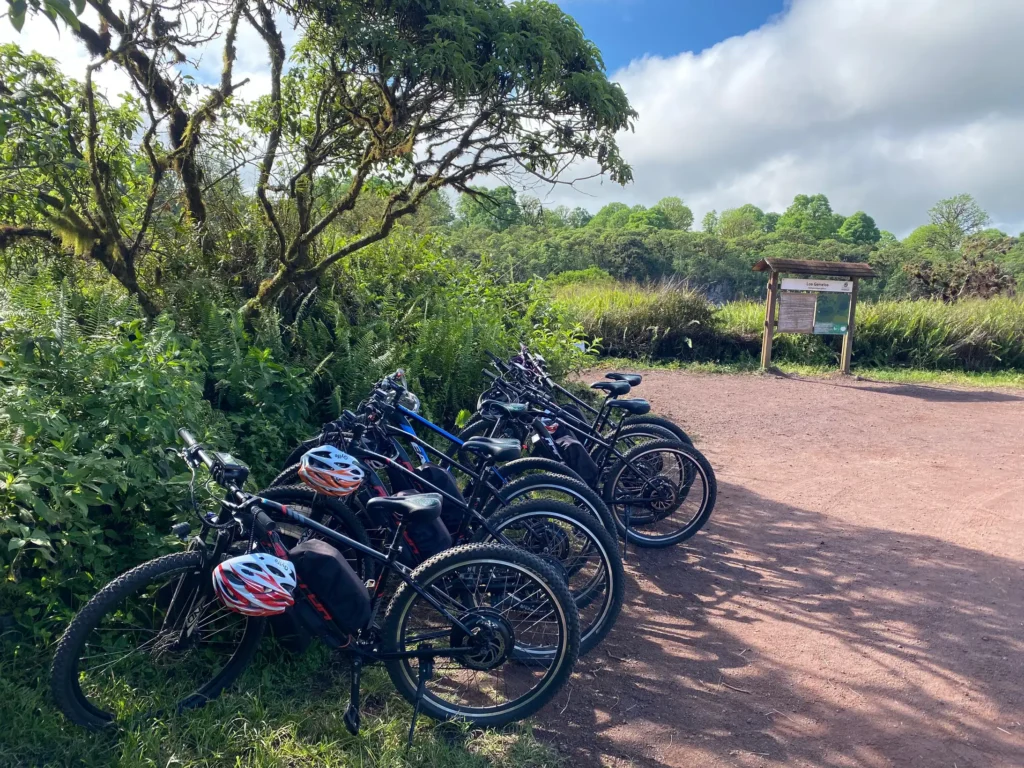
Equipped with smooth, pedal-assist electric mountain bikes, you cruise along peaceful rural roads and unpaved farm trails directly into private tortoise reserves. Giant tortoises roam freely across the pastures surrounding your path, offering an unparalleled, low-impact wildlife encounter at eye level.
Key highlights
- High-grade e-bikes provide seamless electric assist for effortless highland hill climbing
- Up-close wildlife encounters watching wild Galápagos giant tortoises in their natural highland habitat
- Subterranean exploration walking through massive natural lava tunnels formed by ancient volcanic flows
- Off-the-beaten-track routing through agricultural communities, local craft workshops, and endemic Scalesia forests
- Certified Naturalist Guide providing expert ecological context on island flora and fauna
Ideal for
Independent travellers of all fitness levels who want to experience the Galápagos highlands actively while avoiding crowded tour buses.
Local cycling insight
Galápagos National Park regulations strictly govern wildlife interactions. Always maintain a minimum distance of two metres from giant tortoises, even when riding past them on farm tracks. Keep your cadence steady on the e-bike assist settings—using low assist mode on flats conserves battery for the continuous, subtle gradients of the highland interior.
4. Pacific Coast heights & secluded bays / San Cristóbal Island
Rating & reviews
(1+ verified reviews on GetYourGuide)
Why this specific tour stands out
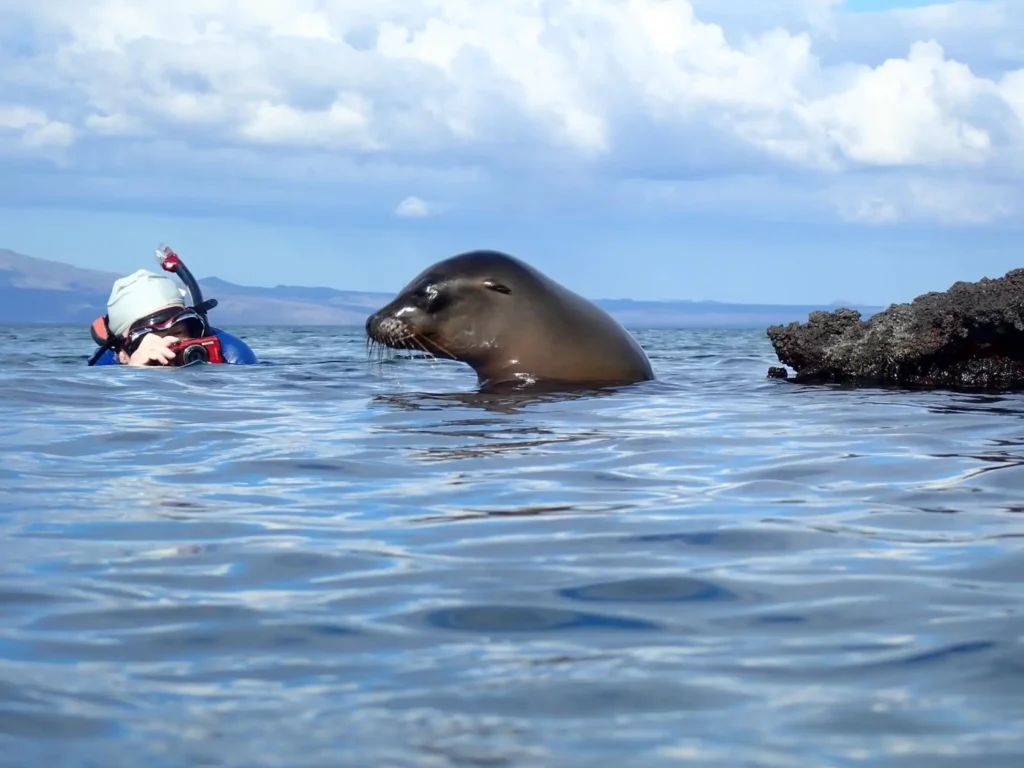
San Cristóbal offers a stunning contrast of volcanic highlands, organic coffee fincas, and turquoise Pacific bays. Starting high up near the rim of El Junco—a freshwater crater lake situated at 700 metres elevation—this guided mountain bike trip descends through agricultural belts and dry coastal forest down to the secluded sands of Puerto Chino, where you’ll swim with sea lions.
The route features long, flowing asphalt and gravel stretches with sweeping views of the Pacific Ocean, guided by local naturalists who highlight endemic bird life along the way.
Key highlights
- Panoramic descent from El Junco crater lake all the way down to the Pacific coastline
- Birdwatching on two wheels spotting Darwin’s finches, San Cristóbal mockingbirds, and red-footed boobies
- Secluded beach finish at Puerto Chino for ocean swimming, relaxing, and observing sea lion colonies
- Visits to highland organic farms to learn about shade-grown Galápagos coffee cultivation
- Small-group focus ensuring personalised attention and safety compliance on narrow island roads
Ideal for
Cycle-tourists and outdoor lovers seeking a dynamic mix of highland riding, coastal scenery, and beach relaxation.
Local cycling insight
Island weather shifts rapidly. The highland start at El Junco can be enveloped in a thick mist called garúa, while the coast at Puerto Chino is intensely sunny. Pack a lightweight, packable windbreaker/rain jacket in your bike bag alongside your swimwear. Road surfaces vary between smooth tarmac and loose volcanic gravel, so maintain a relaxed grip on the handlebars and let the front suspension absorb trail chatter.
The Ecuadorian Amazon.
The most biodiverse place in the world
Our practical coastal cycling & ride planning guide

Navigating Coastal Ecuador and its island territories on two wheels is immensely rewarding, provided you plan with local realities in mind. Here is our essential operational advice for a seamless trip:
1. Navigating local traffic & road etiquette
Ecuadorian driving culture along main highways can be assertive. While secondary rural tracks and island roads are peaceful, primary arteries like the Ruta del Spondylus carry high-speed interprovincial buses and heavy transport trucks.
Never assume a driver has seen you. When booking a guided tour, confirm that a support vehicle (vehículo de abasto) will follow behind your group on major road transit segments.
2. E-bikes vs. standard pedal bikes
Coastal Ecuador’s high humidity and sudden vertical elevations mean e-bikes are a game-changer for leisure cyclists. On island destinations like Santa Cruz or San Cristóbal, an e-bike allows you to climb several hundred metres into misty highland reserves without exhaustion, keeping you fresh to enjoy hikes and wildlife viewings.
However, if you are tackling dedicated technical descents (such as the Bucay cloud forest or volcanic downhill tracks), choose a standard full-suspension or hardtail mountain bike with hydraulic disc brakes for superior handling and lower weight.
3. Tropical hydration & electrolyte management
Cycling in coastal humidity accelerates fluid loss at a rapid rate. Standard tap water in Ecuador is not safe for direct consumption; ensure you fill your water bottles exclusively from purified or boiled water sources provided by your tour operator.
Add electrolyte tablets or powder salts to your water bottles to prevent cramping during warm afternoon rides. In rural coastal villages, fresh coco frío (chilled green coconut water) sold by roadside vendors is the ultimate natural electrolyte boost.
4. Gear, helmets, and clothing strategy
Ecuadorian law mandates helmet usage for cyclists, and reputable tour operators will always provide safety-certified helmets. We recommend bringing your own well-fitted helmet if you are particular about comfort.
Wear lightweight, UV-blocking long-sleeve jerseys to protect your skin from intense equatorial sun without overheating. Padded cycling shorts (bibs or liner shorts) are essential for absorbing road vibration on unpaved agricultural tracks and cobblestone village streets.
5. Safety, weather timing, and seasonal conditions
The coastal region experiences two main seasons: the warm, rainy season (December to May) and the dry, cooler season (June to November). Rain showers during the wet season are usually heavy but brief, occurring mostly in the late afternoon.
Schedule your longest riding legs for early morning when temperatures are cooler and roads are drier. Always inspect your rental bike’s tyre tread and brake pads before setting off, particularly if wet weather is anticipated.
The Ecuadorian Amazon.
The most biodiverse place in the world
Ditch the bus and ride the Pacific Rim
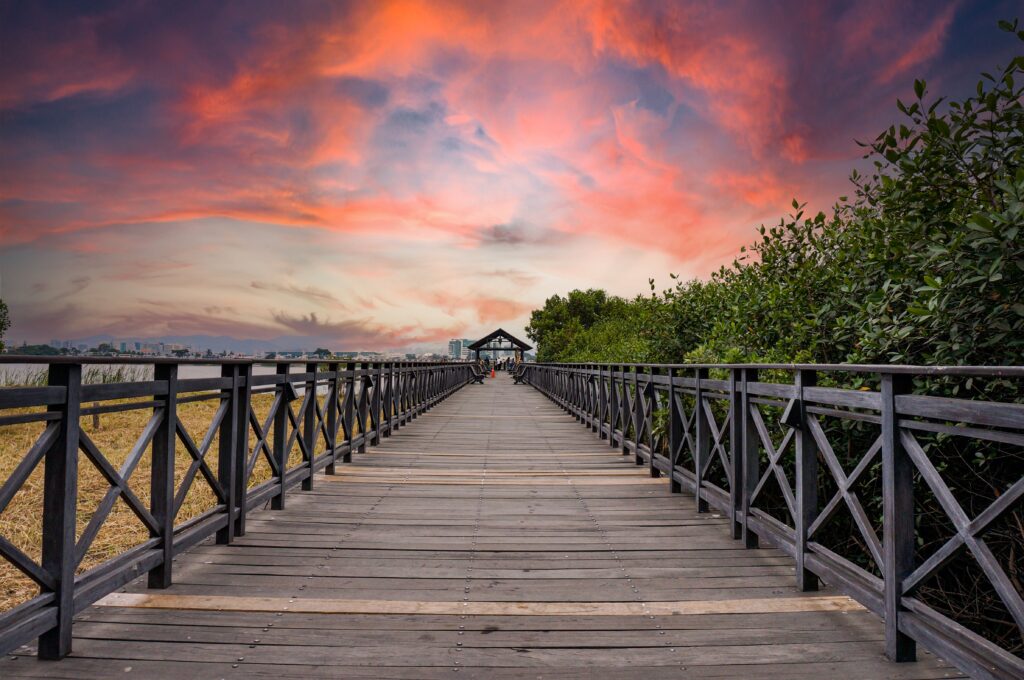
There is a rare, quiet luxury in choosing to slow down and experience a country under your own physical power. While most travellers zoom along Ecuador’s coastal highways inside sealed tour buses, cycling opens up the subtle details of the landscape—the earthy scent of drying cacao beans on roadside tarpaulins, the humid ocean breeze as you drop over a headland, and the unhurried warmth of local villagers greeting you as you roll past.
Whether you choose to carve down the mountain passes of Bucay, glide quietly through the Galápagos highlands on a pedal-assist e-bike, or weave between fruit orchards on the coastal plain, these guided rides offer a thoughtful, low-impact connection to the environment. Supported by expert local guides who handle the navigation, safety, and mechanical backup, you are free to absorb every kilometre without logistical stress.
Coastal Ecuador remains one of South America’s most underrated cycling frontiers—a region where wild topography meets vibrant coastal culture at human scale. So pack your padded shorts, adjust your saddle height, and prepare to discover the Pacific Rim the way it was truly meant to be seen: from behind a pair of handlebars.
Affiliate Disclaimer: Some of the links on Wheely Tyred are affiliate links. If you click through and make a booking or purchase, we may earn a small commission at no extra cost to you. We only recommend gear, tours, stays, and services we genuinely use, trust, and stand behind — our editorial independence always comes first. These commissions help keep our independent cycling guides and travel stories free to read. Thanks for supporting the ride!
Frequently asked questions about the best coastal Ecuador bike tours
It depends entirely on your chosen route and fitness goals. For high-elevation island routes in the Galápagos or continuous rolling coastal hills, an e-bike levels out steep climbs and keeps you fresh for wildlife viewing. However, for technical downhill mountain routes—such as the Bucay cloud forest descent or Andean volcanic tracks—a standard hardtail or full-suspension mountain bike with hydraulic disc brakes is lighter and provides far superior handling control.
The dry, cooler season (garúa) running from June to November offers the most comfortable cycling conditions, featuring overcast skies, lower humidity, and pleasant temperatures averaging 22°C–27°C. The rainy season (December to May) brings intense tropical sunshine and heavy afternoon downpours, which can make rural dirt tracks muddy, though the ocean waters are warm and clear for post-ride swims.
Yes. Interprovincial buses operating across Guayas, Santa Elena, and Manabí regularly carry bicycles in their under-bus luggage holds. It is an excellent, hassle-free way to skip busy highway connectors or bypass heavy urban traffic when entering or exiting major cities like Guayaquil.
Never drink untreated tap water in Ecuador. Always fill your bottles with purified or boiled water provided by your hotel or tour operator, and add electrolyte tablets to combat fluid loss from heavy sweating in coastal humidity. For a refreshing local alternative, buy fresh, ice-cold coco frío (green coconut water) directly from roadside fruit stalls along the coast.
Galápagos National Park regulations strictly mandate keeping a minimum distance of two metres (six feet) from all wildlife, including giant tortoises, sea lions, and marine iguanas. When riding near tortoise reserves on Santa Cruz or San Cristóbal, reduce your speed on gravel tracks, stay alert around bends, and always yield the right of way to animals crossing the path.
Coastal roads and unpaved farm tracks often feature acacia thorns, sharp volcanic gravel, and general road debris. Tubeless tyre setups with fresh sealant are ideal for self-guided riding. If you are riding on standard inner tubes, ensure you carry heavy-duty thorn-resistant tubes, a reliable hand pump, tyre levers, and plenty of vulcanising patch kits.
Ecuador.
Pure wonder on the equator.