Uncover the Pacific edge / The very best day tours along Ecuador’s Coast
Top-rated excursions, eco-treks, and cultural day trips on the Ecuadorian Coast
Independent wandering meets expert local knowledge along the Spondylus Route
BEN FINCH
Stretching from the mangrove estuaries of the Gulf of Guayaquil to the dramatic cliffs and tropical dry forests of Manabí, Ecuador’s Pacific coastline—historically linked by the ancient Ruta del Spondylus—is a landscape defined by wild ocean beauty and deep-rooted heritage. While the high Andes and the Galápagos Archipelago frequently steal the international spotlight, independent travellers who carve out time for the coast discover an entirely different rhythm.
Here, golden ocean swells lap against secluded crescent beaches, howler monkeys echo through coastal dry forests, and artisanal chocolate makers work with ancestral cacao varieties that have nourished this region for millennia.
At Wheely Tyred, our travel ethos is simple: we champion autonomous, slow travel that honours local environments and communities. We thoroughly reject mega-tour buses, high-occupancy crowds, and superficial tourist traps that commodify culture.
Yet, we also recognise that navigating Ecuador’s delicate coastal ecosystems—whether tracking blue-footed boobies on remote offshore islets or navigating intricate mangrove channels—often requires local maritime expertise, national park credentials, and seasoned naturalists.
Curated small-group day tours bridge this gap perfectly. They allow independent travellers to maintain full autonomy over their itinerary while accessing restricted wildlife reserves, pre-Columbian archaeological sites, and hidden artisanal workshops.
Below, we have thoroughly vetted and selected the six absolute best bookable day tours across Ecuador’s coast, ensuring every activity operates with genuine respect for the region’s heritage and biodiversity.
Ecuador’s Pacific Coast at a glance
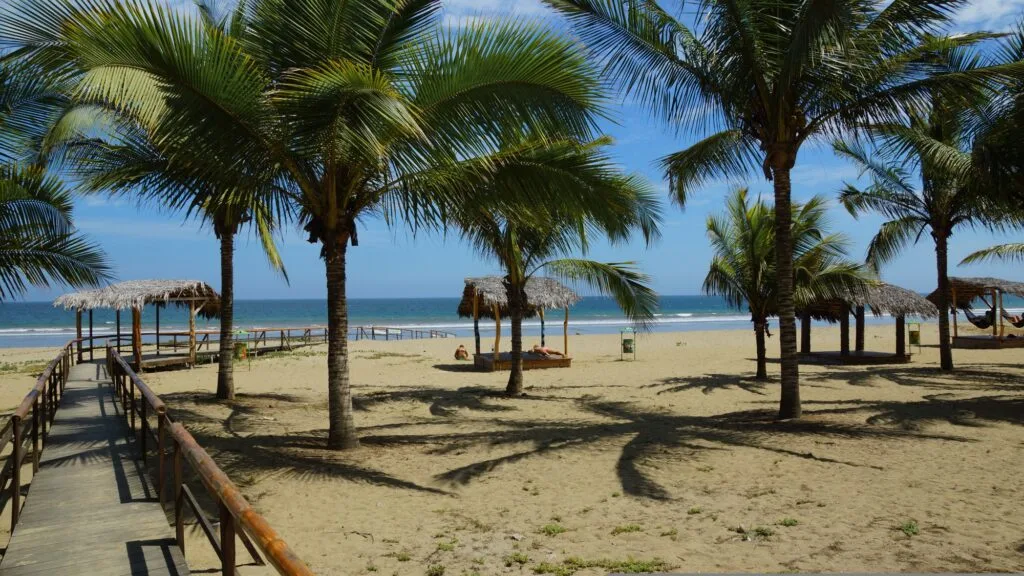
From the pelagic sanctuaries of the Pacific to ancestral cacao groves tucked inland, mainland Ecuador offers an extraordinary alternative to generic mass-market tourism.
- Offshore Ecology: Isla de la Plata delivers Galápagos-level marine bird watching—including nesting blue-footed boobies, Nazca boobies, and frigatebirds—at a fraction of the cost
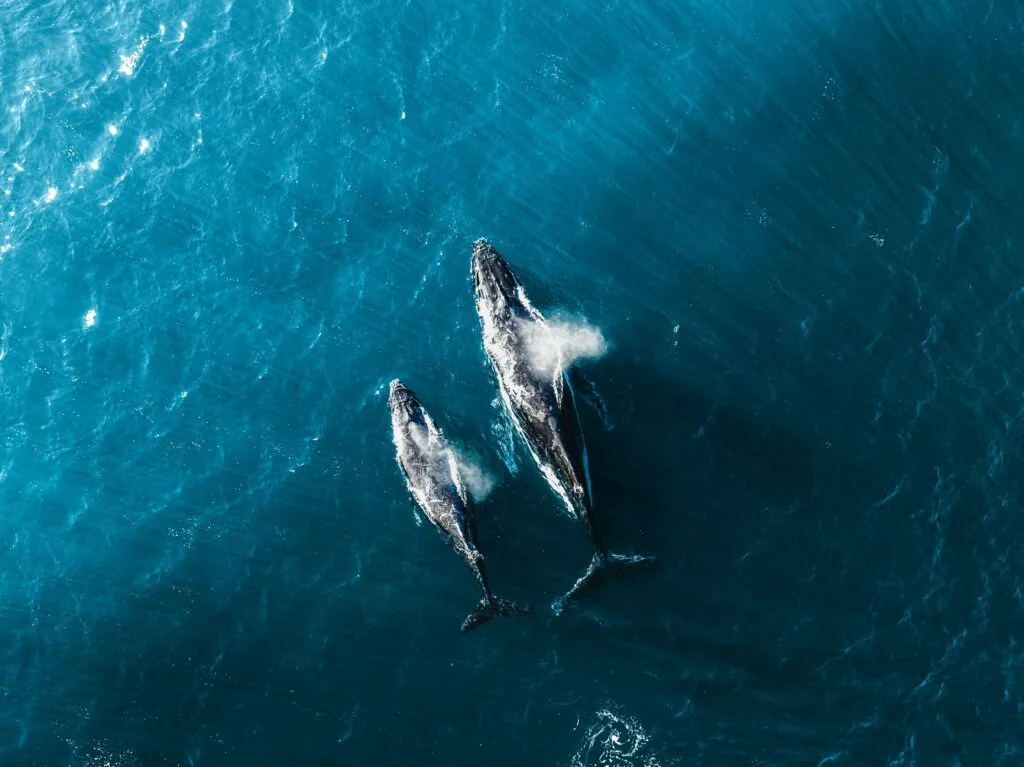
- Whale Watching Season: Between June and October, Antarctic humpback whales migrate to the warm waters around Puerto López to mate, give birth, and breach in the open ocean
- Ancestral Cacao: Hands-on workshops in the coastal hinterland trace Cacao Arriba from raw pulp to artisanal dark chocolate using centuries-old roasting and milling techniques
- Living Weaving Craft: Montecristi remains the undisputed birthplace of the UNESCO-recognised paja toquilla (Panamá) hat, hand-woven by master artisan families using native palm fibres
- Estuarine Wilderness: Wooden canoe safaris through Manglares Churute offer intimate encounters with roosting spoonbills, wild red crabs, and mantled howler monkeys
- Urban Historic Revival: Clambering up the 444 colourful steps of Cerro Santa Ana in Guayaquil’s Las Peñas district rewards travellers with sweeping 360-degree views over the Guayas River estuary
- Smart Coastal Prep: Shield against tiny biting midges (jején) with natural coconut oil, pack reef-safe sunscreen for boat excursions, and carry small US Dollar notes for rural makers
The Ecuadorian Coast.
Where you’ll find the very best food
1. Offshore wildlife & seabird sanctuary
Rating & reviews
(11+ verified reviews on GetYourGuide)
Why this specific tour stands out
Often dubbed the Poor Man’s Galápagos (a title that hardly does its rich ecology justice), Isla de la Plata is an uninhabited offshore sanctuary nestled within Machalilla National Park. Situated approximately 40 kilometres off the coast of Puerto López, this island is a crucial nesting site for marine birds and a haven for pelagic wildlife.
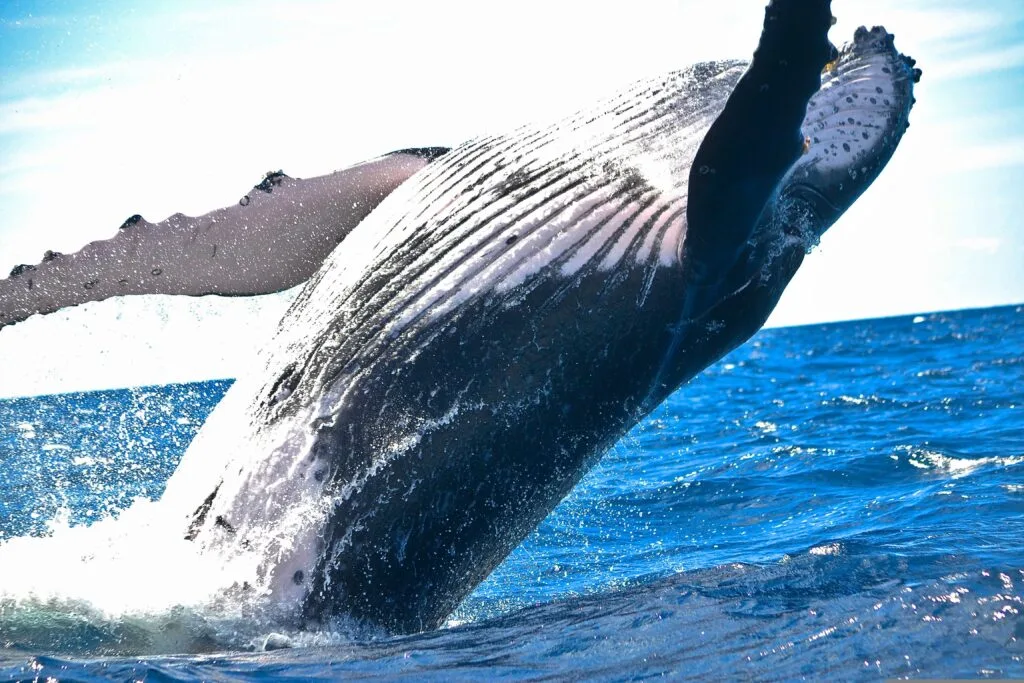
This specific tour departs directly from the beach at Puerto López aboard a certified motor panga. The journey across the open ocean offers spectacular pelagic birding and, between June and October, front-row seats to migrating humpback whales breaching in the warm equatorial waters.
Upon landing at Drake Bay (named after Sir Francis Drake, who allegedly hid treasure here), certified park naturalists lead a thorough guided hike along cliffside trails. You will walk mere feet from nesting blue-footed boobies, red-footed boobies, and magnificent frigatebirds displaying their crimson throat pouches. The trip culminates in a guided snorkelling session off the island’s sheltered coral reefs, swimming alongside green sea turtles and vibrant reef fish.
Key highlights
- Ocean crossing from Puerto López with seasonal humpback whale watching (June to October)
- Guided terrestrial trek across Drake Bay trail network to view nesting seabird colonies
- Close encounters with blue-footed boobies, Nazca boobies, and frigatebirds
- Snorkelling in protected coral waters filled with sea turtles and tropical fish species
- Light aboard lunches, fresh local fruit, and top-tier marine safety equipment provided
Ideal for
Wildlife enthusiasts, birdwatchers, and travellers seeking Galápagos-level ecological encounters without the luxury cruise price tag.
Local insight
Sea conditions across the open Pacific passage can become choppy by early afternoon. We strongly advise taking non-drowsy motion sickness medication 30 minutes before boarding at Puerto López, regardless of how calm the bay appears at dawn.
2. Estuarine ecosystems & ancestral cacao
Rating & reviews
(34+ verified reviews on Viator)
Why this specific tour stands out
Located southeast of Guayaquil, the Manglares Churute Ecological Reserve protects one of the most critical estuarine mangrove wetlands and tropical dry forests along South America’s Pacific coast. This full-day excursion successfully pairs wilderness exploration with Ecuador’s rich agricultural heritage, steering clear of mass-market, commercialised plantations.
The morning begins with a peaceful wooden canoe voyage through the tranquil mangrove canals. Navigating these brackish waterways allows you to spot roosting herons, roseate spoonbills, and prehistoric-looking horned screamers, alongside wild red crabs clinging to the tangled mangrove roots. Following the water safari, local naturalists guide a short forest walk beneath massive ceibo trees to track resident troops of mantled howler monkeys through the canopy.
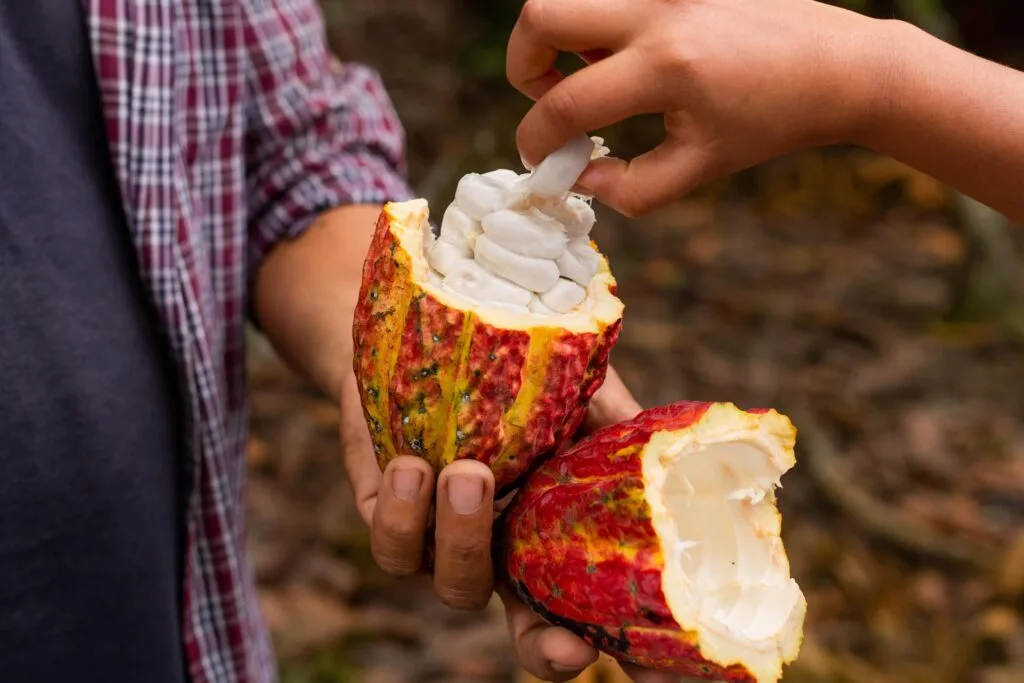
The second half of the day transitions seamlessly to a family-run hacienda, where you explore organic groves of native Cacao Arriba (Ecuador’s prized fine-aroma cacao). You will trace the entire chocolate-making process—from harvesting and fermenting raw pods to roasting beans over an open flame—before enjoying an authentic farm-to-table coastal lunch.
Key highlights
- Private canoe exploration through pristine, protected mangrove channels
- Guided wildlife trek through tropical dry forest to observe howler monkeys and endemic birds
- Hands-on workshop covering ancestral Cacao Arriba harvesting, drying, and artisanal roasting
- Traditional countryside lunch prepared using locally sourced, organic ingredients
- Seamless hotel pick-up and return transfers from central Guayaquil
Ideal for
Eco-conscious travellers, nature lovers, and foodies wanting to explore authentic coastal ecology and traditional agriculture.
Local insight
Mangrove environments are home to tiny, persistent biting midges locally known as jején. Standard bug sprays often fail; bring a bottle of natural coconut oil or thick citronella lotion to apply to exposed skin, which prevents them from landing.
The Galápagos.
Ecuador’s Enchanted Isles
3. Living artisan heritage & coastal landmarks
Rating & reviews
(75+ verified reviews on Viator)
Why this specific tour stands out
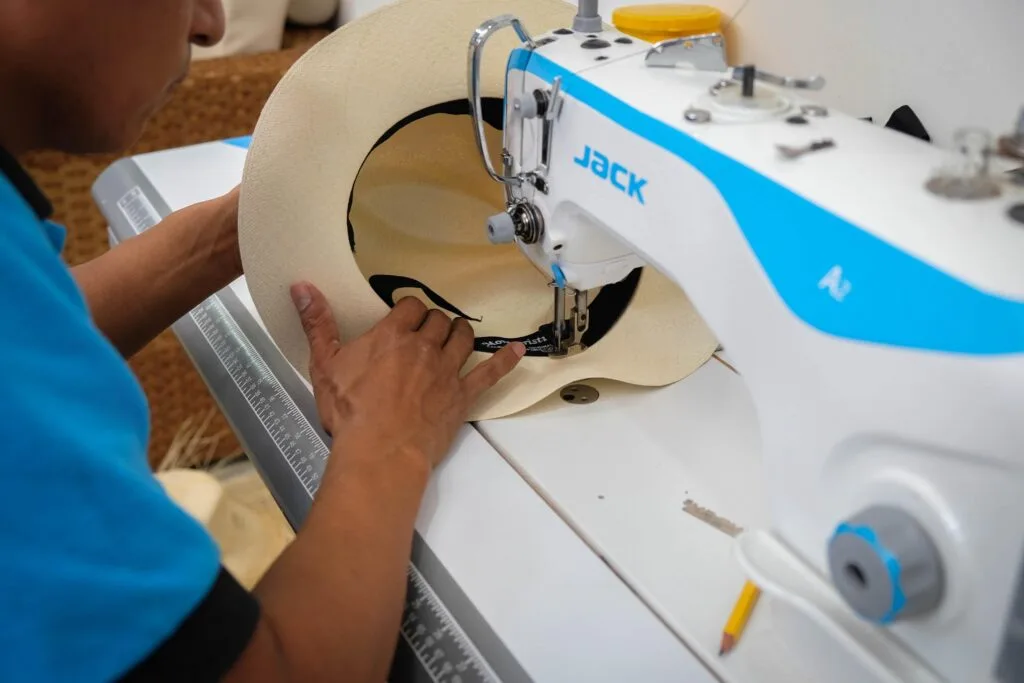
Contrary to popular belief, the world-famous Panamá hat did not originate in Panamá; it has been hand-woven along the coast of Manabí, Ecuador, for centuries. This culturally rich day tour links the bustling fishing port of Manta with the historic hillside town of Montecristi, the undisputed birthplace of the sombrero de paja toquilla (UNESCO Intangible Cultural Heritage).
Rather than rushing visitors through souvenir shops, this guided itinerary focuses on genuine living history and traditional crafts. In Manta, the tour visits the vibrant Tarqui fish market and artisanal wooden shipbuilding yards, offering a grounded look at the city’s maritime economy. Moving inland to Montecristi, guests visit master weavers in their workshops.
Here, you will witness the intricate, painstaking process of transforming raw toquilla palm fibre into ultra-fine straw hats that feel like silk to the touch. The tour also incorporates a visit to the historic Ciudad Alfaro cultural centre, providing essential political and social context regarding Ecuador’s coastal history.
Key highlights
- Live demonstration by master artisans showing traditional paja toquilla weaving techniques
- Visit to the working wooden boatbuilding yards and Tarqui seafood market in Manta
- Guided tour of Montecristi’s historic plaza, central basilica, and Ciudad Alfaro museum
- Opportunities to purchase authentic, ethically sourced hats directly from local weaving families
- Small-group size guarantees direct, personal interaction with local craftspeople
Ideal for
Culture enthusiasts, history buffs, and travellers interested in traditional craftsmanship and ethical shopping.
Local insight
When purchasing a genuine Montecristi hat, look closely at the weave density at the crown. Higher-quality hats feature extremely tight, concentric rings (vueltas). Purchasing directly from weavers in Montecristi ensures that 100% of your money supports the artisan families keeping this UNESCO craft alive.
4. Urban history & coastal heritage
Rating & reviews
(14+ verified reviews on GetYourGuide)
Why this specific tour stands out
As Ecuador’s largest city and economic engine, Guayaquil is often passed through quickly by travellers en route to the beaches or the Galápagos. However, spent in the company of an engaging local guide, a few hours in this tropical metropolis reveal a fascinating story of resilience, maritime trade, and architectural revival.
This targeted, half-day urban walk cuts through the city’s noise, focusing on its most characterful historic districts. The experience begins at the famed Parque Seminario (popularly known as Iguana Park), where dozens of wild green iguanas roam freely across manicured gardens beneath the shade of the Metropolitan Cathedral.
From there, you will stroll along the Malecón 2000, a landmark 2.5-kilometre riverside boardwalk along the broad Guayas River, learning about the historic 1822 meeting between independence leaders Simón Bolívar and José de San Martín.
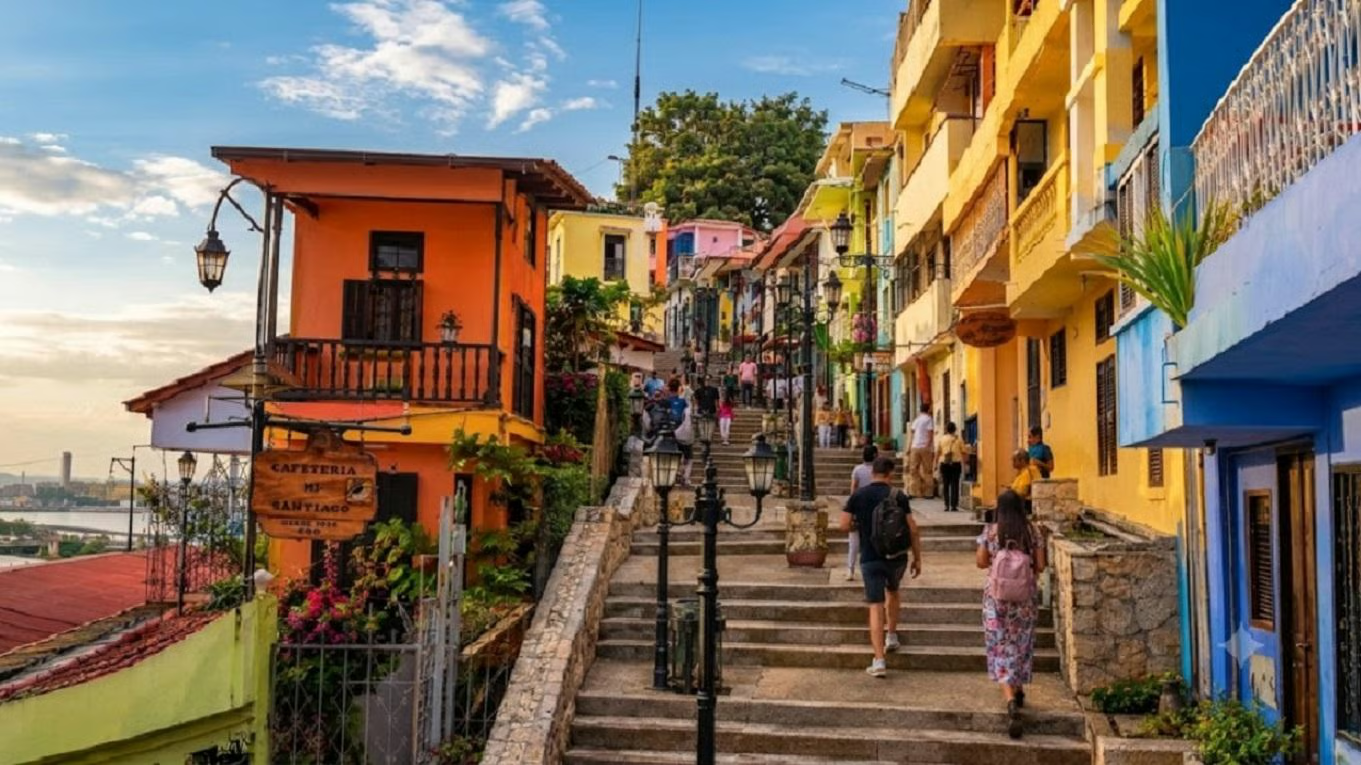
The tour culminates in Las Peñas, Guayaquil’s oldest neighbourhood. Walking up the 444 colourful steps of Cerro Santa Ana past restored 19th-century wooden homes, art galleries, and cafes leads to the hilltop lighthouse, offering sweeping 360-degree views over the city and estuary.
Key highlights
- Close encounters with native green iguanas at historic Parque Seminario
- Guided walk along the modern Malecón 2000 waterfront promenade
- Exploration of La Rotonda monument and historic city landmarks
- Guided climb through the colourful, historic arts district of Las Peñas up Cerro Santa Ana
- Panoramic views of the Guayas River and city skyline from the Santa Ana Lighthouse
Ideal for
First-time visitors to Guayaquil, urban explorers, and history lovers looking for a safe, structured, and informative introduction to the city.
Local insight
Guayaquil is warm and humid year-round. Schedule this walking tour for the early morning departure (9:00 AM) to climb the steps of Cerro Santa Ana before the tropical midday heat sets in. Don’t forget to pause at step 300 for a fresh, cold glass of jugo de coco (fresh coconut water) sold by local residents.
The Ecuadorian Sierra.
Get lost in the hills
5. Hands-on culinary & farm heritage
Rating & reviews
(6+ verified reviews on GetYourGuide)
Why this specific tour stands out
For travellers based in Guayaquil who want an immersive food and agricultural experience without committing to a full multi-day trek into the rainforest, this dedicated cacao day tour offers an exceptional deep dive. Ecuador produces over 60% of the world’s fine-aroma cacao, and this excursion takes you straight to the source: a family-run organic farm in the lush coastal countryside.
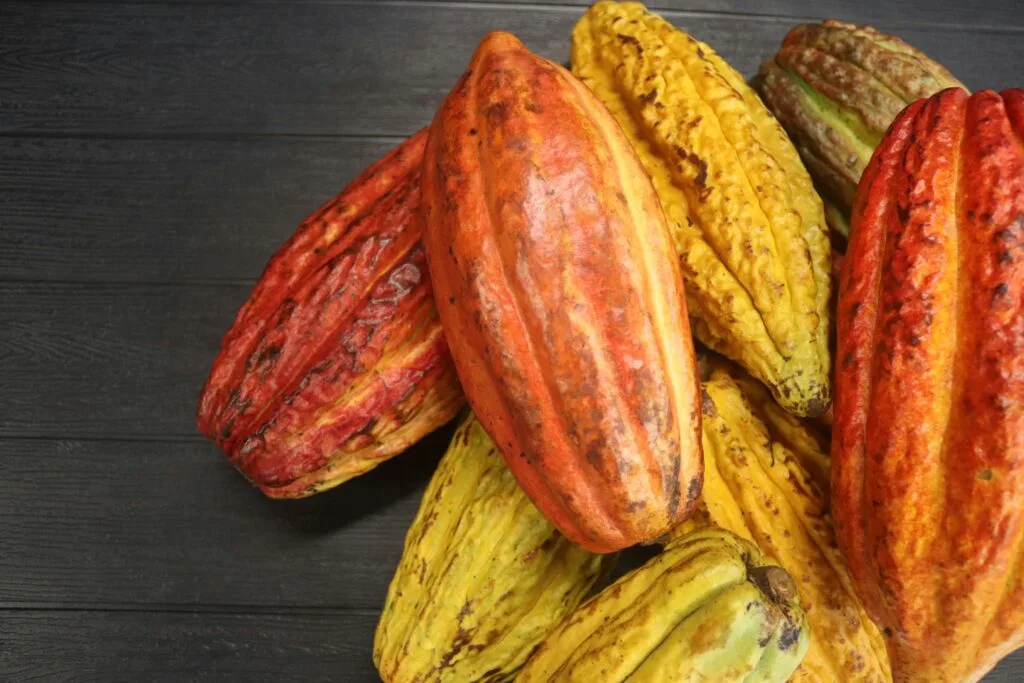
Led by the local farming family and a bilingual guide, you will walk through vibrant orchards filled with cacao pods hanging directly from trunk branches. You’ll learn how native Cacao Nacional varieties are grafted, harvested, fermented, and sun-dried using methods passed down through generations.
The highlight is the hands-on workshop: you will manually roast dried beans over an open fire, crack off the husks, grind them in hand-cranked mills, and mould your own pure dark chocolate bar to take home. The tour finishes with a traditional coastal lunch—featuring ingredients grown directly on the farm—served in an open-air wooden pavilion.
Key highlights
- Guided walking tour through organic cacao groves and tropical fruit orchards
- Complete bean-to-bar workshop: roasting, winnowing, grinding, and moulding dark chocolate
- Tastings of fresh cacao pulp, roasted nibs, and artisanal chocolate preparations
- Traditional, home-cooked coastal lunch prepared over wood-burning stoves
- Round-trip private transportation directly from Guayaquil accommodations
Ideal for
Culinary travellers, families, couples, and dark chocolate purists eager to learn about fair-trade agriculture from the producers themselves.
Local insight
Fresh cacao fruit tastes nothing like chocolate! When the guide cuts open a ripe yellow pod, sample the white, fleshy pulp (mucílago) covering the seeds. It has a sweet, tangy flavour resembling a blend of lychee, mango, and passionfruit.
6. Marine sanctuaries & whale-watching excursions
Rating & reviews
(9+ verified reviews on Viator)
Why this specific tour stands out
Operating directly out of the coastal hub of Puerto López, this small-group marine excursion provides one of the most comprehensive ocean wildlife experiences available along Ecuador’s central coast. While many generic boat charters simply zip out to the horizon, this local crew pairs dedicated pelagic navigation with an in-depth ecological exploration of Isla de la Plata (Silver Island), located inside Machalilla National Park.
The adventure begins with an early morning embarkation from Puerto López harbour. Between June and October, the waters surrounding the island become a primary mating and calving ground for Antarctic humpback whales. The boat’s experienced captain and bilingual naturalist guide navigate to track these gentle giants, giving passengers ample opportunity to observe spectacular breaches, tail slaps, and mother-calf pairs.
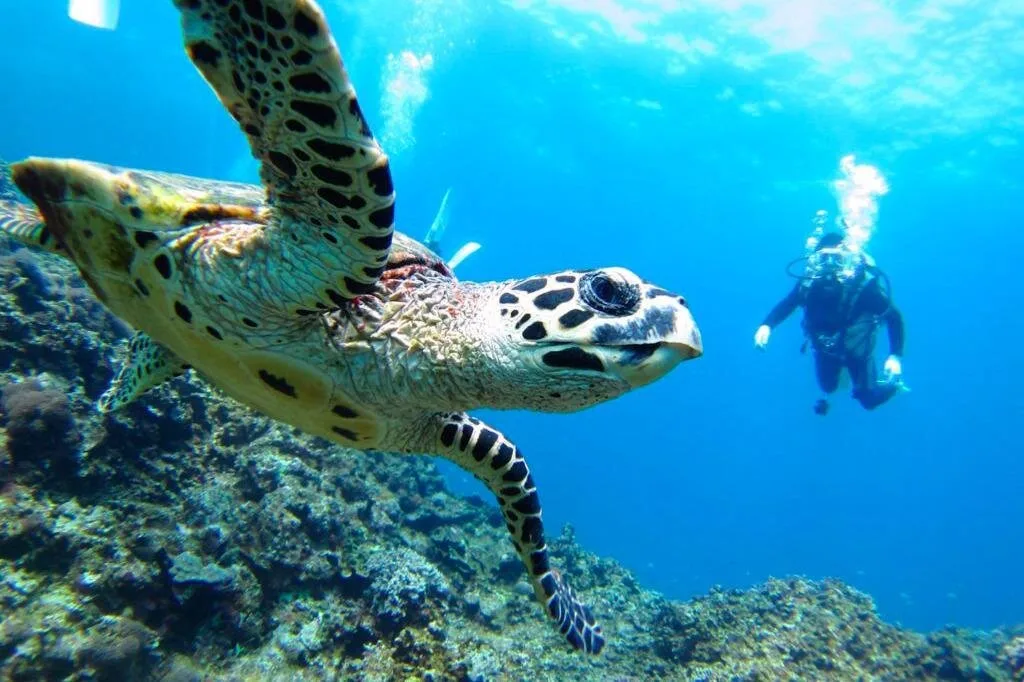
Upon reaching the sheltered shores of Isla de la Plata, guests disembark for a guided nature trek through dry scrub vegetation to view blue-footed boobies, Nazca boobies, and frigatebirds nesting along the dramatic sea cliffs. The day concludes with an immersive snorkelling session over nearshore coral beds populated by sea turtles and schools of tropical fish.
Key highlights
- Dedicated ocean cruise featuring seasonal humpback whale observation (June to October)
- Guided hiking expedition on Isla de la Plata led by certified Machalilla National Park guides
- Close-range birdwatching featuring nesting colonies of blue-footed and Nazca boobies
- Guided reef snorkelling with provided equipment to spot sea turtles and marine life
- Fresh fruit, snacks, lunches, and safety gear included on board
Ideal for
Ocean enthusiasts, wildlife photographers, and travellers seeking an authentic, small-boat marine expedition along the Pacific coast.
Local insight
Bring a compact dry bag for your camera equipment and phone. Even on calm days, ocean spray during the 1-hour transit to Silver Island can easily penetrate standard backpacks.
The Ecuadorian Amazon.
The most biodiverse place in the world
Our practical coastal excursion planning guide
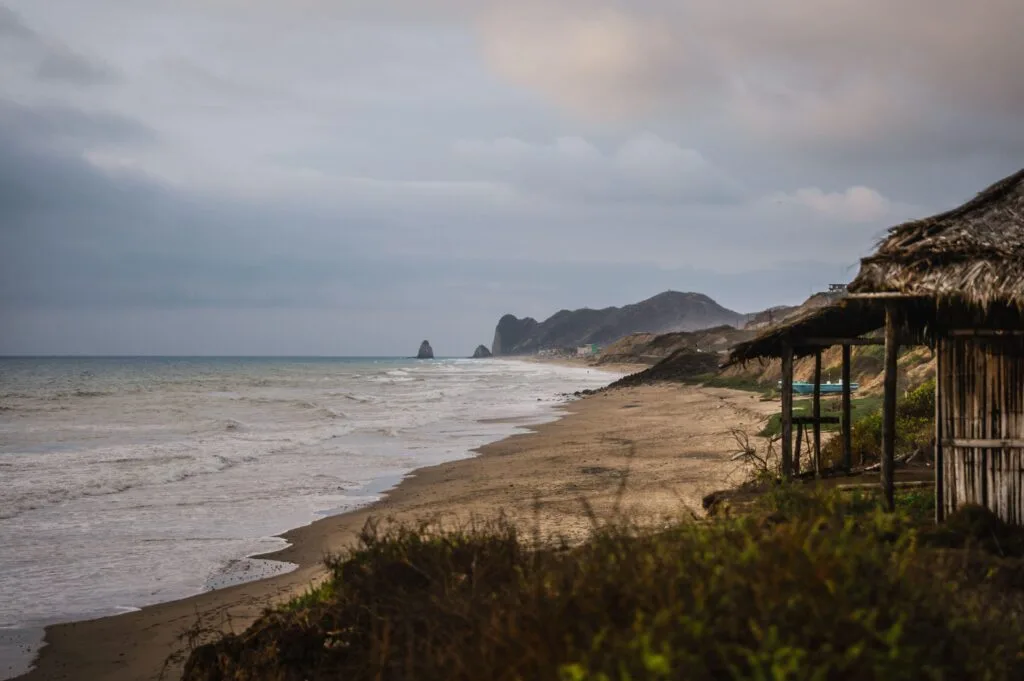
Executing seamless day trips along Ecuador’s Pacific coast requires a bit of local know-how. Here are our top practical tips to ensure your excursions run smoothly:
Coastal climate & sun protection
The equatorial sun along the Ecuadorian coast is intense, even on overcast days (garúa season from June to November). Always pack reef-safe sunscreen, a broad-brimmed hat, polarised sunglasses, and a lightweight UV-protective long-sleeve shirt for boat trips.
Humidity & hydration
High humidity levels in Guayaquil and the mangrove reserves increase fluid loss quickly. Carry a reusable insulated water bottle and replenish electrolytes regularly, especially during terrestrial forest hikes like Churute or Agua Blanca.
Cash & local currency
Ecuador uses the US dollar ($). While major tour platforms accept online card payments, carrying small-denomination cash bills ($1, $5, and $10) is essential for buying artisanal goods, tipping local guides, or picking up fresh fruit along rural coastal roads. Larger $20 or $50 bills are often difficult for local artisans to change.
Footwear selection
Plan your footwear according to the day’s activity. Boat tours to Isla de la Plata require sturdy water sandals with ankle straps (e.g. Tevas or Chacos) for wet beach landings. For inland dry forest treks, closed-toe hiking shoes are necessary to protect against loose dirt and thorns.
Respecting community tourism
When visiting indigenous communities or artisanal workshops in Montecristi, always ask for permission before photographing individuals, especially elders and craftspeople. Engaging respectfully and buying directly from local makers ensures your travel footprint directly benefits host communities.
Claim your coastal odyssey
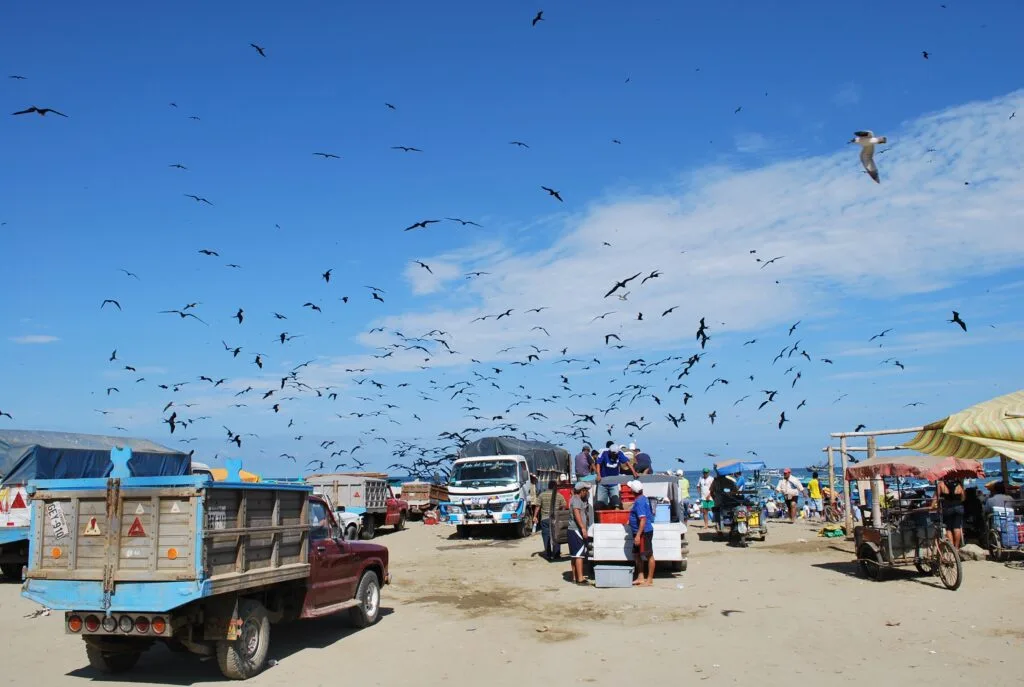
The ancient mariners of the Ruta del Spondylus navigated these coastal waters for centuries, trading sacred shell currency and preserving a deep, harmonious relationship with the Pacific littoral. Today, mainland Ecuador’s coast offers modern travellers that same sense of raw, unvarnished discovery. By choosing to step away from high-density resort bubbles and rigid tour buses, you open the door to genuine encounters—whether sharing fresh coconut water on the steps of Cerro Santa Ana or watching a master weaver shape raw palm fibre in Montecristi.
Curated small-group excursions do not diminish the spirit of autonomous travel; rather, they elevate it. Tapping into the expertise of licensed park naturalists and local maritime captains gives you access to protected marine habitats and ancestral lands that would otherwise remain out of reach. These targeted day trips allow you to maintain full control over your itinerary while ensuring your presence directly supports conservation efforts and family-run enterprises along the coast.
As you plan your journey along this equatorial coast, remember to travel at a human pace. Leave room in your schedule for spontaneous roadside stops, linger over seafood ceviches in dusty fishing ports, and take the time to listen to the stories of the communities guarding these ecosystems. Ecuador’s Pacific edge is ready to be explored—on your own terms, with curiosity, and with deep respect for the land and its people.
Affiliate Disclaimer: Some of the links on Wheely Tyred are affiliate links. If you click through and make a booking or purchase, we may earn a small commission at no extra cost to you. We only recommend gear, tours, stays, and services we genuinely use, trust, and stand behind — our editorial independence always comes first. These commissions help keep our independent cycling guides and travel stories free to read. Thanks for supporting the ride!
Frequently asked questions about the best day tours on the coast of Ecuador
The humpback whale-watching season along Ecuador’s central coast runs strictly from June to October. During these months, thousands of Antarctic humpback whales migrate north to the warm, sheltered equatorial waters surrounding Puerto López and Isla de la Plata to mate, nurse their newborn calves, and breach off the coast.
Despite their misleading name, sombreros de paja toquilla originated along the coast of Manabí, Ecuador. They acquired the name Panamá hats in the 19th and early 20th centuries when Ecuadorian artisans exported them to transit hubs in Panamá to sell to California Gold Rush prospectors and canal construction workers. The traditional art of weaving these straw hats in Montecristi is officially recognised by UNESCO as Intangible Cultural Heritage.
The ocean transit from Puerto López to Isla de la Plata takes roughly one to one-and-a-half hours across open Pacific swells. Sea conditions can become noticeably choppy by early afternoon. We strongly advise taking a non-drowsy motion sickness tablet roughly 30 minutes before boarding your boat at the beach, regardless of how calm the shoreline appears at morning departure.
The estuarine mangrove channels of Manglares Churute are home to tiny, persistent biting midges locally known as jején. Standard chemical insect repellents are often ineffective against them. Local naturalists recommend applying natural coconut oil or a thick citronella lotion to exposed skin; the oil creates a light barrier that prevents the insects from landing or biting.
Ecuador uses the US dollar ($) as its official currency. While major tour bookings and city hotels accept credit cards, carrying physical cash in small denominations ($1, $5, and $10 notes) is essential when travelling along the coast. Rural artisans, family-run cafes, fruit vendors, and local boat captains rarely have change for $20 or $50 notes.
Layering and versatile footwear are key. For marine excursions to Isla de la Plata or Los Frailes, wear lightweight, quick-drying clothing, a broad-brimmed sun hat, and sturdy water sandals with ankle straps for wet beach landings. For terrestrial hikes through dry forest or cacao farms, bring breathable long trousers and closed-toe walking shoes to protect against loose dirt, insects, and thorny vegetation.
Ecuador.
Pure wonder on the equator.