Multi-day Ecuador / The ultimate small-group overland & trekking expeditions
Best Ecuador multi-day tours, regional expeditions & guided circuits
Andean volcanoes to Amazonian rivers / Why Ecuador demands slow, overland travel
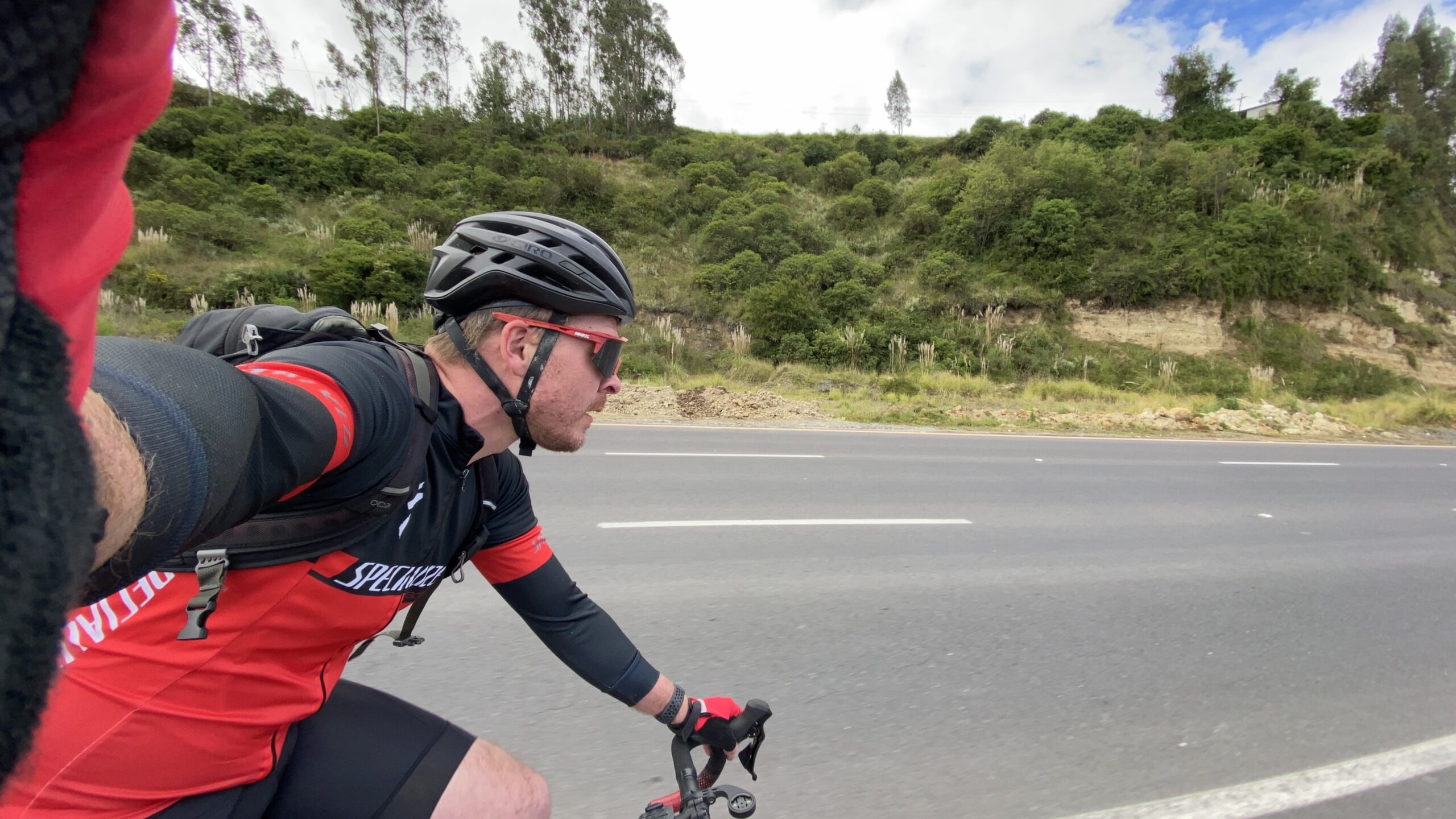
BEN FINCH
Ecuador is a country where geographical scales collapse in the most magnificent way. Within a single day’s overland travel, you can drop from the frosty, windswept high-altitude grasslands of the páramo at 4,000 metres, wind down through lush cloud forests draped in orchids, and find yourself navigating the warm tributaries of the Amazon River. Off its Pacific coast lie the enchanted Galápagos Islands, an evolutionary sanctuary like nowhere else on Earth.
Yet, for all its geographically compact size, travelling through Ecuador requires navigating vast topographic shifts, complex high-mountain transport passes, and intricate regional logistics. Relying on fragmented day trips out of Quito or Guayaquil often results in exhausting back-and-forth travel days spent staring at tarmac from a bus window.
At Wheely Tyred, our travel philosophy centres on slow, immersive, multi-day journeys. A structured multi-day expedition eliminates logistical friction: your regional transport connects seamlessly across dramatic mountain passes, your luggage moves effortlessly between authentic eco-lodges and mountain haciendas, and you gain access to remote indigenous communities and protected nature reserves that day-trippers simply cannot reach.
Most importantly, small-group regional expeditions ensure your travel footprint directly supports local family-run guesthouses, indigenous guides, and regional conservation efforts.
Below, we have selected six of the absolute best, highly rated, and fully bookable multi-day tour itineraries across Ecuador. Each itinerary offers seamless regional logistics, expert local guiding, and exceptional small-group travel.
Ecuador’s tours at a glance
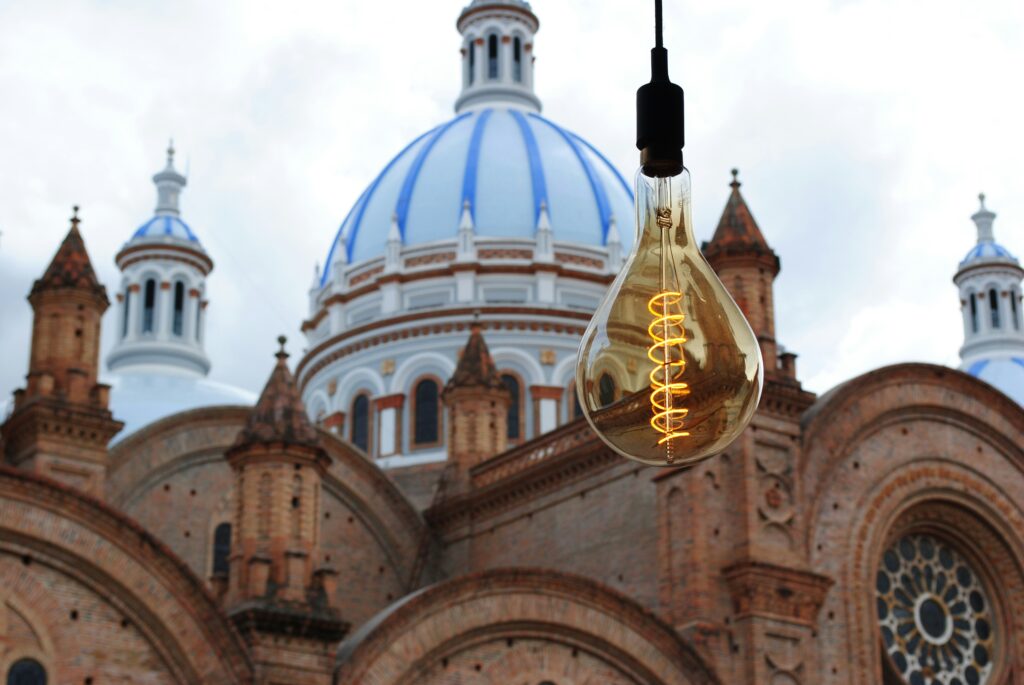
Navigating Ecuador from the high Andean crests to the Amazonian basin requires thoughtful pacing and respect for dramatic changes in topography. Below are the key takeaways and logistical anchors from our comprehensive guide to exploring this extraordinary country.
- Avenue of the Volcanoes: High-altitude Andean corridors passing snow-capped peaks like Cotopaxi and Chimborazo, connecting dramatic volcanic caldera lakes including Laguna Quilotoa
- Amazonian waterways: Deep-forest immersion along the Misahuallí and Cuyabeno river systems, offering silent canoe navigation, Siona indigenous encounters, and exceptional biodiversity
- Galápagos island hopping: Sustainable, land-based archipelago transit supporting local island communities while delivering world-class marine wildlife encounters at Kicker Rock and Los Túneles
- Human-powered adventure: Active descents on two wheels down volcanic gravel paths, Class III whitewater rafting along the Jatunyacu River, and foot trekking along ancient Cañari trade routes
- Altitude and acclimatisation: The physical necessity of spending a few quiet days in Quito at 2,850 metres to acclimatise before taking on active excursions in the high páramo
- Lodge-to-lodge foot travel: Village-to-village trekking along the Quilotoa Loop, featuring family-run guesthouse stays, canyon crossings, and reliable luggage transfers
The Ecuadorian Sierra.
Get lost in the hills
Traversing the High Andes to the Amazonian cloud forest
Rating & reviews
(17+ verified reviews on TourRadar)
Tour details
- Duration: 14 Days / 13 Nights
- Start / End: Quito to Guayaquil
- Transport: Private minibus, Amazonian motorised canoe, regional transfers
- Accommodation: 3-star heritage hotels, comfortable rainforest eco-lodges, family-run guesthouses
- Group Size: Maximum 16 travellers (Average 12)
- Physical Rating: Moderate (Involves light hiking at altitude and rainforest walks)
Why this specific tour stands out
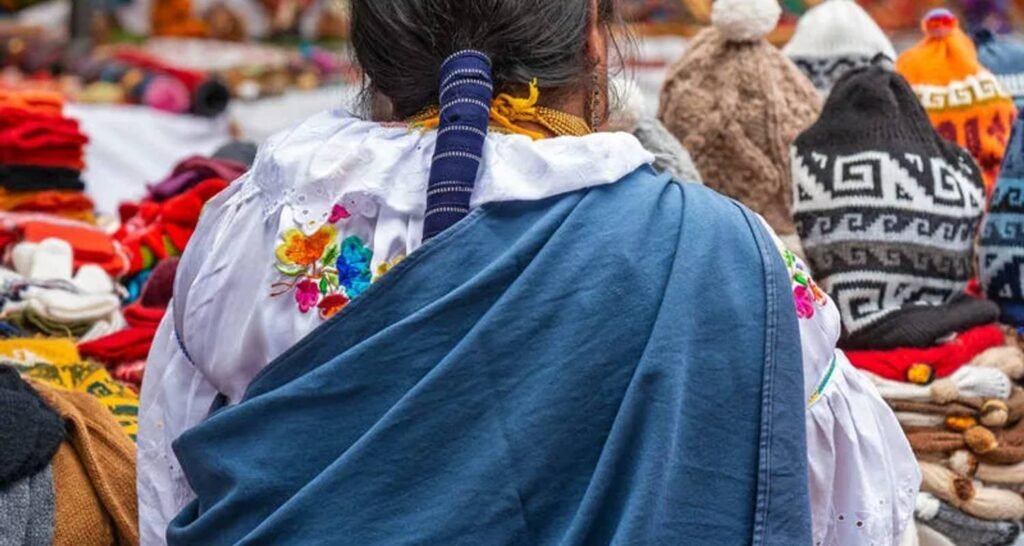
If you want a definitive, slow-paced journey spanning Ecuador’s mainland ecosystems, this 14-day small-group expedition by Explore! sets the gold standard. Rather than rushing back to Quito each night, the itinerary traces an elegant southbound overland arc through the heart of the country. You begin in the UNESCO-listed historic centre of Quito before heading north to the indigenous artisan market of Otavalo and the volcanic crater lake of Cuicocha.
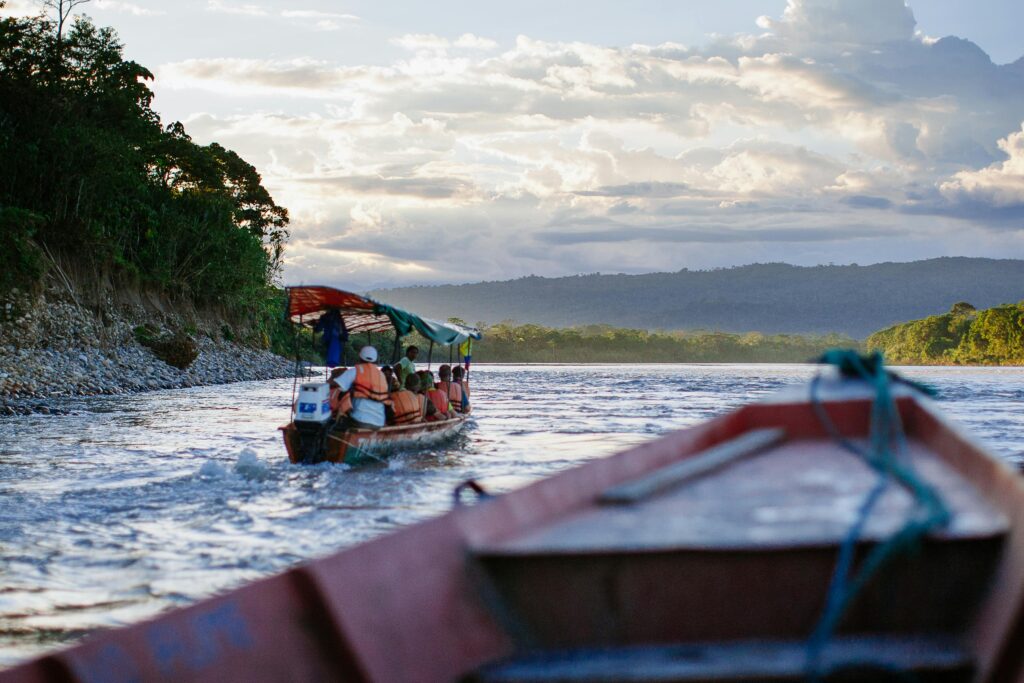
The route then climbs into the high Andean páramo at Papallacta for a soak in thermal volcanic hot springs before descending the eastern slopes into the Amazon Basin. Deep in the jungle near Misahuallí, you spend three nights at Jardin Alemán lodge, exploring rainforest trails with indigenous guides, navigating river tributaries by motorised canoe, and learning about traditional local culture.
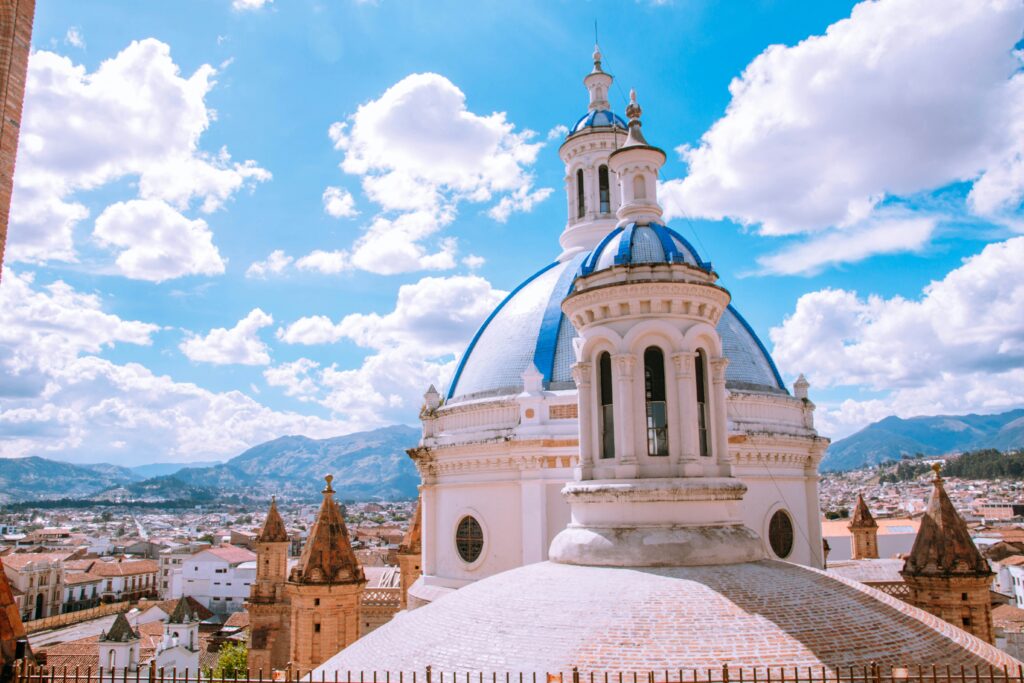
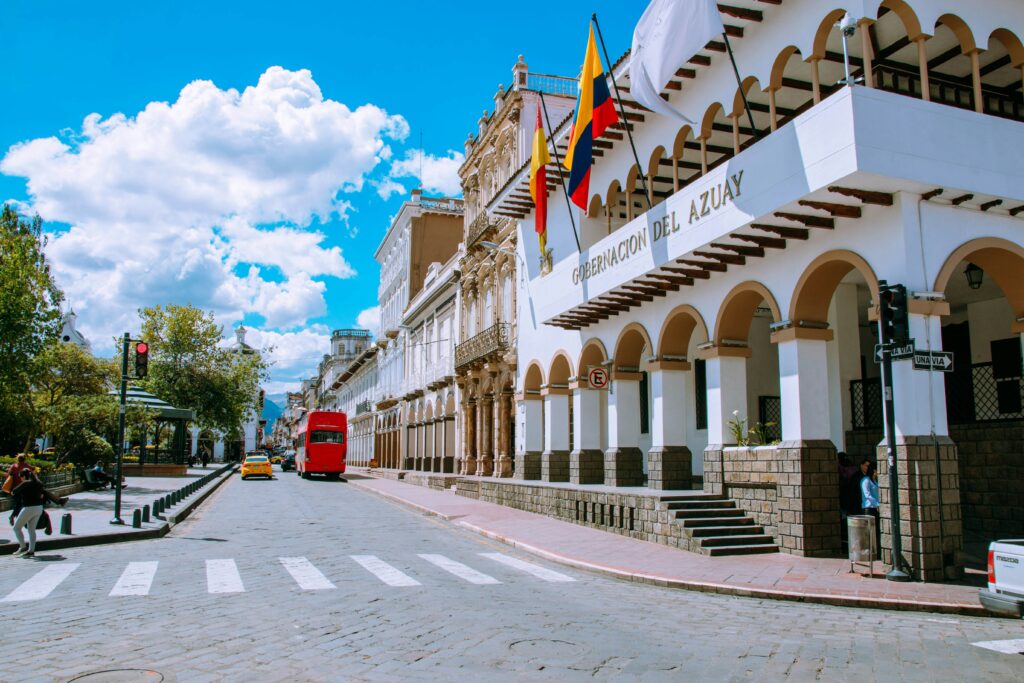
Re-ascending the Andes via the waterfall corridor of Baños de Agua Santa, you visit the high-altitude slopes of Chimborazo (4,800 metres), explore the pre-Inca complex at Ingapirca, and wander through colonial Cuenca before descending to coastal Guayaquil.
Key highlights
- Otavalo & Cuicocha: Walk around the crater rim of Laguna Cuicocha and meet indigenous weavers in Peguche village
- Papallacta Thermal Springs: Thermal volcanic soak surrounded by cloud forest flora in the high Andes
- 3-Night Amazon Immersion: Stay in an eco-lodge along the Misahuallí River with guided rainforest walks, cave exploration, and canoe trips
- Avenue of the Waterfalls: View the roaring Pailón del Diablo (Devil’s Cauldron) waterfall in Baños
- Chimborazo & Ingapirca: Spot wild vicuñas at the Hermanos Carrel refuge on Chimborazo and tour Ecuador’s largest Cañari-Inca archaeological site
Ideal for
Travellers who want a comprehensive, hassle-free mainland journey covering cultural heritage, indigenous traditions, and diverse natural biomes without feeling rushed.
Local expedition insight
Packing for this 14-day trip requires a layered clothing strategy. You will experience temperatures ranging from 5°C in the misty high páramo of Papallacta and Chimborazo to 30°C with high humidity in the Amazon Basin. Pack breathable moisture-wicking base layers, a quality waterproof outer shell, and lightweight quick-dry trousers.
High-altitude thrills & active overland adventure
Rating & reviews
(16+ verified reviews on TourRadar)
Tour details
- Duration: 9 Days / 8 Nights
- Start / End: Quito to Quito
- Transport: Private support vehicle, mountain bikes, whitewater rafts, jungle canoes
- Accommodation: Comfortable multi-night hotels, Amazonian jungle lodge, rustic mountain cabañas
- Group Size: Maximum 16 travellers (Average 10)
- Physical Rating: Active / Demanding (Downhill mountain biking, rafting, canyoning, trekking)
Why this specific tour stands out
For travellers who prefer to explore a landscape on foot, on two wheels, or via paddle, G Adventures’ 9-day Multisport itinerary offers an unbeatable active loop. This tour strips away long tourist bus rides and replaces them with adrenaline-fuelled human-powered exploration.
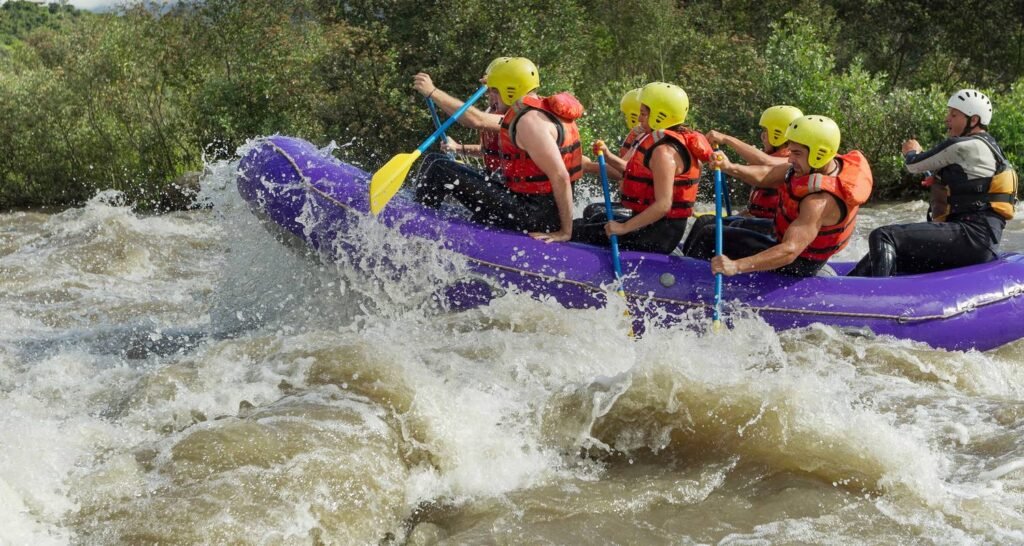
Your journey starts with a thrilling downhill mountain bike descent through Cotopaxi National Park, dropping down the gravel flanks of one of the world’s highest active snow-capped volcanoes. From the alpine tundra, you transfer into the Amazonian foothills near Tena for Class III whitewater rafting down the Jatunyacu River and guided jungle hikes.
Moving on to Baños de Agua Santa—Ecuador’s adventure capital—you will canyon down jungle waterfalls, cycle along the famous Route of the Waterfalls, and hike Andean mountain ridges before returning to Quito.
Key highlights
- Cotopaxi Volcano Cycling: Downhill gravel biking through Cotopaxi National Park with full vehicle support
- Jatunyacu Whitewater Rafting: Tackle rapids surrounded by pristine Amazonian rainforest foliage near Tena
- Baños Canyoning & Biking: Rappel down roaring waterfalls and ride the cliffside cycling track along the Pastaza River canyon
- Highland Trekking: Hike across high-altitude mountain trails with panoramic views of Andean volcanic peaks
Ideal for
Active adventure seekers, cyclists, and fitness enthusiasts who want an action-packed multi-day itinerary with expert activity guides and full gear support.
Local expedition insight
The Cotopaxi mountain biking section starts above 4,000 metres in elevation. Spend at least two full rest days in Quito (2,850 metres) prior to the tour start date to allow your red blood cells to acclimatise naturally. Drink plenty of coca tea or chicha and keep hydration levels high.
The Galápagos.
Ecuador’s Enchanted Isles
The Avenue of the Volcanoes overland passage
Rating & reviews
(50+ verified reviews on GetYourGuide)
Tour details
- Duration: 4 Days / 3 Nights
- Start / End: Quito to Cuenca
- Transport: Private air-conditioned vehicle with dedicated driver/guide
- Accommodation: Boutique handpicked hotels in Cotopaxi area, Baños, and Riobamba
- Group Size: Small group (Maximum 8) or Private
- Physical Rating: Moderate (Includes short crater hikes and high-altitude viewpoints)
Why this specific tour stands out
Connecting Quito to the southern colonial masterpiece of Cuenca, this 4-day overland journey traverses Alexander von Humboldt’s legendary Avenue of the Volcanoes. It bridges the gap between Northern and Southern Ecuador seamlessly, eliminating the need for stressful public bus connections or redundant backtrack travel.
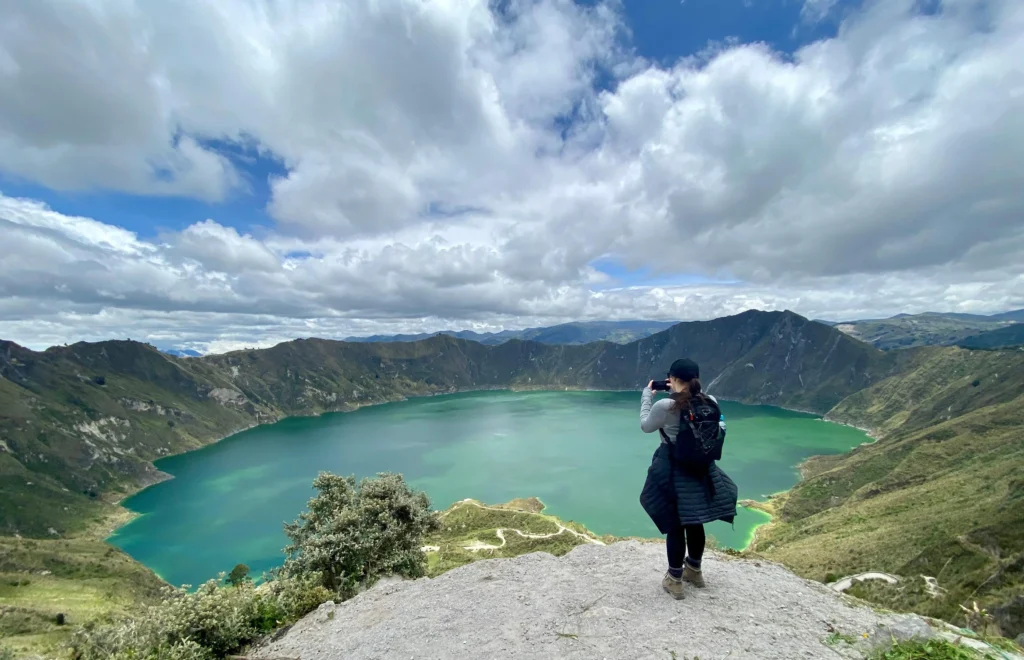
Day one immerses you in Cotopaxi National Park, exploring Limpiopungo Lagoon at the base of the active cone. Day two brings you to the rim of the spectacular Quilotoa Crater Lake—an emerald-green volcanic caldera—along with visits to indigenous Tigua folk artists and the dramatic Toachi River Canyon. Day three explores the lush waterfalls and thermal baths of Baños de Agua Santa. On the final day, you skirt the slopes of Chimborazo—Ecuador’s highest peak—where you meet local mountain communities before reaching historic Cuenca.
Key highlights
- Cotopaxi & Limpiopungo: High-altitude walking around Limpiopungo Lagoon, spotting Andean gulls and wild horses
- Quilotoa Crater Lagoon: Stand on the rim of the 3-kilometre-wide volcanic crater lake and visit Tigua community art studios
- Pailón del Diablo: Walk the wooden suspension bridges surrounding the thunderous Devil’s Cauldron waterfall in Baños
- Chimborazo Wildlife Reserve: Trek around the Hermanos Carrel refuge at 4,800 metres alongside herds of wild vicuñas
Ideal for
Independent travellers who want an overland transfer option between Quito and Cuenca will find a trip packed with spectacular volcanic scenery, cultural highlights, and comfortable private transport.
Local expedition insight
When visiting the Tigua indigenous art galleries near Quilotoa, carry small denominations of US dollars in cash ($5, $10, and $20 notes). Card machines are virtually non-existent in these high mountain hamlets, and purchasing vibrant hand-painted sheepskin artwork directly from the artists provides direct economic support to the community.
Deep Amazonian immersion & rainforest ecology
Rating & reviews
(1+ verified reviews on Viator)
Tour details
- Duration: 4 Days / 3 Nights
- Start / End: Meeting point at Cuyabeno Bridge (Transfers from Lago Agrio / Quito available)
- Transport: Motorised jungle dugout canoes and paddling canoes
- Accommodation: Private off-grid solar-powered wooden cabins at Green Forest Ecolodge
- Group Size: Maximum 10 travellers per naturalist guide
- Physical Rating: Easy to Moderate (Focuses on canoe trips, night walks, and jungle trekking)
Why this specific tour stands out
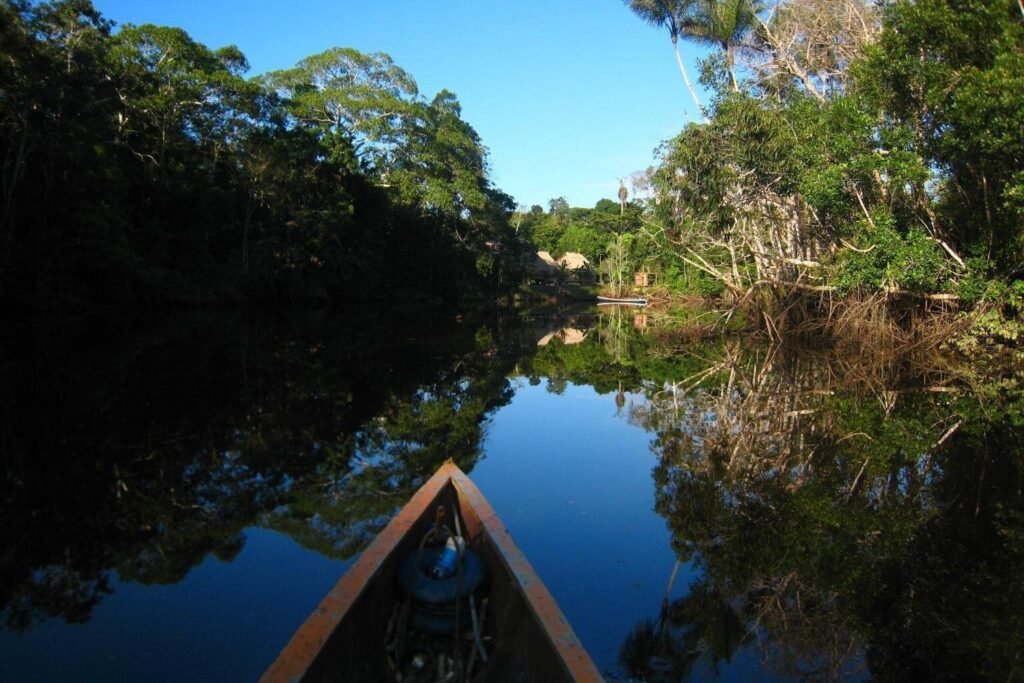
Unlike superficial day trips to the edge of the Amazon jungle, this 4-day expedition takes you deep into the heart of the Cuyabeno Wildlife Reserve—one of the most biodiverse freshwater ecosystems on the planet. Located in northeastern Ecuador, Cuyabeno’s unique flooded forest network (igapó) offers wildlife spotting opportunities that rival the Galápagos.
After meeting your naturalist guide at the Cuyabeno Bridge, you embark on a two-hour motorised canoe trip down the winding river to Green Forest Ecolodge. Over four days, you venture out during dawn and dusk—the prime hours for wildlife activity—to spot pink river dolphins, hoatzin birds, anacondas, caimans, and ten species of primates.
You also spend a half-day with a local Siona indigenous family, learning traditional cassava bread preparation and medicinal plant lore.
Key highlights
- Laguna Grande Sunsets: Swim in the blackwater-flooded lagoon during sunset while watching for pink river dolphins
- Guided Rainforest Hikes: Day and night treks with certified native guides to discover bioluminescent fungi, exotic insects, and medicinal flora
- Paddled Canoe Excursions: Silently navigate narrow creek channels where motorised boats cannot go to get close to wildlife
- Siona Cultural Exchange: Meet Siona community members to learn about rainforest stewardship and traditional culinary heritage
Ideal for
Wildlife enthusiasts, birdwatchers, photographers, and nature lovers seeking an authentic, off-grid rainforest experience without compromising on safety or eco-certified lodge comfort.
Local expedition insight
Electrical power at solar-powered eco-lodges like Green Forest is turned on only during set generator hours in the evening. Bring a high-capacity portable power bank (20,000 mAh+) to keep your camera batteries and phones charged throughout the day. Dry bags are also essential to protect electronics during open-canoe river trips.
The Ecuadorian Amazon.
The most biodiverse place in the world
Island-hopping across the Enchanted Archipelago
Rating & reviews
(24+ verified reviews on GetYourGuide)
Tour details
- Duration: 7 Days / 6 Nights
- Start / End: San Cristóbal Island to Santa Cruz Island (Baltra Airport drop-off)
- Transport: Speedboats between islands, open-water marine vessels, private land transport
- Accommodation: Comfortable island-based eco-hotels / boutique guesthouses
- Group Size: Maximum 12 travellers
- Physical Rating: Active (Includes marine snorkelling, volcano hiking, and inter-island boat trips)
Why this specific tour stands out
While liveaboard cruises have long dominated Galápagos travel, land-based island hopping has emerged as the most sustainable, flexible, and immersive way to experience the archipelago. This 7-day small-group tour stays in family-owned island hotels on San Cristóbal, Santa Cruz, and Isabela Islands. This ensures your tourism dollars directly support local island communities rather than foreign cruise operators.
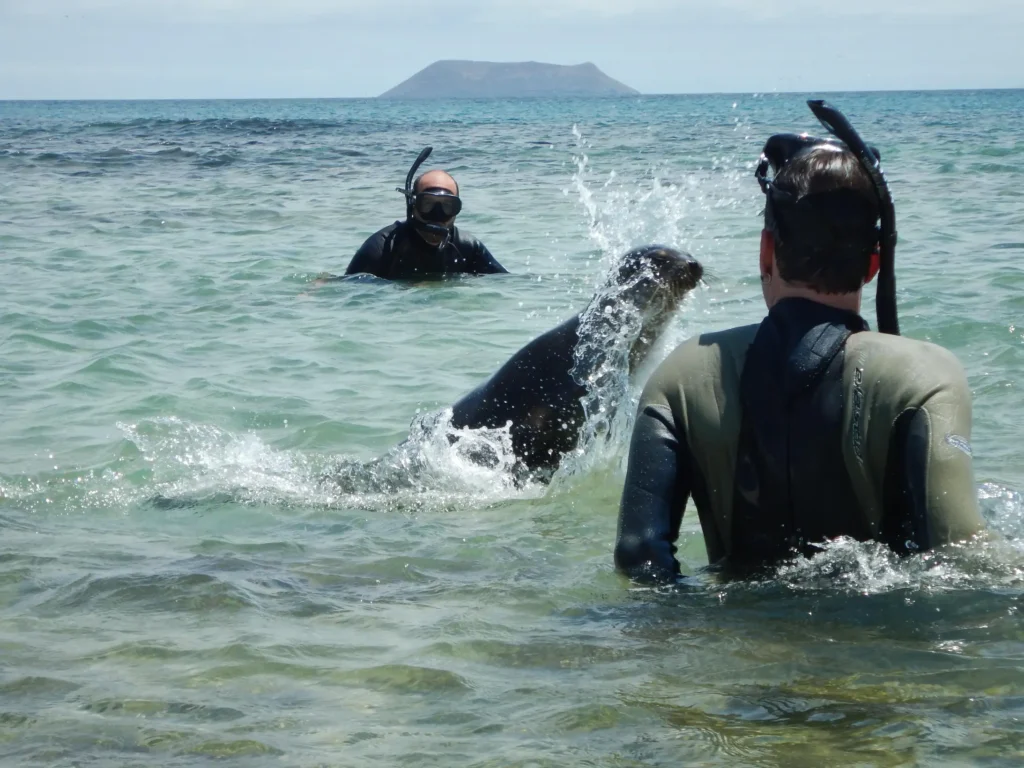
The itinerary is packed with bucket-list wildlife encounters. You snorkel around Kicker Rock (León Dormido) with Galapagos shark species, sea turtles, and playful sea lion pups. On Isabela Island, you hike across the volcanic moonscape of the Sierra Negra caldera—the second-largest active volcanic crater in the world—and snorkel through the lava arches of Los Túneles among blue-footed boobies and white-tip reef sharks.
Key highlights
- Kicker Rock Marine Reserve: World-class snorkelling alongside sea turtles, hammerhead sharks, and spotted eagle rays off San Cristóbal
- Sierra Negra Volcano Hike: 7-hour guided trek around the massive volcanic crater rim on Isabela Island
- Los Túneles Lava Formations: Snorkel through crystal-clear lava tunnels housing penguins, giant tortoises, and marine iguanas
- Santa Cruz Highlands: Observe giant Galápagos tortoises roaming freely in their natural high-altitude lava reserve
Ideal for
Eco-conscious travellers, active snorkelers, and solo travellers who want a comprehensive, land-based Galápagos experience with fixed hotel comfort and minimal risk of seasickness.
Local expedition insight
The open-ocean inter-island speedboat transit between Santa Cruz and Isabela takes roughly two hours across open Pacific swells. If you are prone to motion sickness, take a motion-sickness tablet 45 minutes before boarding, sit toward the stern (rear) of the vessel for maximum stability, and keep your eyes on the horizon.
On-foot Andean trekking through isolated valleys
Rating & reviews
(30+ verified reviews on GetYourGuide)
Tour details
- Duration: 4 Days / 3 Nights
- Start / End: Quito to Quito (Includes round-trip private transport)
- Transport: Private transport from/to Quito, on-foot mountain trekking
- Accommodation: Handpicked mountain hostels/lodges in Sigchos, Chugchilán, and Quilotoa
- Group Size: Maximum 10 travellers
- Physical Rating: Demanding / Strenuous (High-altitude mountain walking between 2,500m and 3,850m)
Why this specific tour stands out
The Quilotoa Loop is celebrated worldwide as one of South America’s most striking mountain trekking circuits. While some independent hikers attempt the route unguided, taking this fully supported 4-day guided trek through GetYourGuide removes the guesswork and logistical stress. Accompanied by experienced local mountain guides, you traverse narrow mountain ridges, deep river canyons, and secluded indigenous mountain settlements without worrying about losing the unmarked trails or navigating complex mountain transport.
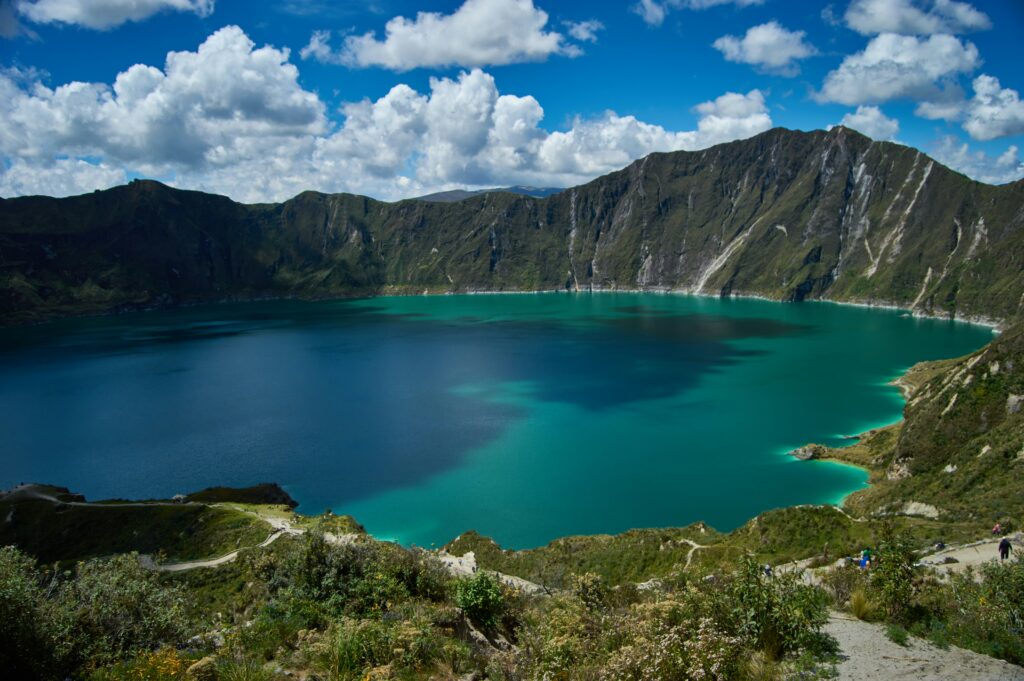
Setting out from Quito down the Pan-American Highway, the tour pauses for warm coca tea overlooking the dramatic Grand Canyon of the Toachi River before reaching Sigchos. Over four days, you trek from Sigchos to Chugchilán across the Toachi Canyon, continuing onward across the northern slopes of the Quilotoa Volcano. The journey culminates at the rim of the breathtaking, turquoise-water Quilotoa Lagoon, where you descend all the way to the lagoon dock at 3,500 metres elevation.
Key highlights
- Toachi River Canyon Trekking: Cross dramatic river canyons and terraced mountain farmlands on foot
- 3-Night Mountain Lodge Stays: Enjoy traditional Andean mountain hospitality in Sigchos, Chugchilán, and Quilotoa village
- Quilotoa Crater Lagoon Descent: Stand on the crater rim at 3,850 metres and walk down to the turquoise water’s edge
- Full-Board Mountain Nutrition: Includes daily breakfasts, dinners at accommodations, water refills, and custom box lunches for the trail
Ideal for
Trekkers, mountain hikers, and active travellers who want an authentic 4-day foot journey through remote Andean villages backed by professional mountain guiding, included meals, and seamless round-trip Quito transport.
Local expedition insight
Trekking at high altitudes demands steady pacing rather than speed. The trail elevation ranges between 2,500 and 3,850 metres. Adopt the slow, rhythmic Andean paso cañari—short, consistent steps—and take advantage of the included box lunches and hydration stops to keep your energy steady on steep climbs.
The Ecuadorian Coast.
Where you’ll find the very best food
Our practical guide to Ecuador multi-day expedition planning
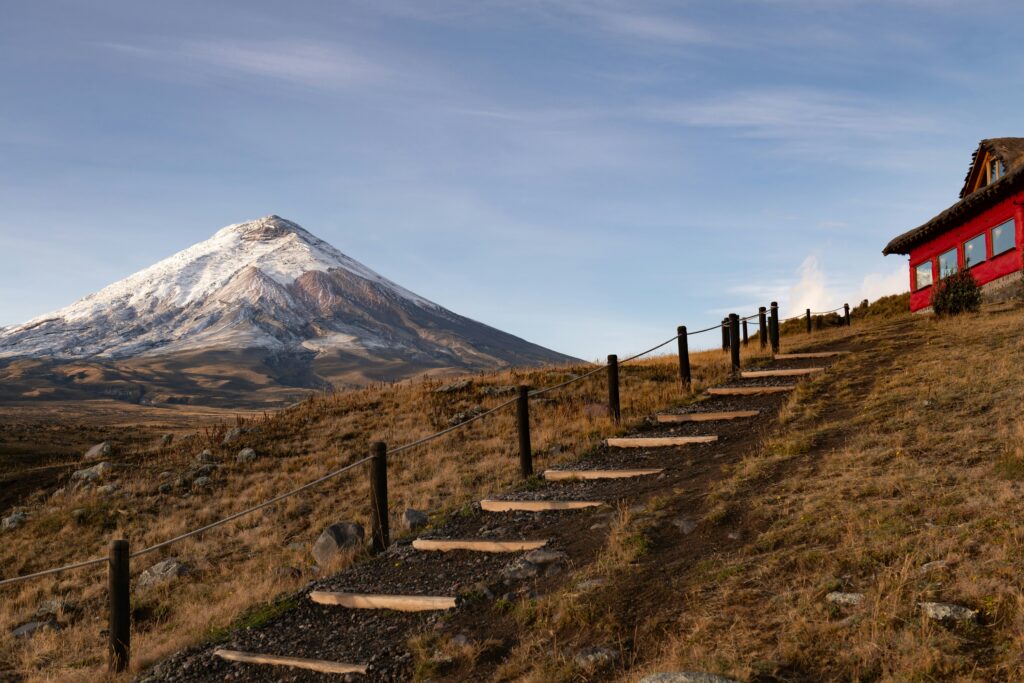
Planning a multi-day journey across Ecuador’s diverse ecological zones requires a slightly different approach than prepping for a single-city trip. Here are four key pieces of advice from our editorial team:
1. Packing light for multi-stop transit
On multi-day overland tours, you will be transitioning between mini-buses, motorised canoes, and small regional flights. Leave large, hard-shell suitcases at home. Invest in a durable, weather-resistant 50L to 65L duffel bag or soft-sided internal frame backpack. Small inter-island transfer flights in the Galápagos and Amazon canoe operators often strictly enforce a 10 kg to 15 kg hold luggage limit.
2. Specialised active travel insurance
Standard travel insurance policies frequently exclude activities that take place above 3,000 metres elevation or sports like whitewater rafting, canyoning, and mountain biking. Ensure your travel policy explicitly covers high-altitude trekking up to 5,000 metres (crucial for Cotopaxi, Chimborazo, and Quilotoa) as well as emergency medical evacuation in remote regions.
3. Managing cash, tipping & currency
Ecuador uses the US dollar ($) as its official currency. While credit cards are widely accepted in major boutique hotels in Quito and Cuenca, cash is the absolute king in remote Andean hamlets, Amazonian lodges, and Galápagos markets. Carry $1, $5, $10, and $20 notes; merchants and local guides rarely have change for $50 or $100 bills. Budget approximately $10–$15 USD per day for tipping your main multi-day tour guide, and $5–$10 USD per day for driver and local activity specialist guides.
4. Environmental ethics in fragile ecosystems
From the high páramo water catchments to the pristine Amazonian rivers and delicate Galápagos marine sanctuaries, Ecuador’s ecosystems are ecologically sensitive. Always adhere to Leave No Trace principles. Carry a reusable insulated water bottle equipped with an integrated purification filter (such as Grayl or LifeStraw) to eliminate the need for single-use plastic bottles during multi-day trips. When visiting indigenous communities, always request permission before taking photos of locals or their children.
Finding the true rhythm of the equator
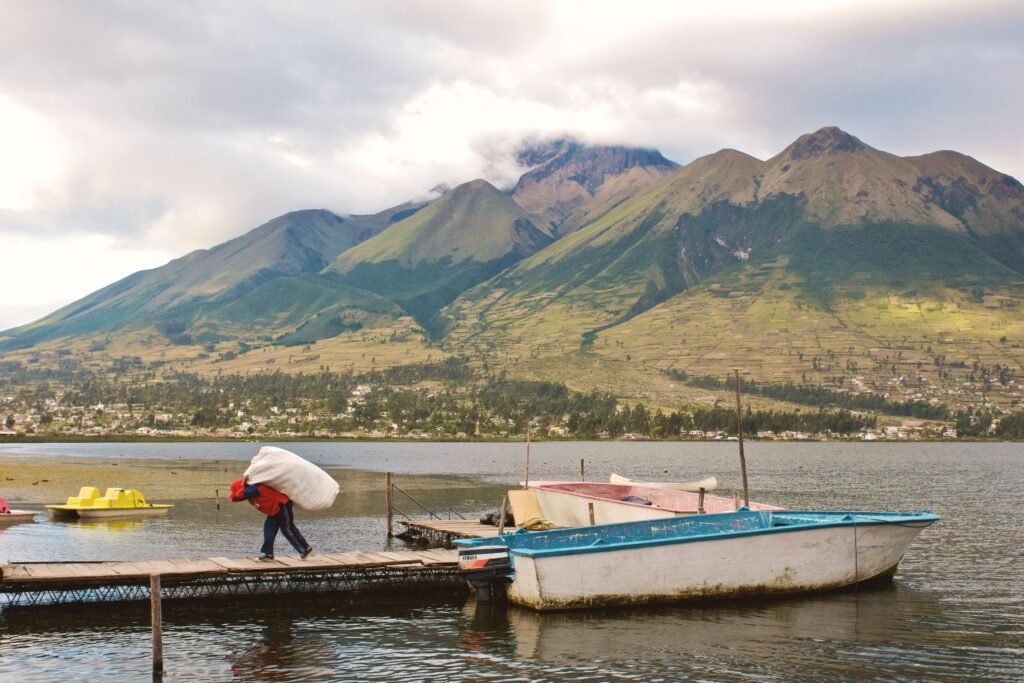
Ecuador rewards travellers who choose to slow down. When you step off the whistle-stop commercial circuit and travel overland, the country unveils its shifting character at a human scale. Dropping from the frosty, windswept grasslands of the high páramo down into orchid-draped cloud forests in a single afternoon is a powerful reminder of how condensed and diverse this land truly is.
Opting for small-group, multi-day expeditions allows you to experience these transitions without the friction of constant logistical re-planning. Whether you are sharing a bowl of chicha with indigenous hosts in Misahuallí, resting after a strenuous day’s trek at a family-run guesthouse in Isinlivi, or paddling silently through the flooded igapó forests of Cuyabeno, structured overland journeys create space for authentic human connection.
There is an undeniable satisfaction in earning your vistas — whether that means cycling the gravel flanks of Cotopaxi or climbing the final canyon switchbacks toward the rim of Laguna Quilotoa. By choosing slow, well-paced travel, you not only protect these delicate high-mountain and rainforest ecosystems, but you also ensure that your travel footprint directly sustains the local guides, artisans, and family-run lodges that make Ecuador so memorable.
Affiliate Disclaimer: Some of the links on Wheely Tyred are affiliate links. If you click through and make a booking or purchase, we may earn a small commission at no extra cost to you. We only recommend gear, tours, stays, and services we genuinely use, trust, and stand behind — our editorial independence always comes first. These commissions help keep our independent cycling guides and travel stories free to read. Thanks for supporting the ride!
Frequently asked questions about the best Ecuador multi-day tours
Altitude sickness (soroche) can affect anyone regardless of fitness level when travelling above 2,500 metres. We recommend spending at least two to three days in Quito (2,850 metres) or Cuenca before undertaking high-altitude hikes or cycle rides in Cotopaxi, Chimborazo, or along the Quilotoa Loop. Keep hydration levels high, take steady steps (paso cañari), avoid heavy meals on your first evening, and try local herbal remedies like coca tea.
While credit cards are accepted in boutique hotels and established restaurants in major cities like Quito and Cuenca, cash is essential in rural Andean villages, Amazonian eco-lodges, and local markets. The US dollar ($) is the national currency. Carry small denominations ($1, $5, $10, and $20 notes), as vendors in small hamlets like Sigchos or Tigua rarely have change for $50 or $100 bills.
Because a single multi-day itinerary can take you from freezing temperatures in the high páramo (5°C) to hot, humid rainforests (30°C), a layered clothing system is essential. Pack lightweight, moisture-wicking base layers, a sturdy fleece or insulated jacket, a high-quality breathable waterproof shell, and quick-dry trousers. Soft-sided duffel bags or internal frame backpacks are strongly preferred over hard-shell suitcases due to space constraints on small regional aircraft and open Amazonian canoes.
Land-based island hopping allows travellers to stay in family-owned hotels on islands like San Cristóbal, Santa Cruz, and Isabela, ensuring tourism spending stays directly within local island communities. It offers greater flexibility, daily access to local restaurants and cafes, and eliminates the continuous motion of sleeping on a marine vessel, which suits travellers prone to seasickness.
Overland multi-day itineraries in Ecuador typically use private, air-conditioned mini-buses with professional drivers for long Andean highway routes. In the Amazon Basin, motorised dugout canoes and hand-paddled wooden canoes are used for river transit. For inter-island transfers in the Galápagos, open-water speedboats handle marine crossings.
Yes. National parks and biological reserves such as Cotopaxi, Chimborazo, and Cuyabeno require visitors to be accompanied by a licensed naturalist or a certified mountain guide. Joining an organised multi-day expedition ensures that all park entrance permits, local guide arrangements, and indigenous community access fees are arranged seamlessly in advance.
Ecuador.
Pure wonder on the equator.