The best day tours in Ecuador / 5 authentic excursions beyond the tourist traps
Premier guided excursions across Quito, Cotopaxi, Quilotoa, Otavalo, and Cuenca
Slow travel, high-altitude wonders, and deep cultural immersion
BEN FINCH
Ecuador is a country of staggering geographical density. Within a single day’s drive from the historic cobbled capital of Quito, you can journey from glacial mountain summits and emerald volcanic craters down into humid cloud forests bursting with orchids and hummingbirds. Yet, far too many travellers fall into the trap of rigid, 50-passenger coach tours that rush through rural communities, schedule rushed 10-minute photo stops, and funnel visitors toward commercial souvenir outlets.
At Wheely Tyred, we advocate for independent, autonomous travel that honours the places and people we visit. However, navigating remote mountain passes, managing high-altitude trailheads, and connecting meaningfully with indigenous communities across the Ecuadorian Sierra can present real logistical hurdles when travelling entirely solo. That is where small-group, locally guided day tours become an invaluable asset.
A well-crafted day excursion pairs you with native mountain naturalists, provides safe high-altitude transport, and directs your travel spending straight into local hands. Whether you are acclimatising in Quito or exploring the cobblestone quarters of southern Cuenca, here are five of the absolute best, fully bookable day tours across Ecuador that deliver deep cultural immersion without compromising your independent travel spirit.
High-altitude trails and timeless heritage
Ecuador condenses an astonishing variety of dramatic landscapes and centuries-old indigenous traditions into remarkably compact regions. Here are the essential takeaways from our journey across the central Sierra, cloud forest reserves, and southern highlands.
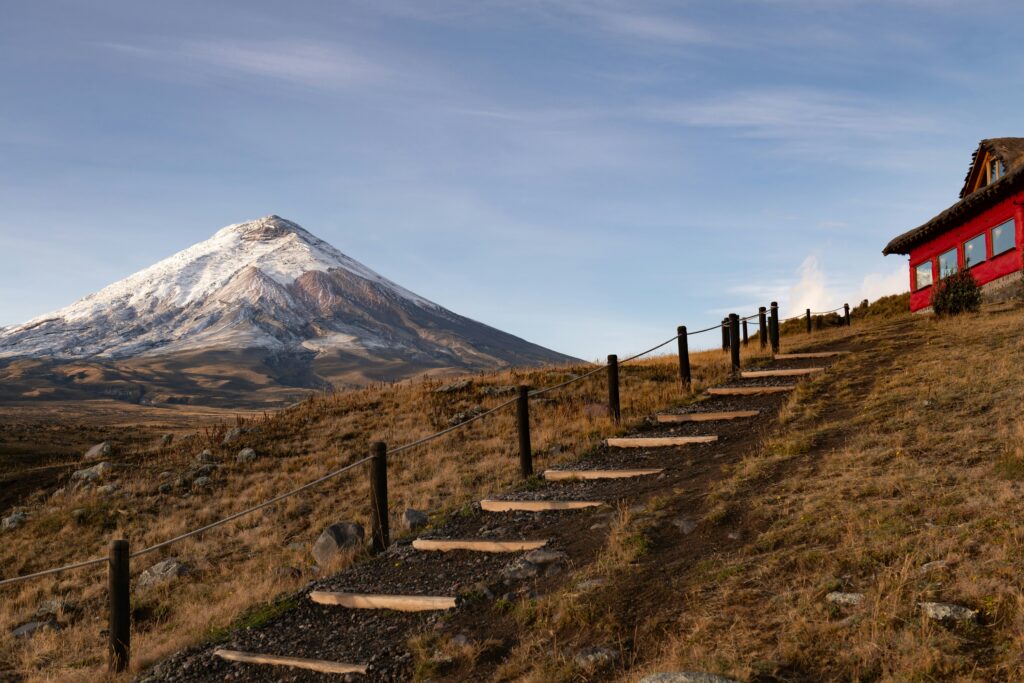
- Active volcanic landscapes: Cotopaxi National Park offers pristine high-altitude walking routes around Laguna Limpiopungo directly beneath the snow-capped, perfectly symmetrical cone of one of the world’s highest active volcanoes
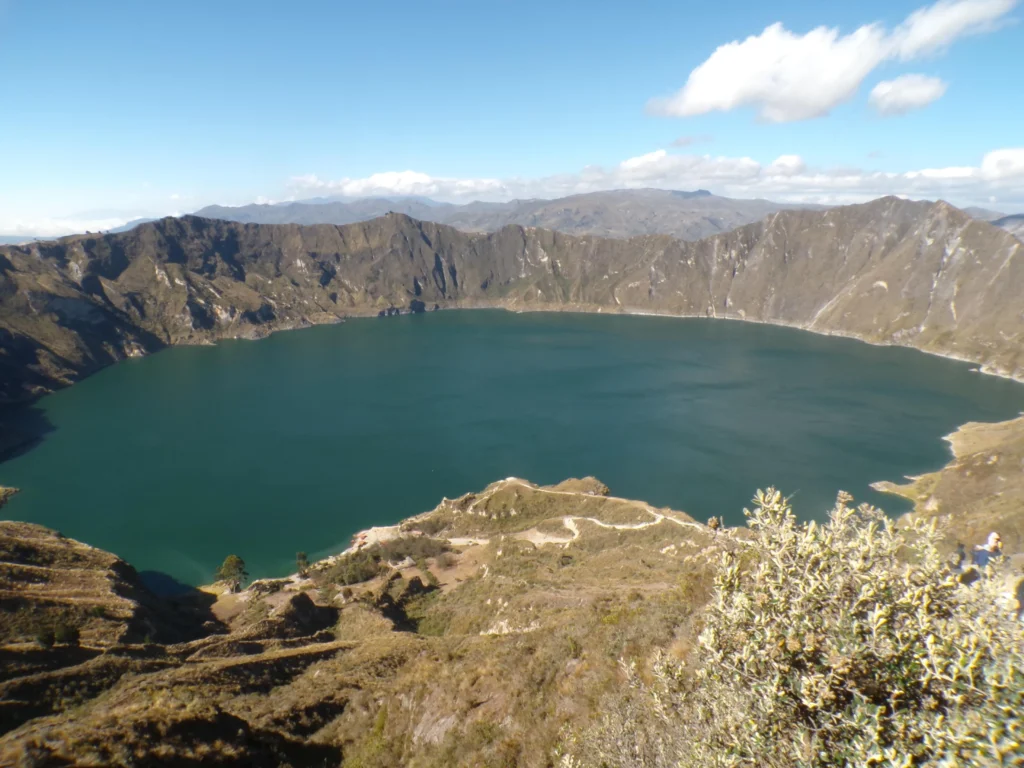
- Emerald crater lakes: The breathtaking turquoise depths of Laguna Quilotoa and the serene volcanic rim of Laguna Cuicocha showcase the raw geological splendor of Ecuador’s Avenue of Volcanoes
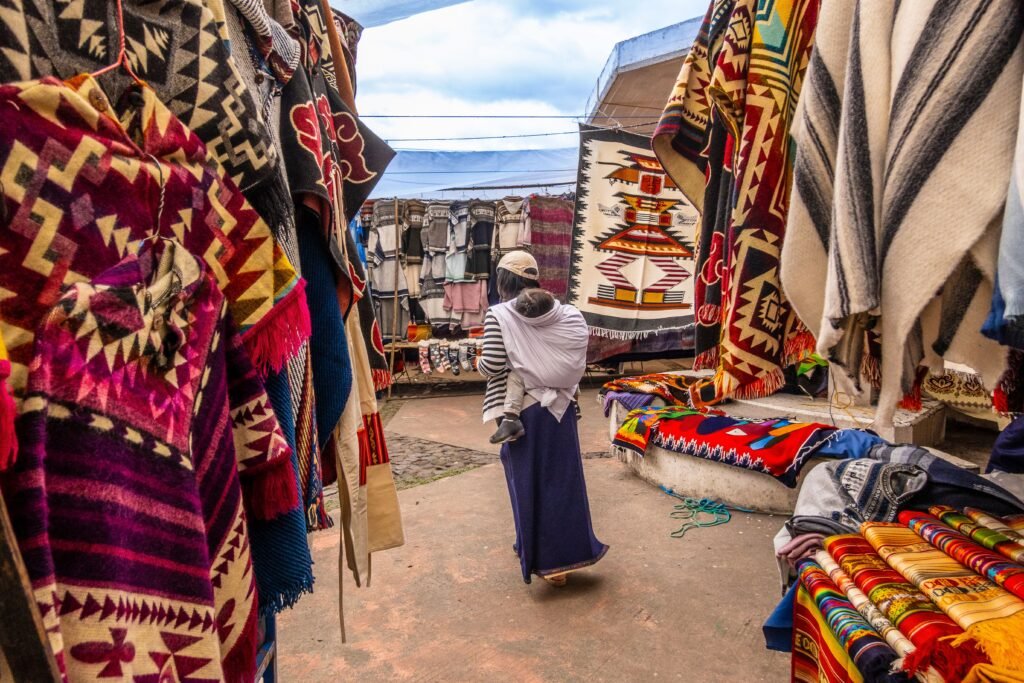
- Living indigenous craft: Otavalo’s famous Plaza de los Ponchos remains the vibrant heart of Kichwa textile traditions, backstrap loom weaving, and authentic regional trade
- Biodiverse cloud forests: The misty subtropical canopy of Mindo provides a refreshing retreat filled with roaring waterfalls, endemic orchids, and world-class hummingbird sanctuaries
- Wild alpine wetlands: Cajas National Park features a stark, high-elevation tundra landscape dotted with over 200 glacial lagoons and ancient, twisting Polylepis paperbark forests
- Equatorial history and science: Quito seamlessly connects gilded 16th-century baroque architecture, sweeping cable car vistas, and hands-on equatorial physics experiments at the Intiñán Solar Museum
- Practical high-country strategy: Flexible clothing layers, consistent hydration, small US dollar cash notes, and steady acclimatisation are vital for navigating the rapidly changing mountain weather
The Ecuadorian Sierra.
Get lost in the hills
Central Andes high-altitude wilderness
Rating & reviews
(58+ verified reviews on GetYourGuide)
Cotopaxi & Quilotoa high-altitude summary
- Duration: 11–12 Hours
- Elevation: 3,800m to 3,900m (Laguna Quilotoa rim)
- Key Sights: Cotopaxi Volcano, Limpiopungo, Toachi Canyon, Quilotoa
- Activity Level: Moderate to Challenging (Altitude-dependent)
Why this specific tour stands out
The central Ecuadorian Andes are defined by Alexander von Humboldt’s famous Avenue of Volcanoes — a dramatic double chain of towering peaks that splits the nation’s interior. This exceptional small-group excursion from Quito manages to combine two of the region’s most magnificent natural features into a single, beautifully paced itinerary.
Instead of treating the journey as a mere transfer, the guide takes you through Cotopaxi National Park for an intimate nature walk around Laguna Limpiopungo, where wild horses graze beneath the snow-capped, perfectly symmetrical cone of the Cotopaxi Volcano. From there, the route winds deeper into the high-altitude Páramo grasslands, passing through the carved depths of Toachi Canyon before arriving at Laguna Quilotoa — a breathtaking 3-kilometre-wide volcanic crater lake filled with brilliant turquoise water.
What elevates this tour above generic alternatives is its commitment to authentic local engagement. You stop in traditional Andean hamlets to meet Kichwa-speaking families and visit an artisan workshop in Tigua, famous for its vivid, naïf-style paintings rendered on sheepskin canvas depicting traditional highland life.
Key highlights
- Guided ecological walk around Laguna Limpiopungo at the foot of Cotopaxi Volcano
- Scenic drive through the dramatic geologic formations of Toachi Canyon
- Optional downhill trek from the crater rim down to the shoreline of Laguna Quilotoa
- Cultural visits to local indigenous family homesteads and a Tigua folk art community workshop
- Round-trip transportation with certified mountain guides fluent in English and Spanish
Ideal for
Active nature enthusiasts, landscape photographers, and trekkers eager to experience high-altitude Andean ecosystems and volcanic geology in a single, well-managed day.
Local insight
The trail down into the Quilotoa crater drops roughly 280 metres down a steep, sandy path. While the walk down takes around 30 to 45 minutes, climbing back up at an elevation of 3,900 metres is deceptively arduous. Pace yourself with slow, rhythmic breathing, keep a bottle of water handy, and do not hesitate to support local mule drivers at the rim if your lungs feel the thin mountain air.
Indigenous markets and sacred lakes
Rating & reviews
(4+ verified reviews on GetYourGuide)
Northern Sierra cultural itinerary
- Duration: 9–10 Hours
- Key Stops: Cayambe, Otavalo Market, Cotacachi, Cuicocha Crater Lake
- Cultural Note: Kichwa Otavalo textile heritage & leather crafts
- Transport: Air-conditioned small vehicle with native driver/guide
Why this specific tour stands out
The Northern Sierra of Ecuador, home to the Imbabura province, is the cultural heartland of the Kichwa Otavalo people. While many tourists take crowded public buses to Otavalo, they often miss out on the rich cultural context and surrounding artisan villages that make this region so special.
This guided day tour crafts a multi-layered narrative of northern Andean life. The morning begins in Cayambe, where you stop at a traditional bakery to sample warm bizcochos (salted, buttery biscuits baked in wood-fired clay ovens) served alongside fresh queso de hoja (leaf-wrapped cheese) and sweet manjar blanco.
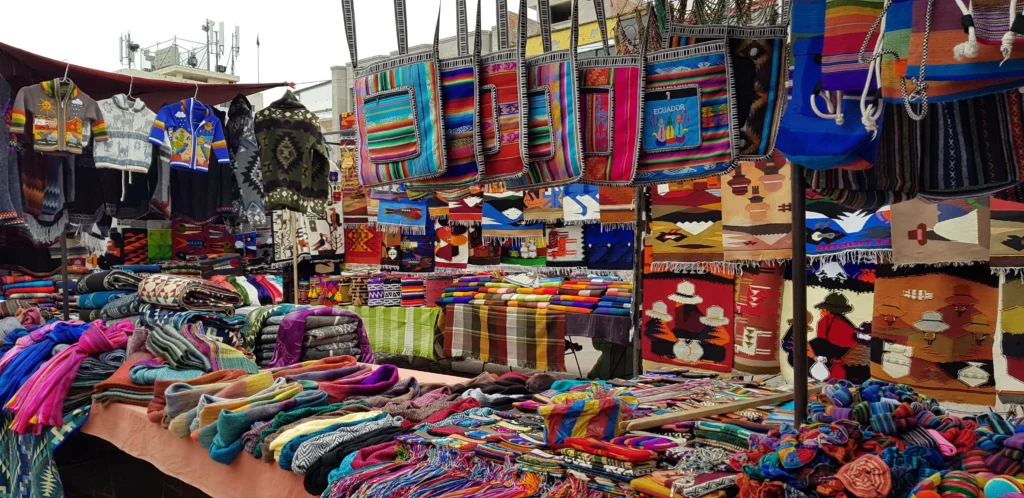
Upon reaching Otavalo, you are guided through the world-famous Plaza de los Ponchos market. Rather than leaving you lost in the maze, your guide explains the centuries-old weaving techniques, backstrap loom traditions, and symbolic patterns that distinguish authentic alpaca textiles from modern acrylic reproductions. The journey continues to Cotacachi, renowned for its master leatherworking shops, before concluding with a peaceful nature walk along the rim of Laguna Cuicocha, a deep crater lake situated at the base of the Cotacachi Volcano.
Key highlights
- Curated exploration of Otavalo’s Plaza de los Ponchos, South America’s largest indigenous market
- Traditional culinary stop in Cayambe to taste authentic regional bizcochos
- Artisan leathercraft demonstration in the picturesque village of Cotacachi
- Panoramic nature hike along the caldera rim of Laguna Cuicocha overlooking two volcanic islets
- Rich historical commentary covering Kichwa ancestral customs and local ecology
Ideal for
Culture lovers, textile collectors, slow shoppers, and foodies looking for a well-rounded immersion into indigenous heritage and Andean craft traditions.
Local insight
When browsing the hand-woven blankets, ponchos, and tapestries at Otavalo, remember that friendly bargaining (el regateo) is expected, but should always remain respectful. The artisans spend days, sometimes weeks, hand-weaving these pieces. Aiming for a fair price that honours their craft directly supports independent rural families and preserves traditional textile art.
The Galápagos.
Ecuador’s Enchanted Isles
Cloud forest waterfalls and avian sanctuaries
Rating & reviews
(152+ verified reviews on GetYourGuide)
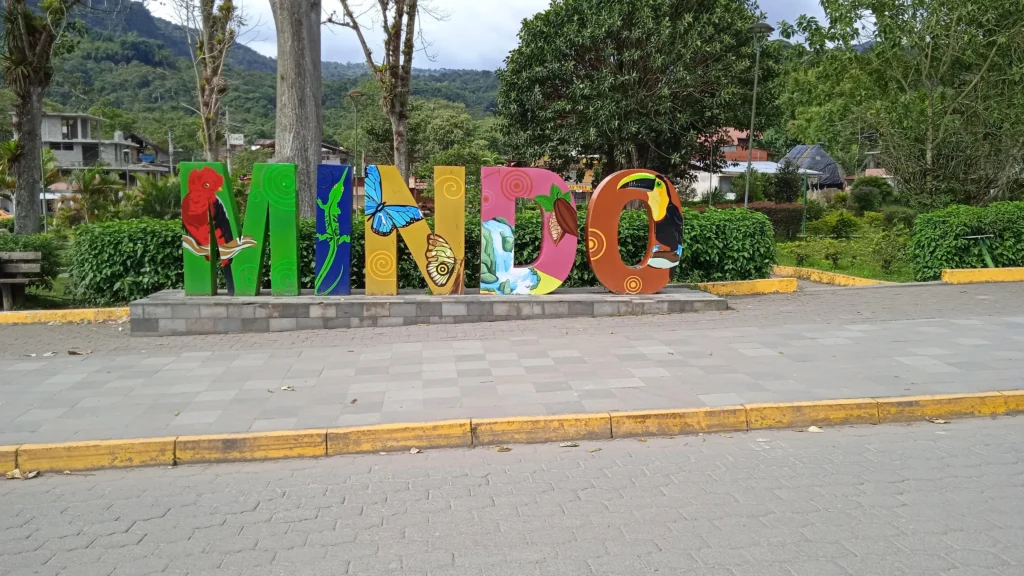
Mindo cloud forest nature escape
- Duration: 8–9 Hours
- Ecosystem: Subtropical Cloud Forest (Chocó-Andean Corridor)
- Inclusions: Tarabita Cable Car, Waterfall Hikes, Hummingbird Haven
- Highlights: Artisan Chocolate-Making & Endemic Birdwatching
Why this specific tour stands out
Crossing the Western Cordillera of the Andes reveals a sudden, dramatic shift in landscape. Within two hours of leaving Quito’s high mountain valley, the chilly, open páramo yields to the dense, misty canopy of the Mindo-Nambillo Ecological Reserve — one of the most biodiverse regions on Earth.
This small-group day excursion drops you right into the subtropical cloud forest. The experience begins with an exhilarating ride across a canyon on a tarabita (an open-air cable car) suspended high above the forest canopy, leading directly into a network of hiking trails that wind toward the Nambillo waterfalls.
As you trek beneath tree ferns and bromeliads, your specialist naturalist guide points out endemic orchids, toucans, and rare butterflies. The tour also includes visits to hummingbird reserves where dozens of hyperactive species hover just inches away, as well as an interactive bean-to-bar chocolate experience highlighting native Ecuadorian Cacao Arriba beans.
Key highlights
- Canopy transport via a traditional open-air tarabita over the cloud forest river canyon
- Guided trek through primary cloud forest to the Nambillo waterfall network
- Up-close observation of dozens of endemic hummingbird species at dedicated feeding reserves
- Interactive artisan chocolate-making demonstration from cocoa pod harvest to final tasting
- Expert birdwatching commentary from certified regional naturalists
Ideal for
Birdwatchers, nature photographers, botanists, and travellers wanting a refreshing, lush green escape from the high-altitude Andean urban centers.
Local insight
Mindo’s warm, humid climate can be deceptive; while it feels warmer than Quito, tropical cloud forest showers can start with very little warning in the early afternoon. Pack a lightweight, breathable, waterproof shell, wear sturdy non-slip trail shoes for muddy river paths, and use eco-friendly insect repellent that will not harm delicate forest amphibians.
Lakes, polylepis forests, and glacial valleys
Rating & reviews
(14+ verified reviews on Viator)
Cajas alpine wilderness trek
- Duration: 7–8 Hours
- Starting Point: Cuenca, Ecuador
- Elevation: 3,100m to 4,160m (Tres Cruces Pass)
- Environment: Glacial Lagoons, Paperbark Forests, Tundra Páramo
Why this specific tour stands out
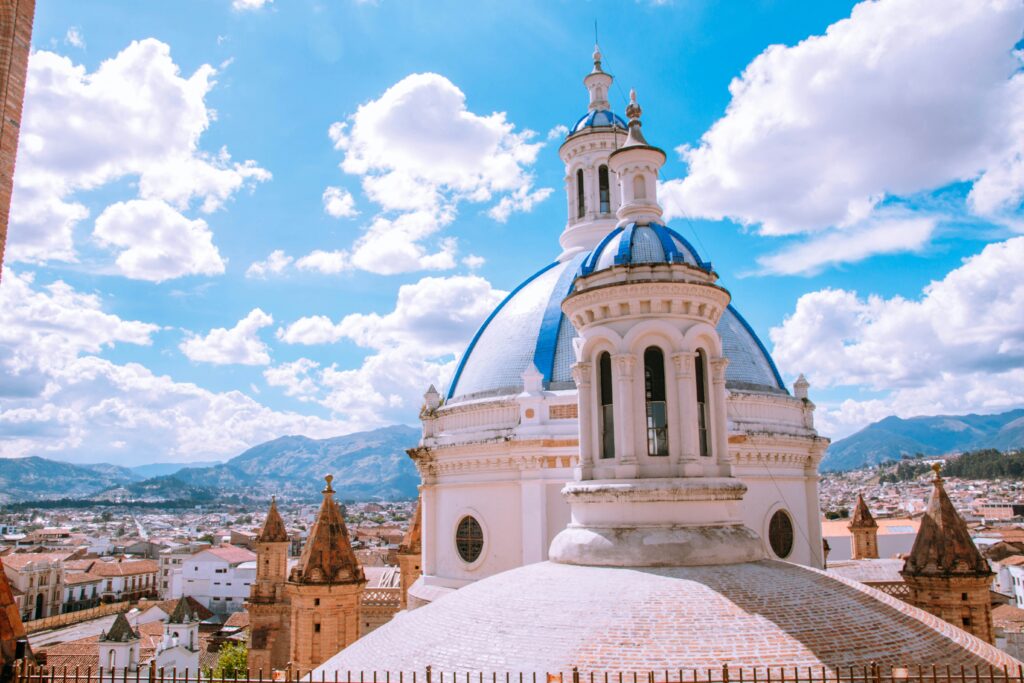
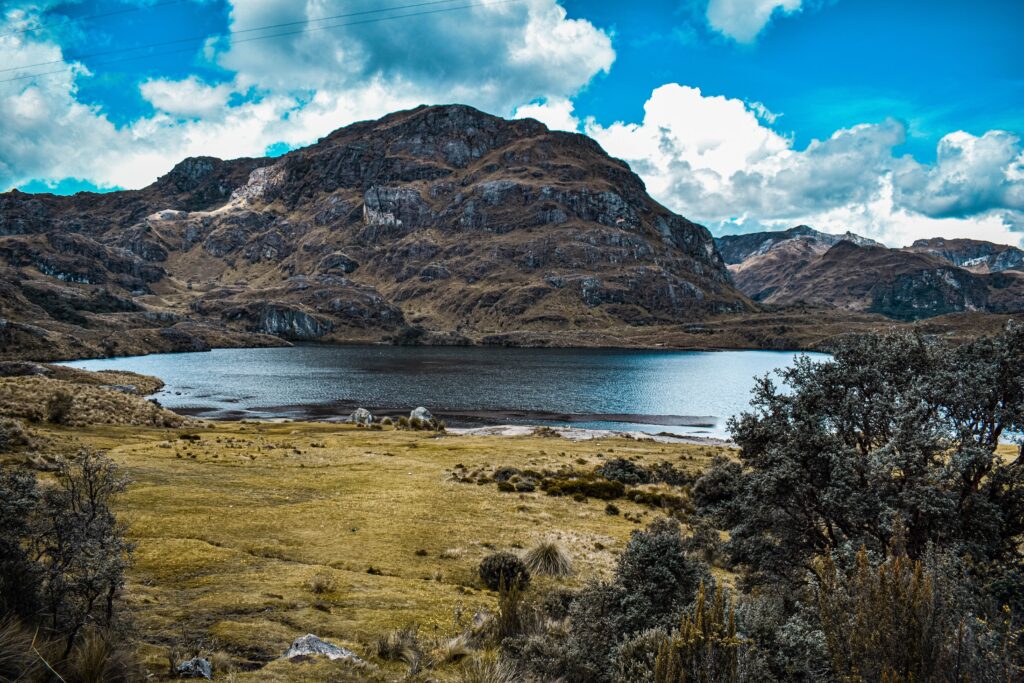
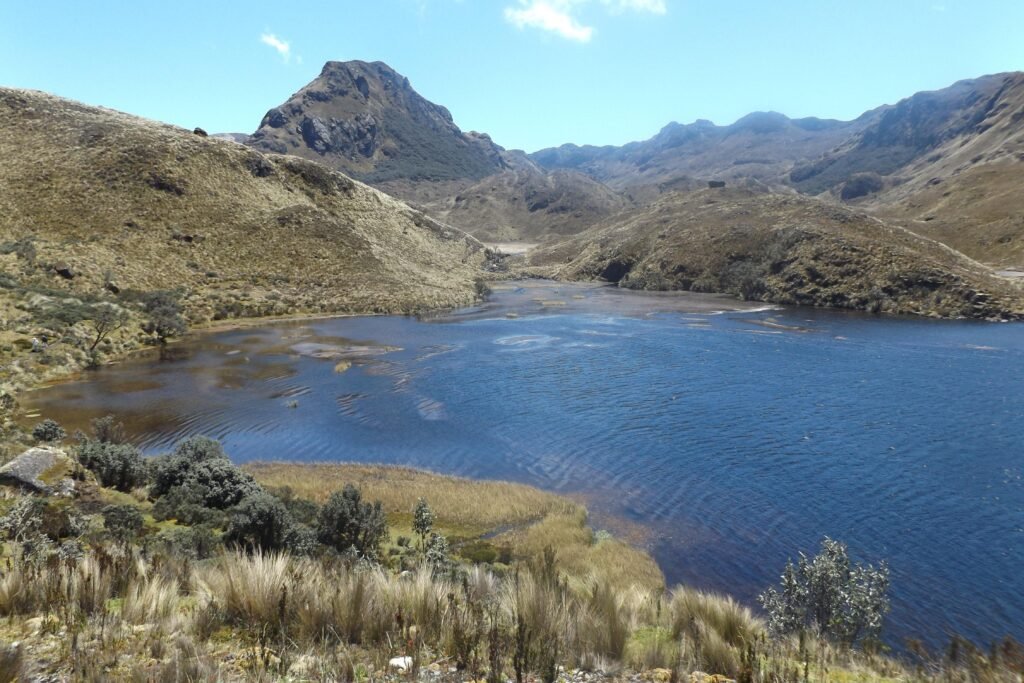
Located just 30 kilometres west of the colonial architectural gem of Cuenca, Cajas National Park feels like an otherworldly alpine tundra. Defined by rugged, jagged peaks, more than 230 glacial lakes, and ancient, paper-barked Polylepis trees, Cajas is a critical wetland sanctuary that supplies Cuenca with its exceptionally pure water.
Navigating Cajas independently can be risky due to rapidly rolling mountain mists and poorly marked wilderness trails. This small-group hiking excursion from Cuenca pairs you with a licensed park guide who adapts the route to your group’s physical fitness.
The day features two distinct hiking loops: an upper-elevation trek through spongy mosses and tundra vegetation around Laguna La Toreadora, and a lower-elevation walk through the twisting, fairytale-like forest of Polylepis trees (known locally as árboles de papel or paper trees). Along the trail, guides share fascinating insights into Andean condors, wild llamas, and medicinal alpine plants used by the ancient Cañari and Inca civilizations.
Key highlights
- Guided high-altitude wilderness trek past glacial lakes, including Laguna La Toreadora
- Atmospheric walk through ancient Polylepis (paperbark) forests
- Panoramic stop at Tres Cruces, the continental divide point where water flows to both the Pacific and Atlantic oceans
- Sighting opportunities for high-altitude wildlife, including Andean condors, hummingbirds, and llamas
- Traditional mountain lunch featuring locally farmed mountain trout or vegetarian alternatives
Ideal for
Trekkers, wilderness lovers, and outdoor purists who appreciate quiet, misty mountain landscapes and unique high-altitude ecosystems.
Local insight
Weather in Cajas is notoriously changeable. Sunshine, chilling wind, and dense mist can all occur within 30 minutes. The spongy, peat-like soil stays wet year-round, so waterproof hiking boots with solid ankle support are essential. Dress in thermal base layers, bring a warm beanie and gloves, and keep a windproof shell easily accessible in your daypack.
The Ecuadorian Amazon.
The most biodiverse place in the world
UNESCO history and high-altitude vistas
Rating & reviews
(100+ verified reviews on GetYourGuide)
Quito capital & equator experience
- Duration: 8–9 Hours
- Key Stops: Teleférico (4,050m), Old Town, El Panecillo, Intiñán
- Transport: Private transport with hotel pick-up & drop-off
- Inclusions: Entry tickets, professional guide, cable car ride
Why this specific tour stands out
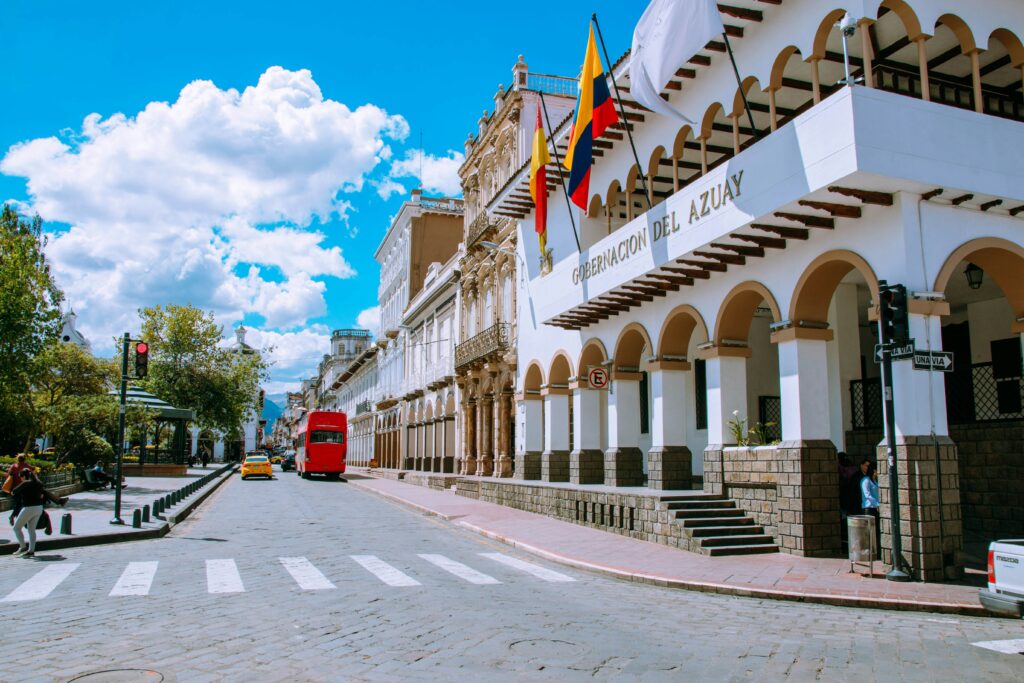
Quito boasts one of the largest, best-preserved colonial historic centres in the Americas, designated as a UNESCO World Heritage site in 1978. However, navigating the sprawling capital, arranging transport up to mountain viewpoints, and travelling out to the equatorial line can be overwhelming to organize on your own in a single day.
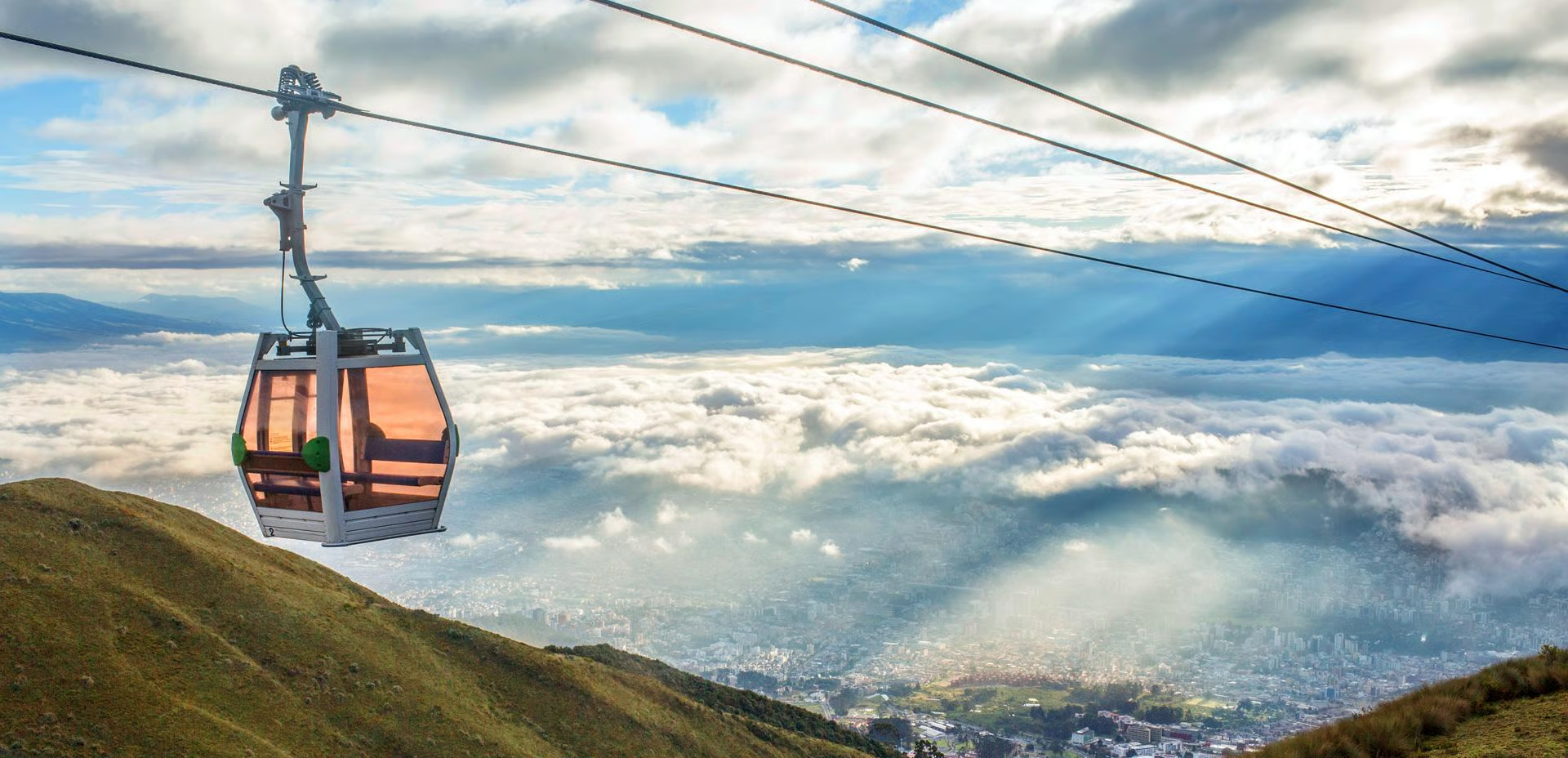
This small-group urban excursion links Quito’s history, mountain geography, and equatorial science together seamlessly. The day starts early with a cable car ride on the Teleférico up the flanks of Pichincha Volcano to 4,050 metres above sea level, offering panoramic views across the city’s volcanic valley.
Next, you descend into the historic centre for a guided walking tour of Plaza Grande, the Church of San Francisco, and the jaw-dropping, gold-leaf interior of La Iglesia de la Compañía de Jesús. After enjoying a traditional lunch and taking in 360-degree views from El Panecillo viewpoint, the tour heads to the Intiñán Solar Museum directly on the equatorial line, where interactive experiments demonstrate unique magnetic and gravitational phenomena.
Key highlights
- Scenic cable car ride on the Teleférico to 4,050m for views of the Avenue of Volcanoes
- Guided walking tour through UNESCO-listed colonial plazas and historic churches
- Visit to La Compañía de Jesús, South America’s most ornate gilded Baroque church
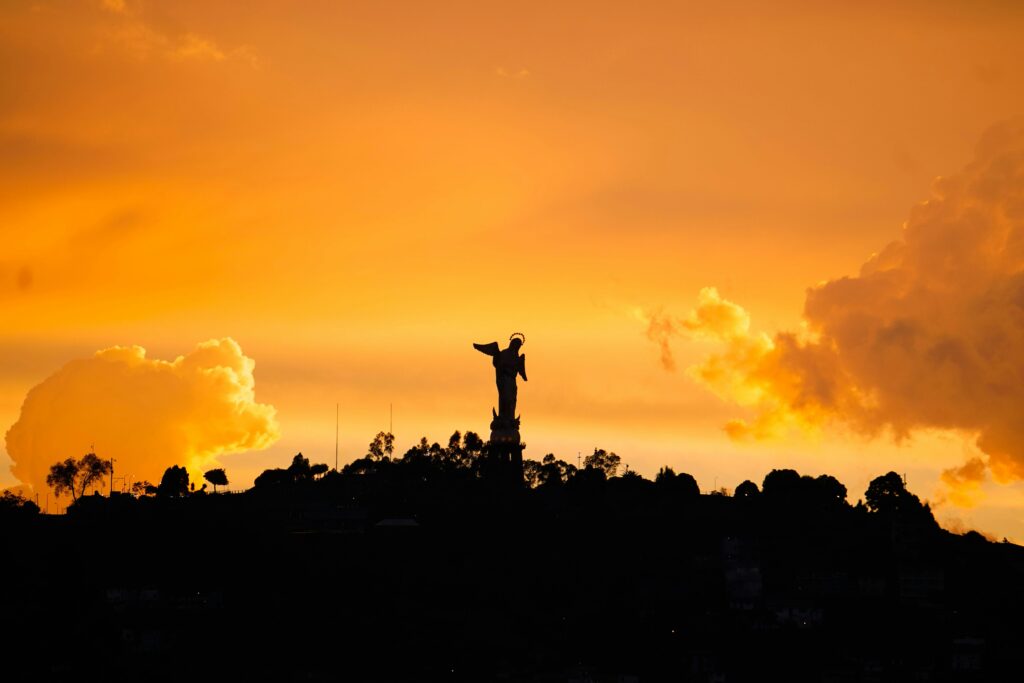
- Viewpoint stop at El Panecillo, standing beneath the winged aluminum Virgin statue
- Interactive equatorial physics demonstrations at the Intiñán Solar Museum on the geodesic equator
Ideal for
First-time visitors to Quito who want a comprehensive, stress-free day covering the capital’s top historic, geographical, and cultural highlights.
Local insight
Because Quito sits at 2,850 metres and the Teleférico takes you up to 4,050 metres, do not schedule this tour for your very first day in Ecuador. Allow 24 to 48 hours to acclimatise to the base elevation first, drink plenty of water, and avoid heavy meals or excessive alcohol on your first night in the capital.
Our Ecuador excursion planning guide
1. Acclimatisation & high-altitude strategy
Altitude sickness (soroche) can affect anyone, regardless of age or physical fitness. Quito sits at 2,850 metres, while day trips to Cotopaxi, Quilotoa, and Cajas frequently exceed 3,900 metres. Build at least one or two rest days into your itinerary upon arriving in the Sierra before undertaking strenuous hikes. Hydrate constantly, consider sipping local coca tea (mate de coca), and keep your physical pace slow and steady on incline trails.
2. The four-seasons-in-one-day dressing rule
Ecuador’s equatorial mountain climate changes rapidly. A morning that begins with scorching equatorial sun can turn into freezing mist, rain, or hail by mid-afternoon. Follow a strict three-layer system:
- Base Layer: Moisture-wicking merino wool or technical synthetic fabric (avoid cotton)
- Mid-Layer: Thermal fleece or lightweight down jacket
- Outer Layer: Windproof and waterproof hard-shell jacket
3. Currency and cash etiquette
Ecuador uses the United States Dollar ($ USD) as its official currency. While hotels and restaurants in Quito and Cuenca accept major credit cards, cash is essential in mountain villages, local markets, and family-run artisan shops. Always carry small denominations ($1, $5, and $10 notes, along with coins). Rural vendors and taxi drivers rarely have change for $20 or $50 notes.
4. Respectful tipping and supporting local communities
Small-group day tours rely on dedicated local drivers and certified naturalists. While tipping is discretionary, it is a key part of supporting local livelihoods in sustainable tourism.
- Tour Guides: $10 – $15 USD per day per person for exceptional service
- Tour Drivers: $5 – $8 USD per day per person
- Artisan Purchases: Buying directly from local weavers, potters, and painters in places like Tigua, Otavalo, and Cotacachi puts money straight into indigenous family businesses
The Ecuadorian Coast.
Where you’ll find the very best food
Embrace Ecuador at your own pace
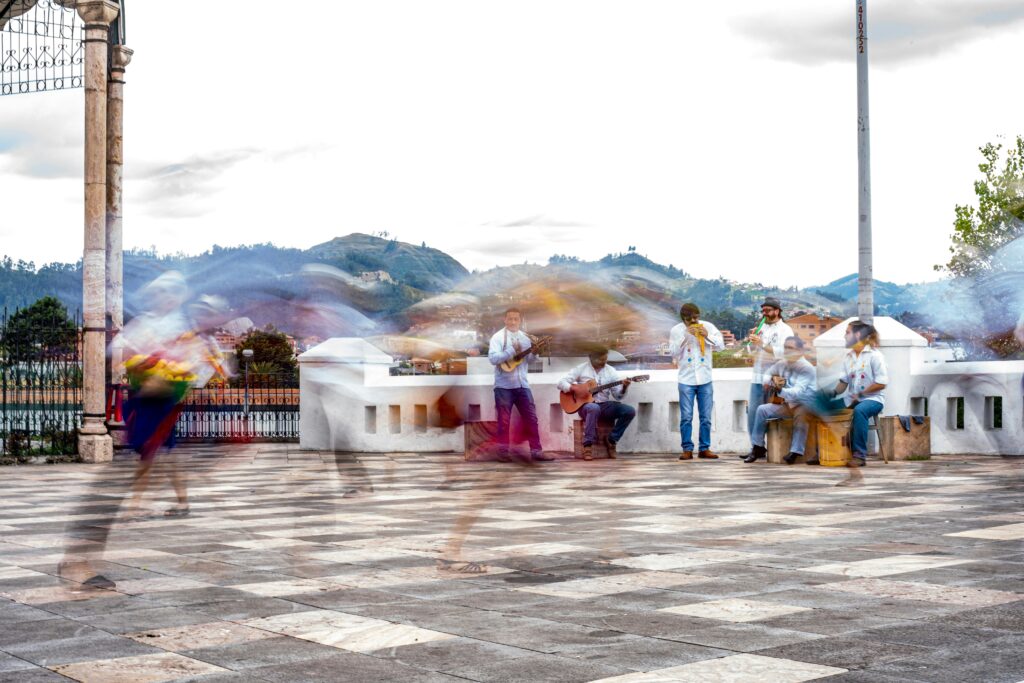
Ecuador rewards travellers who choose to slow down. When you step away from the rigid itineraries of large-scale commercial tour buses, the true character of the northern and southern Sierra reveals itself in subtle, memorable moments. It is found in the warmth of a clay oven in Cayambe as fresh bizcochos are pulled from the embers, the quiet rustle of paperbark trees in the misty glades of Cajas, and the shared smile with a Kichwa weaver explaining the natural dye patterns on a newly finished tapestry.
Small-group, locally guided day excursions serve as an ideal bridge for the independent explorer. They eliminate the complex logistics of navigating remote mountain passes, rugged dirt tracks, and high-altitude trailheads on your own, while ensuring your travel spending flows directly back into the communities you visit. By partnering with native naturalists and regional mountain guides, you gain meaningful context that transforms a standard sightseeing trip into a genuine cultural exchange.
As you plan your journey through this extraordinary country, remember to honor the rhythm of the high Andes. Give your body time to adapt to the altitude, pack for every imaginable weather shift, and approach each trail and market plaza with patience and curiosity.
Ecuador may be one of South America’s smaller nations, but its depth of landscape, ecology, and living heritage is boundless. Lace up your hiking boots, throw your waterproof shell into your daypack, and step out into the high-altitude heart of the Equator—your next great mountain adventure is waiting just beyond the city limits.
Frequently asked questions about the best day tours in Ecuador
Allow at least 24 to 48 hours to acclimatise in Quito (2,850 metres) or Cuenca (2,560 metres) before undertaking strenuous high-altitude day hikes in places like Cotopaxi, Quilotoa, or Cajas. Stay well-hydrated, sip local mate de coca (coca tea) to ease mild symptoms, avoid heavy meals or alcohol upon arrival, and maintain a slow, rhythmic walking pace when climbing steep incline trails.
Cash is absolutely essential once you travel outside major metropolitan centres. While hotels and larger restaurants in Quito and Cuenca accept major credit cards, rural markets, artisanal workshops in Tigua or Otavalo, and mountain pitstops operate strictly in cash. Carry small denominations of US dollars ($1, $5, and $10 notes), as rural vendors rarely have change for $20 or $50 notes.
Equatorial mountain weather is famously unpredictable. A bright, sunny morning can quickly transition into freezing mountain mist or rain by early afternoon. Dress in a flexible three-layer system: a moisture-wicking base layer (merino wool or technical synthetic), a thermal fleece or down mid-layer, and a reliable waterproof, windproof hard-shell jacket. Sturdy, broken-in walking boots with good traction are essential for muddy trails in Mindo and Cajas.
Bizcochos are buttery, slightly salted biscuits baked in traditional wood-fired clay ovens in the highland town of Cayambe. By local custom, they are served warm alongside queso de hoja (a fresh, soft white cheese wrapped in achira leaves) and dipped in sweet manjar blanco (a rich milk caramel spread). They make a delicious and energising mid-morning snack on the way to Otavalo.
Yes, combining long-distance public buses with targeted small-group day tours is one of the most efficient ways to travel independently through Ecuador. The public bus network along the main Pan-American Highway corridor is affordable and frequent for urban travel between Quito, Baños, and Cuenca. However, joining a guided day tour for hard-to-reach rural destinations—such as the Quilotoa crater or Cajas National Park—saves hours of complicated transfers and provides essential safety and trail commentary.
Bargaining (el regateo) is standard practice at Otavalo’s Plaza de los Ponchos, but it should always be conducted with respect, good humor, and fairness. Keep in mind that many hand-woven tapestries, ponchos, and silver crafts represent days or weeks of careful manual labour. Negotiate politely for a fair price, knowing that your purchase directly supports independent Kichwa artisan families and helps preserve traditional crafting techniques.
Ecuador.
Pure wonder on the equator.