Foods to try in Santa Cruz, Galápagos / An independent traveller’s culinary guide
From tidepool delicacies to highland coffee, discover what to eat and where to dine in Puerto Ayora, Galápagos
Rich coastal stews, morning harbour catches, and volcanic craft brews
BEN FINCH
For decades, the Galápagos Islands were viewed purely as a natural science destination where meals were confined to the rigid schedules of cruise ship dining rooms. Independent travellers arriving in Puerto Ayora—the main hub on Santa Cruz Island—quickly discover a very different reality. Here, where dusty volcanic trails meet the clear blue waters of Academy Bay, a distinct culinary identity has quietly taken root.
Dining on Santa Cruz is shaped by isolation, strict conservation laws, and the movement of coastal Ecuadorian families who brought their heirloom recipes across the Pacific. Because agricultural production on the archipelago is restricted to protect fragile native ecosystems, the kitchen relies heavily on two elements: sustainable, line-caught ocean fish and the fertile soil of the Santa Cruz highlands.
For those exploring by foot, bicycle, or water taxi, food here is an essential window into island life. Morning starts with the commotion of fishermen scaling albacore tuna at the waterfront stairs while pelicans watch on. Evenings unravel along open-air streets where charcoal smoke carries the aroma of grilled scorpionfish and garlic butter. Eating well on Santa Cruz is not about white-tablecloth luxury; it is about respecting the seasonal rhythms of the marine reserve and enjoying seafood hours after it leaves the water.
Island harvest / Santa Cruz at a glance
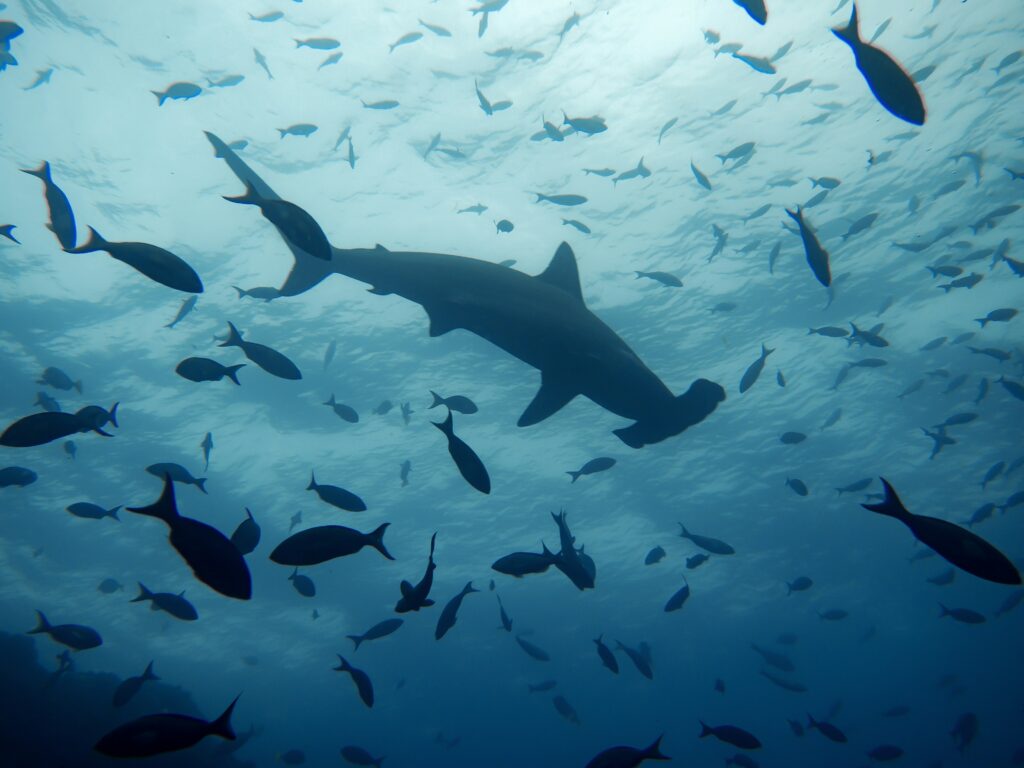
Moving beyond shipboard buffets reveals a distinct culinary identity rooted in volcanic soil and ocean currents.
Here is your quick-reference guide to exploring the flavours, harbour markets, and highland farms of Santa Cruz Island.
- Volcanic Tidepool Delicacies: Taste ceviche de canchalagua, an endemic mollusc harvested by hand from coastal lava rocks and cured in fresh key lime juice
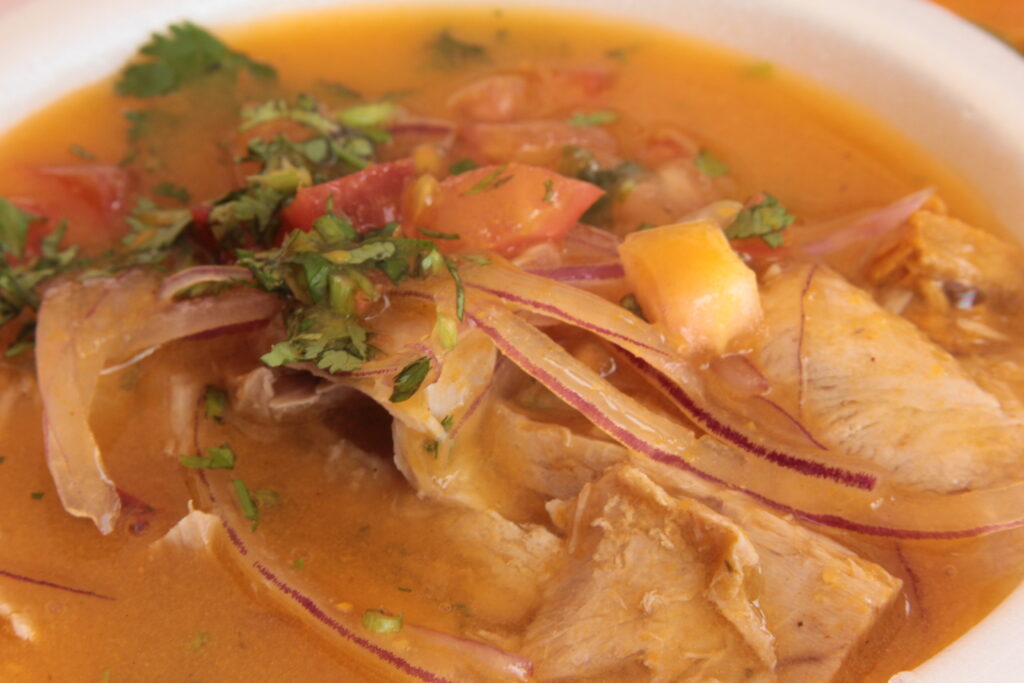
- Coastal Comfort in a Bowl: Fuel morning explorations with encebollado, a rich albacore tuna and yuca cassava stew topped with crisp plantain chips and pickled red onion
- Highland Volcanic Harvest: Sip organic single-origin Arabica coffee grown in the mineral-rich, misty canopy above Bellavista and Santa Rosa
- Sustainable Open-Air Dining: Gather along Calle Charles Binford as dusk falls, where local families grill the day’s catch over open coals on pedestrianised streets
- Eco-Conscious Fine Seafood: Take a short water taxi across Academy Bay to Finch Bay Restaurante for sustainably line-caught fish paired with highland organic vegetables
- Mid-Pacific Craft Brewing: Relax along Avenue Charles Darwin at Golden Prague Pub, enjoying authentic craft lagers brewed on-site using traditional Czech equipment
- Mindful Marine Dining: Respect strict conservation limits, choosing seasonal spiny lobster or line-caught pescado brujo while dining alongside native wildlife
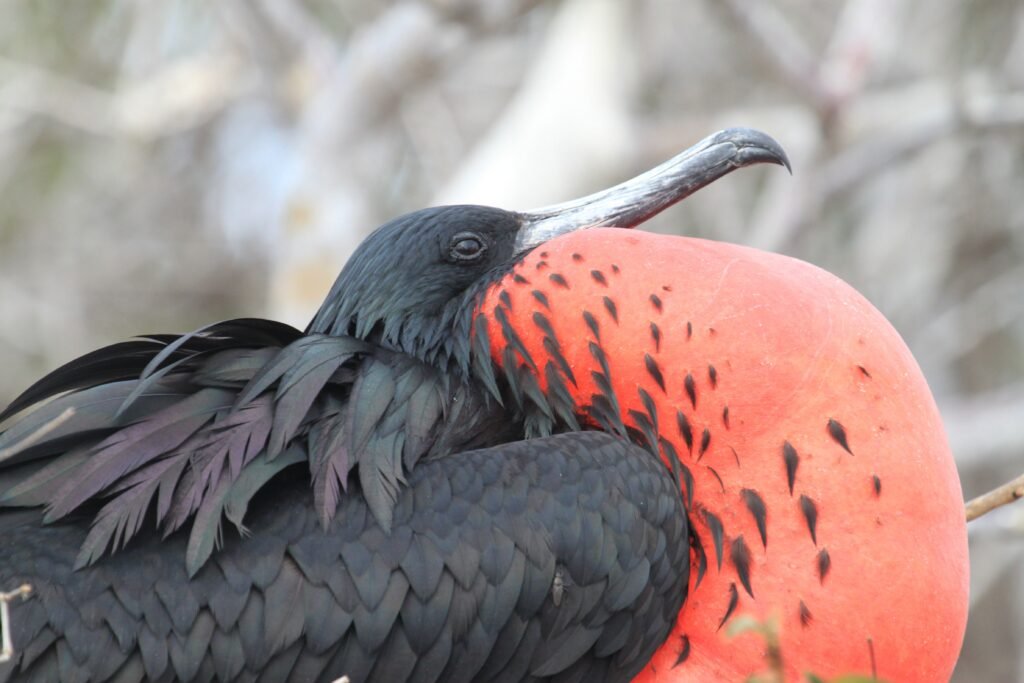
The Galápagos.
Ecuador’s Enchanted Isles
Essential foods to try on Santa Cruz
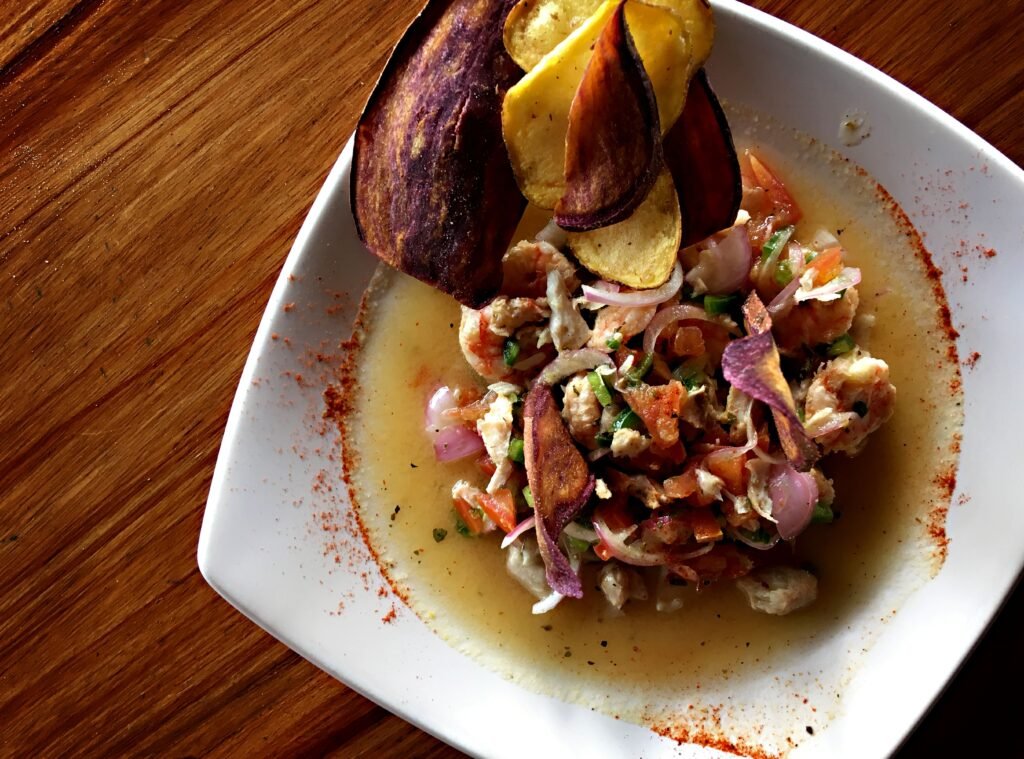
Ceviche de canchalagua
While ceviche is served across the South American Pacific coast, ceviche de canchalagua is unique to the Galápagos. Canchalagua is an endemic mollusc—a species of chiton—harvested manually from the jagged volcanic rocks along the tide pools of the archipelago. Its texture is firm and satisfyingly chewy, similar to octopus, with a clean, briny flavour that tastes directly of the sea.
Prepared raw in freshly squeezed key lime juice, red onion, diced tomatoes, cilantro, and a touch of sweet pepper, it is a dish deeply tied to island heritage. Because harvesting canchalagua requires skilled hands and precise tides, it is a prized delicacy that should never be missed when available.
Encocado de pescado or langostino
Originating from the Afro-Ecuadorian province of Esmeraldas on the mainland, encocado found a natural home on Santa Cruz. Fresh fish fillets or plump slipper lobsters are simmered gently in a fragrant sauce crafted from freshly grated coconut milk, achiote oil, bell peppers, garlic, and wild coriander.
Rich, tropical, and deeply comforting, a true island encocado balances sweet coconut cream with the savoury depth of fresh seafood. It is almost always served alongside garlic-scented rice and patacones—crisp, twice-fried green plantain discs.
Encebollado
Considered by Ecuadorians to be the ultimate national comfort food, encebollado is a hearty, steaming fish soup that serves as the quintessential island breakfast. The broth is built from fresh albacore tuna, yuca cassava, red onions, tomatoes, and a generous blend of cumin and coriander.
Before eating, locals squeeze fresh lime juice over the bowl and scatter crispy plantain chips (chifles) or toasted corn kernels (cancha) on top. It is warming, restorative, and offers the exact energy needed before a long day of walking or cycling across the island.
Pescado brujo / Spotted scorpionfish
Known locally as brujo (wizard fish) due to its striking red colour and unusual camouflaged shape, the spotted scorpionfish is one of the most sought-after catches in the Galápagos Marine Reserve. Beneath its spiky exterior lies sweet, dense, white flesh that holds up beautifully to high heat.
On Santa Cruz, brujo is typically served fried whole with a golden, seasoned crust, or roasted over charcoal with garlic oil and lemon.
Galápagos highland coffee
The volcanic slopes of Santa Cruz, particularly around the high-altitude villages of Santa Rosa and Bellavista, possess a unique microclimate. Constant mist, mineral-rich soil, and shade canopy create ideal conditions for growing high-grade Arabica coffee beans.
Galápagos coffee is cultivated organically without chemical fertilisers. In the cup, it delivers a smooth body, gentle acidity, and complex tasting notes of dark chocolate, toasted nuts, and subtle tropical fruit.
The Ecuadorian Sierra.
Get lost in the hills
Where to eat and drink in Puerto Ayora
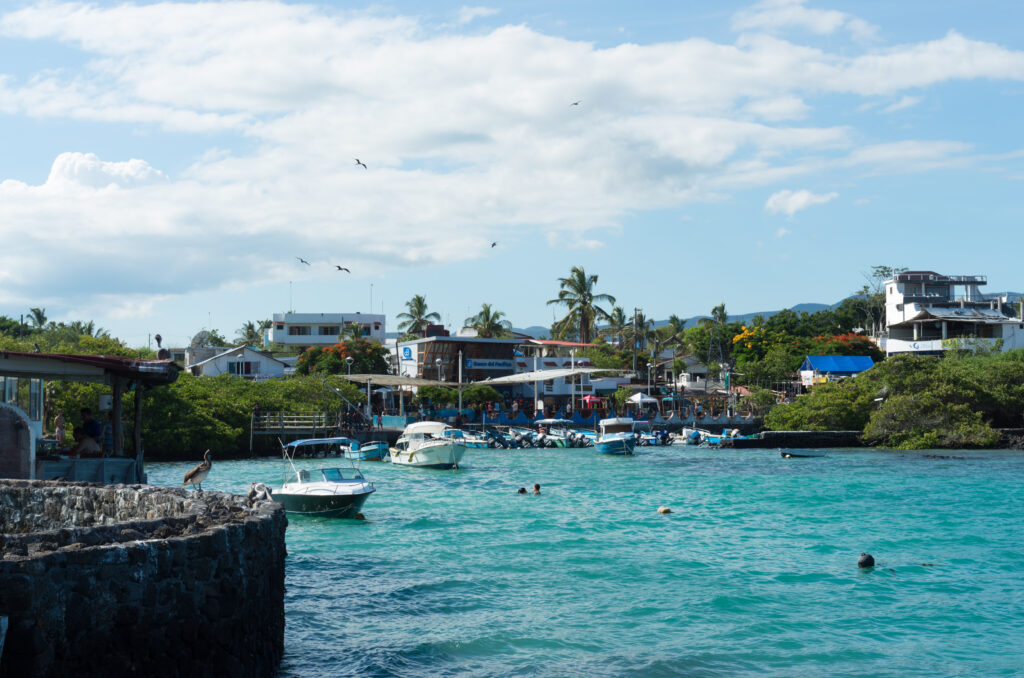
To experience the authentic culinary character of Santa Cruz, seek out independent establishments that respect local ingredients, maintain high standards, and offer a genuine sense of place. The following venues represent the finest dining and drinking spots across Puerto Ayora.
Finch Bay Restaurant
Tucked away across Academy Bay in Barrio Punta Estrada, Finch Bay Restaurant is accessible via a brief, scenic water taxi ride from the main town pier. Situated within an eco-conscious hotel, the kitchen demonstrates how fine dining and island conservation can coexist. The menu emphasises sustainably sourced line-caught fish and organic vegetables harvested directly from the island highlands.
- The Vibe: Refined yet relaxed beachside dining surrounded by native mangroves and ocean waves
- What to Try: The signature ceviche tasting menu or the local catch of the day served over seasonal highland root vegetable purée
- Why It Fits: Exceptional commitment to sustainability, excellent service, and a tranquil setting away from the main harbour strip
Almar Seafood & Grill
Positioned directly on the waterfront along Avenue Charles Darwin, Almar offers front-row views of marine iguanas and sea lions resting on the lava rocks below. The kitchen specialises in coastal South American cooking with a strong focus on seafood and Argentine-style grill techniques.
- The Vibe: Open-air wooden deck over the water, combining marine scenery with attentive service
- What to Try: Grilled pescado brujo with coconut risotto or the mixed seafood platter featuring octopus and wild prawns
- Why It Fits: Outstanding marine views and precise seafood cookery that honours local coastal recipes
IslaGrill
Located along the vibrant main thoroughfare of Avenue Charles Darwin, IslaGrill is a long-standing favourite among independent travellers seeking substantial, flavourful meals. The restaurant uses lava-stone grills to cook fresh ocean catches, meats, and vegetables, sealing in natural juices while imparting a subtle smoky flavour.
- The Vibe: Warm, welcoming, and rustic atmosphere with soft lighting and comfortable outdoor seating
- What to Try: Volcanic stone-grilled tuna steak served with charred plantains and fresh house chimichurri
- Why It Fits: Consistently high quality, generous portions, and a central location perfect for evening dining
1835 Restaurant & Coffee Shop
Situated near the centre of Puerto Ayora, 1835 Coffee Shop is a sanctuary for coffee enthusiasts and travellers looking for a thoughtful start to the day. Named after the year Charles Darwin arrived in the Galápagos, this establishment takes coffee roasting seriously, sourcing beans directly from independent highland farms on Santa Cruz and San Cristóbal.
- The Vibe: Contemporary, relaxed café environment with cool stone interiors and friendly, knowledgeable baristas
- What to Try: A single-origin pour-over coffee paired with sourdough toast topped with local avocado and poached eggs
- Why It Fits: Highlights the agricultural heritage of the island highlands while serving the best speciality coffee in town
La Calle de los Kioscos / Calle Charles Binford
As darkness falls over Puerto Ayora, Charles Binford Street transforms into the beating heart of local food culture. The street is closed to vehicle traffic, and local family-run kiosks set up long communal tables beneath hanging string lights. Fishermen deliver the afternoon catch directly to the stalls, where whole spiny lobsters, octopus, and fish are displayed on ice.
- The Vibe: Energetic, communal, and intensely local street-dining experience
- What to Try: Whole grilled pescado brujo or spiny lobster cooked in garlic butter, served with coconut rice, patacones, and fresh salad
- Why It Fits: Unbeatable atmosphere, transparent pricing, and direct support for local fishing families
Golden Prague Pub
For an evening drink, Golden Prague Pub stands out as a unique island anomaly: a craft microbrewery operating in the middle of the Pacific Ocean. Located on Avenue Charles Darwin, the pub brews its beers on Santa Cruz using traditional Czech equipment, pure local water, and imported hops.
- The Vibe: Laid-back craft pub ambience with open-air street views and industrial-chic décor
- What to Try: A pint of island-brewed Amber Lager or IPA, accompanied by house-made yuca fries
- Why It Fits: The only authentic craft brewery on the island, providing a refreshing local alternative to imported commercial lagers
The Ecuadorian Amazon.
The most biodiverse place in the world
Practical tips for independent diners
- Follow the Lobster Seasons: Spiny lobster in the Galápagos is strictly regulated to prevent overfishing. The open season generally runs from September through January. Outside these months, choose sustainable line-caught finfish like albacore or brujo
- Carry Cash (USD): While established restaurants accept credit cards, smaller local spots and the kiosks on Calle Charles Binford operate strictly on cash
- Respect Marine Wildlife: When dining at waterfront establishments, maintain a respectful distance from sea lions, pelicans, and iguanas that may wander near tables. Never feed local wildlife
Charting your own course in the Galápagos
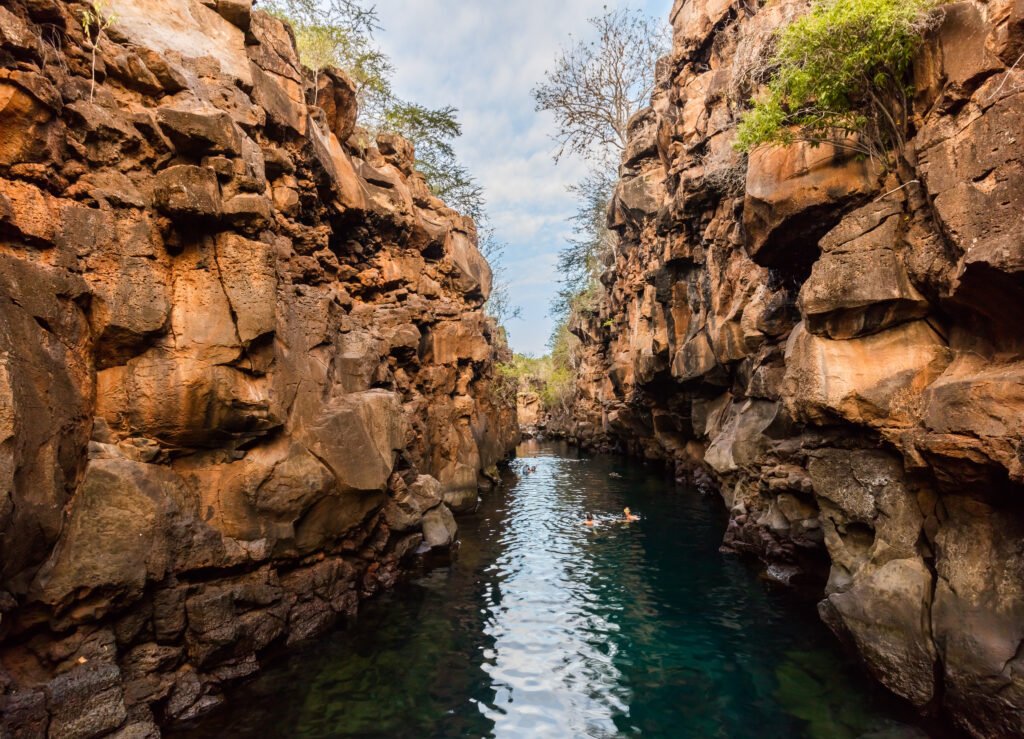
Stepping off the strict itinerary of an organised tour and onto the volcanic shores of Santa Cruz unlocks a side of the archipelago few visitors ever truly experience. When you move at your own pace—whether cycling up into the cool, misty highlands of Bellavista or wandering down to the harbour at sunrise—food becomes far more than mere sustenance. It becomes a direct link to the island’s heritage, its resilient community, and the delicate rhythms of the surrounding marine reserve.
Choosing where and what to eat on Santa Cruz is an opportunity to actively support island conservation and local families. By seeking out line-caught pescado brujo, sipping coffee grown in rich volcanic soil, or sharing a communal bench along Calle Charles Binford, you participate in a sustainable food ecosystem that honours the environment rather than overwhelming it. Every dish tells a story of isolation, adaptation, and local craft.
The true magic of Santa Cruz lies in these unhurried moments: lingering over a bowl of restorative encebollado as the harbour wakes up, or enjoying a cold island-brewed lager while watching the tide roll into Academy Bay. Take your time, savour the flavours of the Pacific, and let the authentic taste of the Galápagos define your journey.
The Ecuadorian Coast.
Where you’ll find the very best food
Frequently asked questions about foods to try in Santa Cruz, Galápagos
Most venues in Puerto Ayora are easily accessible on foot or by bicycle along Avenue Charles Darwin. For destinations across Academy Bay, such as Punta Estrada, inexpensive water taxis run continuously from the main harbour pier. Exploring the highland coffee farms near Santa Rosa requires a short ride by local bus, bicycle, or open-bed pickup truck taxi.
The open season for spiny lobster is strictly regulated by the Galápagos National Park to protect marine stocks, typically running from September through January. Outside these months, harvesting is banned; local line-caught finfish like pescado brujo or albacore tuna are the most sustainable choices.
Established indoor restaurants and hotel dining rooms generally accept major credit cards. However, cash in US dollars is essential for street-food stalls along Calle Charles Binford, small harbour bakeries, water taxis, and local market vendors.
Coffee on Santa Cruz is grown in microclimates created by high-altitude volcanic soil, constant ocean mist, and natural shade canopy. Because chemical fertilisers are banned across the archipelago to protect native wildlife, the beans are cultivated organically, resulting in a smooth, low-acidity cup with notes of dark chocolate and toasted nuts.
Yes, the street market on Charles Binford Street is extremely popular with both residents and independent travellers. Seafood is brought directly from the harbour catches each afternoon, kept on fresh ice, and cooked to order over high-heat charcoal grills right in front of you.
Marine iguanas, pelicans, and sea lions frequently rest on rocks, benches, and piers near waterfront tables. Maintaining a respectful distance is essential, and feeding wildlife is strictly prohibited under park rules to preserve their natural foraging habits.
Ecuador.
Pure wonder on the equator.