Seeking sanctuary in the cloud forest / A guide to staying safe in Mindo
Is Mindo safe? Discover essential travel safety tips, local security insights, and trail advice for navigating this tranquil Ecuadorian escape
On the mist-shrouded paths of Ecuador’s biodiversity hotspot
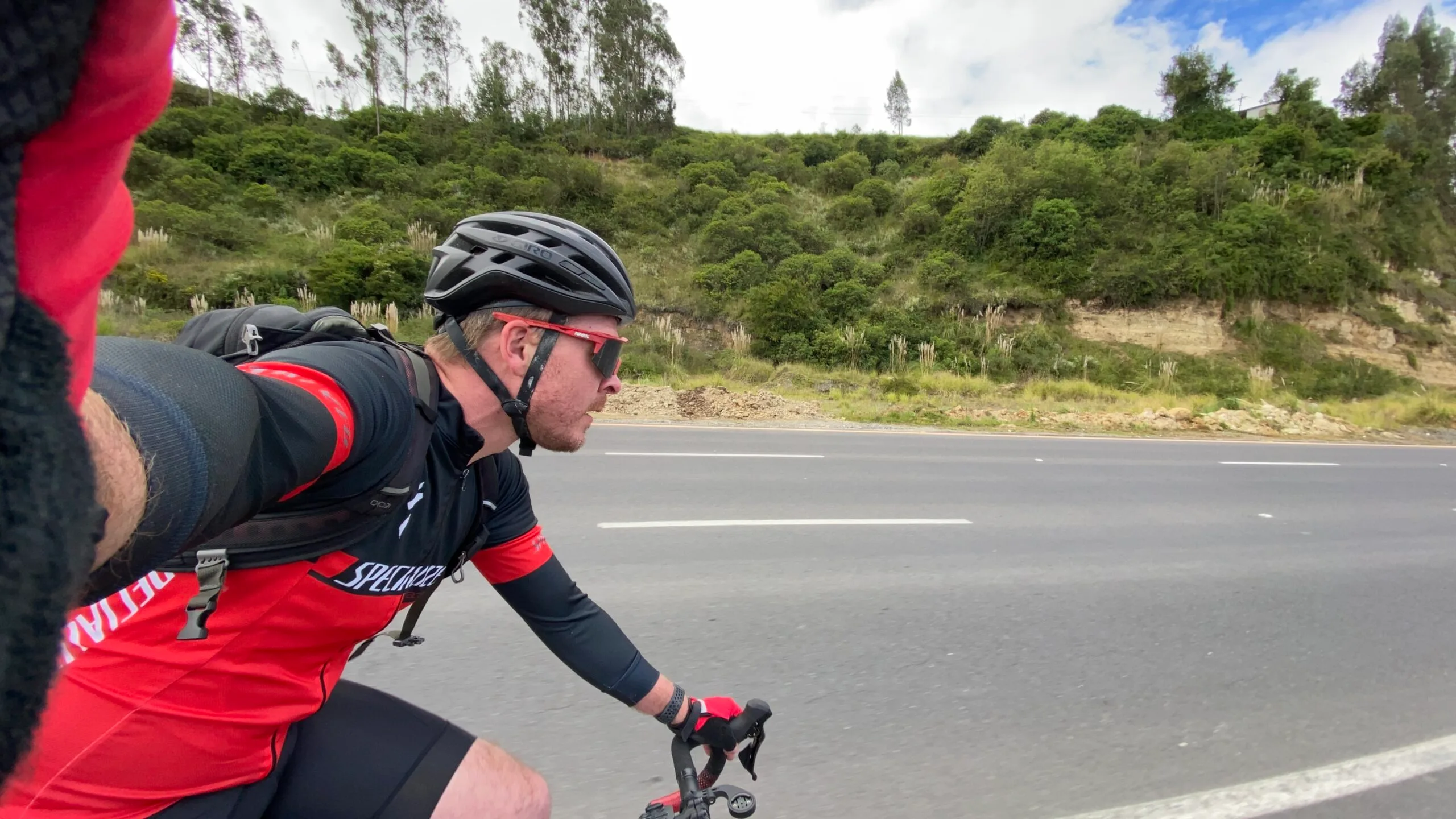
BEN FINCH
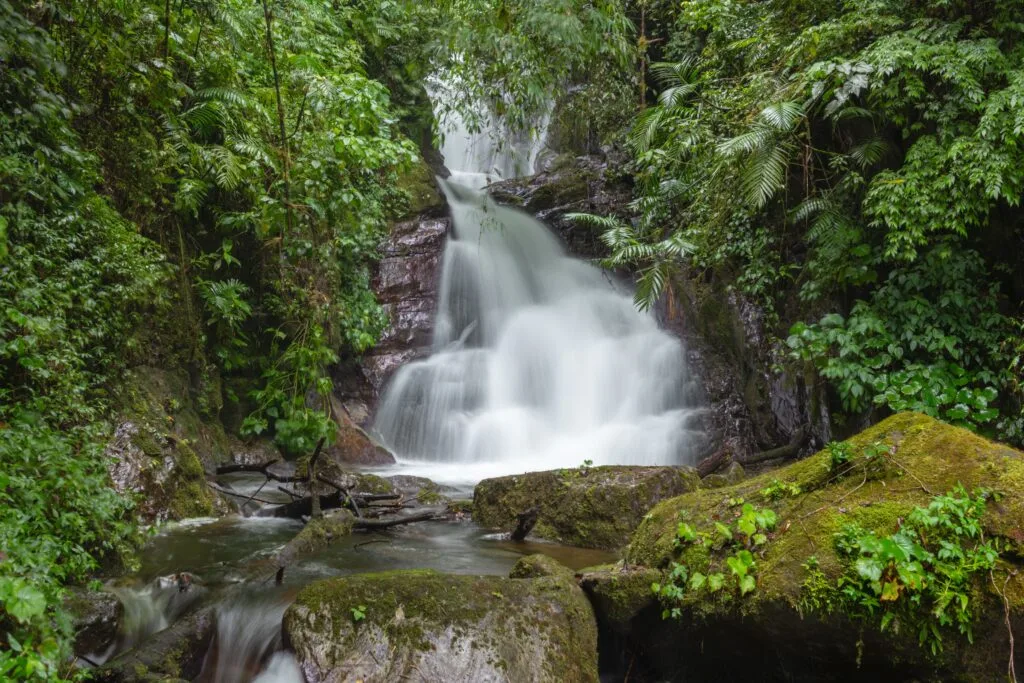
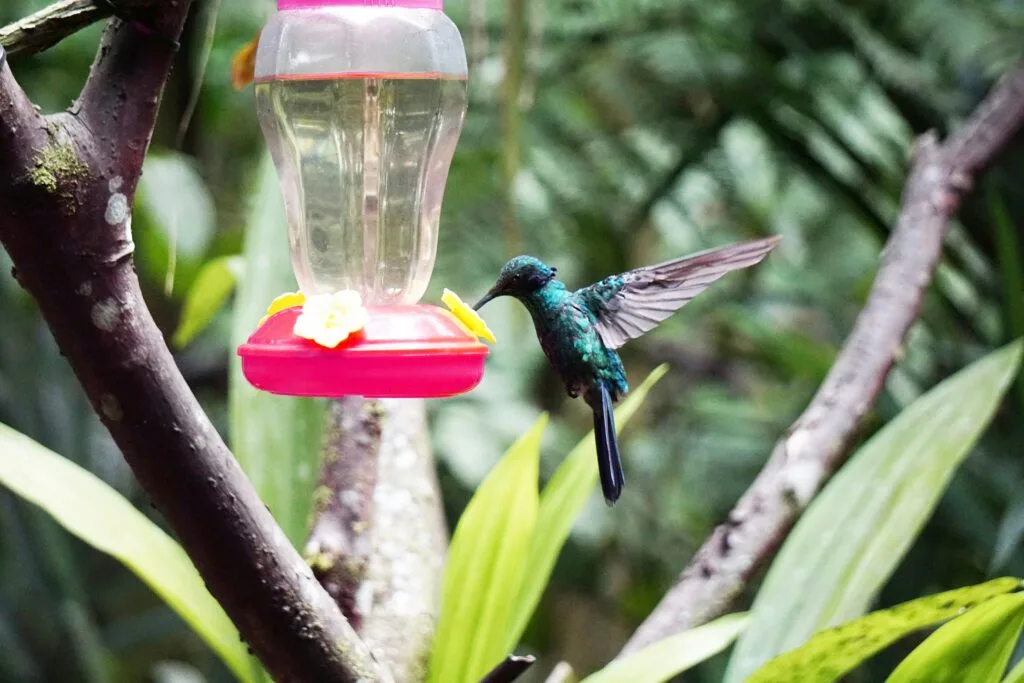
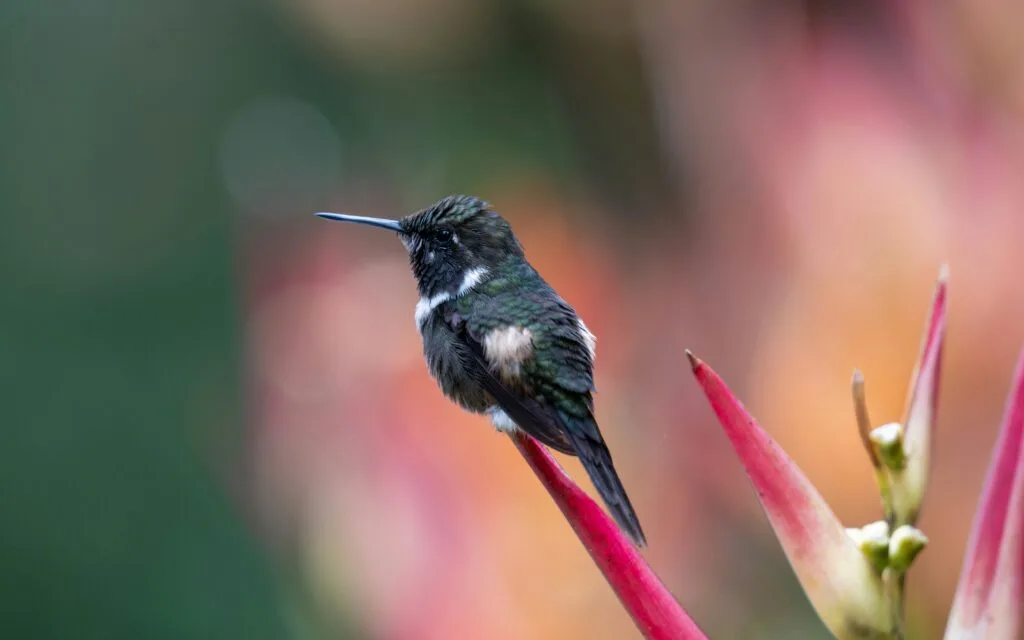
Mindo, nestled in the lush Pichincha province of Ecuador, is a world apart from the frantic pace of the capital, Quito. Situated at an elevation of 1,250 metres, this cloud forest sanctuary sits in a unique ecological microclimate where the Andes meet the Chocó lowlands. It is a place of absolute sensory abundance, where the air hums with the wings of hundreds of hummingbird species, waterfalls cascade through emerald canopies, and the pace of life slows to an easy, meditative drift.
For the independent traveller, Mindo represents the very best of slow travel. However, visiting any destination in South America today requires a nuanced understanding of safety.
While Ecuador has dominated international headlines due to shifting security challenges and regional states of emergency, the reality on the ground is highly fragmented. Mindo remains one of the safest enclaves in the entire country. To make the most of your journey, you must understand how to navigate the transition from Quito’s bustling transit hubs to the quiet, unpaved streets of this forest haven.
Here is the Wheely Tyred definitive safety guide to Mindo, ensuring your cloud forest adventure is peaceful, secure, and entirely unforgettable.
Essential takeaways for the Mindo traveller

Transitioning from the high-altitude bustle of Quito to the mist-laden canopy of Mindo requires a shift in tempo. Here is the distilled essence of navigating this tranquil, biodiverse sanctuary safely and sustainably as an independent traveller.
- A secure highland sanctuary: Unlike the complex security situations currently affecting Ecuador’s coastal and border regions, Mindo remains a peaceful, community-led haven where violent crime is virtually non-existent and petty theft is easily managed
- Defensive transit tactics: Keep your daypack firmly on your lap at Quito’s La Ofelia bus terminal to outsmart professional distraction thieves before making the winding, fog-prone descent into the valley
- Night-time navigation: While the town centre is perfectly safe to wander, the dark, unpaved roads leading to outlying eco-lodges are best traversed using the cheap and reliable local green-and-white taxi trucks
- Wilderness respect: The muddy clay trails of the Nambillo Waterfall Sanctuary demand sturdy hiking boots, while sudden cloud forest downpours mean river levels can swell rapidly, making local guides invaluable for remote paths
- Small-change survival: Mindo runs almost entirely on cash, so stocking up on small US dollar bills ($1, $5, and $10) in Quito is essential, as local vendors cannot break large notes and ATMs are notoriously unreliable
- Low-altitude ease: At a comfortable 1,250 metres above sea level, Mindo offers an ideal, temperate climate to acclimatise to the equatorial environment without the threat of altitude sickness, though the strong sun still requires daily protection
- The insect battle: While the elevation keeps tropical diseases like malaria at bay, persistent sandflies (manta blanca) mean lightweight long sleeves and high-quality repellent are non-negotiable for forest walks
Mindo.
The birds and the butterflies
The security landscape / Mindo vs the rest of Ecuador
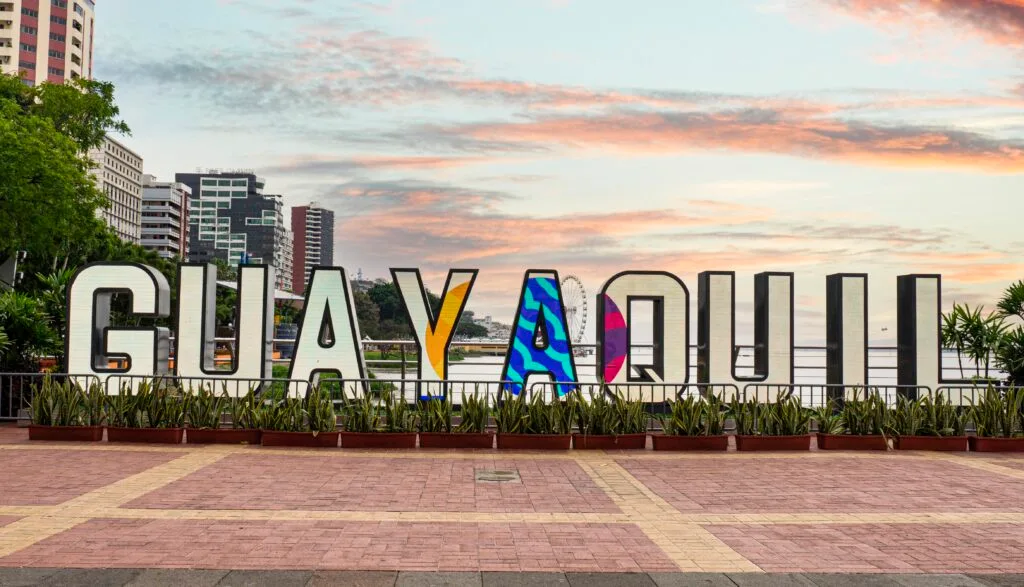
To understand safety in Mindo, one must first look at the broader picture of Ecuador. The country is currently navigating a complex security period, with certain coastal regions and border zones experiencing heightened levels of gang-related activity and targeted crime. Because of this, national travel advisories from foreign offices often suggest exercising a high degree of caution throughout Ecuador.
However, these broad-brush warnings do not paint an accurate picture of the Andean highlands or the cloud forest valleys. Mindo is a tight-knit, community-oriented town that relies almost entirely on ecotourism. The local population is fiercely protective of its reputation as a safe haven, meaning violent crime is virtually non-existent here.
The primary security concern for travellers in Mindo is not organised violence, but rather low-level, opportunistic petty theft. This usually manifests as pickpocketing or unattended bag-snatching in crowded spaces, such as popular restaurants or near the main town square. By keeping your belongings secure, locking your accommodation doors, and maintaining basic situational awareness, you can easily mitigate these risks.
Solo travellers, women, and minorities / What to expect
For solo travellers, and solo female travellers in particular, Mindo is widely regarded as one of the most welcoming destinations in South America. The town is incredibly compact, and the central streets are well-populated and friendly.
Standard travel safety practices still apply, particularly after dark. While the town centre is safe to walk at night, the roads leading to outer eco-lodges are often unlit and surrounded by dense forest. If you are returning to your lodge after dinner, avoid walking along these dark, isolated roads alone. Instead, hail one of the local green-and-white taxi trucks, which are cheap, reliable, and run late into the evening.
When it comes to minority travellers, including people of colour and LGBTQ+ individuals, Mindo is a progressive, open-minded pocket of Ecuador. Because of the constant influx of international conservationists, birdwatchers, and digital nomads, the local community is highly accustomed to diversity. While Ecuador as a whole holds some traditional, conservative values, travellers in Mindo are met with warmth, respect, and hospitality.
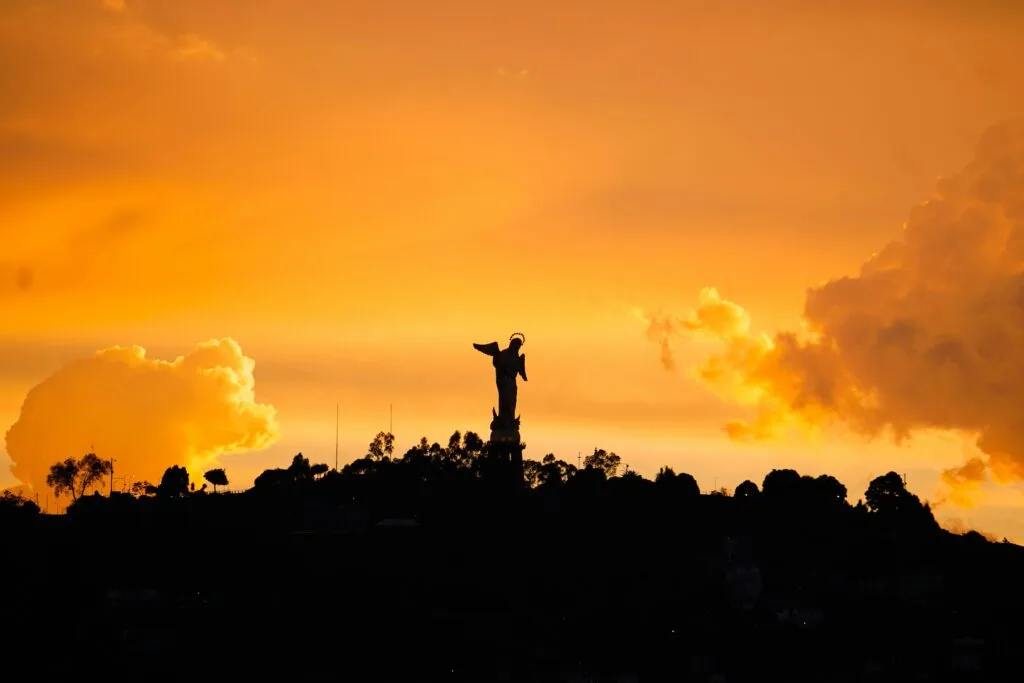
The Ecuadorian Sierra.
Get lost in the hills
Transit and road safety / The journey from Quito
Statistically, the most hazardous part of your journey to Mindo is the physical transit. The road from Quito to Mindo involves navigating the Calacalí-La Independencia highway, a winding mountain road that descends rapidly from the high Andes into the cloud forest.
If you are travelling by bus, you will likely depart from the Terminal Terrestre La Ofelia in northern Quito using the Cooperativa Flor del Valle service. Bus terminals in Quito are notorious hotspots for highly professional distraction theft. Thieves often work in teams; one person might spill something on your jacket or ask for help, while another quietly walks away with your daypack.
When taking the bus, keep your primary valuables—passport, cash, phone, and camera—in a small daypack on your lap. Never place this bag in the overhead compartments or under your seat, even for a moment. Larger luggage stowed in the under-bus compartment is generally secure, but ensure you receive a physical luggage tag from the driver and watch it get loaded.
For those planning to drive themselves, defensive driving is essential. Ecuadorian roads are prone to sudden landslides, especially during the rainy season from November to April. Thick fog, known locally as neblina, can roll in quickly, reducing visibility to a few metres. Avoid driving after dark at all costs; mountain roads lack adequate lighting, and sudden obstacles like potholes, slow-moving agricultural vehicles, or stray dogs are common.
Wilderness and adventure safety / Respecting the cloud forest
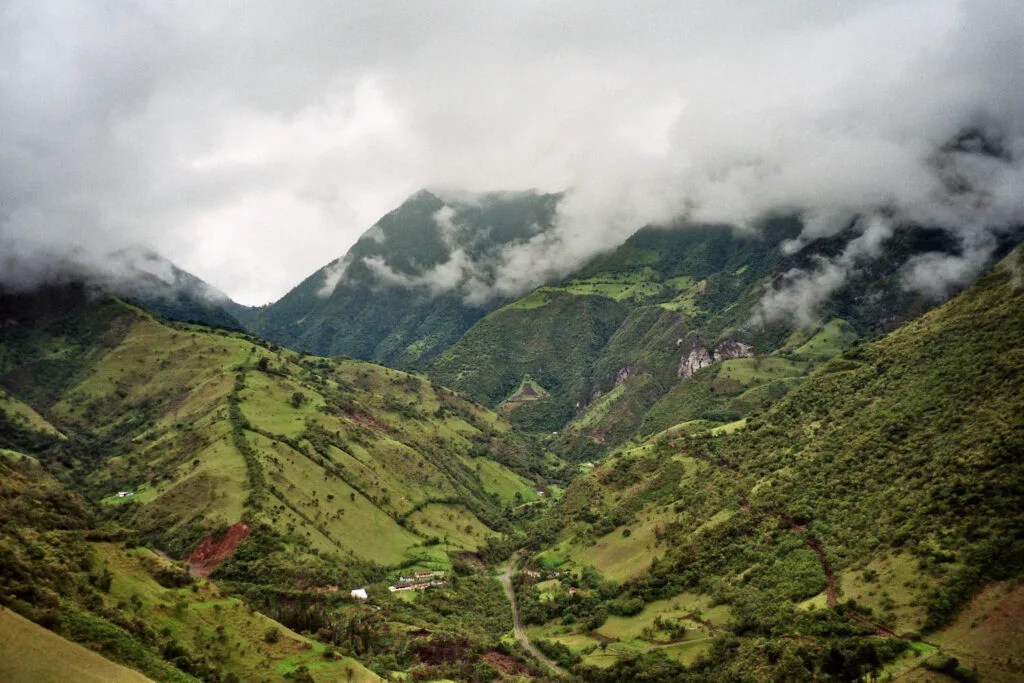
Mindo’s true magic lies in its pristine wilderness, but the cloud forest demands respect. Slippery trails, swelling rivers, and sudden downpours are far more likely to disrupt your trip than any human threat.
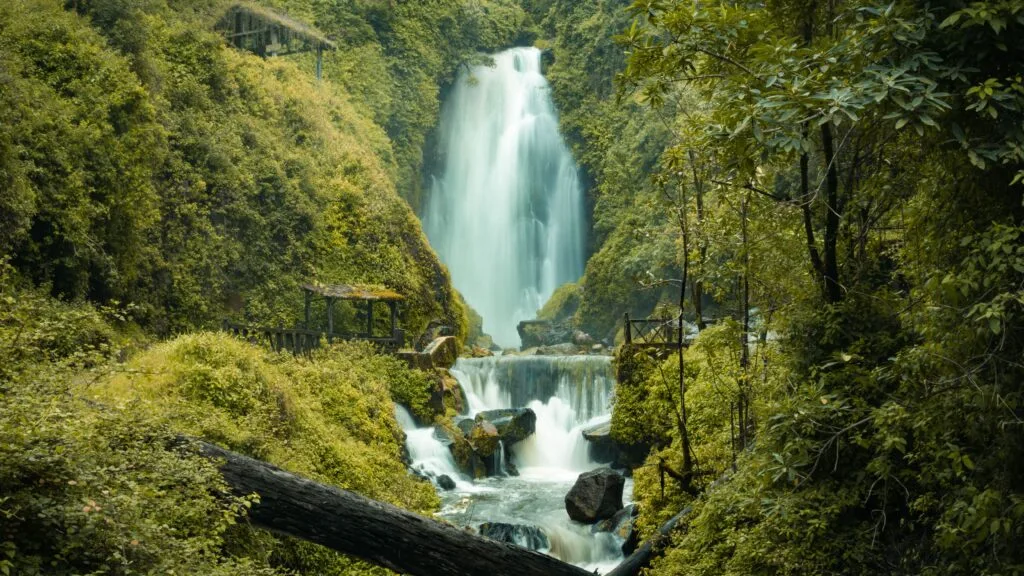
If you are hiking to the famous Nambillo Waterfall Sanctuary or embarking on the water-based adventure of tubing down the Mindo River, always monitor the weather. Heavy rainfall in the mountains can cause rivers to swell rapidly, creating dangerous currents and flash flood conditions. If you plan to hike the more remote forest trails, hiring a local guide is highly recommended. Not only do they possess invaluable knowledge of the local flora and fauna, but they also understand the complex trail networks and can assist in the event of a sudden injury or change in weather.
Before you set off on any trail, make sure your footwear is up to the task. Sturdy, waterproof hiking boots with excellent grip are non-negotiable. The humid environment means clay trails are perpetually slick, and a twisted ankle deep in the reserve can turn an idyllic afternoon into a complicated rescue mission. Always let your lodge staff know where you are going and when you expect to return.
The Galápagos.
Ecuador’s Enchanted Isles
Everyday logistics / Health, cash, and staying connected
Operating smoothly in Mindo requires a few practical safety adjustments:
- Cash is King: Mindo runs on cash. Very few local restaurants, hostels, or activity operators accept credit cards. Furthermore, there are limited ATMs in town, and they occasionally run out of cash or experience power outages. Withdraw sufficient US dollars in Quito before you travel. Crucially, ensure you bring small denominations—$1, $5, $10, and $20 bills. Attempting to pay for a cheap lunch or a cable car ride with a $100 bill is virtually impossible, as local vendors rarely have change
- Water and Food Hygiene: Tap water in Ecuador is not safe to drink. Always drink bottled or purified water. Reputable lodges in Mindo provide large carafes of purified water for guests to refill reusable bottles. When dining out, choose busy restaurants with high turnover to ensure food freshness
- Insect Protection: Mindo is located at an altitude that keeps it free from major tropical diseases like malaria and dengue, meaning you do not need to worry about preventative medication for these specific illnesses. However, the biting sandflies, locally called manta blanca, and mosquitoes can be persistent. Wear lightweight, long-sleeved shirts and trousers in natural tones, and apply a high-quality insect repellent regularly, particularly during dawn and dusk walks
- Altitude and Climate: At 1,250 metres, you do not need to worry about altitude sickness in Mindo, making it an excellent place to adjust if you have just arrived from Quito’s punishing 2,850 metres. However, the equatorial sun is incredibly strong, even through thick cloud cover. Apply broad-spectrum sunscreen daily to prevent severe burns
Our checklist for a safe Mindo adventure
To ensure your trip to the cloud forest is seamless and secure, run through this quick checklist before you depart:
- Secure your documents: Keep a physical colour photocopy of your passport and entry stamp in your daypack, and leave the original document securely locked in your lodge’s safe
- Carry small change: Stock up on low-denomination dollar bills before leaving Quito
- Pack the right gear: Bring a high-quality raincoat, sturdy trail shoes, insect repellent, and a headlamp or flashlight for walking back to your lodge at night
- Download offline maps: Mobile signal can be patchy in the dense forest canopy. Download offline maps of the town and surrounding trails before you arrive
- Watch your bags on the bus: Keep your backpack on your lap and remain alert at Quito’s La Ofelia terminal
Mindo is an extraordinary testament to Ecuador’s natural beauty and conservation efforts. By taking these straightforward, common-sense precautions, you can focus entirely on the magic of the cloud forest, knowing you are travelling safely and responsibly.
The Ecuadorian Amazon.
The most biodiverse place in the world
Finding your pace in the cloud forest
Ultimately, travel is about connection—with a place, its people, and the natural world. Mindo offers this in abundance, wrapped in a protective layer of community warmth that is increasingly rare. While national headlines might make you hesitate before booking a trip to Ecuador, this quiet valley stands as a shining example of how local stewardship and a deep-seated dedication to ecotourism can create a genuinely safe, nurturing environment for outsiders.
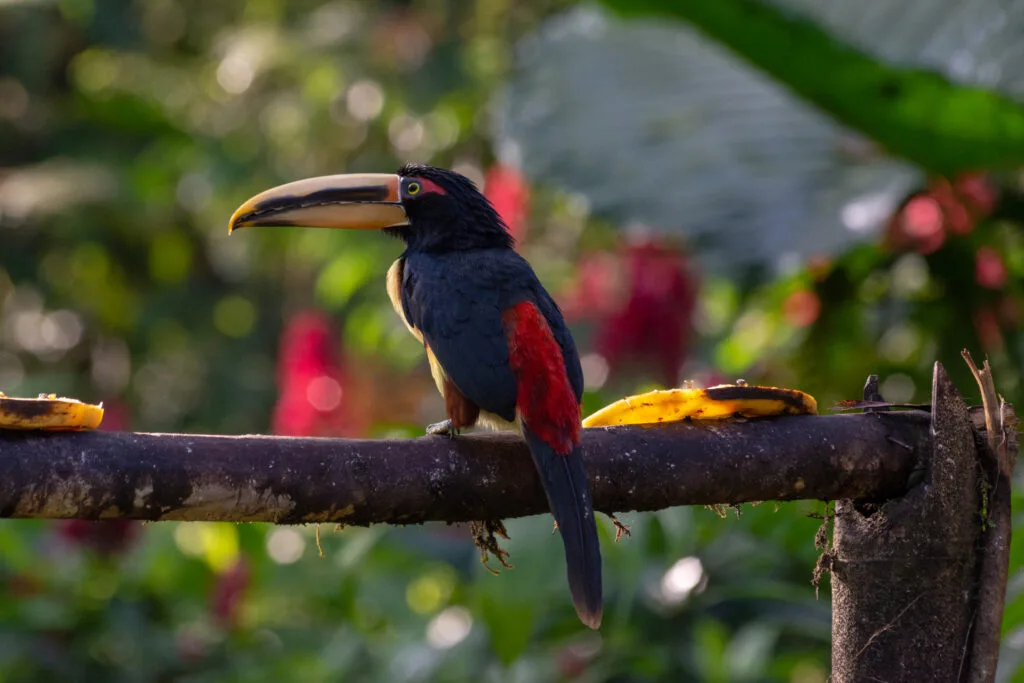
By taking basic, common-sense precautions—protecting your gear during the transit from Quito, respecting the power of the Andean weather, and arriving with a pocket full of small-denomination dollar bills—you remove almost every potential friction point. This allows you to focus entirely on what truly matters: the mist rising off the forest canopy, the sudden flash of a toucan’s wing through the trees, and the quiet satisfaction of exploring one of the most biodiverse corners of the planet at your own speed.
At Wheely Tyred, we believe the best journeys are the ones where you can let your guard down and simply exist in the landscape. Mindo invites you to do exactly that. Pack your waterproofs, prepare your mind for a slower, more deliberate tempo, and step into the cloud forest with absolute confidence.
Affiliate Disclaimer: Some of the links on Wheely Tyred are affiliate links. If you click through and make a booking or purchase, we may earn a small commission at no extra cost to you. We only recommend gear, tours, stays, and services we genuinely use, trust, and stand behind — our editorial independence always comes first. These commissions help keep our independent cycling guides and travel stories free to read. Thanks for supporting the ride!
The Ecuadorian Coast.
Where you’ll find the very best food
Frequently asked questions about staying safe in Mindo
To travel by bus, head to the Terminal Terrestre La Ofelia in northern Quito and take the Cooperativa Flor del Valle service. The journey is highly scenic but requires vigilance at the departure terminal; keep your valuables in a daypack on your lap rather than in the overhead bins, as distraction theft is common in busy transit hubs.
No, tap water is not safe for drinking in Mindo. Always stick to bottled or purified water. Most eco-lodges and guesthouses provide large carafes of filtered water for guests, so pack a reusable bottle to refill and help reduce single-use plastic waste in the cloud forest.
Ecuador uses the US Dollar. Credit cards are rarely accepted in Mindo, and the town’s few ATMs are prone to running out of cash or losing power. Carry plenty of physical cash, specifically small denominations ($1, $5, $10, and $20 bills), as change is hard to come by for larger notes.
Because of Mindo’s elevation (1,250 metres), major tropical diseases such as malaria and dengue are not a significant concern, and preventative medication is generally not required. However, the local biting sandflies (manta blanca) and mosquitoes can cause highly irritating bites, so wearing long sleeves and applying insect repellent is recommended.
The compact town centre is very safe to explore on foot after dark. However, if your accommodation is located on the forested outskirts, the unpaved roads are completely unlit and surrounded by dense foliage. Instead of walking alone, hail one of the green-and-white taxi trucks; they are inexpensive, safe, and run late into the night.
The cloud forest is incredibly humid, making clay paths slick and muddy. Sturdy, deep-grip hiking boots are essential. Additionally, always check the weather forecast before heading to waterfalls or tubing; heavy rains in the Andes can cause sudden, dangerous flash floods in the Mindo River.
Ecuador.
Pure wonder on the equator.