The best places to camp in Puerto López / A slow traveller’s guide to the Manabí coast
Discover the best places to camp in Puerto López for an authentic coastal escape
Slow travel finds its rhythm on the Pacific
BEN FINCH
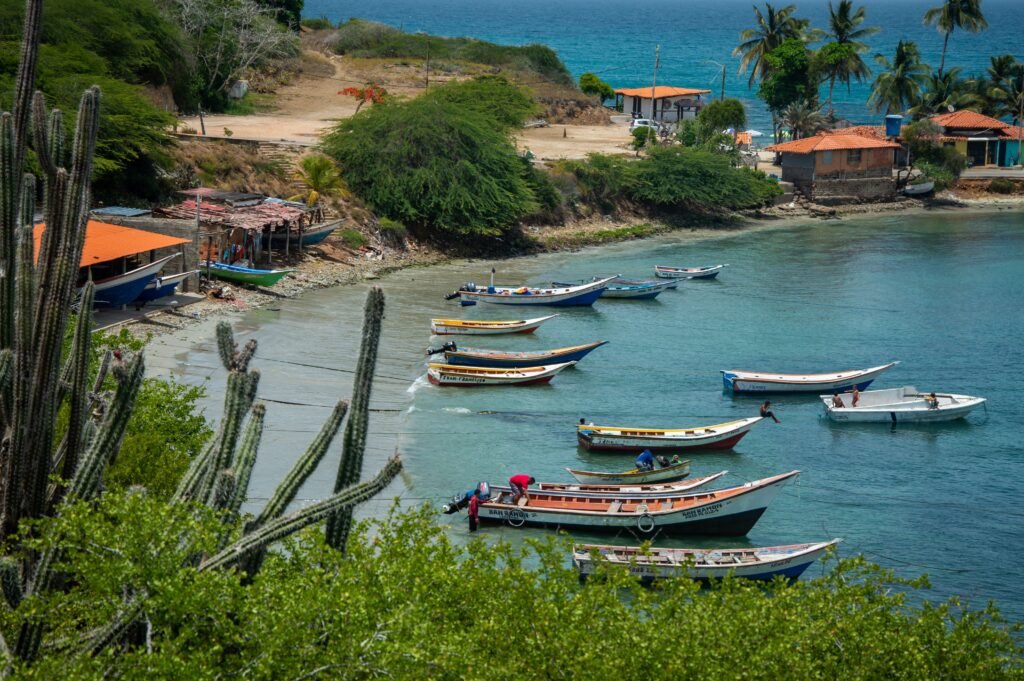
The small coastal town of Puerto López is far more than a launching pad for seasonal whale watching or excursions to Isla de la Plata. For independent travellers moving at their own pace by bus, bicycle, or foot, this slice of the Manabí province represents one of mainland Ecuador’s most ecologically diverse environments. Hemmed in by the protected boundaries of Machalilla National Park, the region presents a rare landscape where tropical dry forests tumble directly onto sweeping Pacific beaches.
While the central beachfront promenade can buzz with music and weekend activity, the true spirit of the coast belongs to those who step back from the resort strip. Camping here offers an immersive connection to the landscape. Thanks to the cold Humboldt current sweeping up from the Antarctic, nights on the coast remain surprisingly cool, fresh, and free from the oppressive humidity found further north. To truly understand this terrain, one must skip the conventional hotels, look past the crowded tour buses, and spend the night under canvas.
Wheely Tyred has mapped out five of the finest, most distinctive campsites within and just outside the city limits of Puerto López.
The whispering dry forests of Puerto López
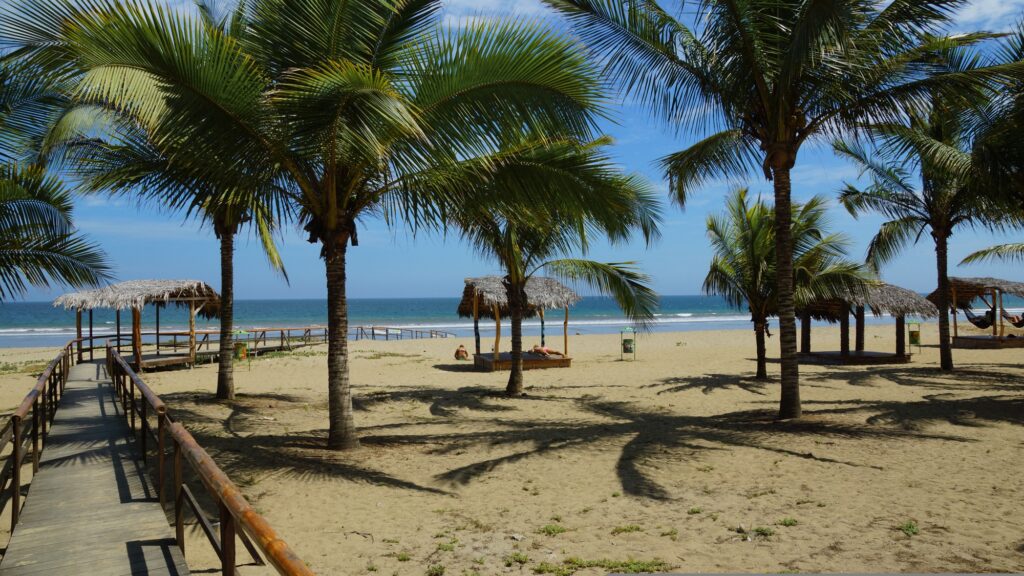
Between the protected wilderness of Machalilla National Park and the sweeping currents of the Pacific, this stretch of the Manabí coast rewards those who move slowly. Here is a curated distillation of the finest independent grounds to pitch a tent, connect with local heritage, and sleep deeply under the coastal stars.
- Nativa Whale Domes: A tranquil beachfront option positioned on the quiet northern curve of the bay, offering structural geodesic comfort and natural sea-breeze cooling well away from central town noise
- PlayaMagma Eco-Camp: A low-impact permaculture collective tucked into the hillsides of Las Tunas, where independent travellers share stories around a central hearth beneath exceptionally dark night skies
- Zutalu Playa Sur: A spacious, grass-covered coastal garden on the southern hook of the bay that balances rustic seaside independence with essential charging hook-ups for navigation gear
- Agua Blanca Ancestral Camp: A community-run inland settlement deep within the national park dry forest, providing a profound connection to Manteño history and perfectly silent nights
- La Canoa Eco-Camping: Rugged, minimalist clifftop terraces north of the town centre that offer panoramic ocean vistas and a constant, refreshing airflow high above the coastal humidity
- The Humboldt Microclimate: A unique ocean current system that keeps coastal evening temperatures surprisingly fresh and cool, creating the ideal environment to sleep well without tropical stickiness
- Community Conservation: A regional focus on protecting vulnerable ecosystems, meaning wild camping on fragile turtle-nesting shores like Los Frailes is restricted in favour of managed local sites
Puerto López.
Home to the humpback whale
1. Nativa Whale Camping Domes / Beachfront tranquillity
Tucked toward the quieter northern edge of the main beachfront curve, Nativa Whale Camping Domes bridges the gap between raw coastal proximity and structural comfort. This site avoids the crowded core of the town promenade, giving guests direct access to the sand without the midnight noise of the central bars.
The site features a thoughtful blend of low-impact geodesic structures and dedicated flat green lawns specifically curated for independent tent campers. For travellers arriving after a long journey on the Ruta del Spondylus, the camp infrastructure is highly accommodating. The communal spaces are crafted from local bamboo and stone, featuring clean, modern flushing toilets and outdoor showers that feel integrated into the gardens rather than an afterthought.
The true highlight here is the spatial design. Tents are positioned to catch the natural sea breeze, providing passive cooling throughout the evening. Secure perimeter fencing ensures complete peace of mind, allowing you to focus entirely on the steady, rhythmic crash of the Pacific tide just metres away. It is an exceptional base for those who want to wake up early, watch the artisanal fishing fleets arrive at the town pier, and explore the coast before the daytime heat sets in.
The Ecuadorian Coast.
Where you’ll find the very best food
2. PlayaMagma Eco-Camp / The permaculture hillsides
Located approximately eight kilometres south of the Puerto López town centre in the quiet hamlet of Las Tunas, PlayaMagma Eco-Camp is an absolute masterclass in slow travel lodging, operating as a low-impact permaculture collective where the jungle meets the ocean.
PlayaMagma provides designated, beautifully levelled camping areas surrounded by native thickets and young fruit trees. The layout is deliberately spread out to offer privacy, ensuring that your tent is hidden from view rather than lined up in a row. The common facilities are spotless and highly functional, boasting outdoor cooking stations with firewood, a communal grill, and a central campfire circle where independent travellers gather to swap route notes at sunset.
Sleeping well here is a guarantee. Positioned slightly elevated in the coastal hills, the camp experiences a constant airflow where cool mountain drafts mix with salty sea breezes. The night sky is entirely free from light pollution, offering an unblemished look at the constellations. For the traveller who wants to understand the local agricultural landscape while remaining a brief walk from an empty, undeveloped beach, PlayaMagma offers total natural disconnection.
The Galápagos.
Ecuador’s Enchanted Isles
3. Zutalu Playa Sur / The nostalgic coastal retreat
Perched on the southern hook of the Puerto López bay, Zutalu Playa Sur captures the nostalgic, community-driven spirit of a classic, old-school camp. This property values wide-open spaces, choosing to preserve a large, grass-covered beachside garden specifically for independent pitches rather than packing the space with concrete structures.
The ambience is rustic, unpretentious, and deeply relaxing. Security is excellent, and the hosts are deeply knowledgeable about the surrounding geography, frequently helping independent travellers navigate the local transport options to nearby archaeological sites. The facilities include high-speed internet access across the grounds, reliable electrical hook-ups for charging navigation gear, and spacious communal kitchens equipped with refrigerators and hobs for self-catering.
By remaining at the southernmost point of the beach, Zutalu stays entirely isolated from the central town noise, yet remains within a comfortable 15-minute walk along the sand if you need to stock up on supplies at the local markets. Falling asleep to the gentle, dampened murmur of the southern surf while insulated by mature coastal palms makes this one of the most reliable rest stops on the Manabí circuit.
4. Agua Blanca Ancestral Camp / Dry forest heritage
For an experience rooted deeply in the history of mainland Ecuador, travellers can head roughly nine kilometres inland from Puerto López into the heart of the Machalilla National Park to stay at the Agua Blanca Ancestral Camp. This is a community-run initiative managed entirely by the local indigenous families of the valley, offering a profound window into the pre-Columbian Manteño culture.
The camping area is situated in a wide, peaceful valley surrounded by giant cacti and dry forest trees. The facilities are robust and maintained with immense pride by the community, featuring clean bathrooms, running water, and access to the famous local sulfur lagoon. After a long day of independent hiking through the archaeological trails, a late-afternoon soak in the mineral-rich waters acts as the ultimate physical reset.
Nights in Agua Blanca are quiet in a way that coastal beach camps can never replicate. The dense forest absorbs all ambient sound, leaving only the rustle of the wind through the dry leaves and the distant calls of nocturnal birds. It is an environment designed for deep, uninterrupted rest, completely removed from contemporary urban distractions.
The Ecuadorian Sierra.
Get lost in the hills
5. La Canoa Eco-Camping / The clifftop sanctuary
Situated along the high bluffs overlooking the ocean just north of Puerto López, La Canoa Eco-Camping caters specifically to self-sufficient travellers looking for dramatic vistas and an absolute minimal footprint. This site sits right on the edge of the national park buffer zone, providing sweeping, panoramic views of the coastal cliffs and the open ocean.
The camp layout is rugged but meticulously maintained. Flat terraces have been carved into the hillside to provide stable, level platforms for tents. The amenities focus on sustainability, utilising dry-composting toilets, solar-powered lighting in the common pathways, and a simple bamboo shelter that serves as a shared kitchen and dining viewpoint.
At La Canoa, the natural elements take centre stage. The elevated position means you sleep completely elevated above the coastal humidity, wrapped in the fresh, steady winds of the Pacific. Watching the sunset sink directly into the ocean from your tent door, followed by a quiet night punctuated only by the distant boom of waves against the cliffs below, makes this sanctuary a standout choice for the true minimalist.
Essential tips for slow camping in Puerto López
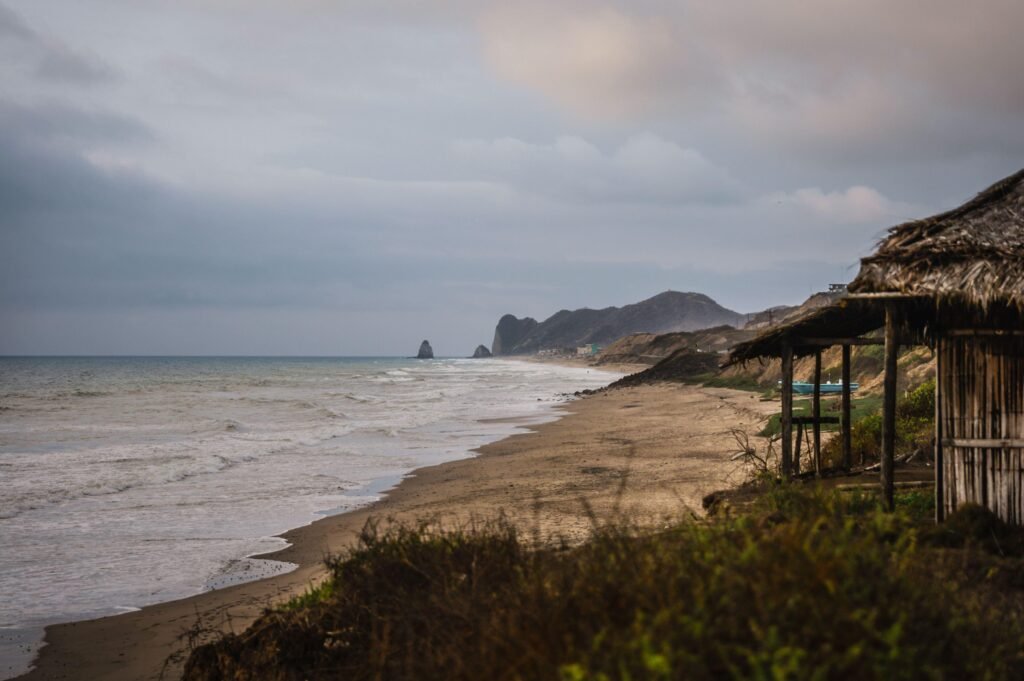
To get the most out of an independent camping trip along this unique coastline, a few practical considerations will ensure you sleep well and travel responsibly:
- Understand the Climate: The coastal weather of Manabí is dictated by the Humboldt Current. From June to September, expect overcast, misty skies known locally as garúa. Temperatures drop comfortably at night, so a lightweight sleeping bag or a quality fleece liner is highly recommended
- Respect the Park Boundaries: Much of the surrounding land is protected terrain within Machalilla National Park. Wild camping is strictly illegal on the public beaches of Los Frailes to protect nesting sea turtles. Always utilise verified community or private campsites
- Pack for the Dry Forest: The insects here are seasonal but persistent, particularly during the brief rainy window from January to April. Ensure your tent has a high-quality insect mesh that zips fully to the floor
By choosing independent campsites like PlayaMagma or Agua Blanca, travellers do more than secure a place to sleep; they bypass the generic tourist bubbles, support local land preservation, and discover the true, unhurried cadence of coastal Ecuador.
The Ecuadorian Amazon.
The most biodiverse place in the world
Frequently asked questions about camping in Puerto López
The entire coastline is highly accessible via local buses operating along the Ruta del Spondylus. Regular regional buses can drop travellers directly at the access tracks for coastal hamlets like Las Tunas or the main gate of Machalilla National Park. From those drop-off points, local mototaxis or a short, scenic walk will bring you straight to the camp gates.
The optimal time depends entirely on your climate and wildlife preferences. From June to September, the cold Humboldt current introduces cooler weather and a light sea mist known locally as garúa. This period is incredibly fresh for sleeping and aligns with the humpback whale migration. The sunnier, warmer months run from January to April, though this window also brings brief, heavy tropical showers.
Yes. To protect endangered sea turtles during their critical nesting cycles, wild camping is strictly illegal on the public beaches of Machalilla National Park, including the famous Los Frailes coves. Campers must use verified, community-sanctioned grounds to ensure their footprint supports habitat preservation rather than disrupting local wildlife.
Because the offshore ocean currents cause temperatures to drop noticeably after dark, a lightweight sleeping bag or a premium fleece liner is highly recommended. Crucially, your tent must feature a high-quality, fully zipping insect mesh to provide absolute protection against seasonal dry-forest insects while still allowing the vital evening breezes to circulate.
The central fish market and town shops in Puerto López are exceptional for sourcing the daily catch, local tropical fruits, and standard dry goods. Because sites like Zutalu and PlayaMagma provide well-equipped communal kitchens or open fire pits, independent travellers only need to carry a day or two of provisions at a time, keeping backpacks and bicycle panniers light.
Ecuador.
Pure wonder on the equator.