Escape the whale-watching crowds / The best places to stay in Puerto López
An independent guide to the best boutique hotels and accommodation in Puerto López, Ecuador
Where coastal authenticity meets deep, uninterrupted rest
BEN FINCH
The sprawling crescent bay of Puerto López is a place that demands a slower tempo. For many, this coastal town in the Manabí Province is treated merely as a launchpad for excursions—the place where you board a boat to spot humpback whales or catch a ferry to the wildlife sanctuaries of Isla de la Plata. But to treat Puerto López as a brief pitstop is to miss its true character. Beneath the maritime bustle lies a functioning fishing port wrapped in the dry forest landscapes of Machalilla National Park, offering an authentic slice of Ecuadorian coastal life that rewards the patient, independent traveller.
To truly understand this region, one must step away from the rigid itineraries of commercial tour operators. Exploring on your own terms means waking early to watch the artisanal fishing fleet return to shore, spending an afternoon tracking blue-footed boobies along the dramatic cliffs of Los Frailes, and returning to a sanctuary that offers genuine peace. For travellers navigating the coast by bus or regional transport, having a reliable, quiet base is essential to absorb the wealth of local knowledge this region holds.
At Wheely Tyred, we believe that the foundation of any meaningful journey is the ability to disconnect and recharge. Choosing the right accommodation is not about collecting luxury badges; it is about finding spaces that reflect the spirit of the locale while ensuring you sleep well. We have bypassed the uninspired concrete blocks and generic operations to bring you five standout independent hotels and one exceptional eco-hostel that embody the charm, culture, and tranquillity of Puerto López.
Sleep to the rhythms of the Manabí coast
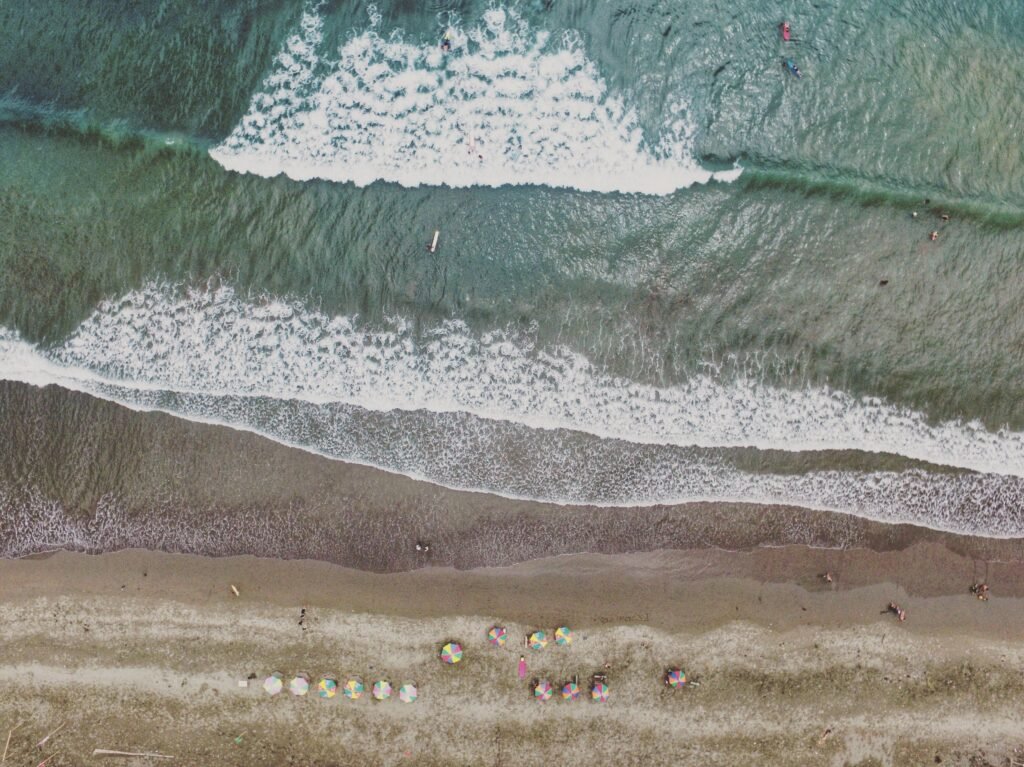
For the independent traveller, Puerto López is far more than a hurried launching pad for offshore excursions. It is a functioning, sensory coastal town where the dry tropical forest meets the Pacific, rewarding those who choose to drop anchor, unpack, and explore at an intentional pace.
- Hostería Mandala: A hand-crafted botanical retreat positioned at the beach’s quiet northern edge, blending artistic wooden architecture with a dense, bird-filled garden sanctuary
- Piedra del Mar: A crisp, minimalist boutique oasis tucked one block back from the boardwalk, offering exceptional soundproofing, high-density mattresses, and a central plunge pool
- Hotel Victor Hugo: Classic oceanfront elegance constructed from local hardwoods and thatch, where screened shutters allow therapeutic sea breezes and the tide to replace artificial cooling
- Mantarraya Lodge: An isolated hillside sanctuary bordering Machalilla National Park, trading coastal humidity and town noise for absolute nighttime darkness and a cooler forest microclimate
- Hostal Itapoa: A low-impact, bamboo eco-hostel nestled in a permaculture garden, designed specifically for conscious, self-contained travellers prioritising quietude and early rest
- Seasonal Shifts: A coastal landscape defined by two distinct periods—the cool, misty whale-watching months from June to September, and the brilliant, sun-drenched beach season from December to April
Puerto López.
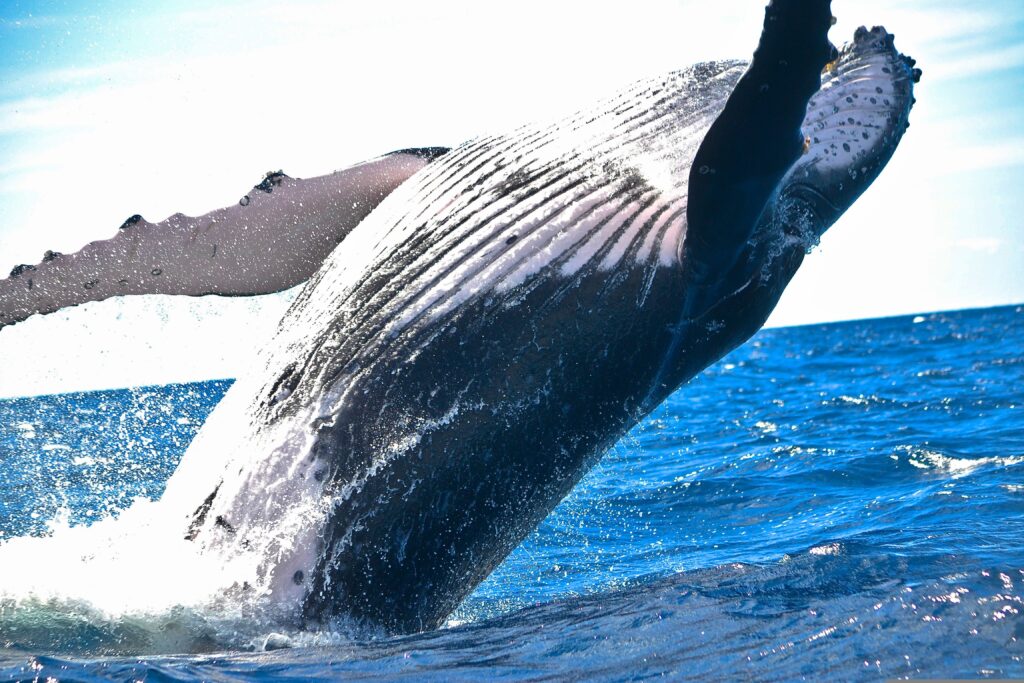
Home to the humpback whale
Hostería Mandala
For travellers who view accommodation as an extension of a destination’s cultural fabric, Hostería Mandala is a masterclass in artistic hospitality. Situated at the quiet, northern edge of the beach, this property is the lifetime work of its Italian-Ecuadorian owners, who have transformed a coastal plot into a vibrant botanical sanctuary.
The architecture is entirely unique, utilising sustainable local woods, brick, and intricate mosaic details that mirror the surrounding marine life. Each cabin is spaced thoughtfully within a dense garden filled with native plants, orchids, and active birdlife, creating a natural acoustic buffer from the main town. Inside, the focus shifts entirely to comfort and craftsmanship. Hand-woven textiles, bespoke wooden furniture, and private terraces equipped with heavy cotton hammocks invite long afternoons of reading and reflection.
The lack of televisions and noisy distractions ensures that the nighttime soundtrack is limited to the gentle rustle of palm fronds and the rhythmic crash of the Pacific surf. The on-site restaurant is highly regarded by food writers, serving an exceptional fusion of Mediterranean techniques and fresh Manabí seafood, making it entirely possible to spend a peaceful evening enjoying the grounds. It is an ideal refuge for those who want to feel entirely immersed in nature while prioritising a restorative night of rest.
The Ecuadorian Coast.
Where you’ll find the very best food
Piedra del Mar Boutique Hotel
If your taste leans toward modern minimalism and crisp, clean lines, Piedra del Mar Boutique Hotel offers a sophisticated oasis in a highly accessible location. Tucked just a block back from the main boardwalk, this contemporary boutique property provides a peaceful shield from the vibrant energy of the seafront.
The design philosophy here centres on light and air. Whitewashed walls, polished concrete, and large glass windows create a bright, breezy atmosphere that feels instantly calming after a hot day exploring the dusty trails of the national park. The central courtyard features a pristine, emerald-green plunge pool surrounded by architectural plants and minimalist lounging areas—a perfect spot for a quiet afternoon decompression.
The guest rooms are impeccably maintained, focusing heavily on premium sleep quality. High-density mattresses, crisp white linens, and exceptionally quiet air-conditioning units ensure optimal climate control for a restful night. Soundproofing is a clear priority here, effectively neutralising the ambient sounds of the town. For the independent traveller navigating the coast via public transport, the central location makes logistics effortless, providing a premium sanctuary to return to each evening.
The Galápagos.
Ecuador’s Enchanted Isles
Hotel Victor Hugo
Positioned directly on the beachfront, Hotel Victor Hugo captures the timeless, rustic elegance of traditional coastal Ecuador. Constructed largely from beautifully finished local hardwoods, bamboo, and thatch, the hotel feels entirely organic to its marine surroundings, echoing the maritime heritage of the village.
The property is arranged to maximise its relationship with the ocean. Upper-level rooms feature private balconies that look straight out across the dark sands of the bay, providing front-row seats to the dramatic coastal sunsets. The interior spaces are warm and inviting, defined by the rich tones of polished timber and local artwork that celebrates the biodiversity of the Machalilla region.
Sleep hygiene here is deeply tied to the ocean breeze. While modern cooling is available, many guests prefer to open the screened shutters, allowing the cool evening sea air and the therapeutic sound of the tide to lull them to sleep. The hotel also houses one of the town’s most celebrated seafood restaurants, which works directly with local fishermen to source the catch of the day. This commitment to local sourcing and traditional hospitality makes it a standout choice for travellers seeking a deep, unmanufactured connection to the Ecuadorian coast.
Mantarraya Lodge
For those who wish to completely step away from the urban grid, Mantarraya Lodge offers an unparalleled retreat. Perched on a scenic hillside just outside the main town, this eco-lodge sits on the boundary of Machalilla National Park, surrounded by the fascinating, twisted silhouettes of the tropical dry forest.
The lodge is designed in the style of a traditional Mediterranean villa adapted to the tropics, featuring terracotta tiles, shaded archways, and wide verandas that offer sweeping panoramic views of both the forest canopy and the distant ocean. Because of its elevated, inland positioning, the microclimate here is noticeably cooler and less humid than the beach, providing immediate physical relief.
The isolation of Mantarraya Lodge is its greatest asset. There is no street traffic, no village noise, and no light pollution. At night, the darkness is absolute, and the silence is broken only by the nocturnal calls of owls and the distant, muted murmur of the sea. The rooms are spacious, airy, and intentionally simple, directing all attention to the natural views outside. For independent travellers who value hiking, birdwatching, and absolute sanctuary, this lodge provides the perfect environment to recharge your body and mind completely.
The Ecuadorian Sierra.
Get lost in the hills
Hostal Itapoa
For independent travellers seeking a community-focused atmosphere without the chaotic, sleep-deprived environment of a typical party hostel, Hostal Itapoa is an exceptional alternative. This eco-hostel is a pioneer of sustainable tourism in Puerto López, built with an absolute commitment to environmentally low-impact living.
Constructed almost entirely from locally harvested bamboo, wood, and thatch, the property resembles an eco-village nestled within a lush permaculture garden. The accommodation options range from budget-friendly shared spaces to private bamboo cabins that sit elevated among the trees. The construction techniques allow for natural ventilation, keeping the spaces remarkably cool without the need for energy-intensive appliances.
The ethos of Itapoa is anchored in quietude and respect for nature. The communal areas are filled with hammocks, book exchanges, and quiet spaces designed for writing or conversation rather than loud socialising. Guests are encouraged to wind down early, ensuring that everyone on the property can enjoy a peaceful, deep sleep. It is a wonderfully grounded space that attracts conscious, independent minds who want to experience the coast authentically and sustainably.
The Ecuadorian Amazon.
The most biodiverse place in the world
Securing your coastal sanctuary
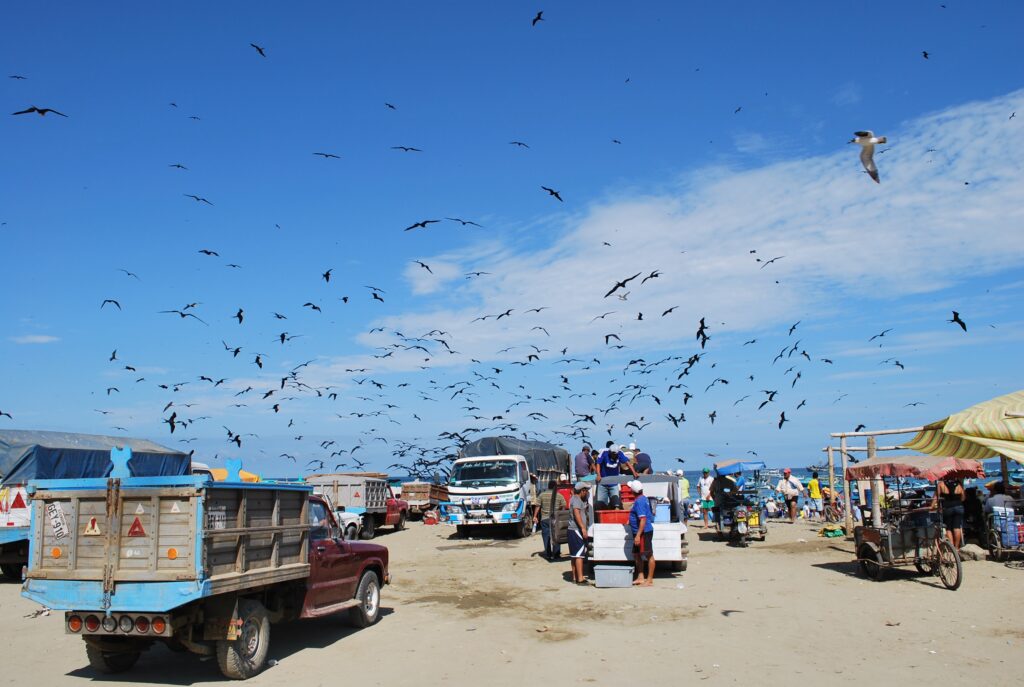
Choosing where to lay your head in Puerto López ultimately shapes how you experience this raw stretch of the Pacific coast. By opting for independent properties that respect both the local environment and your need for quietude, you gain far more than just a place to store your luggage. You secure a peaceful vantage point from which to observe the natural rhythms of Manabí, away from the friction of mass tourism groups and rigid itineraries.
Before finalising your journey along the Ecuadorian coastline, Wheely Tyred recommends considering the seasonal shifts of the region. Whether you are arriving during the cool, misty whale-watching months from June to September or the brilliant, sunny beach season from December to April, these curated properties offer the consistency of excellent hospitality and deep, restorative sleep. Take your time, travel at your own pace, and let the coastal breeze do the rest.
Frequently asked questions about the best places to stay in Puerto López
It is remarkably straightforward for independent travellers. The town itself is highly walkable, and regional buses frequently run along the main coastal highway, making it simple to reach the entrance trails of Machalilla National Park or nearby beaches like Los Frailes without a private vehicle or a structured tour group. Local mototaxis are also readily available for quick, inexpensive trips across town.
Ecuadorian coastal fishing towns are incredibly vibrant, filled with the ambient sounds of open-air markets, maritime activity, and beachfront music. For a traveller relying on their own steam—whether walking, cycling, or using regional transport—uninterrupted sleep is non-negotiable. This guide strictly selects properties that use natural terrain, dense botanical gardens, or modern acoustic design to create a genuine barrier against the town’s nighttime energy.
The local cuisine relies heavily on the daily catch brought in by the town’s artisanal fishing fleet. You will find an abundance of fresh fish, shrimp, and peanut-based Manabí sauces. Several featured accommodations, such as Hotel Victor Hugo, bypass generic tourist menus by working directly with local fishermen or combining fresh local seafood with traditional Mediterranean cooking techniques.
Properties like Hostal Itapoa and Hotel Victor Hugo rely on intelligent, traditional coastal architecture. By utilising sustainable local materials like bamboo, high thatched roofs, and adjustable screened window shutters, they maximise natural cross-ventilation. This allows the cooler evening sea breeze to circulate freely, lowering the indoor temperature naturally and providing a more breathable, restful sleeping environment than standard air conditioning.
Yes. While offshore destinations like Isla de la Plata require a registered boat captain and guide for conservation reasons, mainland areas can easily be experienced independently. You can take a local bus to the park entrance and hike the dry forest trails to the white sands of Los Frailes at your own pace, completely free from the rigid schedule of a commercial tour bus.
If you arrive during the sunny season (December to April), lightweight clothing, high-quality sun protection, and insect repellent are essential for the humid nights. If you are visiting during the cooler weather of the whale-watching season (June to September), the coast can become quite misty and breezy in the evenings; bringing a windbreaker and a light fleece will ensure you stay comfortable during open-air dining and coastal walks.
Ecuador.
Pure wonder on the equator.