Tasting the Southern Andes / A slow traveller’s guide to the culinary heritage of Cuenca, Ecuador
Discover the essential traditional foods to try in Cuenca, Ecuador, from market staples to ancestral delicacies
A journey through slow-cooked heritage and wood-fired clay ovens
BEN FINCH
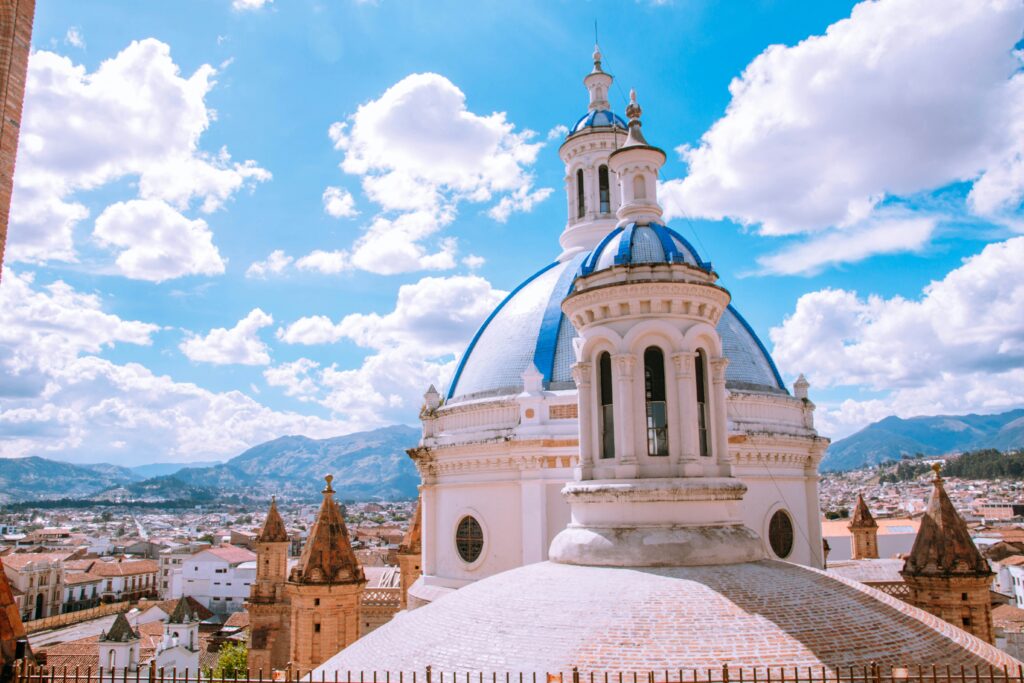
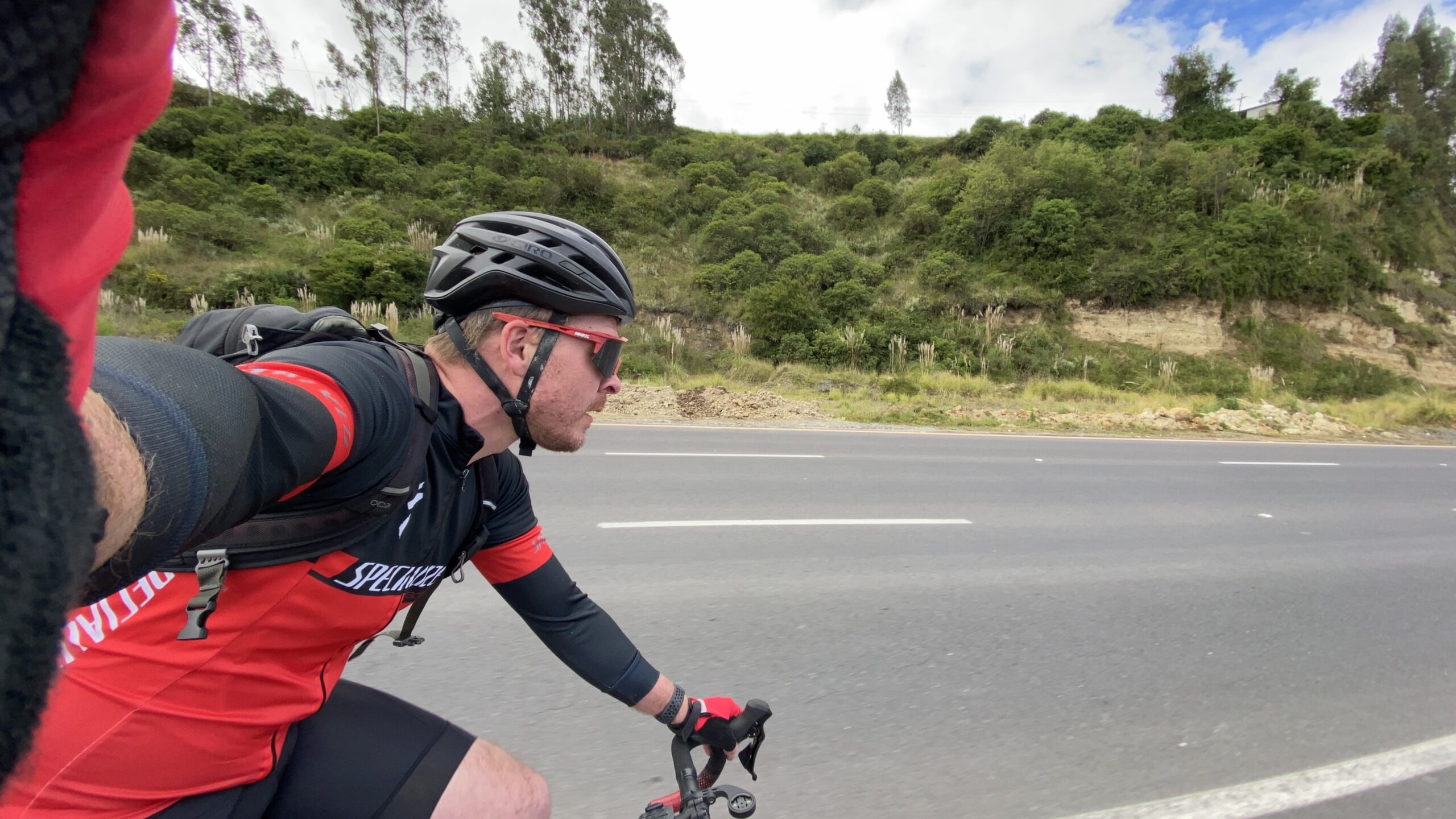
There is a distinct rhythm to arriving in Santa Ana de los Cuatro Ríos de Cuenca. For those who choose the winding mountain roads by bus or navigate the high passes on two wheels, watching the dramatic paramo landscapes gradually soften into a colonial valley, the city reveals itself with quiet elegance.
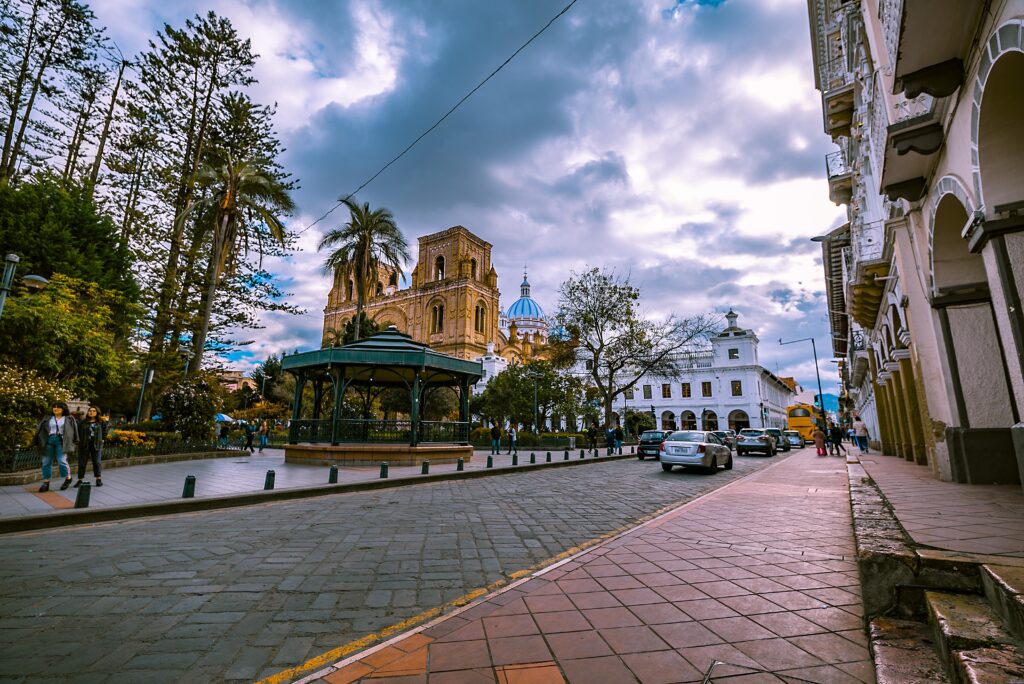
At 2,500 metres above sea level, Cuenca invites a deliberate pace. The finest way to understand this UNESCO World Heritage city is on foot, walking beneath its iconic blue-domed cathedrals, following the cobblestone paths flanking the Tomebamba River, and tracking the scent of woodsmoke, roasting spices, and corn.
In the southern Ecuadorian Andes, food serves as an anchor to history. It is a cuisine shaped by Kañari roots, Inca expansion, and Spanish colonial influences, sustained today by independent farmers, market cooks, and chefs who refuse to let ancient techniques fade.
For the independent traveller, eating here is an act of preservation. We believe that to truly know a place, you must sit at its communal tables, understand its agricultural geography, and value the time it takes to prepare food from scratch.
The slow-cooked soul of the southern valley
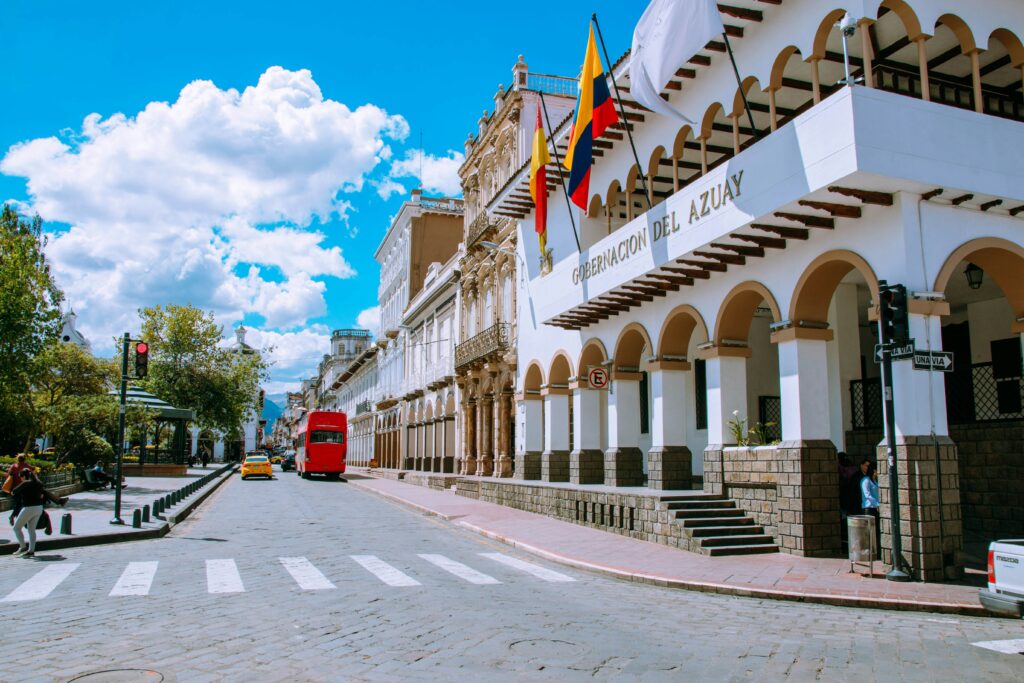
Understanding Cuenca requires stepping away from the tour bus and exploring its cobblestones on foot. These are the essential culinary traditions, market secrets, and independent kitchens that define the city.
- The Supremacy of Mote: Andean hominy corn serves as the starchy baseline for regional cooking, showcased in the creamy scramble of motepillo and the celebratory, squash-seed-thickened broth of mote pata
- Fire-Roasted Mastery: Generational market cooks preserve the art of whole-pig roasting, producing hornado with exceptionally succulent meat and glass-crisp crackling
- Ancestral Ceremonial Delicacies: Prepared with wild herbs and turned meticulously by hand over glowing charcoal, cuy represents a direct, continuous link to pre-Hispanic culinary history
- Velvety High-Altitude Soups: Locro de papas relies on the natural breakdown of starchy native tubers rather than artificial thickeners to create a rich, comforting winter broth
- Living Indigenous Fermentation: Chicha de jora, a tart and sour beverage crafted from sprouted corn fermented in porous clay tinajas, preserves ancient communal traditions
- Independent Dining Havens: Establishments like Tiestos and El Mercado champion regional sourcing, cooking family-style meals in unglazed earthenware to honour local craftsmanship
The Ecuadorian Sierra.
Get lost in the hills
The architecture of Andean comfort / Corn and potatoes
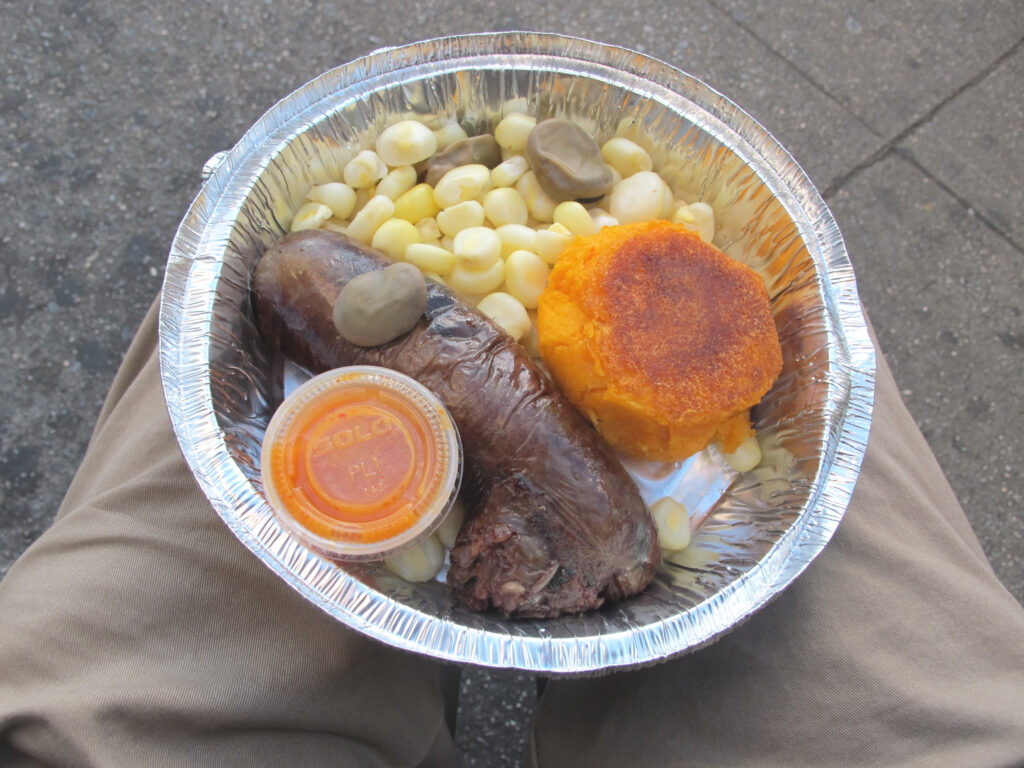
To understand the culinary soul of Cuenca, one must first understand mote—large-kernel Andean hominy corn. These are plump, starchy kernels that have been dried, soaked, and boiled for hours with wood ash or lime, a traditional alkaline processing technique known across the Americas that unlocks nutrients and softens the hull. Mote is the foundation of the Azuay provincial diet, acting as both daily bread and a canvas for regional flavour.
The quintessential Cuencano dish is Motepillo. Born from rural farmhouse kitchens, it is a masterpiece of minimalist comfort food. Large hominy kernels are tossed into a hot pan with a vibrant base of refrito—garlic, green onions, and achiote (annatto oil), which imparts a warm, golden hue and a subtle, earthy depth. Free-range eggs and a splash of milk are stirred into the mixture, creating a rich, creamy scramble that coats the tender, chewy corn. Every bite offers a contrast of textures, a humble yet deeply satisfying dish that sustains long exploration through the city’s undulating streets.
When celebrations arrive, particularly during the vibrant days of Carnaval, the kitchens of Cuenca turn their attention to Mote Pata. This is a dish of abundance and community history. It is a thick, deeply savoury soup prepared by simmering peeled hominy in a rich broth extracted from pork bones and meat. Chunks of tender pork, local sausages, and bacon are slow-cooked within the broth, but the true culinary magic lies in its thickening agent: toasted and finely ground sambo (local squash) seeds. The seeds give the soup an incomparable nutty undertone and a velvety texture, preserving an indigenous culinary technique that predates the arrival of European wheat flour.
Alongside corn, the potato reigns supreme in the high Andes, finding its ultimate expression in Locro de Papas. A classic Andean soup, a proper Cuencano locro relies on the careful selection of native tubers. Starchy varieties like papa chola are chosen because they break down entirely during the boiling process, naturally thickening the broth into a silk-like consistency without the need for flour or heavy cream. Other firmer potato varieties are added later to maintain structure and bite. Seasoned delicately with cumin and achiote, the steaming bowl is served traditionally with a thick slice of fresh, salty local white cheese, buttery avocado, and an extra side of corn. It is the definitive remedy for the crisp, damp afternoons when the mountain clouds roll low over the valley roofs.
The Ecuadorian Amazon.
The most biodiverse place in the world
The masters of fire and spit / Hornado and cuy
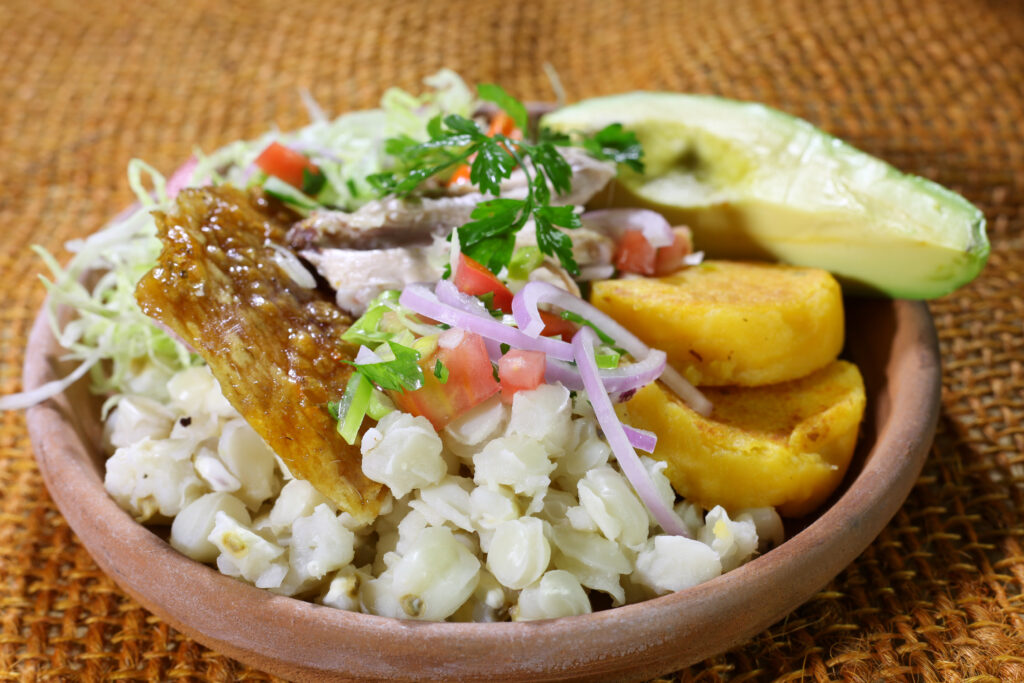
Beyond the grain and the tuber, Cuenca’s culinary heritage is defined by its mastery of slow-roasting, a craft best witnessed in the vibrant municipal markets like Mercado Central and Mercado 10 de Agosto. Here, generational cooks preserve methods that turn local livestock into historic delicacies.
No culinary exploration of Cuenca is complete without experiencing Hornado. The word derives from horno, the wood-fired clay ovens used to roast whole pigs that have been marinated for days in a mixture of garlic, cumin, and chicha de jora. The roasting process is a lesson in patience, lasting up to twelve hours over a gentle, smoky heat. The result is exceptionally tender, succulent meat contrasted against cuero crocante—perfectly blistered, golden crackling that snaps like glass.
In the markets, a portion of hornado is lifted from the frame and served with llapingachos (pan-seared potato cakes stuffed with cheese), extra mote, and agrio, a tart, bright relish made from chicha, vinegar, red onions, and coriander that cuts through the richness of the pork. It is a dish that showcases the communal spirit of the city; the market stalls are lively centres of conversation where recipes are handed down from grandmothers to daughters.
Equally significant, and deeply rooted in the pre-Hispanic history of the Andes, is Cuy (guinea pig). Long before cattle or sheep were introduced to South America, the indigenous Cañari and Inca civilisations relied on cuy as their primary source of delicate, high-protein meat, reserving it for spiritual ceremonies, harvest festivals, and honoured guests. Today, it remains a revered culinary tradition across the Azuay province.
Preparing cuy requires immense skill to achieve the correct texture. The meat is thoroughly rubbed with a paste of garlic, wild mountain herbs, cumin, and achiote, then skewered on a long wooden or metal spit. It is turned slowly and continuously by hand over an open bed of glowing charcoal.
This ancestral method ensures the fat renders out evenly, crisping the skin to a deep mahogany finish while keeping the rich, gamey meat—reminiscent of a cross between rabbit and dark poultry—perfectly moist. Served traditionally with roasted potatoes, a rich peanut sauce (salsa de maní), and fresh lettuce, tasting cuy is a direct encounter with the ancient, celebratory culinary customs of the Andean highlands.
The Galápagos.
Ecuador’s Enchanted Isles
Liquid history / Chicha de Jora
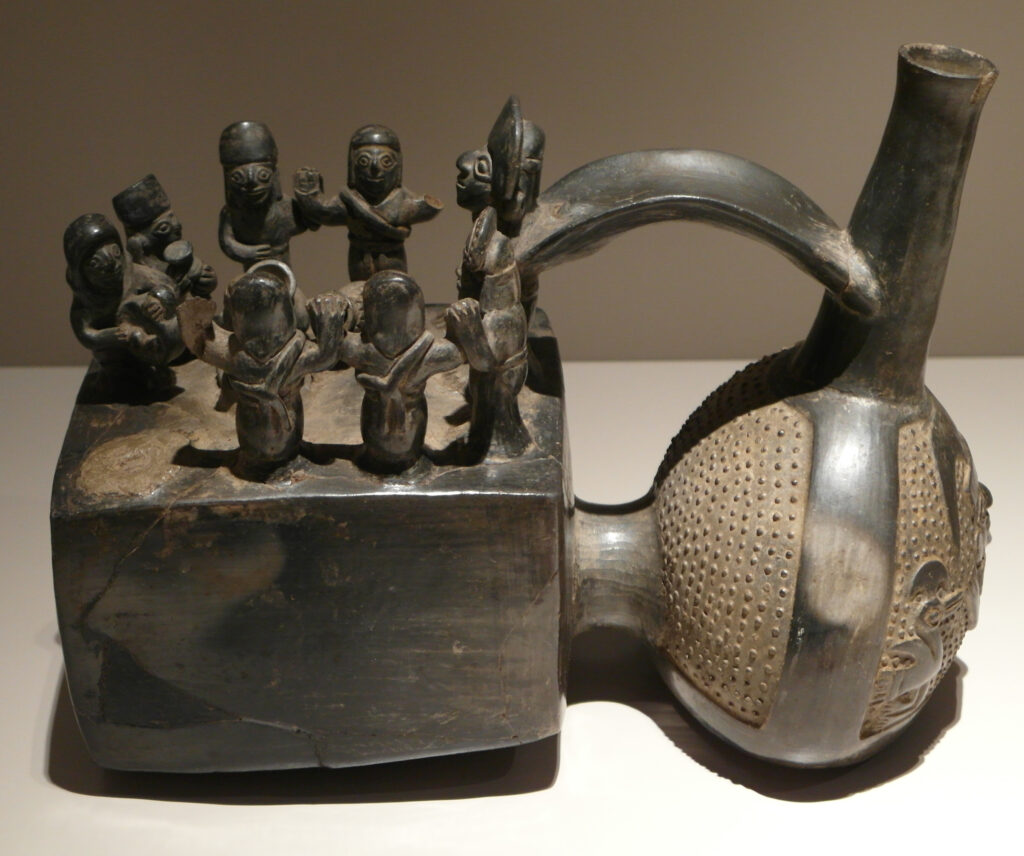
Long before copper stills arrived in South America, the indigenous peoples of the Andes mastered the art of fermentation. To experience this living history, the independent traveller must seek out Chicha de Jora.
This sacred beverage begins with yellow maize that has been soaked and allowed to sprout in the dark, converting complex starches into fermentable sugars—a natural process remarkably similar to the malting of barley in traditional beer brewing. The sprouted corn is dried in the Andean sun, ground into a coarse flour, and then boiled in large clay pots with wild herbs, sweet spices, and panela (unrefined cane sugar). The liquid is then transferred to deep, porous earthenware jars known as tinajas. Here, wild yeasts present in the environment and trapped within the clay walls trigger a natural, spontaneous fermentation.
The result is an opaque, straw-coloured liquid with a tart, slightly sour, and deeply refreshing flavour profile. Historically used to toast to the sun during agricultural rituals and to seal community bonds during collective labour projects, enjoying a glass of chicha connects you directly to the ancient communal rhythms of the valley.
The Ecuadorian Coast.
Where you’ll find the very best food
Where to eat / Independent guardians of Cuencano flavour
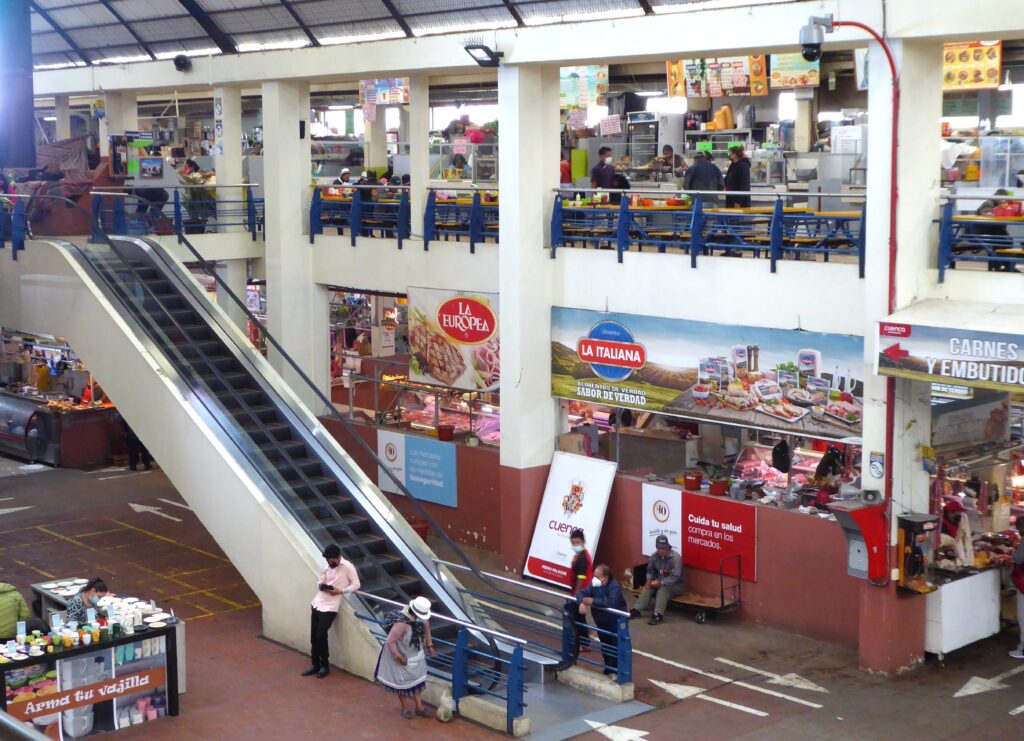
Navigating Cuenca’s food scene requires moving past modern, international chains and stepping into spaces where craftsmanship, history, and independent identity are fiercely protected.
Tiestos Café-Restaurant
For a dining experience that treats regional heritage as high art, Tiestos is unmissable. Led by Chef Juan Carlos Solano, this highly acclaimed restaurant takes its name from the tiesto—the traditional, unglazed earthenware clay plate used for centuries by Andean households to toast corn and bake flatbreads.
Here, succulent meats, fresh vegetables, and classic Andean sides are seared and served family-style directly in these heavy clay vessels, which retain intense heat and impart a delicate, smoky minerality to the food. The experience is theatrical yet profoundly grounded, complete with house-made hot sauces crafted from local tree tomatoes and ají peppers, and plates hand-decorated with colourful sauces by the kitchen staff.
El Mercado
Perched elegantly within a beautifully restored historic building overlooking the Tomebamba River, El Mercado bridges the gap between ancestral ingredients and contemporary farm-to-table dining. The restaurant celebrates the bounty of the surrounding Azuay province, sourcing directly from small-scale regional farmers and market gardens.
The menu shifts with the seasons, but their slow-cooked pork stews, roasted root vegetables, and fresh greens dressed with mountain herbs offer a clean, vibrant taste of the landscape. Dining here, with the sound of the river below and the sight of hanging gardens, encapsulates the philosophy of slowing down to appreciate your surroundings.
Restaurante Raymipampa
Located directly adjacent to the towering New Cathedral in the historic heart of the city, Raymipampa is a beloved local institution. For decades, its high-ceilinged, wood-panelled dining room has served as a democratic meeting ground where local families, business workers, and independent travellers sit side-by-side.
Raymipampa avoids pretension, focusing instead on executing traditional Cuencano comfort food with absolute consistency. It is the perfect venue for an authentic midday meal, where you can enjoy a flawless plate of Motepillo or a steaming bowl of Locro de Papas while watching the life of the plaza unfold through the windows.
Cuenca.
The Athens of Ecuador
An evening rest / Cultivating craft
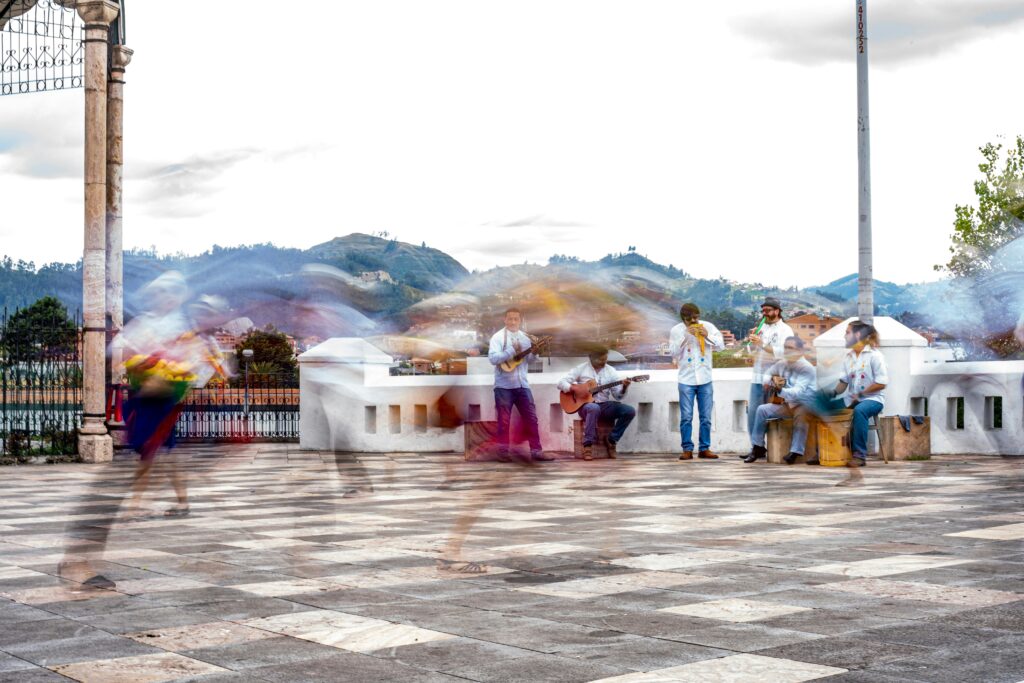
After a day spent navigating the historic centre on foot, exploring the artisanal textiles of the San Francisco market, or walking the cobblestone banks of the river, the independent traveller requires a place to rest and reflect.
While Cuenca is deeply rooted in its agricultural past, it also embraces independent global craft. Golden Prague Pub offers an unexpected but welcome pause. This independent microbrewery brings traditional Central European brewing techniques to the southern Andes. Utilising copper kettles and classic Bohemian methods, they brew crisp pale lagers and deep, complex dark beers that adhere strictly to traditional standards.
Sitting in this relaxed, grounded space with a well-crafted pint provides a moment of transition. It is a reminder that whether it is a Czech dark lager brewed in the mountains or a bowl of corn slow-cooked over an open flame, true luxury is found in patience, independence, and respect for the craft.
Frequently asked questions about Cuenca’s culinary heritage
The historic centre is highly walkable and best explored on foot. For ancestral dishes like hornado and cuy, bypass standard restaurants and head straight to municipal hubs like Mercado Central or Mercado 10 de Agosto, which are easily reached via a short walk or local bus.
The signature crispness comes from a long, slow twelve-hour roasting process in traditional wood-fired clay ovens. The pigs are continually basted with a marinade of garlic, cumin, and fermented chicha de jora, which causes the skin to blister evenly into a glass-like crackling.
While historically reserved for sacred ceremonies and festivals, cuy is available daily in specialised local restaurants and market stalls. However, because it requires slow, continuous turning over charcoal to crisp the skin properly, it is best enjoyed as a deliberate, unhurried meal rather than a quick bite.
Yes, the starchy pillars of the local diet offer excellent options. Motepillo provides a hearty meal of hominy corn and eggs, while a classic locro de papas relies entirely on native potatoes and cheese for its rich texture. Travellers should simply confirm with independent cooks that the potato soup base does not include meat stock.
Unglazed clay plates and pots, known as tiestos, have been used in Andean households for centuries to toast grains. Independent kitchens use them because they retain intense heat and impart a subtle, smoky minerality to meats and vegetables, keeping the food hot throughout a slow, conversational meal.
Unlike modern beers brewed with cultivated liquid yeasts and filtered systematically, chicha de jora relies on wild, spontaneous fermentation inside porous clay jars. The yellow maize is sprouted in the dark to unlock sugars, producing a cloudy, tart, and slightly sour beverage rather than a bitter, hoppy profile.
Ecuador.
Pure wonder on the equator.