Slow travel in the Amazon / The ultimate first-timer guide to Tena, Ecuador
Essential travel tips, weather advice, and local dining secrets for independent travellers visiting Tena for the first time
Rainforest rhythms, riverside tables, and the art of exploring
BEN FINCH
For many travellers, the mention of the Ecuadorian Amazon conjures up images of highly restrictive, all-inclusive luxury lodges or rigid, exhausting tour schedules. But if you are the kind of traveller who prefers to navigate by the schedule of local buses, watch the world go by from a riverside cafe, and unpack the history of a place without a guide waving an umbrella in your face, Tena is your sanctuary.
As the capital of the Napo province, Tena serves as the commercial heartbeat of the region while remaining firmly rooted in the surrounding rainforest. It is a working town where indigenous Kichwa traditions meet the slow-moving pace of river life. Here is how to navigate your first visit to this white-water paradise as a truly independent explorer.
The unhurried gateway to the Napo
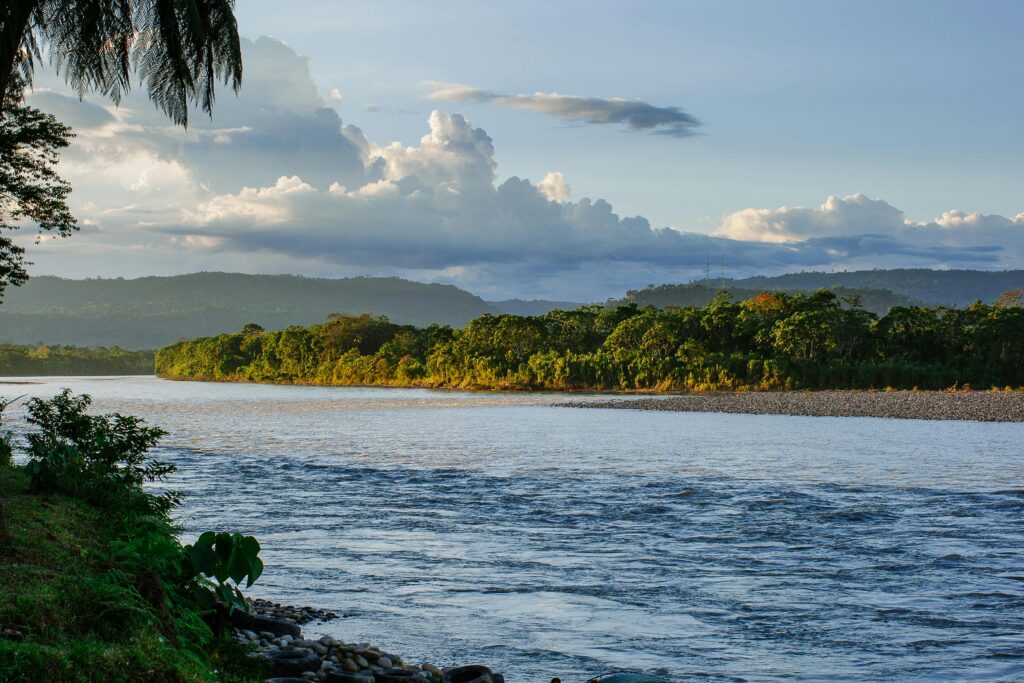
Tena rewards the self-reliant traveller who rejects choreographed excursions in favour of local public transport and secondary footpaths. It is a working town where the rainforest dictates the daily tempo, requiring flexibility, sharp instincts, and an appreciation for authentic Amazonian life.
- Microclimate Mastery: Navigating the sudden, volatile shifts between intense midday heat and torrential downpours by prioritising breathable ponchos over heavy jackets, and lining packs with dry bags to protect essential gear
- Communal Transit: Skipping private drivers to utilise the highly accessible network of local buses and shared camionetas (pickup trucks) that seamlessly connect the town centre to outlying river ports like Puerto Misahuallí
- Biodiverse Gastronomy: Experiencing a sophisticated, non-corporate dining landscape that ranges from innovative Amazonian fusion at Gastrobar Chanfles to traditional, slow-simmered home cooking at Restaurant La Fogata
- The Cash Imperative: Operating within a strictly paper-based local economy by carrying ample low-denomination US dollars, as market stalls, transport providers, and small eateries rarely accept cards
- Cultural Humility: Respecting the local Kichwa heritage by anchoring all daily interactions with patient, formal greetings (buenos días or buenas tardes) before conducting business
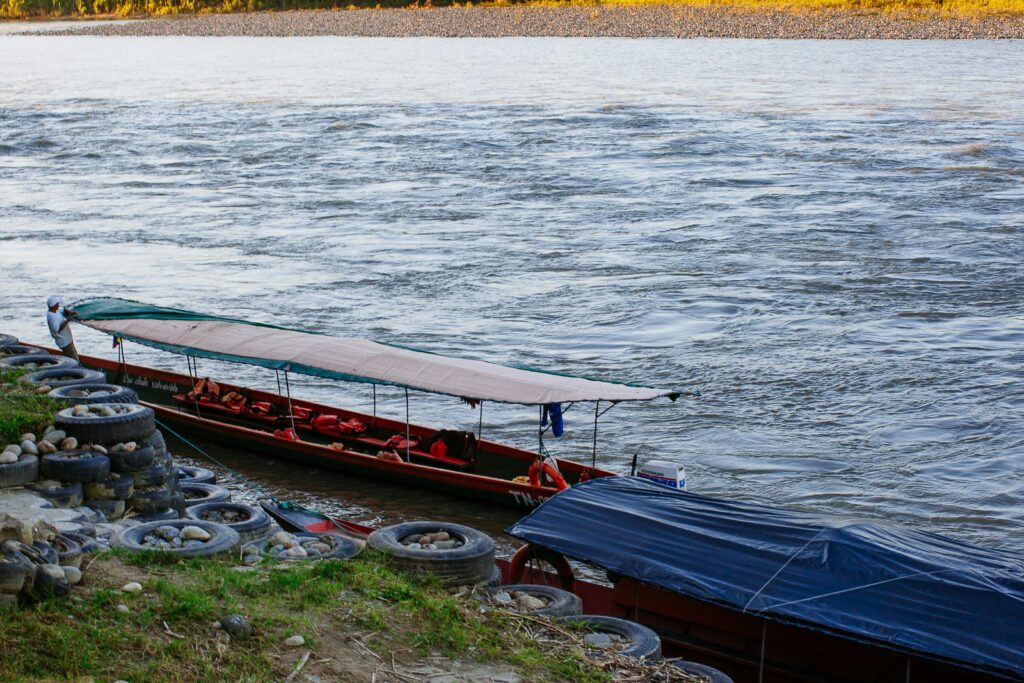
- River Vigilance: Staying mindful of the deceptive nature of the Río Tena and Río Pano, which are fed by distant Andean rainfall and can develop hazardous currents even under clear local skies
- Self-Guided Sanctuaries: Utilising free, independent green spaces like the footbridge-accessible Parque Amazónico La Isla to observe native canopy wildlife and flora entirely at your own pace
Tena.
Enter the Amazon
The climate paradox / Rain, sweat, and strategy
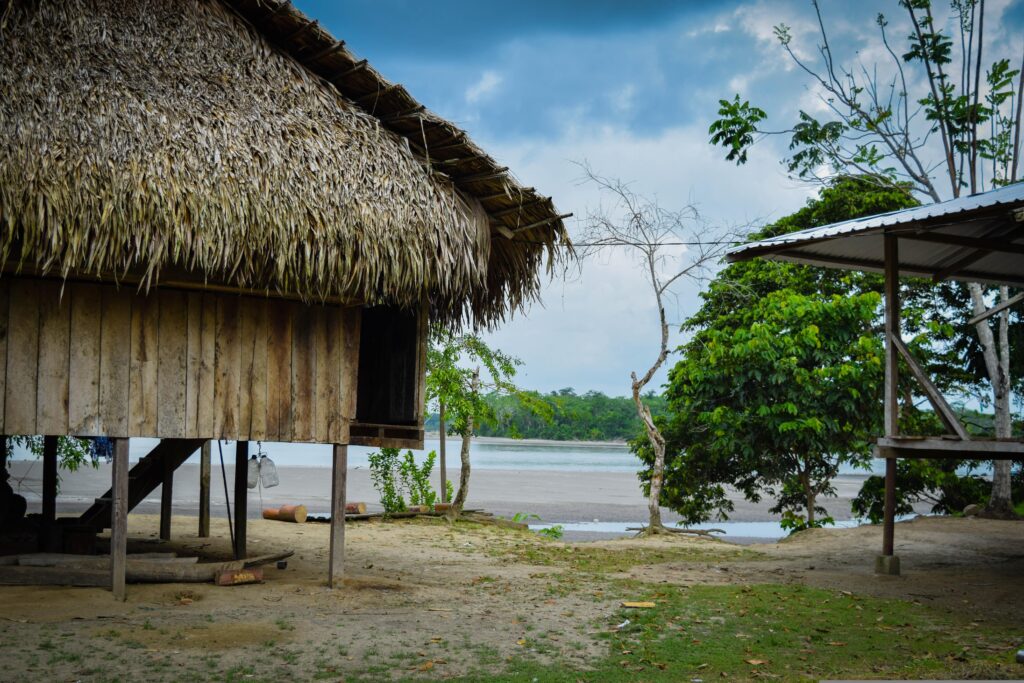
The first thing any visitor must understand about Tena is its microclimate. Situated in the foothills of the Andes where the mountains meet the Amazon basin, Tena does not follow the predictable dry and wet seasons of the high-altitude sierra. Instead, it operates on a system of sudden shifts. It can be blindingly hot at noon, only for the sky to open up in a torrential downpour by mid-afternoon.
Independent travellers must pack with this volatility in mind. Heavy, restrictive waterproof jackets will trap heat and cause discomfort in the intense humidity. Instead, opt for a lightweight, breathable rain poncho or a quick-drying windbreaker.
Crucially, protect your gear. If you are travelling by local bus or walking between neighbourhoods, ensure your electronics are stored inside dry bags or heavy-duty plastic linings within your backpack. The rain here is directional and intense; within minutes, an unexpected downpour can soak through standard canvas bags. Do not let the dampness deter you. The rain keeps the surrounding jungle lush, cools the evening air, and feeds the spectacular rivers that define the topography of the town.
Arriving and moving on your own schedule
Reaching Tena without a private driver or a pre-booked tour group is remarkably straightforward. Regular, reliable buses connect Tena with Quito, Baños, and Puyo. The journey from Quito via Baeza winds down the eastern slopes of the Andes, offering spectacular transitions from paramo highlands to cloud forest, and finally into the dense green of the lowlands.
Upon arrival at the terminal terrestre, which sits slightly outside the main commercial core, you have full control over your movement. Skip the aggressive tour agency desks inside the terminal and head straight outside. The local transport system is highly accessible. Local taxis are cheap and plentiful, operating on fixed daytime rates within the town limits.
For a more authentic local experience, look for the double-cab pickup trucks known as camionetas. These vehicles act as communal transit for residents moving between Tena and the outlying villages. If you want to visit the nearby port town of Puerto Misahuallí to see the river networks or watch the local wildlife, you do not need an organised excursion. Simply board one of the frequent local buses from the town centre or hail a shared camioneta. Travelling this way allows you to blend into the daily rhythm of the province, chat with residents, and save your budget for excellent food and independent exploration.
The Ecuadorian Amazon.
The most biodiverse place in the world
The authentic culinary landscape of Tena
Independent travel requires excellent fuel, and Tena possesses a surprisingly sophisticated culinary scene that avoids predictable national fast-food chains. The local dining culture reflects a proud blending of Amazonian ingredients with contemporary culinary styles.
For an exceptional evening meal, make your way to Gastrobar Chanfles. This innovative venue specialises in modern Amazonian fusion. The chefs here take traditional jungle ingredients, such as native fish, yucca, and local herbs, and rephrase them into beautiful, contemporary dishes that respect regional heritage while pushing creative boundaries. It is the perfect place to discover how diverse rainforest gastronomy can be.
If you are craving a hearty, robust meal after a long day of walking or independent exploration, Nacho Steak House is the premier choice. Known for its premium grilled meats, this establishment offers high-quality cuts cooked with precision, providing a satisfying, comforting option in a relaxed setting.
For a true taste of regional home life, seek out Restaurant La Fogata. This spot is highly regarded for traditional Ecuadorian home-style cooking. Here, you can enjoy authentic, unpretentious daily menus featuring slow-simmered soups, perfectly seasoned rice dishes, and local proteins prepared exactly how families in Napo have enjoyed them for generations.
During the heat of the afternoon, take a break at Café Tortuga. Situated beautifully along the riverbank, this sustainable hub is a favourite for a relaxed pause. It serves exceptional coffee alongside fresh, vibrant regional juices pressed from exotic jungle fruits you likely have never encountered before. It is an ideal spot to read, write, or simply watch the water flow by.
For a casual, high-quality dinner, Pizzeria Bella Selva delivers wonderful wood-fired craft pizzas. The combination of an artisanal, crispy crust and a welcoming, laid-back atmosphere makes it a great place to unwind.
Finally, no visit to Tena is complete without spending an hour or two at Chuquitos. This long-standing local landmark is positioned ideally for riverside drinks. As the evening cools down, join the locals here to enjoy a cold beverage right by the water, soaking in the ambient sounds of the town and the river.
The Ecuadorian Sierra.
Get lost in the hills
What first-timers often overlook
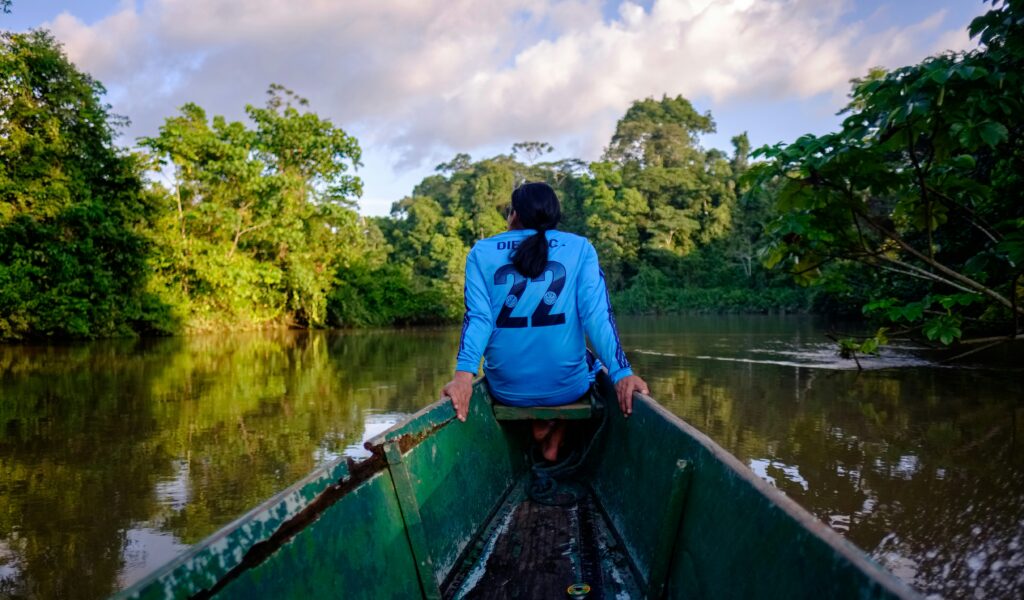
One of the most common mistakes visitors make when arriving in Tena is treating the destination as a mere launchpad for deep-jungle tours, completely missing the cultural nuances of the town itself.
Tena is surrounded by Kichwa communities, and their influence shapes local etiquette. Independent travellers should approach interactions with patience and humility. Greetings are important; a polite buenos días or buenas tardes goes a long way before asking for directions or ordering food.
From a practical perspective, first-timers frequently underestimate the cash economy of the region. While high-end establishments accept cards, the vast majority of local transport providers, market stalls, and small family-run eateries operate strictly on cash. Furthermore, the automated teller machines in the town centre can occasionally run out of currency during holiday weekends or reject specific foreign bank cards. Always carry a healthy supply of low-denomination US dollars, as trying to break a twenty-dollar note at a small fruit stall can cause significant inconvenience to the vendor.
Additionally, pay close attention to the rivers. The Río Tena and Río Pano are central to daily life, but they are fed by Andean rainfall far upstream. A clear, sunny day in town does not mean the river currents are calm. Always observe local behaviour; if the residents are staying out of the water, you should too.
The Galápagos.
Ecuador’s Enchanted Isles
Independent exploration for all ages
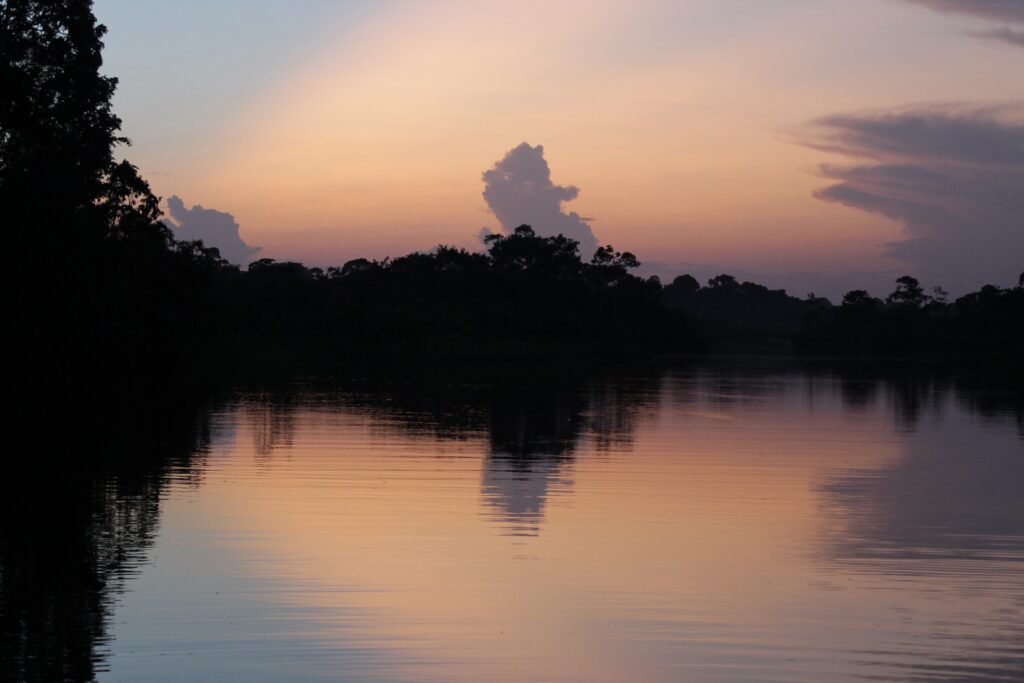
If you are travelling solo or exploring with family, Tena offers excellent opportunities for self-guided discovery that require no entry fees or rigid schedules. Cross the pedestrian footbridge over the river to reach the Parque Amazónico La Isla. This protected river island serves as an interpretive centre and botanical garden. It provides a peaceful, self-guided walking experience where families can observe native flora, majestic trees, and frequently spot wild birds and monkeys in the canopy. It is a brilliant way to experience the transition from urban space to rainforest environment entirely at your own pace.
Tena rewards those who are willing to slow down, walk the secondary streets, and let the day unfold naturally. By choosing independent transport and supporting authentic local businesses, you will experience a version of the Ecuadorian Amazon that tour groups completely miss.
Affiliate Disclaimer: Some of the links on Wheely Tyred are affiliate links. If you click through and make a booking or purchase, we may earn a small commission at no extra cost to you. We only recommend gear, tours, stays, and services we genuinely use, trust, and stand behind — our editorial independence always comes first. These commissions help keep our independent cycling guides and travel stories free to read. Thanks for supporting the ride!
The Ecuadorian Coast.
Where you’ll find the very best food
Frequently asked questions about Tena
Reaching Tena on your own schedule is remarkably straightforward. Reliable, frequent public buses connect the town with Quito, Baños, and Puyo. The journey from Quito via Baeza is particularly spectacular, winding down the eastern slopes of the Andes as the landscape transitions dramatically from high-altitude paramo to dense cloud forest.
Upon arriving at the terminal terrestre, ignore the aggressive tour agency desks and head straight outside to use local transport. Taxis operate on fixed daytime rates within town limits, while shared camionetas (double-cab pickup trucks) and local buses provide inexpensive, highly authentic transit to outlying communities and river viewpoints.
Avoid heavy, restrictive waterproof jackets, which trap heat and become incredibly uncomfortable in the thick rainforest humidity. Instead, pack a lightweight, breathable rain poncho or a quick-drying windbreaker. Crucially, ensure your electronics and travel documents are sealed inside dry bags within your backpack to survive sudden, directional downpours.
No. While a handful of upscale restaurants accept cards, the vast majority of local transport providers, fruit stalls, and family-run eateries operate strictly on cash. Furthermore, town centre ATMs can occasionally run dry on holiday weekends or reject international cards. Always travel with a secure supply of small-denomination US dollar notes.
Tena boasts an exceptional independent food culture. For modern culinary takes on native jungle ingredients, visit Gastrobar Chanfles. If you prefer traditional, unpretentious Ecuadorian home cooking, seek out Restaurant La Fogata. For a slower afternoon, Cafe Tortuga serves regional fruit juices right on the riverbank, while Chuquitos is the definitive local landmark for an evening riverside drink.
While the rivers are central to daily life in Tena, they require immense respect. Because the river networks are fed by Andean rainfall miles upstream, water levels and current speeds can change rapidly and dangerously without warning, even if it is sunny in town. The golden rule for independent travellers is to observe the residents: if the locals are staying out of the water, you should too.
Ecuador.
Pure wonder on the equator.